
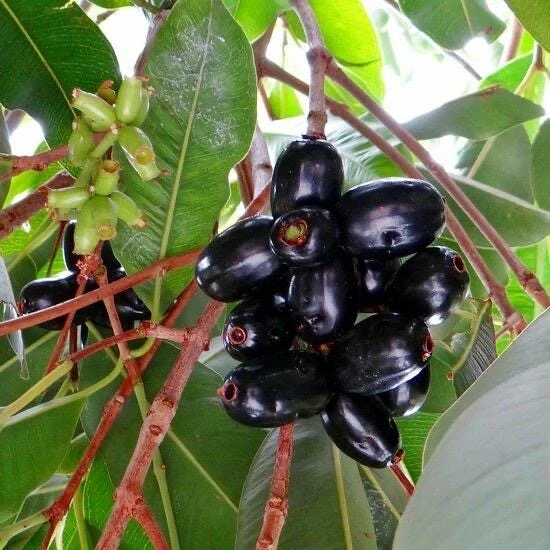
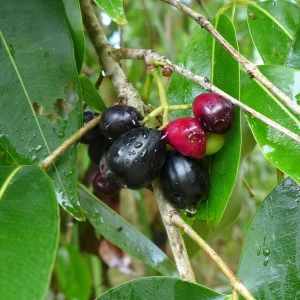
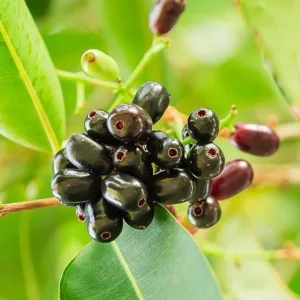
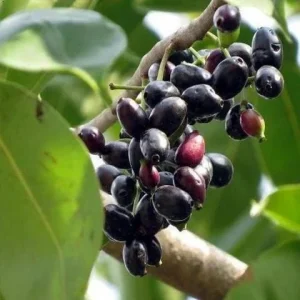
Jambolan Live Fruit Tree – Syzygium cumini – 10-24 Inches Tall – Java Plum
Original price was: $134.60.$84.60Current price is: $84.60.
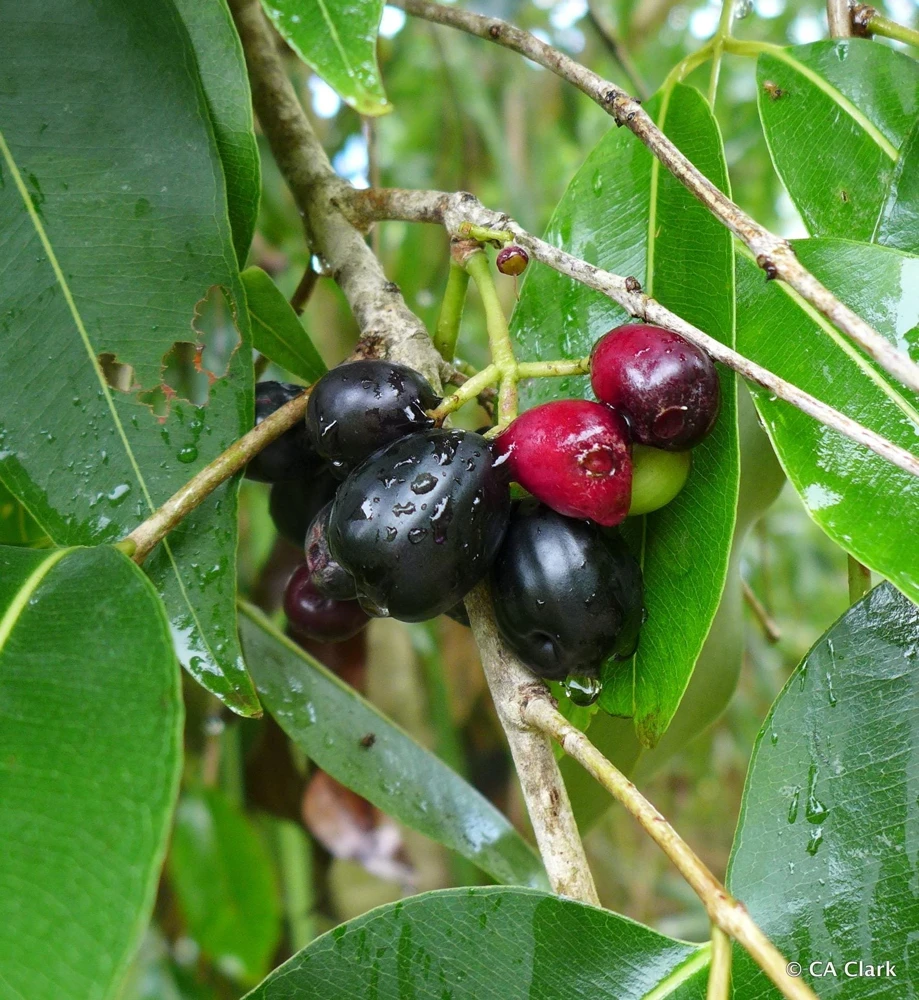
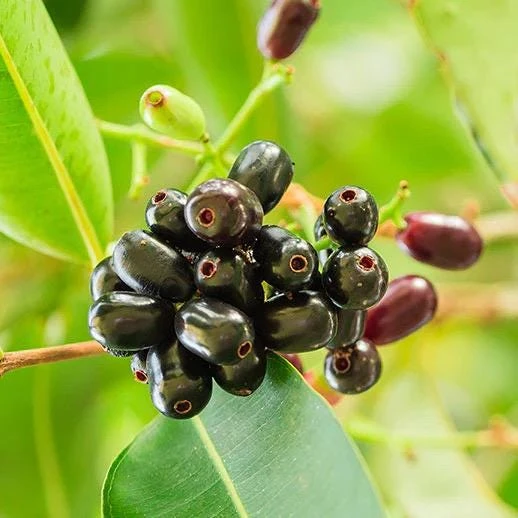
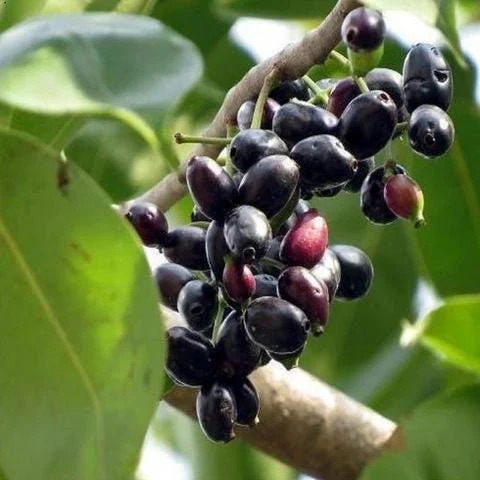
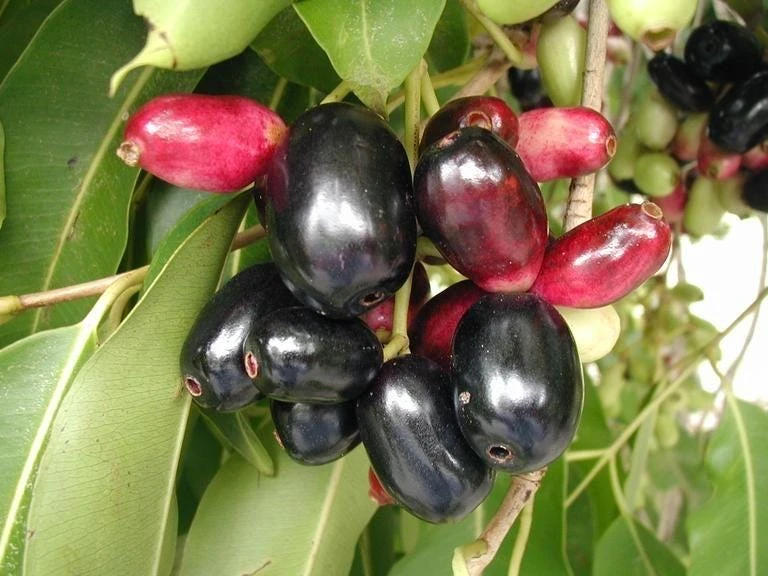
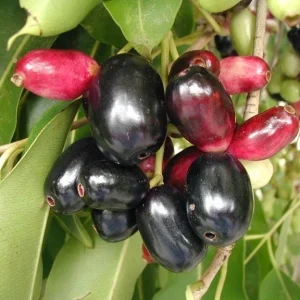
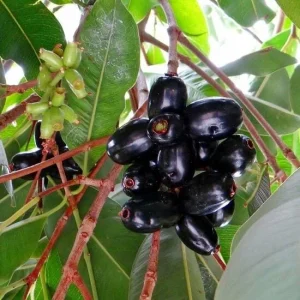
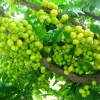
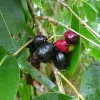
Cultivate your own jambolan live fruit tree, also known as Java Plum or Jamun. This tropical tree yields small, dark purple fruits with a unique astringent taste, similar to a cherry. A delightful addition for fruit lovers seeking exotic flavors. This plant is between 10 to 24 inches tall.
Estimated arrival
Sep 14
Sep 19 - Sep 21
Sep 24 - Sep 28

Reasonable Price
We offer reasonable price

Support 24/7
Contact us 24 hrs a day

100% Money Back
You've 30 days to Return

Payment Secure
100% secure payment
Overview
Bring the exotic taste of the tropics to your home with our premium jambolan live fruit tree. Also known by its botanical name Syzygium cumini, or commonly as Java Plum and Jamun, this remarkable tree is celebrated for its distinctive small, dark purple fruits. Native to the Indian subcontinent, Southeast Asia, and Australia, the jambolan live fruit tree is a fast-growing, evergreen species that can reach considerable heights in its natural habitat, but can be managed in cultivation. The fruit itself is a culinary delight, featuring a thin layer of yellowish flesh surrounding a single seed, offering an astringent yet sweet and tangy flavor profile reminiscent of a cherry. Beyond its delicious fruit, the tree boasts attractive foliage and can serve as a beautiful ornamental addition to your garden or a large container.
Our jambolan live fruit tree is carefully nurtured to ensure a healthy and robust specimen, ready to thrive in your care. Standing between 10 to 24 inches tall, it’s at an ideal stage for transplanting and establishing itself in its new environment. Whether you’re an experienced gardener looking to expand your collection of fruiting trees or a novice eager to explore the world of exotic fruits, the jambolan tree offers a rewarding growing experience. Its adaptability and unique fruit production make it a fascinating and valuable plant for any enthusiast.
Key Benefits
The jambolan live fruit tree offers a multitude of benefits, from its delicious fruit to its aesthetic appeal and potential health advantages. Cultivating this tree provides a unique experience for any gardener.
- Exotic Fruit Production: Enjoy the unique flavor of fresh jambolan fruits directly from your own tree. These dark purple berries are known for their sweet, tart, and slightly astringent taste, perfect for fresh consumption, juices, or preserves. Owning a jambolan live fruit tree allows you to savor this rare treat.
- Ornamental Value: With its dense, evergreen foliage and attractive bark, the jambolan tree makes a beautiful addition to any landscape. It can provide shade and visual interest, enhancing the beauty of your garden or patio.
- Adaptability: While tropical in origin, the jambolan tree is relatively adaptable to various soil types and can withstand short periods of drought once established, making it a resilient choice for many climates within its hardiness zone.
- Fast Growth Rate: This tree is known for its relatively fast growth, meaning you can look forward to enjoying its fruits and shade sooner than many other fruit trees.
- Potential Health Benefits: Jamun fruit and its components are traditionally recognized for various health-promoting properties, including antioxidant content. Many inquire about jamun fruit benefits for overall wellness.
- Pollinator Attraction: The flowers of the jambolan tree attract bees and other pollinators, contributing to the biodiversity and health of your garden ecosystem.
- Conversation Starter: Growing an unusual fruit tree like the syzygium cumini tree is sure to spark interest and conversation among friends and family.
Plant Care & Growing Tips
Caring for your jambolan live fruit tree is a rewarding experience that requires attention to its specific needs for optimal growth and fruit production. This tropical tree thrives in warm climates and requires consistent care, especially during its establishment phase. Understanding its sunlight, watering, and soil requirements is crucial for a healthy and productive tree. Many wonder about specific aspects of java plum plant care.
The jambolan tree prefers a location with full sun exposure, meaning at least 6-8 hours of direct sunlight per day. While it can tolerate partial shade, full sun will encourage better growth and fruit yield. Ensure it is planted in well-draining soil. A loamy, sandy soil with a slightly acidic to neutral pH (6.0-7.0) is ideal. If planting in a container, use a high-quality potting mix blended with some perlite or sand to enhance drainage. Regular watering is essential, especially for young trees. Keep the soil consistently moist but not waterlogged. Once established, the tree can tolerate some drought, but consistent moisture will promote healthier growth and better fruit development. During dry spells, deep watering once or twice a week is recommended.
Fertilize your jambolan live fruit tree with a balanced, slow-release fertilizer in spring and mid-summer. For young trees, a fertilizer with a slightly higher nitrogen content can promote foliage growth. As the tree matures and begins to fruit, switch to a fertilizer with a higher phosphorus and potassium content to support fruit development. Pruning should be done to maintain shape, remove dead or diseased branches, and encourage air circulation. Light pruning can be done annually after fruiting. The jambolan tree is sensitive to cold and frost, so if you live in an area where temperatures drop below 25°F (-4°C), consider planting it in a large container that can be moved indoors during winter, or provide adequate frost protection for outdoor trees. Understanding these aspects is key to successful growing jambolan tree.
Size & Details
Your jambolan live fruit tree will arrive as a healthy specimen, measuring between 10 to 24 inches tall from the base of the pot to the tip of the highest leaf. This size is ideal for transplanting, allowing the tree to quickly establish itself in its new environment. The tree is shipped in a nursery pot, ensuring its root system is protected and ready for planting upon arrival. While the exact width will vary based on individual plant growth, you can expect a compact, upright form at this stage.
The jambolan tree is known for its relatively fast growth rate, and with proper care, it can begin to produce fruit within a few years. In optimal conditions, mature trees can reach heights of 20-40 feet, though they can be kept smaller through regular pruning, especially when grown in containers. The fruits typically mature in late spring to early summer, offering a seasonal harvest of delicious Java Plums. This tree is a long-lived species, providing many years of enjoyment and fruit production.
Frequently Asked Questions
- Q: How big does this jambolan live fruit tree get? A: This particular jambolan live fruit tree is currently 10-24 inches tall. With proper care, it can eventually grow to 20-40 feet tall if planted in the ground, but can be maintained at a smaller size through pruning or by growing it in a large container.
- Q: What size pot does it come in? A: The tree is shipped in a standard nursery pot, ensuring the root system is protected during transit and ready for immediate planting or repotting upon arrival.
- Q: Is this an indoor or outdoor plant? A: The jambolan tree is a tropical plant best suited for outdoor cultivation in USDA Zones 9-11. In colder climates, it can be grown outdoors during warm months and brought indoors or protected from frost during winter.
- Q: How much sunlight does it need? A: A syzygium cumini tree thrives in full sun, requiring at least 6-8 hours of direct sunlight daily for optimal growth and fruit production.
- Q: Is this plant easy to care for? A: The jambolan tree is relatively easy to care for once established, provided it receives adequate sunlight, water, and is protected from frost. Consistent java plum plant care is key.
- Q: What condition will it arrive in? A: Your tree will arrive healthy and carefully packaged to minimize stress during shipping. We take great care to ensure the plant reaches you in excellent condition, ready for planting.
- Q: Can I eat the fruit from this tree? A: Yes, the jambolan tree is cultivated for its edible, dark purple fruits, also known as Java Plums or Jamun. They have a unique sweet and astringent taste.
- Q: How long until it produces fruit? A: With good care, your jambolan live fruit tree can start producing fruit within 3-5 years after planting, depending on growing conditions and climate.
- Q: What are the main jamun fruit benefits? A: Jamun fruit is traditionally valued for its rich antioxidant content and has been used in various traditional practices for its potential health benefits, including supporting blood sugar levels.
- Q: What’s the minimum temperature this tree can tolerate? A: The jambolan tree is sensitive to frost and generally cannot tolerate temperatures below 25°F (-4°C) for extended periods. Protection is essential in colder climates when growing jambolan tree.
Be the first to review “Jambolan Live Fruit Tree – Syzygium cumini – 10-24 Inches Tall – Java Plum”
-
USDA Hardiness Zone
USDA zones 9–11 -
Soil Type
Well-draining loamy or sandy soil -
Sunlight Exposure
Full sun -
Expected Planting Period
Year-round in warm climates; spring to early summer in cooler zones
People Also Viewd
Sold 134 products
Original price was: $3,536.00.$23.99Current price is: $23.99.
Sold 131 products
Original price was: $27.00.$24.00Current price is: $24.00.
Sold 130 products
Original price was: $89.99.$64.99Current price is: $64.99.

Sold 125 products
Original price was: $86.99.$66.99Current price is: $66.99.
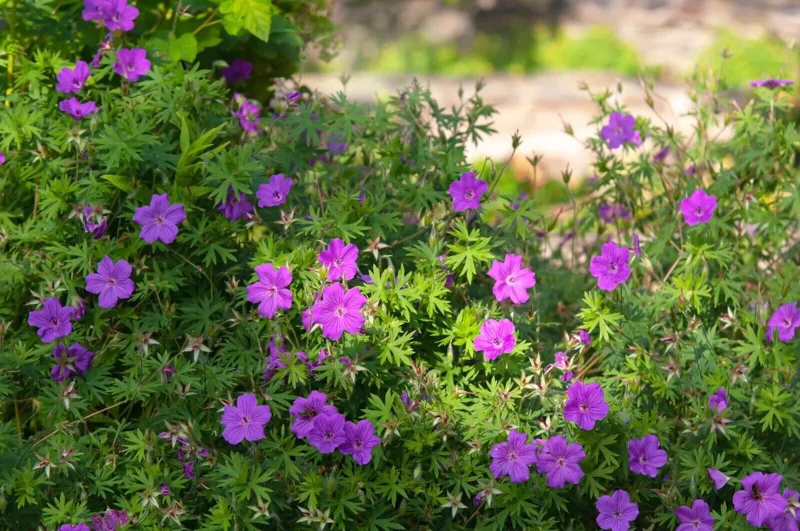
Flower Bulbs
3 Cranesbill Wild Geranium Organic Maculatums Bare Roots | Wildflower for Outdoor Garden
Sold 116 products
Original price was: $21.99.$9.99Current price is: $9.99.
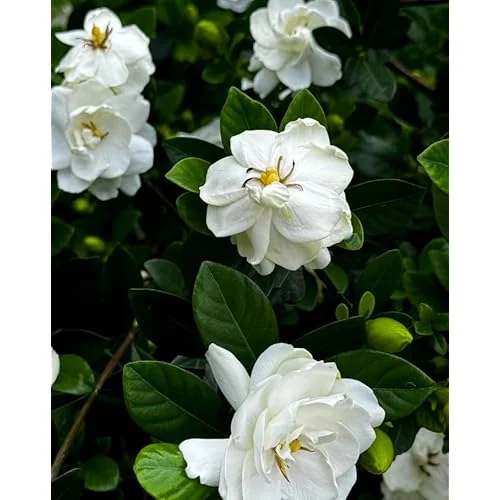
Sold 114 products
Original price was: $28.99.$17.99Current price is: $17.99.
Sold 110 products
Original price was: $63.99.$28.99Current price is: $28.99.
Sold 108 products
Original price was: $28.99.$17.99Current price is: $17.99.RELATED posts
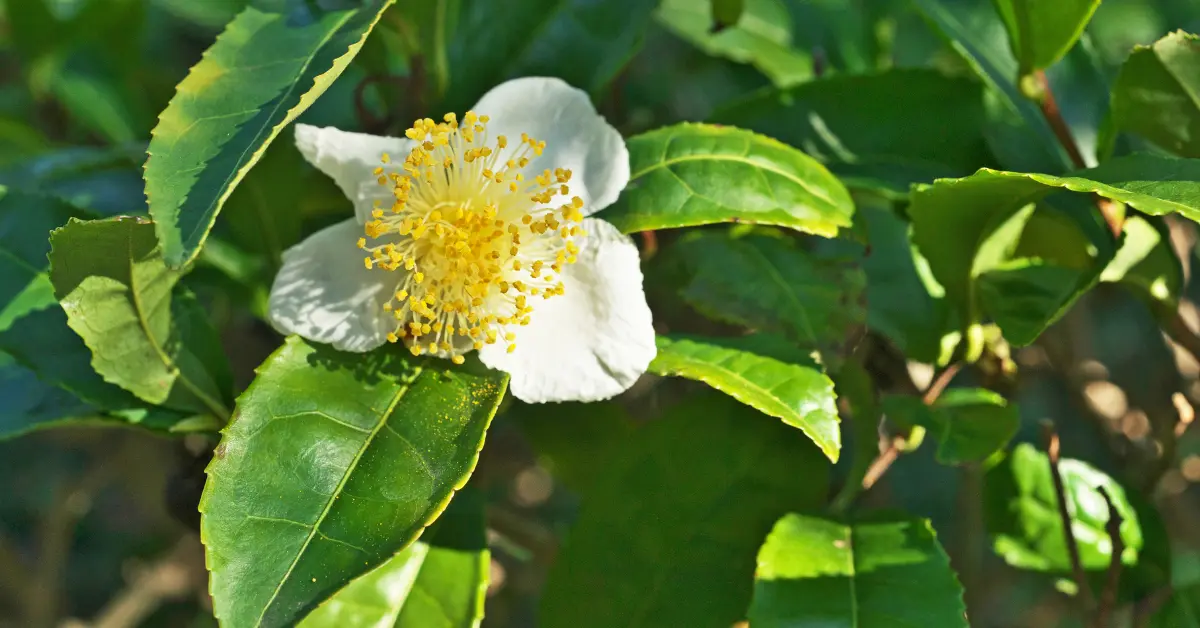
Growing Camellia Sinensis (Tea Plants) in Containers: A Complete Guide for Beginners
If you’ve ever wanted to sip a steaming, homegrown cup of fresh green, black, or [...]
Aug
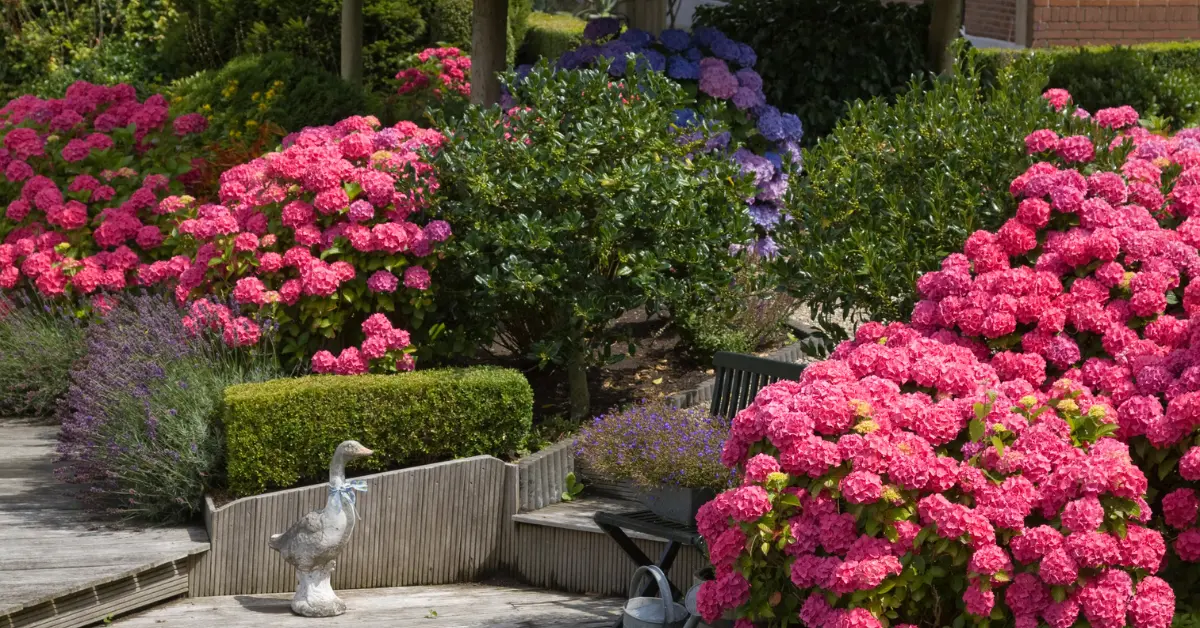
6 Best Shrubs to Plant in August You Must Try
Have you ever walked through a nursery late in the summer, admired the vibrant shrubs [...]
Aug
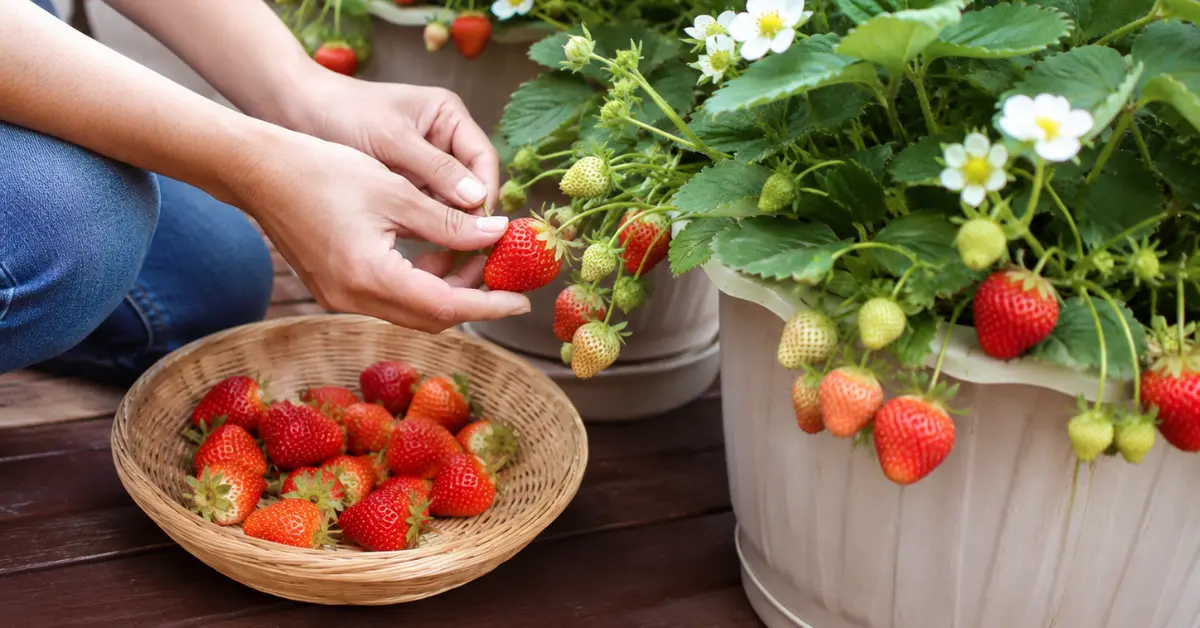
Growing Everbearing Strawberries in Containers: A Complete Guide for Beginners
Want to grow sweet, fresh strawberries but do not have a large garden? Everbearing strawberries [...]
Aug
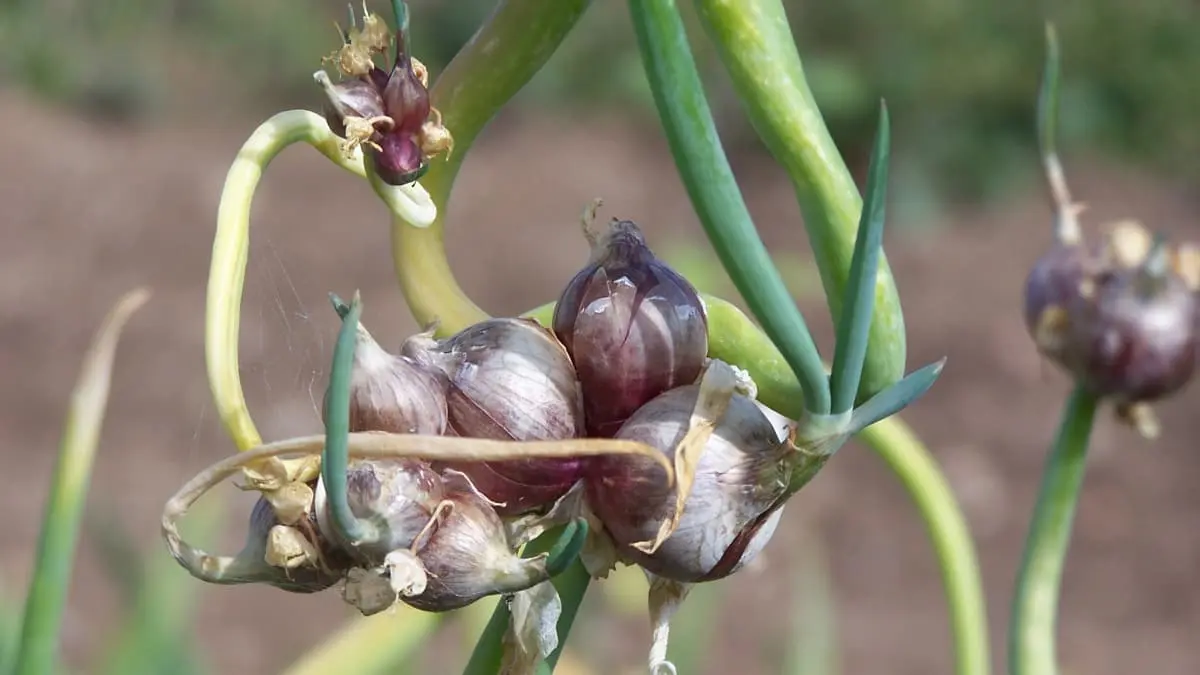
Growing Egyptian Walking Onions in Containers: A Complete Guide for Beginners
If you’re looking for a hardy, no-fuss perennial onion that keeps on giving year after [...]
Jul
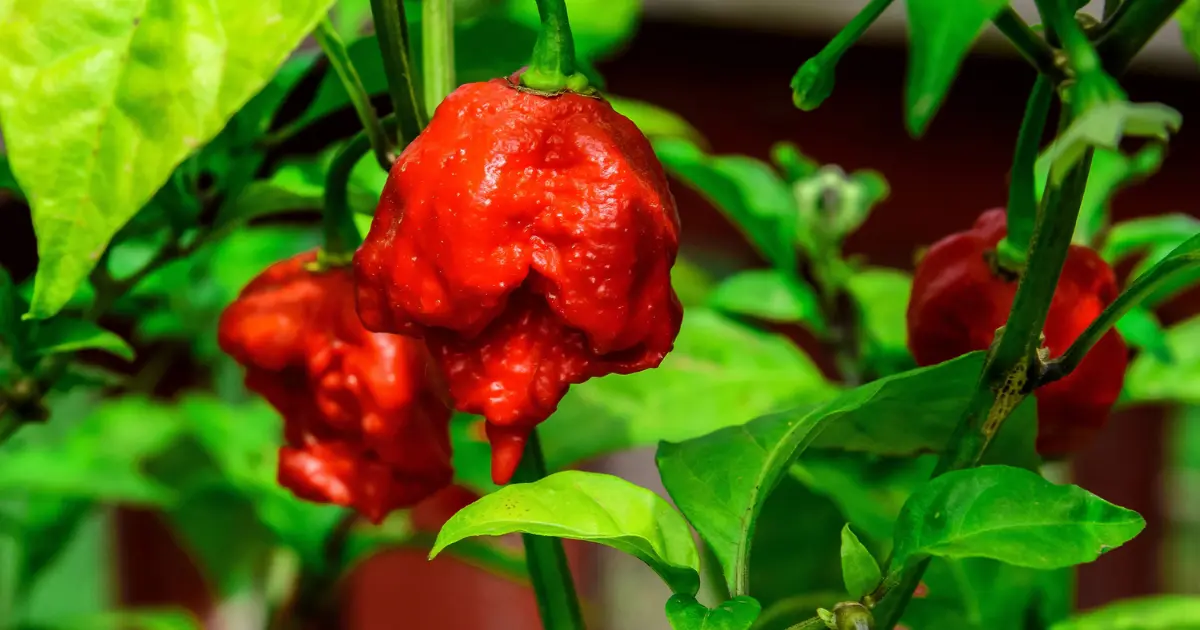
Growing Carolina Reaper Peppers in Pots: A Complete Guide for Beginners
If you’ve ever wanted to add some serious, record-breaking heat to your home cooking, you’ve [...]
May
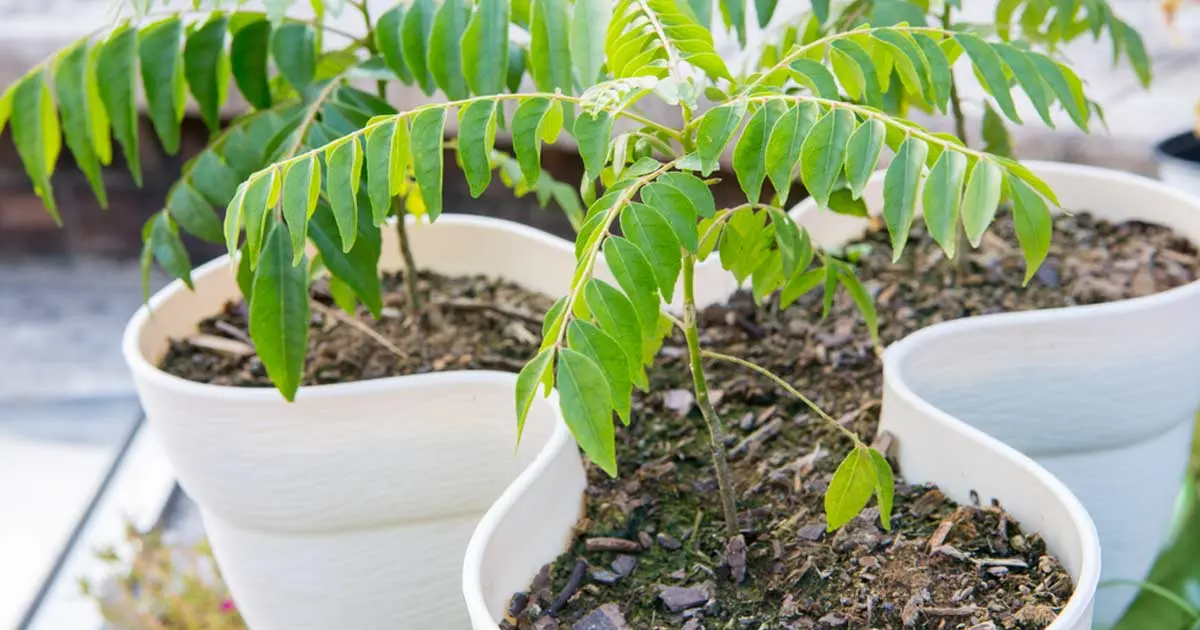
Growing Curry Leaf Plant in Pots: A Complete Guide for Beginners
If you’re a fan of authentic South Asian cuisine, you already know that nothing compares [...]
May
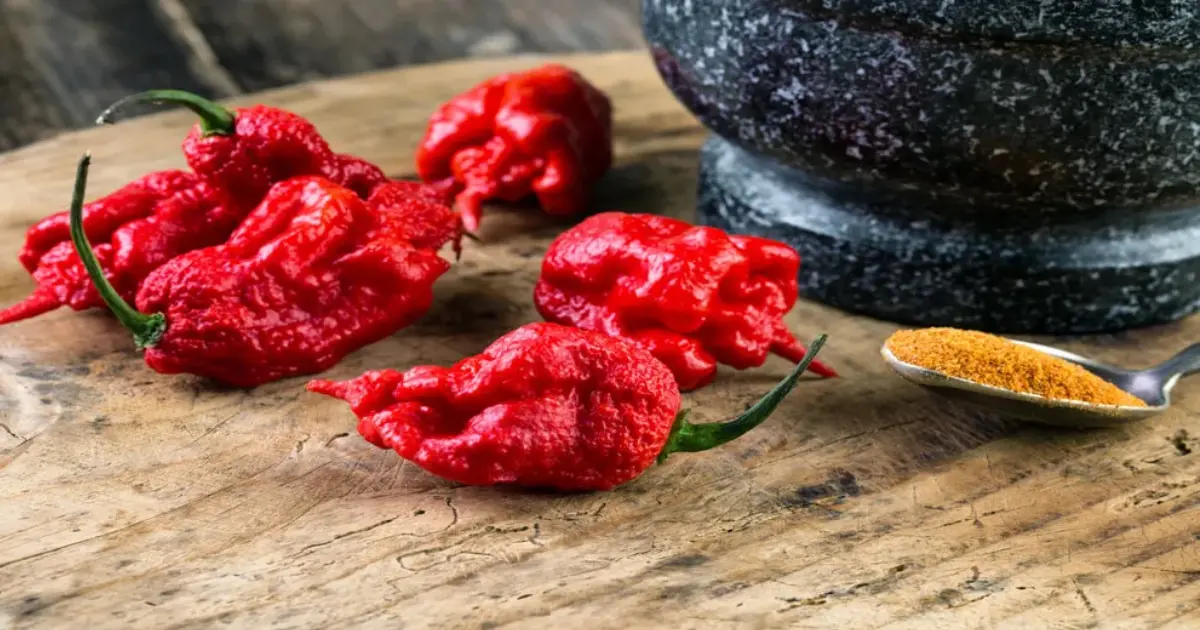
5 Tips for Growing Carolina Reaper Peppers to Get the Spiciest Harvest Ever
Holding the record for one of the world’s hottest peppers, the Reaper isn’t just a [...]
May
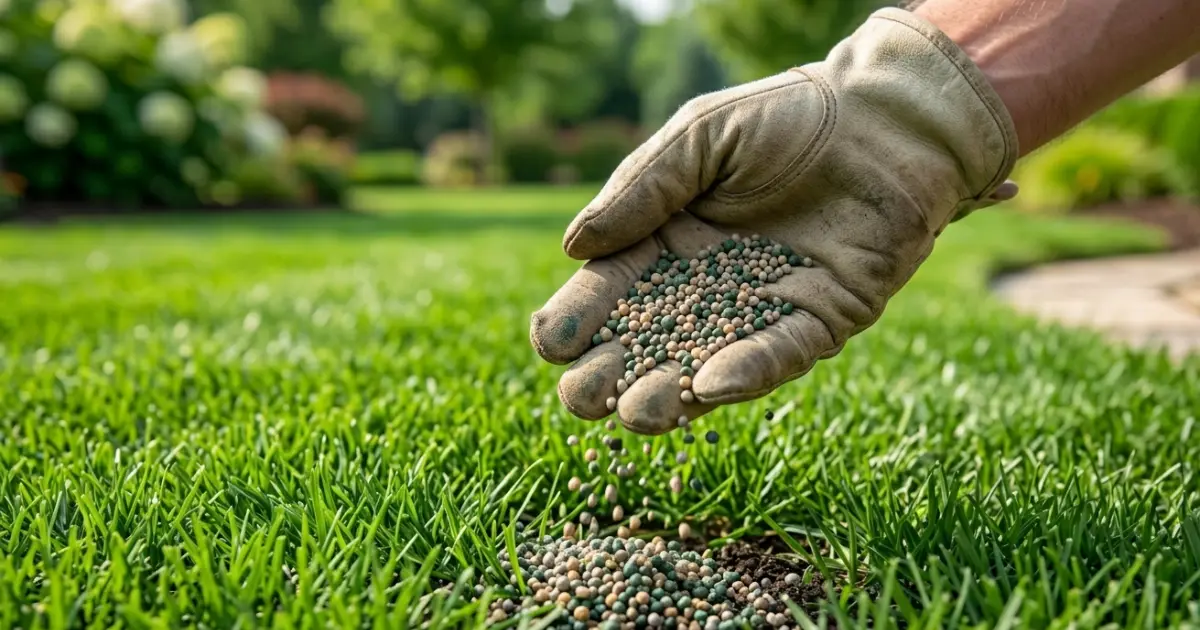
Best Fertilizers for Zoysia Grass in 2026: Get a Lush Lawn
As we enter the new year, the time has come to think about how we [...]
Apr

Reviews
There are no reviews yet.