
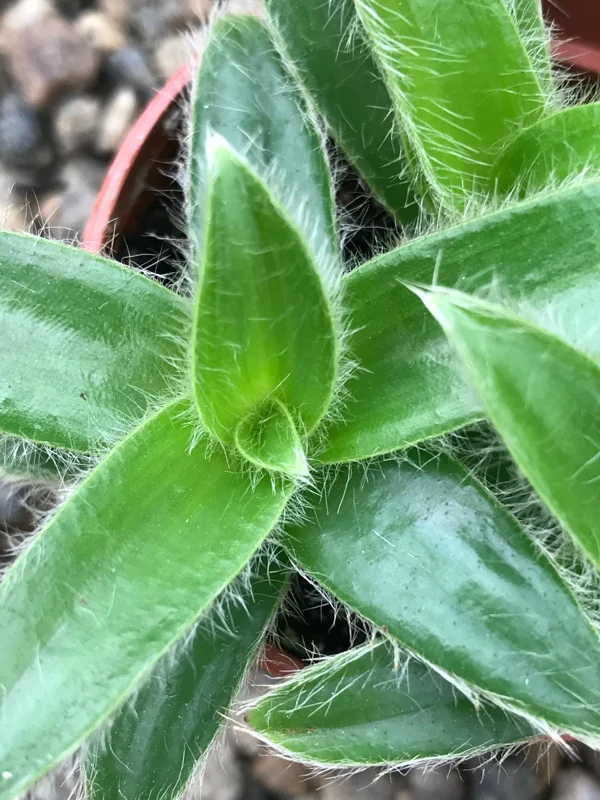
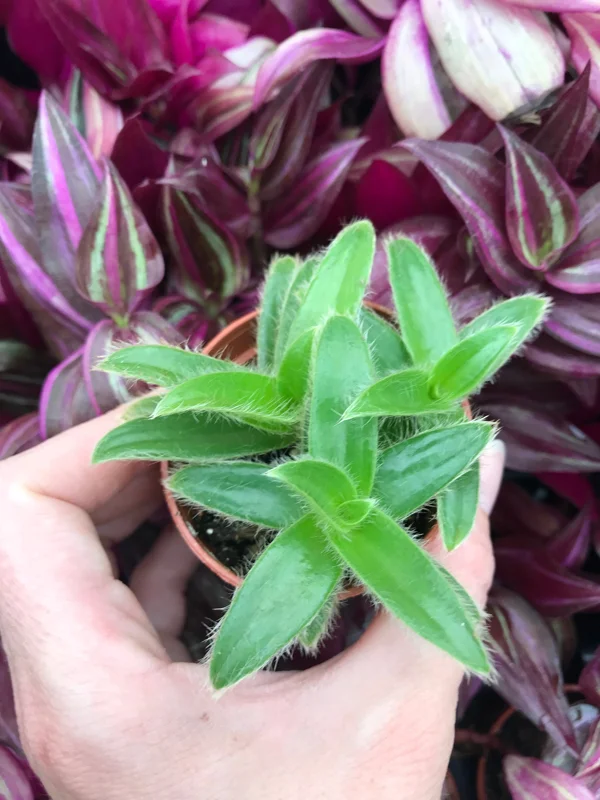
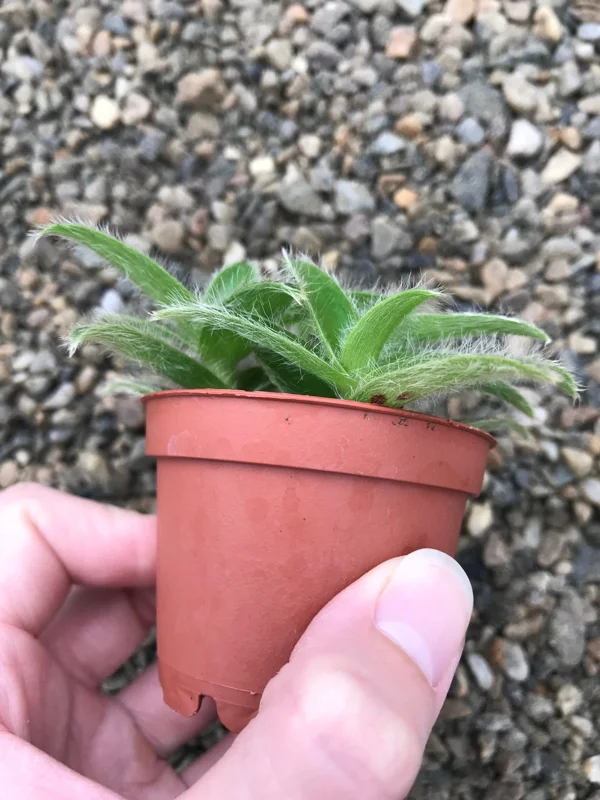
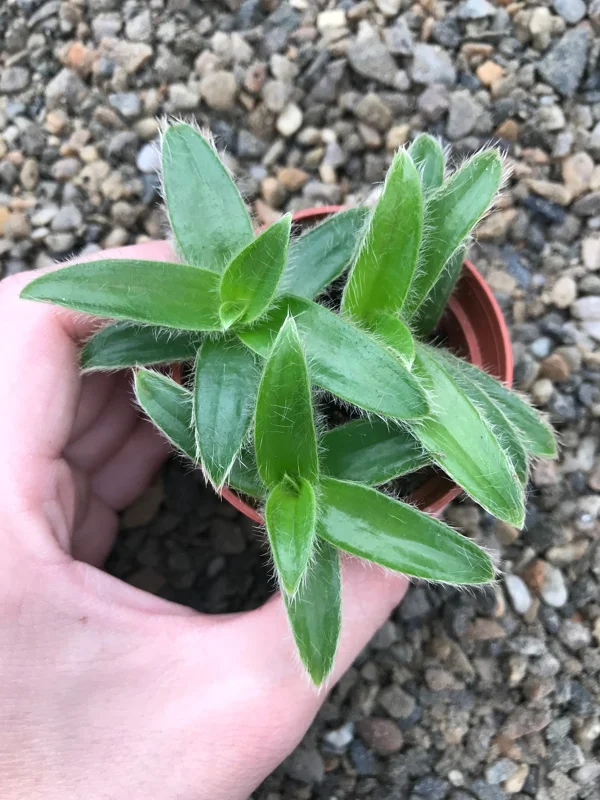
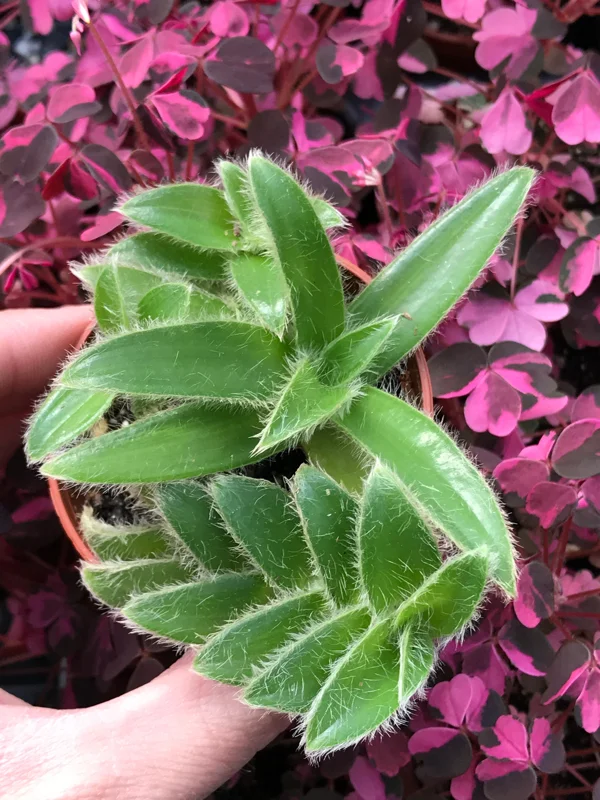
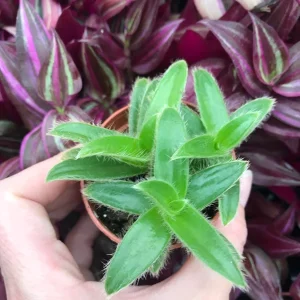
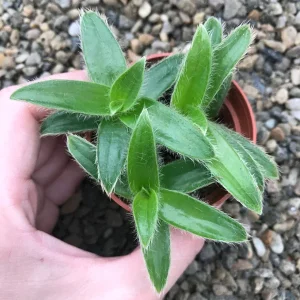
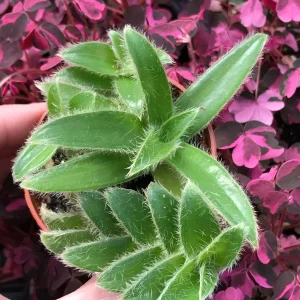
Kitten Ears Plant – Cyanotis Somaliensis Live Succulent – Fuzzy Foliage Houseplant
Original price was: $43.98.$21.99Current price is: $21.99.
Bring home the delightful Kitten Ears plant, a charming fuzzy succulent known for its soft, velvety leaves. This unique Cyanotis Somaliensis is an ideal indoor fuzzy plant, adding whimsical texture to any space. It’s low-maintenance and perfect for succulent enthusiasts.
Estimated arrival
Oct 11
Oct 16 - Oct 18
Oct 21 - Oct 25

Reasonable Price
We offer reasonable price

Support 24/7
Contact us 24 hrs a day

100% Money Back
You've 30 days to Return

Payment Secure
100% secure payment
Overview
Introduce a touch of whimsy and tactile delight to your indoor plant collection with the captivating Kitten Ears plant. Scientifically known as Cyanotis Somaliensis, this unique succulent earns its endearing common name from its thick, furry leaves that resemble a kitten’s ear. Hailing from East Africa, this charming plant is a member of the Commelinaceae family, which also includes various spiderworts. The Kitten Ears plant is a live, potted succulent renowned for its distinctive velvety texture and vibrant green foliage, often with a hint of purple on the undersides of the leaves. It grows in a compact, trailing habit, making it an excellent choice for shelves, hanging baskets, or as a delightful feature on a desk. Its fuzzy appearance isn’t just for show; it’s an adaptation to its arid native environment, helping to reduce water loss. This makes the fuzzy succulent incredibly resilient and forgiving, perfect for both novice and experienced plant parents looking for something truly special.
Key Benefits
The Kitten Ears plant offers a multitude of benefits that make it a highly desirable addition to any home or office. Its distinctive appearance and easy-care nature stand out among other succulents. Here are some of the key advantages of owning a Cyanotis Somaliensis:
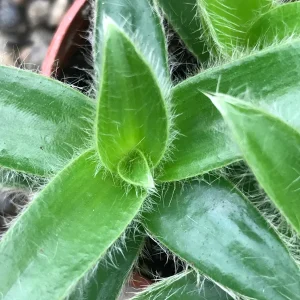
- Unique Aesthetic Appeal: The most striking feature of the Kitten Ears plant is its incredibly soft, fuzzy foliage. This tactile quality makes it a conversation starter and a joy to touch, adding a unique textural element that contrasts beautifully with smoother-leaved plants. Its rich green color with occasional purple undertones further enhances its visual charm.
- Low Maintenance: As a fuzzy succulent, the Kitten Ears plant is remarkably undemanding. It thrives on neglect, requiring infrequent watering and tolerating a range of indoor conditions, making it an ideal choice for busy individuals or those new to plant care.
- Compact & Versatile Growth Habit: With its relatively compact size and gently trailing stems, this plant is perfect for small spaces. It looks fantastic in small pots on windowsills, as part of a succulent arrangement, or spilling gracefully from a hanging planter, making it a versatile indoor fuzzy plant.
- Air Purification: Like many houseplants, the Kitten Ears plant contributes to a healthier indoor environment by absorbing airborne toxins and releasing oxygen, promoting better air quality and well-being.
- Drought Tolerant: Its succulent nature means it stores water in its leaves and stems, allowing it to withstand periods of drought. This makes it a robust and resilient plant that is less prone to issues caused by inconsistent watering.
- Pet-Friendly (Generally): While always advisable to research specific pet reactions, Cyanotis Somaliensis is generally considered non-toxic to cats and dogs, adding peace of mind for pet owners who want to enjoy beautiful greenery.
- Easy Propagation: The Kitten Ears plant is incredibly easy to propagate from stem cuttings, allowing you to easily expand your collection or share this delightful plant with friends and family.
Plant Care & Growing Tips
Caring for your Kitten Ears plant (Cyanotis Somaliensis) is straightforward, making it an excellent choice for plant enthusiasts of all skill levels. To ensure your fuzzy succulent thrives, pay attention to its light, water, and soil requirements. This plant prefers bright, indirect light. A south or west-facing window is ideal, but ensure it’s not exposed to harsh, direct afternoon sun, which can scorch its delicate fuzzy leaves. If light is insufficient, the plant may become leggy and lose some of its vibrant coloration. An east-facing window can also work, providing gentle morning sun.
When it comes to watering, less is often more for this indoor fuzzy plant. Allow the soil to dry out completely between waterings. Overwatering is the most common cause of problems for succulents, leading to root rot. You can check the soil moisture by sticking your finger about an inch or two into the soil. If it feels dry, it’s time to water thoroughly until water drains from the bottom of the pot. Reduce watering significantly during the cooler, dormant months of winter. The ideal soil for the Kitten Ears plant is a well-draining succulent or cactus mix. This type of soil prevents water from sitting around the roots, crucial for preventing rot. You can also create your own mix by combining regular potting soil with perlite or coarse sand to improve drainage. Ensure your pot has drainage holes.
The Kitten Ears plant is generally tolerant of average room temperatures, thriving between 65-80°F (18-27°C). It does not tolerate frost and should be protected from temperatures below 50°F (10°C). Humidity levels typical of most homes are perfectly fine; it doesn’t require high humidity. Fertilize sparingly, if at all. A balanced liquid fertilizer diluted to half strength can be applied once or twice during the growing season (spring and summer). Avoid fertilizing in fall and winter. Keep an eye out for common succulent pests like mealybugs, which can sometimes hide in the fuzzy foliage. Treat any infestations promptly with insecticidal soap or neem oil. Proper Kitten Ears care will ensure a healthy and vibrant plant for years to come.
Size & Details
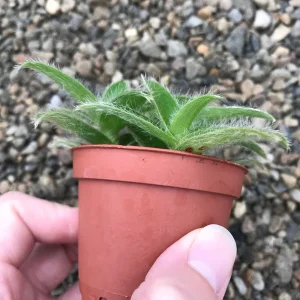
The Kitten Ears plant typically grows in a compact, mounding habit, with stems that can trail up to 12-18 inches long over time. The individual leaves are small, oval-shaped, and densely covered in soft, white hairs, giving them their characteristic fuzzy texture. When mature, the plant forms a lush mound of velvety foliage. It is usually supplied as a young, rooted plant in a 2-4 inch nursery pot, ready to be transplanted into your preferred decorative container. While primarily grown for its foliage, the Cyanotis Somaliensis can produce small, delicate purple-pink flowers on short stalks, usually during the warmer months, adding another layer of charm. The growth rate is moderate, allowing it to fill out a pot within a single growing season under optimal conditions. This fuzzy succulent is perfect for adding texture and visual interest to a variety of indoor settings.
Frequently Asked Questions
- Q: How big does the Kitten Ears plant get? A: The Kitten Ears plant typically grows into a compact, mounding form, with stems that can trail up to 12-18 inches in length. Its size makes it ideal for small spaces or as a component in a larger succulent arrangement.
- Q: Is this an indoor or outdoor plant? A: The Cyanotis Somaliensis is primarily grown as an indoor fuzzy plant in most climates. It can be moved outdoors in warm, frost-free regions during summer but must be brought inside before temperatures drop below 50°F (10°C).
- Q: How much sunlight does the Kitten Ears plant need? A: This fuzzy succulent thrives in bright, indirect light. A spot near a south or west-facing window is often ideal, but protect it from intense, direct afternoon sun which can scorch its leaves.
- Q: Is this plant easy to care for? A: Yes, the Kitten Ears plant is considered very easy to care for, making it an excellent choice for beginners. Its drought-tolerant nature and minimal needs contribute to its low-maintenance reputation.
- Q: What condition will it arrive in? A: Your Kitten Ears plant will arrive as a healthy, live, rooted plant, typically in a nursery pot. It will be carefully packaged to ensure it reaches you in excellent condition, ready for its new home.
- Q: How often should I water my Cyanotis Somaliensis? A: Water sparingly. Allow the soil to dry out completely between waterings. Overwatering is detrimental to this fuzzy succulent, so it’s always better to underwater than overwater.
- Q: Is the Kitten Ears plant pet-safe? A: The Kitten Ears plant (Cyanotis Somaliensis) is generally considered non-toxic to pets, including cats and dogs. However, it’s always best to monitor your pet’s interaction with any new plant.
- Q: What kind of soil is best for Kitten Ears care? A: A well-draining succulent or cactus potting mix is ideal for the Kitten Ears plant. This type of soil prevents water from accumulating around the roots, which is crucial for its health.
- Q: Can I propagate my Kitten Ears plant? A: Yes, propagating the Kitten Ears plant is quite easy from stem cuttings. Simply take a cutting, let it callus for a day or two, and then plant it in well-draining soil.
- Q: Does the Kitten Ears plant flower? A: While primarily grown for its unique foliage, the Cyanotis Somaliensis can produce small, delicate purple-pink flowers, usually during the warmer months, adding an extra touch of beauty.
Be the first to review “Kitten Ears Plant – Cyanotis Somaliensis Live Succulent – Fuzzy Foliage Houseplant”
-
USDA Hardiness Zone
unknown (best as indoor plant) -
Soil Type
well-draining succulent or cactus mix -
Sunlight Exposure
bright indirect light -
Expected Planting Period
year-round indoors
People Also Viewd


Sold 134 products
Original price was: $3,536.00.$23.99Current price is: $23.99.

Sold 132 products
Original price was: $27.00.$24.00Current price is: $24.00.

Sold 132 products
Original price was: $89.99.$64.99Current price is: $64.99.

Sold 125 products
Original price was: $86.99.$66.99Current price is: $66.99.

Flower Bulbs
3 Cranesbill Wild Geranium Organic Maculatums Bare Roots | Wildflower for Outdoor Garden
Sold 116 products
Original price was: $21.99.$9.99Current price is: $9.99.

Sold 114 products
Original price was: $28.99.$17.99Current price is: $17.99.
Sold 110 products
Original price was: $63.99.$28.99Current price is: $28.99.
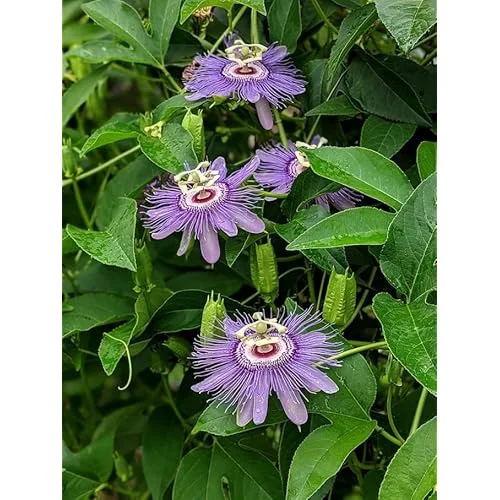
Sold 108 products
Original price was: $28.99.$17.99Current price is: $17.99.RELATED posts

How to Grow Arbequina Olive Trees: The Ultimate Guide to Your Own Olive Grove
Arbequina Olive Tree (Olea europaea ‘Arbequina’) – the ultimate Mediterranean plant that brings a touch [...]
Oct

Growing Garlic in Containers This Fall: A Complete Guide for Beginners
If you’ve ever wanted to pop fresh, aromatic garlic cloves straight from your own patio [...]
Sep
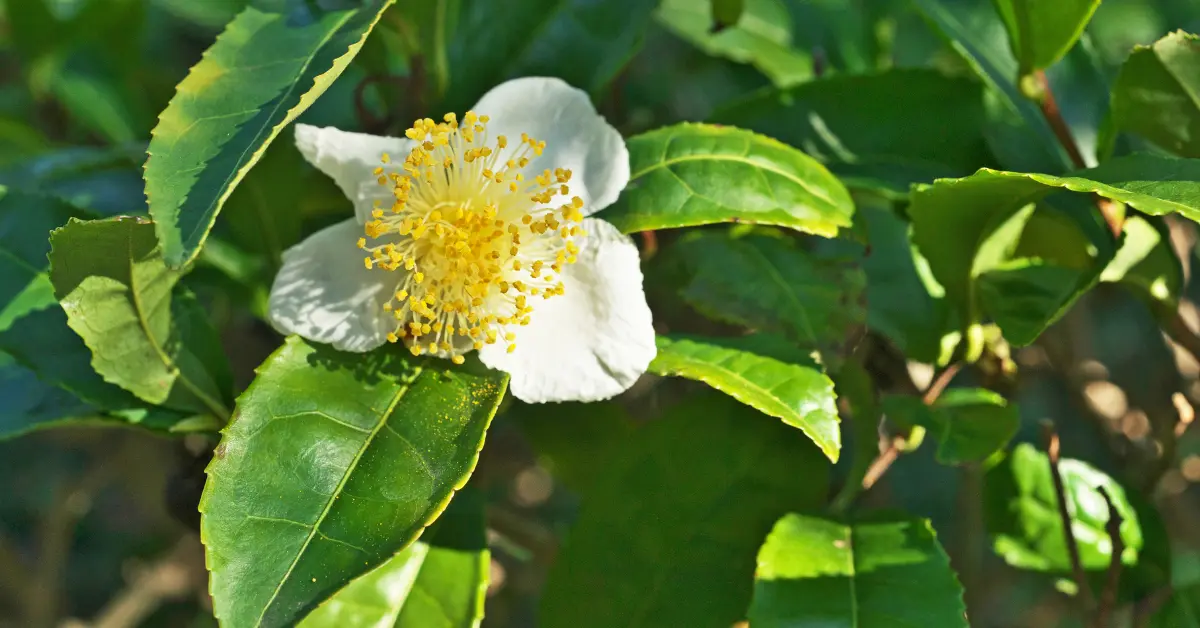
Growing Camellia Sinensis (Tea Plants) in Containers: A Complete Guide for Beginners
If you’ve ever wanted to sip a steaming, homegrown cup of fresh green, black, or [...]
Aug

6 Best Shrubs to Plant in August You Must Try
Have you ever walked through a nursery late in the summer, admired the vibrant shrubs [...]
Aug

Growing Everbearing Strawberries in Containers: A Complete Guide for Beginners
Want to grow sweet, fresh strawberries but do not have a large garden? Everbearing strawberries [...]
Aug
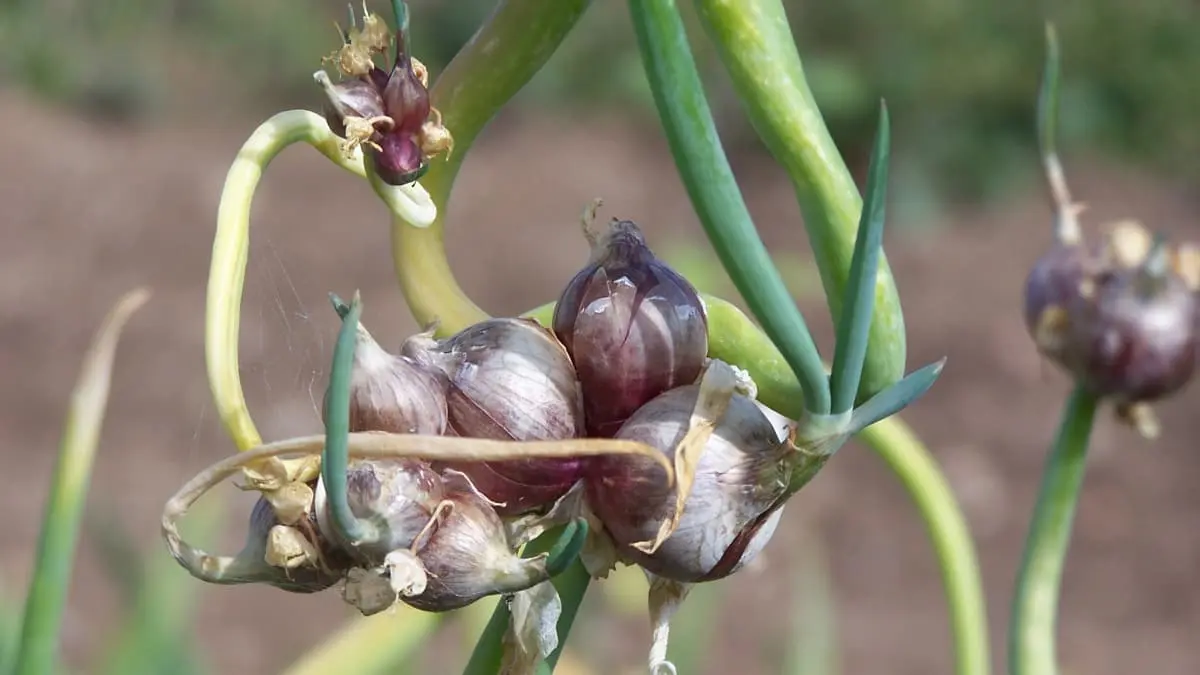
Growing Egyptian Walking Onions in Containers: A Complete Guide for Beginners
If you’re looking for a hardy, no-fuss perennial onion that keeps on giving year after [...]
Jul
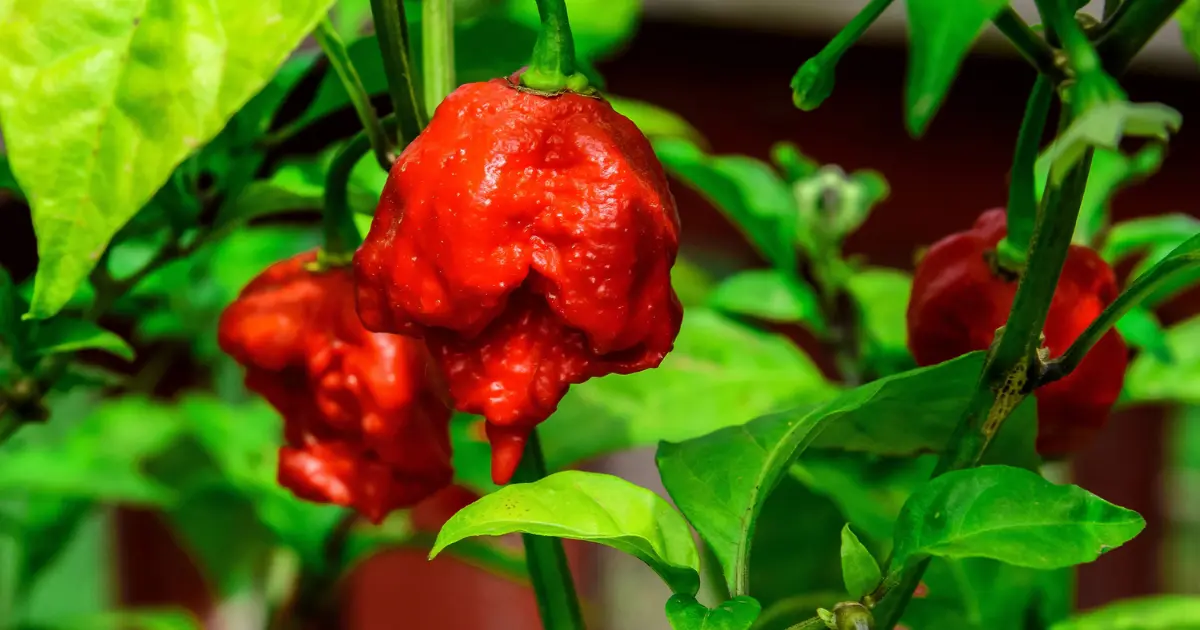
Growing Carolina Reaper Peppers in Pots: A Complete Guide for Beginners
If you’ve ever wanted to add some serious, record-breaking heat to your home cooking, you’ve [...]
May
Growing Curry Leaf Plant in Pots: A Complete Guide for Beginners
If you’re a fan of authentic South Asian cuisine, you already know that nothing compares [...]
May


Reviews
There are no reviews yet.