
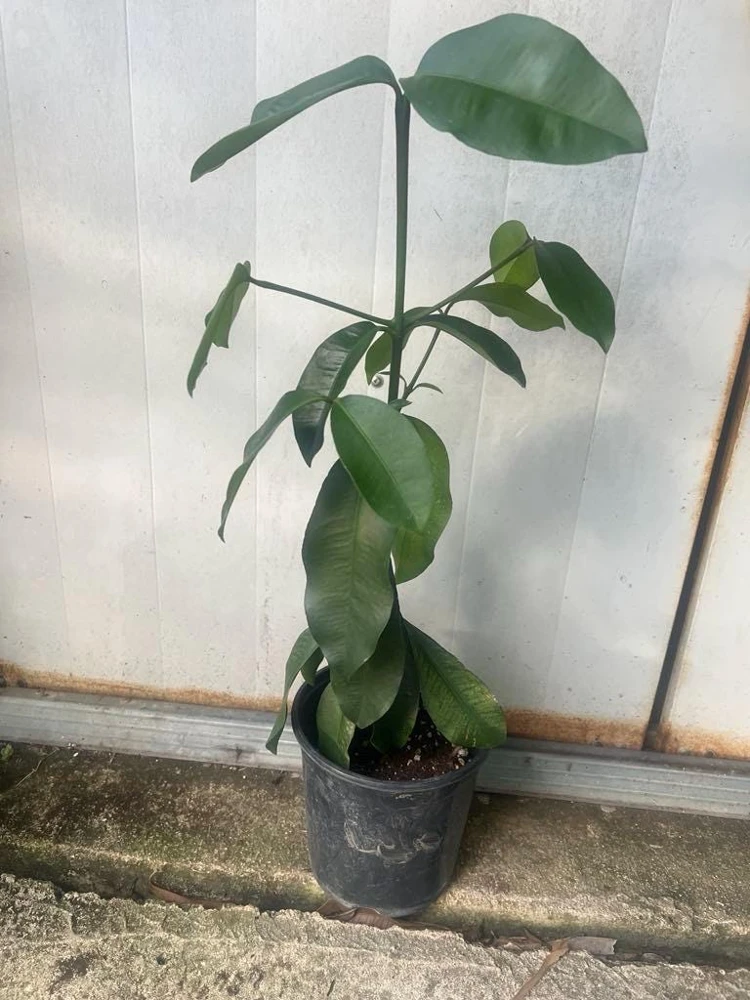
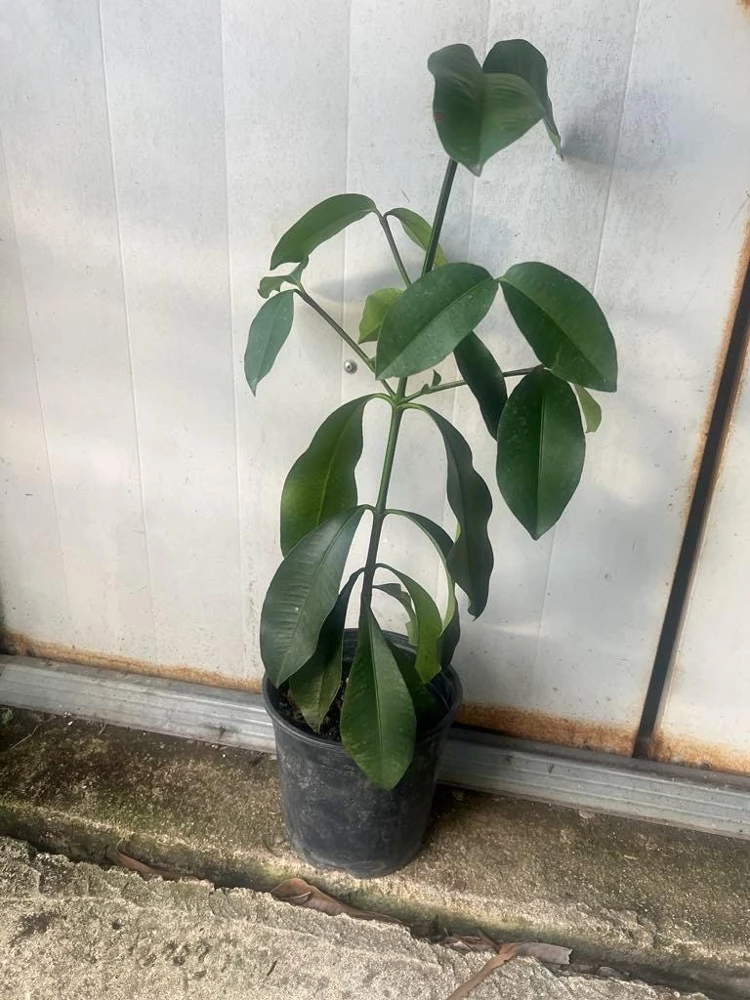
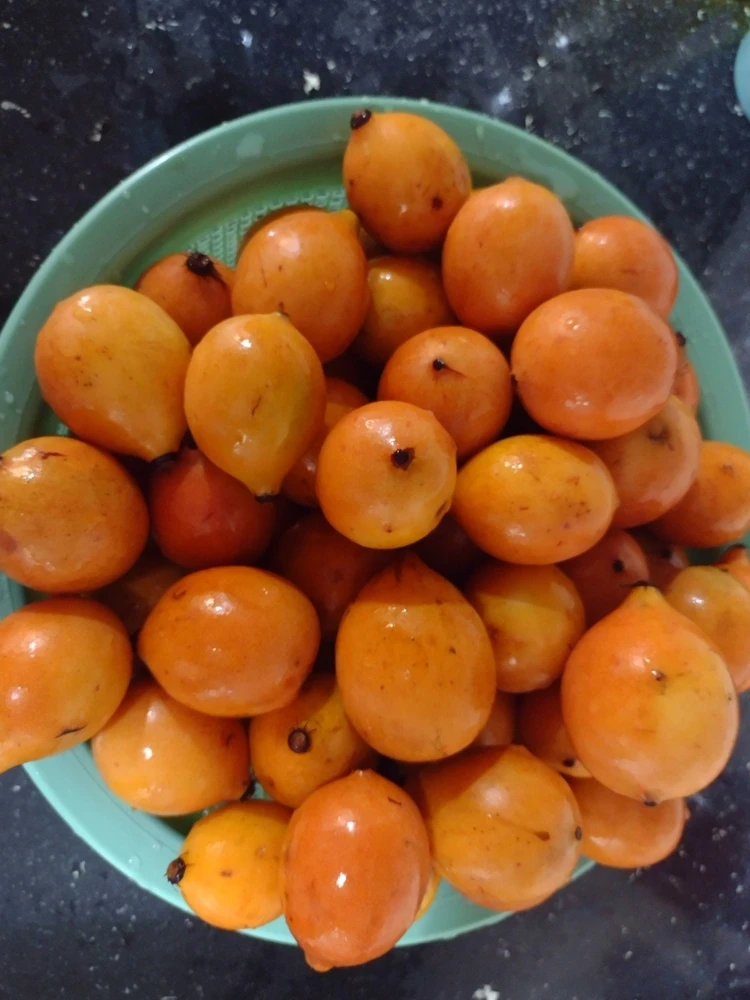
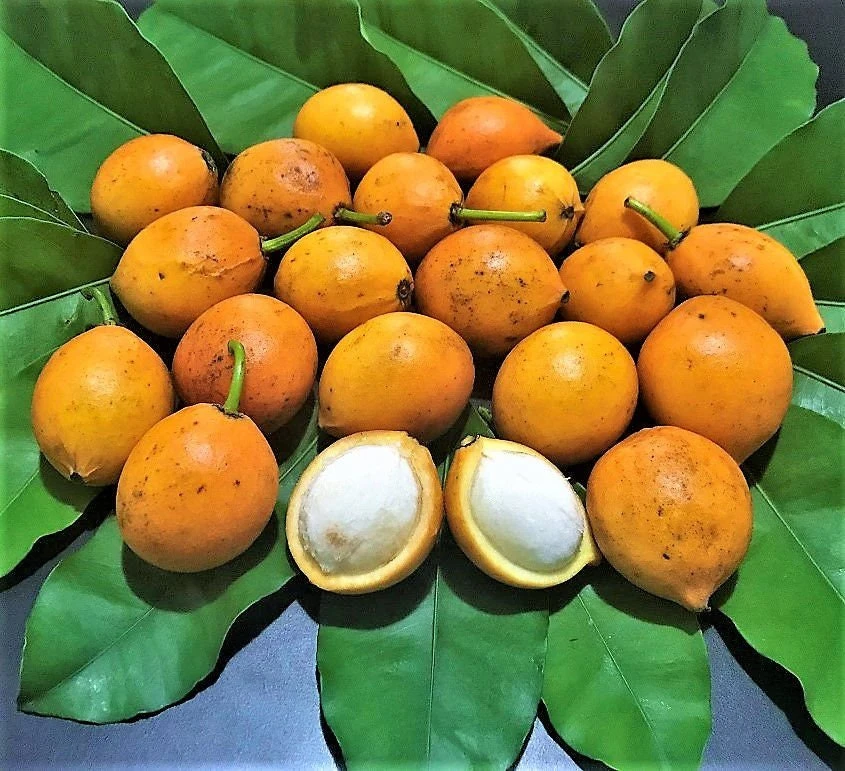
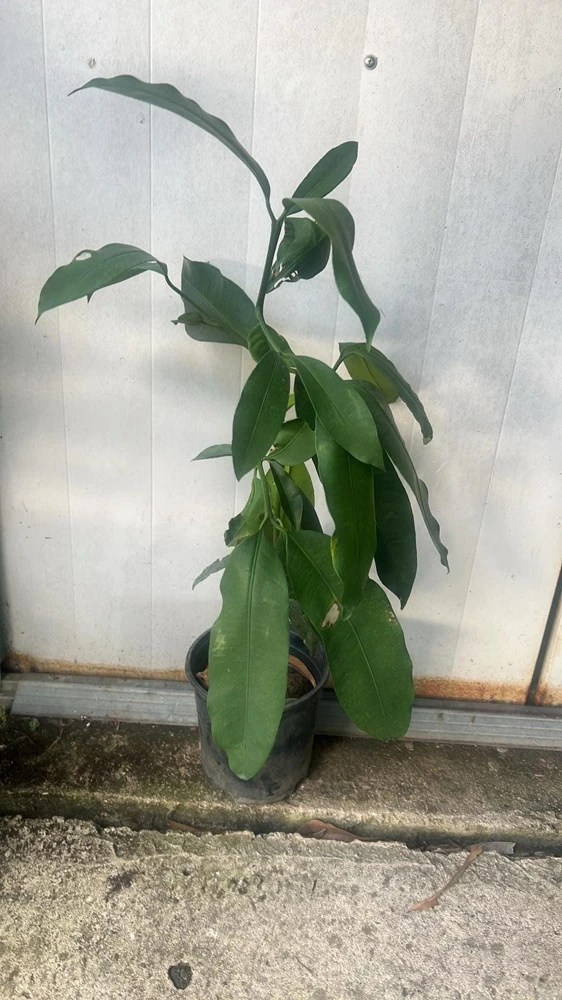
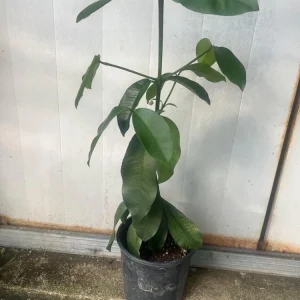
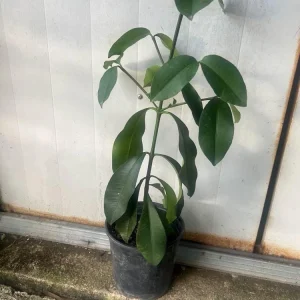
Lemon Drop Garcinia Brasiliensis Live Fruit Tree, 1-2 ft Tall, Tropical Fruit Plant
Original price was: $150.80.$100.80Current price is: $100.80.
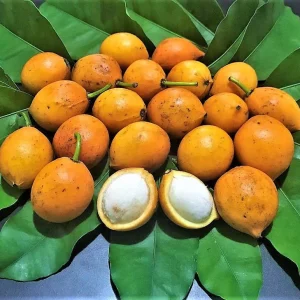
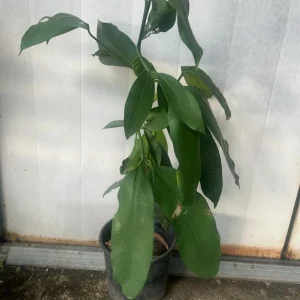
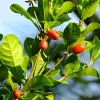
Bring the tropics home with a lemon drop garcinia live tree (Garcinia Brasiliensis), sized 1-2 ft tall. This unique tropical fruit tree for sale produces delicious, citrus-like fruit. Perfect for enthusiasts seeking an exotic addition to their garden or patio.
Estimated arrival
Sep 15
Sep 20 - Sep 22
Sep 25 - Sep 29

Reasonable Price
We offer reasonable price

Support 24/7
Contact us 24 hrs a day

100% Money Back
You've 30 days to Return

Payment Secure
100% secure payment
Overview
Cultivate an exotic taste of the tropics right in your own garden with this vibrant lemon drop garcinia live tree. Also known by its botanical name Garcinia Brasiliensis or the common name Bacupari, this remarkable plant hails from Brazil, promising a unique addition to any fruit enthusiast’s collection. While its initial growth is somewhat slow, typically accelerating after 4-5 years, the anticipation of its delectable fruit makes the journey worthwhile. This live fruit tree is a fantastic opportunity for gardeners eager to grow their own rare and delicious produce, offering a truly rewarding experience as it matures and begins bearing fruit. Expect production to begin around 7 years of age, delivering a burst of citrusy flavor.
The Lemon Drop Garcinia is admired not only for its fruit but also for its lush, evergreen foliage, making it an attractive ornamental specimen even before it begins to bear. Its compact size when young makes it suitable for container growing in cooler climates, allowing it to be moved indoors during colder months. As a tropical fruit tree for sale, it represents an investment in future harvests of unique and flavorful fruit that is rarely found in commercial markets. Enjoy the satisfaction of nurturing this special plant from a young stage to a mature, fruit-bearing specimen.
Key Benefits
The lemon drop garcinia live tree offers a multitude of benefits for the dedicated gardener, extending beyond just its delicious fruit:
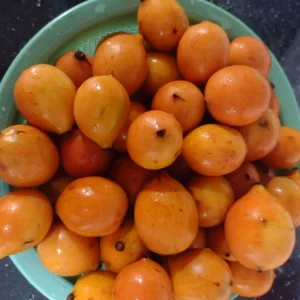
- Exotic Fruit Production: Enjoy the unique experience of harvesting your own rare Lemon Drop Garcinia fruit. These small, yellow fruits offer a delightful sweet-tart flavor, reminiscent of citrus, perfect for fresh eating or culinary experiments. Growing your own ensures freshness and organic quality.
- Ornamental Appeal: Even before fruiting, the Garcinia Brasiliensis boasts attractive, glossy green foliage, adding a tropical aesthetic to your landscape or patio. Its dense canopy provides shade and visual interest throughout the year, making it a beautiful specimen plant.
- Unique Garden Addition: Stand out from traditional fruit trees with this less common, yet highly rewarding, tropical species. A bacupari fruit tree provides a conversation starter and a source of pride for any gardener looking to expand their collection.
- Container Growing Potential: For those in non-tropical zones, this tree can thrive in large containers, allowing it to be brought indoors during winter. This flexibility makes it accessible to a wider range of climates, ensuring you can enjoy this exotic fruit.
- Long-Term Reward: While it takes time to mature, the eventual yield of delicious fruit from your garcinia brasiliensis plant care efforts is incredibly satisfying. It’s a plant that teaches patience and rewards generously.
- Health Benefits: Like many fruits, the Lemon Drop Garcinia is packed with vitamins and antioxidants, contributing to a healthy diet. Freshly picked fruit retains maximum nutritional value.
- Educational Value: Growing a tropical plant like this offers a wonderful learning experience about exotic horticulture, plant biology, and the satisfaction of sustainable living. You’ll learn the nuances of grow garcinia brasiliensis successfully.
Plant Care & Growing Tips
Proper garcinia brasiliensis plant care is crucial for ensuring your lemon drop garcinia live tree thrives and eventually produces fruit. This tropical species prefers a warm, humid environment, mimicking its native Brazilian habitat. When it comes to sunlight, aim for full sun to partial shade. In very hot, intense climates, some afternoon shade can be beneficial to prevent leaf scorch. If growing indoors, place it near a bright, south-facing window or provide supplemental grow lights to ensure it receives adequate light for healthy growth.
Watering should be consistent, especially during dry periods and when the plant is young. The soil should be kept consistently moist but never waterlogged, as this can lead to root rot. Allow the top inch or two of soil to dry out slightly between waterings. Good drainage is paramount, so ensure your pot has drainage holes or your garden soil is well-amended. A well-draining, slightly acidic to neutral soil mix is ideal. Fertilize your tropical fruit tree for sale with a balanced, slow-release fertilizer formulated for tropical fruit trees during the growing season (spring and summer), following the product’s instructions. Reduce fertilization during the dormant winter months.
This tree is sensitive to cold and should be protected from temperatures below 40°F (4°C). If you live outside of USDA zones 9-11, it is best to grow your bacupari fruit tree in a container so it can be moved indoors during winter. Pruning is generally minimal, focused on shaping the tree and removing any dead or diseased branches. Pay attention to common pests like aphids or scale, and treat them promptly with organic insecticidal soap if observed. With consistent care and attention, your Garcinia Brasiliensis will flourish, bringing you closer to enjoying its unique fruits. To successfully grow garcinia brasiliensis, patience and a consistent care routine are your best allies.
Size & Details
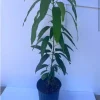
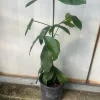
This offering is for a young lemon drop garcinia live tree, typically measuring between 1-2 ft in height at the time of shipment. These are juvenile plants, carefully selected to ensure a healthy start in your garden or home. While their initial growth is slow, focusing on establishing a strong root system, they will begin to accelerate their vegetative growth after approximately 4-5 years. The tree will be shipped in a nursery pot, ready for transplanting into a larger container or directly into your garden if your climate permits. The fruit production can be expected around 7 years of age, making this a rewarding long-term project for the patient gardener. The ultimate size of a mature Lemon Drop Garcinia can reach up to 15-20 feet in its native habitat, but in cultivation, especially when container-grown, it can be maintained at a more manageable size with strategic pruning.
Frequently Asked Questions
- Q: How big does this plant get? A: This lemon drop garcinia live tree is 1-2 ft tall at shipment. In optimal conditions, mature trees can reach 15-20 feet, but can be kept smaller with pruning, especially in containers.
- Q: What size pot does it come in? A: The tree typically arrives in a nursery pot, ready for you to transplant it into a larger container or directly into the ground. The exact pot size may vary but will be appropriate for the plant’s current height.
- Q: Is this an indoor or outdoor plant? A: The Garcinia Brasiliensis plant care dictates it is primarily an outdoor tropical plant for zones 9-11. However, it can be grown indoors in a bright location or as a patio plant that is brought inside during cooler months.
- Q: How much sunlight does it need? A: This tropical fruit tree for sale thrives in full sun to partial shade. If growing indoors, ensure it receives several hours of bright light daily, ideally from a south-facing window.
- Q: Is this plant easy to care for? A: While not extremely difficult, it requires consistent attention to its tropical needs, particularly regarding warmth, humidity, and watering. It’s best suited for gardeners with some experience or those willing to learn about tropical plant care.
- Q: What condition will it arrive in? A: Your bacupari fruit tree will arrive as a healthy, live plant, carefully packaged to minimize stress during transit. Some minor leaf drop can occur but is usually temporary.
- Q: How long until it blooms and fruits? A: This tree typically begins producing fruit around 7 years of age. The initial slow growth period helps establish a strong foundation for future fruiting.
- Q: When is the best time to plant? A: The best time to plant is in spring or early summer after all danger of frost has passed, allowing the plant ample time to establish before cooler weather.
- Q: Will it survive winter in my zone? A: It is suitable for USDA hardiness zones 9-11. If you are in a colder zone, you must protect the plant from frost by bringing it indoors or providing adequate winter protection.
- Q: How do I eat the fruit? A: The fruit is eaten naturally by cutting the peel with your teeth or a knife to avoid its latex. The pulp is sweet and tangy, often described as citrusy. Enjoy the unique flavor from your efforts to grow garcinia brasiliensis.
Be the first to review “Lemon Drop Garcinia Brasiliensis Live Fruit Tree, 1-2 ft Tall, Tropical Fruit Plant”
-
USDA Hardiness Zone
USDA zones 9-11 -
Soil Type
Well-draining, slightly acidic to neutral soil -
Sunlight Exposure
Full sun to partial shade -
Expected Planting Period
Spring to early summer
People Also Viewd
Sold 134 products
Original price was: $3,536.00.$23.99Current price is: $23.99.
Sold 131 products
Original price was: $27.00.$24.00Current price is: $24.00.
Sold 130 products
Original price was: $89.99.$64.99Current price is: $64.99.

Sold 125 products
Original price was: $86.99.$66.99Current price is: $66.99.
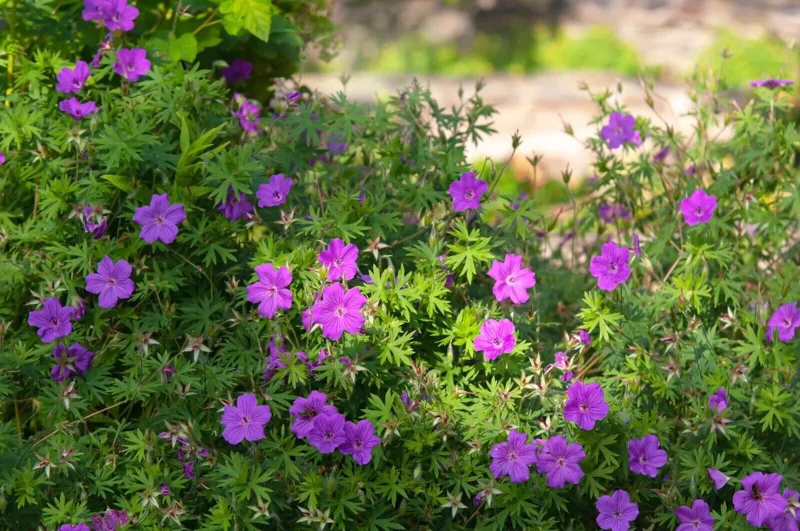
Flower Bulbs
3 Cranesbill Wild Geranium Organic Maculatums Bare Roots | Wildflower for Outdoor Garden
Sold 116 products
Original price was: $21.99.$9.99Current price is: $9.99.
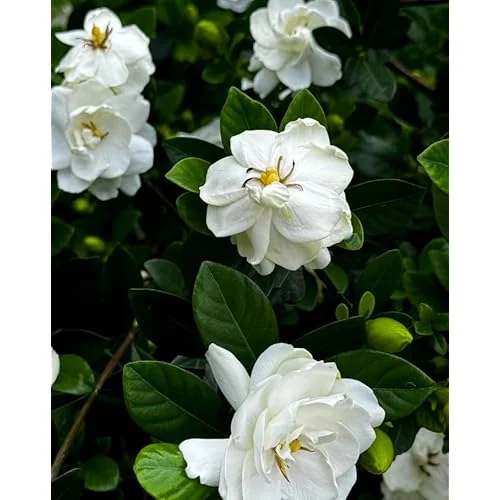
Sold 114 products
Original price was: $28.99.$17.99Current price is: $17.99.
Sold 110 products
Original price was: $63.99.$28.99Current price is: $28.99.
Sold 108 products
Original price was: $28.99.$17.99Current price is: $17.99.RELATED posts
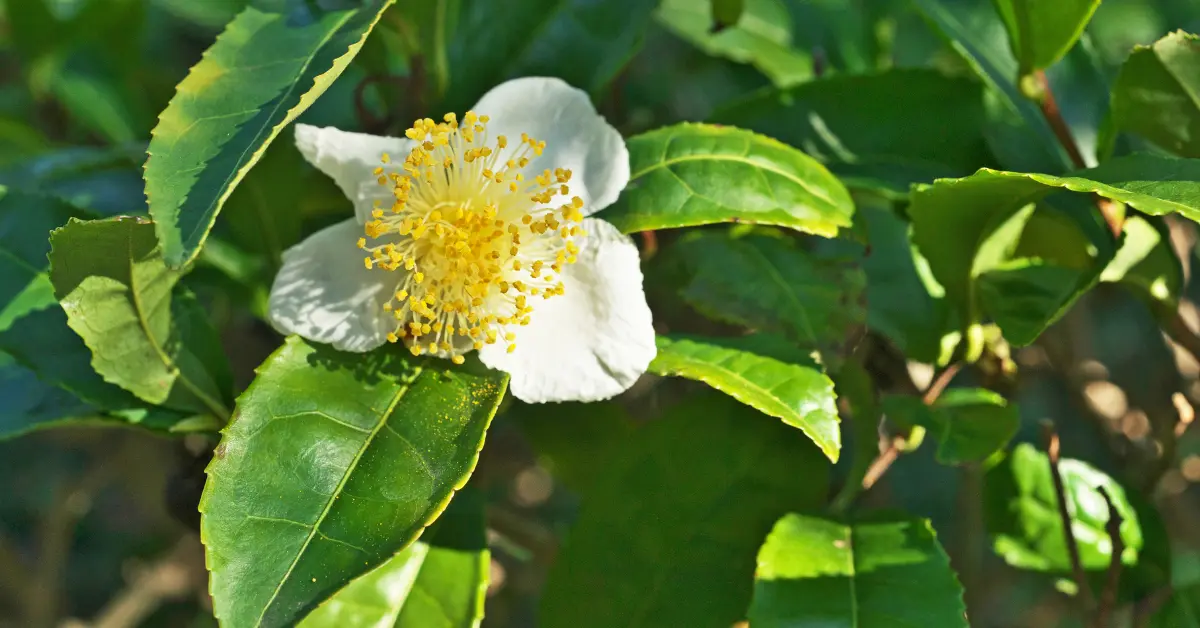
Growing Camellia Sinensis (Tea Plants) in Containers: A Complete Guide for Beginners
If you’ve ever wanted to sip a steaming, homegrown cup of fresh green, black, or [...]
Aug
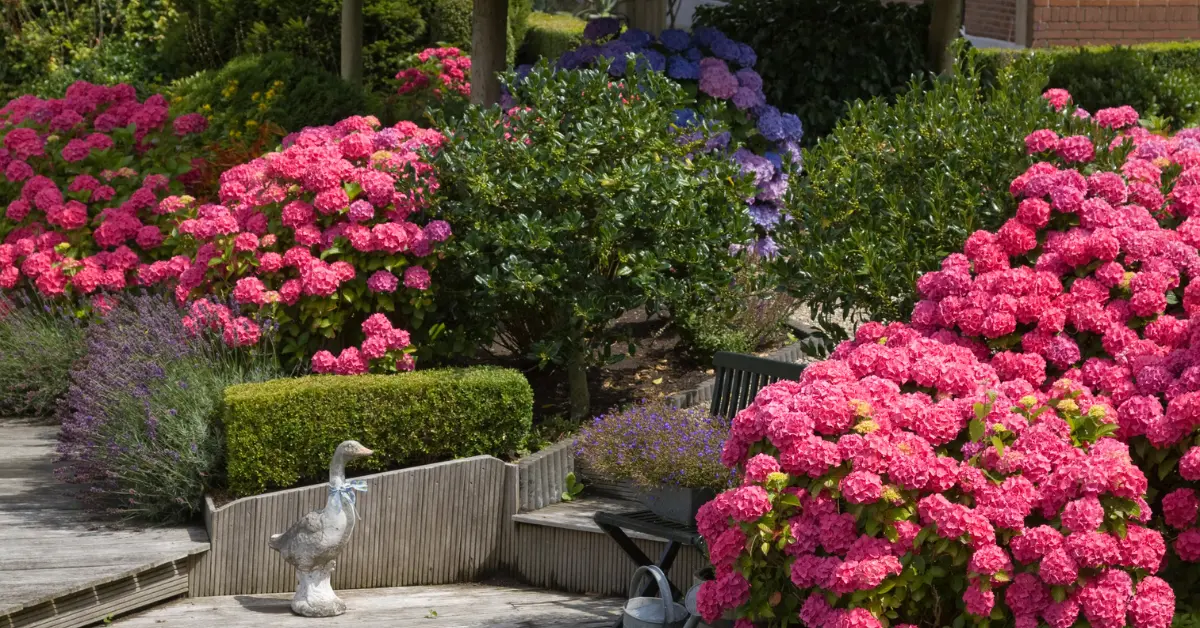
6 Best Shrubs to Plant in August You Must Try
Have you ever walked through a nursery late in the summer, admired the vibrant shrubs [...]
Aug
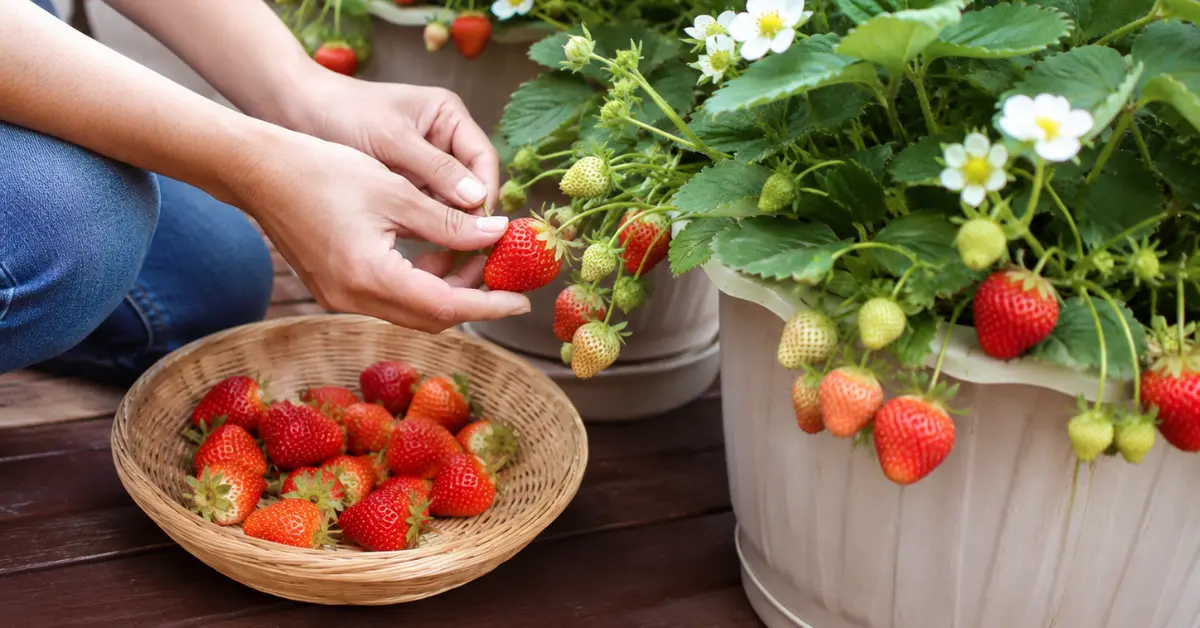
Growing Everbearing Strawberries in Containers: A Complete Guide for Beginners
Want to grow sweet, fresh strawberries but do not have a large garden? Everbearing strawberries [...]
Aug
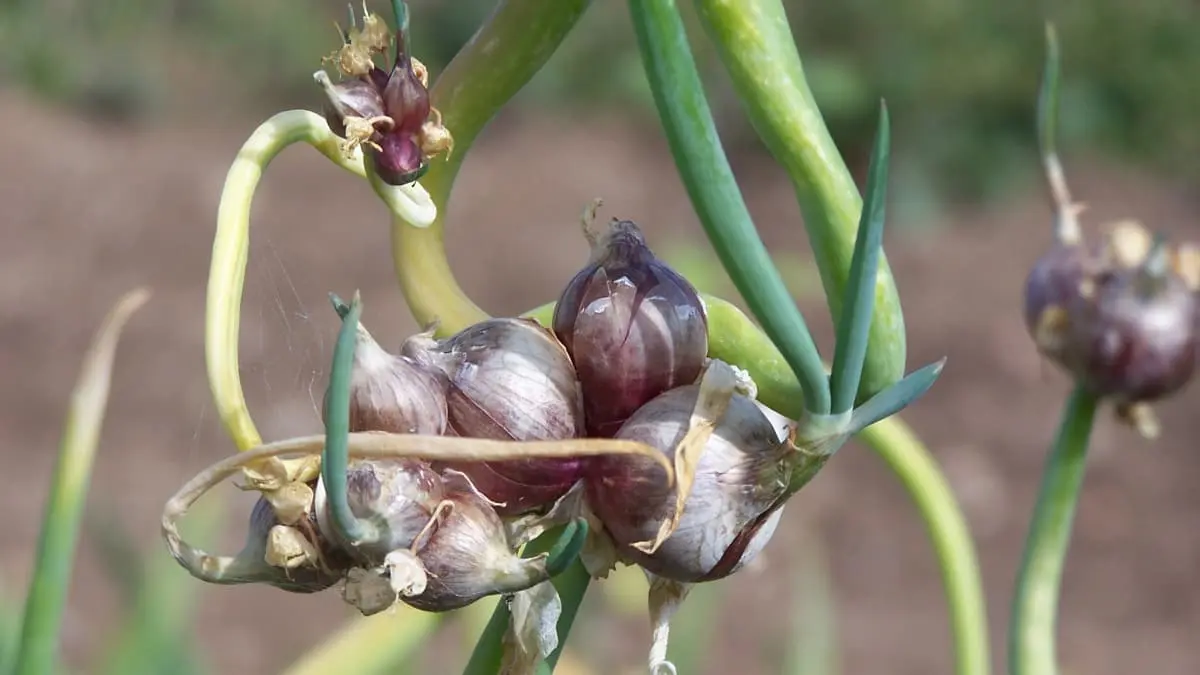
Growing Egyptian Walking Onions in Containers: A Complete Guide for Beginners
If you’re looking for a hardy, no-fuss perennial onion that keeps on giving year after [...]
Jul
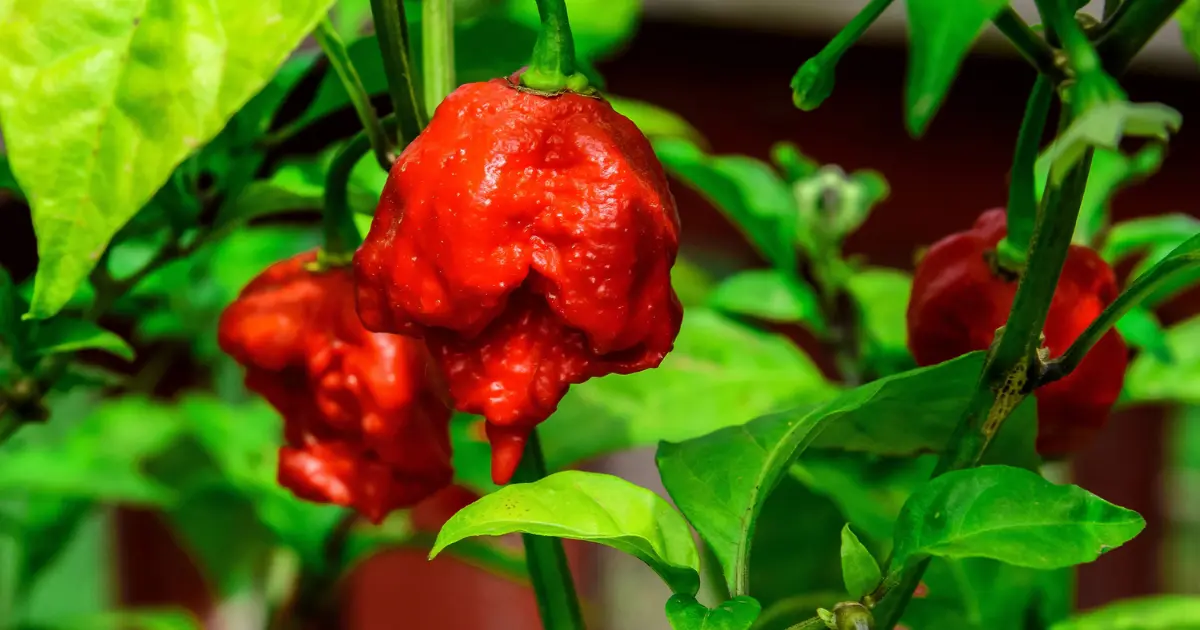
Growing Carolina Reaper Peppers in Pots: A Complete Guide for Beginners
If you’ve ever wanted to add some serious, record-breaking heat to your home cooking, you’ve [...]
May
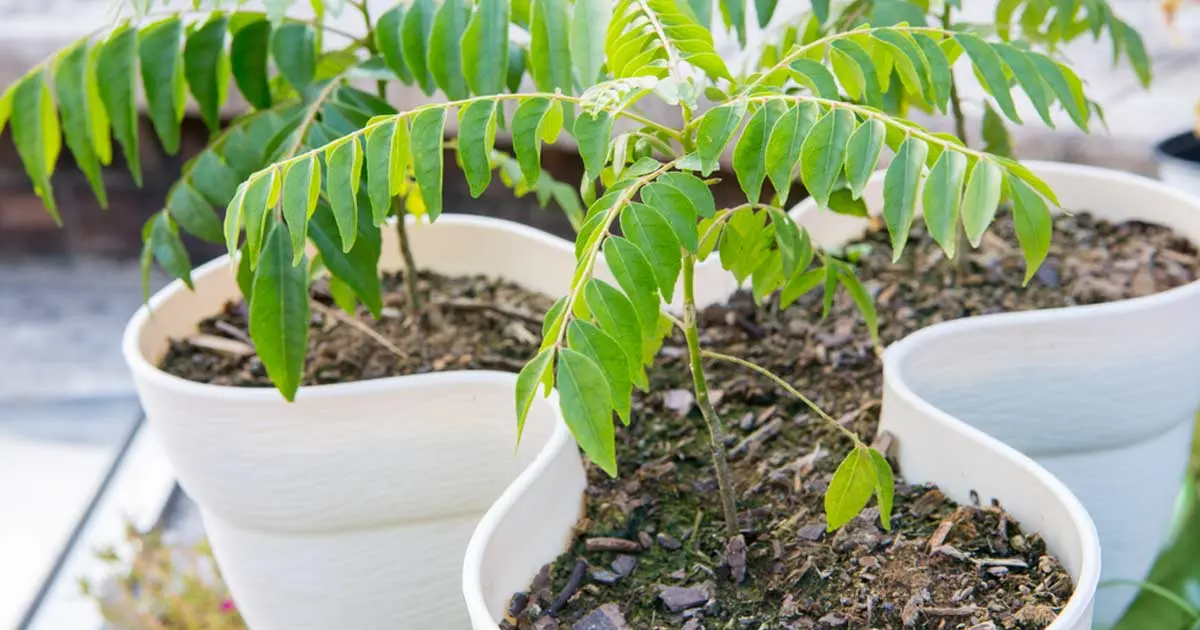
Growing Curry Leaf Plant in Pots: A Complete Guide for Beginners
If you’re a fan of authentic South Asian cuisine, you already know that nothing compares [...]
May
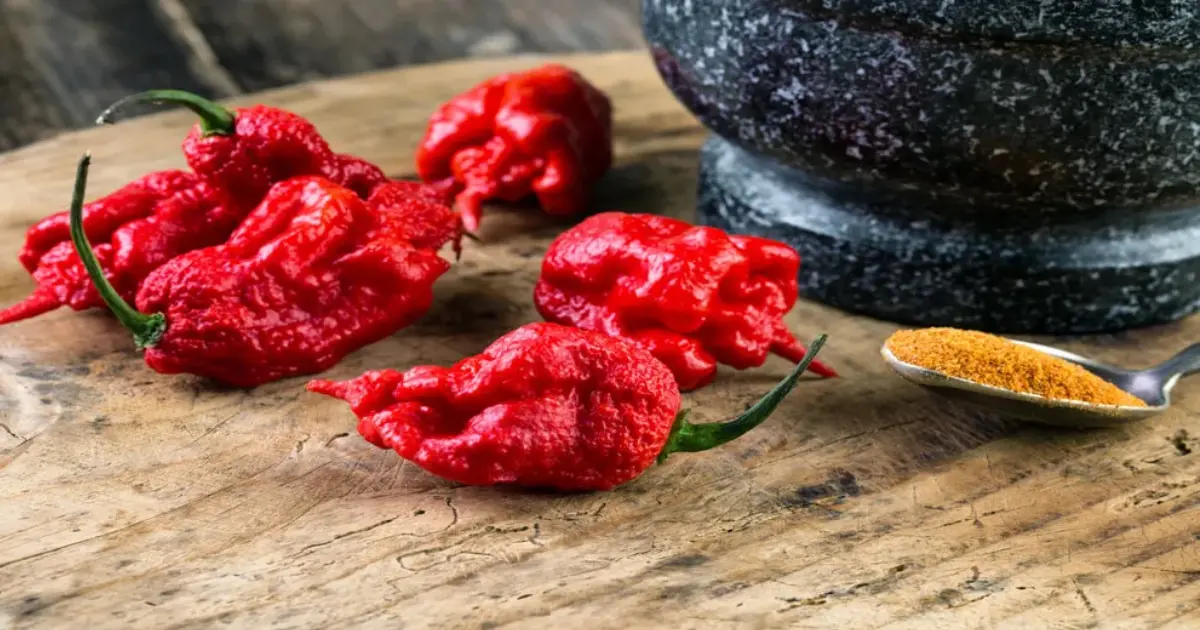
5 Tips for Growing Carolina Reaper Peppers to Get the Spiciest Harvest Ever
Holding the record for one of the world’s hottest peppers, the Reaper isn’t just a [...]
May
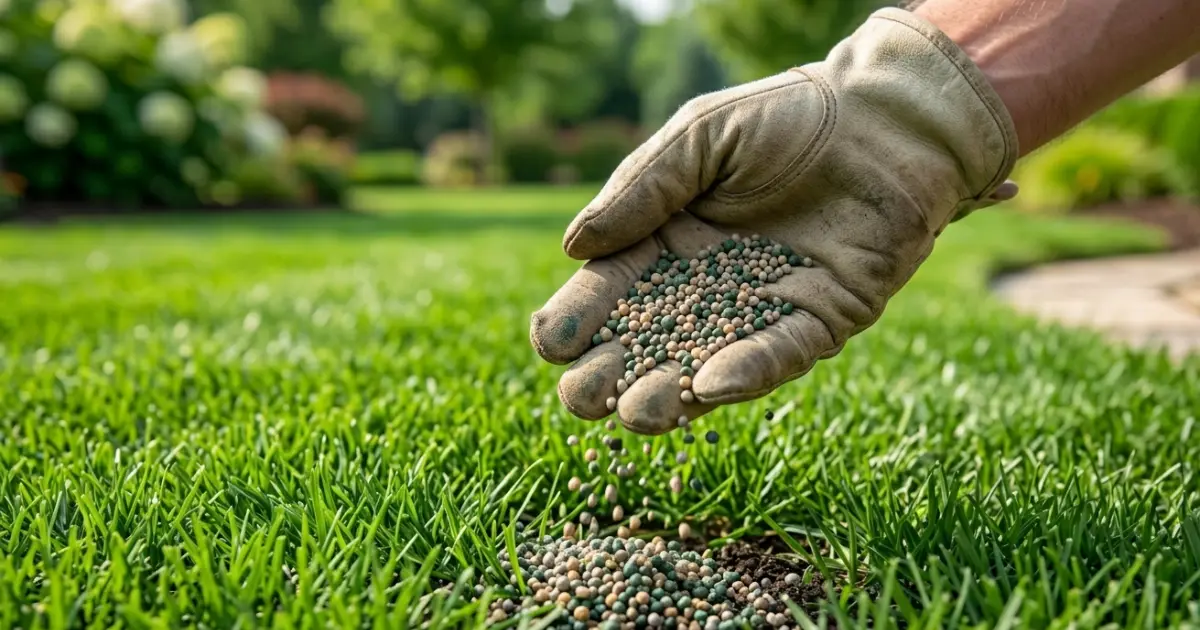
Best Fertilizers for Zoysia Grass in 2026: Get a Lush Lawn
As we enter the new year, the time has come to think about how we [...]
Apr
Reviews
There are no reviews yet.