
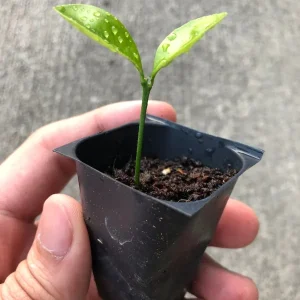
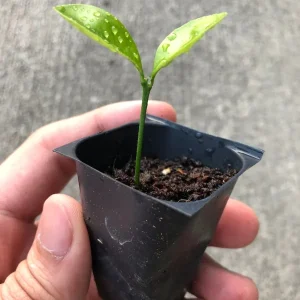
Live Calamansi Plant – Calamondin Citrus Tree – Indoor/Outdoor Fruit Plant
Original price was: $56.68.$26.99Current price is: $26.99.
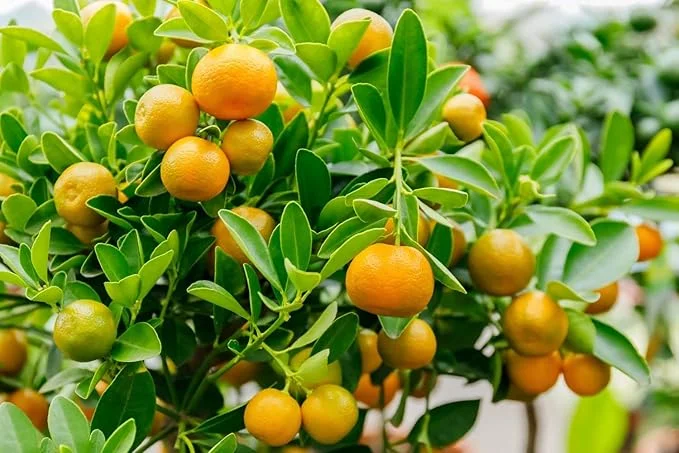
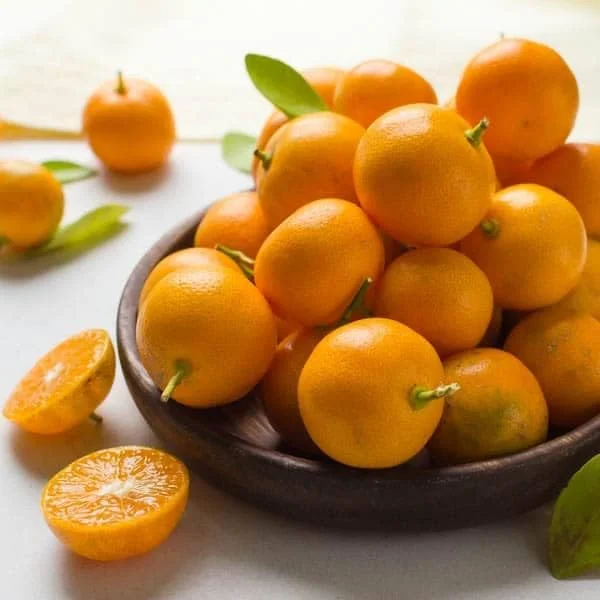
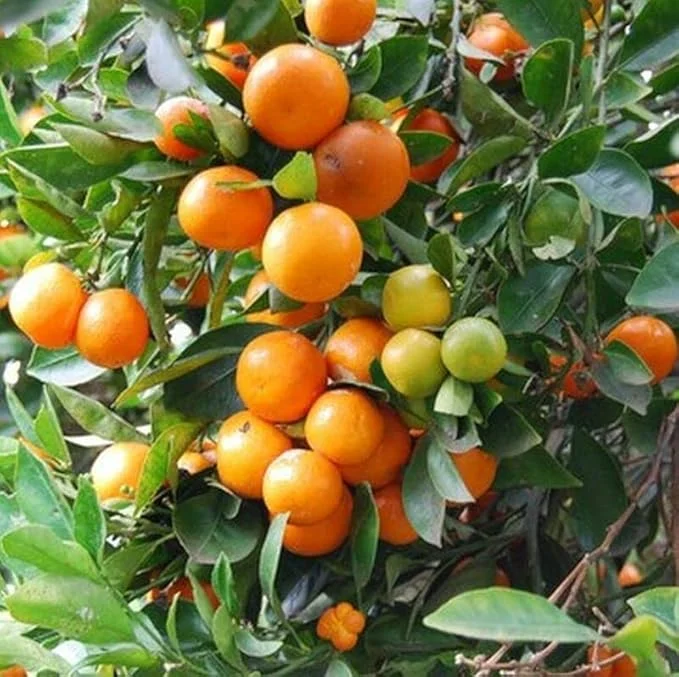
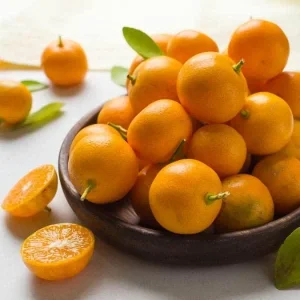
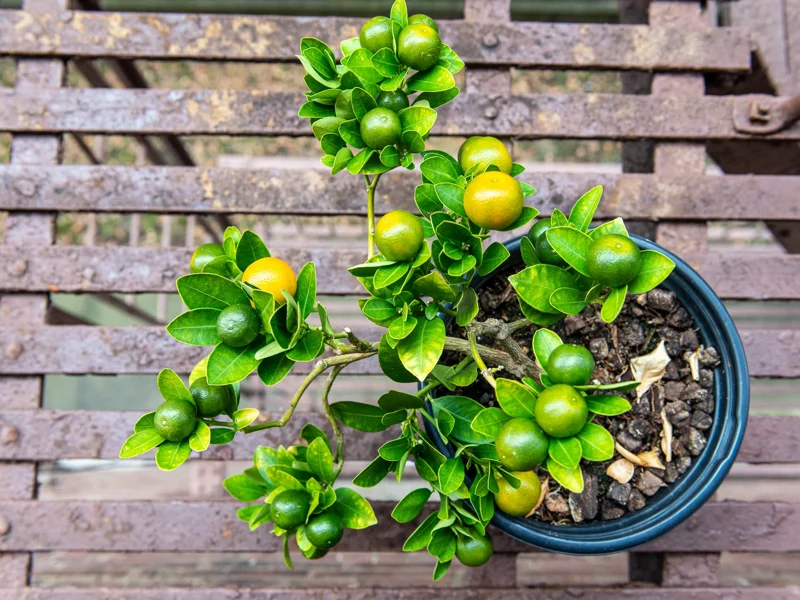
Bring the taste of the tropics to your home with a calamansi live plant. This versatile calamondin citrus tree produces abundant, small, tart fruits perfect for drinks, desserts, and savory dishes. Enjoy its fragrant blossoms and lush evergreen foliage, thriving beautifully as an indoor or outdoor ornamental fruit tree.
Estimated arrival
Oct 02
Oct 07 - Oct 09
Oct 12 - Oct 16

Reasonable Price
We offer reasonable price

Support 24/7
Contact us 24 hrs a day

100% Money Back
You've 30 days to Return

Payment Secure
100% secure payment
Overview
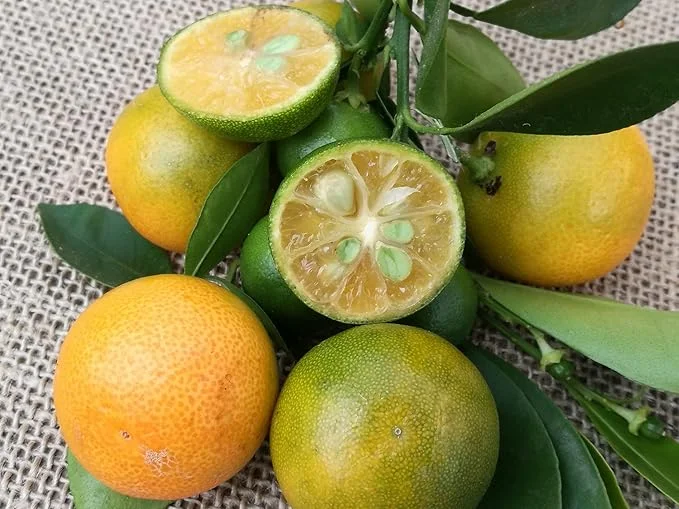
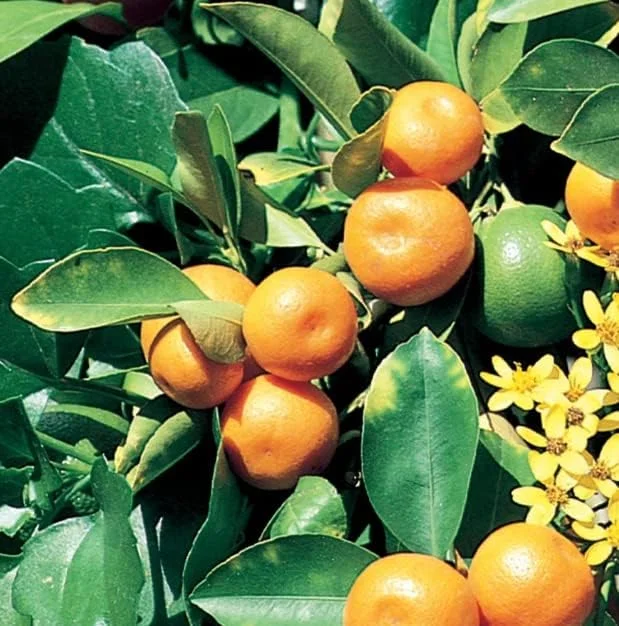
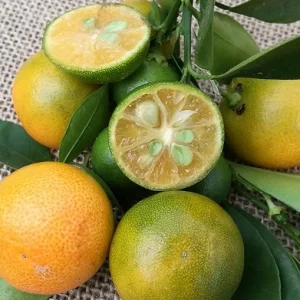
Discover the joy of growing your own citrus with the calamansi live plant. Also known as Calamondin, this delightful citrus hybrid is a cross between a kumquat and a mandarin orange, offering a unique blend of tart and sweet flavors. Native to the Philippines, the calamondin citrus tree is celebrated for its small, round, intensely flavorful fruits that are a staple in Southeast Asian cuisine. Beyond its culinary appeal, this plant is an attractive ornamental, featuring glossy green leaves and fragrant white flowers that bloom intermittently throughout the year. Whether you’re an experienced gardener or a beginner, the calamansi is a rewarding addition to any home, providing fresh fruit and a touch of tropical elegance. Its compact size makes it suitable for container growing, allowing it to thrive both indoors in cooler climates and outdoors in warmer regions.
The Calamansi plant, scientifically known as Citrus × microcarpa, is a highly adaptable and resilient specimen. It’s not just about the fruit; the entire plant exudes a vibrant energy, with its cheerful green foliage and delicate, sweet-scented blooms. Imagine stepping into your garden or sunroom and being greeted by the refreshing aroma of citrus blossoms. This plant is a true conversation starter and a functional addition to your kitchen, providing an endless supply of fresh, zesty calamansi for all your culinary adventures. From refreshing beverages to marinades and desserts, the possibilities are endless with your very own home-grown calamansi.
Key Benefits
The calamansi live plant offers a multitude of benefits, combining aesthetic appeal with practical utility. It’s a fantastic choice for anyone looking to add a unique and productive plant to their collection, delivering both beauty and bounty right to your fingertips.
- Abundant, Flavorful Fruit: Enjoy a continuous supply of small, tart, and aromatic calamansi fruits. These versatile citrus gems are perfect for making refreshing drinks, marinades, sauces, and desserts, bringing an exotic twist to your culinary creations. The fruit is rich in Vitamin C, offering a healthy boost.
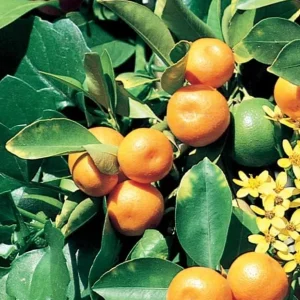
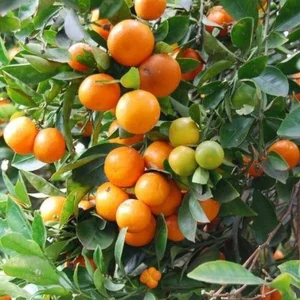
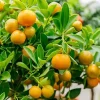
- Beautiful Ornamental Plant: With its glossy evergreen leaves, fragrant white blossoms, and vibrant orange fruits, the calamondin citrus tree serves as a stunning decorative element. It adds a touch of tropical charm to any indoor space or outdoor patio.
- Delightful Fragrance: The delicate white flowers of the calamansi plant release a sweet, intoxicating fragrance that can perfume an entire room or garden area. This natural aroma enhances your living environment and provides a sensory delight.
- Adaptable to Container Growing: The compact nature of the calamansi makes it an excellent candidate for growing in pots. This allows it to be easily moved indoors during colder months, making it suitable for a wide range of climates and living situations.
- Relatively Low Maintenance: Once established, the calamansi plant is quite resilient and doesn’t demand excessive care. With proper watering, sunlight, and occasional fertilization, it thrives and produces fruit consistently, making calamansi plant care straightforward.
- Year-Round Interest: Unlike many seasonal fruit plants, the calamansi often produces flowers and fruit simultaneously and continuously throughout the year, providing constant visual interest and a steady harvest.
- Enhances Culinary Creativity: Having fresh calamansi on hand inspires new recipes and culinary experiments. From traditional Filipino dishes to unique cocktails, this fruit opens up a world of flavor possibilities.
Plant Care & Growing Tips
Caring for your calamansi live plant is a rewarding experience that requires understanding its basic needs. This resilient citrus tree can thrive with proper attention to light, water, soil, and nutrients. For optimal growth and fruit production, ensure your plant receives ample sunlight. Calamansi trees prefer at least 6-8 hours of direct sunlight per day. If growing indoors, place it near a south-facing window or supplement with a grow light, especially during winter months. Rotate the plant periodically to ensure even growth and light exposure. When moving an indoor calamansi tree outdoors for the summer, gradually acclimate it to direct sunlight to prevent leaf scorch.
Watering is crucial for calamansi. The soil should be kept consistently moist but not waterlogged. Allow the top inch or two of soil to dry out before watering again. Overwatering can lead to root rot, while underwatering can cause leaf drop and fruit abortion. Use a well-draining potting mix specifically formulated for citrus or houseplants. A slightly acidic to neutral pH (6.0-7.0) is ideal. Fertilize your calamansi plant regularly during the growing season (spring through fall) with a balanced citrus-specific fertilizer or a general-purpose fertilizer rich in micronutrients. Follow the product instructions for application rates. Reduce fertilization during winter when the plant’s growth slows. Pruning can be done to maintain shape, remove dead or diseased branches, and encourage bushier growth. The calamansi is generally hardy in USDA Zones 9-11, where it can be grown outdoors year-round. In colder climates, it must be brought indoors when temperatures drop below 40°F (4°C) to protect it from frost damage. Pay attention to common pests like spider mites, aphids, and scale insects, and treat them promptly with organic insecticidal soaps or neem oil.
Size & Details
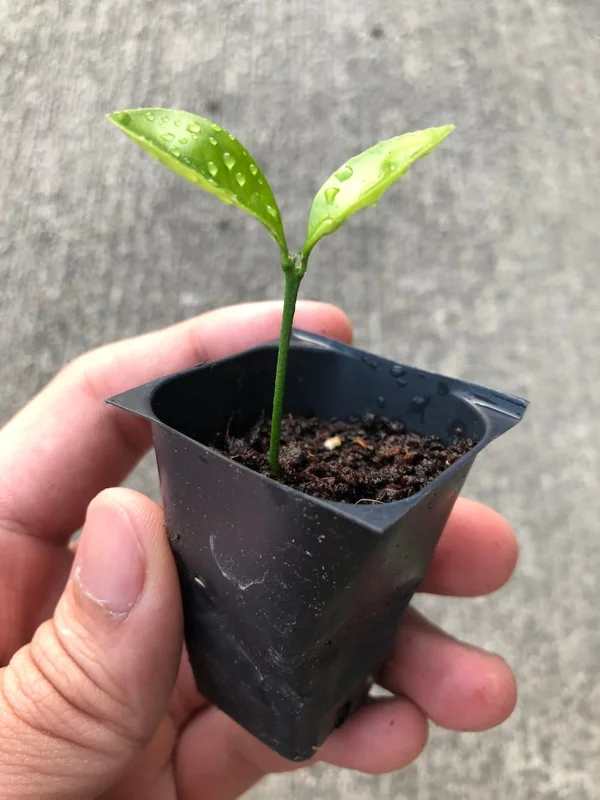
This calamansi live plant typically ships as a young, actively growing specimen, ready for immediate planting or repotting. While exact sizes may vary based on availability and growing season, you can generally expect a plant that is 8-12 inches tall from the base of the pot, often in a 4-inch nursery container. Calamansi trees are known for their moderate growth rate and can reach a mature height of 6-10 feet outdoors, though they are easily maintained at a more compact 3-5 feet with pruning, especially when grown as an indoor calamansi tree in a container. Under ideal conditions, a healthy plant can begin producing fruit within 1-2 years. The plant will arrive carefully packaged to ensure its safety during transit, with its root ball intact and protected. Expect it to quickly settle into its new environment and begin to flourish.
Frequently Asked Questions
- Q: How big does this plant get? A: When grown in a container as an indoor calamansi tree, it can be kept to a manageable size of 3-5 feet tall with regular pruning. Outdoors in suitable climates, it can reach 6-10 feet tall.
- Q: What size pot does it come in? A: The plant typically arrives in a 4-inch nursery pot, ready for you to transplant into a larger container or directly into the ground if your climate permits.
- Q: Is this an indoor or outdoor plant? A: The calamansi live plant can thrive both indoors and outdoors. It is best grown outdoors in USDA Zones 9-11. In colder zones, it should be brought indoors during winter months.
- Q: How much sunlight does it need? A: Calamansi plants require ample sunlight, ideally 6-8 hours of direct sun per day. If growing indoors, place it in your brightest window or use a supplemental grow light.
- Q: Is this plant easy to care for? A: Yes, calamansi plant care is relatively easy once you understand its needs. It’s a resilient citrus variety that tolerates a range of conditions, making it suitable for both novice and experienced gardeners.
- Q: What condition will it arrive in? A: Your calamansi live plant will arrive carefully packaged, with its root ball protected, ensuring it reaches you in healthy, vibrant condition, ready to thrive in your home or garden.
- Q: Can I use calamondin fruit in cooking? A: Absolutely! The fruits from your calamondin citrus tree are highly prized in culinary applications. They are perfect for making juices, marinades, sauces, cocktails, and desserts, offering a distinct tart flavor.
- Q: How long until it produces fruit? A: A healthy, well-cared-for calamansi live plant can start producing fruit within 1-2 years of planting. With continuous care, it will yield fruit year-round.
- Q: What’s the best soil for calamansi? A: Calamansi plants prefer a well-draining, slightly acidic to neutral soil. A good quality potting mix designed for citrus or general houseplants is ideal when growing in containers.
- Q: Is it good for beginners? A: Yes, the calamansi is an excellent choice for beginner gardeners interested in growing citrus. Its hardiness and relatively straightforward care make it a forgiving and rewarding plant to cultivate.
Be the first to review “Live Calamansi Plant – Calamondin Citrus Tree – Indoor/Outdoor Fruit Plant”
-
USDA Hardiness Zone
USDA zones 9-11 (outdoors), suitable for all zones indoors -
Soil Type
Well-draining, slightly acidic to neutral potting mix -
Sunlight Exposure
Full sun (6-8 hours direct light daily) -
Expected Planting Period
Year-round indoors, spring to early summer outdoors
People Also Viewd
Sold 134 products
Original price was: $3,536.00.$23.99Current price is: $23.99.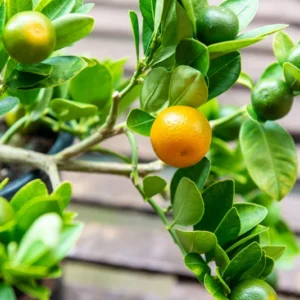
Sold 132 products
Original price was: $27.00.$24.00Current price is: $24.00.
Sold 132 products
Original price was: $89.99.$64.99Current price is: $64.99.

Sold 125 products
Original price was: $86.99.$66.99Current price is: $66.99.
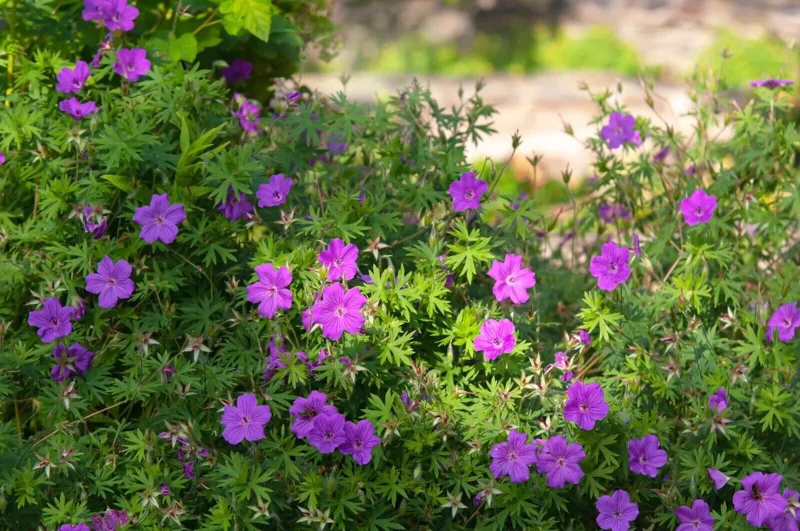
Flower Bulbs
3 Cranesbill Wild Geranium Organic Maculatums Bare Roots | Wildflower for Outdoor Garden
Sold 116 products
Original price was: $21.99.$9.99Current price is: $9.99.
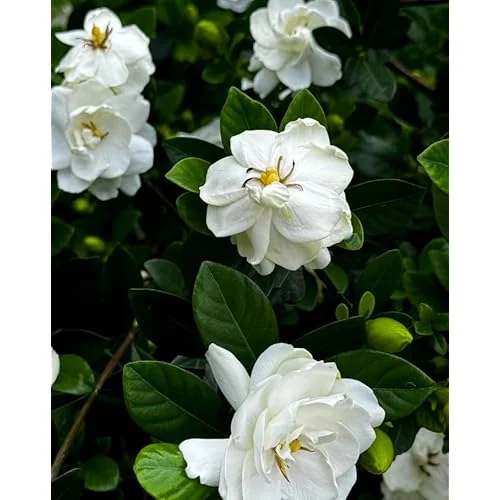
Sold 114 products
Original price was: $28.99.$17.99Current price is: $17.99.
Sold 110 products
Original price was: $63.99.$28.99Current price is: $28.99.
Sold 108 products
Original price was: $28.99.$17.99Current price is: $17.99.RELATED posts
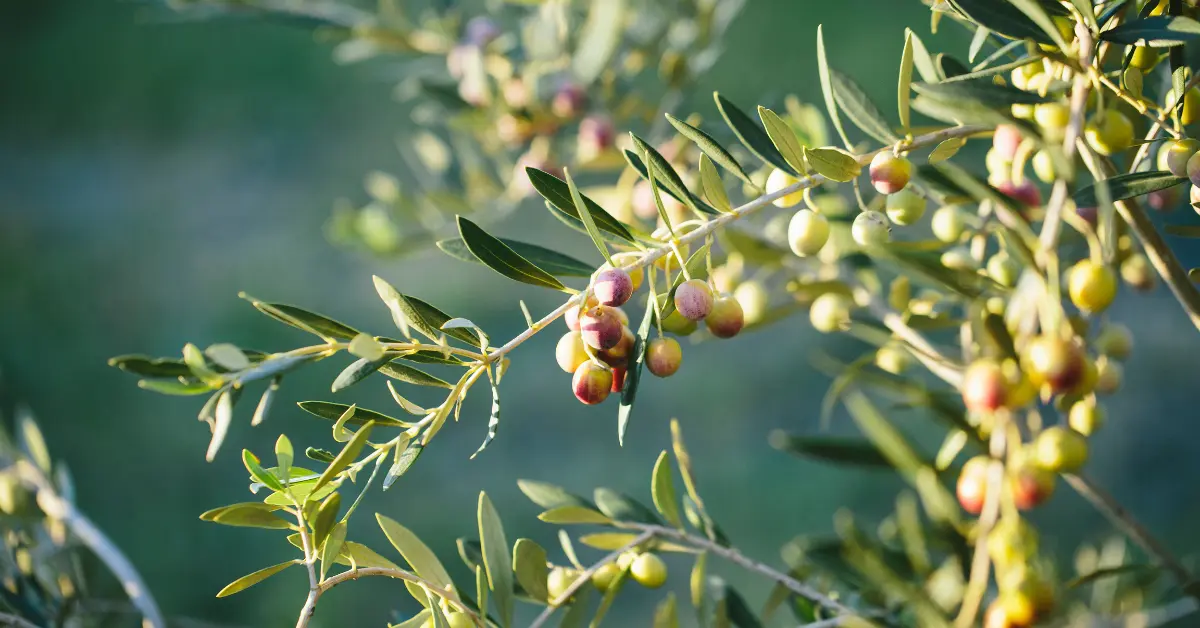
How to Grow Arbequina Olive Trees: The Ultimate Guide to Your Own Olive Grove
Arbequina Olive Tree (Olea europaea ‘Arbequina’) – the ultimate Mediterranean plant that brings a touch [...]
Oct
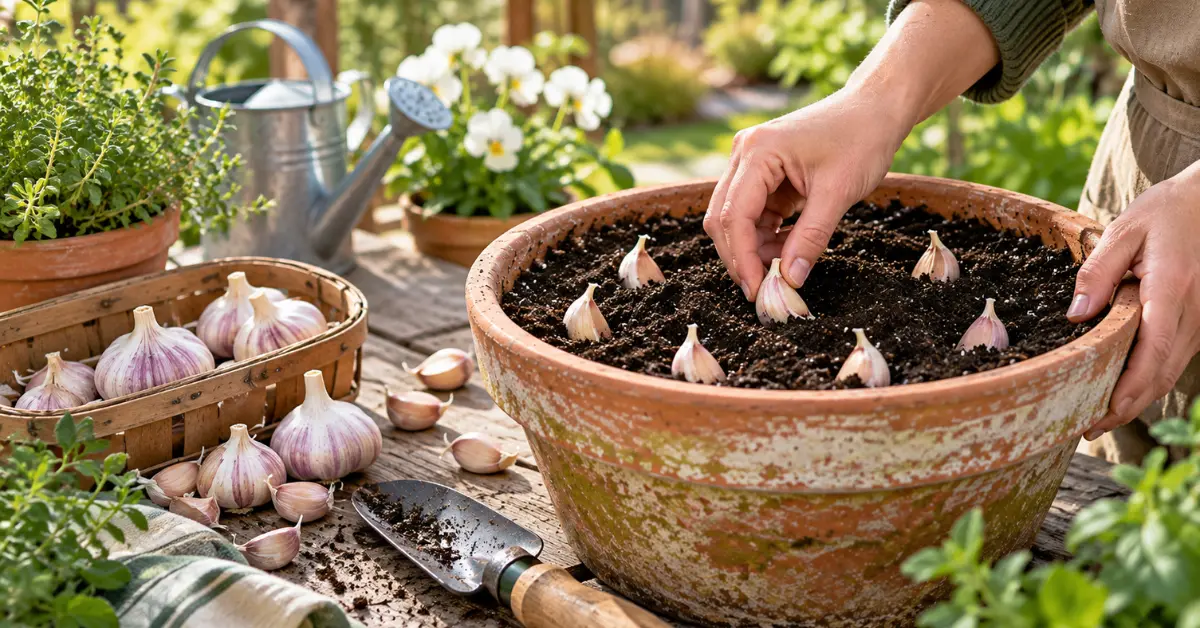
Growing Garlic in Containers This Fall: A Complete Guide for Beginners
If you’ve ever wanted to pop fresh, aromatic garlic cloves straight from your own patio [...]
Sep
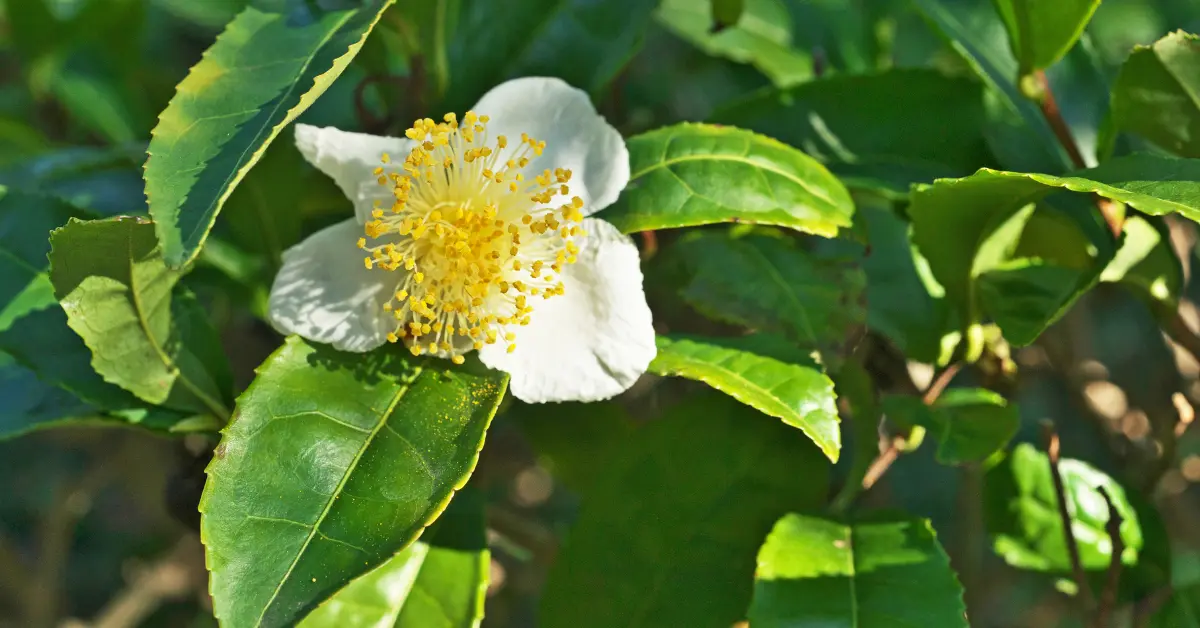
Growing Camellia Sinensis (Tea Plants) in Containers: A Complete Guide for Beginners
If you’ve ever wanted to sip a steaming, homegrown cup of fresh green, black, or [...]
Aug
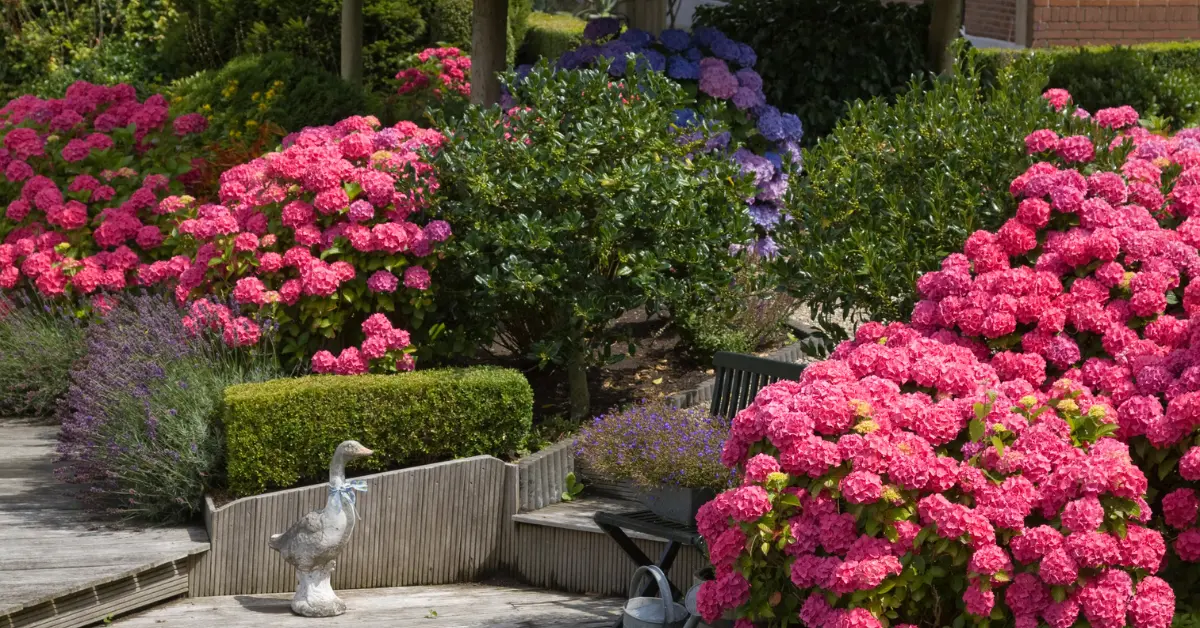
6 Best Shrubs to Plant in August You Must Try
Have you ever walked through a nursery late in the summer, admired the vibrant shrubs [...]
Aug
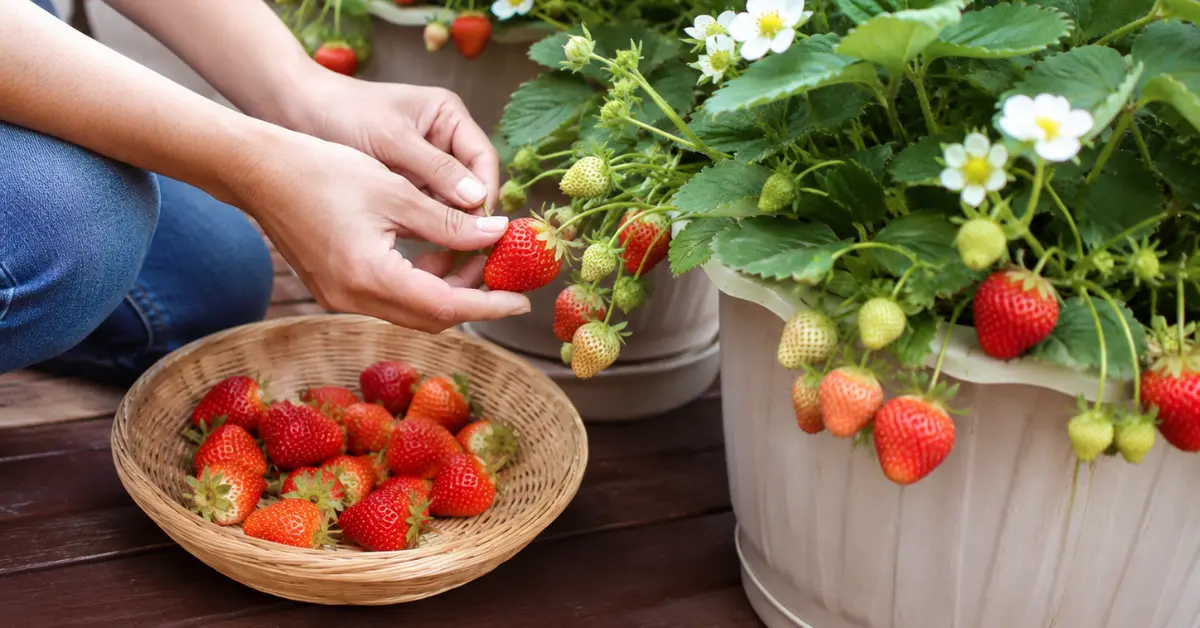
Growing Everbearing Strawberries in Containers: A Complete Guide for Beginners
Want to grow sweet, fresh strawberries but do not have a large garden? Everbearing strawberries [...]
Aug
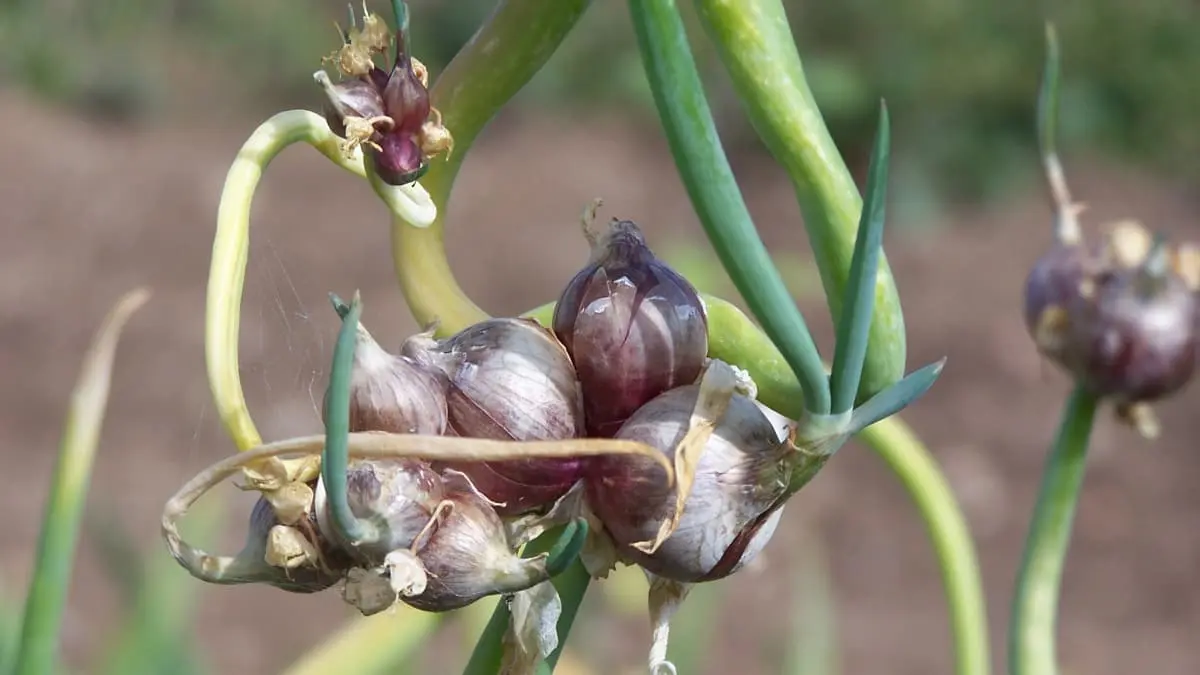
Growing Egyptian Walking Onions in Containers: A Complete Guide for Beginners
If you’re looking for a hardy, no-fuss perennial onion that keeps on giving year after [...]
Jul
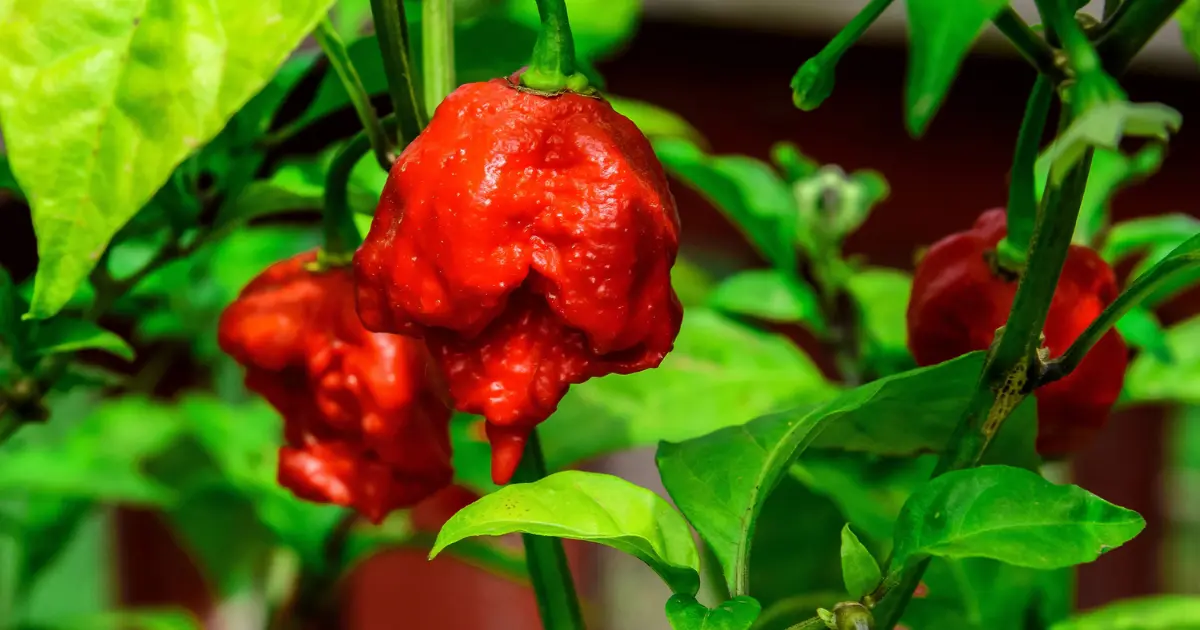
Growing Carolina Reaper Peppers in Pots: A Complete Guide for Beginners
If you’ve ever wanted to add some serious, record-breaking heat to your home cooking, you’ve [...]
May
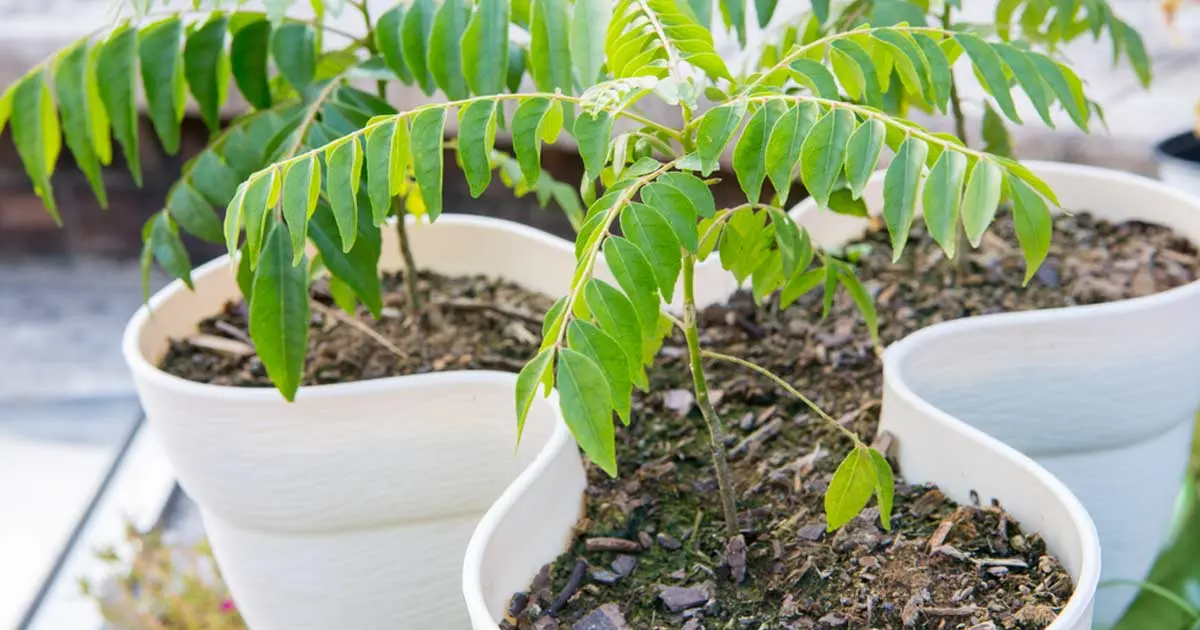
Growing Curry Leaf Plant in Pots: A Complete Guide for Beginners
If you’re a fan of authentic South Asian cuisine, you already know that nothing compares [...]
May
Reviews
There are no reviews yet.