
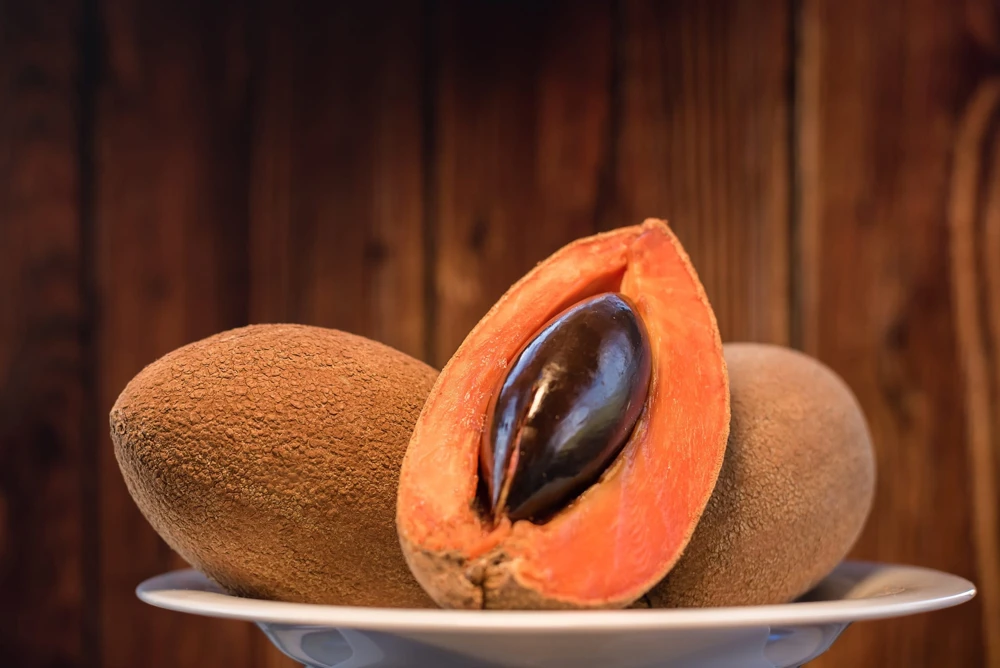
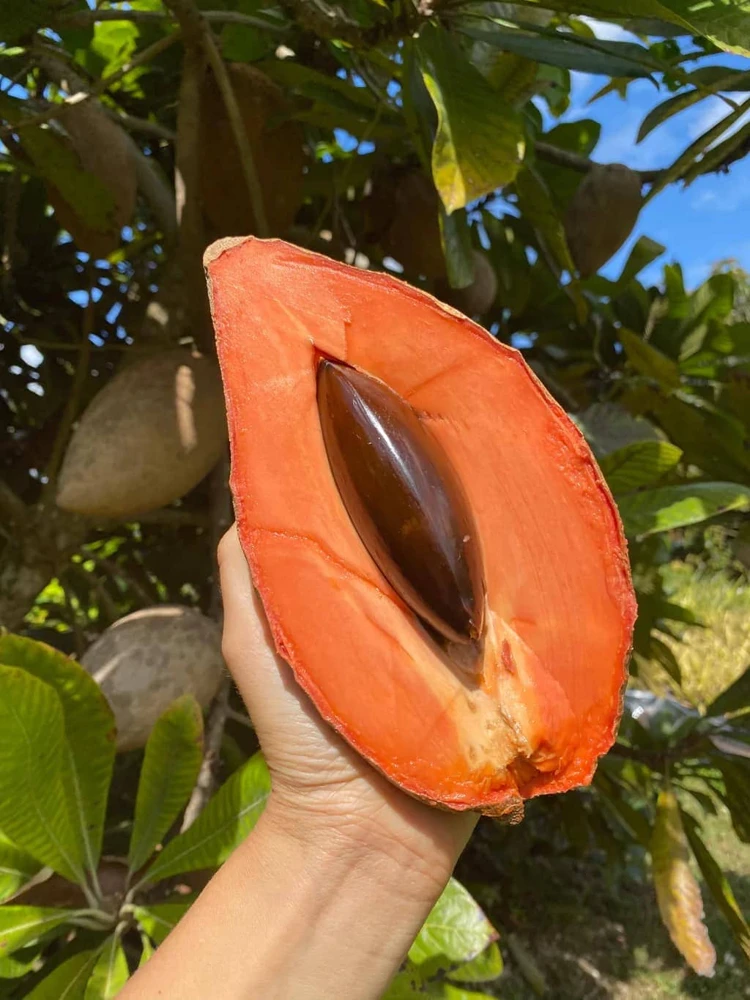
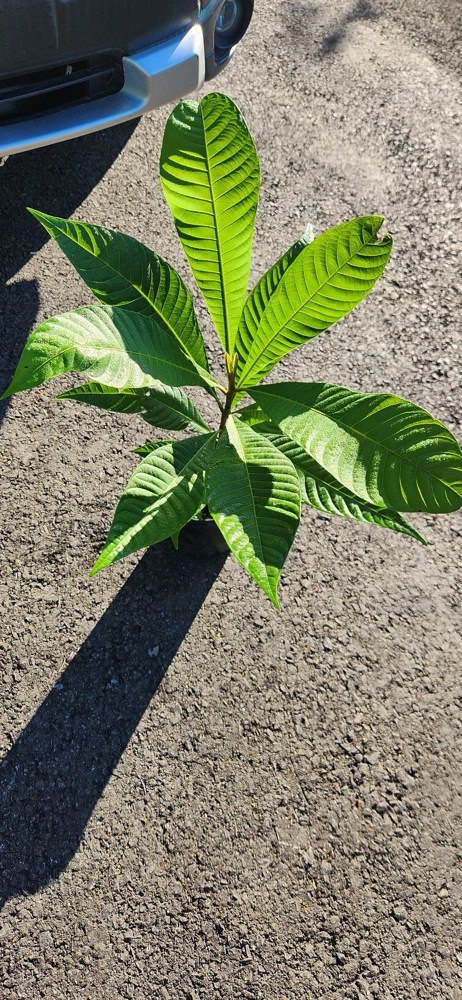
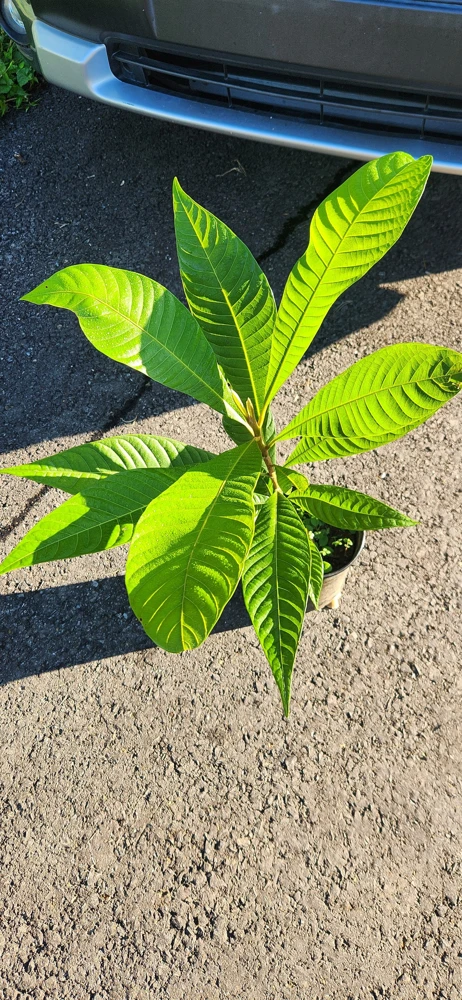
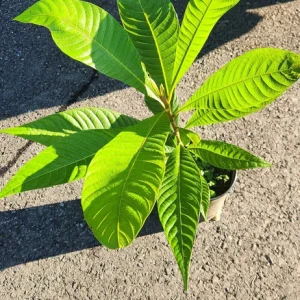
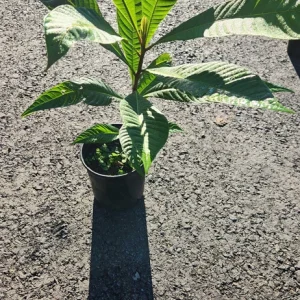
Mamey Sapote Live Tropical Tree – Fruit Plant – 20-30 inches tall – Outdoor
Original price was: $165.20.$115.20Current price is: $115.20.
Cultivate your own exotic fruit with a healthy mamey sapote live tree. This vibrant tropical plant, typically 20-30 inches tall, is perfect for warm climates, promising delicious fruit in a few years. Enjoy the unique flavor and beauty of pouteria sapota plant in your garden.
Estimated arrival
Sep 15
Sep 20 - Sep 22
Sep 25 - Sep 29

Reasonable Price
We offer reasonable price

Support 24/7
Contact us 24 hrs a day

100% Money Back
You've 30 days to Return

Payment Secure
100% secure payment
Overview
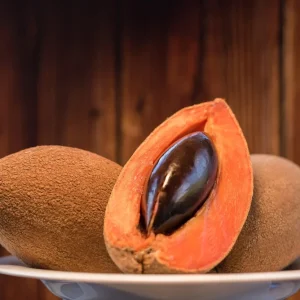
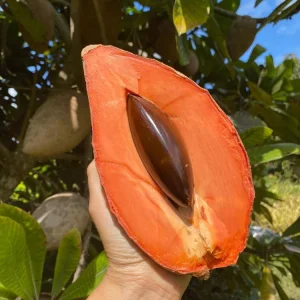
Embark on an exciting journey of growing your own exotic fruit with our premium mamey sapote live tree. This magnificent tropical plant, scientifically known as Pouteria sapota, is a true gem for any garden in warm climates. Originating from Central America, the mamey sapote is highly prized for its large, sweet, and creamy fruit, often described as having a flavor profile akin to pumpkin, sweet potato, and almond. Our live trees are carefully grown from seed, ensuring a robust and healthy specimen ready to thrive in your landscape. Each mamey sapote live tree is a testament to nature’s bounty, offering both ornamental beauty and the promise of delicious harvests. Imagine enjoying fresh, homegrown mamey fruit, a truly unique experience that will delight your palate and impress your guests. This tree is not just a plant; it’s an investment in a sustainable and flavorful future.
The pouteria sapota plant is known for its attractive foliage and stately presence, making it a wonderful addition to any tropical-themed garden or as a focal point in a larger landscape. While it requires patience, as it typically takes 4 to 5 years to begin fruiting, the reward of its exquisite fruit is well worth the wait. This tropical fruit tree will become a cherished part of your outdoor space, providing shade, beauty, and an abundant source of nutritious fruit. Start your tropical orchard today with this exceptional mamey sapote specimen.
Key Benefits
The mamey sapote live tree offers a multitude of benefits, from its aesthetic appeal to the delicious and nutritious fruit it produces. This versatile plant is a fantastic choice for gardeners seeking to add an exotic touch and a rewarding harvest to their outdoor space. Discover the many advantages of cultivating a tropical fruit tree:
- Exotic Fruit Production: Enjoy the unique, sweet, and creamy taste of fresh mamey sapote fruit directly from your garden. This highly sought-after fruit is rich in vitamins A and C, fiber, and potassium, making it a healthy addition to your diet.
- Ornamental Value: With its lush, green foliage and sturdy growth habit, the pouteria sapota plant makes a beautiful statement in any landscape, providing shade and a tropical ambiance.
- Long-Term Investment: A well-cared-for mamey sapote tree can produce fruit for many decades, becoming a valuable and productive part of your property for generations.
- Culinary Versatility: The fruit can be eaten fresh, used in smoothies, ice creams, desserts, and various savory dishes, offering endless culinary possibilities.
- Drought Tolerance: Once established, the mamey sapote tree exhibits good drought tolerance, making it a relatively low-maintenance option for appropriate climates.
- Wildlife Attraction: The flowers and fruit can attract local wildlife, such as birds and beneficial insects, contributing to the biodiversity of your garden.
- Shade Provider: As it matures, the tree develops a dense canopy, offering ample shade for relaxation during hot summer days.
Plant Care & Growing Tips
To ensure your mamey sapote live tree thrives and eventually yields delicious fruit, understanding its specific care requirements is crucial. This tropical species prefers warm, humid conditions and well-draining soil. Providing the right environment from the start will set your tropical fruit tree up for long-term success. Proper care for your pouteria sapota plant involves attention to sunlight, water, soil, and nutrition.
Sunlight Requirements: The mamey sapote tree absolutely loves full sun. It requires at least 6-8 hours of direct sunlight per day to grow vigorously and produce fruit. Choose a location in your garden that receives ample sun exposure throughout the day. In extremely hot climates, some afternoon shade can be beneficial, especially for young trees, but mature trees prefer continuous sun. Ensure it is protected from strong winds, which can damage its broad leaves.
Watering Schedule and Soil Moisture: Young mamey sapote trees need consistent moisture to establish their root system. Water deeply 2-3 times per week during dry periods, ensuring the soil remains evenly moist but not waterlogged. Once established, the tree is moderately drought-tolerant but will benefit from regular watering, especially during flowering and fruiting seasons. Reduce watering in cooler, dormant months. Good drainage is paramount to prevent root rot.
Soil Type and Drainage: Mamey sapote prefers rich, well-draining soil with a slightly acidic to neutral pH (6.0-7.0). A sandy loam or loamy soil enriched with organic matter is ideal. If your soil is heavy clay, amend it generously with compost, perlite, or sand to improve drainage. Poorly draining soil can quickly lead to root problems and hinder growth. Raised beds can also be an excellent option for areas with naturally heavy soils.
Temperature Range and USDA Hardiness Zone: This is a truly tropical tree. It thrives in USDA hardiness zones 10-11. It can tolerate brief dips to 30°F (-1°C) but is susceptible to damage below this temperature. Prolonged exposure to cold will kill young trees. If you live in a borderline zone, consider planting it in a sheltered location or providing winter protection. For those wondering how to grow mamey sapote in cooler climates, container growing with winter indoor relocation is an option, though fruiting may be less consistent.
Fertilization Schedule and Type: Fertilize your mamey sapote tree regularly, especially during its active growing season (spring and summer). Use a balanced fertilizer (e.g., 8-3-9 or similar ratio) specifically formulated for tropical fruit trees, or an organic option like composted manure. Young trees benefit from monthly feeding, while mature trees can be fertilized 3-4 times a year. Always follow the manufacturer’s instructions and water thoroughly after fertilizing. Micronutrients like iron, zinc, and manganese are also important.
Common Problems and Solutions: Mamey sapote trees are generally robust but can encounter issues. Watch for scale insects, mealybugs, and spider mites, which can be treated with horticultural oil or insecticidal soap. Fungal diseases like anthracnose can affect fruit and leaves; good air circulation and appropriate fungicides can help. Ensure proper watering to prevent root rot and address any nutrient deficiencies with appropriate fertilizers. Learning mamey sapote care proactively helps prevent these common issues.
Size & Details
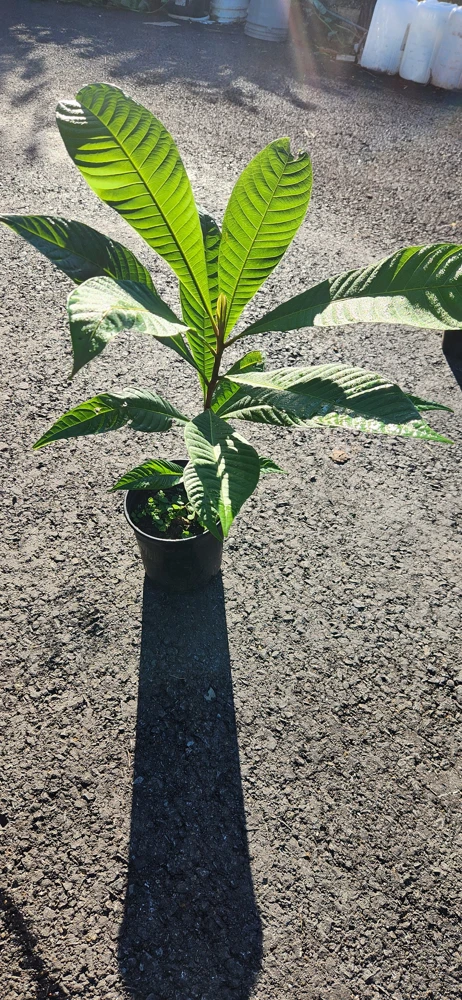
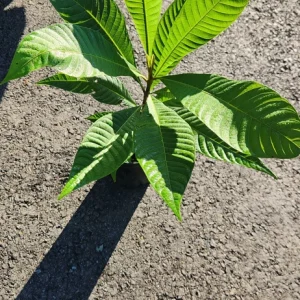
This offering is for a healthy mamey sapote live tree, grown from seed, typically ranging from 20 to 30 inches in height. These young trees are ready for planting in your garden or a larger container. While the exact size may vary slightly due to natural growth patterns, each tree is carefully selected to ensure vigor and quality. As a young specimen, it will require several years of growth before it begins to produce fruit, with an estimated production time of 4 to 5 years from planting. The tree will arrive carefully packaged to minimize stress during transit, ensuring it reaches you in excellent condition.
Upon arrival, your pouteria sapota plant will be a robust, actively growing tree. It is recommended to plant it in its permanent location or a larger pot shortly after arrival to allow its root system to expand. Mamey sapote trees can eventually reach heights of 40-60 feet in ideal conditions, though they can be kept smaller with proper pruning. The wide, glossy leaves and sturdy trunk will add a distinct tropical flair to your landscape, promising a future of delicious, homegrown fruit. Understanding how to grow mamey sapote successfully begins with a healthy young plant like this one.
Frequently Asked Questions
- Q: How big does this mamey sapote live tree get when mature? A: In ideal tropical conditions, a mature mamey sapote tree can reach heights of 40-60 feet. However, with regular pruning, it can be maintained at a more manageable size for home gardens.
- Q: Is this an indoor or outdoor plant? A: The mamey sapote live tree is a tropical outdoor plant that thrives in warm climates (USDA Zones 10-11). It requires full sun and cannot tolerate frost. In cooler zones, it can be grown in a large container and moved indoors during winter.
- Q: How much sunlight does this tropical fruit tree need? A: This tree needs at least 6-8 hours of direct sunlight per day to grow well and produce fruit. Choose the sunniest spot in your garden for planting.
- Q: Is this plant easy to care for? Is it good for beginners? A: While specific mamey sapote care is required, it is considered moderately easy for gardeners in appropriate climates. Beginners comfortable with tropical plants and providing consistent care for young trees can succeed.
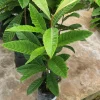
- Q: What condition will the pouteria sapota plant arrive in? A: Your tree will arrive as a healthy, live plant, carefully packaged to protect it during transit. It will be similar to the one pictured, ready for planting.
- Q: How long until it blooms and produces fruit? A: This tree is grown from seed and typically takes 4 to 5 years to mature enough to begin flowering and producing fruit. Patience is key for this rewarding tropical fruit tree.
- Q: What is the best soil for growing mamey sapote? A: The best soil is well-draining, rich in organic matter, with a slightly acidic to neutral pH. Sandy loam is ideal. Ensure good drainage to prevent root issues.
- Q: Will it survive winter in my zone if I’m below Zone 10? A: No, the pouteria sapota plant is very sensitive to cold and will not survive freezing temperatures. If you live in a zone lower than 10, you must protect it indoors during winter or grow it in a greenhouse.
- Q: How often should I water my young mamey sapote live tree? A: Young trees need consistent moisture. Water deeply 2-3 times per week during dry periods, keeping the soil moist but not waterlogged. Reduce frequency as the tree matures.
- Q: Can I grow this tree in a large pot? A: Yes, you can grow a mamey sapote live tree in a very large pot or container, especially if you need to move it indoors for winter protection. Ensure the pot has excellent drainage and is at least 25 gallons for a mature tree.
Be the first to review “Mamey Sapote Live Tropical Tree – Fruit Plant – 20-30 inches tall – Outdoor”
-
USDA Hardiness Zone
USDA zones 10-11 -
Soil Type
Well-draining, rich, sandy loam -
Sunlight Exposure
Full sun (6-8+ hours direct light) -
Expected Planting Period
Year-round in tropical climates; spring in subtropical areas
People Also Viewd
Sold 134 products
Original price was: $3,536.00.$23.99Current price is: $23.99.
Sold 131 products
Original price was: $27.00.$24.00Current price is: $24.00.
Sold 130 products
Original price was: $89.99.$64.99Current price is: $64.99.

Sold 125 products
Original price was: $86.99.$66.99Current price is: $66.99.
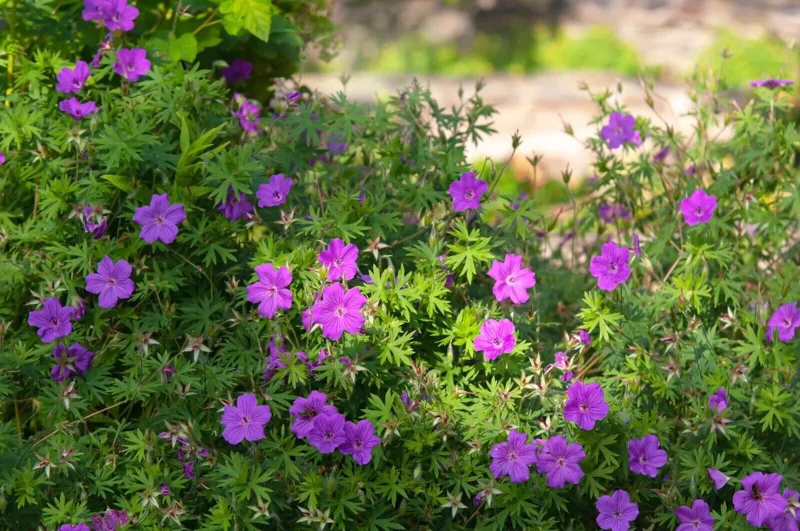
Flower Bulbs
3 Cranesbill Wild Geranium Organic Maculatums Bare Roots | Wildflower for Outdoor Garden
Sold 116 products
Original price was: $21.99.$9.99Current price is: $9.99.
Sold 114 products
Original price was: $28.99.$17.99Current price is: $17.99.
Sold 110 products
Original price was: $63.99.$28.99Current price is: $28.99.
Sold 108 products
Original price was: $28.99.$17.99Current price is: $17.99.RELATED posts
Growing Camellia Sinensis (Tea Plants) in Containers: A Complete Guide for Beginners
If you’ve ever wanted to sip a steaming, homegrown cup of fresh green, black, or [...]
Aug
6 Best Shrubs to Plant in August You Must Try
Have you ever walked through a nursery late in the summer, admired the vibrant shrubs [...]
Aug
Growing Everbearing Strawberries in Containers: A Complete Guide for Beginners
Want to grow sweet, fresh strawberries but do not have a large garden? Everbearing strawberries [...]
Aug
Growing Egyptian Walking Onions in Containers: A Complete Guide for Beginners
If you’re looking for a hardy, no-fuss perennial onion that keeps on giving year after [...]
Jul
Growing Carolina Reaper Peppers in Pots: A Complete Guide for Beginners
If you’ve ever wanted to add some serious, record-breaking heat to your home cooking, you’ve [...]
May
Growing Curry Leaf Plant in Pots: A Complete Guide for Beginners
If you’re a fan of authentic South Asian cuisine, you already know that nothing compares [...]
May
5 Tips for Growing Carolina Reaper Peppers to Get the Spiciest Harvest Ever
Holding the record for one of the world’s hottest peppers, the Reaper isn’t just a [...]
May
Best Fertilizers for Zoysia Grass in 2026: Get a Lush Lawn
As we enter the new year, the time has come to think about how we [...]
Apr

Reviews
There are no reviews yet.