
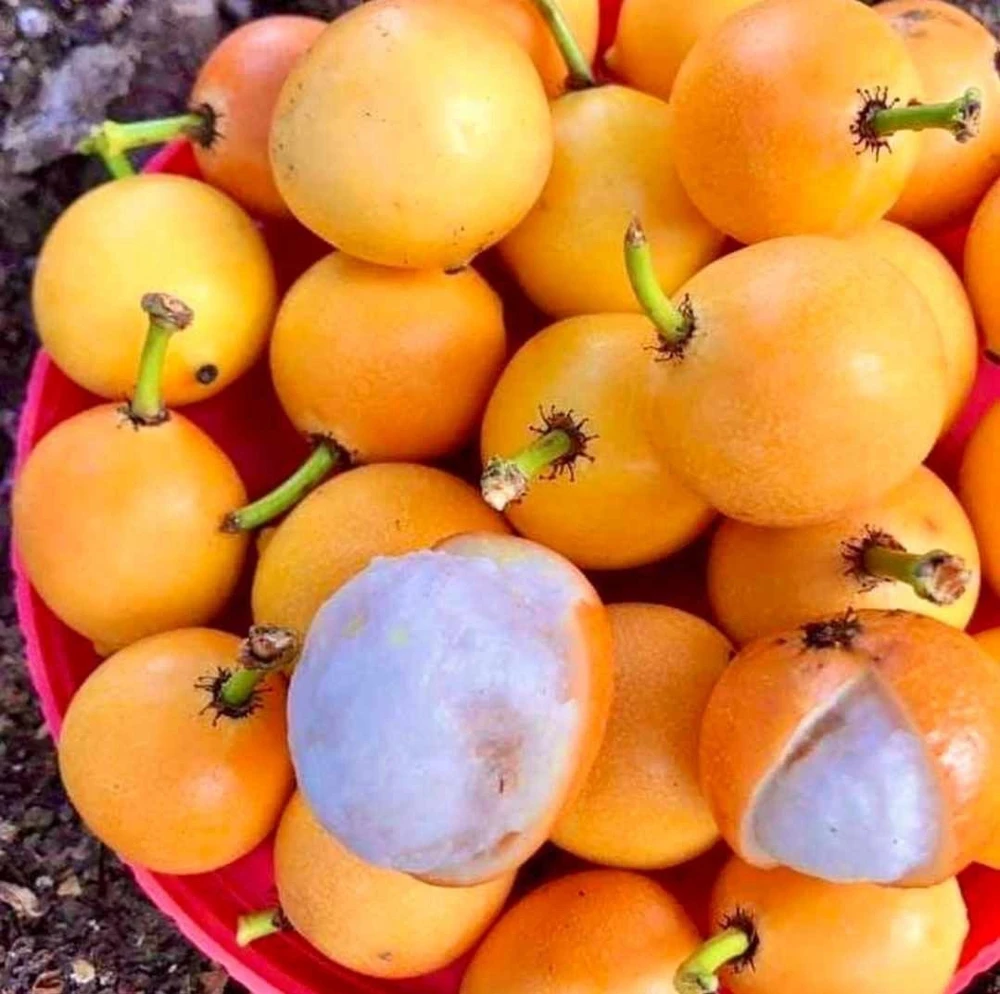
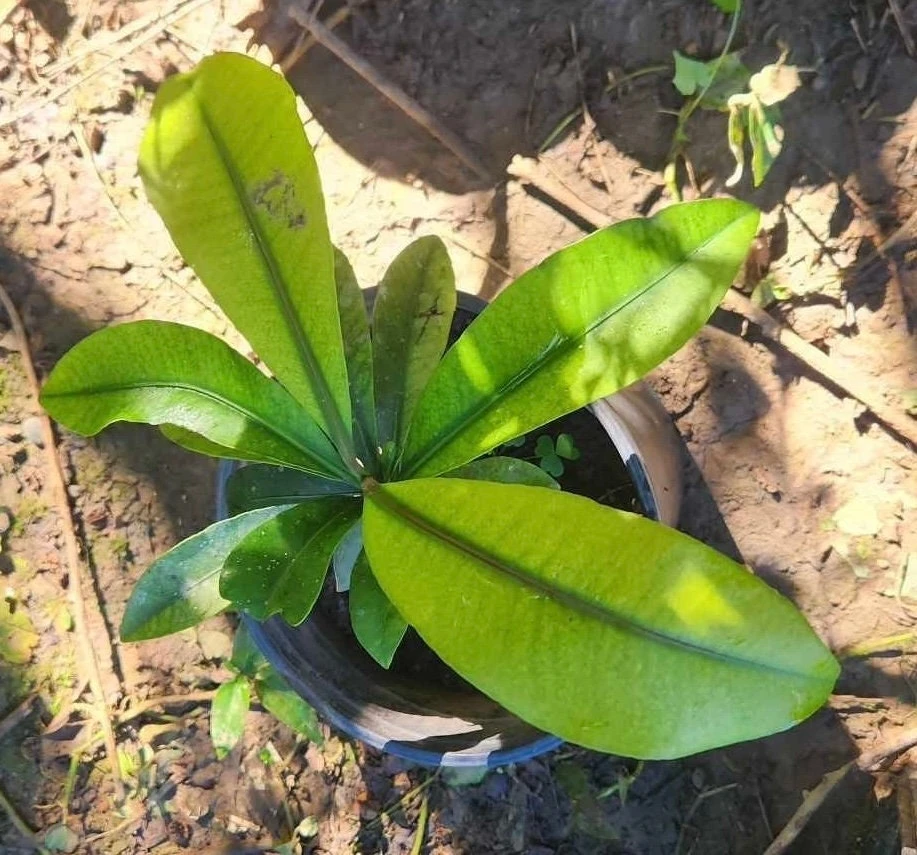
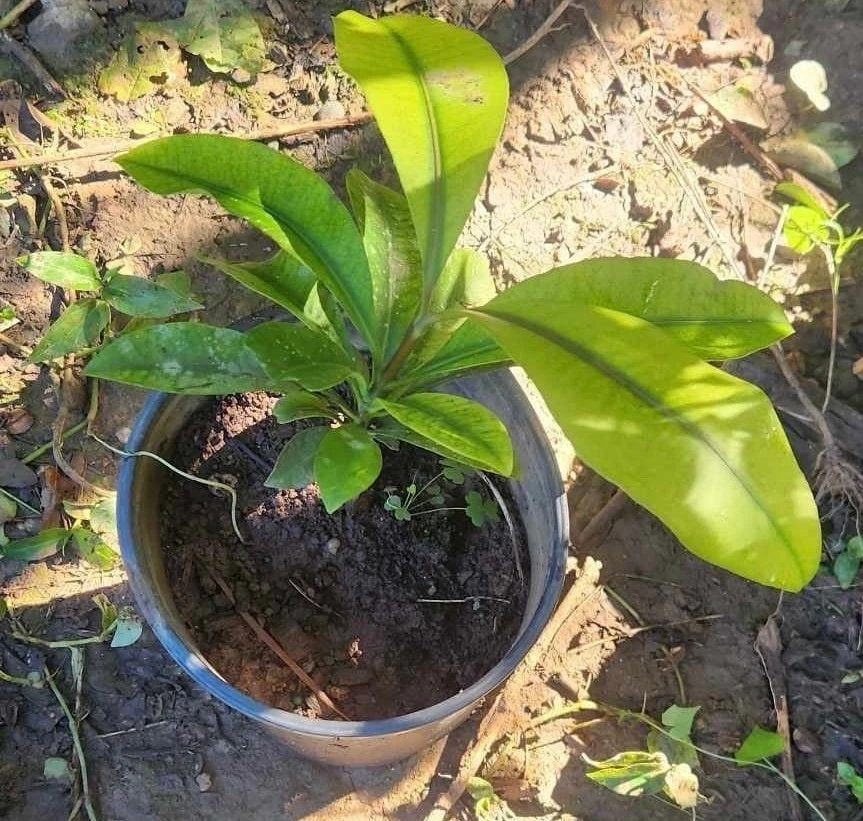
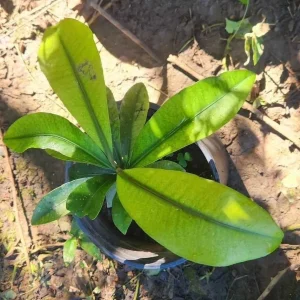
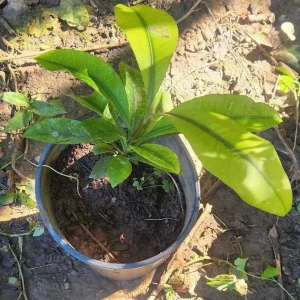
Mameyito Lemon Drop Live Fruit Tree (Garcinia intermedia) 10-18 inches
Original price was: $120.18.$70.18Current price is: $70.18.
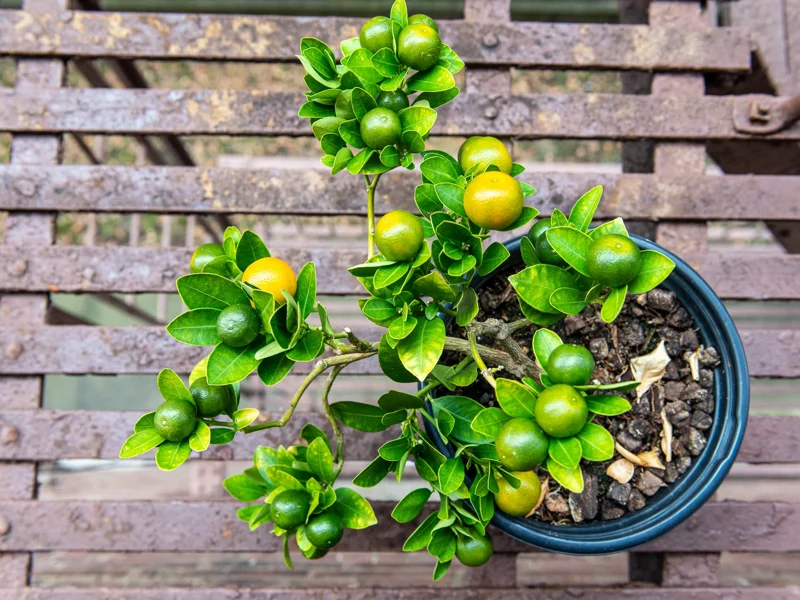
Cultivate an exotic delight with the mameyito lemon drop tree (Garcinia intermedia). This tropical fruit tree produces unique, tangy-sweet fruit and is ideal for container growing or tropical landscapes. Enjoy fresh, flavorful harvests!
Estimated arrival
Sep 14
Sep 19 - Sep 21
Sep 24 - Sep 28

Reasonable Price
We offer reasonable price

Support 24/7
Contact us 24 hrs a day

100% Money Back
You've 30 days to Return

Payment Secure
100% secure payment
Overview
Embark on a delightful horticultural journey with the mameyito lemon drop tree, also known scientifically as Garcinia intermedia. This exquisite tropical fruit tree is a must-have for any plant enthusiast seeking to add a touch of the exotic to their garden or patio. Renowned for its distinctive fruit, which offers a captivating blend of citrusy tang and sweet undertones, the Lemon Drop Mangosteen is a truly unique specimen. Unlike its larger relatives, this Garcinia species is celebrated for its manageable size and adaptability, making it suitable for a variety of growing environments, including container cultivation. Whether you’re a seasoned gardener or just starting your tropical collection, this live fruit tree promises both ornamental beauty and delicious, homegrown produce.
The mameyito lemon drop tree is an evergreen species native to Central and South America, thriving in warm, humid climates. It’s cherished not only for its delectable fruit but also for its attractive foliage and compact growth habit. Our live plants are carefully nurtured to ensure they arrive healthy and ready to flourish in your care, providing the foundation for a productive and beautiful addition to your home or garden. Experience the joy of growing your own exotic fruit with this exceptional garcinia intermedia plant.
Key Benefits
The mameyito lemon drop tree offers a wealth of advantages for both the casual gardener and the dedicated fruit connoisseur. Its unique characteristics make it a standout choice:
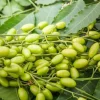
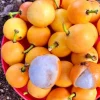
- Delicious, Unique Fruit: Enjoy small, lemon-sized fruits with an unparalleled tangy-sweet flavor profile, perfect for fresh eating, desserts, or exotic culinary creations. This tropical fruit tree provides a taste experience unlike any other.
- Compact Growth Habit: Ideal for smaller gardens, patios, or container growing, the Lemon Drop Mangosteen maintains a manageable size, typically reaching 10-18 inches when shipped, making it versatile for various spaces.
- Relative Hardiness: While a tropical species, the garcinia intermedia plant demonstrates better cold tolerance than many other tropical fruit trees, allowing it to thrive in a wider range of warm climates.
- Low Maintenance: Once established, this tree is surprisingly easy to care for, exhibiting good drought tolerance and requiring minimal fuss to produce abundant fruit. It’s an excellent choice for a busy gardener.
- Ornamental Appeal: Beyond its fruit, the Mameyito boasts attractive glossy green leaves, adding a lush, tropical aesthetic to any setting, whether indoors or outdoors.
- Rare and Exotic: Cultivate a truly special plant that is not commonly found in typical nurseries. Owning a rare fruit tree like this adds a unique conversation piece and a source of exotic produce.
- Versatile Use: The fruit from your lemon drop mangosteen can be enjoyed fresh, juiced, or incorporated into various dishes, offering a healthy and delicious addition to your diet.
Plant Care & Growing Tips
Caring for your mameyito lemon drop tree is a rewarding experience, and with the right conditions, it will thrive and produce delicious fruit. This garcinia intermedia plant prefers a warm, humid environment, mimicking its native tropical habitat. For optimal growth, provide plenty of bright, indirect sunlight. If growing indoors, place it near a south-facing window with some protection from intense direct sun, or use a grow light. Outdoors, choose a spot that receives morning sun and afternoon shade, especially in hotter climates.
Watering is crucial for a healthy tropical fruit tree. Keep the soil consistently moist but never waterlogged. Allow the top inch or two of soil to dry out slightly between waterings, then water thoroughly until it drains from the bottom of the pot. Ensure excellent drainage to prevent root rot. A well-draining, slightly acidic to neutral potting mix is ideal. Fertilize your mameyito lemon drop tree every 2-4 weeks during the growing season (spring and summer) with a balanced, slow-release tropical plant fertilizer. Reduce fertilization in fall and winter.
The Mameyito is relatively tolerant of cooler temperatures compared to some tropicals but should be protected from frost. It typically thrives in USDA zones 9-11. If you live in a colder climate, consider growing your lemon drop mangosteen in a container that can be moved indoors during winter. Pruning is generally minimal, focused on shaping the tree and removing any dead or diseased branches. Watch out for common pests like spider mites or aphids, and treat them promptly with organic insecticidal soap if detected. Providing consistent care will ensure your rare fruit tree remains vigorous and productive.
Size & Details
Our mameyito lemon drop tree (Garcinia intermedia) plants are shipped as healthy, actively growing specimens, typically ranging from 10 to 18 inches in height. These young trees are ready to be potted into a larger container or planted directly into your garden if your climate permits. They are carefully packaged to ensure safe arrival, preserving their vitality during transit. The Mameyito is known for its relatively slow to moderate growth rate, eventually forming a dense, attractive shrub or small tree. When mature, it can reach heights of 10-20 feet in ideal outdoor conditions, though it will remain smaller in containers or with regular pruning.
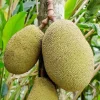
The fruit of this tropical fruit tree is small, typically about 1-2 inches in diameter, resembling a small lemon or gumball. It usually begins to bear fruit within 3-5 years under optimal growing conditions. The plant is shipped in a nursery pot with soil, ensuring its roots are protected and hydrated. Expect a robust root system and vibrant foliage upon arrival, indicating a healthy start for your new garcinia intermedia plant. This compact size makes it an excellent choice for those with limited space or for growers who wish to cultivate a unique rare fruit tree on a patio or balcony.
Frequently Asked Questions
- Q: How big does this mameyito lemon drop tree get? A: In optimal outdoor conditions, a mature Mameyito can reach 10-20 feet tall. However, when grown in a container, its size can be easily managed through pruning, typically staying much smaller, around 5-8 feet.
- Q: Is this an indoor or outdoor plant? A: The mameyito lemon drop tree is primarily an outdoor plant in USDA Zones 9-11. In colder climates, it can be successfully grown indoors as a potted plant, provided it receives adequate light and humidity, or moved outdoors during warm months.
- Q: How much sunlight does the garcinia intermedia plant need? A: It thrives in bright, indirect light to partial shade. While it can tolerate some direct sun, especially morning sun, protection from intense afternoon sun is recommended to prevent leaf scorch.
- Q: What condition will my tropical fruit tree arrive in? A: Your plant will arrive healthy and actively growing, securely packaged in a nursery pot with soil to protect its root system and ensure its vitality during transit.
- Q: Is the lemon drop mangosteen easy to care for? A: Yes, once established, it is considered relatively low-maintenance. It requires consistent watering, good drainage, and protection from frost, but it is generally resilient and rewarding to grow.
- Q: How long until my rare fruit tree produces fruit? A: Under ideal growing conditions, a Mameyito Lemon Drop tree typically begins to bear fruit within 3 to 5 years from planting.
- Q: What is the best soil for this plant? A: A well-draining, slightly acidic to neutral potting mix rich in organic matter is ideal. Ensure the pot has drainage holes to prevent waterlogging.
- Q: Can I grow the mameyito lemon drop tree in a small space? A: Absolutely! Its compact growth habit makes it an excellent candidate for container gardening, perfect for patios, balconies, or smaller gardens.
- Q: What are the fruits used for? A: The tangy-sweet fruits are excellent for fresh eating, adding to fruit salads, making juices, or incorporating into desserts and exotic recipes.
- Q: How often should I fertilize my garcinia intermedia plant? A: During the active growing season (spring and summer), fertilize every 2-4 weeks with a balanced tropical plant fertilizer. Reduce or stop fertilizing in fall and winter.
Be the first to review “Mameyito Lemon Drop Live Fruit Tree (Garcinia intermedia) 10-18 inches”
-
USDA Hardiness Zone
USDA Zones 9-11 -
Soil Type
Well-draining, slightly acidic to neutral soil -
Sunlight Exposure
Bright indirect light to partial shade -
Expected Planting Period
Year-round indoors; spring to summer outdoors
People Also Viewd
Sold 134 products
Original price was: $3,536.00.$23.99Current price is: $23.99.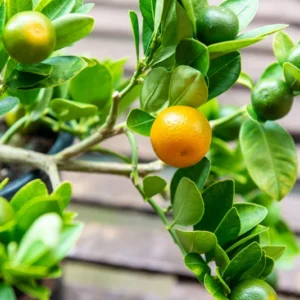
Sold 131 products
Original price was: $27.00.$24.00Current price is: $24.00.
Sold 130 products
Original price was: $89.99.$64.99Current price is: $64.99.

Sold 125 products
Original price was: $86.99.$66.99Current price is: $66.99.
Flower Bulbs
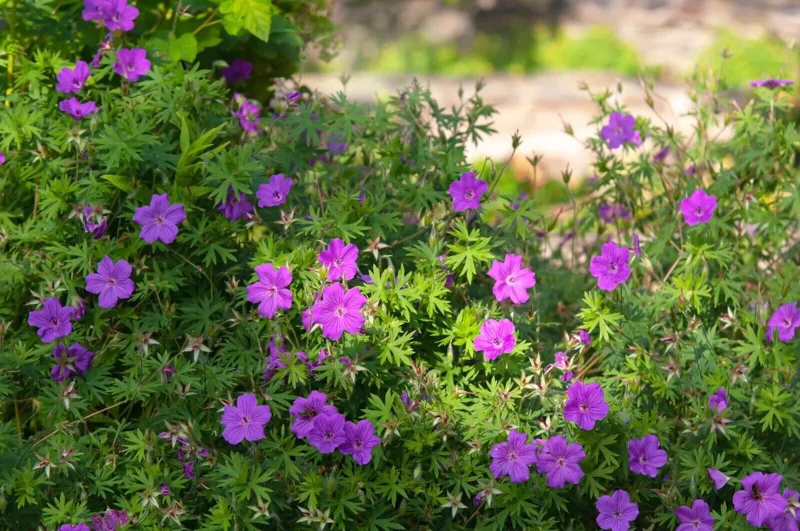
3 Cranesbill Wild Geranium Organic Maculatums Bare Roots | Wildflower for Outdoor Garden
Sold 116 products
Original price was: $21.99.$9.99Current price is: $9.99.
Sold 114 products
Original price was: $28.99.$17.99Current price is: $17.99.
Sold 110 products
Original price was: $63.99.$28.99Current price is: $28.99.
Sold 108 products
Original price was: $28.99.$17.99Current price is: $17.99.RELATED posts
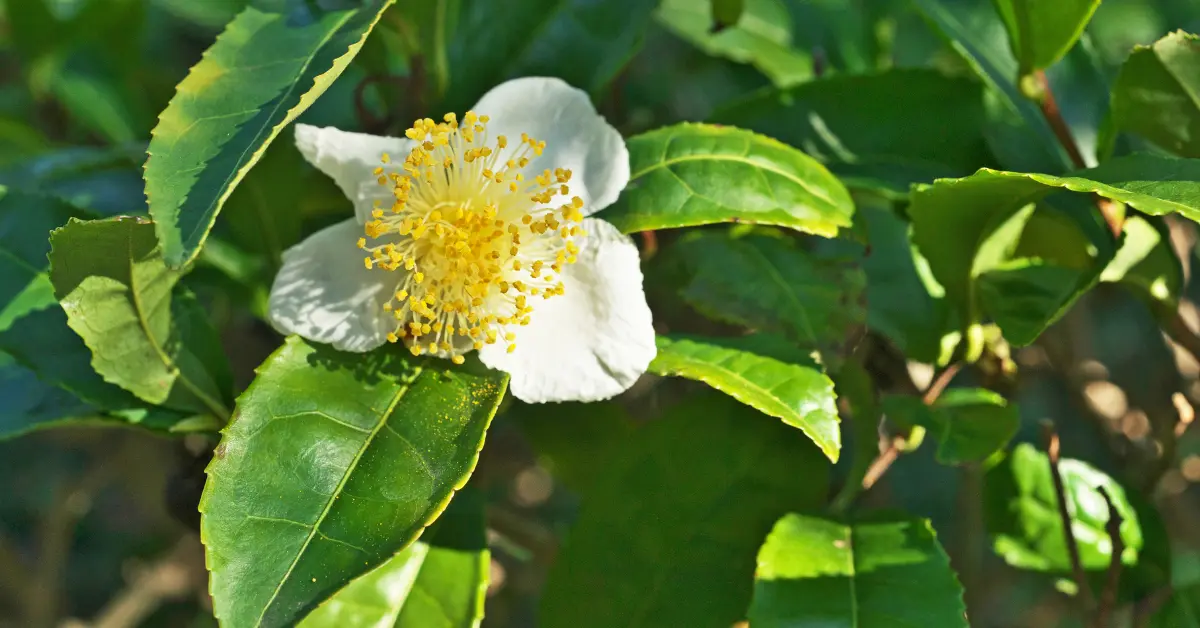
Growing Camellia Sinensis (Tea Plants) in Containers: A Complete Guide for Beginners
If you’ve ever wanted to sip a steaming, homegrown cup of fresh green, black, or [...]
Aug
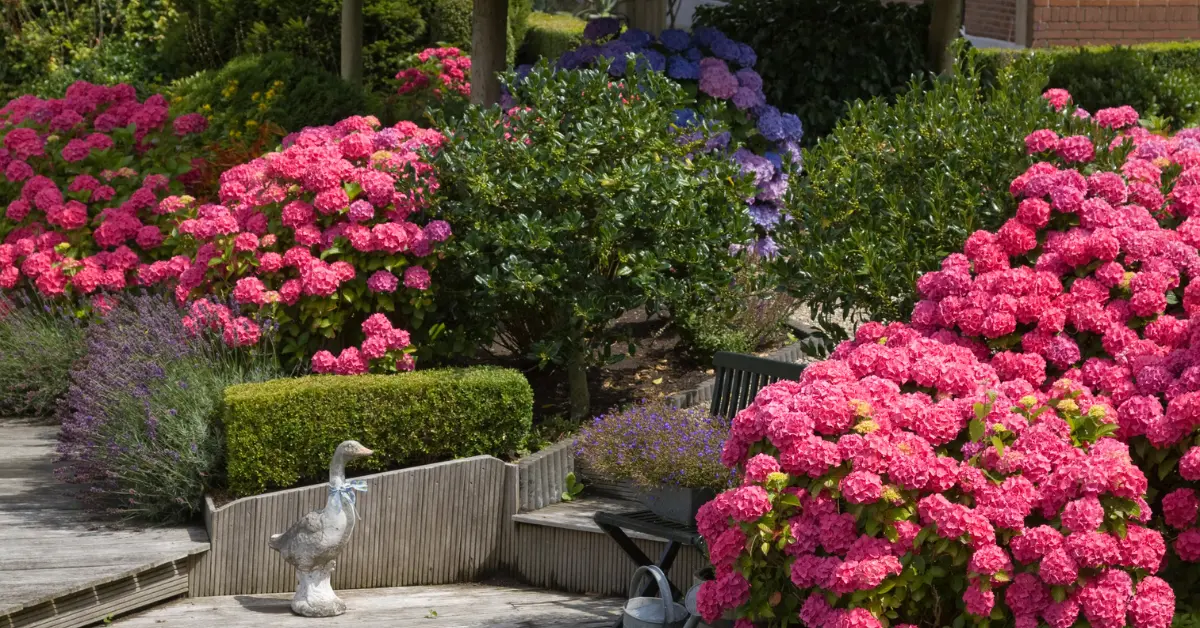
6 Best Shrubs to Plant in August You Must Try
Have you ever walked through a nursery late in the summer, admired the vibrant shrubs [...]
Aug
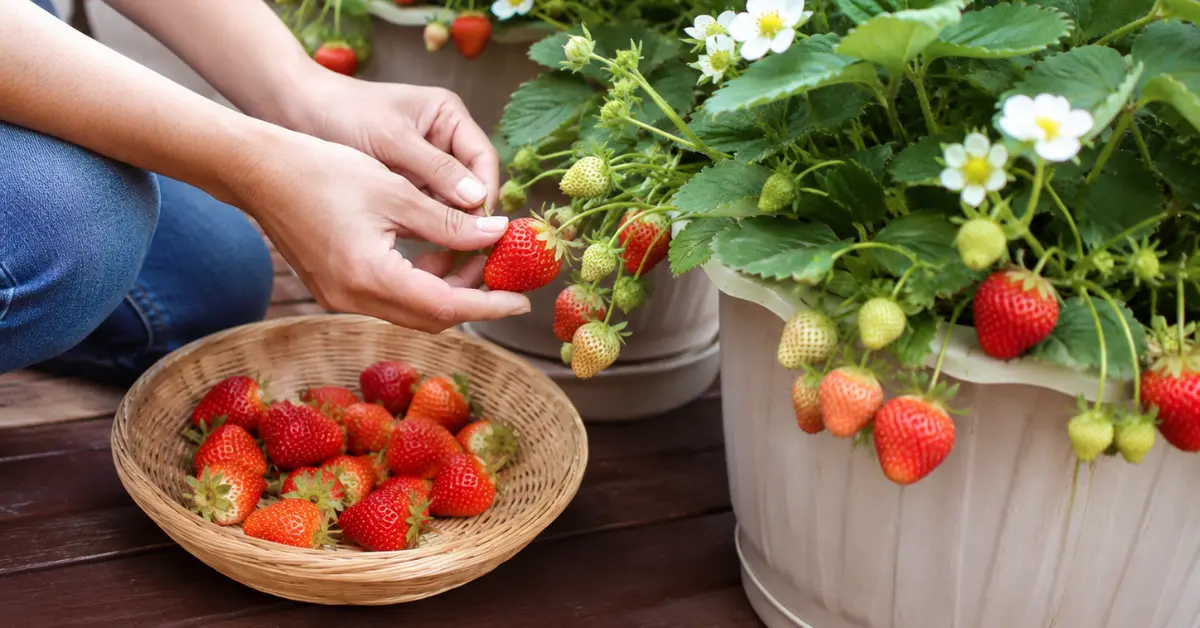
Growing Everbearing Strawberries in Containers: A Complete Guide for Beginners
Want to grow sweet, fresh strawberries but do not have a large garden? Everbearing strawberries [...]
Aug
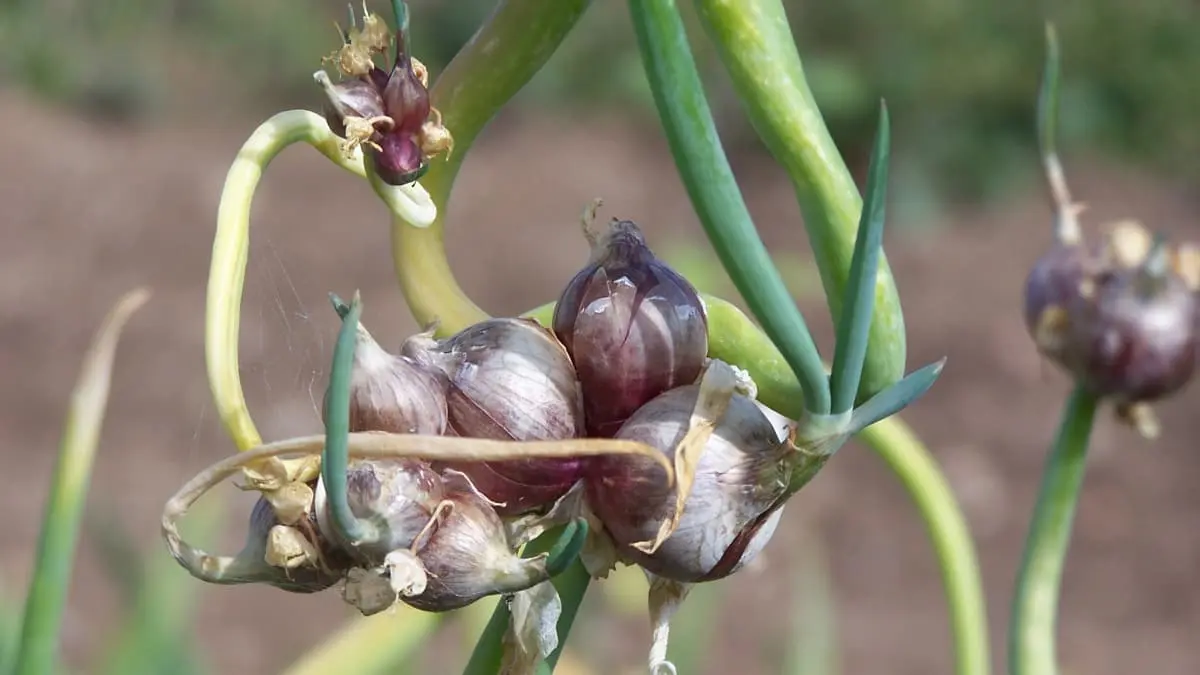
Growing Egyptian Walking Onions in Containers: A Complete Guide for Beginners
If you’re looking for a hardy, no-fuss perennial onion that keeps on giving year after [...]
Jul
Growing Carolina Reaper Peppers in Pots: A Complete Guide for Beginners
If you’ve ever wanted to add some serious, record-breaking heat to your home cooking, you’ve [...]
May
Growing Curry Leaf Plant in Pots: A Complete Guide for Beginners
If you’re a fan of authentic South Asian cuisine, you already know that nothing compares [...]
May
5 Tips for Growing Carolina Reaper Peppers to Get the Spiciest Harvest Ever
Holding the record for one of the world’s hottest peppers, the Reaper isn’t just a [...]
May
Best Fertilizers for Zoysia Grass in 2026: Get a Lush Lawn
As we enter the new year, the time has come to think about how we [...]
Apr
Reviews
There are no reviews yet.