
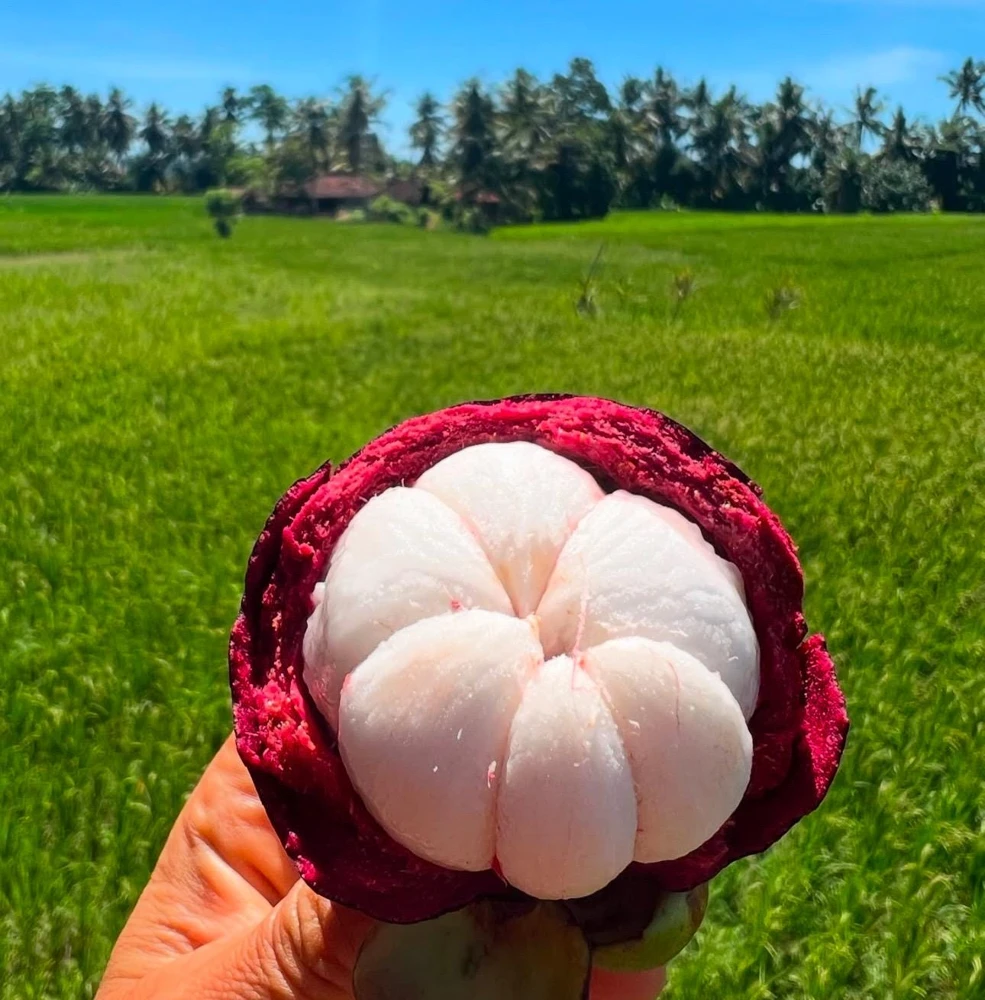
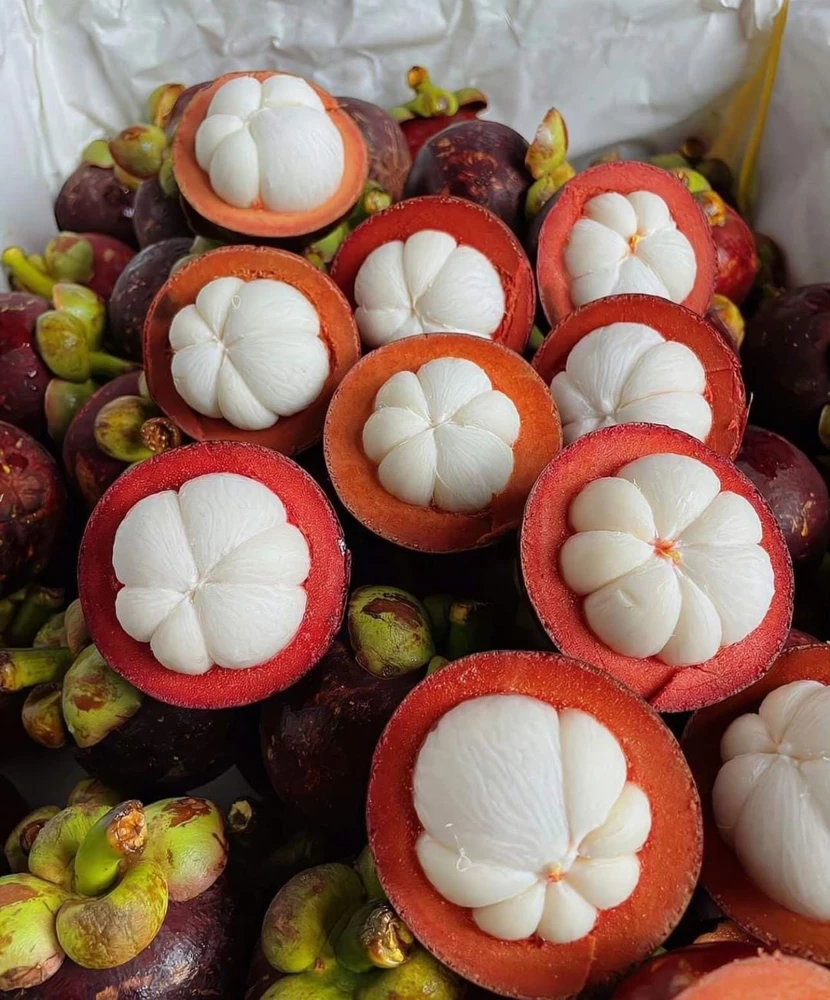
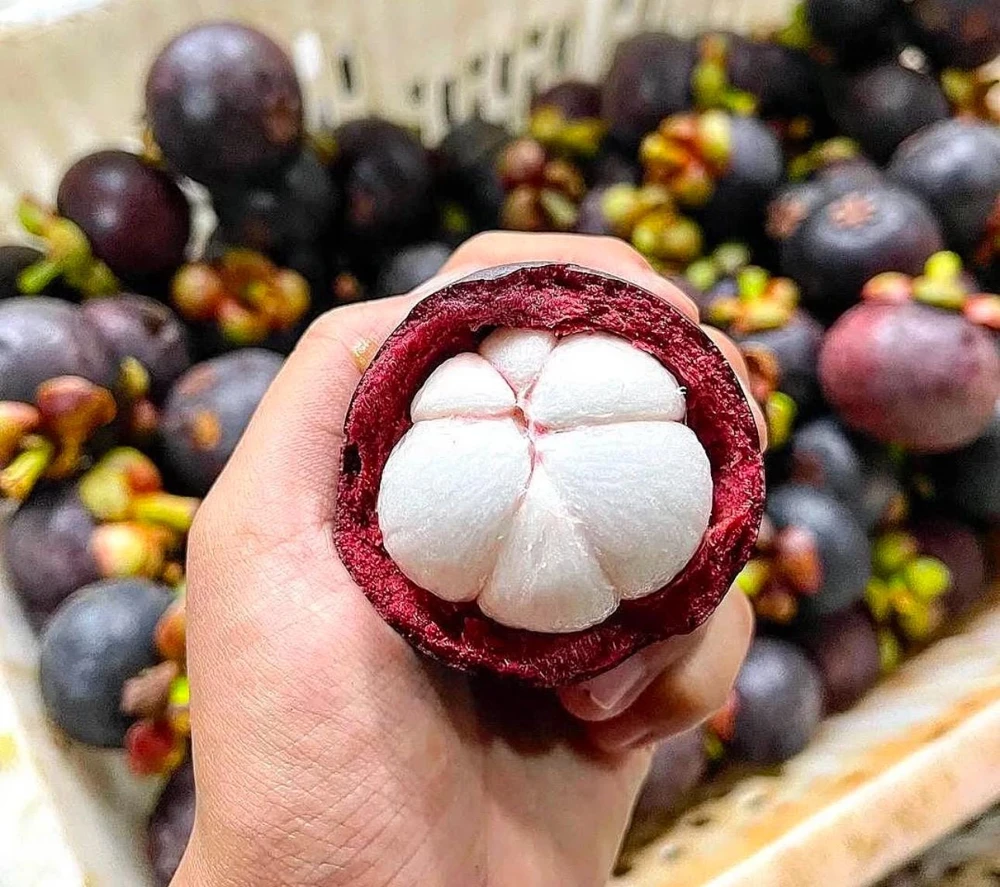
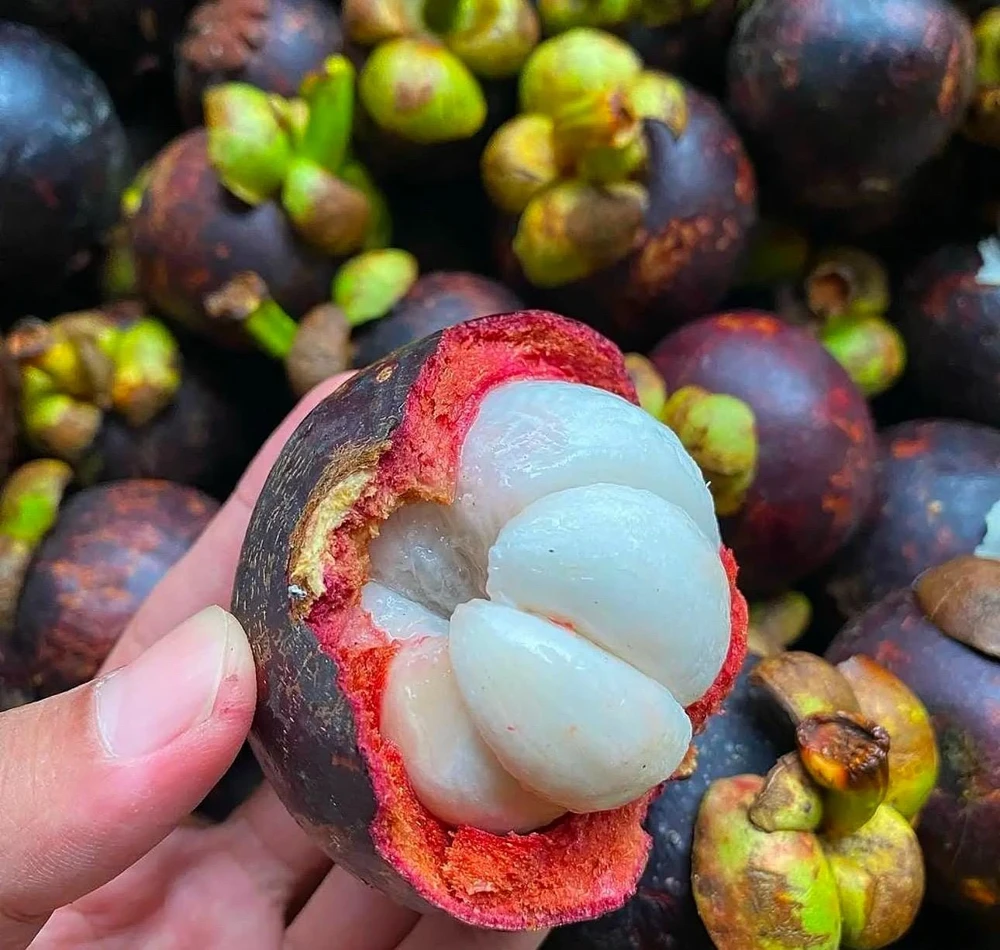
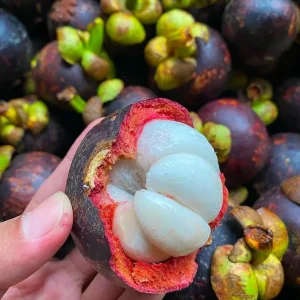
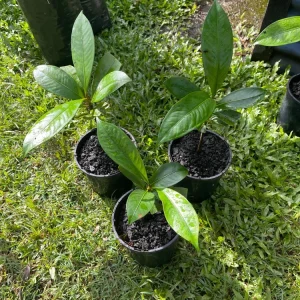
Mangosteen Live Fruit Tree – Garcinia mangostana Tropical Plant 10-24in
Original price was: $131.00.$81.00Current price is: $81.00.
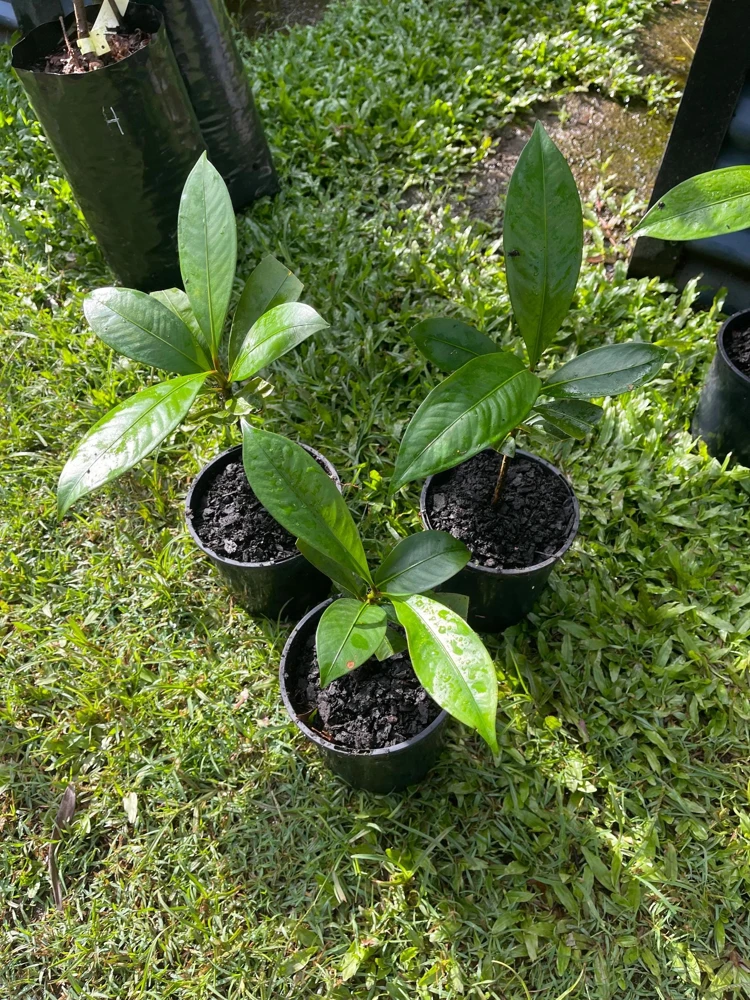
Bring the tropics to your home with a mangosteen live fruit tree. This 10-24 inch Garcinia mangostana plant is ready to grow into a beautiful tree that yields delicious, exotic fruit. Enjoy the unique flavor of fresh mangosteen right from your garden or patio.
Estimated arrival
Sep 17
Sep 22 - Sep 24
Sep 27 - Oct 01

Reasonable Price
We offer reasonable price

Support 24/7
Contact us 24 hrs a day

100% Money Back
You've 30 days to Return

Payment Secure
100% secure payment
Overview
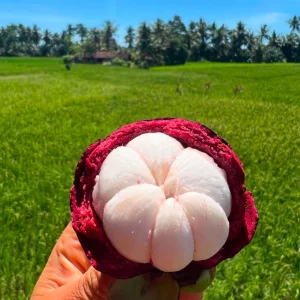
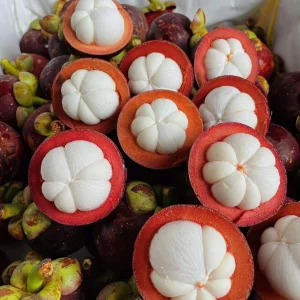
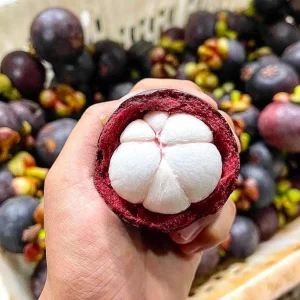
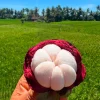
Discover the joy of cultivating your own mangosteen live fruit tree. Often called the ‘Queen of Fruits,’ the mangosteen (Garcinia mangostana) is celebrated for its sweet, tangy, and juicy white flesh encased in a deep purple rind. This exotic tropical fruit tree is a prized possession for any gardener looking to add a unique and rewarding specimen to their collection. Our healthy, vibrant Garcinia mangostana plant, measuring between 10 to 24 inches, arrives ready to thrive in its new environment, promising years of beauty and delicious harvests. Originating from Southeast Asia, the mangosteen tree is not only a producer of delectable fruit but also an attractive evergreen with glossy leaves, making it a beautiful addition to tropical and subtropical landscapes or as a potted plant in cooler climates.
Unlike many other fruit trees, the mangosteen has a relatively slow growth rate, but its longevity and the quality of its fruit make it a truly worthwhile investment. Growing your own mangosteen live fruit tree allows you to experience the unparalleled freshness and flavor that is often lost in commercially shipped fruit. This tree is a conversation starter and a source of incredible fruit, perfect for those who appreciate rare and exquisite produce.
Key Benefits
Owning a mangosteen tree offers numerous advantages beyond just its delicious fruit. It’s a plant that provides both aesthetic beauty and practical rewards, making it a fantastic choice for fruit enthusiasts and gardeners alike. The benefits of growing your own mangosteen live fruit tree are plentiful:
- Exotic Fruit Production: Enjoy the unique and highly sought-after flavor of fresh mangosteen, often described as a blend of peach, strawberry, and pineapple. Growing your own ensures you get the freshest, most flavorful fruit possible.
- Beautiful Evergreen Foliage: The tree boasts attractive, dark green, glossy leaves that provide year-round visual appeal, enhancing any garden or indoor space with its lush, tropical look.
- Health Benefits: Mangosteen fruit is rich in antioxidants, vitamins (like Vitamin C), and minerals, contributing to overall well-being and a healthy diet.
- Unique Garden Addition: Stand out with this rare and prestigious tropical fruit tree. It’s a fantastic focal point and conversation starter, showcasing your adventurous gardening spirit.
- Long-Lived Plant: With proper care, a Garcinia mangostana plant can live for many decades, providing a continuous supply of fruit and beauty for generations.
- Rewarding Cultivation: The process of nurturing a mangosteen tree from a young plant to a fruit-bearing specimen is incredibly satisfying for any plant enthusiast.
- Potential for Container Growing: While it prefers ground planting in tropical zones, it can be successfully grown in large containers in non-tropical areas, allowing for protection during colder months.
Plant Care & Growing Tips
Caring for a mangosteen live fruit tree requires attention to its specific tropical needs, but with the right conditions, it can thrive and produce abundant fruit. Mangosteens prefer a consistently warm and humid environment. They are not tolerant of cold temperatures, so if you live outside of USDA Zones 10-11, you will need to grow your tree in a large container that can be moved indoors during cooler months. Temperatures below 40°F (4°C) can severely damage or kill young trees.
Sunlight requirements: Young mangosteen trees prefer partial shade, especially during the hottest parts of the day, to prevent leaf scorch. As they mature, they can tolerate more direct sunlight, but still benefit from some afternoon shade in very hot climates. For indoor growing, provide bright, indirect light, ideally near a south or east-facing window, or supplement with grow lights.
Watering schedule and soil moisture: Mangosteens require consistent moisture and do not tolerate drought. The soil should be kept evenly moist but never waterlogged. Water thoroughly when the top inch of soil begins to feel dry, typically every 2-3 days in warm weather. Reduce watering slightly in cooler months or when the tree is dormant. Good drainage is crucial to prevent root rot.
Soil type and drainage requirements: This tropical fruit tree thrives in rich, well-draining, slightly acidic soil with a pH between 5.5 and 6.5. A mix of loamy soil amended with organic matter like compost, peat moss, or coco coir is ideal. Ensure your pot or planting site has excellent drainage. Heavy clay soils should be avoided or significantly amended.
Fertilization schedule and type: Fertilize your Garcinia mangostana plant regularly during its growing season (spring and summer) with a balanced, slow-release fertilizer or a liquid fertilizer formulated for acid-loving plants. A fertilizer with an NPK ratio of 8-3-9 or similar, with micronutrients, is beneficial. Apply every 4-6 weeks according to product instructions. Reduce or stop fertilization during fall and winter.
Common problems and solutions: Mangosteens are generally resistant to many pests and diseases, but they can be susceptible to scale insects or mealybugs. Inspect your tree regularly and treat any infestations with horticultural oil or insecticidal soap. Leaf yellowing can indicate nutrient deficiency or improper watering. Ensure consistent watering and appropriate fertilization. The biggest challenge for many is providing the consistent warmth and humidity this tropical plant demands. Understanding how to grow mangosteen successfully involves careful environmental control.
Size & Details
This offering is for one healthy mangosteen live fruit tree, ranging in height from approximately 10 to 24 inches (25 to 60 cm) from the base of the root ball to the top of the foliage. These young trees are typically shipped in a nursery pot, ready for transplanting into a larger container or directly into the ground in appropriate climates. The exact size will vary slightly depending on the individual plant’s growth stage and natural variations. Mangosteen trees are slow-growing, especially in their early years, but with optimal conditions, they can eventually reach heights of 20-60 feet in their native habitat. When grown in containers, their size can be managed through pruning, typically staying within 6-15 feet. Expect several years before the tree begins to bear fruit, usually around 5-7 years from a seedling, but the wait is well worth the delicious reward. This exotic fruit tree is a long-term investment in your garden’s future.
Frequently Asked Questions
- Q: How big does this plant get? A: This particular mangosteen live fruit tree is currently 10-24 inches tall. In ideal tropical conditions, mature trees can reach 20-60 feet. When grown in a container, its size can be managed with pruning, typically staying between 6-15 feet.
- Q: What size pot does it come in? A: The plant is shipped in a standard nursery pot, typically a 1-gallon or 2-gallon size, providing a healthy root system for transplanting. We recommend repotting into a larger container or planting directly into the ground upon arrival.
- Q: Is this an indoor or outdoor plant? A: The mangosteen is a tropical outdoor plant for USDA Zones 10-11. In cooler climates, it must be grown as a container plant and brought indoors when temperatures drop below 40°F (4°C).
- Q: How much sunlight does it need? A: Young mangosteen trees prefer partial shade, especially protection from intense afternoon sun. Mature trees can handle more sun but still benefit from some shade in very hot climates. For indoor plants, provide bright, indirect light.
- Q: Is this plant easy to care for? A: Mangosteens require specific conditions, including consistent warmth, high humidity, and regular watering. They are not considered a beginner’s plant but are manageable for dedicated gardeners familiar with tropical fruit tree care.
- Q: What condition will it arrive in? A: Your Garcinia mangostana plant will arrive carefully packaged, healthy, and ready to be planted. We take great care to ensure the plant’s safe journey to your home.
- Q: How long until it blooms and produces fruit? A: Mangosteen trees typically begin to bear fruit 5-7 years after planting from a seedling. Patience is key, but the reward of fresh mangosteen is truly exceptional.
- Q: Will it survive winter in my zone? A: Mangosteens are very sensitive to cold. They will not survive freezing temperatures. If you are outside of USDA Zones 10-11, you must provide winter protection by bringing the potted plant indoors.
- Q: What is the best way to grow mangosteen successfully? A: Providing consistent warmth, high humidity, well-draining acidic soil, and protection from cold are the most critical factors for successfully growing this exotic fruit tree.
Be the first to review “Mangosteen Live Fruit Tree – Garcinia mangostana Tropical Plant 10-24in”
-
USDA Hardiness Zone
USDA Zones 10-11 (or indoors) -
Soil Type
Well-draining, rich, slightly acidic soil -
Sunlight Exposure
Partial shade (young), partial sun (mature) -
Expected Planting Period
Year-round in tropical zones; spring/summer for container planting
People Also Viewd


Sold 134 products
Original price was: $3,536.00.$23.99Current price is: $23.99.

Sold 131 products
Original price was: $27.00.$24.00Current price is: $24.00.

Sold 131 products
Original price was: $89.99.$64.99Current price is: $64.99.

Sold 125 products
Original price was: $86.99.$66.99Current price is: $66.99.

Flower Bulbs
3 Cranesbill Wild Geranium Organic Maculatums Bare Roots | Wildflower for Outdoor Garden
Sold 116 products
Original price was: $21.99.$9.99Current price is: $9.99.

Sold 114 products
Original price was: $28.99.$17.99Current price is: $17.99.
Sold 110 products
Original price was: $63.99.$28.99Current price is: $28.99.
Sold 108 products
Original price was: $28.99.$17.99Current price is: $17.99.RELATED posts
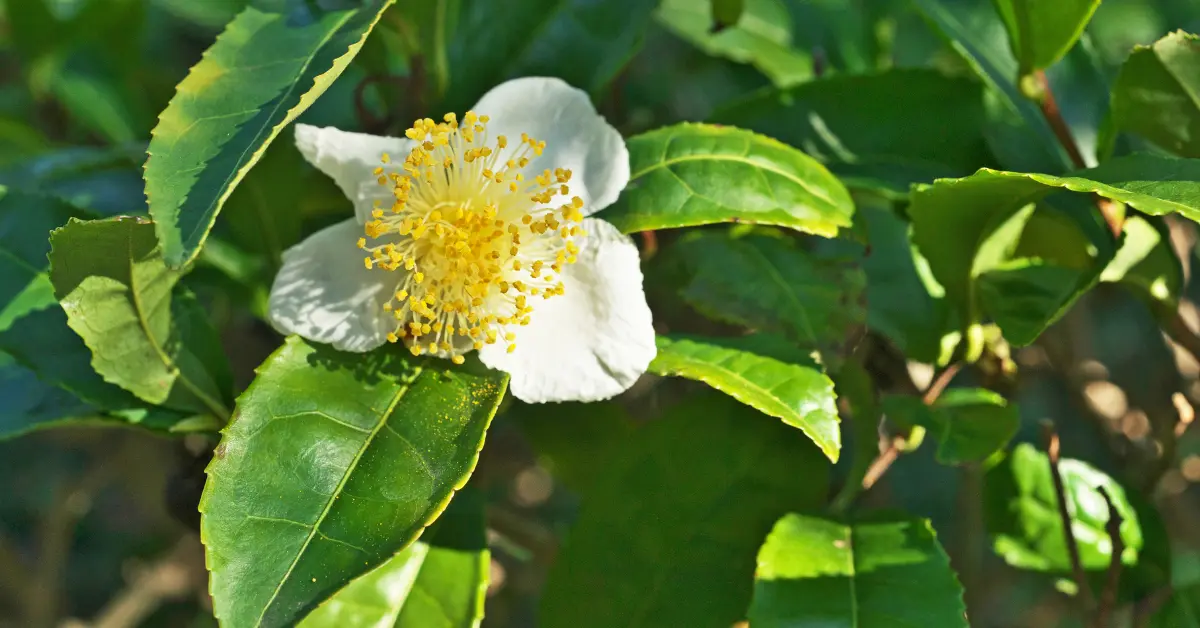
Growing Camellia Sinensis (Tea Plants) in Containers: A Complete Guide for Beginners
If you’ve ever wanted to sip a steaming, homegrown cup of fresh green, black, or [...]
Aug
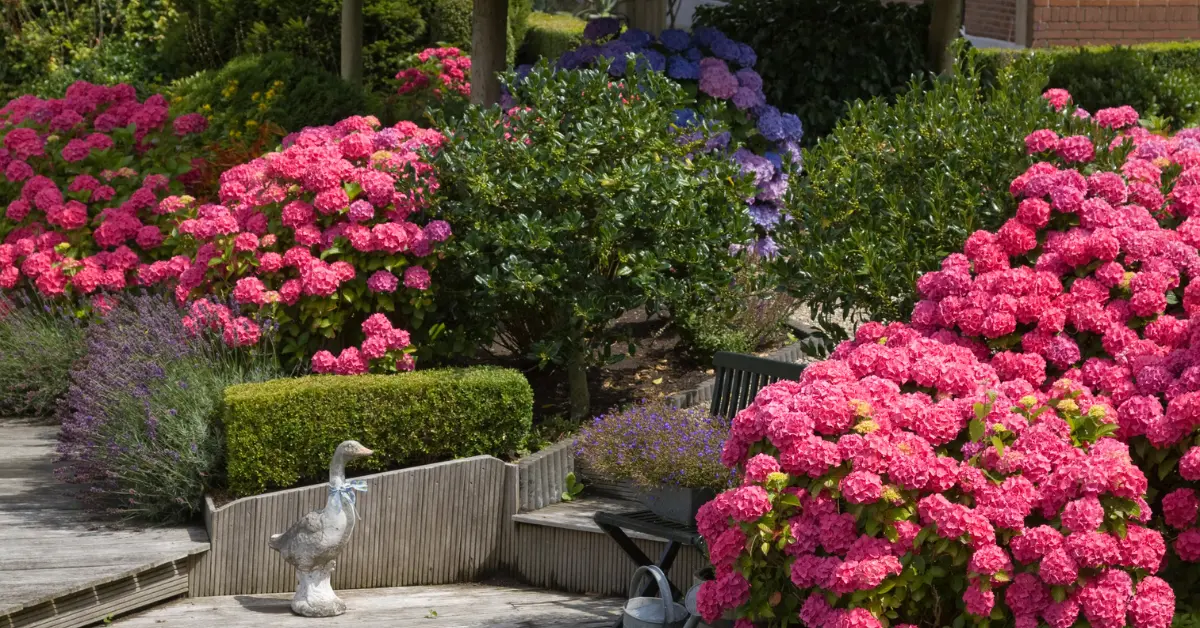
6 Best Shrubs to Plant in August You Must Try
Have you ever walked through a nursery late in the summer, admired the vibrant shrubs [...]
Aug
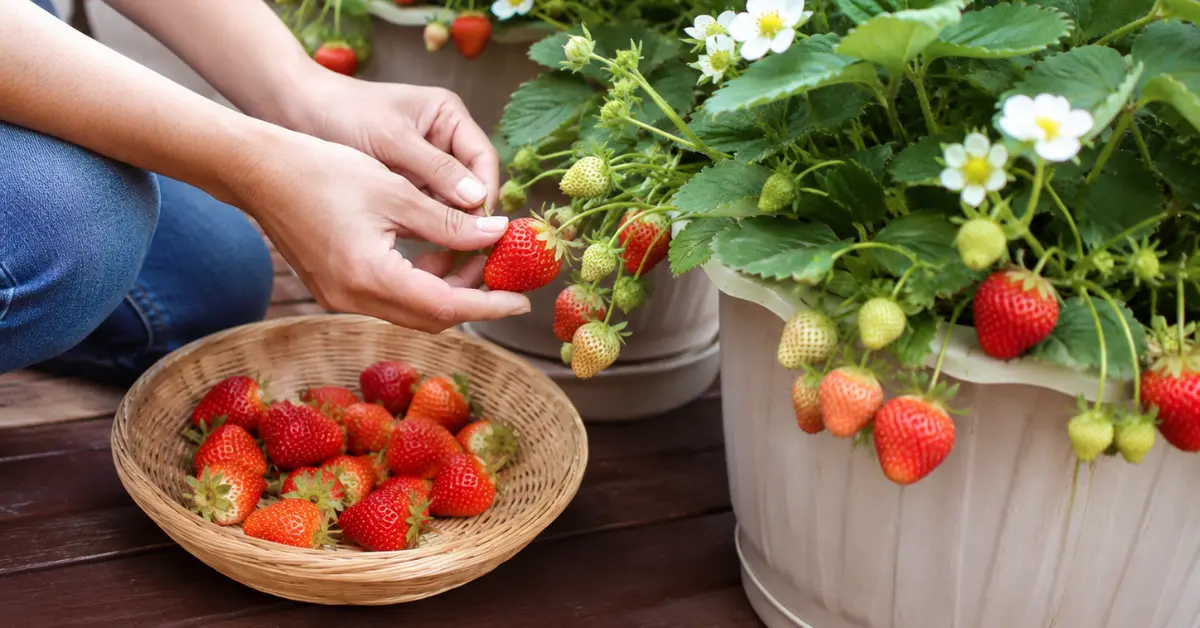
Growing Everbearing Strawberries in Containers: A Complete Guide for Beginners
Want to grow sweet, fresh strawberries but do not have a large garden? Everbearing strawberries [...]
Aug
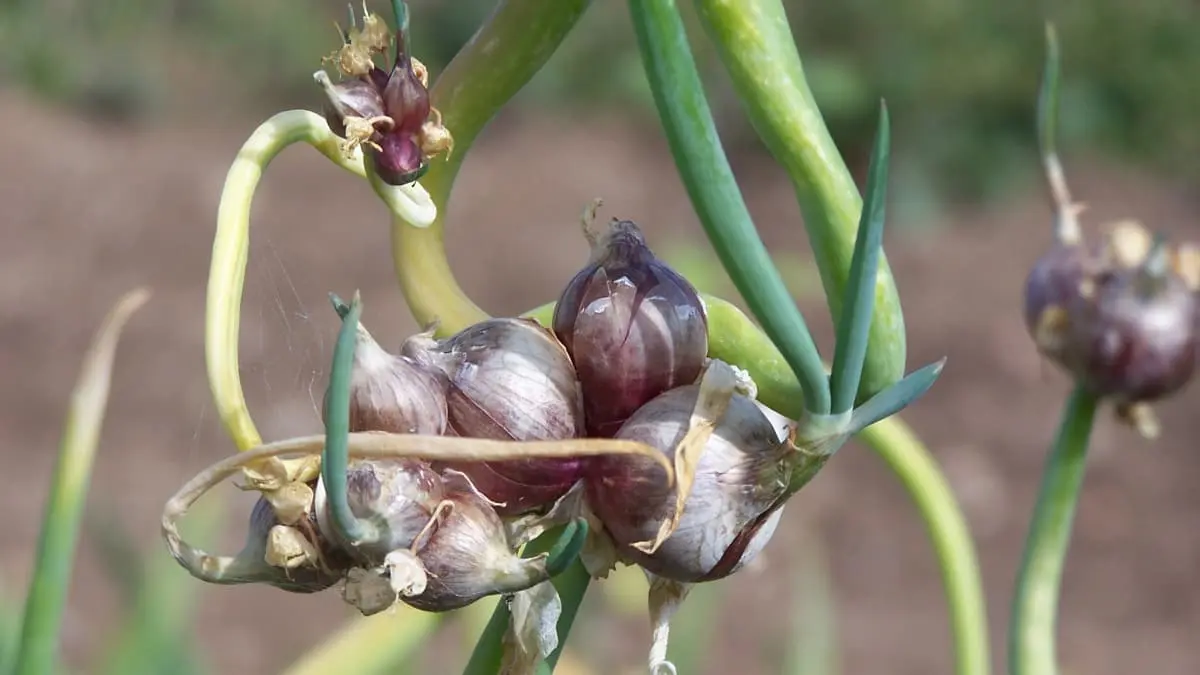
Growing Egyptian Walking Onions in Containers: A Complete Guide for Beginners
If you’re looking for a hardy, no-fuss perennial onion that keeps on giving year after [...]
Jul
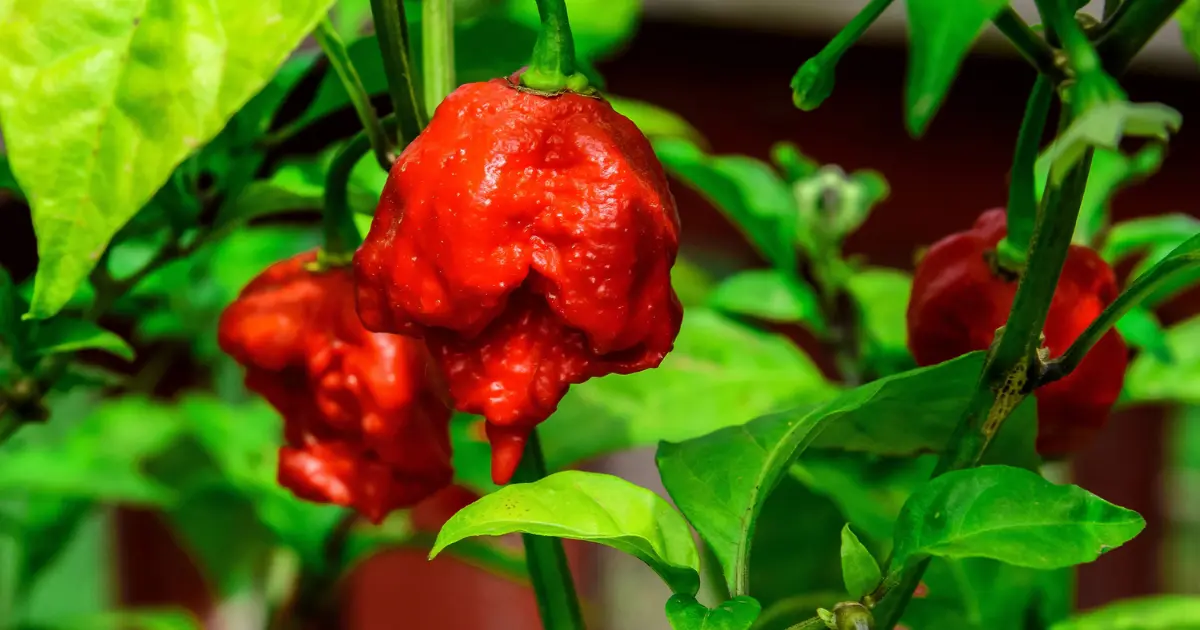
Growing Carolina Reaper Peppers in Pots: A Complete Guide for Beginners
If you’ve ever wanted to add some serious, record-breaking heat to your home cooking, you’ve [...]
May
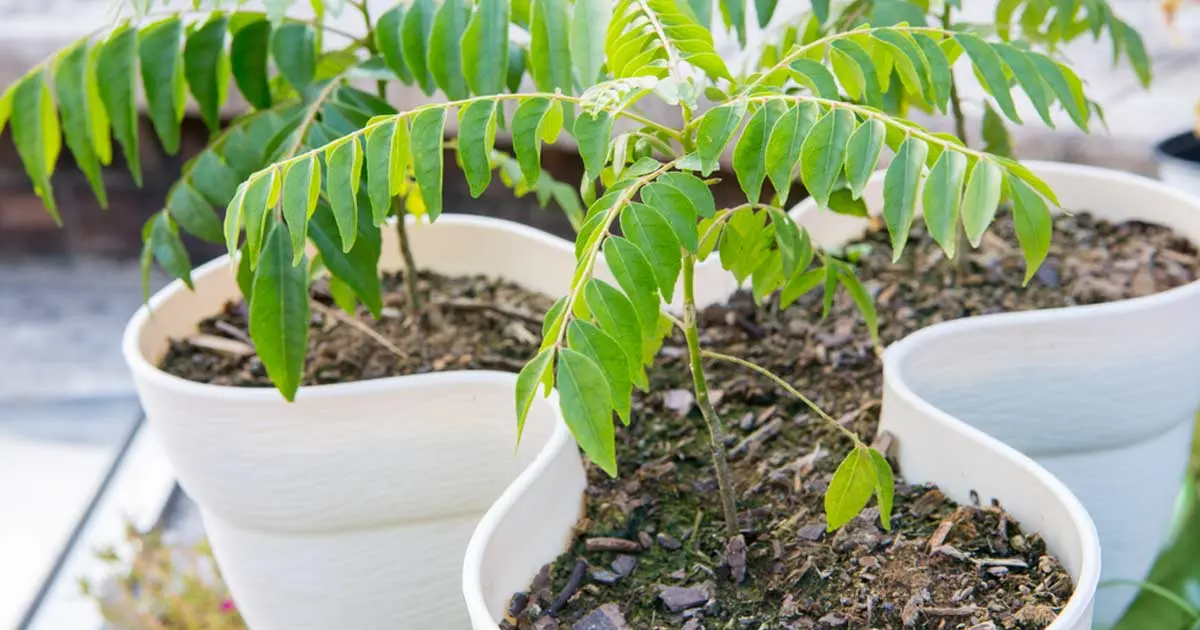
Growing Curry Leaf Plant in Pots: A Complete Guide for Beginners
If you’re a fan of authentic South Asian cuisine, you already know that nothing compares [...]
May
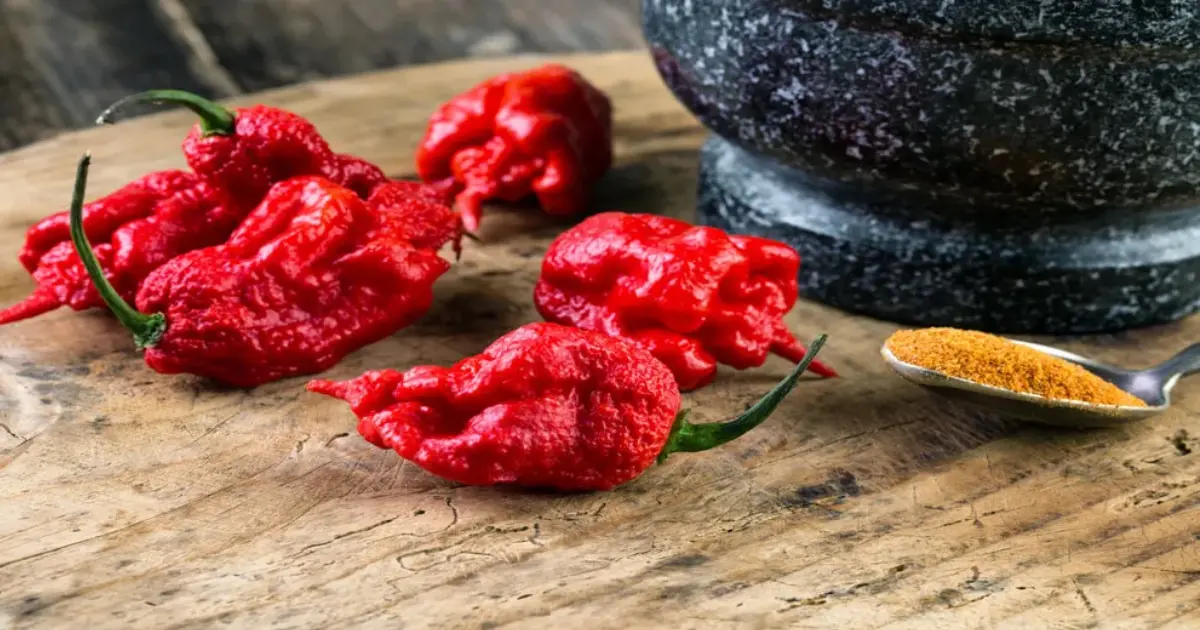
5 Tips for Growing Carolina Reaper Peppers to Get the Spiciest Harvest Ever
Holding the record for one of the world’s hottest peppers, the Reaper isn’t just a [...]
May
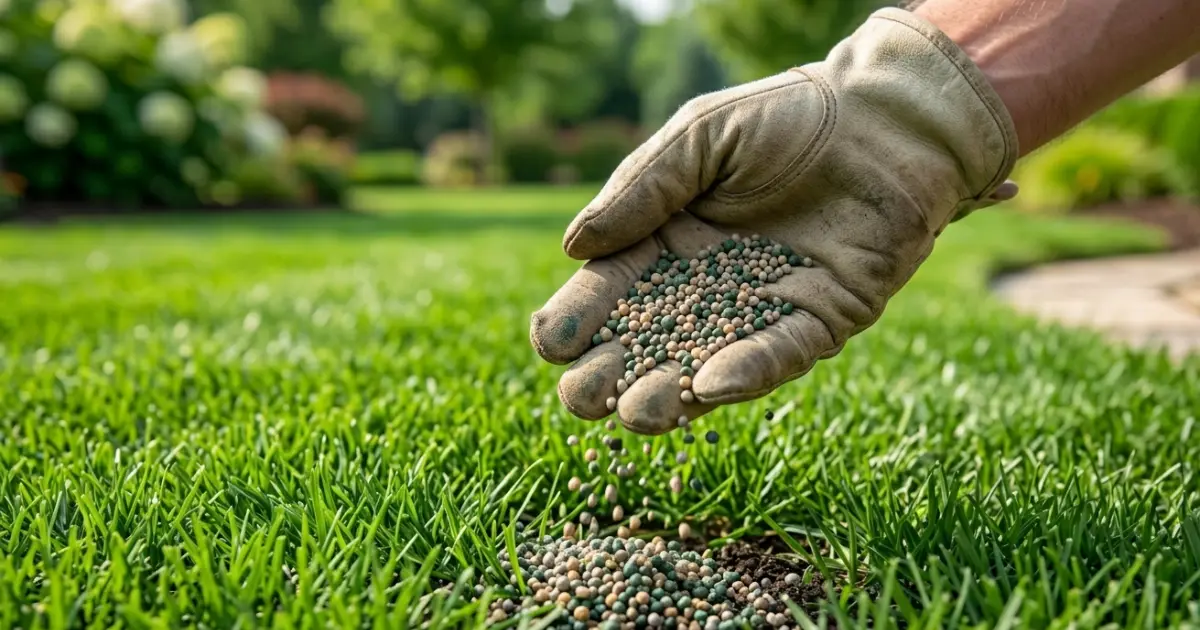
Best Fertilizers for Zoysia Grass in 2026: Get a Lush Lawn
As we enter the new year, the time has come to think about how we [...]
Apr
Reviews
There are no reviews yet.