
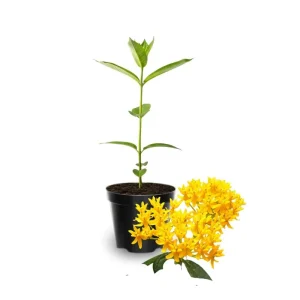
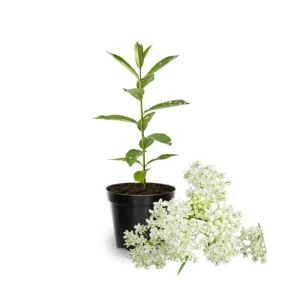
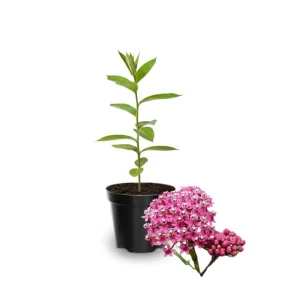
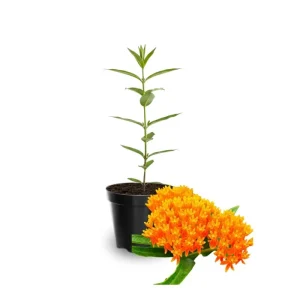
Milkweed Plants Live 4-6 Inch Tall – Pollinator-Friendly Perennial for Garden
Original price was: $51.99.$26.99Current price is: $26.99.
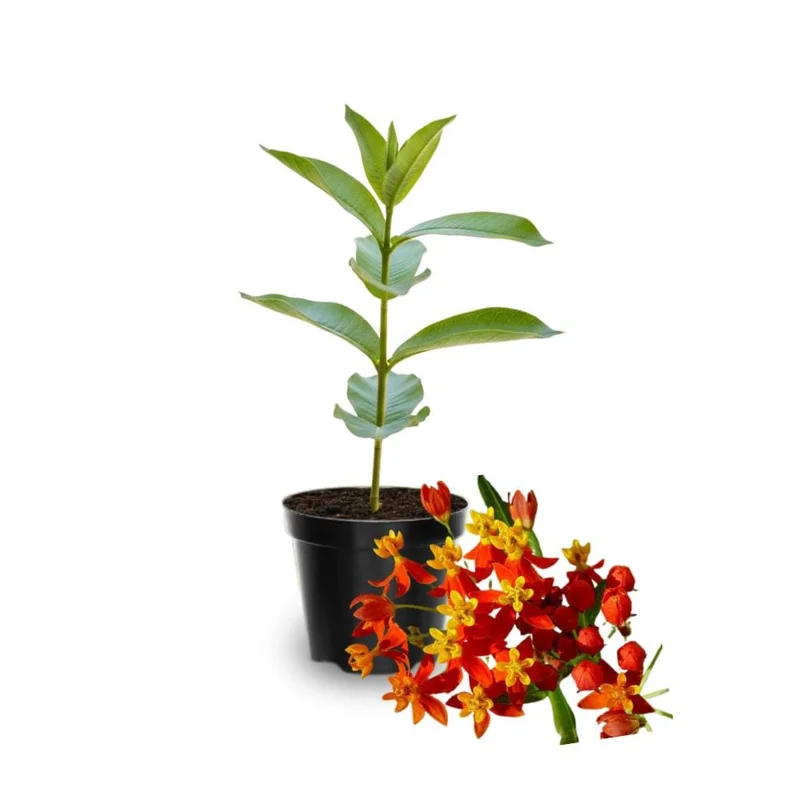
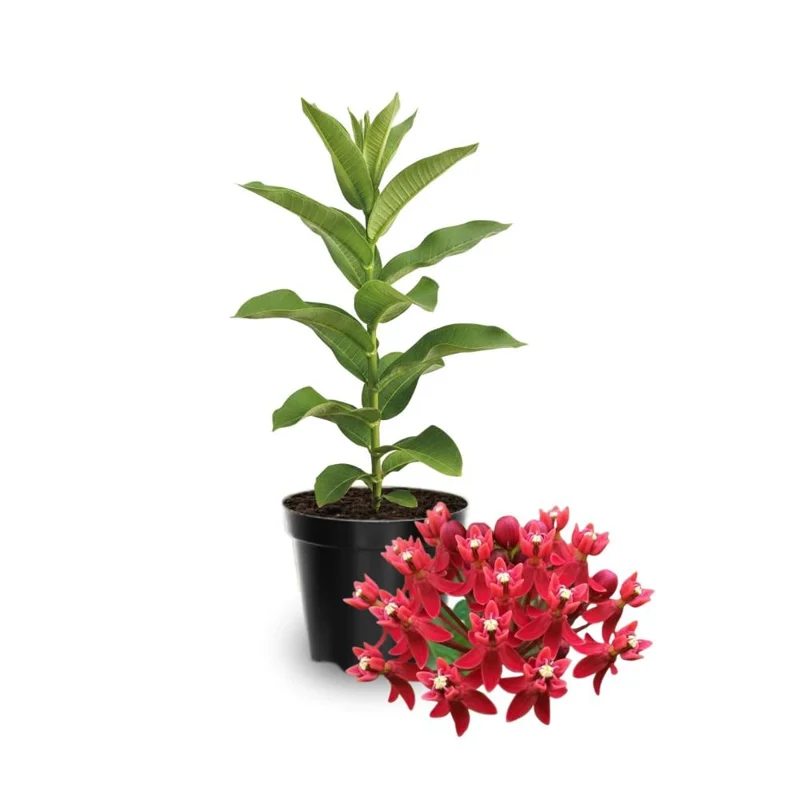
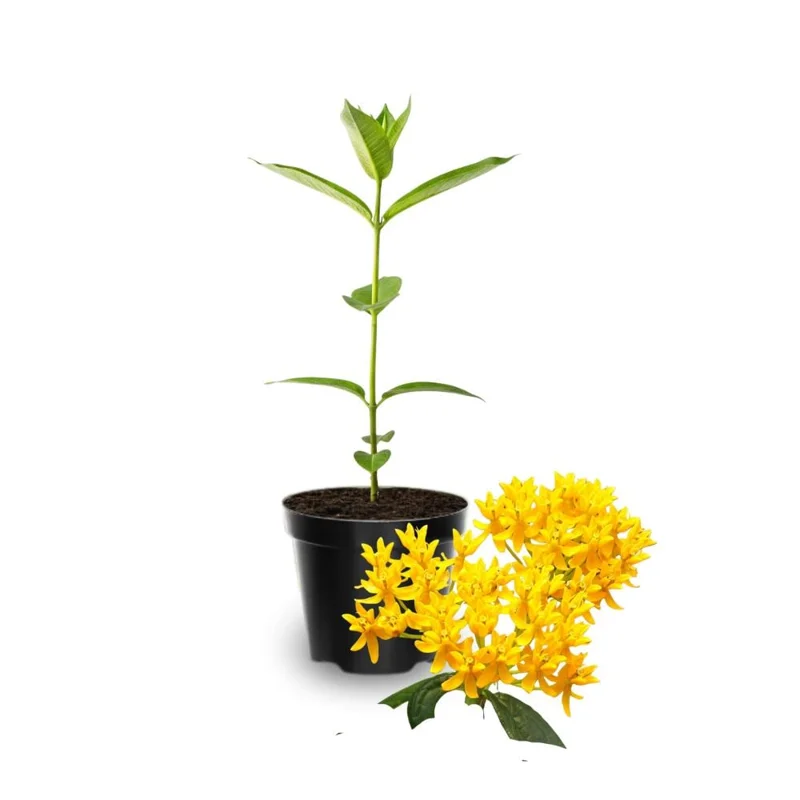
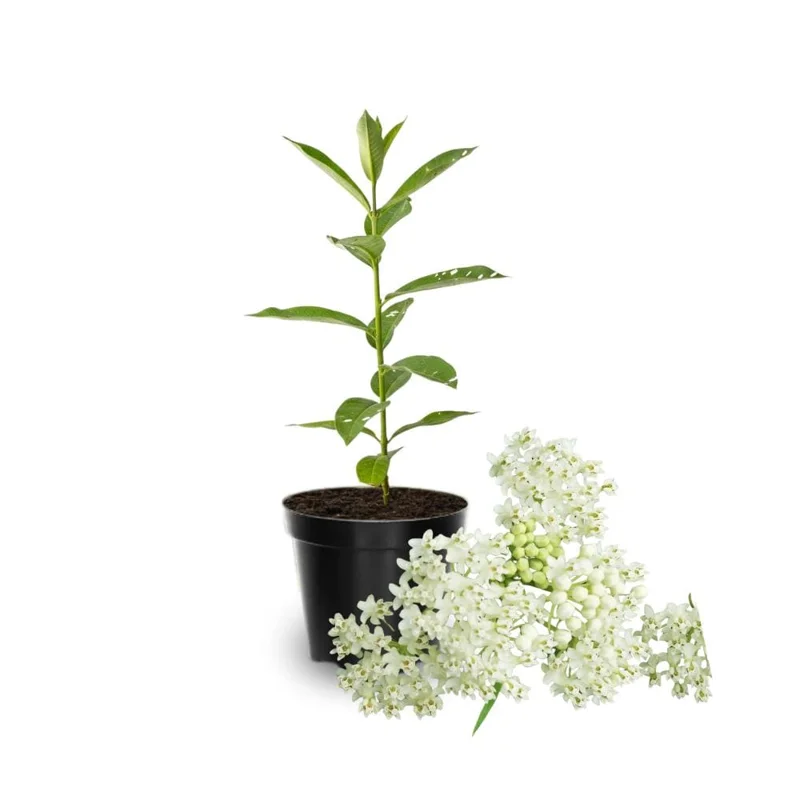
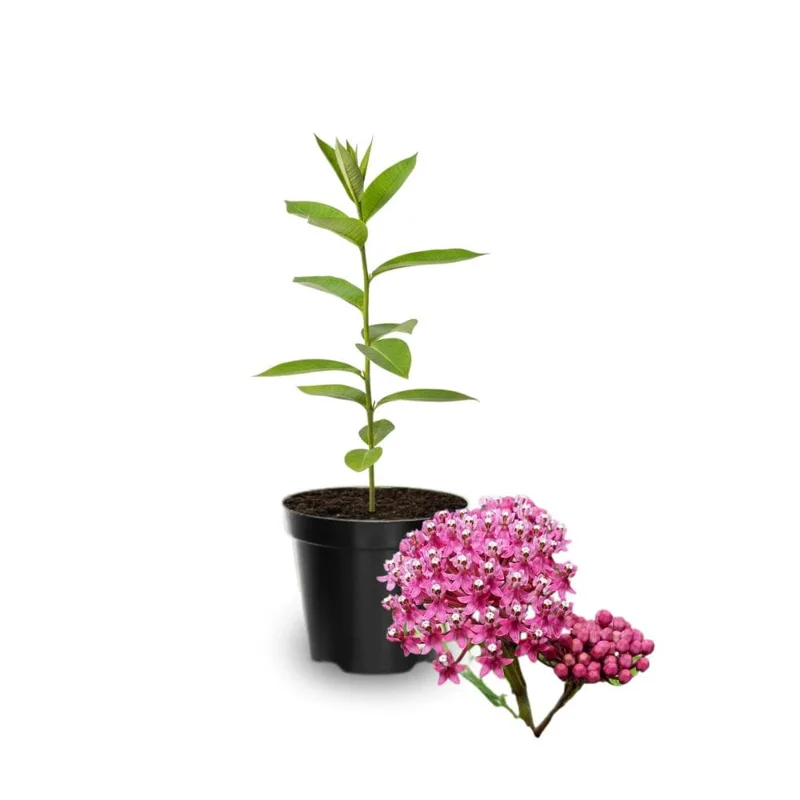
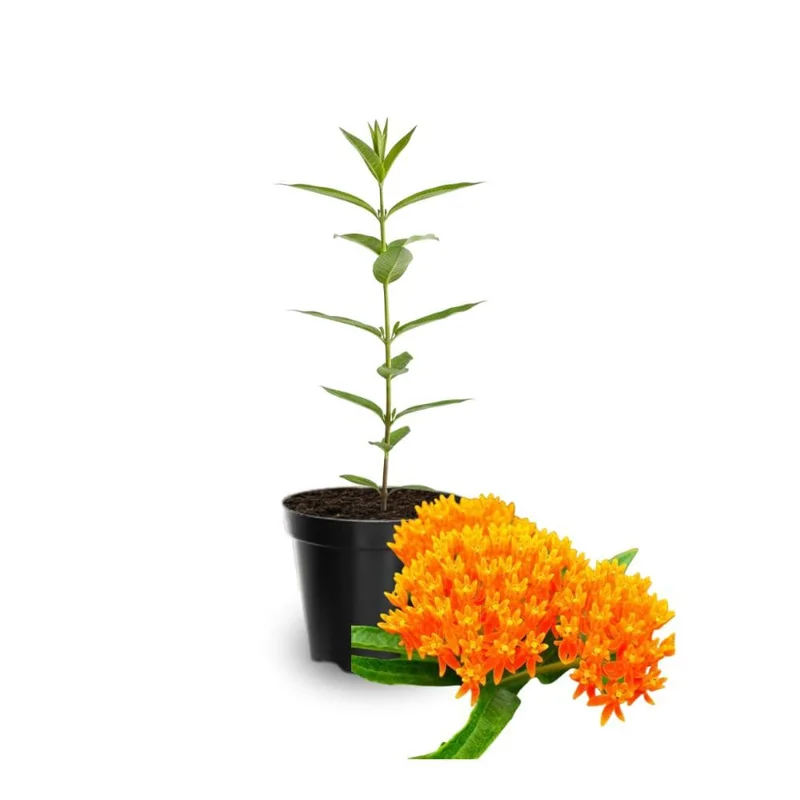
Enhance your garden with a milkweed live plant, essential for attracting Monarch butterflies and other pollinators. These pollinator friendly plant specimens are 4-6 inches tall, easy to grow, and thrive as a hardy perennial in most climates.
Estimated arrival
Jul 27
Aug 01 - Aug 03
Aug 06 - Aug 10

Reasonable Price
We offer reasonable price

Support 24/7
Contact us 24 hrs a day

100% Money Back
You've 30 days to Return

Payment Secure
100% secure payment
Overview
Introduce the beauty and ecological importance of the milkweed live plant to your garden. This vital perennial, known scientifically as Asclepias, is an indispensable resource for nature enthusiasts and gardeners alike, primarily serving as the sole host plant for Monarch butterfly caterpillars. Our 4-6 inch tall milkweed live plant specimens arrive ready to thrive, offering an immediate boost to your garden’s biodiversity. Ideal for creating a vibrant ecosystem, these plants are not only crucial for the survival of Monarchs but also attract a variety of other beneficial pollinators, including bees and hummingbirds. Cultivating milkweed is a simple yet profound way to contribute to local wildlife conservation and enjoy the mesmerizing dance of butterflies in your own backyard.
The milkweed live plant is celebrated for its resilience and adaptability, making it an excellent choice for gardeners of all experience levels. Its presence transforms an ordinary garden into a dynamic wildlife habitat, providing food and shelter for numerous insects. By choosing to plant milkweed, you are actively participating in the effort to protect and restore Monarch butterfly populations, which have faced significant decline. These plants are grown with care to ensure they establish well and become a long-lasting feature in your outdoor space.
Key Benefits
Adding a milkweed live plant to your landscape offers a multitude of advantages, both aesthetic and ecological, making it a truly rewarding addition to any garden.
- Monarch Magnet: The primary benefit of planting milkweed is its critical role as the exclusive host plant for Monarch butterfly caterpillars. By providing this essential food source, you directly support the Monarch life cycle and contribute to their conservation efforts, making your garden a haven for these iconic insects.
- Pollinator Paradise: Beyond Monarchs, the vibrant flowers of the milkweed live plant are a powerful attractant for a wide array of pollinators, including various bee species, other butterflies, and hummingbirds. This boosts the health and productivity of your entire garden ecosystem.
- Easy to Grow & Low Maintenance: This hardy perennial is remarkably adaptable and requires minimal care once established. It thrives in full sun and tolerates a range of soil types, making it an ideal choice for busy gardeners or those new to planting.
- Hardy Perennial: Enjoy the return of your milkweed year after year. As a perennial, it reliably grows back each season, providing continuous beauty and ecological support without the need for annual replanting. It’s truly an easy to grow perennial.
- Drought Tolerant: Once established, milkweed exhibits good drought tolerance, reducing the need for frequent watering and making it a sustainable choice for water-wise gardening.
- Educational Value: Observing the fascinating life cycle of Monarch butterflies from egg to caterpillar to chrysalis to butterfly provides an incredible educational experience for children and adults alike, fostering a deeper connection to nature.
- Beautifies Your Garden: With its unique flower clusters, milkweed adds a distinctive and attractive element to garden beds, borders, and naturalized areas, enhancing overall aesthetic appeal.
Plant Care & Growing Tips
Caring for your milkweed live plant is straightforward, ensuring a thriving and productive addition to your garden. To achieve the best results, plant your milkweed in a location that receives ample sunlight. It requires at least 6-8 hours of direct sun daily to bloom profusely and support robust growth. This makes it an excellent choice for sunny garden beds, open fields, or even large containers on a bright patio. Adequate sunlight is crucial for the plant’s overall health and the development of its distinctive flowers, which are so appealing to pollinators.
When it comes to watering, milkweed prefers well-draining soil and consistent moisture, especially during its establishment period and dry spells. While it can tolerate some drought once mature, regular watering will promote healthier growth and more abundant blooms. Allow the soil to dry out slightly between waterings to prevent root rot, as soggy conditions are detrimental. The plant is quite adaptable to various soil types but performs best in loamy or sandy soils with good drainage. Avoid heavy clay soils that retain too much moisture. For those interested in a comprehensive milkweed care guide, remember good drainage is key.
This hardy perennial thrives across a wide range of temperatures and is typically suitable for USDA Hardiness Zones 3-9, making it a versatile choice for most climates in the United States. No special fertilization is typically required in average garden soil, but a light application of a balanced, slow-release fertilizer in spring can encourage vigorous growth. Monitor your plants for common pests, though milkweed is generally resilient. Providing the right conditions will ensure your pollinator friendly plant flourishes, offering a continuous haven for Monarchs and other beneficial insects throughout the growing season.
Size & Details
Our milkweed live plant specimens are carefully cultivated to arrive at a healthy and robust size, typically measuring 4-6 inches tall from the base of the plant to the tip of its foliage. These plants are shipped without a pot to ensure safe and efficient transit, ready for immediate planting upon arrival. They are young plants, providing you with the opportunity to watch them mature and flourish in your garden. With proper care, these plants will quickly establish themselves and begin to attract Monarch butterflies and other pollinators.
Milkweed is a relatively fast-growing perennial, and you can expect significant growth during its first season. Depending on the specific species and growing conditions, mature milkweed plants can reach heights of 2-5 feet and spread 1-3 feet wide, forming attractive clumps. They typically begin flowering in late spring to early summer, continuing through the fall, providing a long season of nectar for adult butterflies and host material for caterpillars. These plants are an excellent investment for a sustainable and beautiful garden.
Frequently Asked Questions
- Q: How big will the milkweed plant get? A: Our live milkweed plants are 4-6 inches tall upon arrival. Once established, they can grow to a mature height of 2-5 feet and spread 1-3 feet wide, depending on the specific variety and growing conditions.
- Q: Is this an indoor or outdoor plant? A: Milkweed is primarily an outdoor plant, thriving in full sun conditions. While it can be started indoors in certain climates, it needs to be transplanted outside to flourish and support Monarch butterflies.
- Q: How much sunlight does the milkweed live plant need? A: For optimal growth and flowering, your milkweed live plant requires at least 6-8 hours of direct sunlight per day. Plant it in the sunniest spot in your garden.
- Q: Is this plant easy to care for? A: Yes, milkweed is considered an easy to grow perennial and low-maintenance plant. It’s highly adaptable and, once established, requires minimal attention, making it perfect for gardeners of all skill levels.
- Q: What condition will the plant arrive in? A: Your milkweed plants will be shipped without pots, with their roots carefully wrapped to ensure they arrive healthy and ready for planting. We take great care in packaging to minimize stress during transit.
- Q: When is the best time to plant milkweed? A: The best time to plant milkweed is typically in the spring after the last frost, or in early fall. This allows the plant to establish its root system before extreme temperatures.
- Q: Will it survive winter in my zone? A: Milkweed is a hardy perennial, generally thriving in USDA Hardiness Zones 3-9. It will die back to the ground in winter and regrow from its roots in the spring, making it a reliable returner.
- Q: What kind of soil does milkweed prefer? A: Milkweed adapts to a variety of soil types but does best in well-draining soil, such as loamy or sandy soil. Good drainage is crucial to prevent root issues.
- Q: What is a monarch butterfly plant? A: A monarch butterfly plant is a plant that serves as the exclusive food source for Monarch butterfly caterpillars, and milkweed is the most well-known and vital example.
- Q: Can I get a milkweed care guide for more details? A: While this description provides essential care tips, many online resources offer detailed milkweed care guides specific to your local climate and milkweed species.
Be the first to review “Milkweed Plants Live 4-6 Inch Tall – Pollinator-Friendly Perennial for Garden”
-
USDA Hardiness Zone
USDA Hardiness Zones 3-9 -
Soil Type
Well-draining, loamy or sandy soil -
Sunlight Exposure
Full sun (6-8 hours daily) -
Expected Planting Period
Spring to early summer
People Also Viewd


Sold 134 products
Original price was: $3,536.00.$23.99Current price is: $23.99.

Sold 131 products
Original price was: $27.00.$24.00Current price is: $24.00.

Sold 128 products
Original price was: $89.99.$64.99Current price is: $64.99.

Sold 125 products
Original price was: $86.99.$66.99Current price is: $66.99.

Flower Bulbs
3 Cranesbill Wild Geranium Organic Maculatums Bare Roots | Wildflower for Outdoor Garden
Sold 116 products
Original price was: $21.99.$9.99Current price is: $9.99.

Sold 114 products
Original price was: $28.99.$17.99Current price is: $17.99.
Sold 109 products
Original price was: $63.99.$28.99Current price is: $28.99.
Sold 108 products
Original price was: $28.99.$17.99Current price is: $17.99.RELATED posts
Growing Egyptian Walking Onions in Containers: A Complete Guide for Beginners
If you’re looking for a hardy, no-fuss perennial onion that keeps on giving year after [...]
Jul
Growing Carolina Reaper Peppers in Pots: A Complete Guide for Beginners
If you’ve ever wanted to add some serious, record-breaking heat to your home cooking, you’ve [...]
May
Growing Curry Leaf Plant in Pots: A Complete Guide for Beginners
If you’re a fan of authentic South Asian cuisine, you already know that nothing compares [...]
May

5 Tips for Growing Carolina Reaper Peppers to Get the Spiciest Harvest Ever
Holding the record for one of the world’s hottest peppers, the Reaper isn’t just a [...]
May
Best Fertilizers for Zoysia Grass in 2026: Get a Lush Lawn
As we enter the new year, the time has come to think about how we [...]
Apr
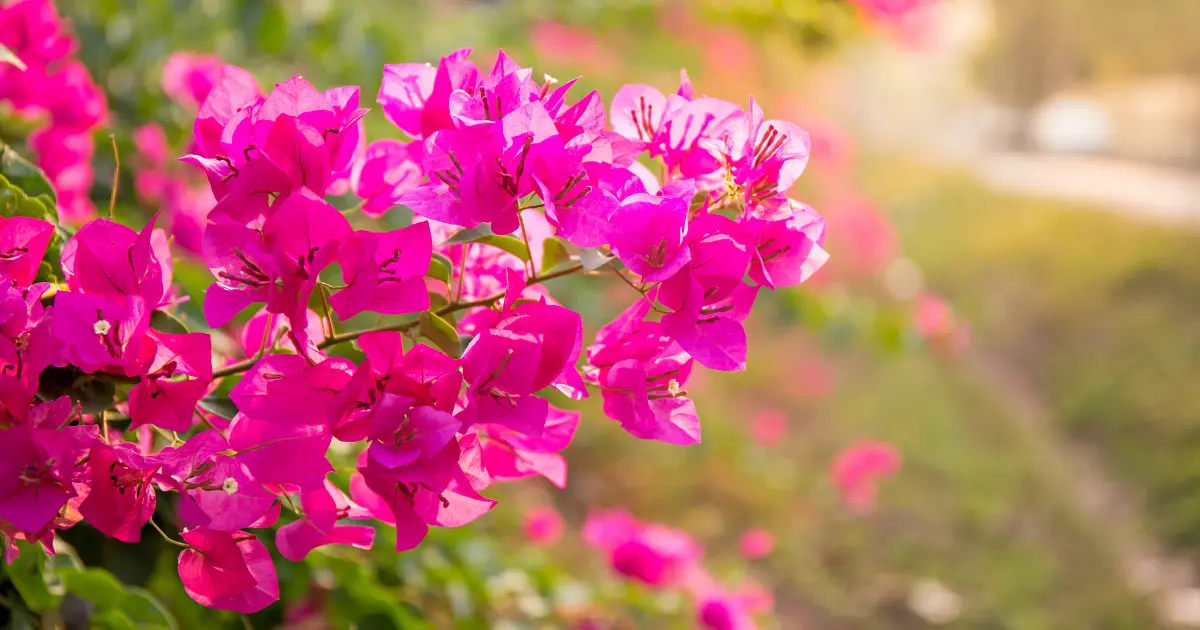
Bougainvillea Plant Care Tips: 7 Secrets to Explosive Blooms!
Are you staring at a bougainvillea that is all lush green leaves but hasn’t shown [...]
Apr

5 Tips for Growing Sweet Potatoes to Get the Biggest Sweet Potato Harvest Ever
If you are a fan of sweet potatoes, then these tips for growing sweet potatoes [...]
Apr

Tamarillo Tree Guide: Flavor, Texture & How to Eat Tree Tomatoes
The humble tomato is a kitchen staple we all know and love, but it rarely [...]
Apr

Reviews
There are no reviews yet.