
Mission Olive Tree Live Plant – Olea Europaea – Edible Olives
Original price was: $47.98.$23.99Current price is: $23.99.
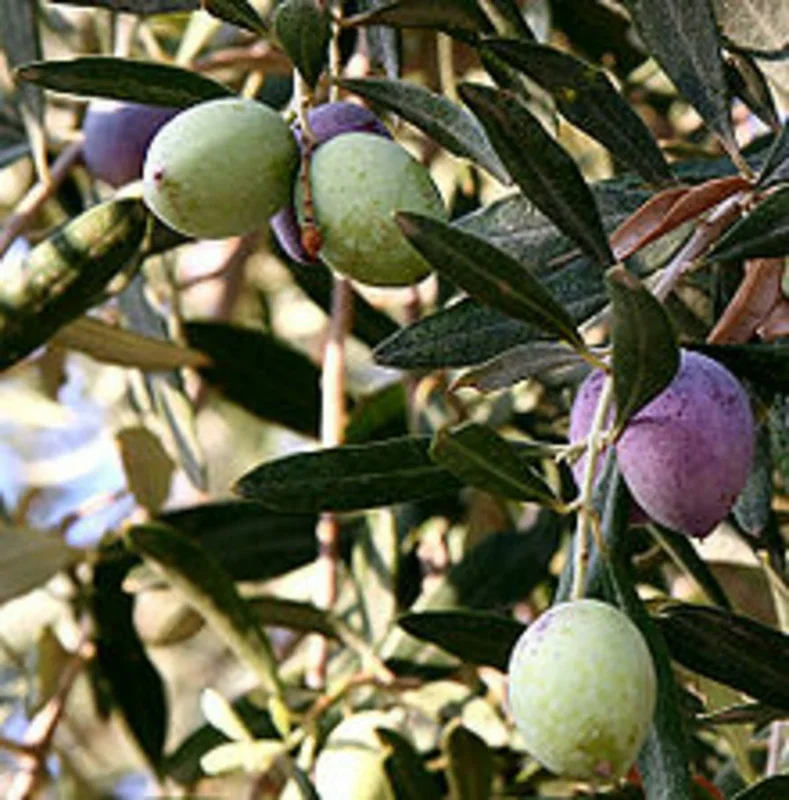
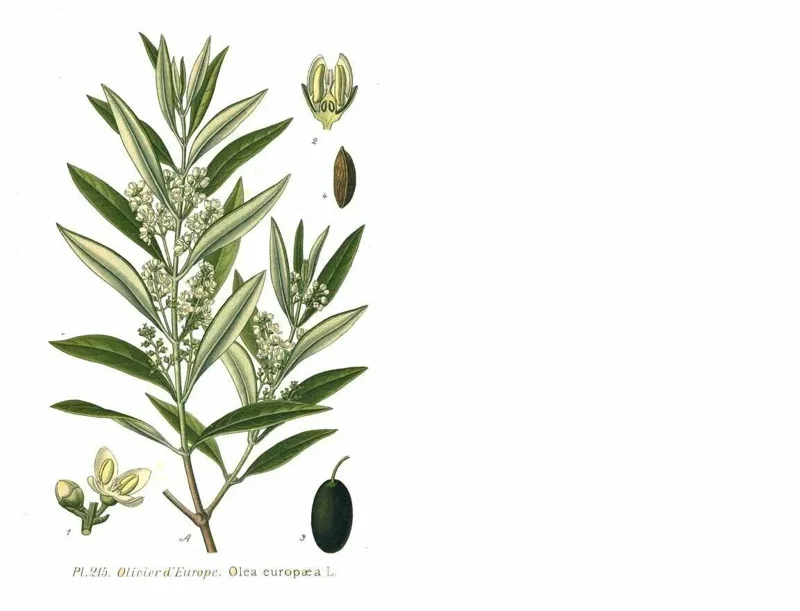
Bring the beauty and bounty of the Mediterranean to your garden with a mission olive tree live plant. This classic Olea Europaea Mission variety is renowned for producing delicious edible olives, perfect for curing or pressing into high-quality olive oil. Enjoy a touch of timeless elegance and a rewarding harvest.
Estimated arrival
Oct 11
Oct 16 - Oct 18
Oct 21 - Oct 25

Reasonable Price
We offer reasonable price

Support 24/7
Contact us 24 hrs a day

100% Money Back
You've 30 days to Return

Payment Secure
100% secure payment
Overview
Cultivate a piece of history and enjoy delicious home-grown olives with this exceptional mission olive tree live plant. The ‘Mission’ variety, scientifically known as Olea Europaea Mission, is a beloved classic, cherished for its dual-purpose fruit. Originally introduced to California by Franciscan missionaries, this olive tree is known for its prolific production of medium-sized, dark purple to black olives that are excellent for both curing as table olives and for producing rich, flavorful olive oil. Whether you’re an experienced horticulturist or a budding gardener, this live plant offers a unique opportunity to grow a beautiful, resilient, and highly rewarding tree right in your own landscape. Its silvery-green foliage and gnarled trunk will add Mediterranean charm to any setting, while its delicious harvest provides endless culinary possibilities.
This edible olive tree is not just a producer of fruit; it’s also a stunning ornamental plant. Its evergreen nature ensures year-round beauty, making it a focal point in any garden, patio, or large container. The ‘Mission’ olive tree adapts well to various growing conditions, making it a versatile choice for many climates. With proper care, your mission olive tree live plant will thrive, offering both aesthetic appeal and a bountiful harvest for years to come. It’s an investment in both your landscape and your palate.
Key Benefits
The ‘Mission’ olive tree offers a wealth of benefits, combining ornamental beauty with practical utility. It’s a fantastic choice for those looking to add a touch of Mediterranean flair and enjoy fresh, homegrown produce.
- Delicious Edible Olives: The primary benefit of the mission olive tree live plant is its production of high-quality fruit. These olives are perfect for curing at home, allowing you to enjoy fresh, flavorful table olives without artificial additives.
- Excellent Olive Oil Production: ‘Mission’ olives are also highly prized for their oil content, yielding a robust and delicious olive oil. Growing your own means you can press your own oil, ensuring freshness and purity.
- Stunning Ornamental Value: With its distinctive silvery-green leaves, attractive form, and mature gnarled trunk, the olea europaea mission adds significant aesthetic appeal to any garden, patio, or landscape design, creating a Mediterranean ambiance.
- Drought-Tolerant & Resilient: Once established, the ‘Mission’ olive tree is remarkably drought-tolerant and can withstand various environmental stresses, making it a low-maintenance option for many gardeners.
- Long Lifespan: Olive trees are known for their longevity, often living for hundreds of years. Investing in a ‘Mission’ olive tree means planting a legacy that can be enjoyed for generations.
- Adaptable to Containers: While it can grow into a large tree, the ‘Mission’ olive also performs well in large pots or containers, making it suitable for smaller gardens, patios, or even as a movable feature in colder climates. This versatility makes growing mission olive tree accessible to more people.
- Evergreen Foliage: The tree retains its beautiful foliage all year round, providing continuous greenery and structure in your garden, even through winter.
Plant Care & Growing Tips
Caring for your mission olive tree live plant is relatively straightforward, especially once it’s established. Understanding its basic needs will ensure a healthy, productive tree. Olive trees thrive in climates similar to their native Mediterranean region, preferring hot, dry summers and mild, wet winters. When selecting a planting site, choose a location that receives full sun for at least 6-8 hours a day. Good air circulation is also beneficial to prevent fungal diseases. If planting in a container, select a large pot with excellent drainage to accommodate its root system.
Watering is crucial, particularly during the establishment phase and during dry periods. Young trees need consistent moisture, but avoid overwatering, which can lead to root rot. Once mature, mission olive tree care includes deep watering less frequently, allowing the soil to dry out between applications. Olive trees prefer well-draining soil with a slightly alkaline to neutral pH. A sandy loam is ideal. When planting, amend heavy clay soils with organic matter and sand to improve drainage. Fertilize your olive tree in early spring with a balanced fertilizer, or one specifically formulated for fruit trees, to support healthy growth and fruit production.
Pruning is essential for both shaping the tree and maximizing fruit yield. Prune in late winter or early spring to remove dead, damaged, or crossing branches. You can also thin out the canopy to improve air circulation and sunlight penetration, which benefits fruit ripening. For the best olive production, some growers practice annual pruning to encourage new growth, as olives typically fruit on one-year-old wood. Protect young trees from frost if you live in a colder climate, either by covering them or bringing containerized plants indoors. This attention to growing mission olive tree will ensure a robust and fruitful plant.
Size & Details
This mission olive tree live plant typically ships as a young, actively growing specimen, ready to establish itself in your garden or a suitable container. While initial size varies, it will arrive well-rooted and healthy. In optimal conditions, mature ‘Mission’ olive trees can reach heights of 20-30 feet tall and spread 15-20 feet wide, though they can be kept smaller with regular pruning, especially when grown as an edible olive tree in a container. It has a moderate growth rate, allowing you to enjoy its development over time. Expect your tree to begin producing olives within 3-5 years of planting, with increasing yields as it matures. The olives mature in late autumn to early winter, depending on your climate, providing a seasonal harvest. This plant is usually shipped in a nursery pot with soil, ensuring minimal transplant shock and a strong start.
Frequently Asked Questions
- Q: How big does this plant get? A: A mission olive tree live plant can grow up to 20-30 feet tall and 15-20 feet wide if planted in the ground. However, its size can be managed significantly with pruning, and it can remain much smaller when grown in a large container.
- Q: What size pot does it come in? A: The specific pot size will vary depending on availability and the plant’s age, but it will arrive in an appropriate nursery container, ready for transplanting.
- Q: Is this an indoor or outdoor plant? A: The ‘Mission’ olive tree is primarily an outdoor plant, thriving in full sun. In colder climates (below USDA Zone 8), it can be grown in containers and brought indoors during winter, making it a versatile edible olive tree.
- Q: How much sunlight does it need? A: This tree requires at least 6-8 hours of direct sunlight per day to produce the best fruit and maintain optimal health. Full sun exposure is key for successful growing mission olive tree.
- Q: Is this plant easy to care for? A: Yes, once established, the ‘Mission’ olive tree is relatively low-maintenance and drought-tolerant. Young trees require more diligent watering and protection from extreme cold.
- Q: What condition will it arrive in? A: Your mission olive tree live plant will arrive healthy, well-rooted, and carefully packaged to ensure its safe journey. It will be a vibrant, actively growing plant.
- Q: Is it shipped in soil? A: Yes, the plant will be shipped in its nursery pot with soil to minimize stress and provide a stable environment during transit.
- Q: Can I use the olives for eating and oil? A: Absolutely! The ‘Mission’ variety is renowned for its dual-purpose olives, which are excellent for both curing as table olives and for producing high-quality olive oil. This makes it a great choice for an edible olive tree.
- Q: How long until it produces olives? A: Typically, a ‘Mission’ olive tree will start producing fruit within 3-5 years of planting, with yields increasing as the tree matures.
- Q: Will it survive winter in my zone? A: The ‘Mission’ olive tree is hardy in USDA Zones 8-10. If you live in a colder zone, you will need to provide winter protection or grow it in a container that can be moved indoors. This is important for successful mission olive tree care.
Be the first to review “Mission Olive Tree Live Plant – Olea Europaea – Edible Olives”
-
USDA Hardiness Zone
USDA Zones 8-10 -
Soil Type
Well-draining sandy loam -
Sunlight Exposure
Full sun (6-8+ hours daily) -
Expected Planting Period
Spring to early summer
People Also Viewd


Sold 134 products
Original price was: $3,536.00.$23.99Current price is: $23.99.

Sold 132 products
Original price was: $27.00.$24.00Current price is: $24.00.

Sold 132 products
Original price was: $89.99.$64.99Current price is: $64.99.

Sold 125 products
Original price was: $86.99.$66.99Current price is: $66.99.

Flower Bulbs
3 Cranesbill Wild Geranium Organic Maculatums Bare Roots | Wildflower for Outdoor Garden
Sold 116 products
Original price was: $21.99.$9.99Current price is: $9.99.

Sold 114 products
Original price was: $28.99.$17.99Current price is: $17.99.

Sold 110 products
Original price was: $63.99.$28.99Current price is: $28.99.
Sold 108 products
Original price was: $28.99.$17.99Current price is: $17.99.RELATED posts
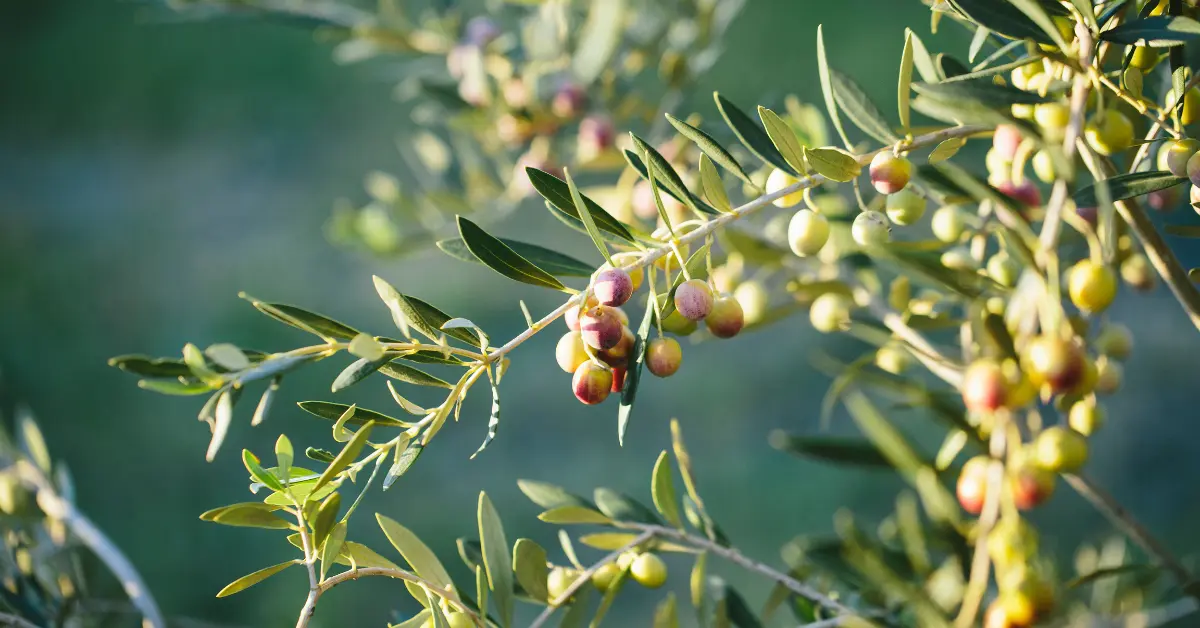
How to Grow Arbequina Olive Trees: The Ultimate Guide to Your Own Olive Grove
Arbequina Olive Tree (Olea europaea ‘Arbequina’) – the ultimate Mediterranean plant that brings a touch [...]
Oct
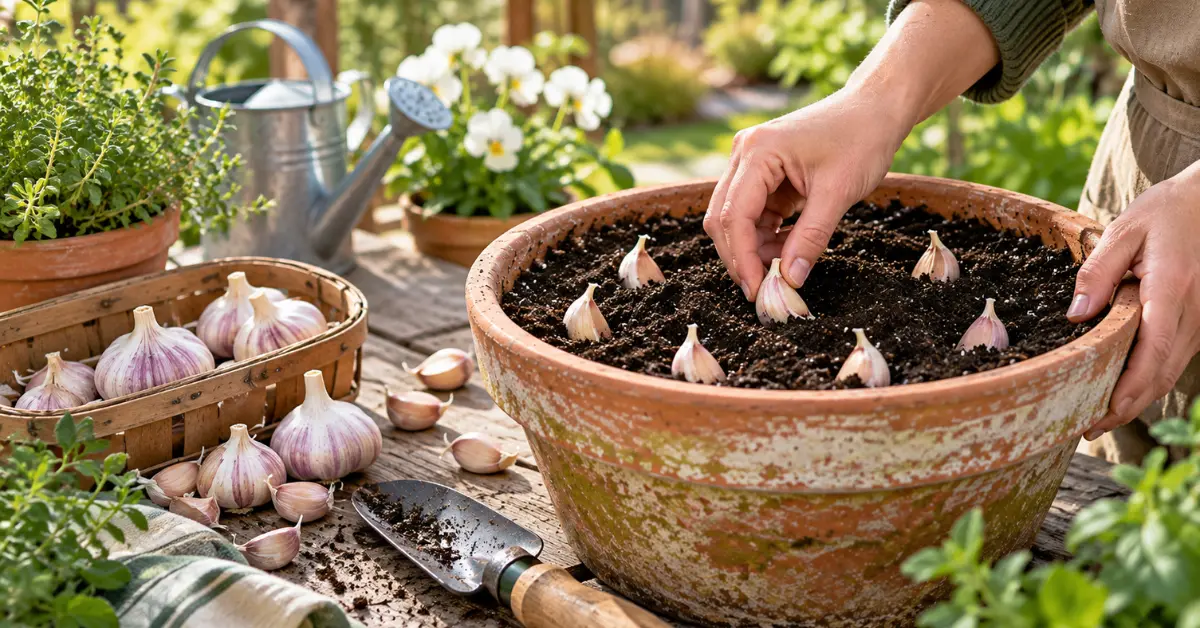
Growing Garlic in Containers This Fall: A Complete Guide for Beginners
If you’ve ever wanted to pop fresh, aromatic garlic cloves straight from your own patio [...]
Sep
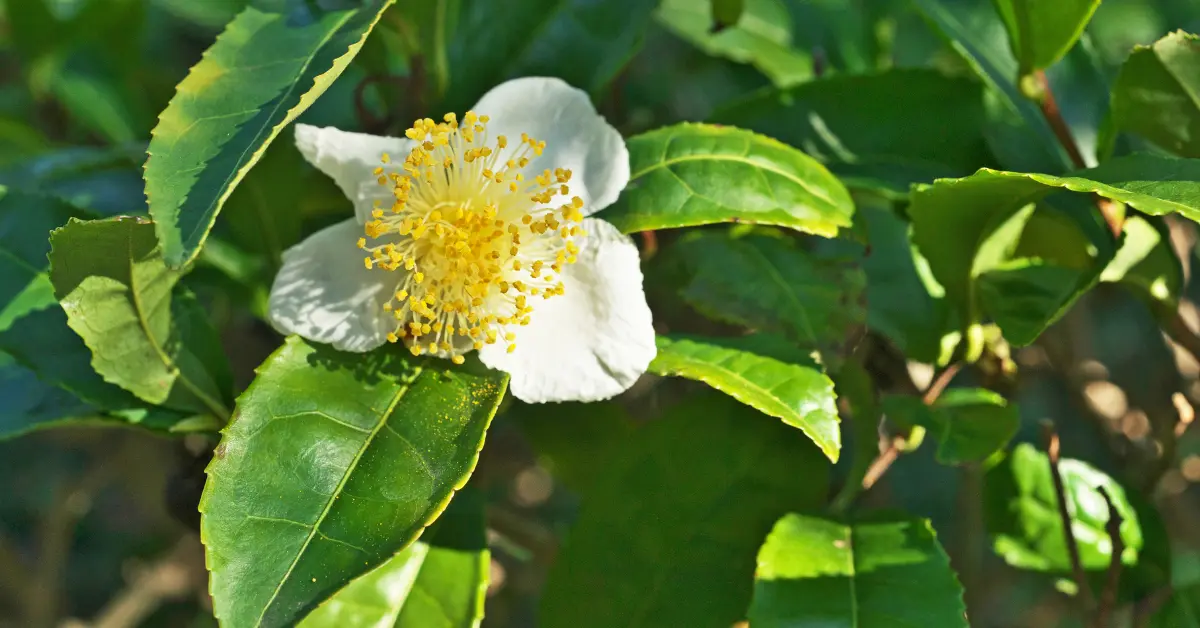
Growing Camellia Sinensis (Tea Plants) in Containers: A Complete Guide for Beginners
If you’ve ever wanted to sip a steaming, homegrown cup of fresh green, black, or [...]
Aug
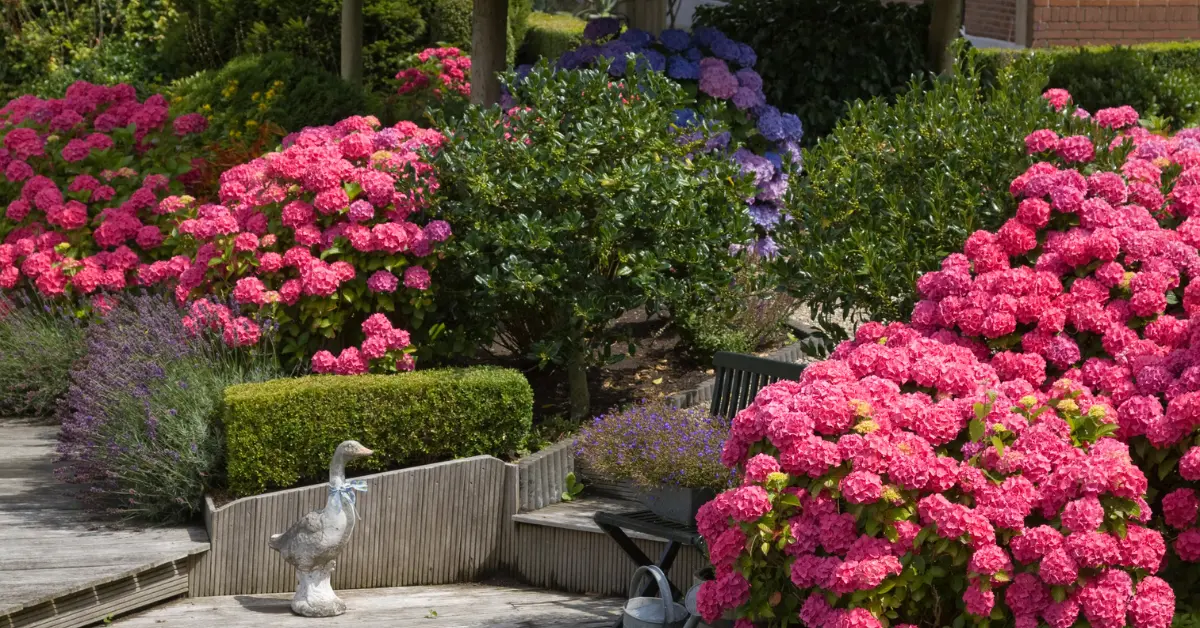
6 Best Shrubs to Plant in August You Must Try
Have you ever walked through a nursery late in the summer, admired the vibrant shrubs [...]
Aug
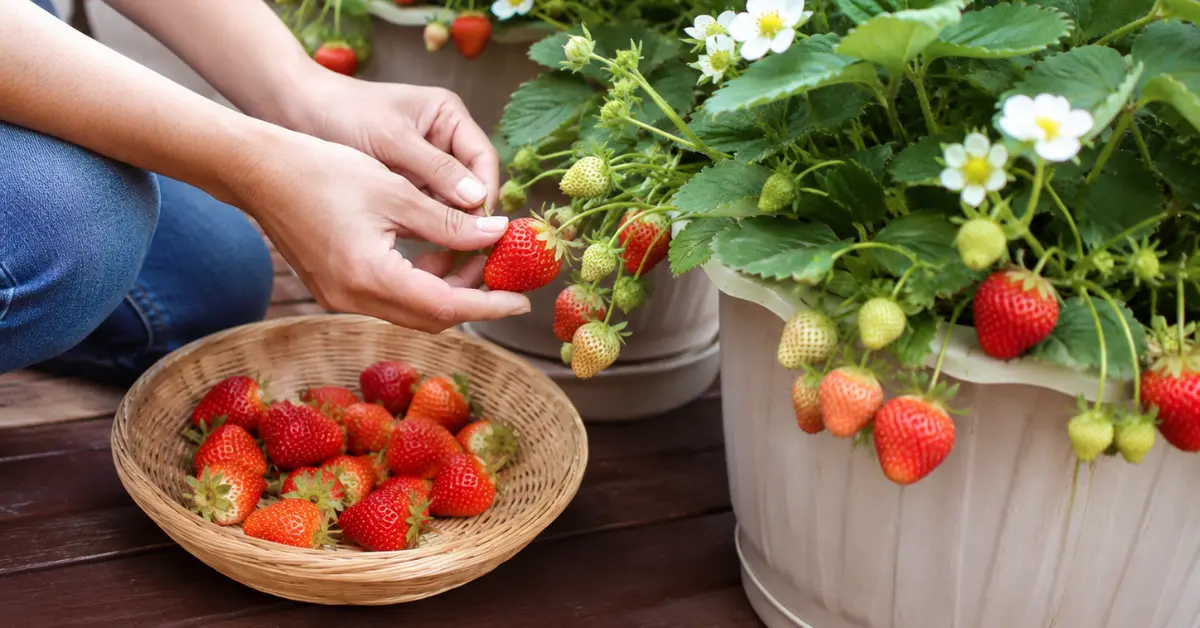
Growing Everbearing Strawberries in Containers: A Complete Guide for Beginners
Want to grow sweet, fresh strawberries but do not have a large garden? Everbearing strawberries [...]
Aug
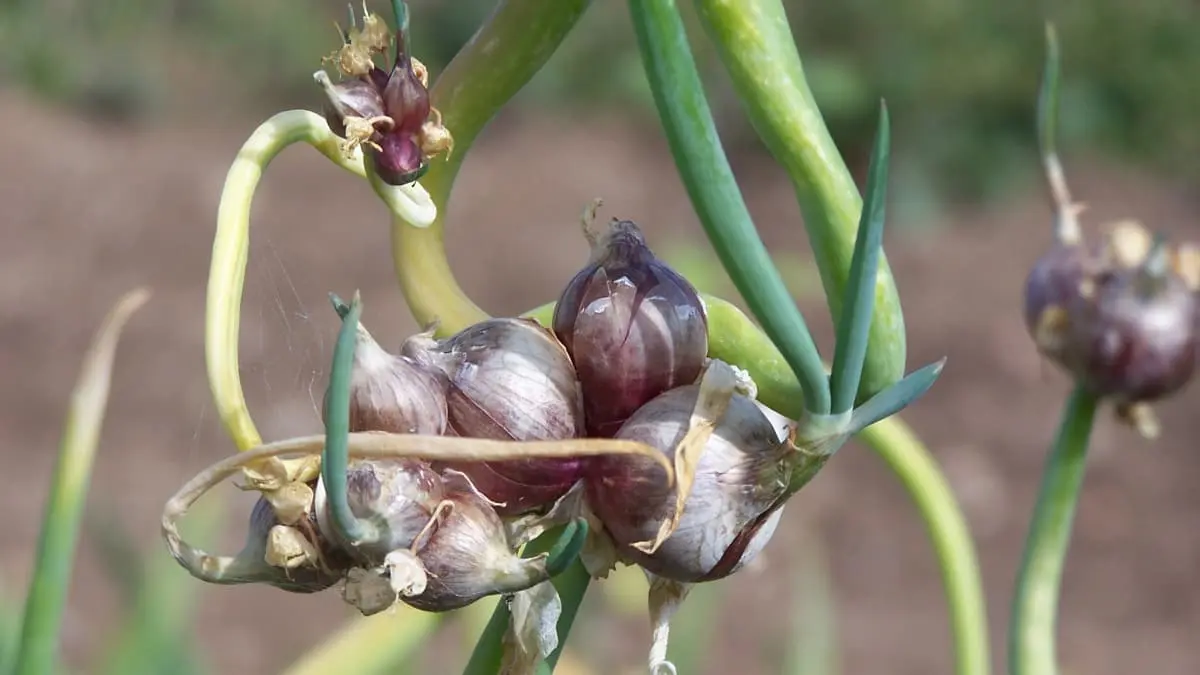
Growing Egyptian Walking Onions in Containers: A Complete Guide for Beginners
If you’re looking for a hardy, no-fuss perennial onion that keeps on giving year after [...]
Jul
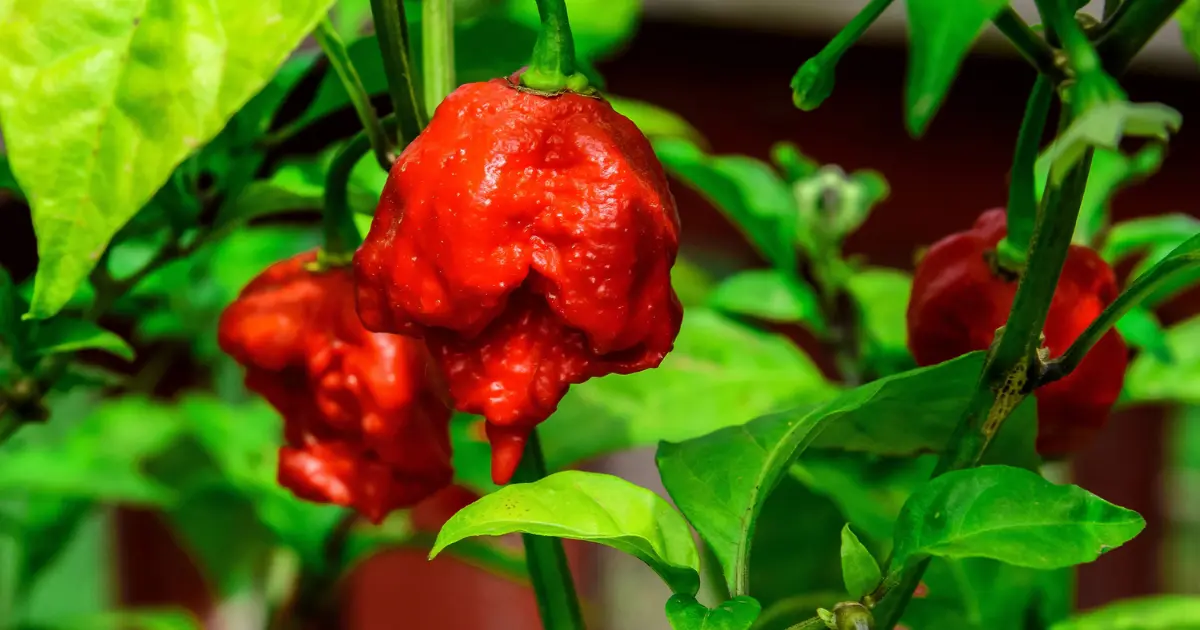
Growing Carolina Reaper Peppers in Pots: A Complete Guide for Beginners
If you’ve ever wanted to add some serious, record-breaking heat to your home cooking, you’ve [...]
May
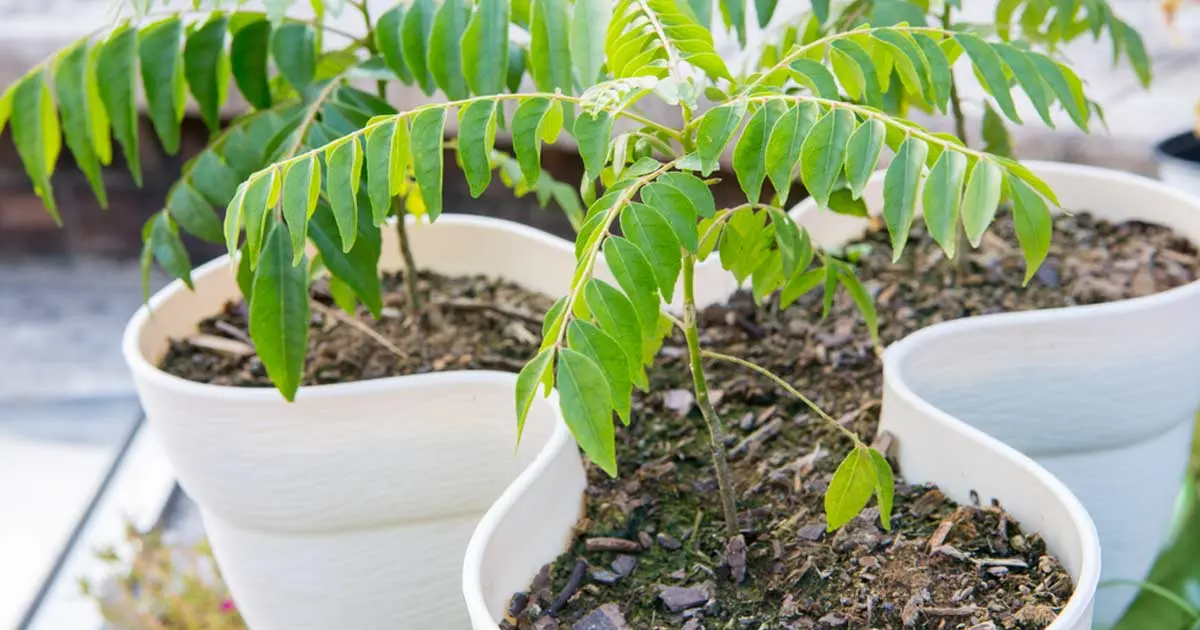
Growing Curry Leaf Plant in Pots: A Complete Guide for Beginners
If you’re a fan of authentic South Asian cuisine, you already know that nothing compares [...]
May

Reviews
There are no reviews yet.