
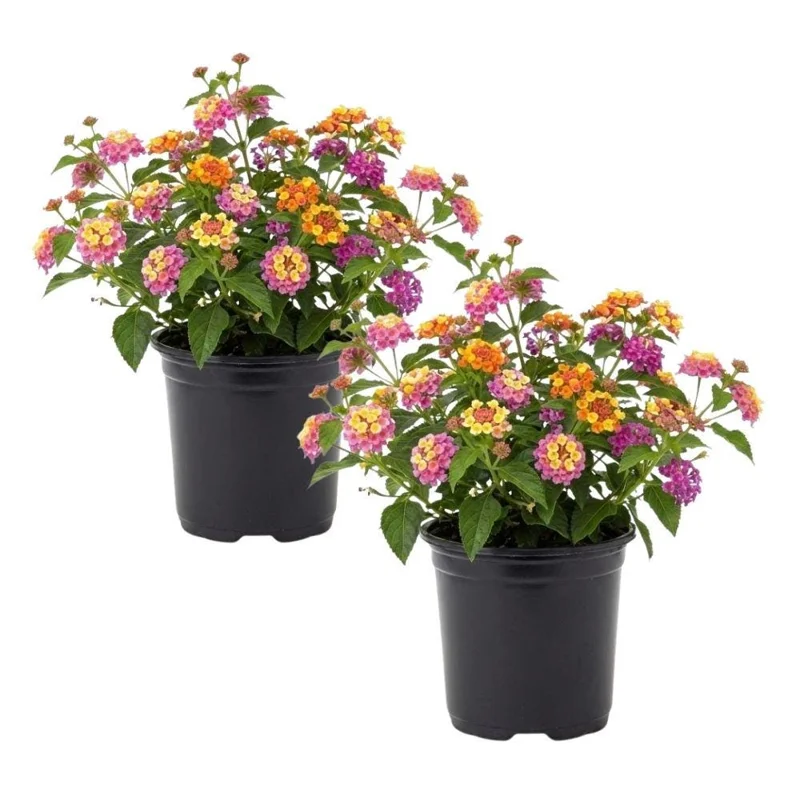
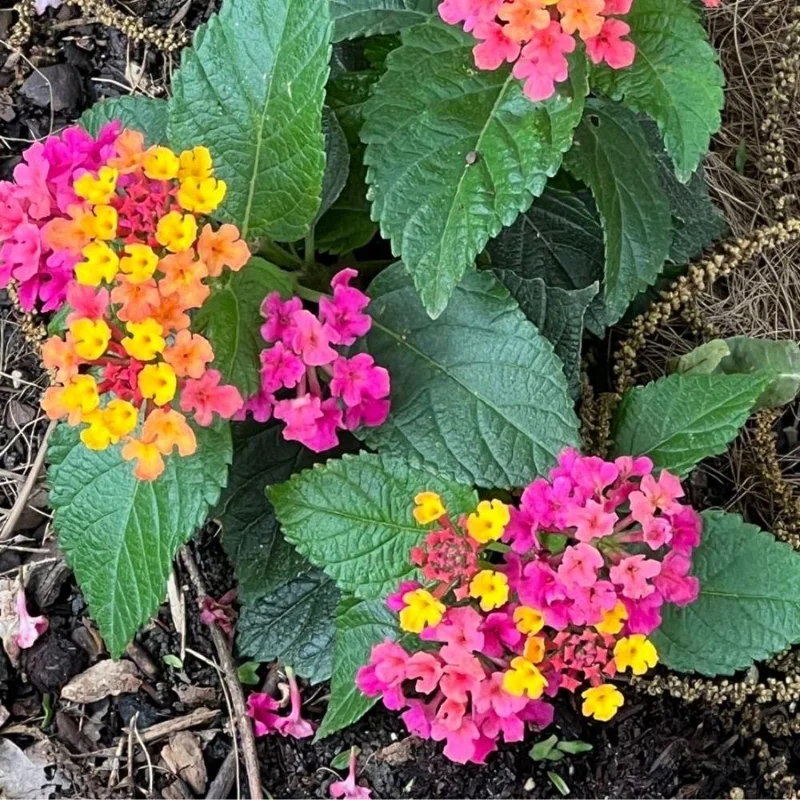
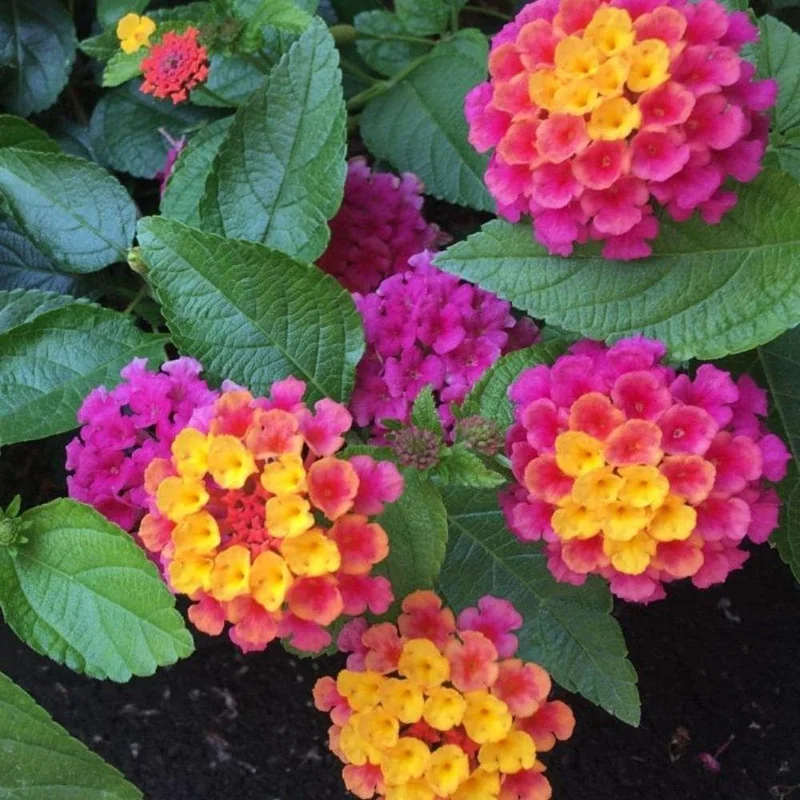
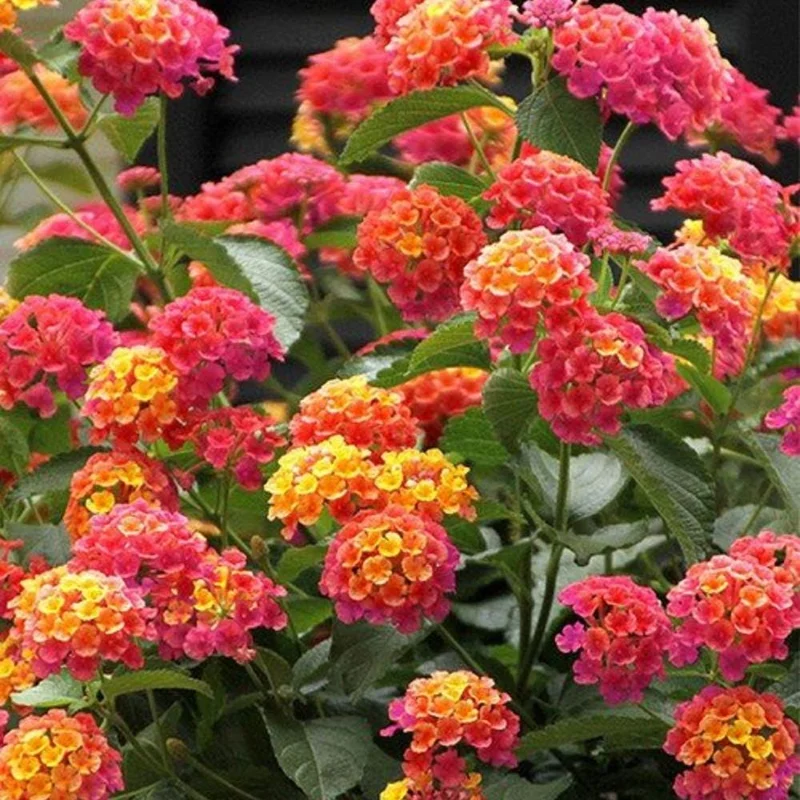
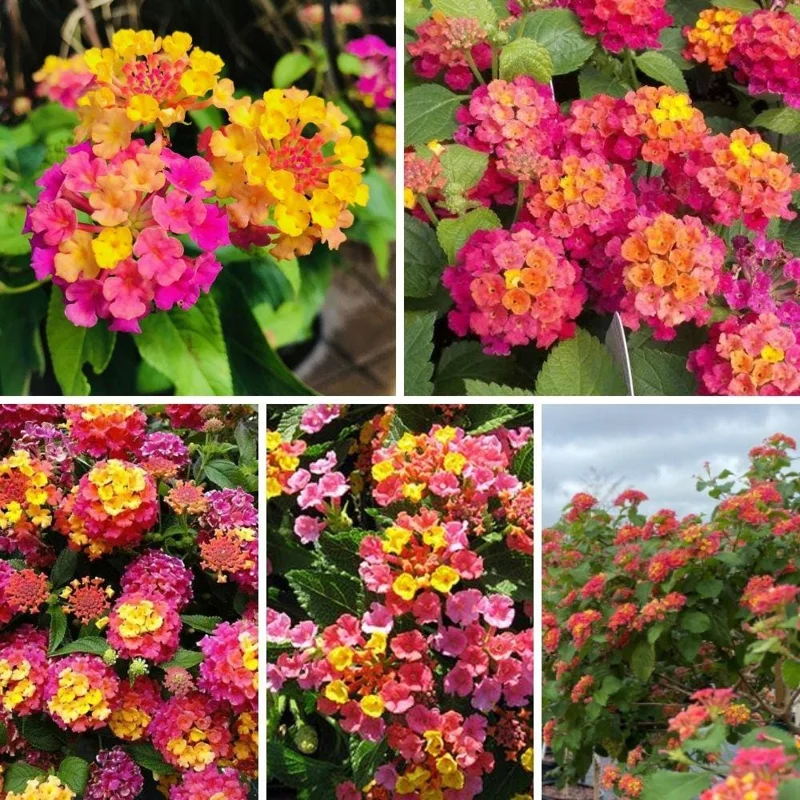
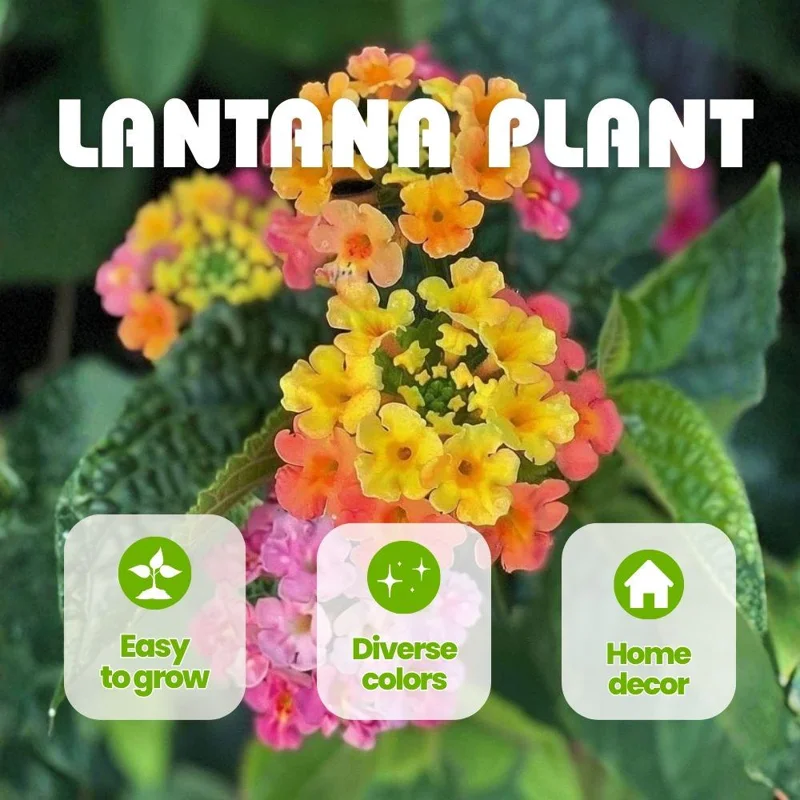
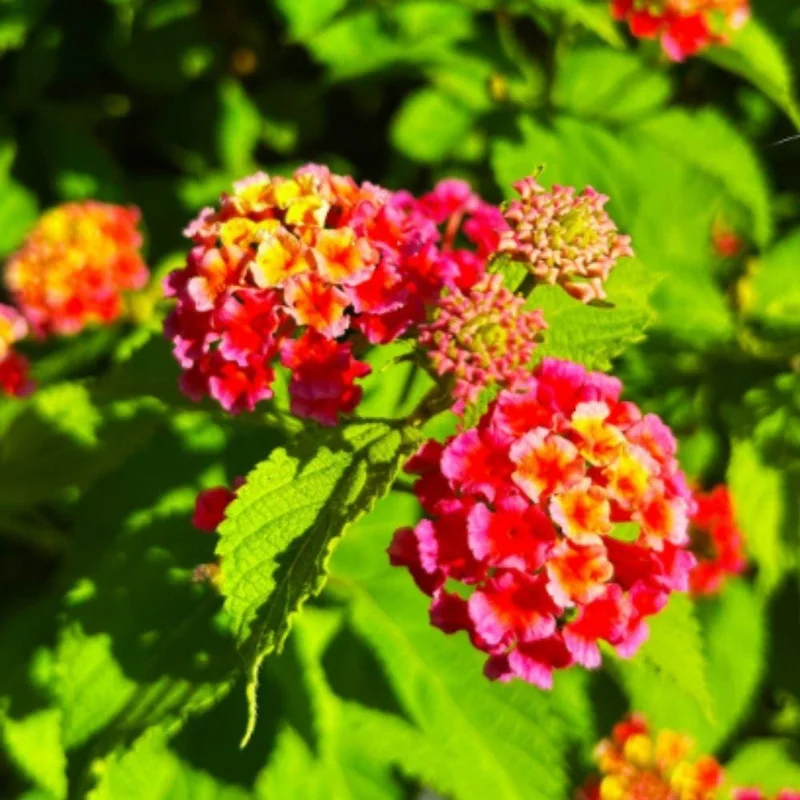
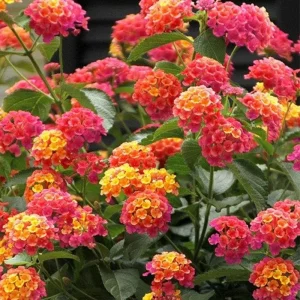
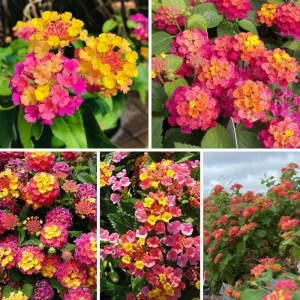
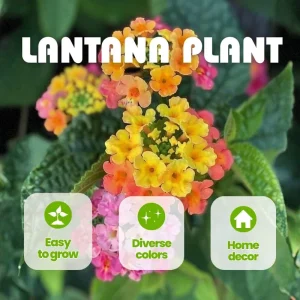
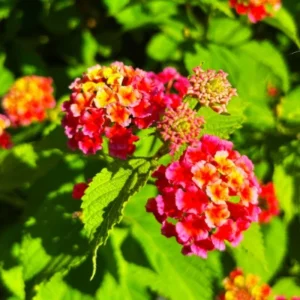
Mixed Color Lantana Live Plant – 6-10 Inches Tall – Perennial Outdoor Flowers
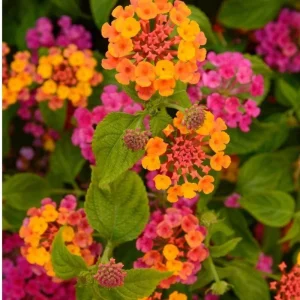
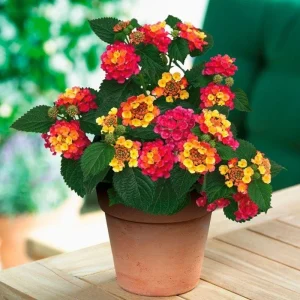
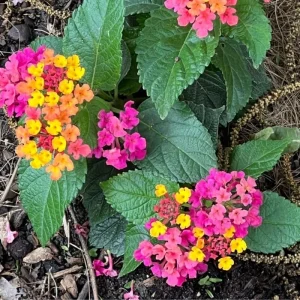
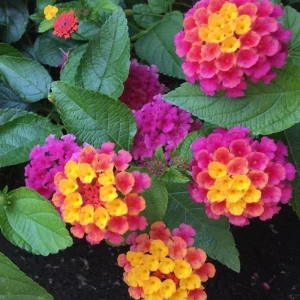
Add a burst of color to your garden with this mixed color lantana live plant, measuring 6-10 inches tall. Known for its vibrant, multi-colored blooms, this perennial is perfect for garden beds, borders, and containers, attracting butterflies and other pollinators.
Estimated arrival
Sep 23
Sep 28 - Sep 30
Oct 03 - Oct 07

Reasonable Price
We offer reasonable price

Support 24/7
Contact us 24 hrs a day

100% Money Back
You've 30 days to Return

Payment Secure
100% secure payment
Overview
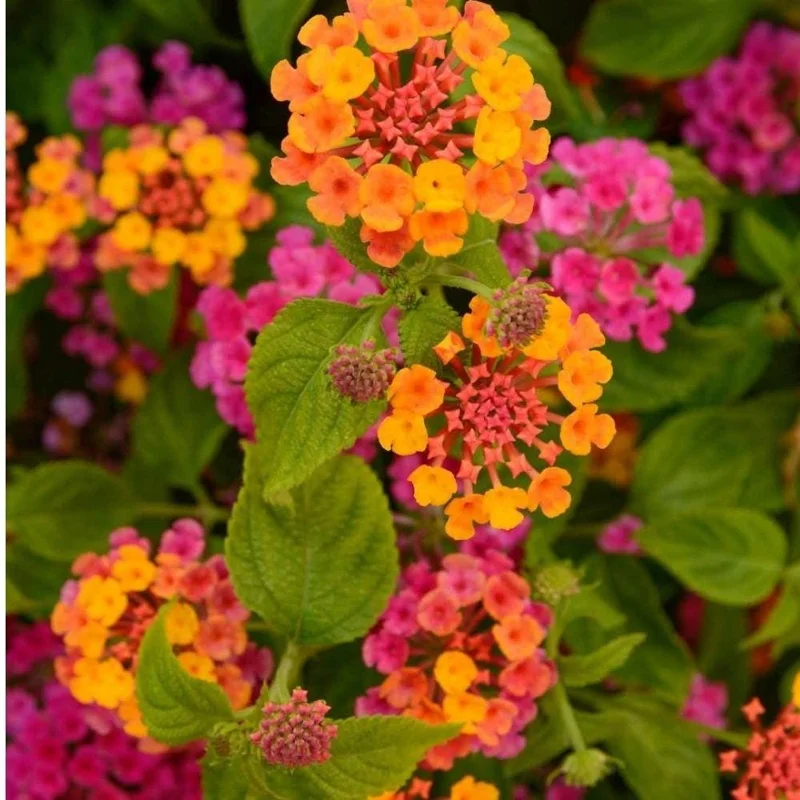
Introduce a kaleidoscope of color to your outdoor spaces with the stunning mixed color lantana live plant. This beautiful perennial is celebrated for its clusters of vibrant, multi-toned flowers that create a dynamic and lively display. Growing to an average height of 6-10 inches tall upon arrival, these plants quickly establish and produce continuous blooms throughout the warm seasons. Ideal for gardeners seeking low-maintenance yet high-impact flora, the mixed color lantana live plant is a versatile choice for various landscape applications. Its robust nature and eye-catching flowers make it a favorite for adding visual interest and attracting beneficial wildlife to any garden setting.
Lantana, scientifically known as Lantana camara, is a popular flowering shrub native to tropical regions of the Americas and Africa. It’s cherished for its ability to thrive in full sun and tolerate drought conditions once established, making it an excellent option for water-wise gardening. The unique characteristic of its flowers, which often change color as they mature, adds to its charm and appeal, ensuring a constantly evolving display of hues.
Key Benefits
The mixed color lantana live plant offers numerous advantages for both seasoned gardeners and beginners. Its beauty and resilience make it a valuable addition to diverse garden designs. Enjoy these fantastic benefits:
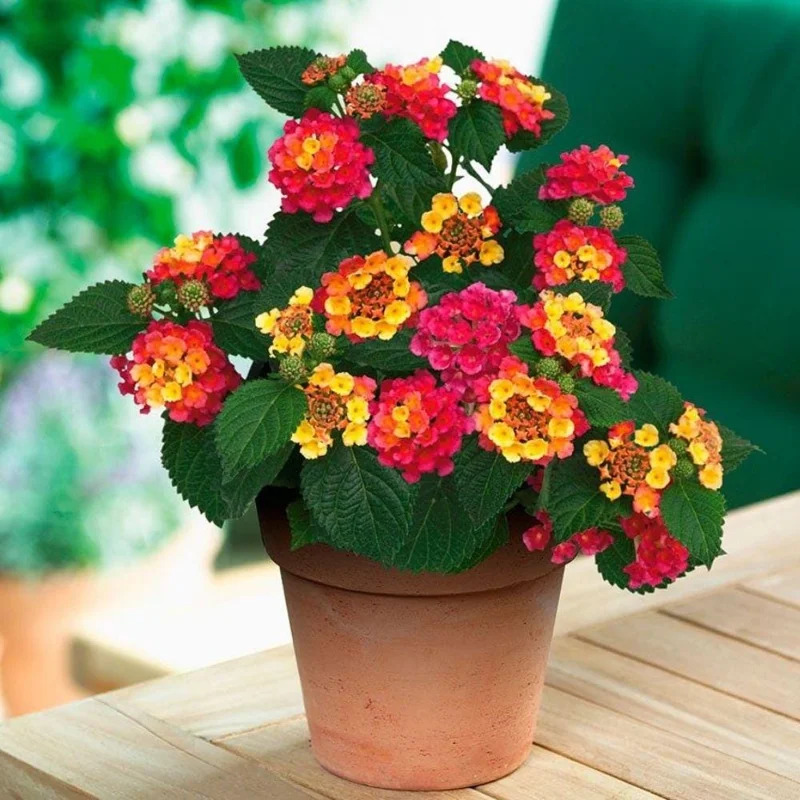
- Produces Vibrant, Multi-Colored Blooms: Experience a spectacular show of color with clusters of flowers that display a mix of warm and bright tones, often changing hues as they mature. This creates a continuously evolving and captivating visual display in your garden.
- Attracts Pollinators: The nectar-rich flowers are a magnet for butterflies, hummingbirds, and other beneficial pollinators, helping to enhance biodiversity and support the ecosystem in your garden. This makes it an excellent choice for a pollinator-friendly garden.
- Drought-Tolerant and Low Maintenance: Once established, the mixed color lantana live plant is highly tolerant of dry conditions and requires minimal care, making it an ideal choice for busy gardeners or those in arid climates. It thrives on neglect, needing less frequent watering than many other flowering plants.
- Versatile for Various Plantings: Suitable for a wide range of uses, including garden beds, borders, rock gardens, container plantings, and hanging baskets. Its trailing or mounding habit allows for creative landscaping solutions.
- Long Blooming Season: Enjoy continuous blooms from spring until the first frost in most climates. This extended flowering period ensures your garden remains colorful and vibrant for many months, providing ongoing visual appeal.
- Resistant to Pests and Deer: Lantana is generally resistant to most common garden pests and is often bypassed by deer, offering a worry-free gardening experience. This natural resilience reduces the need for chemical interventions.
- Enhances Landscape Appeal: The dynamic colors and robust growth habit of the mixed color lantana live plant add significant aesthetic value to any outdoor space, providing texture, color, and focal points. It’s perfect for creating a lively and inviting atmosphere.
Plant Care & Growing Tips
Caring for your mixed color lantana live plant is relatively straightforward, making it a rewarding choice for both novice and experienced gardeners. These plants thrive with minimal fuss when given the right conditions. For optimal growth and prolific blooming, ensure your lantana receives plenty of sunlight. It prefers at least six hours of direct sun per day and will perform best in full sun exposures. In shadier conditions, it may produce fewer flowers and become leggy.
When it comes to watering, lantana is quite drought-tolerant once established. Water regularly after planting to help it settle in, typically once or twice a week depending on weather conditions. Once mature, allow the soil to dry out between waterings. Overwatering can lead to root rot, so good drainage is crucial. Plant your perennial lantana flowers in well-draining soil, ideally a sandy loam. While it can adapt to various soil types, avoid heavy clay soils that retain too much moisture. A slightly acidic to neutral pH (6.0-7.0) is preferred. Fertilize sparingly; an all-purpose slow-release fertilizer in spring is usually sufficient. Excessive fertilization can promote foliage growth at the expense of flowers.
Lantana is typically hardy in USDA zones 8-11, where it can be grown as a perennial. In cooler zones, it is often treated as an annual or overwintered indoors. Pruning can encourage bushier growth and more flowers. Deadhead spent blooms to encourage continuous flowering. If your outdoor flowering plants become leggy, a hard prune in early spring can rejuvenate them. Watch out for common pests like whiteflies or spider mites, though lantana is generally quite resistant. Ensuring good air circulation and appropriate watering can prevent most issues, keeping your lantana plant care routine simple and effective.
Size & Details
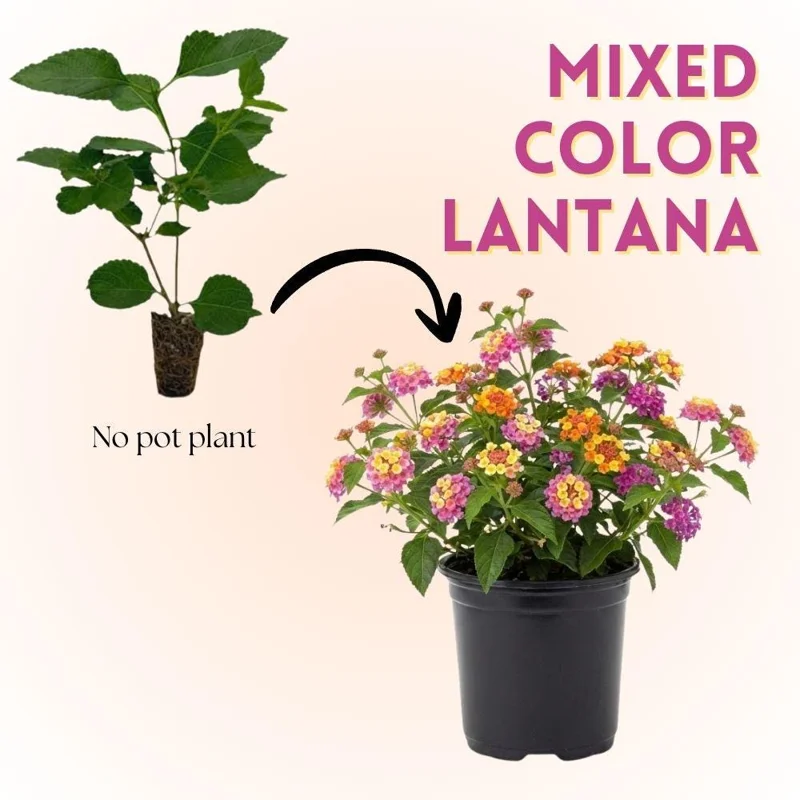
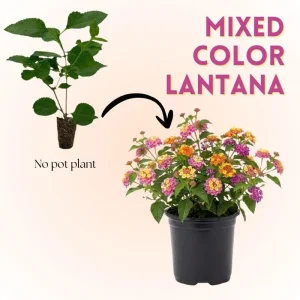
This offering includes a mixed color lantana live plant, typically measuring between 6-10 inches tall from the base of the plant to the tip of its foliage. These plants are shipped without a pot, with their root system carefully prepared for immediate planting upon arrival. They are ready to be transplanted into your garden beds, borders, or preferred containers. Lantana has a moderate to fast growth rate, quickly filling out to create an impressive display. Depending on growing conditions, these plants can mature to a height and spread of 3-6 feet in a single season when grown as an annual, or larger as a perennial in warmer climates. Expect robust flowering throughout the warm months, with blooms appearing continuously once temperatures are consistently warm. This makes it an excellent choice for consistent color and visual appeal.
Frequently Asked Questions
- Q: How big does this mixed color lantana live plant get? A: Upon arrival, the plant measures 6-10 inches tall. In ideal conditions, it can grow to a mature height and spread of 3-6 feet within a single growing season, especially when treated as an annual.
- Q: Is this an indoor or outdoor plant? A: This is primarily an outdoor plant. It thrives in full sun and warm temperatures. In colder climates (USDA zones below 8), it is often grown as an annual or brought indoors for winter protection.
- Q: How much sunlight does perennial lantana flowers need? A: Lantana requires at least 6 hours of direct sunlight per day to produce the most abundant blooms. Full sun exposure is highly recommended for optimal health and flowering.
- Q: Is this plant easy to care for? A: Yes, lantana is known for being very low-maintenance and drought-tolerant once established, making it an excellent choice for both beginner and experienced gardeners. Basic lantana plant care involves proper sun exposure and well-draining soil.
- Q: What condition will it arrive in? A: The plant is shipped without a pot, with its root system carefully prepared to ensure it arrives healthy and ready for immediate planting. We take great care in packaging to minimize stress during transit.
- Q: How long until it blooms? A: These plants are typically mature enough to start blooming shortly after planting, often within a few weeks, and will continue to produce flowers throughout the warm growing season until the first frost.
- Q: Will it survive winter in my zone? A: Lantana is perennial in USDA Zones 8-11. In zones colder than 8, it typically will not survive winter outdoors and is best grown as an annual or overwintered indoors in a dormant state.
- Q: What types of pollinators does lantana for butterflies attract? A: Lantana is a favorite among a variety of pollinators, including butterflies, hummingbirds, and bees, thanks to its vibrant colors and nectar-rich flowers. It’s an excellent addition to any pollinator garden.
- Q: Can I grow this outdoor flowering plants in a container? A: Absolutely! Lantana performs very well in containers, hanging baskets, and patio pots. Ensure the container has drainage holes and use a good quality potting mix.
- Q: What kind of soil does it prefer? A: Lantana prefers well-draining soil, ideally a sandy loam. It can tolerate a range of soil types but dislikes heavy, waterlogged conditions.
Be the first to review “Mixed Color Lantana Live Plant – 6-10 Inches Tall – Perennial Outdoor Flowers”
-
USDA Hardiness Zone
USDA zones 8-11 (as perennial), all zones (as annual) -
Soil Type
Well-draining soil -
Sunlight Exposure
Full sun -
Expected Planting Period
Spring to early summer
People Also Viewd


Sold 134 products
Original price was: $3,536.00.$23.99Current price is: $23.99.

Sold 131 products
Original price was: $27.00.$24.00Current price is: $24.00.

Sold 131 products
Original price was: $89.99.$64.99Current price is: $64.99.

Sold 125 products
Original price was: $86.99.$66.99Current price is: $66.99.

Flower Bulbs
3 Cranesbill Wild Geranium Organic Maculatums Bare Roots | Wildflower for Outdoor Garden
Sold 116 products
Original price was: $21.99.$9.99Current price is: $9.99.

Sold 114 products
Original price was: $28.99.$17.99Current price is: $17.99.

Sold 110 products
Original price was: $63.99.$28.99Current price is: $28.99.
Sold 108 products
Original price was: $28.99.$17.99Current price is: $17.99.RELATED posts
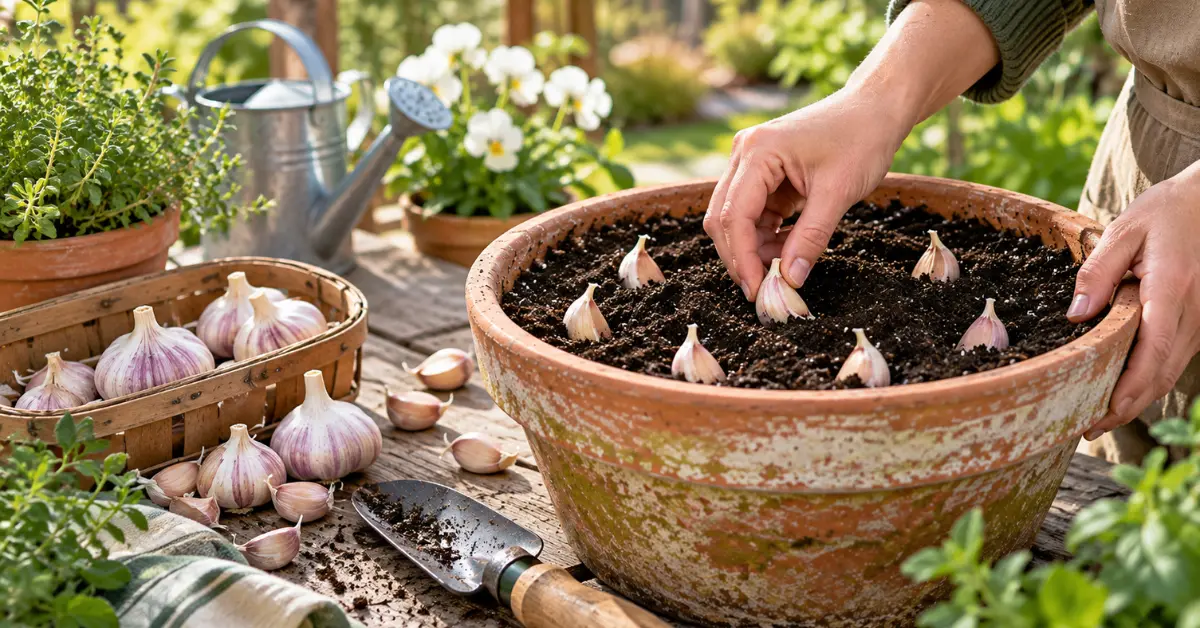
Growing Garlic in Containers This Fall: A Complete Guide for Beginners
If you’ve ever wanted to pop fresh, aromatic garlic cloves straight from your own patio [...]
Sep
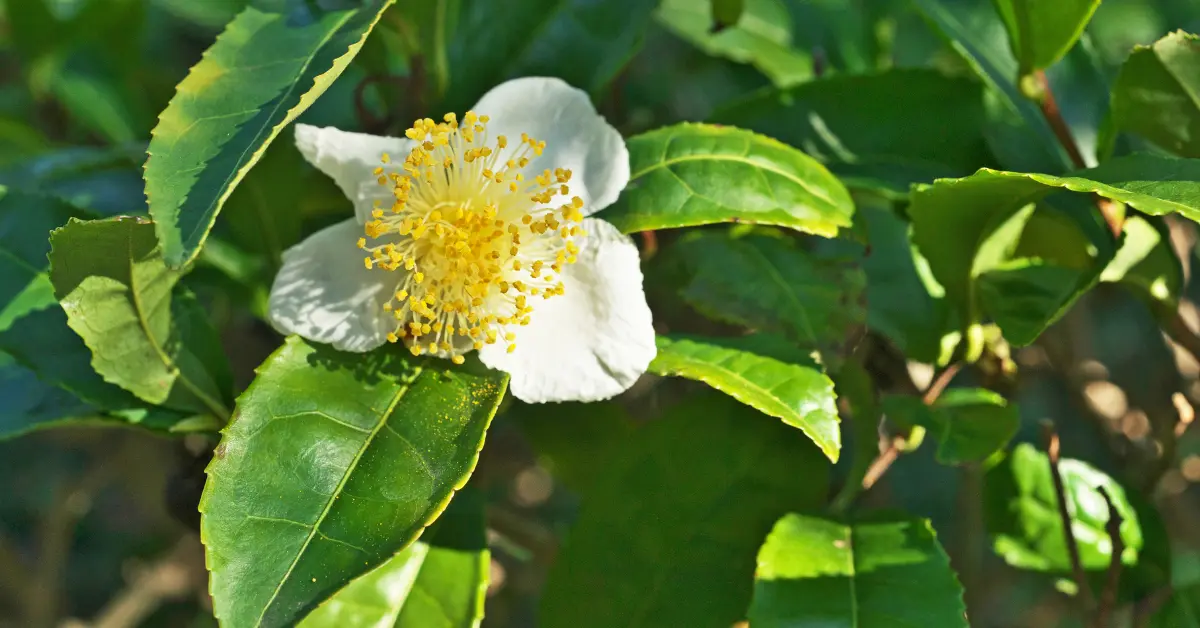
Growing Camellia Sinensis (Tea Plants) in Containers: A Complete Guide for Beginners
If you’ve ever wanted to sip a steaming, homegrown cup of fresh green, black, or [...]
Aug
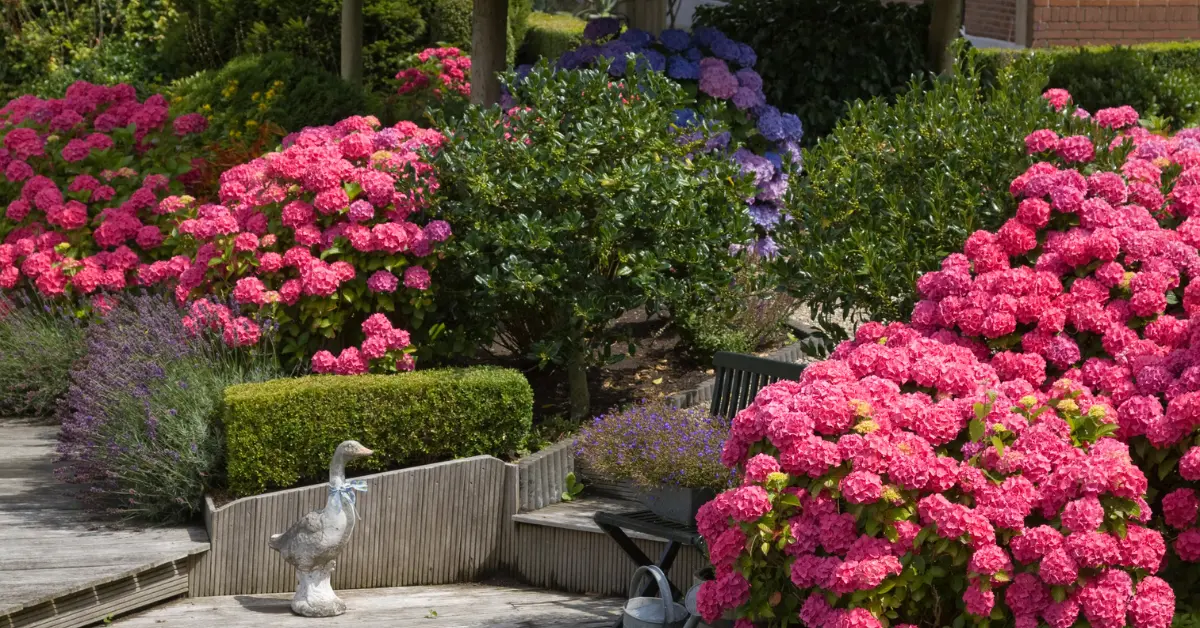
6 Best Shrubs to Plant in August You Must Try
Have you ever walked through a nursery late in the summer, admired the vibrant shrubs [...]
Aug
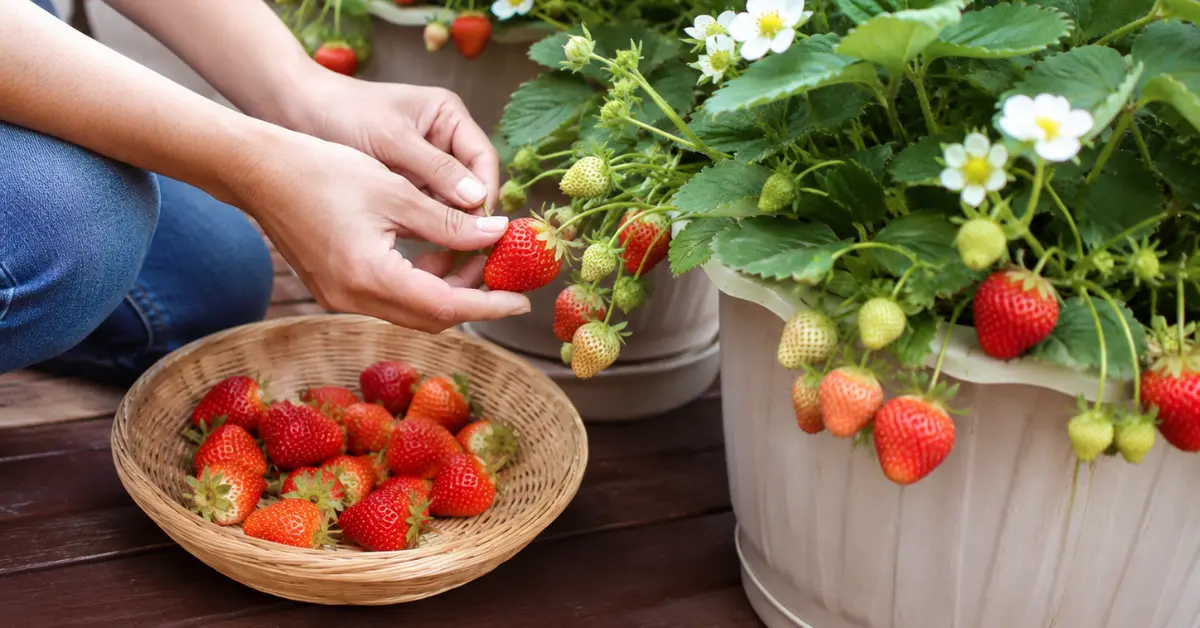
Growing Everbearing Strawberries in Containers: A Complete Guide for Beginners
Want to grow sweet, fresh strawberries but do not have a large garden? Everbearing strawberries [...]
Aug
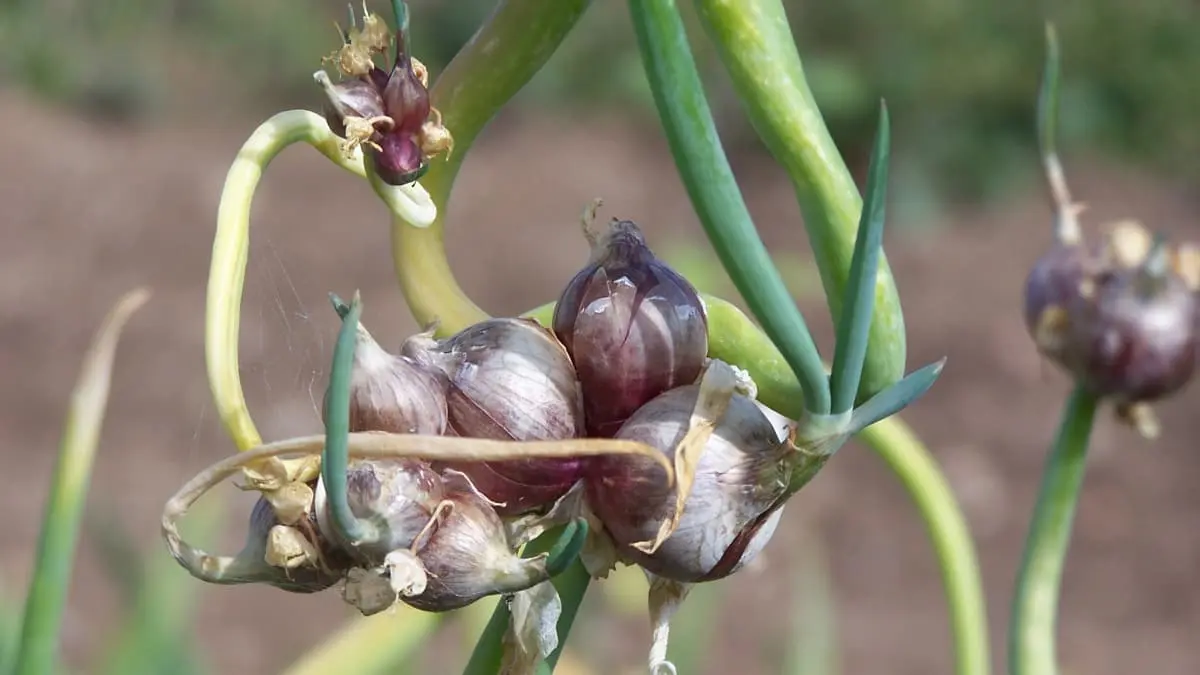
Growing Egyptian Walking Onions in Containers: A Complete Guide for Beginners
If you’re looking for a hardy, no-fuss perennial onion that keeps on giving year after [...]
Jul
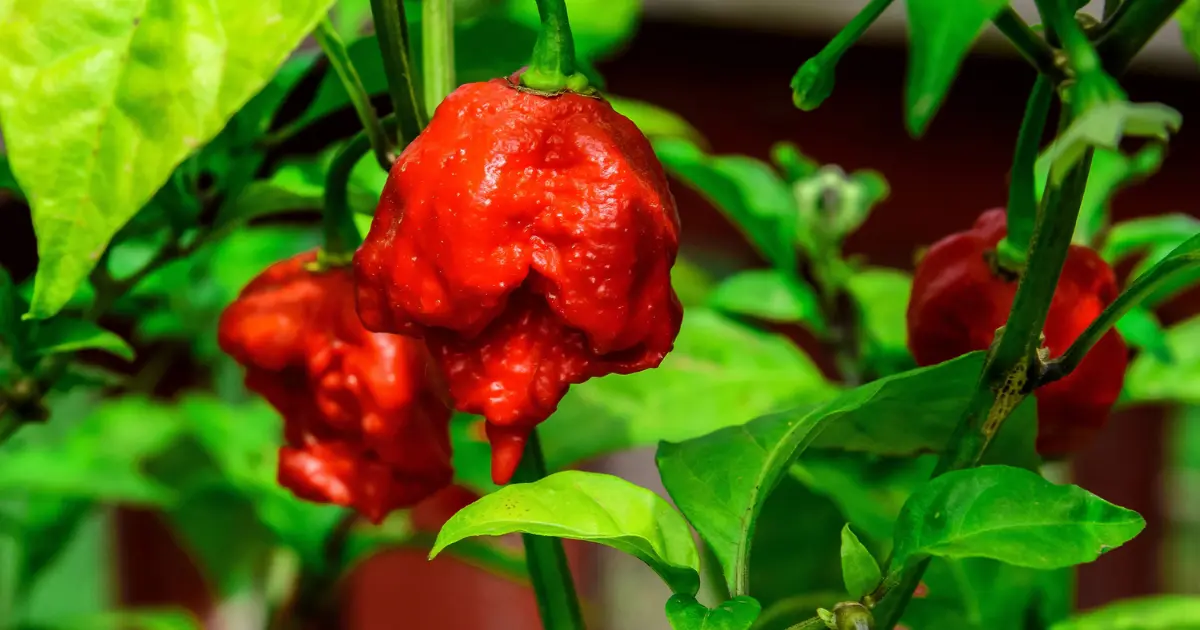
Growing Carolina Reaper Peppers in Pots: A Complete Guide for Beginners
If you’ve ever wanted to add some serious, record-breaking heat to your home cooking, you’ve [...]
May
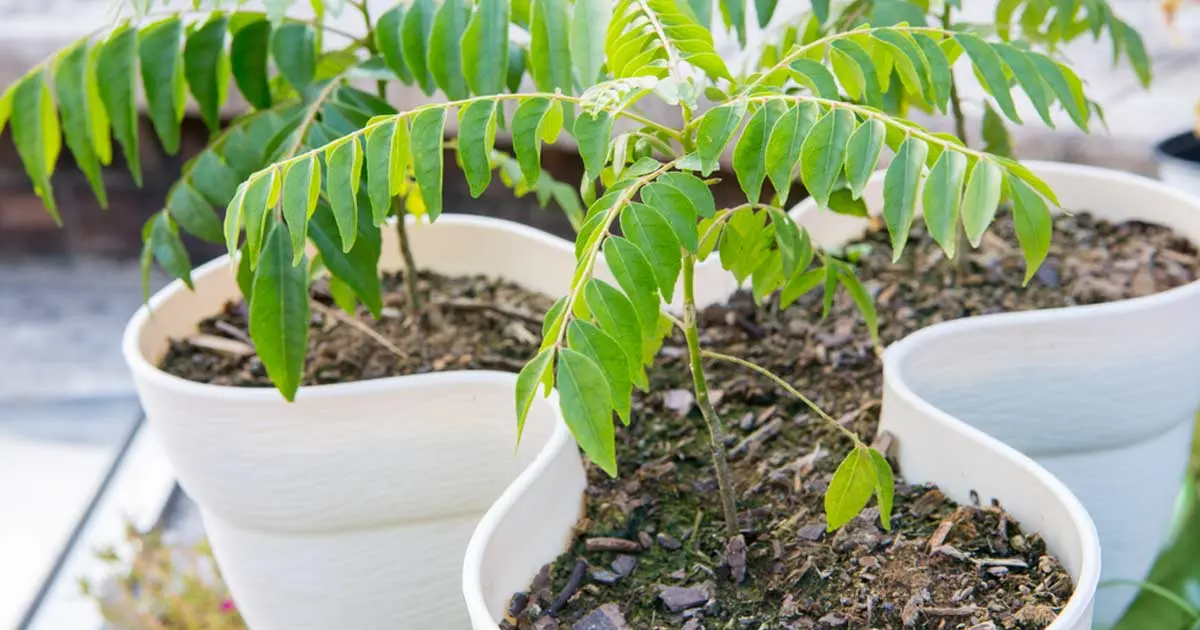
Growing Curry Leaf Plant in Pots: A Complete Guide for Beginners
If you’re a fan of authentic South Asian cuisine, you already know that nothing compares [...]
May
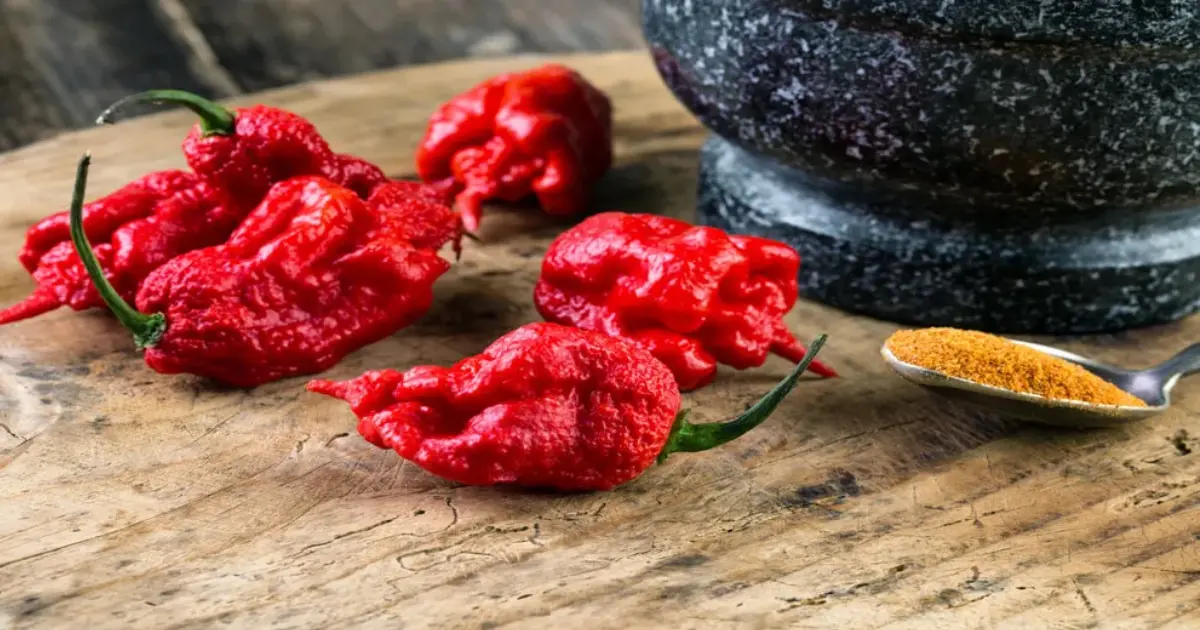
5 Tips for Growing Carolina Reaper Peppers to Get the Spiciest Harvest Ever
Holding the record for one of the world’s hottest peppers, the Reaper isn’t just a [...]
May
Reviews
There are no reviews yet.