
Munstead Lavender Live Plants – English Lavender, Purple-Blue Flowers, Set of 2, 4-6 Inch Tall, Outdoor
Original price was: $45.99.$20.69Current price is: $20.69.
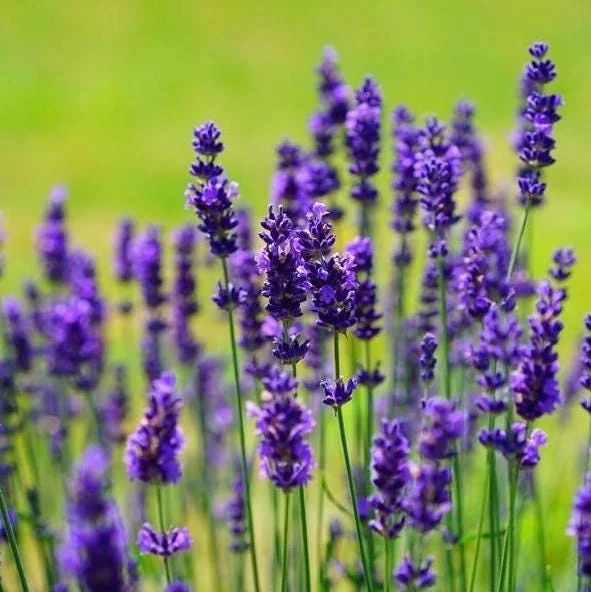
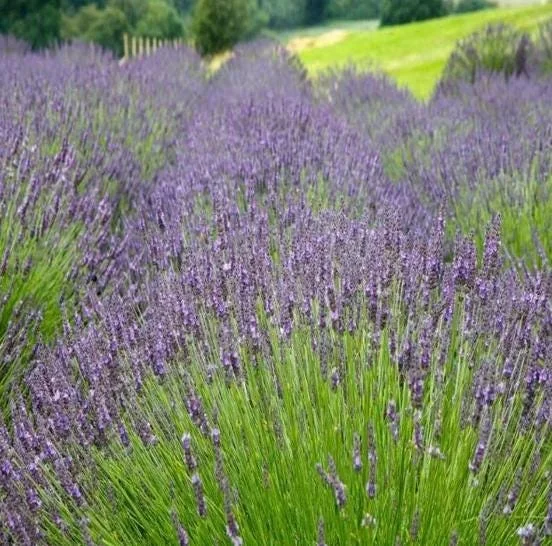
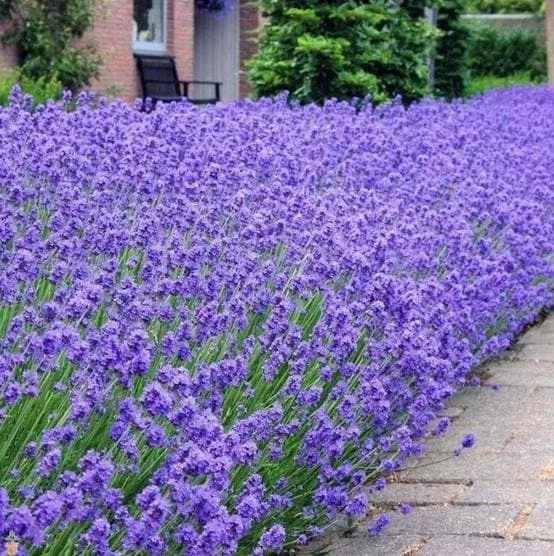
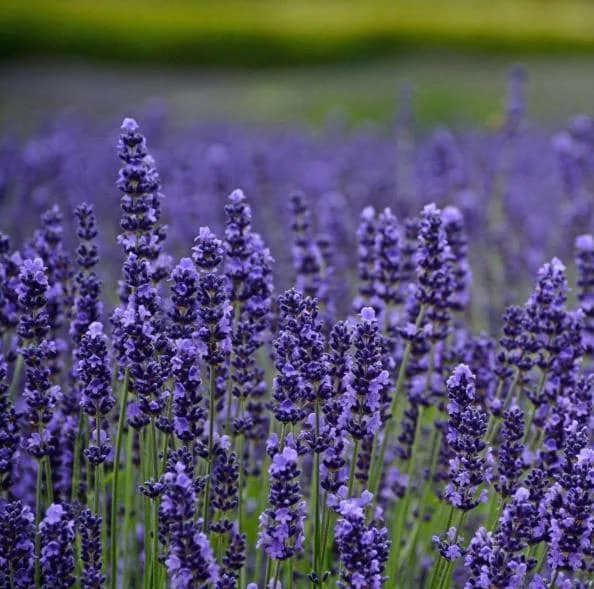
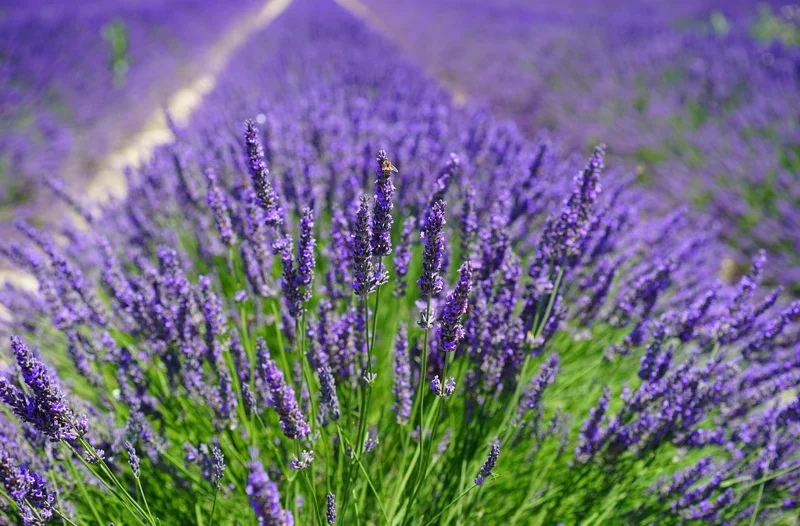
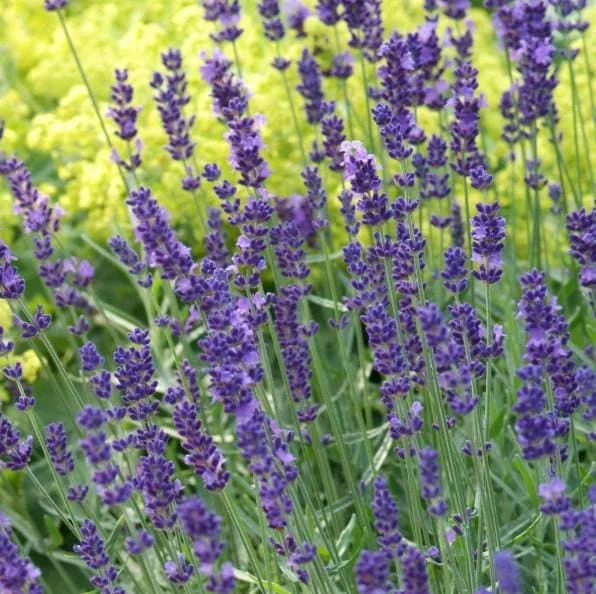
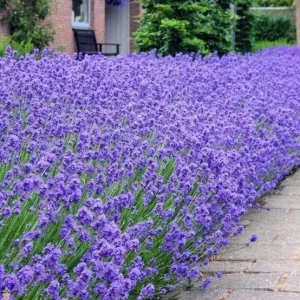
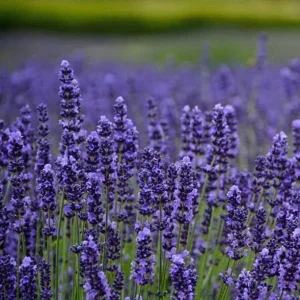
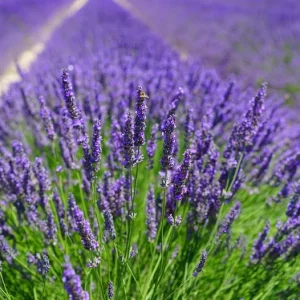
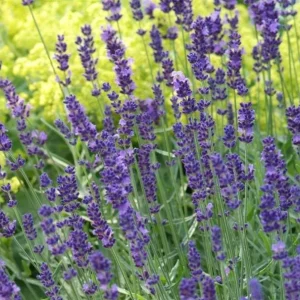
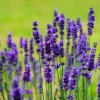
Bring the beauty and fragrance of Provence to your garden with this set of two Munstead Lavender live plants. Known for their compact growth and vibrant purple-blue flowers, these English lavender plant specimens are perfect for borders, rock gardens, or containers. Enjoy their delightful aroma and pollinator-attracting blooms.
Estimated arrival
Jul 27
Aug 01 - Aug 03
Aug 06 - Aug 10

Reasonable Price
We offer reasonable price

Support 24/7
Contact us 24 hrs a day

100% Money Back
You've 30 days to Return

Payment Secure
100% secure payment
Overview
Transform your outdoor space into a fragrant haven with our exquisite set of two Munstead Lavender live plants. These beloved English lavender varieties (Lavandula angustifolia ‘Munstead’) are celebrated for their intensely aromatic foliage and prolific spikes of soft purple-blue flowers. A classic choice for gardeners, Munstead Lavender offers a compact growth habit, making it ideal for various landscape applications. Whether you’re creating a calming herb garden, a vibrant border, or simply adding a touch of Mediterranean charm to your patio, these live plants are an excellent addition. Known for attracting pollinators like bees and butterflies, the English lavender plant not only looks beautiful but also contributes to a healthy ecosystem. Its silvery-green foliage provides year-round interest, and the dried flowers can be used in sachets, potpourri, or culinary creations, making it a versatile and rewarding plant to grow.
Each Munstead Lavender live plant in this set arrives ready for planting, typically measuring 4-6 inches tall, ensuring a healthy start in your garden. These robust plants are well-suited for a range of climates, thriving in USDA Zones 4 to 9. Their low-maintenance nature and drought tolerance once established make them a favorite among both novice and experienced gardeners seeking a beautiful yet easy-care option. Experience the timeless elegance and captivating fragrance of fragrant lavender for garden with this exceptional pairing.
Key Benefits
Adding Munstead Lavender live plants to your garden offers a wealth of advantages, blending aesthetic appeal with practical uses. These plants are a cornerstone for creating a sensory garden experience.
- Aromatic Delight: The primary benefit is the exquisite, soothing fragrance emitted by both the flowers and foliage. This classic lavender scent is known for its calming properties and can be enjoyed fresh or dried.
- Vibrant Purple-Blue Blooms: Enjoy a long blooming season from spring to summer, showcasing beautiful and abundant purple-blue flower spikes that add a striking visual element to any garden design.
- Attracts Pollinators: These plants are a magnet for bees, butterflies, and other beneficial pollinators, supporting local ecosystems and encouraging biodiversity in your garden.
- Drought Tolerant: Once established, English lavender plant varieties like Munstead are remarkably drought-tolerant, requiring minimal watering and making them an excellent choice for xeriscaping or water-wise gardens.
- Compact Growth Habit: With its neat and tidy form, Munstead Lavender is perfect for smaller spaces, container gardening, edging, or creating low hedges without becoming unruly.
- Versatile Use: Beyond ornamental beauty, the flowers and leaves can be harvested for culinary uses, essential oils, potpourri, and fragrant sachets, offering multiple ways to enjoy your harvest.
- Deer and Rabbit Resistant: The strong aroma that humans love tends to deter common garden pests like deer and rabbits, helping to protect your other plants.
Plant Care & Growing Tips
Caring for your Munstead Lavender live plants is relatively straightforward, as these plants are known for their resilience and low-maintenance nature. To ensure optimal growth and abundant blooms, proper attention to their specific needs is crucial. These plants thrive in full sun, meaning they require at least 6-8 hours of direct sunlight per day. Choose a location in your garden that receives ample sun exposure throughout the day, as insufficient light can lead to leggy growth and fewer flowers. When planting, ensure good air circulation around the plants to prevent fungal issues, especially in humid climates. This purple lavender outdoor variety prefers warm, dry conditions.
The key to success with lavandula munstead lies in providing well-drained soil. Lavender does not tolerate wet feet, so sandy or rocky soil is ideal. If your garden soil is heavy clay, amend it generously with sand, grit, or organic matter to improve drainage before planting. Aim for a soil pH between 6.5 and 7.5 (slightly alkaline). Watering should be consistent during the first growing season to help establish the root system. Once established, Munstead Lavender is quite drought-tolerant and prefers deep, infrequent watering. Allow the soil to dry out completely between waterings. Overwatering is a common cause of lavender decline. Fertilization is generally not necessary; lavender thrives in lean soil. If your soil is very poor, a light application of a balanced, slow-release fertilizer in spring can be beneficial, but avoid high-nitrogen fertilizers which can promote foliage at the expense of flowers.
Pruning is essential for maintaining the shape and vigor of your fragrant lavender for garden. Prune lightly after the first flush of flowers to encourage a second bloom. A more significant prune should be done in early spring, removing about one-third of the plant’s height and any dead or woody stems. Avoid cutting into old wood that has no green leaves, as this can stunt regrowth. Munstead Lavender is hardy in USDA Zones 4 to 9. In colder zones, provide winter protection with a layer of mulch around the base of the plant. In extreme heat, ensure good air circulation and avoid overwatering. Watch out for root rot if drainage is poor, and fungal diseases in overly humid conditions. With proper care, your Munstead Lavender live plants will flourish for many years.
Size & Details
This offering includes a set of two Munstead Lavender live plants, each arriving as a healthy, young specimen ready for planting. Typically, each plant measures approximately 4-6 inches tall from the base of the root ball to the top of the foliage, providing a robust start for your garden. These plants are shipped without a pot to ensure efficient and safe transit, with their root systems carefully prepared to maintain moisture during delivery. As a compact variety of English lavender plant, Munstead typically reaches a mature height of 18-24 inches and a similar spread, forming a dense, rounded mound of fragrant foliage and flowers.
The growth rate of lavandula munstead is moderate, and you can expect significant development in its first year if planted in ideal conditions. Flowers usually appear from late spring through summer, with potential for a second flush of blooms if deadheaded. These plants are perennial, returning year after year with proper care in their recommended USDA Zones 4 to 9. They are an excellent choice for adding structure and perennial interest to your garden landscape.
Frequently Asked Questions
- Q: How big does this plant get? A: Each Munstead Lavender live plant typically grows to a mature height and spread of 18-24 inches, forming a compact, mounded shape. Its moderate growth rate allows it to establish well in its first season.
- Q: Is this an indoor or outdoor plant? A: Munstead Lavender is primarily an outdoor plant, thriving in full sun and well-drained soil. While it can be overwintered indoors in very cold climates, it performs best when planted directly in the garden.
- Q: How much sunlight does it need? A: This English lavender plant requires full sun, meaning at least 6-8 hours of direct sunlight per day, to produce the most abundant flowers and strongest fragrance.
- Q: Is this plant easy to care for? A: Yes, Munstead Lavender is considered an easy-care plant, especially once established. It is drought-tolerant and requires minimal fertilization, making it suitable for beginners.
- Q: What condition will it arrive in? A: You will receive two healthy Munstead Lavender live plants, each 4-6 inches tall, shipped without a pot. They are carefully packaged to ensure their root systems remain moist and protected during transit.
- Q: When is the best time to plant? A: The best time to plant fragrant lavender for garden is in spring after the last frost, or in early fall in warmer climates, allowing the roots to establish before extreme temperatures.
- Q: Will it survive winter in my zone? A: Munstead Lavender is hardy in USDA Zones 4 to 9. In Zone 4 and 5, some winter protection like mulching may be beneficial, but it generally tolerates cold well within its hardiness range.
- Q: What’s the minimum temperature it can tolerate? A: This lavandula munstead variety can tolerate temperatures down to approximately -30°F (-34°C) when established in well-drained soil within its hardiness zones.
- Q: Can I use the flowers for culinary purposes? A: Yes, Munstead Lavender is an English lavender variety, which is known for its sweeter flavor profile compared to other types. Its flowers can be used in cooking, baking, and making herbal teas.
- Q: What type of soil does it prefer? A: Munstead Lavender thrives in well-drained, sandy or rocky soil with a neutral to slightly alkaline pH. Good drainage is critical to prevent root rot.
Be the first to review “Munstead Lavender Live Plants – English Lavender, Purple-Blue Flowers, Set of 2, 4-6 Inch Tall, Outdoor”
-
USDA Hardiness Zone
USDA Zones 4 to 9 -
Soil Type
Well-drained, sandy or rocky soil -
Sunlight Exposure
Full sun -
Expected Planting Period
Spring to summer
People Also Viewd


Sold 134 products
Original price was: $3,536.00.$23.99Current price is: $23.99.

Sold 131 products
Original price was: $27.00.$24.00Current price is: $24.00.

Sold 128 products
Original price was: $89.99.$64.99Current price is: $64.99.

Sold 125 products
Original price was: $86.99.$66.99Current price is: $66.99.

Flower Bulbs
3 Cranesbill Wild Geranium Organic Maculatums Bare Roots | Wildflower for Outdoor Garden
Sold 116 products
Original price was: $21.99.$9.99Current price is: $9.99.

Sold 114 products
Original price was: $28.99.$17.99Current price is: $17.99.
Sold 109 products
Original price was: $63.99.$28.99Current price is: $28.99.
Sold 108 products
Original price was: $28.99.$17.99Current price is: $17.99.RELATED posts
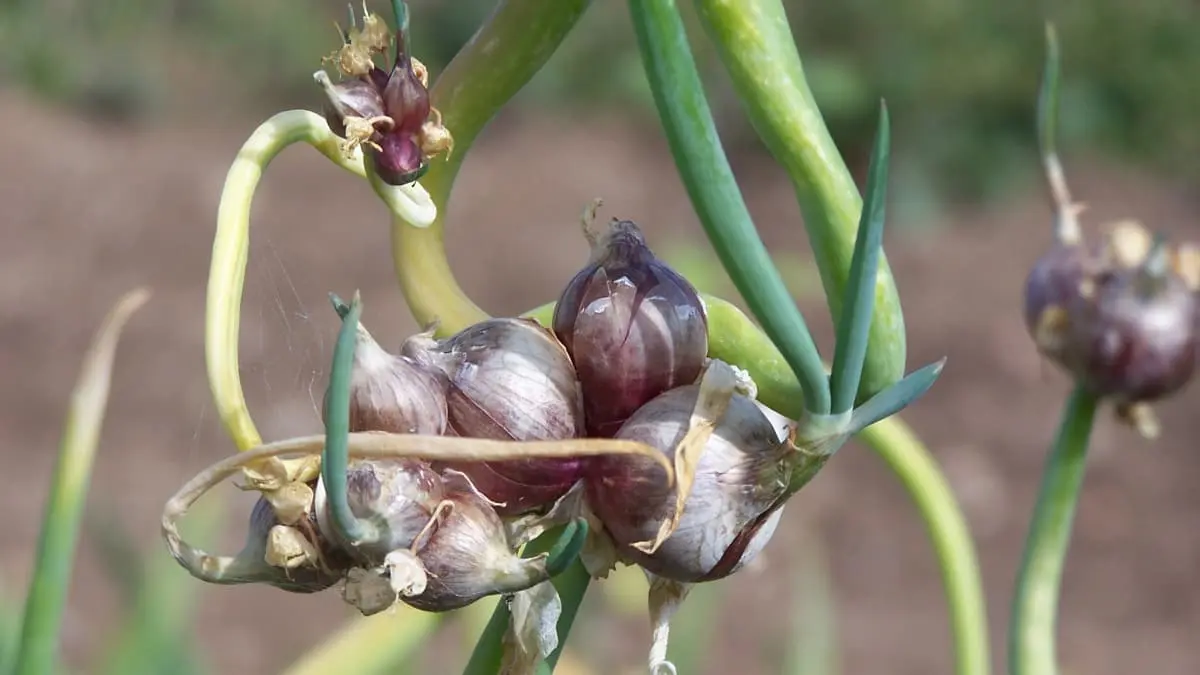
Growing Egyptian Walking Onions in Containers: A Complete Guide for Beginners
If you’re looking for a hardy, no-fuss perennial onion that keeps on giving year after [...]
Jul
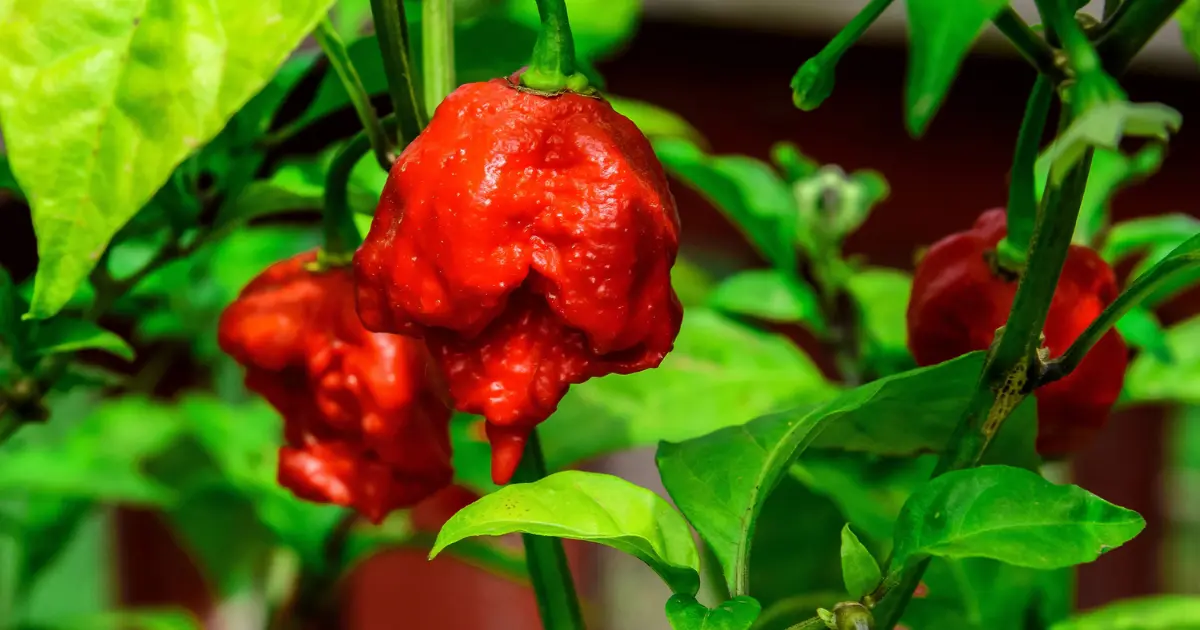
Growing Carolina Reaper Peppers in Pots: A Complete Guide for Beginners
If you’ve ever wanted to add some serious, record-breaking heat to your home cooking, you’ve [...]
May
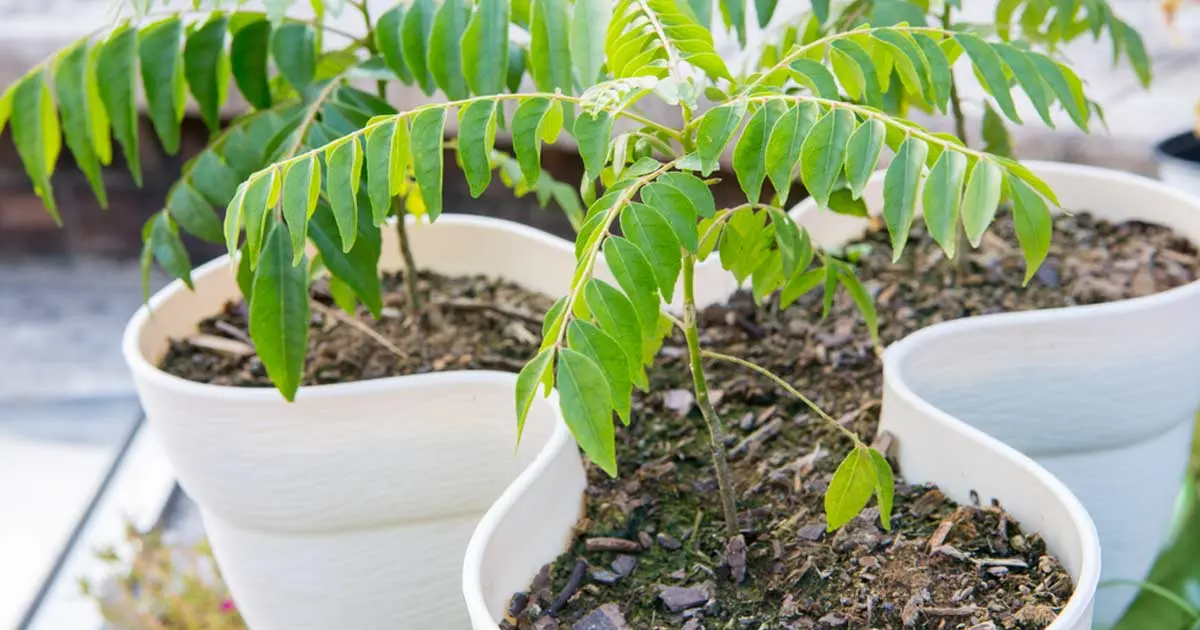
Growing Curry Leaf Plant in Pots: A Complete Guide for Beginners
If you’re a fan of authentic South Asian cuisine, you already know that nothing compares [...]
May
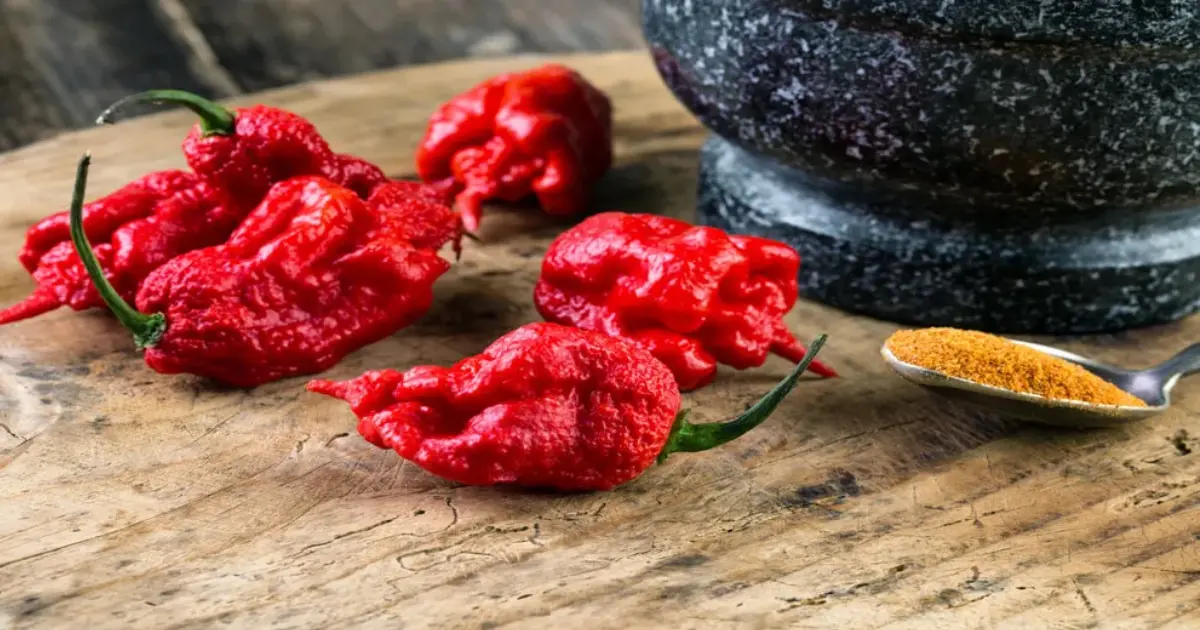
5 Tips for Growing Carolina Reaper Peppers to Get the Spiciest Harvest Ever
Holding the record for one of the world’s hottest peppers, the Reaper isn’t just a [...]
May
Best Fertilizers for Zoysia Grass in 2026: Get a Lush Lawn
As we enter the new year, the time has come to think about how we [...]
Apr
Bougainvillea Plant Care Tips: 7 Secrets to Explosive Blooms!
Are you staring at a bougainvillea that is all lush green leaves but hasn’t shown [...]
Apr
5 Tips for Growing Sweet Potatoes to Get the Biggest Sweet Potato Harvest Ever
If you are a fan of sweet potatoes, then these tips for growing sweet potatoes [...]
Apr
Tamarillo Tree Guide: Flavor, Texture & How to Eat Tree Tomatoes
The humble tomato is a kitchen staple we all know and love, but it rarely [...]
Apr
Reviews
There are no reviews yet.