
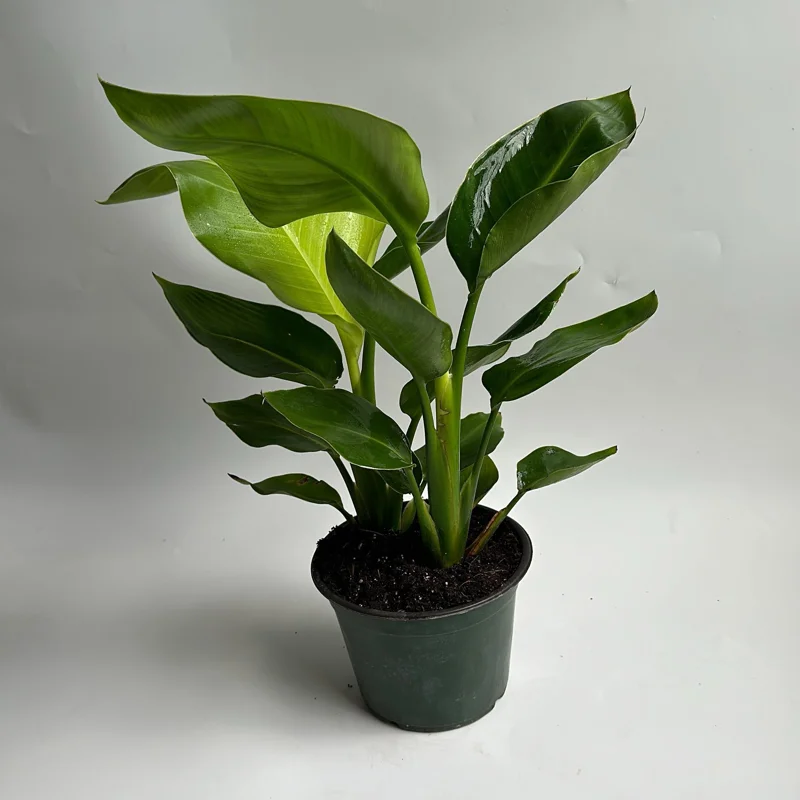
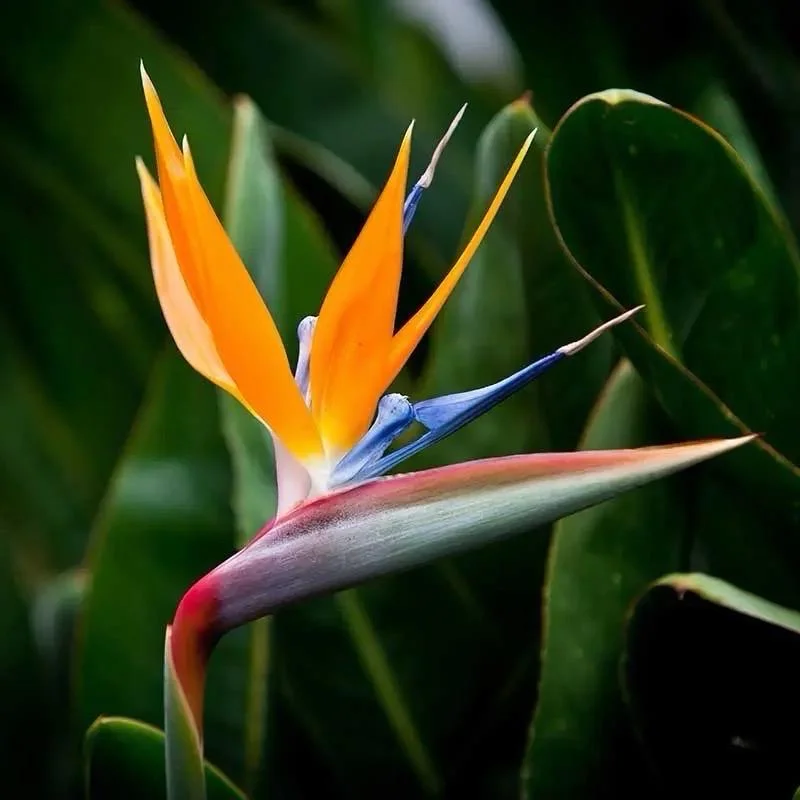
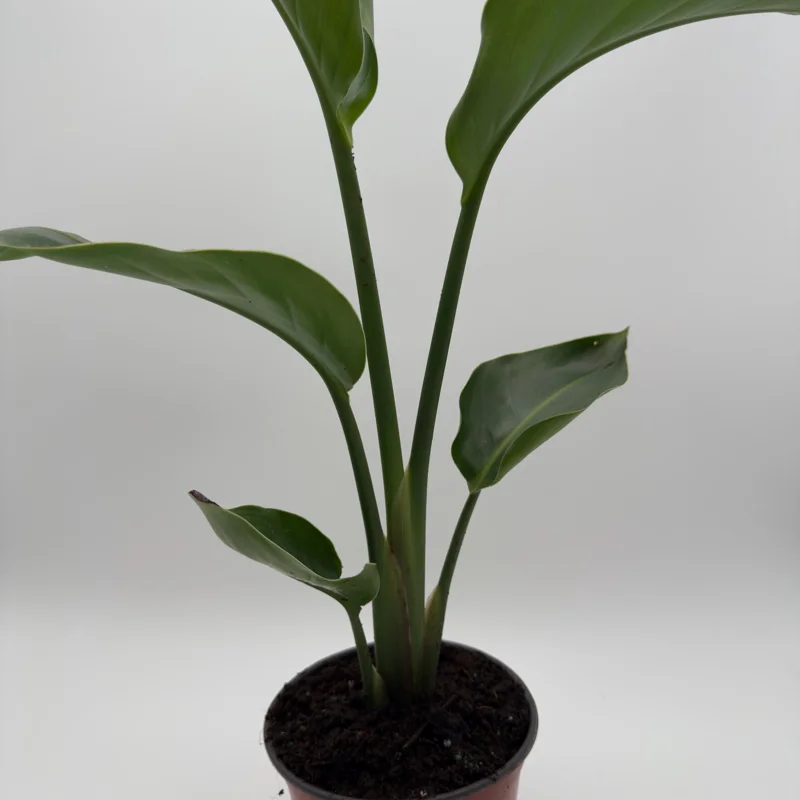
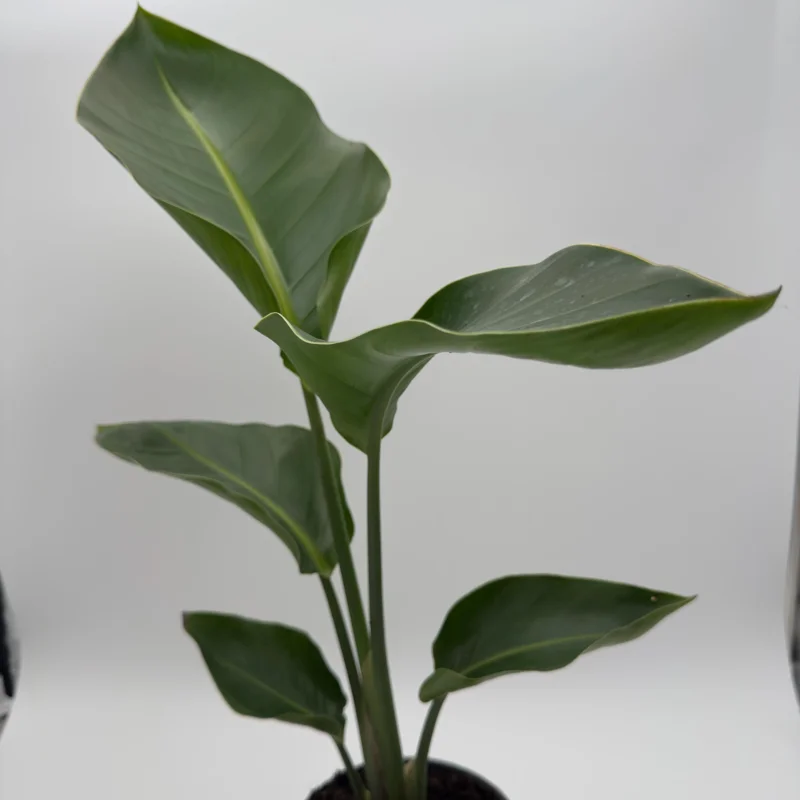
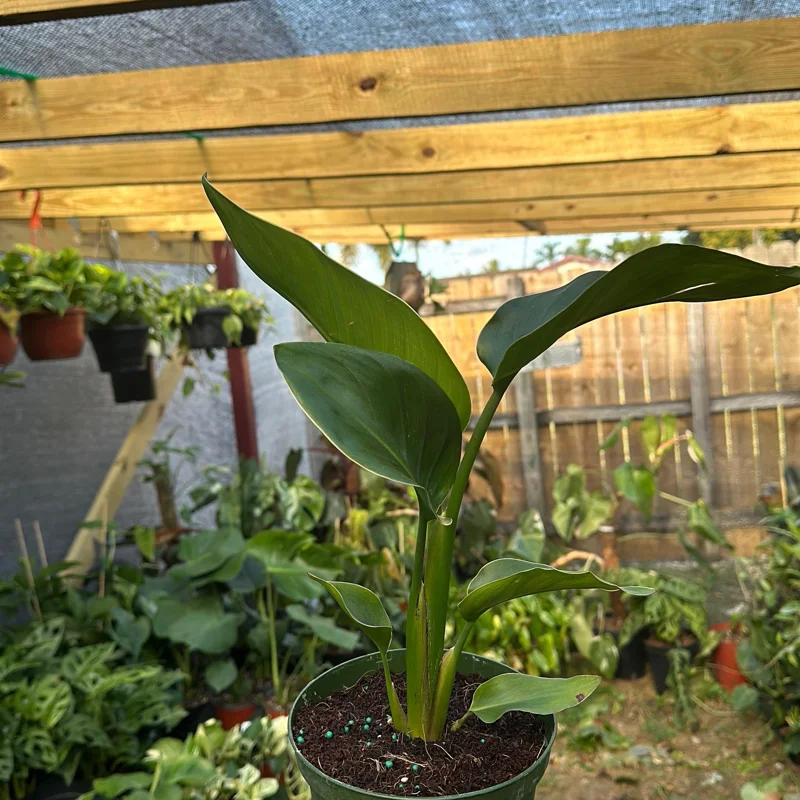
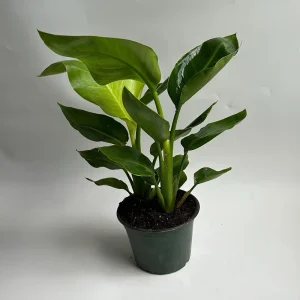
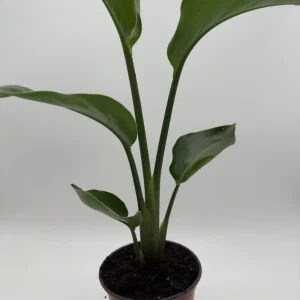
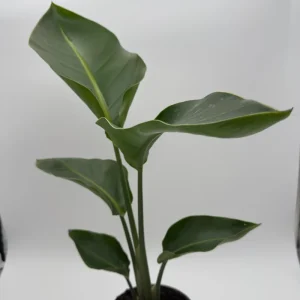
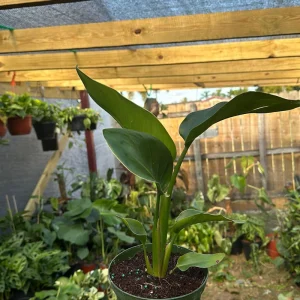
Orange Bird of Paradise Live Plant – 6 inch Tropical Houseplant
Original price was: $69.98.$34.99Current price is: $34.99.
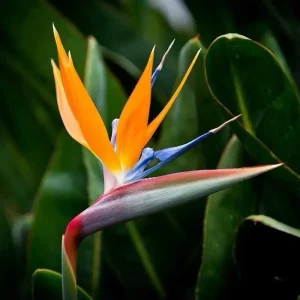
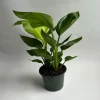
Bring tropical elegance indoors with this stunning orange bird of paradise plant. This 6-inch potted live plant, also known as Strelitzia reginae indoor, is perfect for adding an exotic touch and vibrant color to any room. Enjoy its unique, crane-like blooms and lush foliage.
Estimated arrival
Oct 11
Oct 16 - Oct 18
Oct 21 - Oct 25

Reasonable Price
We offer reasonable price

Support 24/7
Contact us 24 hrs a day

100% Money Back
You've 30 days to Return

Payment Secure
100% secure payment
Overview
Transform your living space into a tropical oasis with the magnificent orange bird of paradise plant. This captivating tropical houseplant live specimen, scientifically known as Strelitzia reginae, is renowned for its spectacular, crane-like flowers that boast vibrant orange and blue hues, resembling a bird in flight. Originating from South Africa, this plant has become a popular choice for indoor gardeners seeking to add an exotic and dramatic flair to their homes. Our 6-inch potted plant arrives healthy and ready to thrive, offering both lush foliage and the promise of breathtaking blooms. It’s an ideal choice for plant enthusiasts looking for a statement piece that combines architectural form with stunning floral displays, making it a true centerpiece in any room. The unique appearance of the flowers makes the orange bird of paradise plant an unforgettable addition to your collection.
Known for its striking beauty and relatively straightforward care, the orange bird of paradise plant is more than just a decorative item; it’s a living piece of art. Its tall, paddle-shaped leaves provide a bold, structural element, even when not in bloom. When it does flower, usually after a few years of maturity, it produces a burst of color that can brighten the dullest of days. This plant is not only visually appealing but also adds a touch of natural elegance and a sense of calm to your indoor environment. Whether you’re an experienced plant parent or just starting your green journey, caring for an exotic flowering plant like this can be a rewarding experience.
Key Benefits
The orange bird of paradise plant offers a multitude of benefits beyond its stunning appearance, making it a valuable addition to your indoor garden. Its unique characteristics contribute to both aesthetic appeal and a more enjoyable living environment.
- Spectacular Floral Display: The most prominent benefit is undoubtedly its exotic and colorful flowers. These vibrant orange and blue blooms, resembling a bird’s head, emerge from boat-shaped bracts, creating a dramatic visual impact that is truly unparalleled. They serve as a constant source of wonder and conversation.
- Architectural Foliage: Even when not in bloom, the large, paddle-shaped leaves of the orange bird of paradise plant provide a bold, tropical aesthetic. Their upright growth habit and rich green color add a structural element to your decor, enhancing the overall design of your space.
- Air Purifying Qualities: Like many houseplants, Strelitzia reginae contributes to improved indoor air quality by absorbing common airborne toxins and releasing oxygen. This makes your home a healthier and more refreshing place to live.
- Relatively Low Maintenance: Once established, this tropical houseplant live is quite resilient and forgiving. It doesn’t demand constant attention, making it suitable for busy individuals who still want to enjoy the beauty of an exotic plant.
- Long-Lasting Blooms: When the plant does flower, the individual blooms can last for several weeks, providing prolonged enjoyment of its vibrant colors. This extended flowering period ensures your home remains lively and colorful for a significant duration.
- Unique Conversation Starter: The distinctive appearance of the orange bird of paradise plant is sure to capture attention and spark conversations among guests. Its unusual form and striking colors make it a memorable feature in any home.
- Adapts to Indoor Conditions: While a tropical plant, it adapts well to typical indoor environments, provided its basic light and water needs are met. This makes it a feasible option for bringing a touch of the tropics into temperate climates.
Plant Care & Growing Tips
Proper bird of paradise care is essential for this beautiful plant to thrive and eventually produce its iconic blooms. While generally robust, understanding its specific needs will ensure a healthy and vibrant specimen. For optimal growth, provide your orange bird of paradise plant with plenty of bright, indirect light. Ideally, place it near a south or west-facing window where it can receive several hours of sunlight daily, but protect it from intense, direct midday sun, which can scorch its leaves. If light is insufficient, the plant may grow leggy and be reluctant to flower. During the spring and summer, you can move it outdoors to a partially shaded location if temperatures permit, bringing it back indoors before the first frost.
Watering should be consistent but cautious. Allow the top inch or two of soil to dry out completely between waterings. Overwatering is a common issue that can lead to root rot, so ensure your pot has excellent drainage. During winter months, reduce watering frequency as the plant’s growth slows. The ideal soil for an orange bird of paradise plant is a rich, well-draining potting mix. A blend designed for houseplants or tropical plants, often containing peat moss, perlite, and pine bark, works well. Good drainage is paramount to prevent waterlogged roots. Maintain indoor temperatures between 65-80°F (18-27°C) during the day and no lower than 50°F (10°C) at night. This plant is not frost-tolerant and should be protected from cold drafts. It typically thrives in USDA zones 9-11 outdoors, but indoors, consistent warmth is key.
Fertilize your tropical houseplant live every two to four weeks during the growing season (spring and summer) using a balanced liquid fertilizer diluted to half strength. Reduce or stop fertilization during the fall and winter. Common problems include brown leaf tips, often due to low humidity or inconsistent watering, and pests like spider mites or mealybugs, which can be treated with insecticidal soap. Ensure good air circulation to prevent fungal issues. Regular wiping of the leaves will also keep them dust-free and allow for better photosynthesis, contributing to overall plant health and ensuring your exotic flowering plant looks its best.
Size & Details
This offering is for a single orange bird of paradise plant, presented in a 6-inch nursery pot. At the time of shipment, the plant typically stands approximately 12-18 inches tall from the base of the pot, with a spread of about 8-12 inches. It is a young, vigorous specimen ready for continued growth in your home. The plant will arrive healthy and well-rooted, carefully packaged to ensure its safe journey.
The Strelitzia reginae indoor is known for its moderate to fast growth rate under ideal conditions. When mature, it can reach impressive sizes, often growing 3-5 feet tall indoors, and even taller in its native outdoor environment. Flowering usually begins once the plant is 3-5 years old and has reached a certain level of maturity. It ships as a live, potted plant, complete with its soil and nursery container, making it easy to transplant into a decorative pot of your choice upon arrival. Expect vibrant green foliage and the potential for future iconic blooms from this beautiful tropical houseplant live.
Frequently Asked Questions
- Q: How big does this plant get? A: This orange bird of paradise plant is shipped in a 6-inch pot and typically stands 12-18 inches tall. Indoors, mature plants can reach heights of 3-5 feet, with some even growing taller under optimal conditions.
- Q: Is this an indoor or outdoor plant? A: While native to tropical climates, this tropical houseplant live is commonly grown indoors in most regions. It can be moved outdoors during warm summer months in USDA zones 9-11 but must be brought inside before temperatures drop below 50°F (10°C).
- Q: How much sunlight does it need? A: The orange bird of paradise plant thrives in bright, indirect light. Placing it near a south or west-facing window is ideal, ensuring it gets several hours of bright light without harsh, direct midday sun that can scorch leaves.
- Q: Is this plant easy to care for? A: It is considered moderately easy to care for. Consistent watering, adequate light, and proper soil drainage are key for successful bird of paradise care. It’s not a high-maintenance plant once its basic needs are met.
- Q: What condition will it arrive in? A: Your Strelitzia reginae indoor will arrive as a healthy, live potted plant, carefully packaged to minimize stress during transit. It will be rooted in its 6-inch nursery pot with soil.
- Q: How long until it blooms? A: The orange bird of paradise plant typically begins to flower once it reaches maturity, usually between 3 to 5 years of age. Patience and proper care will eventually be rewarded with its stunning blooms.
- Q: What’s the best soil type for this plant? A: A rich, well-draining potting mix is best. Look for mixes designed for tropical plants or houseplants that include ingredients like peat moss, perlite, or pine bark to ensure good aeration and drainage.
- Q: Is the orange bird of paradise toxic to pets? A: Yes, the seeds and fruits of the bird of paradise plant are considered toxic if ingested by pets. It’s advisable to keep this exotic flowering plant out of reach of curious animals.
- Q: How often should I water my plant? A: Water thoroughly when the top 1-2 inches of soil feel dry to the touch. Reduce watering frequency during the cooler, darker winter months. Always ensure the pot has drainage holes to prevent waterlogging.
- Q: Does it need high humidity? A: While a tropical plant, it tolerates average household humidity well. If your home is very dry, occasional misting or placing it near a humidifier can be beneficial for the foliage.
Be the first to review “Orange Bird of Paradise Live Plant – 6 inch Tropical Houseplant”
-
USDA Hardiness Zone
USDA zones 9-11 (outdoors); thrives indoors in all zones -
Soil Type
Well-draining potting mix -
Sunlight Exposure
Bright indirect light -
Expected Planting Period
Year-round indoors
People Also Viewd


Sold 134 products
Original price was: $3,536.00.$23.99Current price is: $23.99.

Sold 132 products
Original price was: $27.00.$24.00Current price is: $24.00.

Sold 132 products
Original price was: $89.99.$64.99Current price is: $64.99.

Sold 125 products
Original price was: $86.99.$66.99Current price is: $66.99.

Flower Bulbs
3 Cranesbill Wild Geranium Organic Maculatums Bare Roots | Wildflower for Outdoor Garden
Sold 116 products
Original price was: $21.99.$9.99Current price is: $9.99.

Sold 114 products
Original price was: $28.99.$17.99Current price is: $17.99.
Sold 110 products
Original price was: $63.99.$28.99Current price is: $28.99.
Sold 108 products
Original price was: $28.99.$17.99Current price is: $17.99.RELATED posts
How to Grow Arbequina Olive Trees: The Ultimate Guide to Your Own Olive Grove
Arbequina Olive Tree (Olea europaea ‘Arbequina’) – the ultimate Mediterranean plant that brings a touch [...]
Oct
Growing Garlic in Containers This Fall: A Complete Guide for Beginners
If you’ve ever wanted to pop fresh, aromatic garlic cloves straight from your own patio [...]
Sep
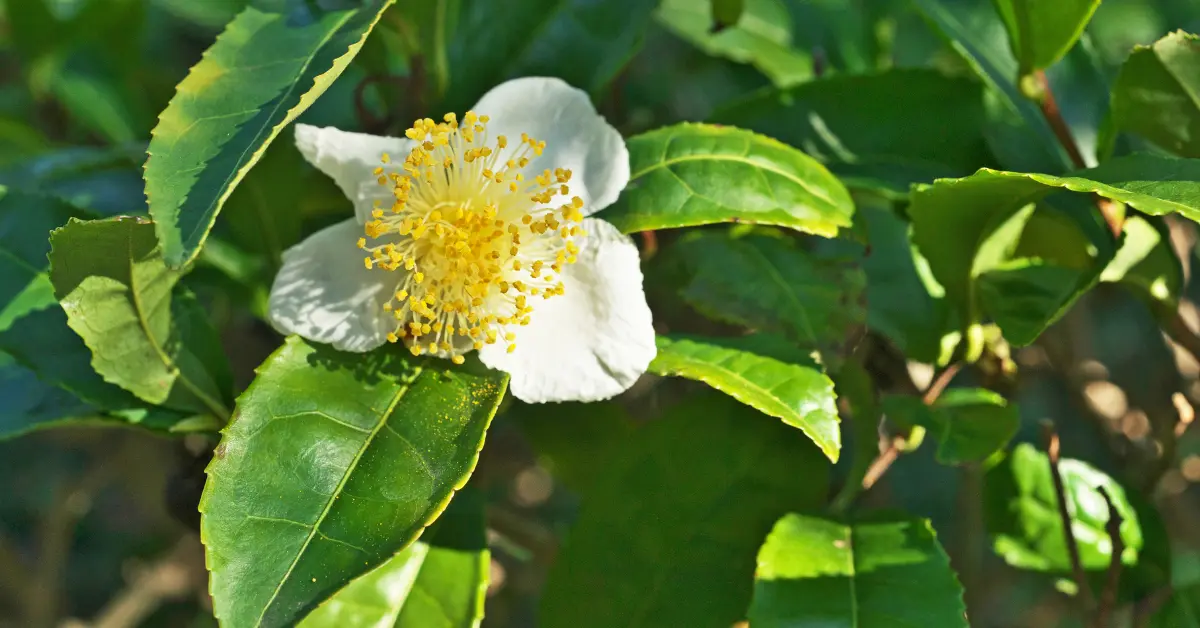
Growing Camellia Sinensis (Tea Plants) in Containers: A Complete Guide for Beginners
If you’ve ever wanted to sip a steaming, homegrown cup of fresh green, black, or [...]
Aug
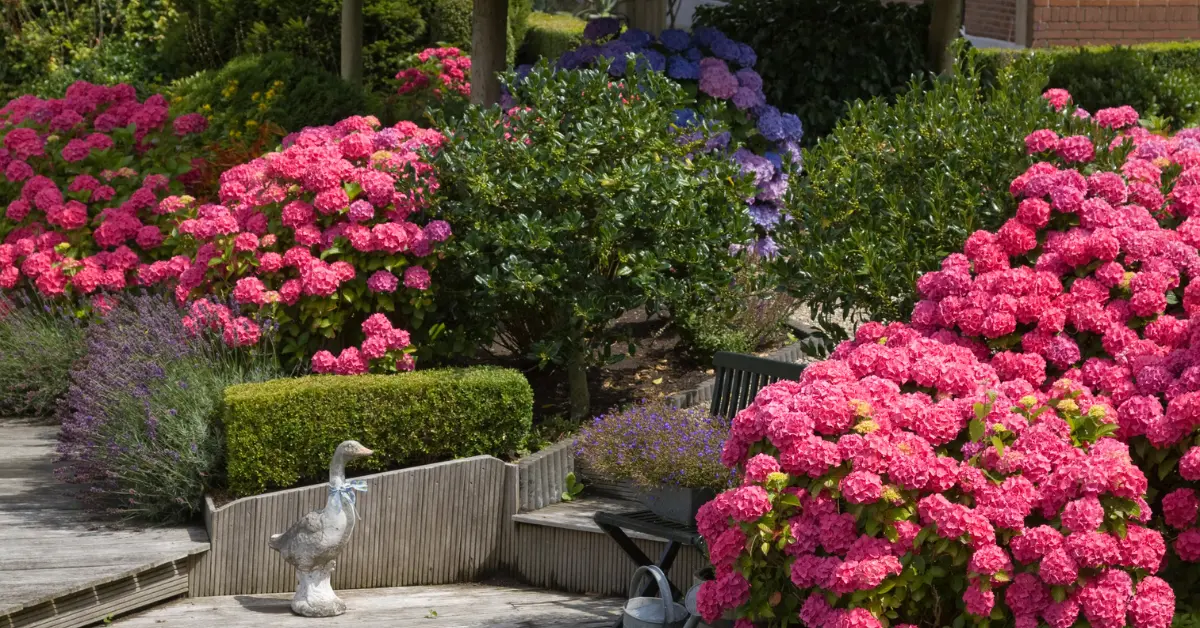
6 Best Shrubs to Plant in August You Must Try
Have you ever walked through a nursery late in the summer, admired the vibrant shrubs [...]
Aug
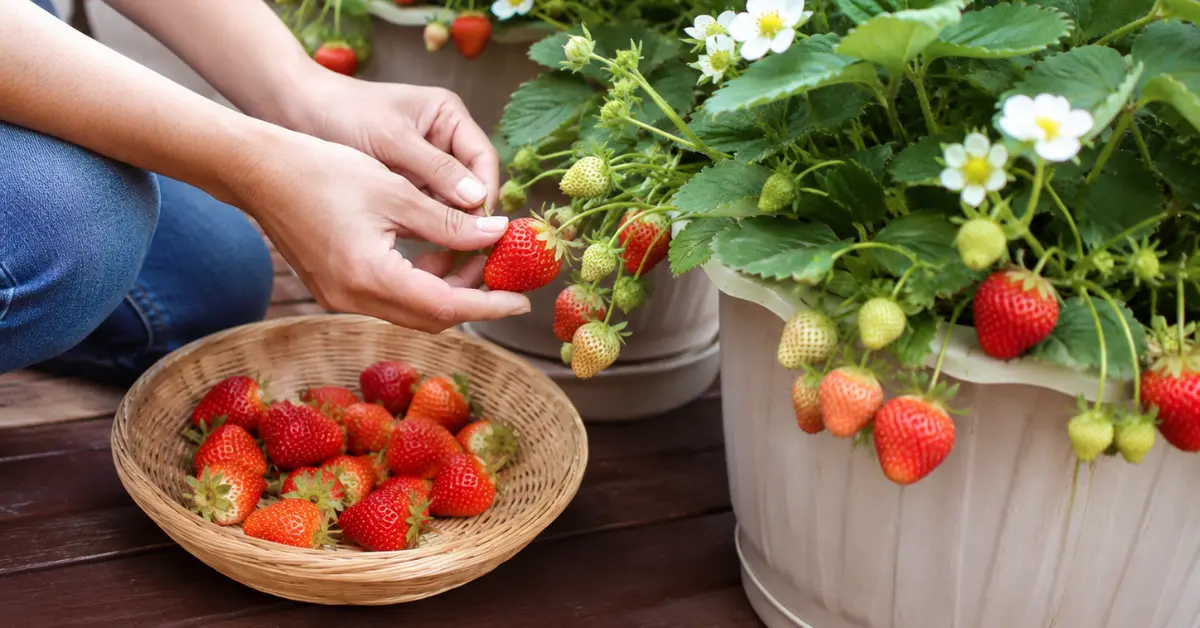
Growing Everbearing Strawberries in Containers: A Complete Guide for Beginners
Want to grow sweet, fresh strawberries but do not have a large garden? Everbearing strawberries [...]
Aug
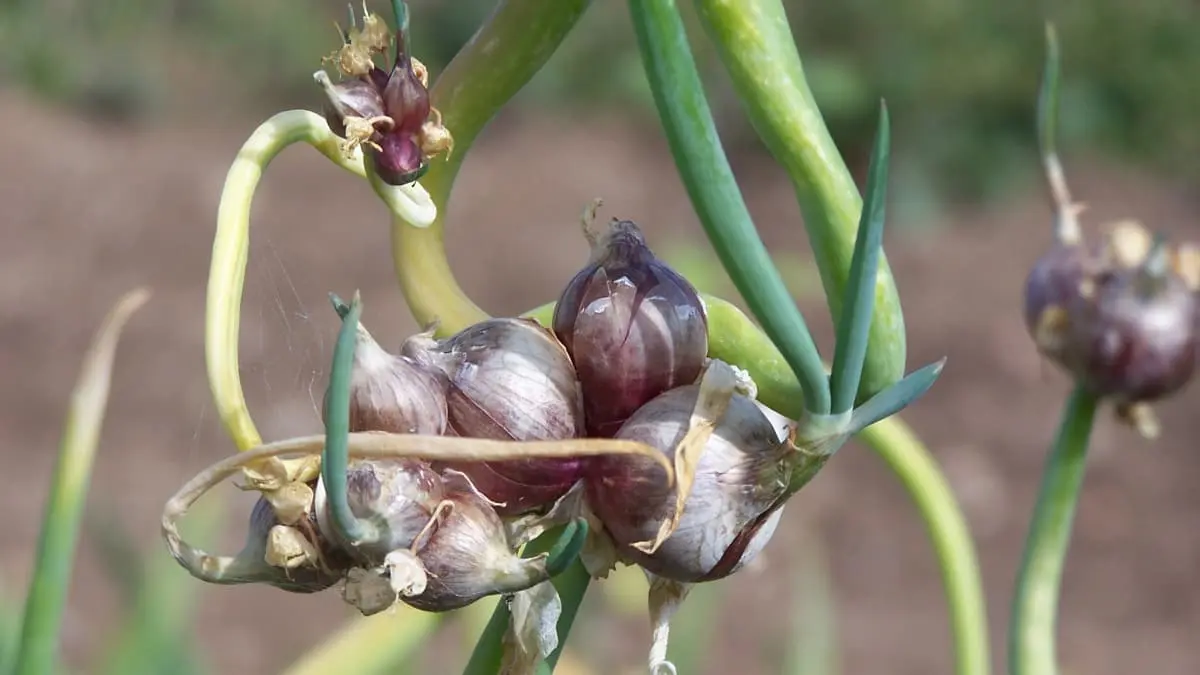
Growing Egyptian Walking Onions in Containers: A Complete Guide for Beginners
If you’re looking for a hardy, no-fuss perennial onion that keeps on giving year after [...]
Jul
Growing Carolina Reaper Peppers in Pots: A Complete Guide for Beginners
If you’ve ever wanted to add some serious, record-breaking heat to your home cooking, you’ve [...]
May
Growing Curry Leaf Plant in Pots: A Complete Guide for Beginners
If you’re a fan of authentic South Asian cuisine, you already know that nothing compares [...]
May
Reviews
There are no reviews yet.