
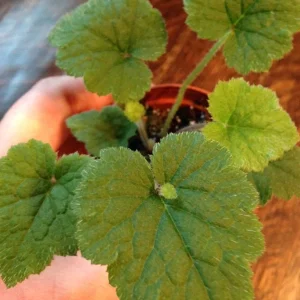
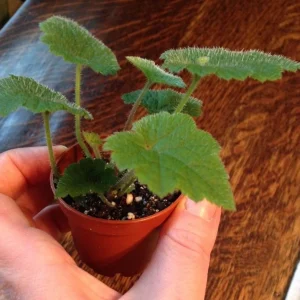
Piggyback Plant Live Plant – Tolmiea Menziesii – Easy Care Houseplant
Original price was: $49.98.$24.99Current price is: $24.99.
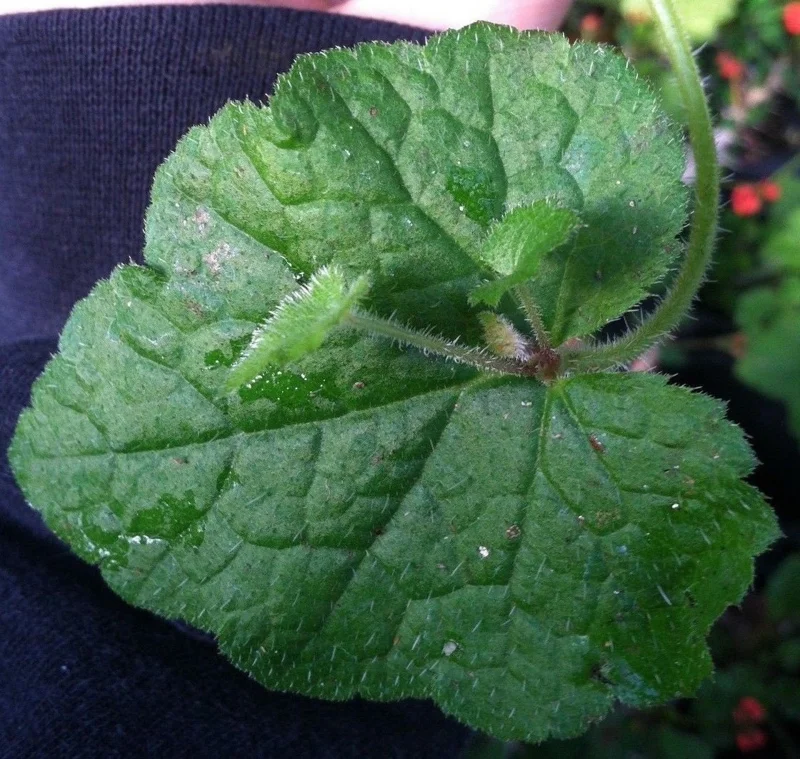
Bring unique charm to your home with the piggyback plant live plant. This delightful Tolmiea Menziesii is known for its fascinating habit of growing new plantlets directly on its mature leaves. An ideal easy care houseplants option, it adds a touch of natural wonder to any indoor space, perfect for beginners and seasoned plant enthusiasts alike.
Estimated arrival
Oct 11
Oct 16 - Oct 18
Oct 21 - Oct 25

Reasonable Price
We offer reasonable price

Support 24/7
Contact us 24 hrs a day

100% Money Back
You've 30 days to Return

Payment Secure
100% secure payment
Overview
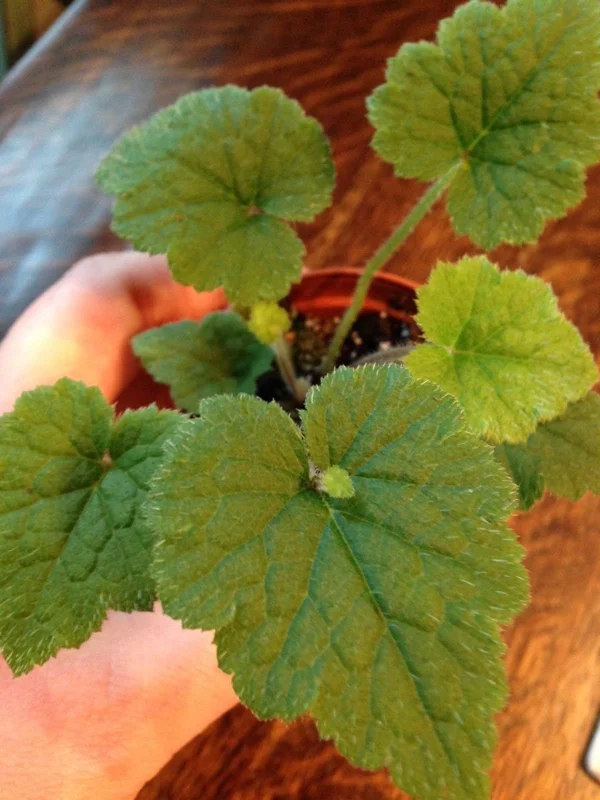
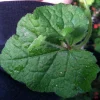
Introduce a truly unique botanical specimen to your indoor garden with the piggyback plant live plant, scientifically known as Tolmiea Menziesii. This captivating perennial is celebrated for its distinctive reproductive method, where new, miniature plantlets emerge at the base of mature leaves, giving it the whimsical ‘piggyback’ appearance. Native to the damp, cool forests of the Pacific Northwest, the piggyback plant live plant thrives in environments that mimic its natural habitat. Its soft, hairy, bright green leaves form an attractive, mounding foliage that can bring a lush, natural aesthetic to any room. This plant is not only a conversation starter but also relatively easy to care for, making it a rewarding addition for both novice and experienced plant parents alike. Its intriguing growth habit makes it a fascinating educational tool for children and adults interested in plant propagation.
The Tolmiea Menziesii, often simply called the piggyback plant live plant, is a fantastic choice for those looking for something beyond the ordinary. Its ability to produce numerous plantlets means you can easily propagate new plants from the parent, sharing its beauty with friends and family. This vigorous grower adapts well to indoor conditions, preferring consistent moisture and indirect light. Whether placed on a desk, a shelf, or in a hanging basket, its cascading foliage and peculiar plantlets will undoubtedly draw attention and admiration. Embrace the charm and simplicity of this botanical wonder.
Key Benefits
The piggyback plant live plant offers a range of benefits that make it a highly desirable addition to any indoor plant collection. Its unique characteristics provide both aesthetic appeal and a rewarding growing experience:
- Distinctive Foliage: The primary allure of the Tolmiea Menziesii lies in its enchanting foliage. The vibrant green, slightly fuzzy leaves are interesting on their own, but the true marvel is the emergence of tiny plantlets directly from the leaf base, creating a visual spectacle unlike most other houseplants.
- Easy Propagation: One of the most enjoyable aspects of growing a piggyback plant live plant is its inherent ease of propagation. Simply detach a leaf with a young plantlet, place it on moist soil, and watch it root, providing an endless supply of new plants for yourself or to share. This makes learning how to grow piggyback plant incredibly satisfying.
- Low Maintenance: This plant is remarkably forgiving, making it an excellent choice for beginners or those with busy lifestyles. With basic care requirements for light and water, it thrives without constant attention, proving itself to be one of the more robust easy care houseplants.
- Air Purifying Qualities: Like many houseplants, the piggyback plant live plant contributes to a healthier indoor environment by helping to filter airborne toxins and improve air quality, creating a fresher and more pleasant living space.
- Versatile Display: Its mounding and slightly trailing growth habit makes it suitable for various display options. It looks fantastic in standard pots, on plant stands, or as a charming addition to a hanging basket, allowing its unique foliage to cascade gracefully.
- Educational Value: For families, the piggyback plant live plant offers a wonderful opportunity to observe plant reproduction firsthand. Watching the plantlets form and grow is a fascinating lesson in botany, especially when teaching children how to grow piggyback plant.
- Pet-Friendly: The Tolmiea Menziesii care is generally considered non-toxic to pets, making it a safer option for homes with curious cats and dogs, though it’s always best to prevent pets from ingesting large quantities of any plant material.
Plant Care & Growing Tips
Caring for your piggyback plant live plant is straightforward, especially when you understand its preferences. Originating from cool, moist environments, it thrives when these conditions are replicated indoors. The right balance of light, water, and humidity will ensure your Tolmiea Menziesii remains vibrant and produces plenty of new plantlets, making how to grow piggyback plant a simple process.
For lighting, the piggyback plant live plant prefers bright, indirect light. Direct sunlight, especially during the hot afternoon hours, can scorch its delicate leaves, leading to browning. An east-facing window is often ideal, providing gentle morning sun, or a north-facing window offering consistent indirect light. If your home lacks sufficient natural light, a grow light positioned a few feet away can supplement its needs. When it comes to watering, consistency is key. Keep the soil consistently moist but never waterlogged. Allow the top inch of soil to dry out slightly before watering again. Overwatering can lead to root rot, while prolonged dryness will cause the leaves to wilt. Good drainage is crucial, so ensure your pot has drainage holes and use a well-draining potting mix. The plant also appreciates high humidity, which can be provided by misting regularly, placing the pot on a pebble tray with water, or using a humidifier, especially in dry indoor environments. Understanding Tolmiea Menziesii care is mostly about mimicking its native habitat.
The ideal temperature range for your piggyback plant live plant is between 60-75°F (15-24°C). Avoid exposing it to extreme temperature fluctuations or cold drafts. It is generally hardy in USDA zones 7-10 if planted outdoors, but it is primarily grown as an indoor plant in most regions. Fertilize sparingly during the growing season (spring and summer) with a balanced liquid fertilizer diluted to half strength, about once a month. Reduce or stop fertilizing during fall and winter. Repotting is typically needed every 1-2 years, or when the plant becomes root-bound. Choose a pot that is only slightly larger than the current one to prevent excess moisture retention. Pruning is minimal; simply remove any yellowing or damaged leaves to maintain a tidy appearance. By following these guidelines, your indoor plant with plantlets will flourish.
Size & Details
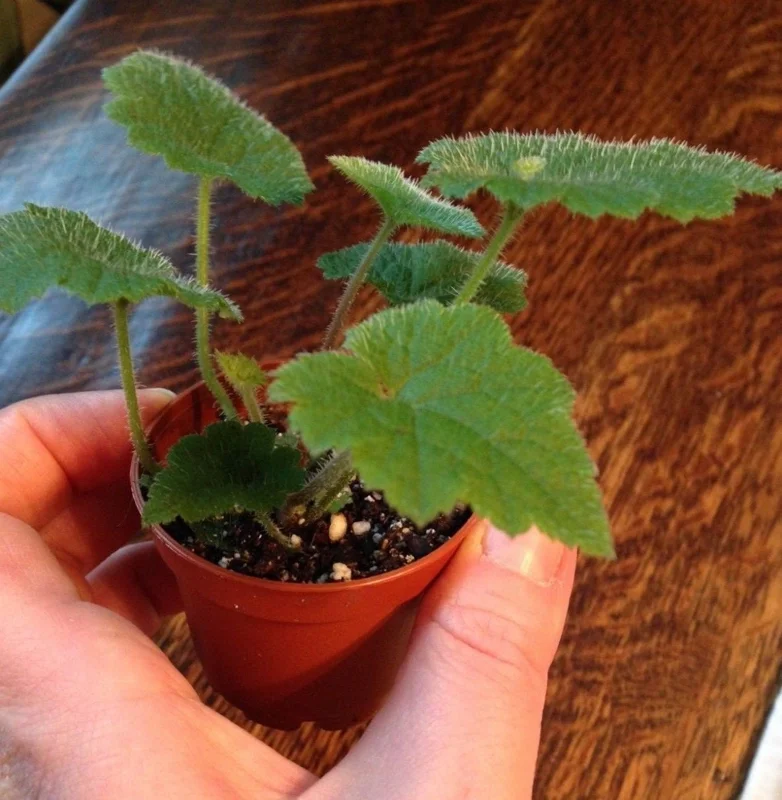
The piggyback plant live plant, or Tolmiea Menziesii, typically forms a compact, mounding habit, growing to an average height and spread of 12-18 inches (30-45 cm) when mature. Its lush, furry green leaves are generally 2-4 inches (5-10 cm) across, and it is from these leaves that the distinctive plantlets emerge. The growth rate is moderate, allowing it to fill out a pot within one to two growing seasons. Your plant will arrive as a healthy, established potted specimen, ready to be introduced to its new indoor environment. It is typically shipped in a nursery pot, ensuring it is well-protected during transit. This indoor plant with plantlets is known for its ability to produce new plantlets throughout the year under optimal conditions, making it a constantly evolving and interesting display. With proper Tolmiea Menziesii care, you can expect continuous healthy growth and abundant new plantlets for propagation, fulfilling your desire for an easy care houseplants option.
Frequently Asked Questions
- Q: How big does this plant get? A: A mature piggyback plant live plant typically reaches a height and spread of 12-18 inches (30-45 cm). Its mounding habit makes it suitable for various indoor spaces, including shelves and hanging baskets.
- Q: Is this an indoor or outdoor plant? A: While native to outdoor, cool forest environments, the piggyback plant live plant is primarily grown as an indoor houseplant in most climates due to its preference for consistent temperatures and humidity. It can be grown outdoors in USDA zones 7-10.
- Q: How much sunlight does it need? A: The piggyback plant live plant thrives in bright, indirect light. Avoid direct afternoon sun, which can scorch its leaves. An east or north-facing window is often ideal for optimal Tolmiea Menziesii care.
- Q: Is this plant easy to care for? A: Yes, the piggyback plant live plant is considered an easy care houseplants option. It’s relatively forgiving and well-suited for beginners, requiring consistent moisture and indirect light.
- Q: What condition will it arrive in? A: Your piggyback plant live plant will arrive as a healthy, established plant in a nursery pot, carefully packaged to ensure its safety during shipping. Please unpack it promptly upon arrival.
- Q: How do you propagate a piggyback plant? A: Propagation is simple! Gently remove a mature leaf with a visible plantlet at its base. Place the leaf, plantlet side down, on moist potting mix, ensuring good contact. Roots will form, and a new plant will grow, making how to grow piggyback plant from cuttings very straightforward.
- Q: Is the piggyback plant pet-safe? A: The piggyback plant live plant (Tolmiea Menziesii) is generally considered non-toxic to cats and dogs. However, it’s always best to discourage pets from ingesting plants to prevent any potential stomach upset.
- Q: What kind of soil does it prefer? A: This indoor plant with plantlets prefers a well-draining, peat-based potting mix that retains moisture without becoming waterlogged. A standard houseplant mix with added perlite or vermiculite works well.
- Q: How often should I water my piggyback plant? A: Keep the soil consistently moist but not soggy. Water when the top inch of soil feels dry to the touch. Adjust frequency based on your home’s humidity and temperature.
- Q: Why are my piggyback plant leaves turning yellow? A: Yellowing leaves can indicate either overwatering (leading to root rot) or underwatering. Check your soil moisture and watering routine. It can also be a sign of insufficient light or nutrient deficiency.
Be the first to review “Piggyback Plant Live Plant – Tolmiea Menziesii – Easy Care Houseplant”
-
USDA Hardiness Zone
USDA zones 7-10 (as an outdoor perennial, but typically grown indoors) -
Soil Type
Well-draining potting mix -
Sunlight Exposure
Bright indirect light -
Expected Planting Period
Year-round indoors
People Also Viewd
Sold 134 products
Original price was: $3,536.00.$23.99Current price is: $23.99.
Sold 132 products
Original price was: $27.00.$24.00Current price is: $24.00.
Sold 132 products
Original price was: $89.99.$64.99Current price is: $64.99.

Sold 125 products
Original price was: $86.99.$66.99Current price is: $66.99.
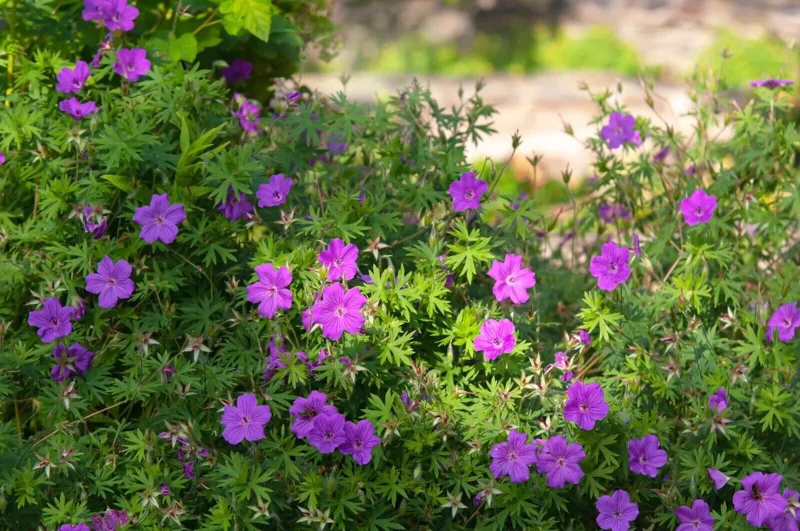
Flower Bulbs
3 Cranesbill Wild Geranium Organic Maculatums Bare Roots | Wildflower for Outdoor Garden
Sold 116 products
Original price was: $21.99.$9.99Current price is: $9.99.
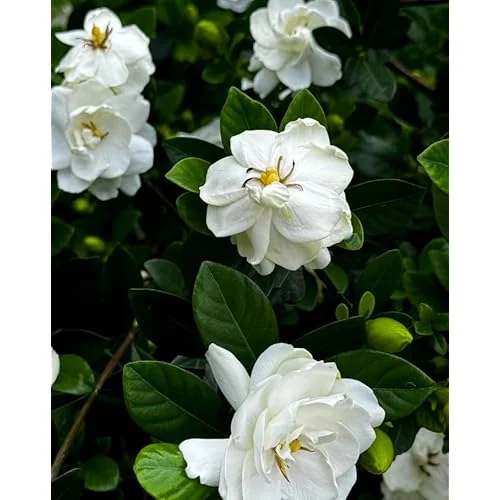
Sold 114 products
Original price was: $28.99.$17.99Current price is: $17.99.
Sold 110 products
Original price was: $63.99.$28.99Current price is: $28.99.
Sold 108 products
Original price was: $28.99.$17.99Current price is: $17.99.RELATED posts
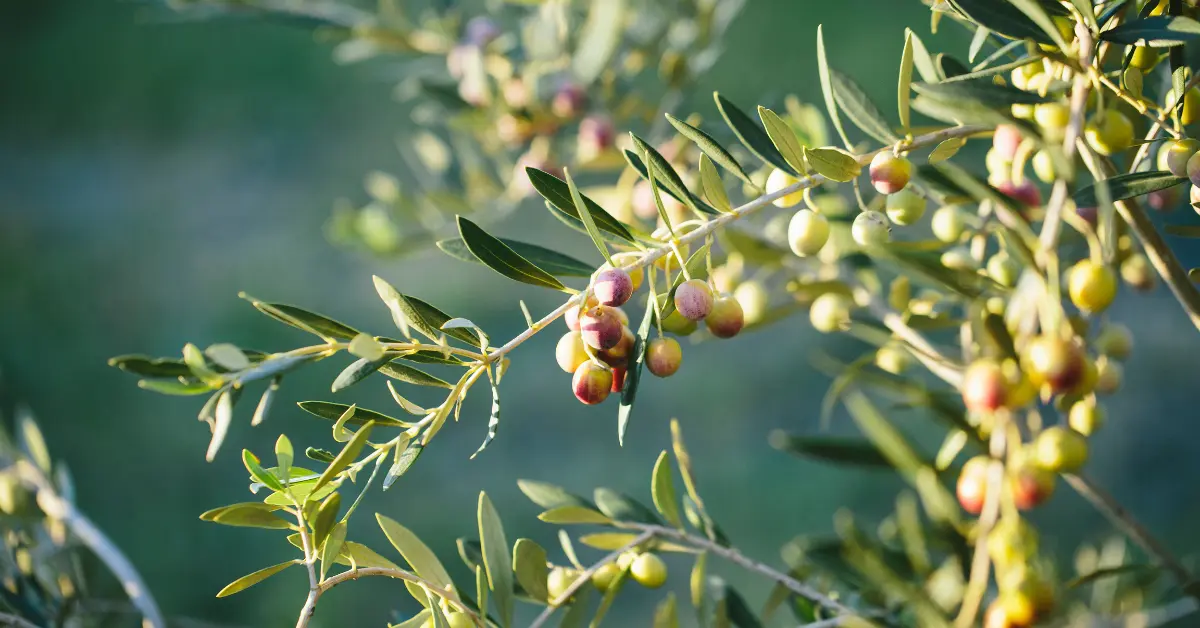
How to Grow Arbequina Olive Trees: The Ultimate Guide to Your Own Olive Grove
Arbequina Olive Tree (Olea europaea ‘Arbequina’) – the ultimate Mediterranean plant that brings a touch [...]
Oct
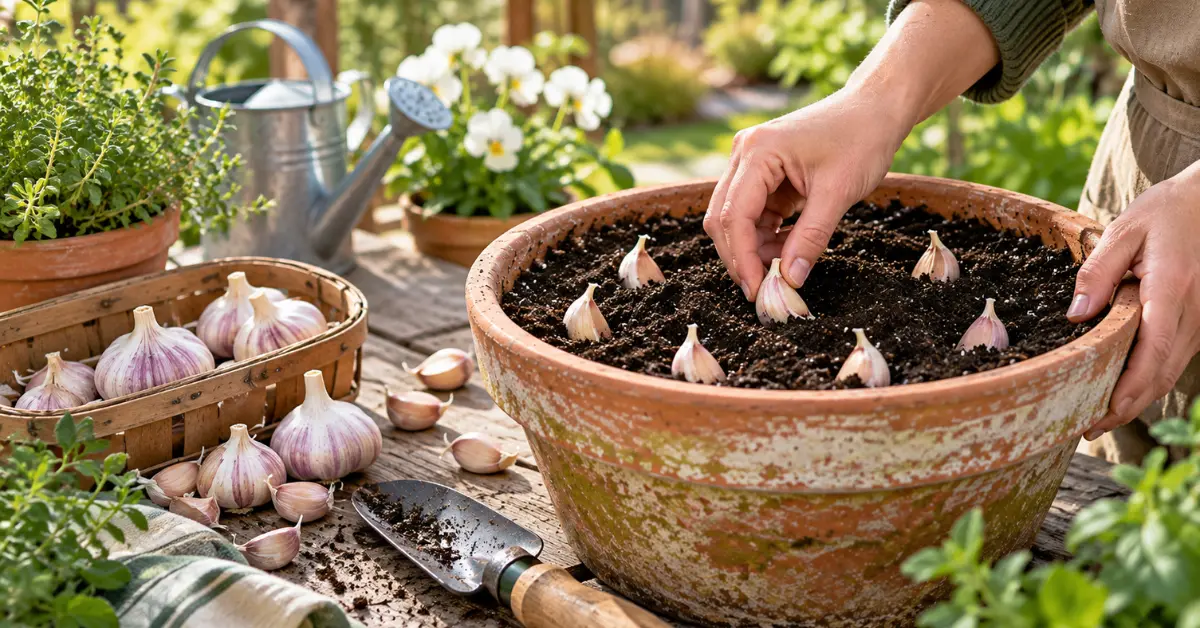
Growing Garlic in Containers This Fall: A Complete Guide for Beginners
If you’ve ever wanted to pop fresh, aromatic garlic cloves straight from your own patio [...]
Sep
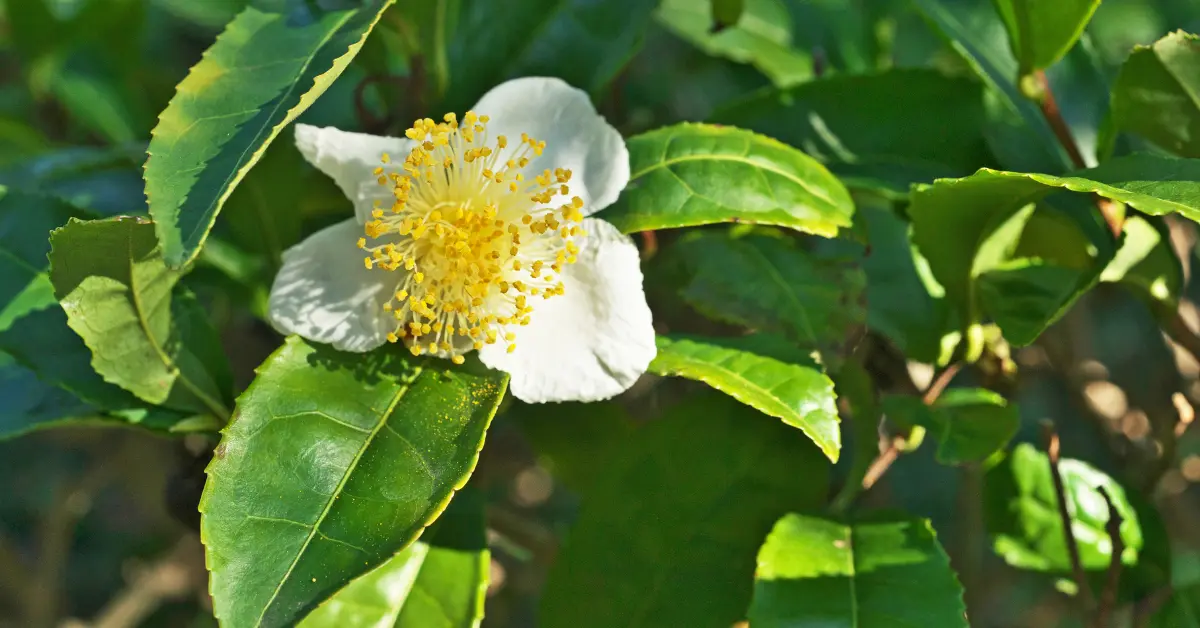
Growing Camellia Sinensis (Tea Plants) in Containers: A Complete Guide for Beginners
If you’ve ever wanted to sip a steaming, homegrown cup of fresh green, black, or [...]
Aug
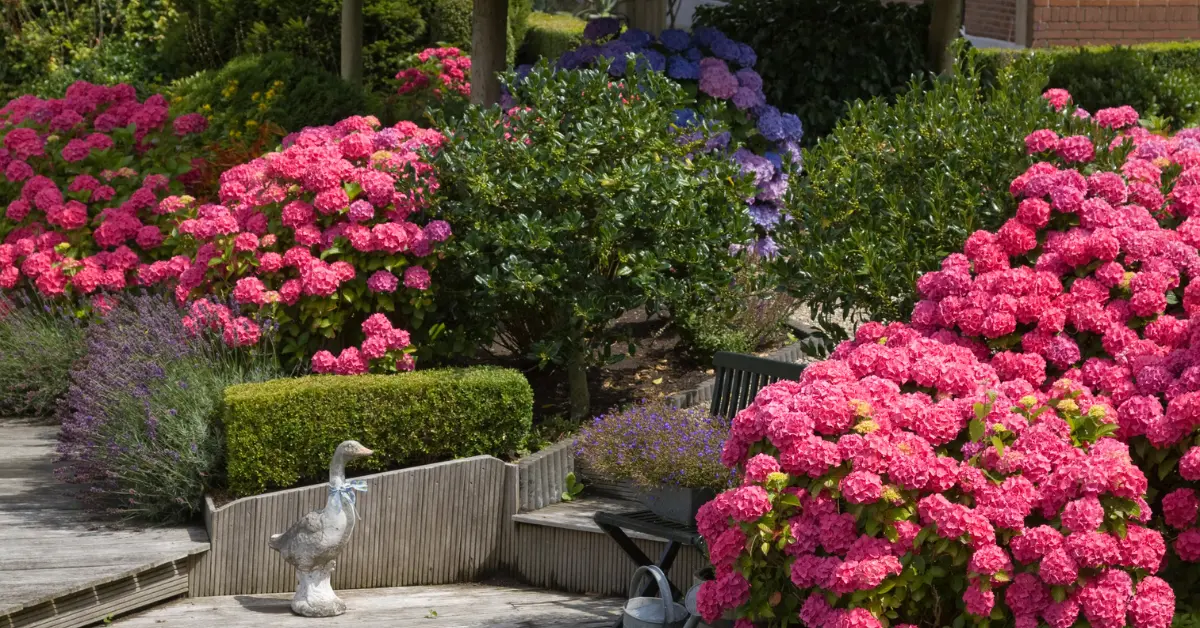
6 Best Shrubs to Plant in August You Must Try
Have you ever walked through a nursery late in the summer, admired the vibrant shrubs [...]
Aug
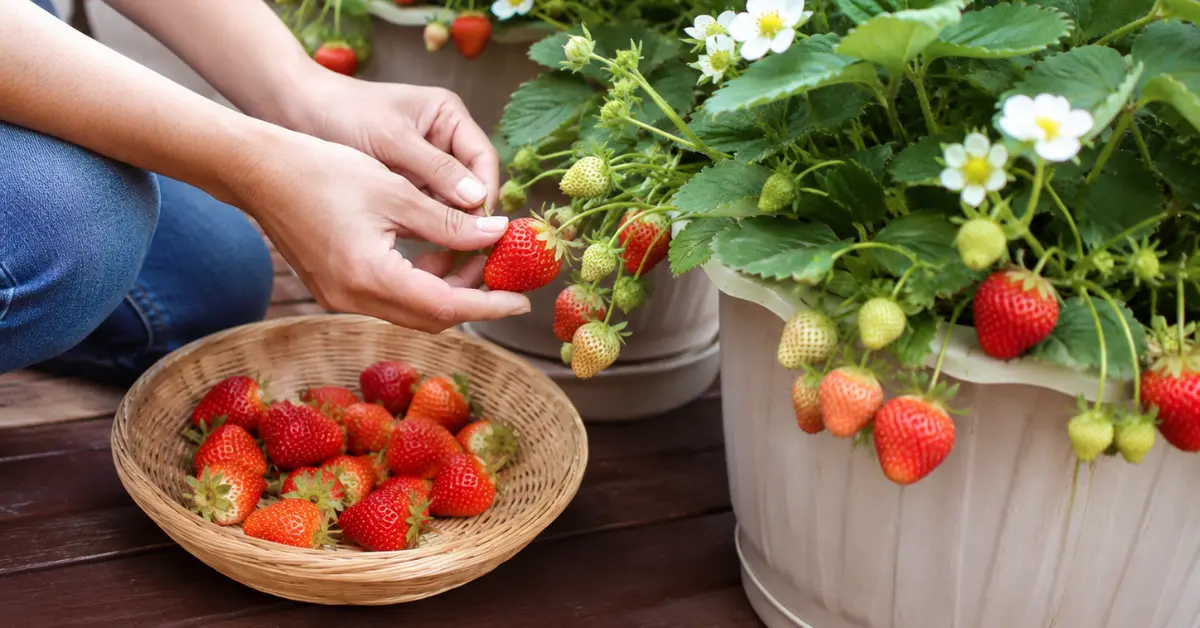
Growing Everbearing Strawberries in Containers: A Complete Guide for Beginners
Want to grow sweet, fresh strawberries but do not have a large garden? Everbearing strawberries [...]
Aug
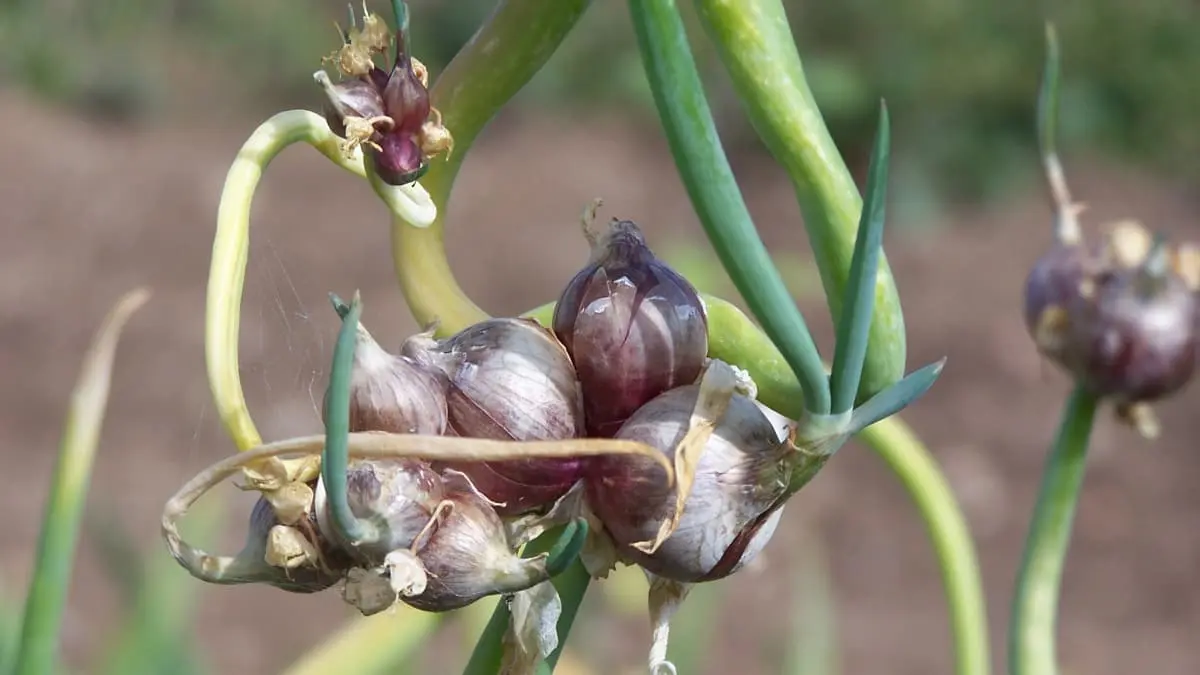
Growing Egyptian Walking Onions in Containers: A Complete Guide for Beginners
If you’re looking for a hardy, no-fuss perennial onion that keeps on giving year after [...]
Jul
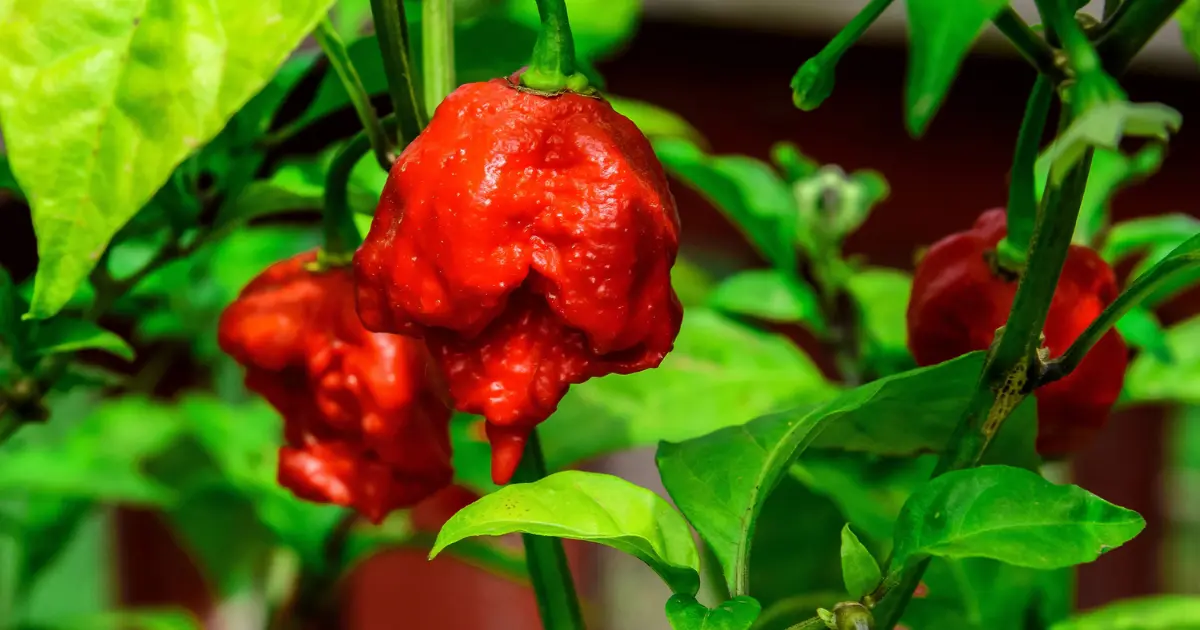
Growing Carolina Reaper Peppers in Pots: A Complete Guide for Beginners
If you’ve ever wanted to add some serious, record-breaking heat to your home cooking, you’ve [...]
May
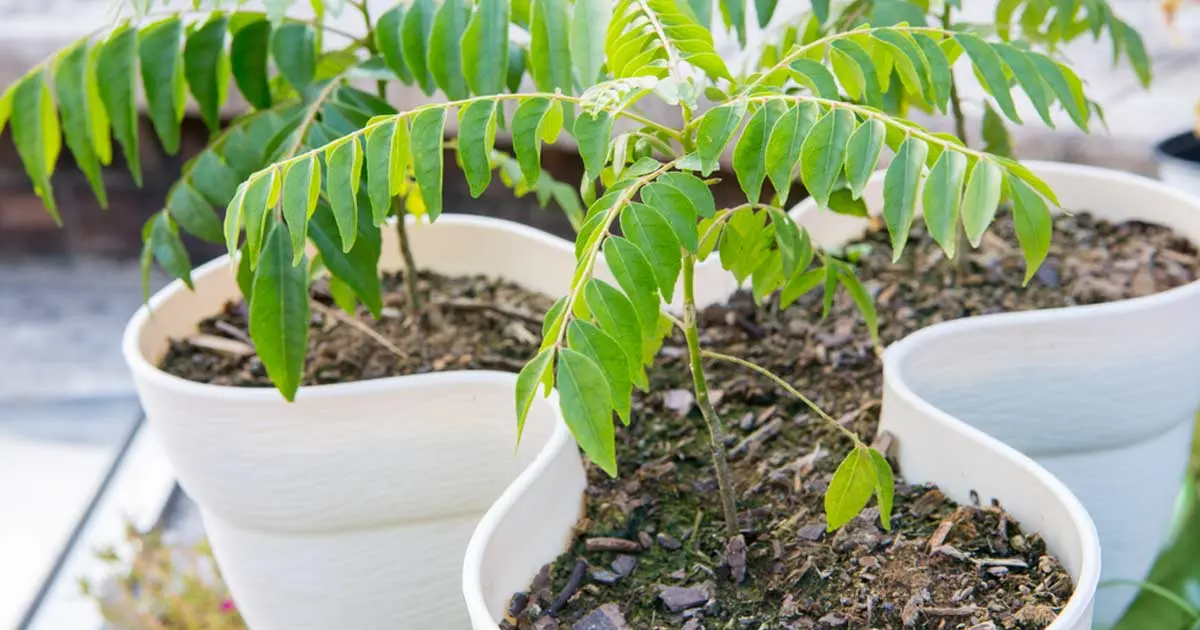
Growing Curry Leaf Plant in Pots: A Complete Guide for Beginners
If you’re a fan of authentic South Asian cuisine, you already know that nothing compares [...]
May
Reviews
There are no reviews yet.