
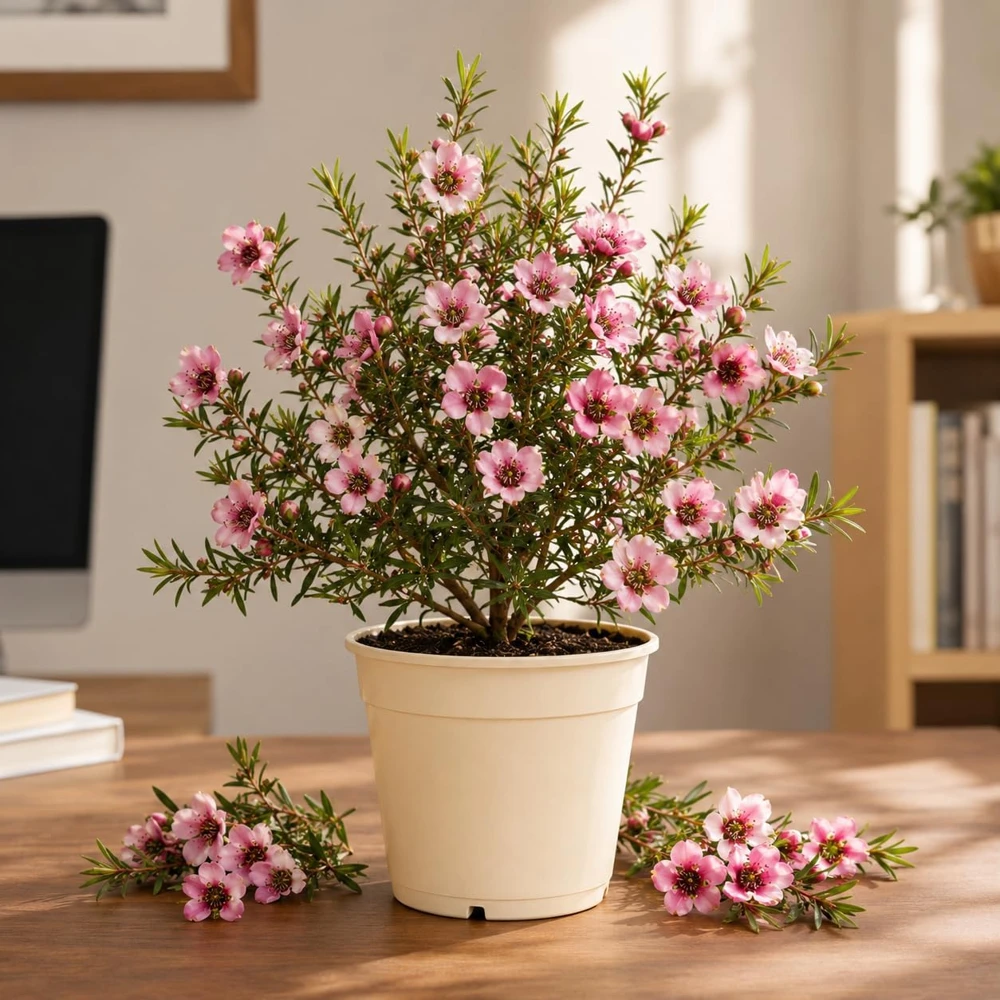


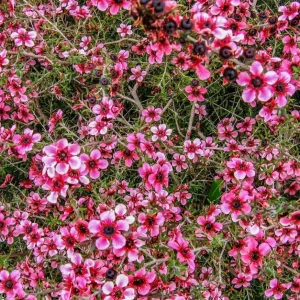
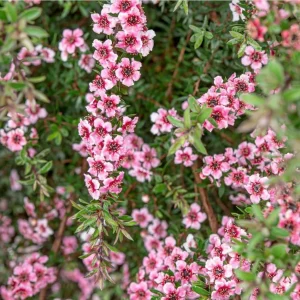
Pink Manuka Tea Live Plant – Leptospermum scoparium – Pink Flowers – 4-6 Inches Tall
Original price was: $42.99.$17.99Current price is: $17.99.
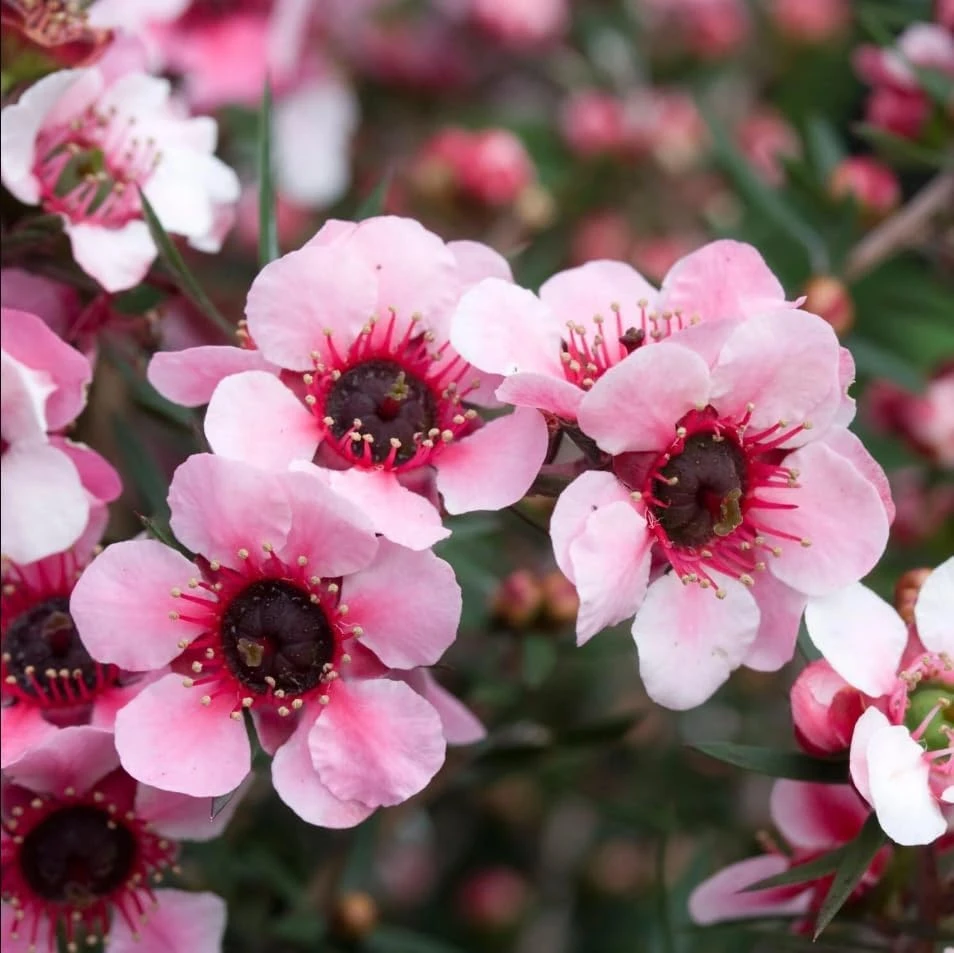
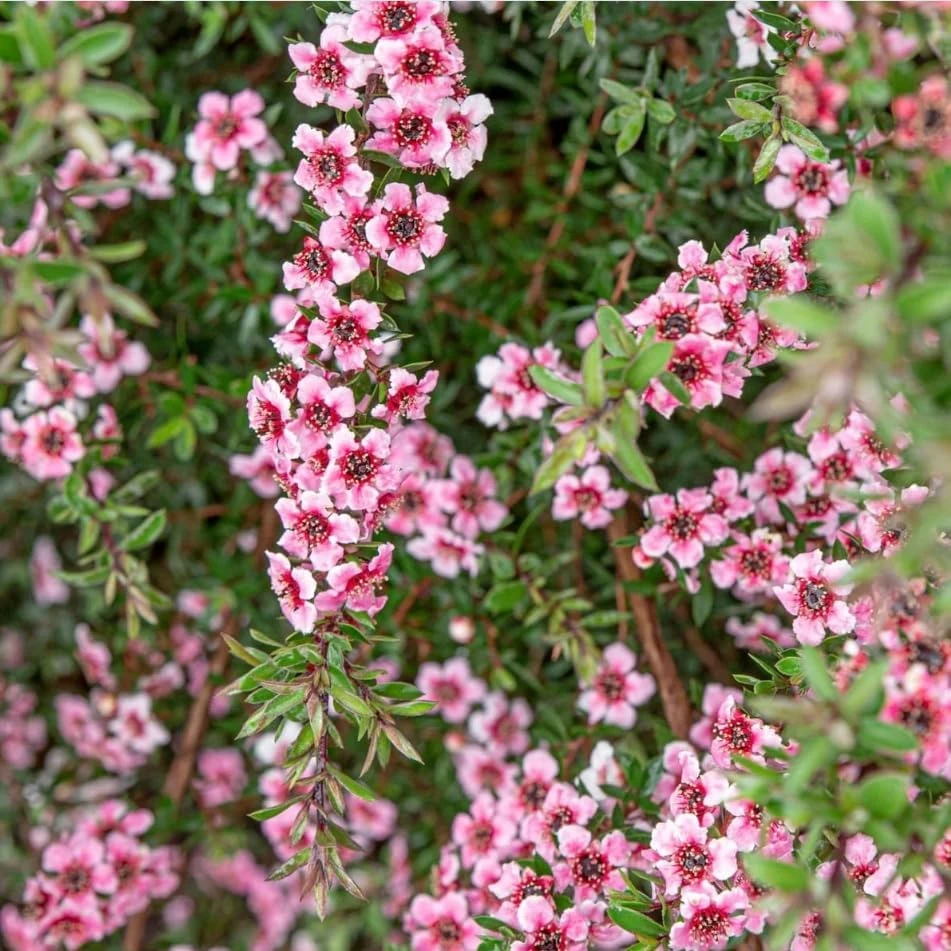
Bring vibrant color to your garden with this beautiful pink manuka tea live plant (Leptospermum scoparium). Known for its delicate pink flowers, this 4-6 inch tall starter plant is perfect for growing in USDA Zones 9–11. Enjoy its spring to early summer blooms and attract beneficial pollinators.
Estimated arrival
Sep 17
Sep 22 - Sep 24
Sep 27 - Oct 01

Reasonable Price
We offer reasonable price

Support 24/7
Contact us 24 hrs a day

100% Money Back
You've 30 days to Return

Payment Secure
100% secure payment
Overview
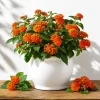
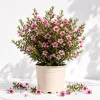
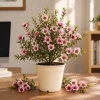
Introduce a touch of natural elegance to your landscape with the pink manuka tea live plant, also known as Leptospermum scoparium. This delightful shrub is celebrated for its abundant, delicate pink flowers that create a stunning visual display from spring to early summer. Originating from New Zealand and Australia, the Leptospermum scoparium plant is a versatile and hardy addition to various garden styles, from cottage gardens to more formal arrangements. You will receive a healthy young starter plant, typically 4-6 inches tall, ready for planting and establishment in your garden or a suitable container. While the photos showcase mature plants, your starter plant is a foundational piece that will grow into a beautiful specimen, eventually adorned with its characteristic vibrant blooms.
The pink manuka tea live plant offers more than just aesthetic appeal; it’s a piece of botanical history. The leaves were traditionally used to make a refreshing tea, and the flowers provide nectar for bees, contributing to the famous Manuka honey. This plant is an excellent choice for gardeners looking to add a low-maintenance yet high-impact flowering shrub to their outdoor space. Its compact growth habit makes it suitable for various garden sizes, and its attractive foliage provides year-round interest even when not in bloom.
Key Benefits
The pink manuka tea live plant offers a multitude of advantages for any garden enthusiast, combining beauty with ecological benefits. Its captivating blooms and robust nature make it a standout choice.
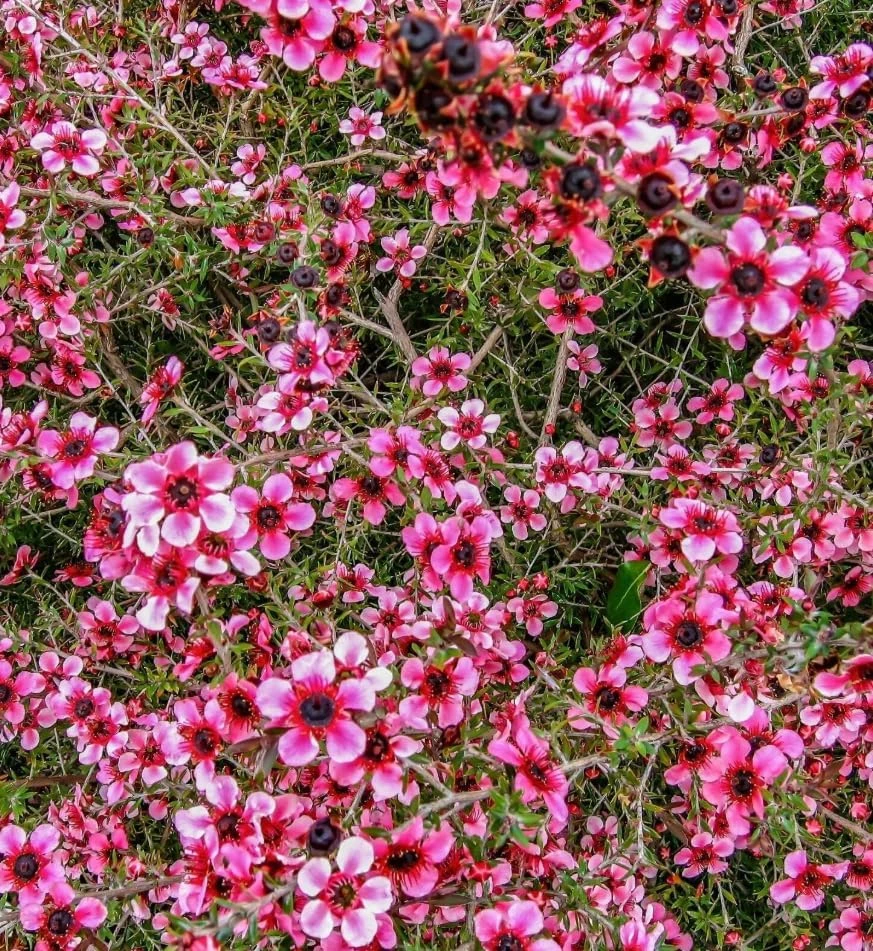
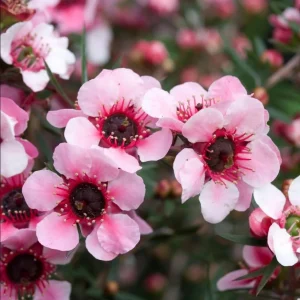
- Stunning Pink Blooms: Enjoy a prolific display of delicate, vibrant pink flowers that adorn the plant throughout spring and early summer, adding a cheerful splash of color to your garden. These blooms are a true highlight and are sure to catch the eye.
- Attracts Pollinators: The nectar-rich flowers are a magnet for bees, butterflies, and other beneficial pollinators, contributing to a healthier and more vibrant ecosystem in your garden. This makes it an excellent choice for a pollinator-friendly garden.
- Low Maintenance Shrub: Once established, the Leptospermum scoparium plant is relatively easy to care for, requiring minimal attention beyond basic watering and occasional pruning. It’s an ideal plant for busy gardeners.
- Versatile Landscaping: Its adaptable nature and moderate size make it suitable for various garden applications, including borders, hedges, foundation plantings, or as a striking specimen plant in a container.
- Drought Tolerant: After its establishment period, this Manuka bush exhibits good drought tolerance, making it a sustainable option for regions with water restrictions or for gardeners seeking water-wise plants.
- Year-Round Interest: Beyond its stunning flowers, the fine-textured foliage of the pink manuka tea live plant provides attractive greenery throughout the year, ensuring your garden always has visual appeal.
- Medicinal History: Historically, the plant’s leaves were used to make tea, and its flowers are crucial for Manuka honey production, adding a fascinating historical and ecological dimension to your garden.
Plant Care & Growing Tips
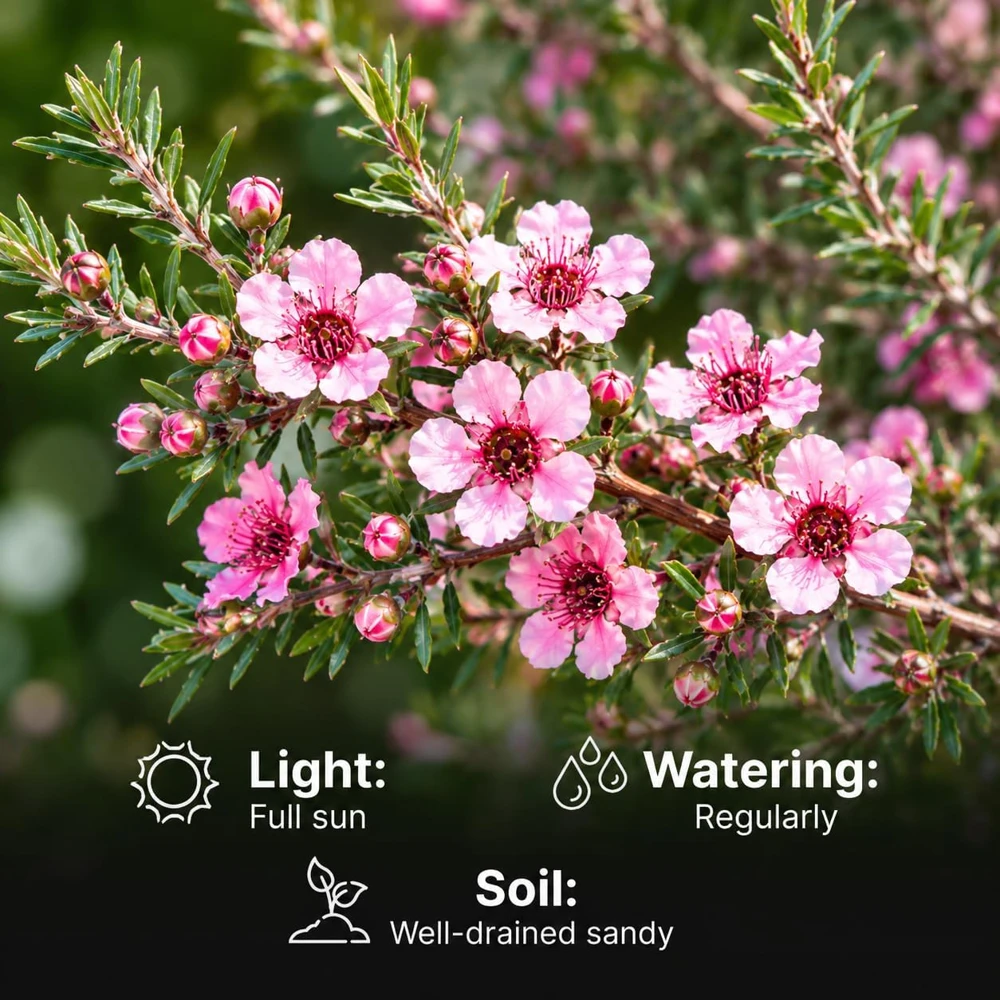
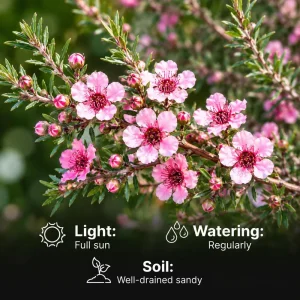
Caring for your pink manuka tea live plant is straightforward, ensuring it thrives and produces its beautiful blooms year after year. Proper placement and consistent care during its establishment phase are key to its long-term health. This pink flowering shrub prefers a location with full sun exposure, meaning it should receive at least 6 hours of direct sunlight daily. While it can tolerate some partial shade, abundant flowering is best achieved in bright, sunny conditions. Ensure good air circulation around the plant to prevent fungal issues.
When it comes to soil, the Leptospermum scoparium plant thrives in well-draining soil. It is adaptable to various soil types but will not tolerate waterlogged conditions, which can lead to root rot. If your soil is heavy clay, consider amending it with organic matter or planting in a raised bed to improve drainage. Water regularly during the plant’s establishment phase, typically the first year after planting, to encourage a strong root system. Once established, water moderately, allowing the top inch or two of soil to dry out between waterings. Avoid overwatering, especially in cooler months. This manuka bush for sale is relatively hardy but benefits from a light, balanced fertilizer in spring to support new growth and flowering.
The ideal temperature range for this plant is between 50 degrees Fahrenheit and 85 degrees Fahrenheit. It is best suited for USDA Zones 9–11, where it can be grown outdoors year-round. In colder zones, it can be grown in containers and brought indoors during winter or treated as an annual. Pruning is beneficial to maintain shape and encourage bushier growth. Light pruning after the main flowering period will help prepare the plant for the next season’s blooms. Watch out for common pests like scale or mealybugs, and treat with horticultural oil or insecticidal soap if necessary.
Size & Details
This offering is for one pink manuka tea live plant, which will arrive as a young starter plant, approximately 4-6 inches tall. It is shipped without a pot, meaning it will be a bare root or plug plant, carefully packaged to ensure its health during transit. Please note that the growth rate of this pink flowering shrub is moderate, and it will take some time to reach its mature size. Typically, Manuka bushes can grow to be 6-10 feet tall and 4-8 feet wide, depending on growing conditions and pruning practices. The plant will establish its root system and begin to show significant growth in its first season, with flowering commencing in subsequent years.
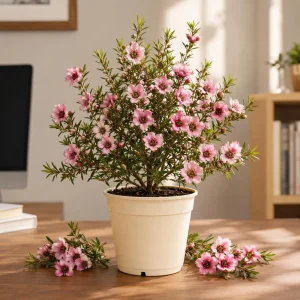
The photos provided illustrate mature plants, giving an indication of the potential beauty your starter plant will achieve with proper care and time. Your young plant may not have flowers, fruits, or the same extensive branching as a mature specimen upon arrival, as it is a developing plant ready to embark on its growth journey in your garden. The blooming season for this pink manuka tea live plant is generally from spring to early summer, providing a vibrant display during these months. It’s important to provide a suitable environment, particularly in terms of soil and light, to ensure optimal growth and flowering for your new manuka tea plant care specimen.
Frequently Asked Questions
- Q: How big does this plant get? A: This pink manuka tea live plant is a starter plant, typically 4-6 inches tall upon arrival. With proper care, it can mature into a shrub reaching 6-10 feet tall and 4-8 feet wide, depending on growing conditions and pruning.
- Q: What size pot does it come in? A: This plant is shipped without a pot, as a young starter plant or plug. You will need to plant it directly into your garden or a suitable container upon arrival.
- Q: Is this an indoor or outdoor plant? A: The Leptospermum scoparium plant is primarily an outdoor plant, suitable for USDA Zones 9–11. In colder climates, it can be grown in containers and brought indoors during winter.
- Q: How much sunlight does it need? A: This pink flowering shrub thrives in full sun, requiring at least 6 hours of direct sunlight per day to ensure abundant flowering and healthy growth.
- Q: Is this plant easy to care for? A: Yes, once established, the pink manuka tea live plant is considered low-maintenance. It requires regular watering during establishment but becomes more drought-tolerant thereafter.
- Q: What condition will it arrive in? A: You will receive a young, healthy starter plant, 4-6 inches tall. It may not have flowers or the full appearance of a mature plant, as it is a young specimen ready for planting.
- Q: When is the best time to plant? A: Spring to early summer is an ideal time to plant your manuka bush for sale, allowing it ample time to establish before cooler temperatures arrive.
- Q: Will it survive winter in my zone? A: This plant is hardy in USDA Zones 9–11. If you are in a colder zone, it’s best to grow it in a container and provide winter protection indoors or in a sheltered location.
- Q: Can I make tea from the leaves? A: Historically, the leaves of Leptospermum scoparium have been used to make a tea. However, this plant is primarily sold for ornamental purposes, and consumption should be done with caution and proper research.
- Q: What kind of soil does it prefer? A: The pink manuka tea live plant prefers well-draining soil. Avoid heavy, waterlogged soils, which can lead to root rot. Amending with organic matter can improve drainage.
Be the first to review “Pink Manuka Tea Live Plant – Leptospermum scoparium – Pink Flowers – 4-6 Inches Tall”
-
USDA Hardiness Zone
USDA Zones 9–11 -
Soil Type
Well-draining soil -
Sunlight Exposure
Full sun -
Expected Planting Period
Spring to early summer
People Also Viewd
Sold 134 products
Original price was: $3,536.00.$23.99Current price is: $23.99.
Sold 131 products
Original price was: $27.00.$24.00Current price is: $24.00.
Sold 131 products
Original price was: $89.99.$64.99Current price is: $64.99.

Sold 125 products
Original price was: $86.99.$66.99Current price is: $66.99.
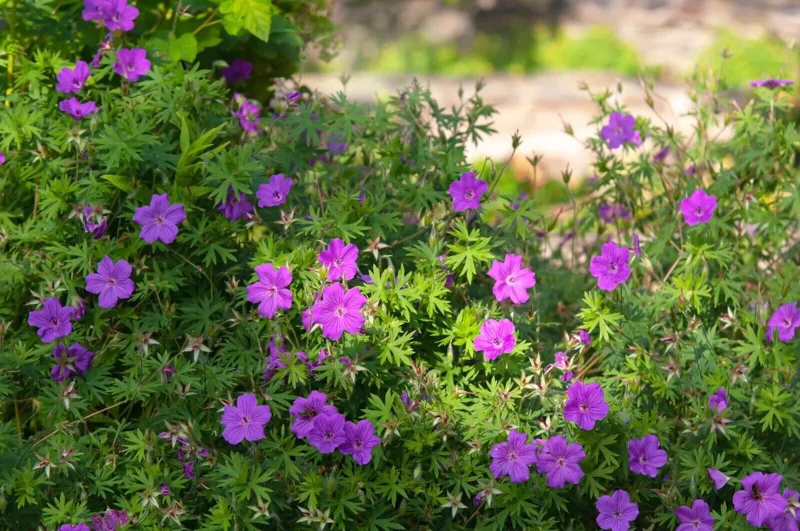
Flower Bulbs
3 Cranesbill Wild Geranium Organic Maculatums Bare Roots | Wildflower for Outdoor Garden
Sold 116 products
Original price was: $21.99.$9.99Current price is: $9.99.
Sold 114 products
Original price was: $28.99.$17.99Current price is: $17.99.
Sold 110 products
Original price was: $63.99.$28.99Current price is: $28.99.
Sold 108 products
Original price was: $28.99.$17.99Current price is: $17.99.RELATED posts
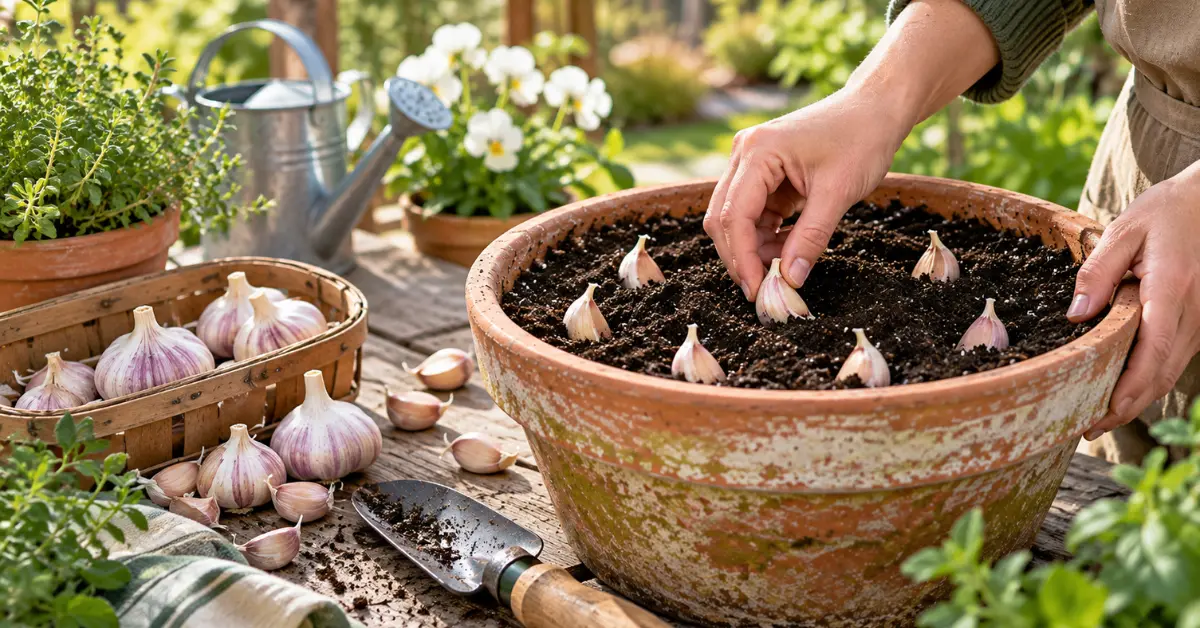
Growing Garlic in Containers This Fall: A Complete Guide for Beginners
If you’ve ever wanted to pop fresh, aromatic garlic cloves straight from your own patio [...]
Sep
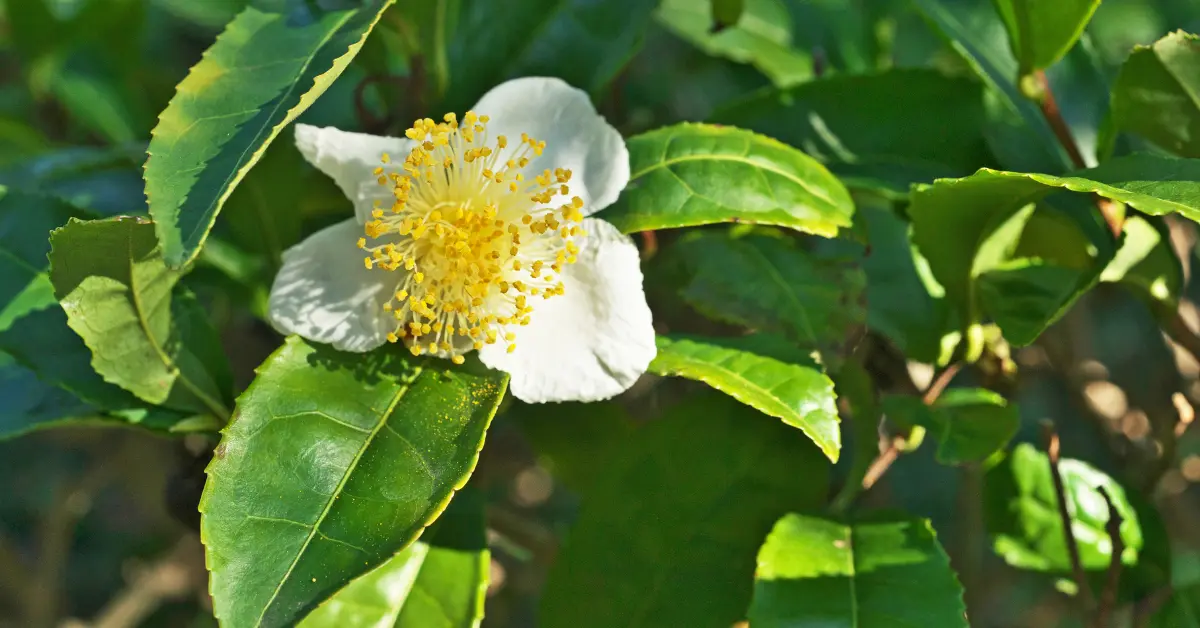
Growing Camellia Sinensis (Tea Plants) in Containers: A Complete Guide for Beginners
If you’ve ever wanted to sip a steaming, homegrown cup of fresh green, black, or [...]
Aug
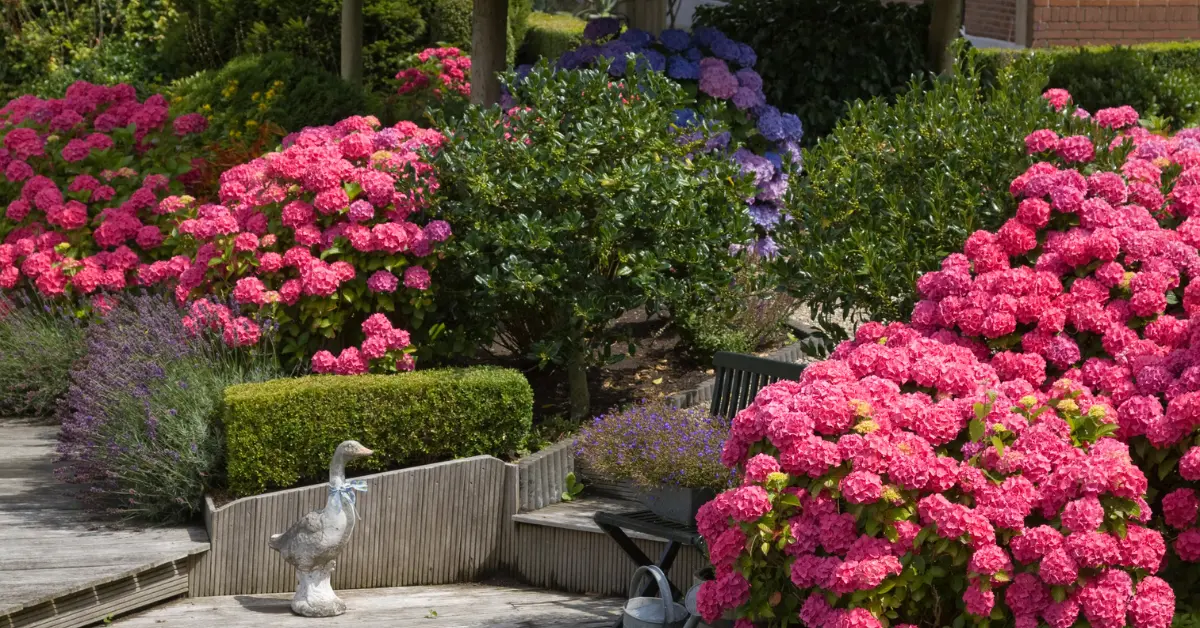
6 Best Shrubs to Plant in August You Must Try
Have you ever walked through a nursery late in the summer, admired the vibrant shrubs [...]
Aug
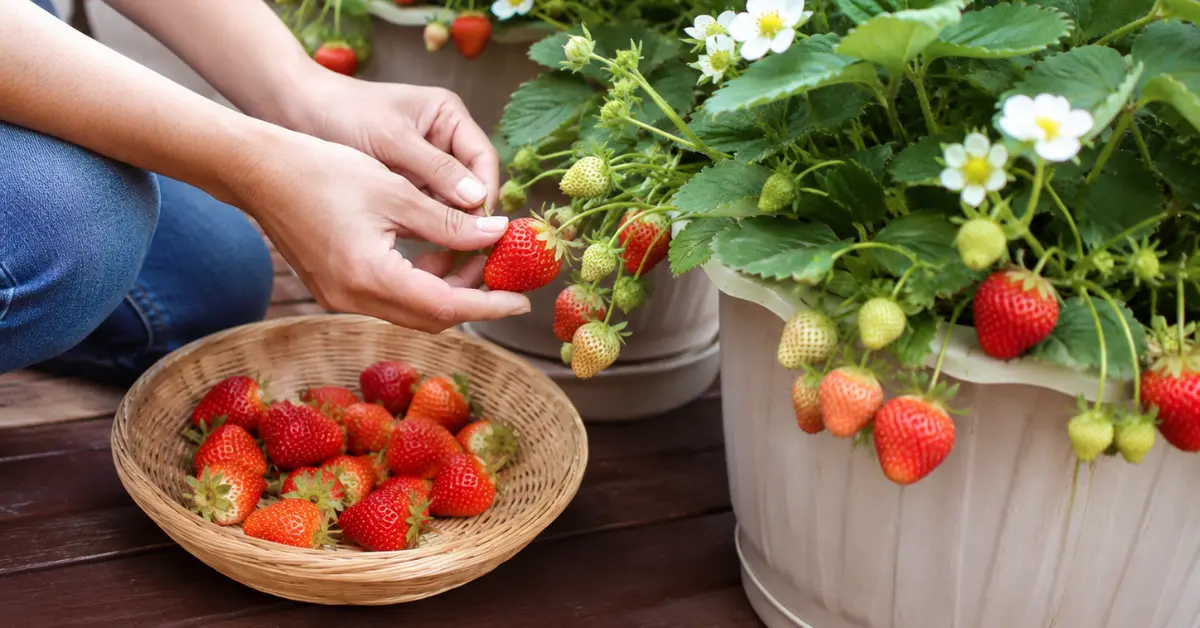
Growing Everbearing Strawberries in Containers: A Complete Guide for Beginners
Want to grow sweet, fresh strawberries but do not have a large garden? Everbearing strawberries [...]
Aug
Growing Egyptian Walking Onions in Containers: A Complete Guide for Beginners
If you’re looking for a hardy, no-fuss perennial onion that keeps on giving year after [...]
Jul
Growing Carolina Reaper Peppers in Pots: A Complete Guide for Beginners
If you’ve ever wanted to add some serious, record-breaking heat to your home cooking, you’ve [...]
May
Growing Curry Leaf Plant in Pots: A Complete Guide for Beginners
If you’re a fan of authentic South Asian cuisine, you already know that nothing compares [...]
May
5 Tips for Growing Carolina Reaper Peppers to Get the Spiciest Harvest Ever
Holding the record for one of the world’s hottest peppers, the Reaper isn’t just a [...]
May
Reviews
There are no reviews yet.