
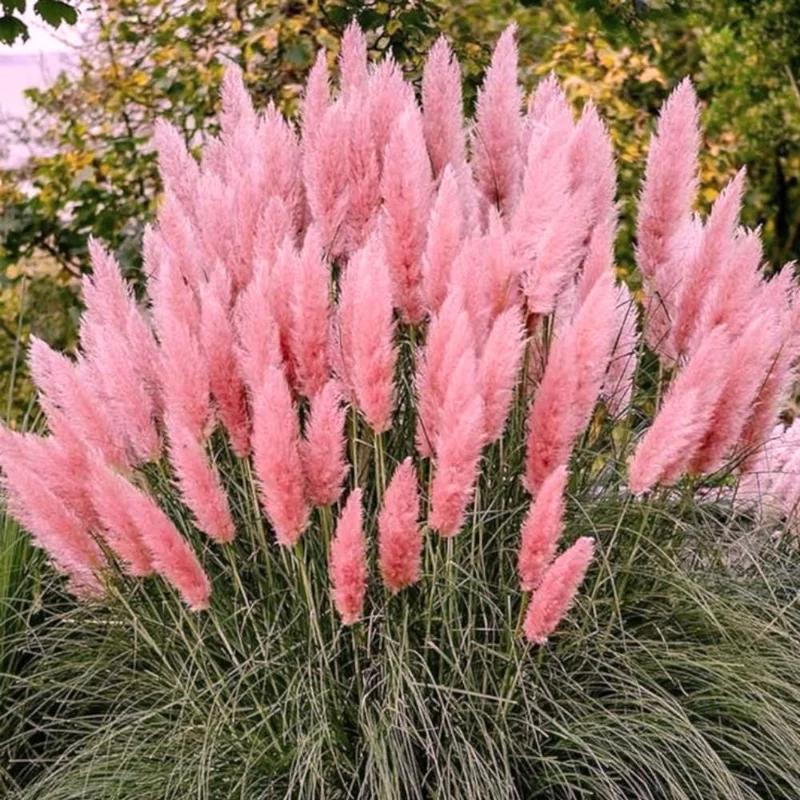
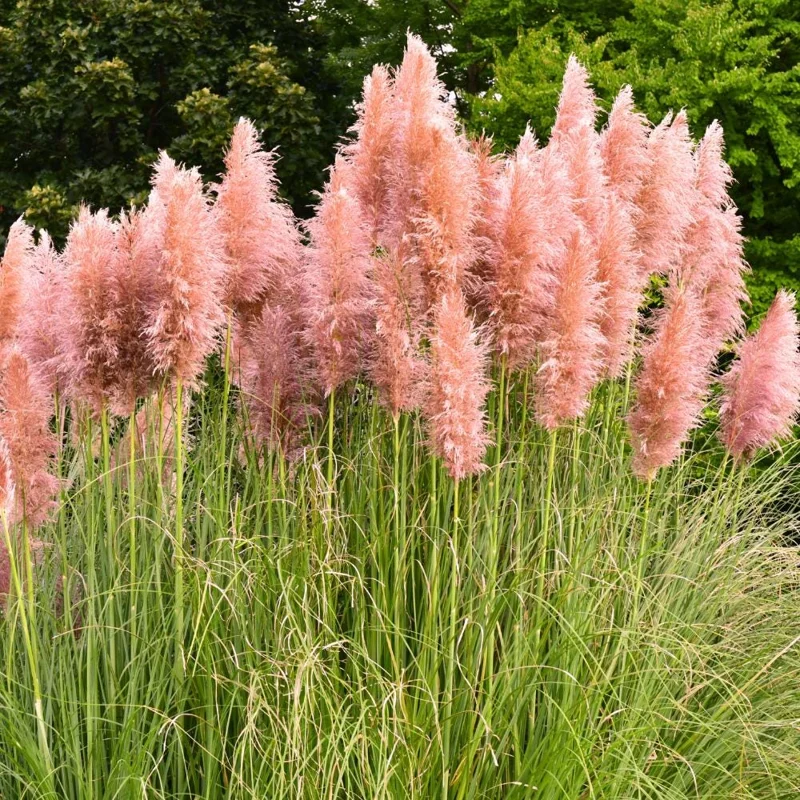
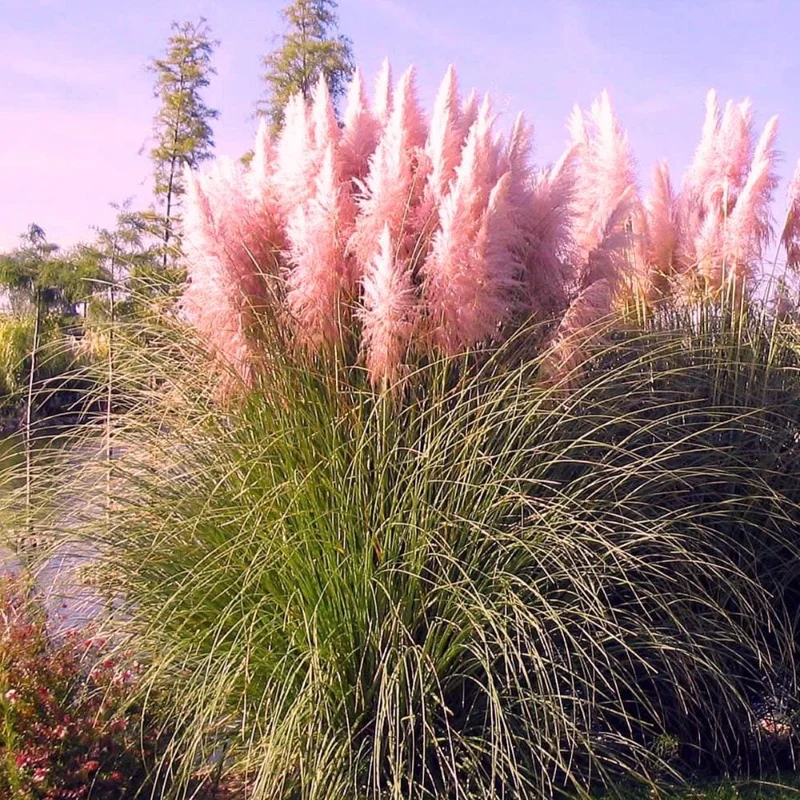
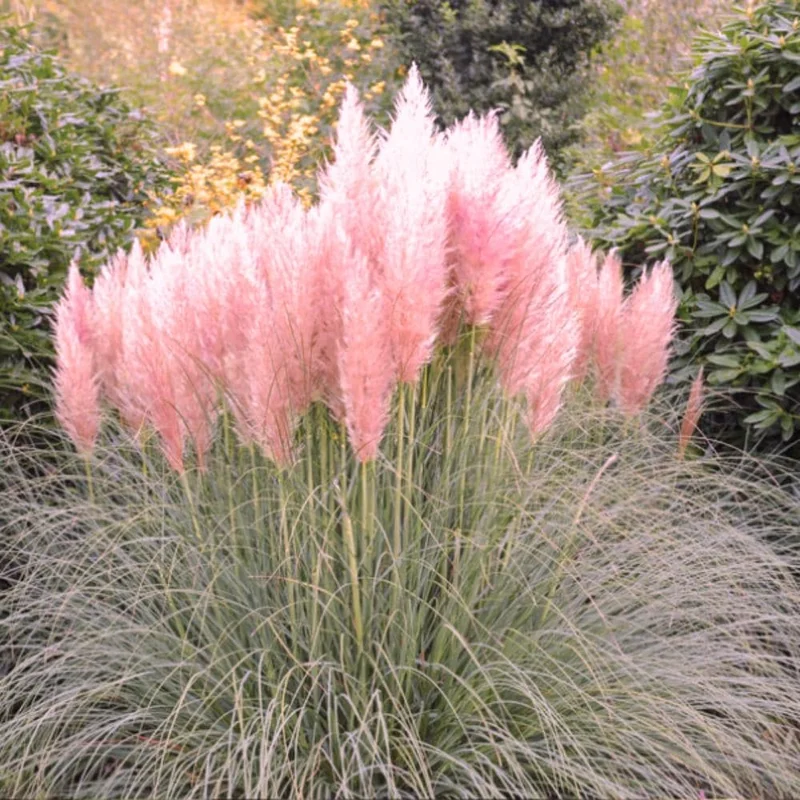
Pink Pampas Grass Live Plant 4-7 In Tall – Ornamental Garden Grass
Original price was: $54.49.$25.49Current price is: $25.49.
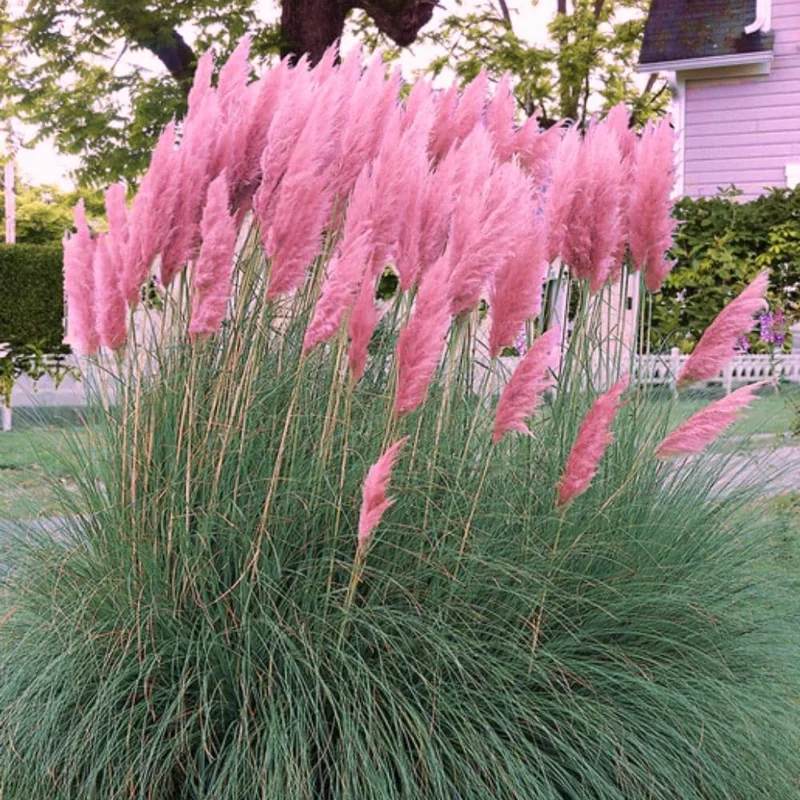
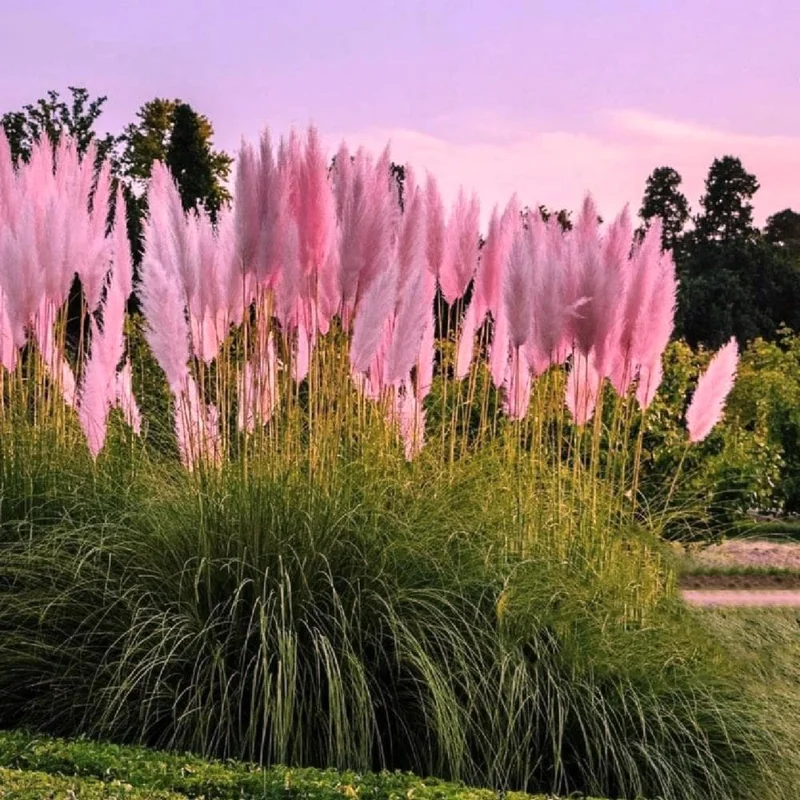
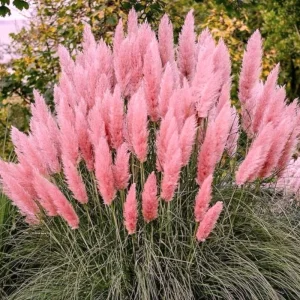
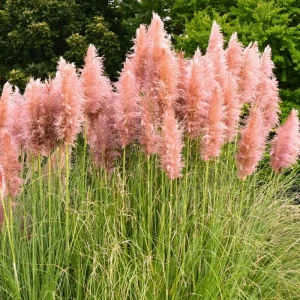
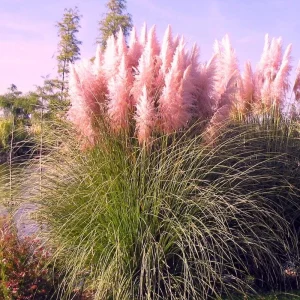
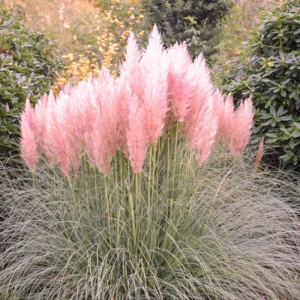
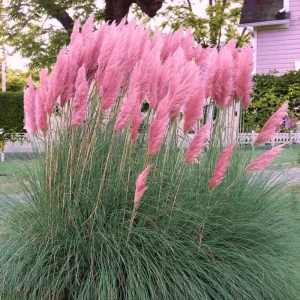
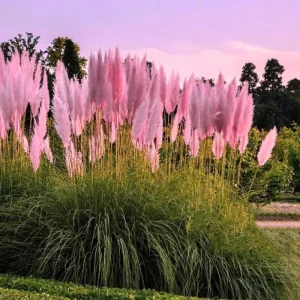
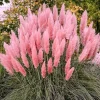
Introduce striking beauty to your landscape with a pink pampas grass live plant. This ornamental grass features feathery pink plumes, adding elegant texture and vibrant color. Ideal for gardens and containers, it’s a hardy and easy-to-grow decorative plant.
Estimated arrival
Oct 11
Oct 16 - Oct 18
Oct 21 - Oct 25

Reasonable Price
We offer reasonable price

Support 24/7
Contact us 24 hrs a day

100% Money Back
You've 30 days to Return

Payment Secure
100% secure payment
Overview
Transform your garden into a captivating haven with the exquisite pink pampas grass live plant. Known botanically as Cortaderia selloana ‘Rosea’, this stunning ornamental grass is celebrated for its dramatic, feathery pink plumes that sway gracefully in the breeze. Originating from South America, pampas grass has become a beloved choice for landscape designers and home gardeners alike due to its striking appearance and relatively low maintenance. This particular variety, ‘Rosea’, offers a beautiful blush of pink, distinguishing it from the more common white or silver types. Whether you’re aiming to create a bold focal point, add texture to a border, or introduce movement to your outdoor space, this pink pampas grass live plant is an excellent selection. It’s a robust and visually impactful plant that will elevate the aesthetic of any garden or large container arrangement, promising a display of vibrant color and elegant form for years to come.
Key Benefits
Choosing a pink pampas grass live plant brings a multitude of advantages to your garden and outdoor living areas. Its unique attributes make it a standout choice for various landscaping needs, offering both aesthetic appeal and practical benefits:
- Dramatic Visual Impact: The tall, arching foliage and magnificent pink plumes create an instant focal point, adding significant architectural interest and a touch of modern elegance to any garden design.
- Vibrant Color and Texture: Unlike many garden grasses, the distinctive rosy-pink hue of its plumes provides a unique color accent, while the feathery texture adds softness and movement, enhancing the sensory experience of your landscape.
- Low Maintenance & Hardy: This ornamental grass is remarkably resilient and easy to care for once established. It tolerates a range of conditions and requires minimal attention, making it perfect for both novice and experienced gardeners. Enjoy a beautiful garden without constant upkeep.
- Drought Tolerant: Once mature, pink pampas grass live plant is highly drought-tolerant, making it an excellent choice for xeriscaping or gardens in regions with water restrictions. It thrives on less water than many other decorative plants.
- Versatile Landscaping Use: Ideal for borders, mass plantings, privacy screens, erosion control on slopes, or as a specimen plant in large containers. Its adaptability allows for creative integration into diverse garden styles.
- Attracts Wildlife: The dense foliage provides shelter for small birds, while the plumes can offer nesting material, contributing to local biodiversity in your garden.
- Year-Round Interest: While the plumes are most spectacular in late summer and fall, the evergreen to semi-evergreen foliage provides structural interest throughout the year, ensuring your garden always has a beautiful element.
Plant Care & Growing Tips
Caring for your pink pampas grass live plant is straightforward, ensuring a spectacular display with minimal effort. This hardy ornamental grass thrives when its basic needs are met, rewarding you with lush foliage and stunning plumes. For optimal growth, ensure your plant receives ample sunlight. Pink pampas grass prefers full sun, meaning at least 6-8 hours of direct sunlight per day. While it can tolerate some partial shade, too little light may result in fewer and less vibrant plumes.
When it comes to watering, young plants require regular moisture to establish a strong root system. Once mature, this grass is quite drought-tolerant and can withstand dry periods. Water deeply but infrequently, allowing the soil to dry out completely between waterings. Overwatering can lead to root rot, so ensure excellent drainage. Speaking of soil, growing pampas grass is best achieved in well-drained soil. It’s not particular about soil type and can thrive in sandy, loamy, or clay soils, as long as they drain well. Amend heavy clay soils with organic matter to improve drainage.
Pink pampas grass is generally hardy in USDA zones 7-11, though some varieties can tolerate zone 6 with protection. It’s crucial to consider your local climate. Fertilization is typically not necessary for established plants, especially in rich soil. If your soil is poor, a balanced, slow-release granular fertilizer in early spring can encourage vigorous growth. Pruning is essential for maintaining a tidy appearance and promoting new growth. In late winter or early spring, before new growth appears, cut back the entire plant to about 12-24 inches from the ground. Wear protective clothing, as the leaves can be sharp. Watch out for common pests like spider mites in very dry conditions, and treat with insecticidal soap if necessary. By following these simple guidelines, your ornamental grass for garden will flourish and become a magnificent feature.
Size & Details
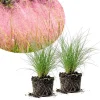
This pink pampas grass live plant is typically shipped at a height of 4-7 inches tall, perfectly sized for transplanting and establishing quickly in your garden or container. It arrives as a healthy, actively growing specimen, ready to be introduced to its new environment. When mature, this impressive ornamental grass can reach heights of 5-8 feet with an equal spread, forming a substantial clump that commands attention. The feathery plumes, which are the plant’s most striking feature, emerge in late summer and fall, often extending well above the foliage, adding another 1-2 feet to its overall height. It has a moderate to fast growth rate, quickly filling in spaces and creating a lush, full appearance within a few growing seasons. The plant is shipped in a nursery pot, ensuring its roots are protected and hydrated during transit, allowing for an easy transition to your chosen planting site. Expect a spectacular display of both foliage and plumes as it reaches maturity.
Frequently Asked Questions
- Q: How big does this plant get? A: This pink pampas grass live plant typically grows to a mature height of 5-8 feet tall, with its impressive plumes adding an extra foot or two. It forms a substantial clump with an equal spread.
- Q: Is this an indoor or outdoor plant? A: Pink pampas grass is primarily an outdoor plant, best suited for gardens and landscapes where it can receive full sun and has ample space to grow. It can be grown in very large outdoor containers but is not suitable for indoor cultivation.
- Q: How much sunlight does it need? A: This ornamental grass thrives in full sun, requiring at least 6-8 hours of direct sunlight per day to produce the most vibrant plumes and maintain healthy growth.
- Q: Is this plant easy to care for? A: Yes, growing pampas grass is considered easy once established. It’s a low-maintenance plant that tolerates various soil conditions and is quite drought-tolerant. Annual pruning is its main requirement.
- Q: What condition will it arrive in? A: Your pink pampas grass live plant will arrive as a healthy, actively growing plant, typically 4-7 inches tall, in a nursery pot with its roots protected and hydrated, ready for planting.
- Q: When is the best time to plant pink pampas grass? A: The best time to plant pink pampas grass is in the spring or early fall, allowing the plant sufficient time to establish its root system before extreme summer heat or winter cold.
- Q: Will it survive winter in my zone? A: Pink pampas grass is generally hardy in USDA zones 7-11. In colder zones (like zone 6), it may require winter protection, such as mulching the base, to help it survive.
- Q: What is the best way to prune pink pampas grass? A: To prune, cut back the entire plant to about 12-24 inches from the ground in late winter or early spring before new growth emerges. Use heavy gloves and long sleeves as the leaves can be sharp.
- Q: Can I use this for privacy screening? A: Yes, due to its mature size and dense growth, pink pampas grass makes an excellent choice for creating natural privacy screens or windbreaks in your garden.
- Q: What is the scientific name for pink pampas grass? A: The scientific name for pink pampas grass is Cortaderia selloana ‘Rosea’. Understanding the botanical name can help with more specific care information, especially for those interested in cortaderia selloana rosea.
Be the first to review “Pink Pampas Grass Live Plant 4-7 In Tall – Ornamental Garden Grass”
-
USDA Hardiness Zone
USDA zones 7-11 -
Soil Type
Well-draining soil -
Sunlight Exposure
Full sun -
Expected Planting Period
Spring to early fall
People Also Viewd


Sold 134 products
Original price was: $3,536.00.$23.99Current price is: $23.99.

Sold 132 products
Original price was: $27.00.$24.00Current price is: $24.00.

Sold 132 products
Original price was: $89.99.$64.99Current price is: $64.99.

Sold 125 products
Original price was: $86.99.$66.99Current price is: $66.99.

Flower Bulbs
3 Cranesbill Wild Geranium Organic Maculatums Bare Roots | Wildflower for Outdoor Garden
Sold 116 products
Original price was: $21.99.$9.99Current price is: $9.99.

Sold 114 products
Original price was: $28.99.$17.99Current price is: $17.99.
Sold 110 products
Original price was: $63.99.$28.99Current price is: $28.99.
Sold 108 products
Original price was: $28.99.$17.99Current price is: $17.99.RELATED posts
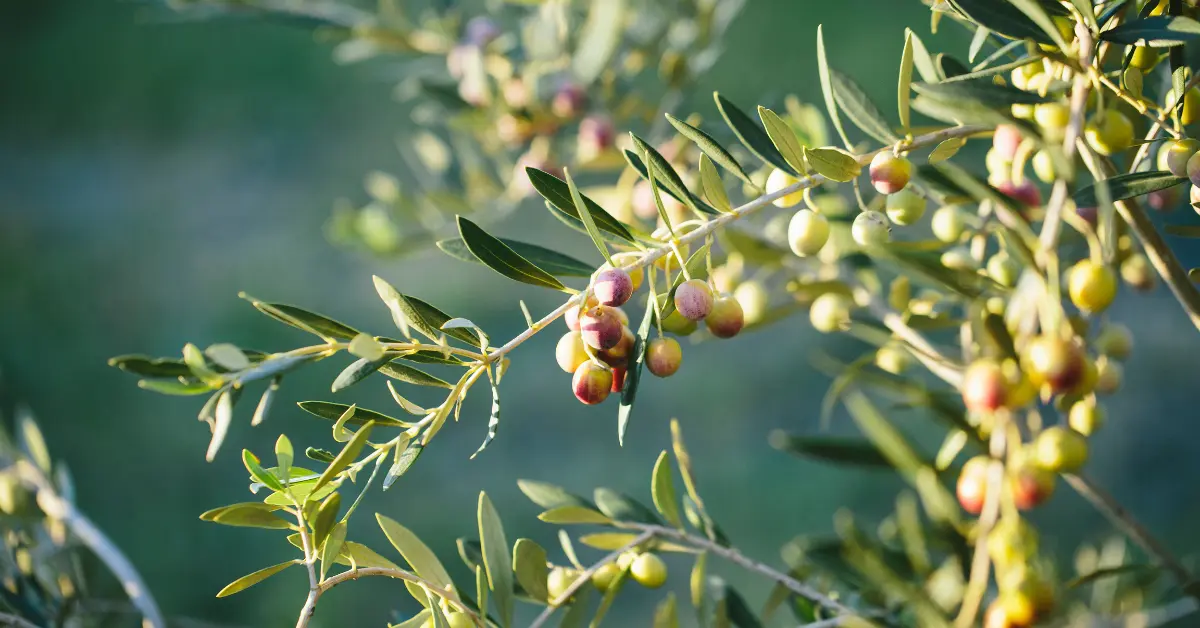
How to Grow Arbequina Olive Trees: The Ultimate Guide to Your Own Olive Grove
Arbequina Olive Tree (Olea europaea ‘Arbequina’) – the ultimate Mediterranean plant that brings a touch [...]
Oct
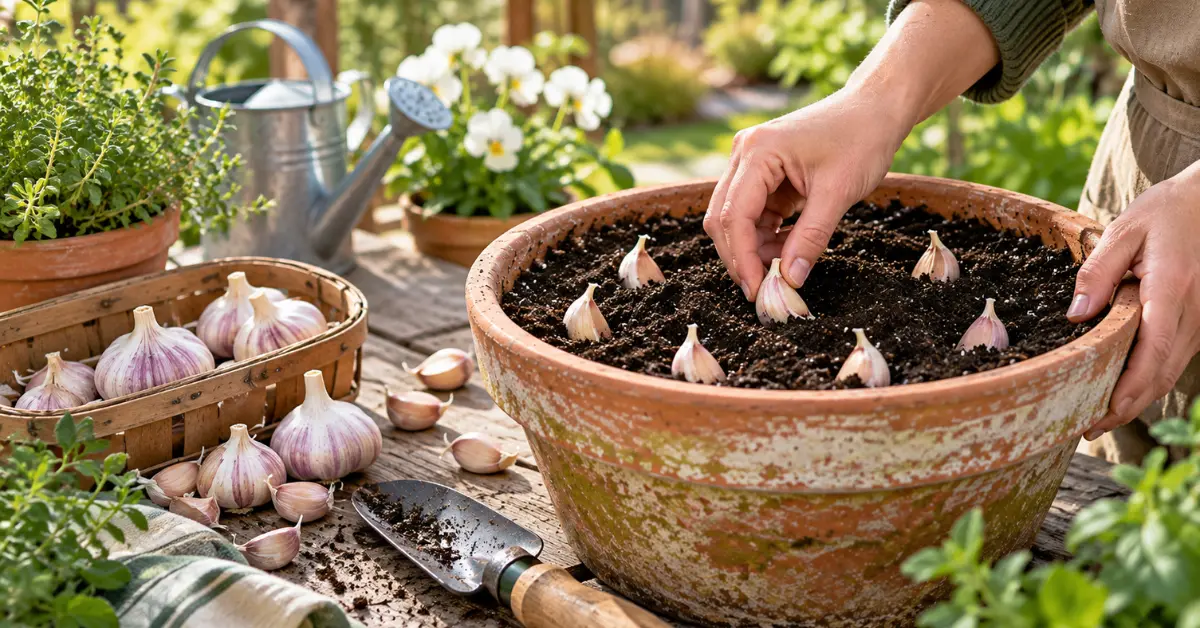
Growing Garlic in Containers This Fall: A Complete Guide for Beginners
If you’ve ever wanted to pop fresh, aromatic garlic cloves straight from your own patio [...]
Sep
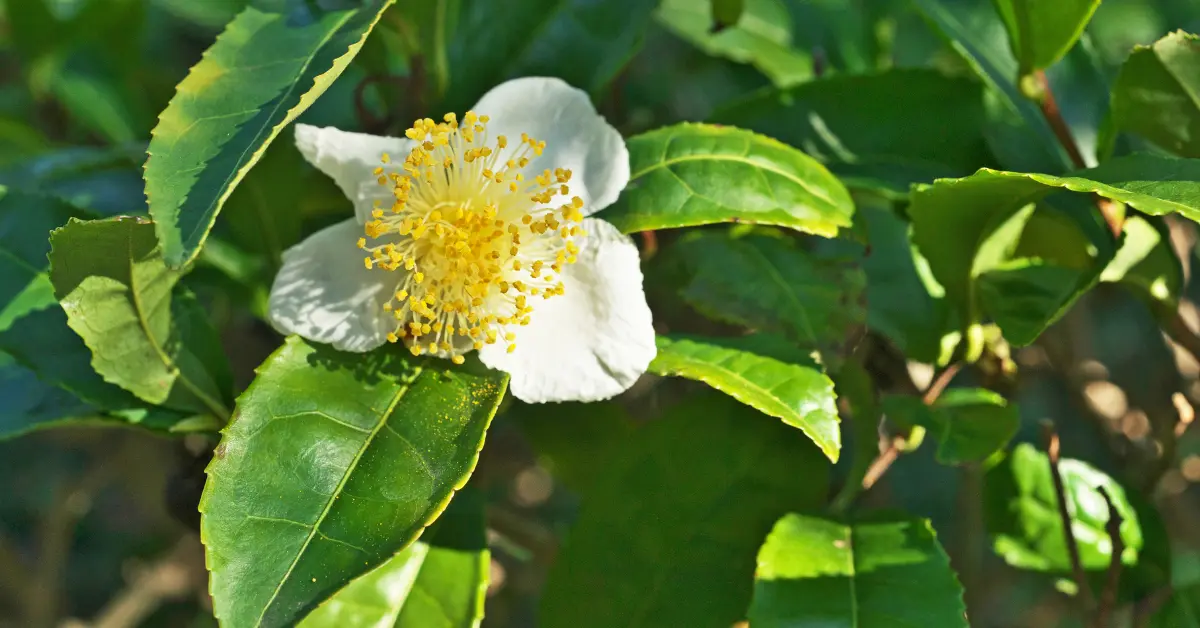
Growing Camellia Sinensis (Tea Plants) in Containers: A Complete Guide for Beginners
If you’ve ever wanted to sip a steaming, homegrown cup of fresh green, black, or [...]
Aug
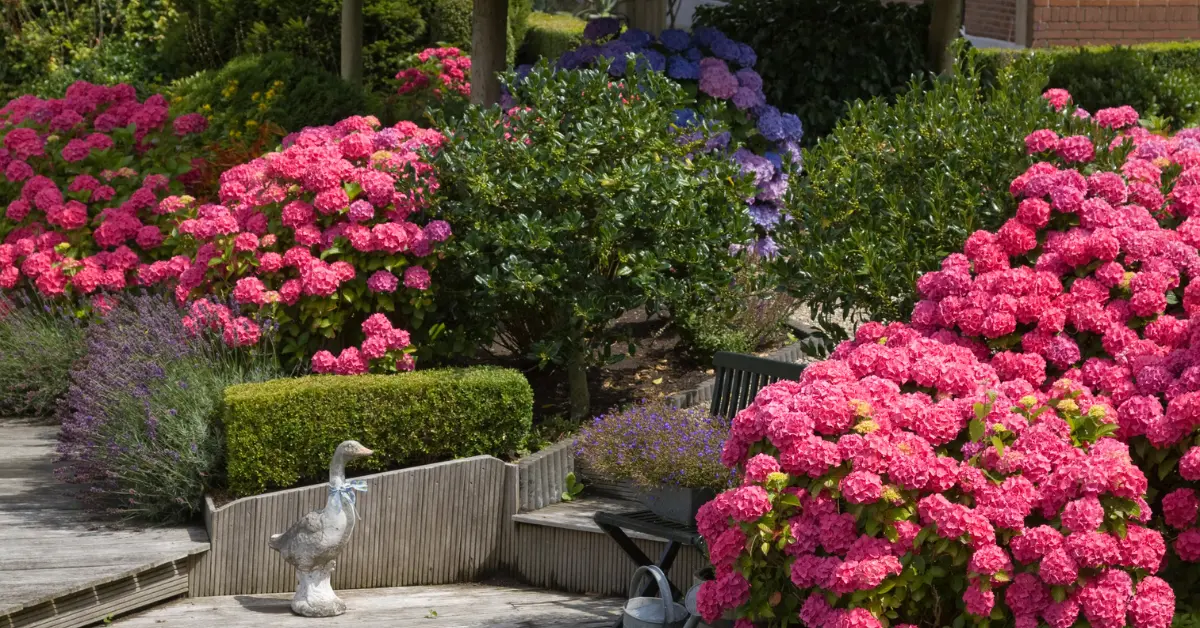
6 Best Shrubs to Plant in August You Must Try
Have you ever walked through a nursery late in the summer, admired the vibrant shrubs [...]
Aug
Growing Everbearing Strawberries in Containers: A Complete Guide for Beginners
Want to grow sweet, fresh strawberries but do not have a large garden? Everbearing strawberries [...]
Aug
Growing Egyptian Walking Onions in Containers: A Complete Guide for Beginners
If you’re looking for a hardy, no-fuss perennial onion that keeps on giving year after [...]
Jul
Growing Carolina Reaper Peppers in Pots: A Complete Guide for Beginners
If you’ve ever wanted to add some serious, record-breaking heat to your home cooking, you’ve [...]
May
Growing Curry Leaf Plant in Pots: A Complete Guide for Beginners
If you’re a fan of authentic South Asian cuisine, you already know that nothing compares [...]
May
Reviews
There are no reviews yet.