
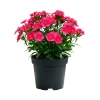
Pink Red Dianthus Live Plant – 4-8 Inch Perennial Flowers for Indoor Outdoor Growing
Original price was: $49.04.$24.04Current price is: $24.04.
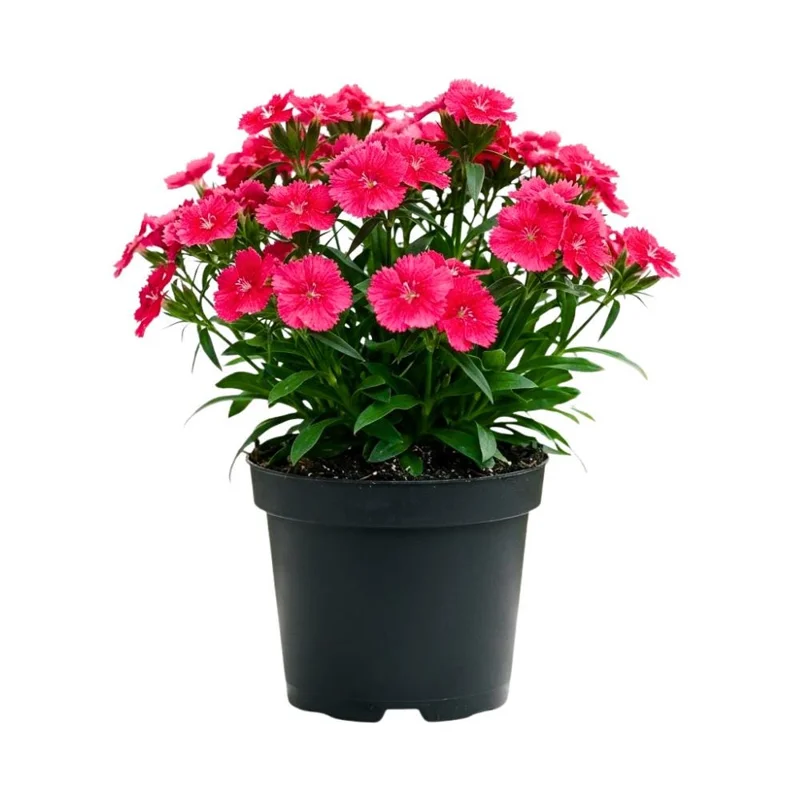
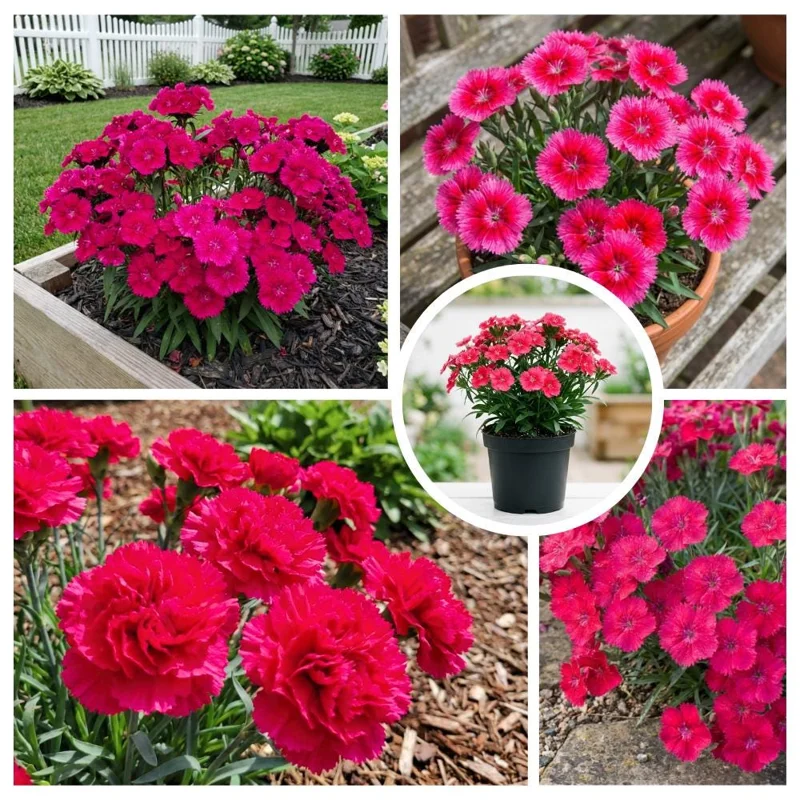
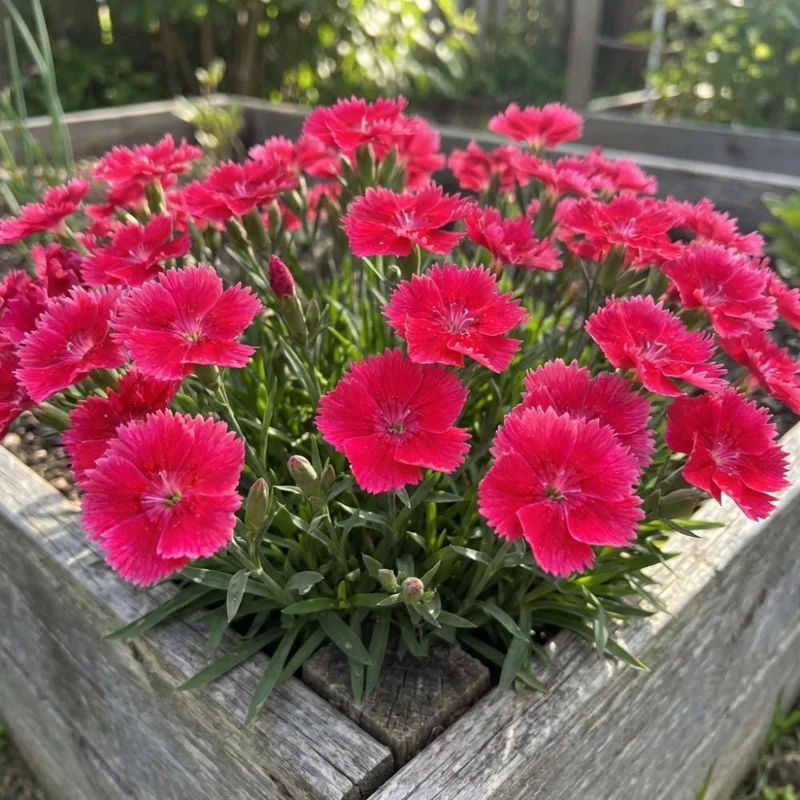
Introduce vibrant color and sweet fragrance to your space with this pink red dianthus live plant. Standing 4-8 inches tall, these perennial dianthus flowers are perfect for both indoor and outdoor growing, offering continuous blooms and easy care. Ideal for adding a lively focal point to any garden or patio.
Estimated arrival
Jul 26
Jul 31 - Aug 02
Aug 05 - Aug 09

Reasonable Price
We offer reasonable price

Support 24/7
Contact us 24 hrs a day

100% Money Back
You've 30 days to Return

Payment Secure
100% secure payment
Overview
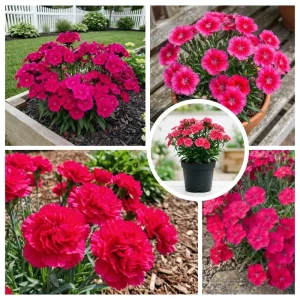
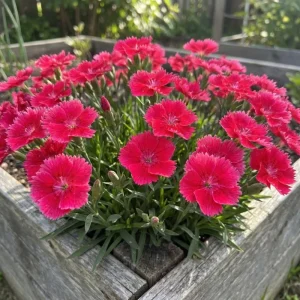
Transform your living space or garden into a vibrant oasis with the stunning pink red dianthus live plant. This exquisite perennial is celebrated for its bold, eye-catching pink and red blooms that bring a splash of cheerful color wherever it’s planted. Known commonly as ‘Pinks’ due to their frilly, often spicy-scented flowers, Dianthus plants (genus Dianthus) are a beloved choice for gardeners and plant enthusiasts alike. Our live plant arrives ready to thrive, typically measuring between 4 to 8 inches in height, making it an ideal size for immediate impact in containers, window boxes, or garden beds. Enjoy the delightful fragrance and continuous flowering that makes this plant a true garden gem. Whether you’re an experienced gardener or just starting, this Dianthus variety promises beauty with minimal fuss.
The beauty of the pink red dianthus live plant lies not only in its visual appeal but also in its robust nature. This hardy perennial adapts well to various growing conditions, offering a long season of interest from spring through fall. Its compact growth habit makes it versatile for different landscape designs, from border plantings to rock gardens. Experience the joy of watching these charming flowers unfurl, creating a picturesque scene that attracts beneficial pollinators like bees and butterflies, further enhancing your garden’s ecosystem.
Key Benefits
Choosing the pink red dianthus live plant brings a multitude of advantages to your home and garden. Its striking appearance and delightful aroma are just the beginning of what this wonderful perennial offers. Here are some of the key benefits you’ll enjoy:
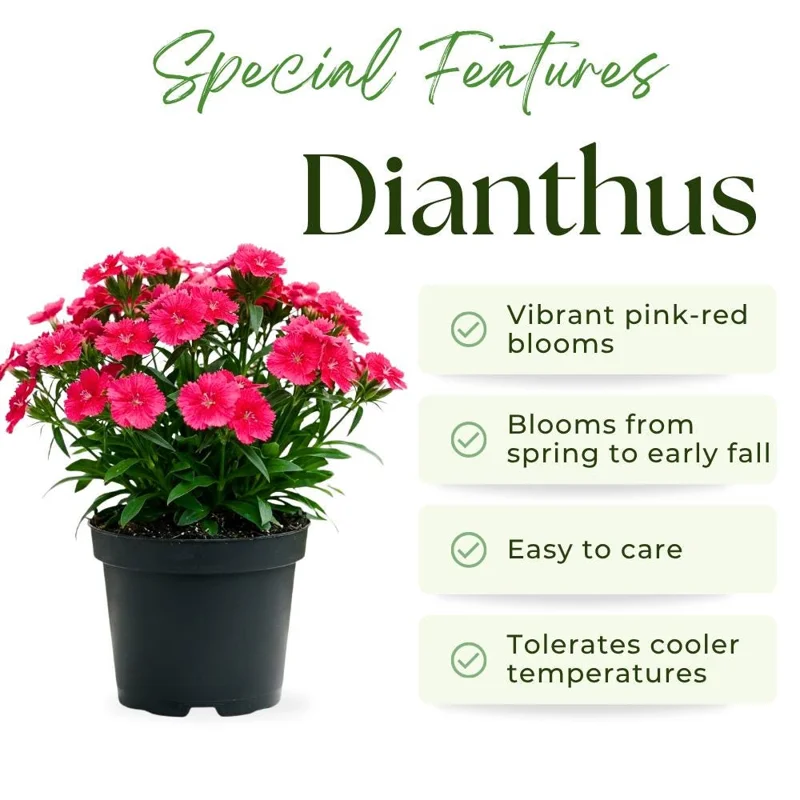
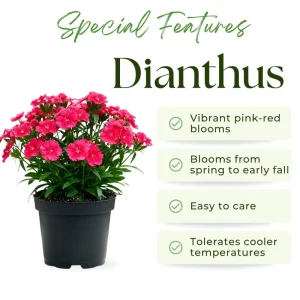
- Vibrant, Continuous Blooms: The bold pink-red flowers provide a consistent burst of color throughout the growing season, ensuring your garden or indoor space always looks lively and inviting. These perennial dianthus flowers are known for their prolific blooming, minimizing periods without color.
- Sweet, Inviting Fragrance: Many Dianthus varieties are cherished for their clove-like or spicy scent, and this particular plant adds a pleasant aroma to patios, balconies, and even indoor spaces, enhancing the overall sensory experience.
- Versatile Planting Options: With its compact size (4-8 inches tall), this plant is perfectly suited for a variety of settings. Plant it in decorative containers, hanging baskets, balcony boxes, or directly into garden beds for stunning landscape accents.
- Low Maintenance & Easy to Grow: This Dianthus is remarkably easy to care for, making it an excellent choice for both novice and experienced gardeners. It requires minimal attention once established, thriving with basic watering and sunlight. Understanding dianthus care guide principles makes cultivation straightforward.
- Hardy and Resilient: Suitable for a wide range of climates (USDA zones 3-9), this plant demonstrates excellent hardiness, performing well even in cooler temperatures and bouncing back year after year.
- Attracts Pollinators: The bright colors and sweet scent naturally draw beneficial insects such as bees and butterflies, contributing to the health and biodiversity of your garden environment.
- Long-Lasting Cut Flowers: The beautiful blooms can be cut and brought indoors to create charming small bouquets, allowing you to enjoy their beauty and fragrance inside your home.
Plant Care & Growing Tips
Caring for your pink red dianthus live plant is straightforward, ensuring a season full of vibrant blooms and delightful fragrance. These resilient plants are quite forgiving, making them a popular choice for many gardeners. To achieve the best results, consider the following care guidelines:
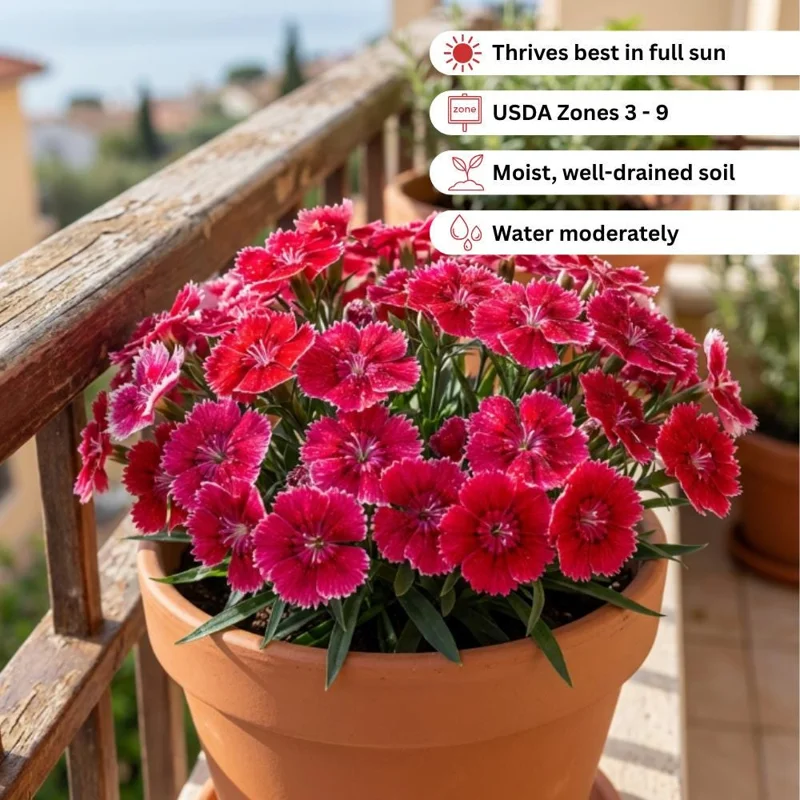
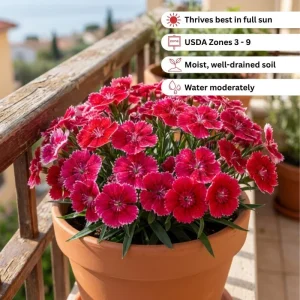
Sunlight Requirements: Dianthus thrives in full sun, meaning at least 6 hours of direct sunlight per day. While it can tolerate some partial shade, especially in hotter climates, too much shade can lead to fewer flowers and leggier growth. For indoor growing, place your plant near a south-facing window or provide supplemental grow lights to ensure adequate light exposure. Proper light is crucial for bountiful fragrant dianthus plant production.
Watering Schedule & Soil Moisture: Water your Dianthus regularly, especially during dry spells and when first establishing. The key is to keep the soil consistently moist but never waterlogged. Allow the top inch of soil to dry out between waterings. Overwatering can lead to root rot, so ensure good drainage. Reduce watering in cooler months when the plant’s growth slows down. When following a dianthus care guide, pay close attention to soil moisture.
Soil Type & Drainage: This plant prefers well-draining soil with a neutral to slightly alkaline pH. A good quality potting mix amended with some sand or perlite works well for containers. In garden beds, ensure the soil is loose and drains freely. Avoid heavy clay soils that retain too much moisture. Good drainage is paramount for a healthy indoor outdoor dianthus.
Temperature Range & USDA Hardiness Zone: The pink red dianthus live plant is remarkably hardy, thriving in USDA Zones 3 through 9. It can withstand cooler temperatures and even light frosts. For optimal growth, it prefers moderate temperatures, generally between 60-75°F (15-24°C). In very hot climates, providing some afternoon shade can prevent heat stress.
Fertilization: Dianthus is not a heavy feeder. A balanced, all-purpose fertilizer applied once in spring and again in mid-summer is usually sufficient. Avoid over-fertilizing, especially with high-nitrogen fertilizers, as this can promote foliage growth at the expense of flowers. Always follow the product instructions for application rates.
Pruning & Deadheading: Regular deadheading (removing spent flowers) will encourage continuous blooming and prevent the plant from putting energy into seed production. You can also lightly trim the plant after the main flush of blooms to maintain its shape and promote new growth. This practice is vital for maximizing the display of your perennial dianthus flowers.
Size & Details
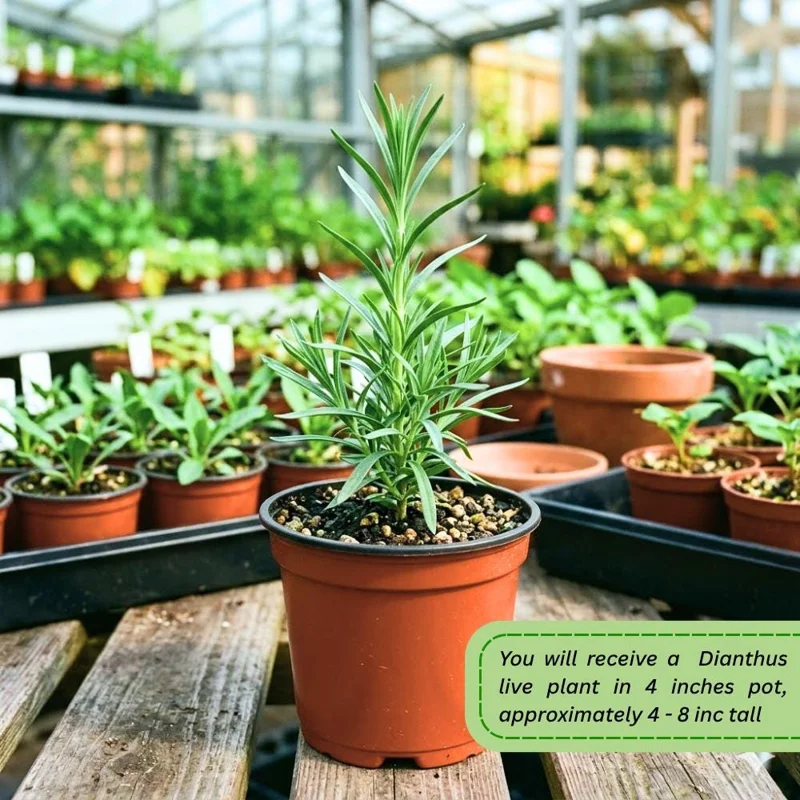
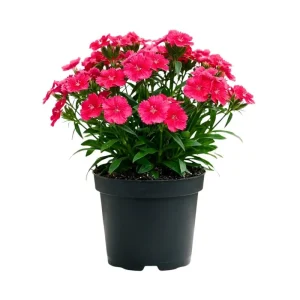
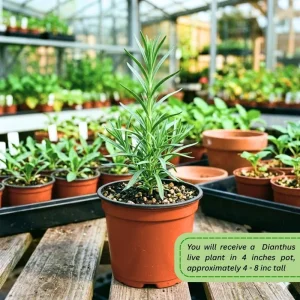
This offering is for one pink red dianthus live plant, which typically arrives standing between 4 to 8 inches tall from the base of the plant to the top of its foliage. The plant is shipped in a nursery pot, ready for immediate planting in your chosen location. Dianthus plants generally have a compact, mounding growth habit, eventually reaching a mature height of 6-12 inches and spreading 10-18 inches wide, depending on the variety and growing conditions. Expect a moderate growth rate, with blooms appearing consistently from late spring through fall with proper care. The plant will establish quickly once transplanted, developing a strong root system. Its mature size makes it an excellent choice for front borders, rock gardens, or as a vibrant container specimen, showcasing its beautiful fragrant dianthus plant.
Frequently Asked Questions
- Q: How big does this pink red dianthus live plant get? A: This Dianthus typically grows to a mature height of 6-12 inches and spreads about 10-18 inches wide. It arrives as a young plant, usually 4-8 inches tall, ready to establish and grow in your garden or container.
- Q: Is this an indoor or outdoor plant? A: This Dianthus is versatile and can be grown both indoors and outdoors. It thrives outdoors in USDA Zones 3-9, and indoors it makes a lovely potted plant as long as it receives sufficient sunlight.
- Q: How much sunlight does it need? A: For optimal blooming and health, your Dianthus requires full sun, meaning at least 6 hours of direct sunlight per day. If growing indoors, place it in your brightest window.
- Q: Is this plant easy to care for? A: Yes, Dianthus is known for being relatively low-maintenance and easy to grow, making it suitable for gardeners of all experience levels. Following a basic dianthus care guide will ensure its success.
- Q: What condition will the plant arrive in? A: Your pink red dianthus live plant will arrive carefully packaged in a nursery pot, healthy and ready for planting. We take great care to ensure it reaches you in excellent condition.
- Q: When is the best time to plant Dianthus? A: Dianthus can be planted in spring after the last frost, or in early fall in warmer climates. For indoor growing, it can be planted any time of year.
- Q: Will it survive winter in my zone? A: This Dianthus is hardy in USDA Zones 3-9. In these zones, it is a perennial and will typically survive winter, returning with new growth in spring. In colder zones, it can be treated as an annual or brought indoors.
- Q: What kind of soil does this indoor outdoor dianthus prefer? A: It prefers well-draining soil with a neutral to slightly alkaline pH. A good quality potting mix with added perlite or sand works well for containers.
- Q: How often should I water my Dianthus? A: Water regularly, allowing the top inch of soil to dry out between waterings. Avoid overwatering to prevent root rot. Consistency is key for healthy perennial dianthus flowers.
- Q: Does this Dianthus have a fragrance? A: Yes, this variety of Dianthus is known for its sweet, often spicy fragrance, making it a delightful addition to any garden or patio. It truly is a fragrant dianthus plant.
Be the first to review “Pink Red Dianthus Live Plant – 4-8 Inch Perennial Flowers for Indoor Outdoor Growing”
-
USDA Hardiness Zone
3-9 -
Soil Type
Well-draining, neutral to slightly alkaline soil -
Sunlight Exposure
Full sun -
Expected Planting Period
Spring to early summer (outdoors), year-round (indoors)
People Also Viewd
Sold 134 products
Original price was: $3,536.00.$23.99Current price is: $23.99.
Sold 131 products
Original price was: $27.00.$24.00Current price is: $24.00.
Sold 128 products
Original price was: $89.99.$64.99Current price is: $64.99.

Sold 125 products
Original price was: $86.99.$66.99Current price is: $66.99.
Flower Bulbs
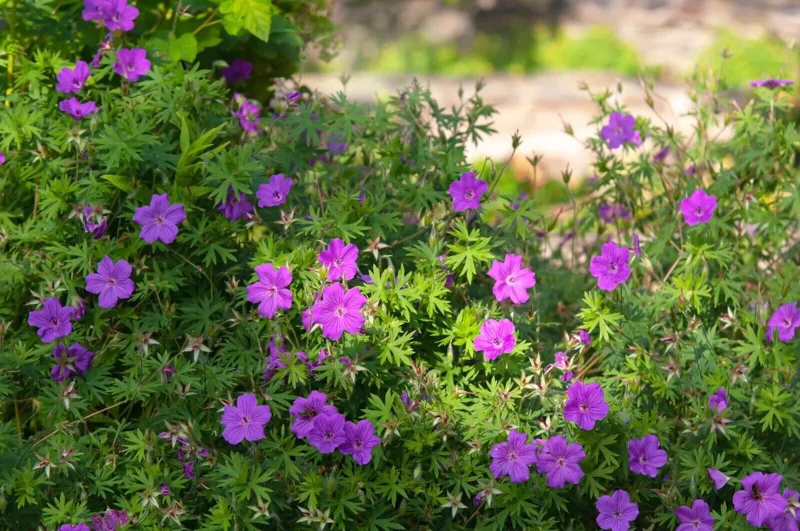
3 Cranesbill Wild Geranium Organic Maculatums Bare Roots | Wildflower for Outdoor Garden
Sold 116 products
Original price was: $21.99.$9.99Current price is: $9.99.
Sold 114 products
Original price was: $28.99.$17.99Current price is: $17.99.
Sold 109 products
Original price was: $63.99.$28.99Current price is: $28.99.
Sold 108 products
Original price was: $28.99.$17.99Current price is: $17.99.RELATED posts
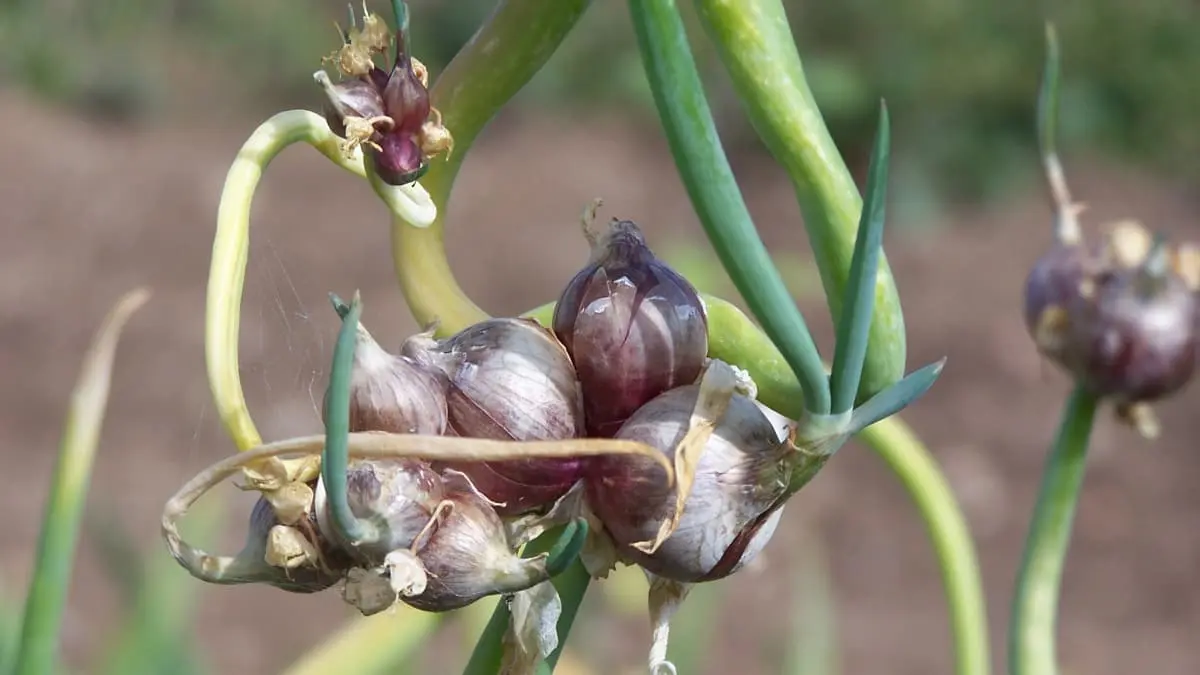
Growing Egyptian Walking Onions in Containers: A Complete Guide for Beginners
If you’re looking for a hardy, no-fuss perennial onion that keeps on giving year after [...]
Jul
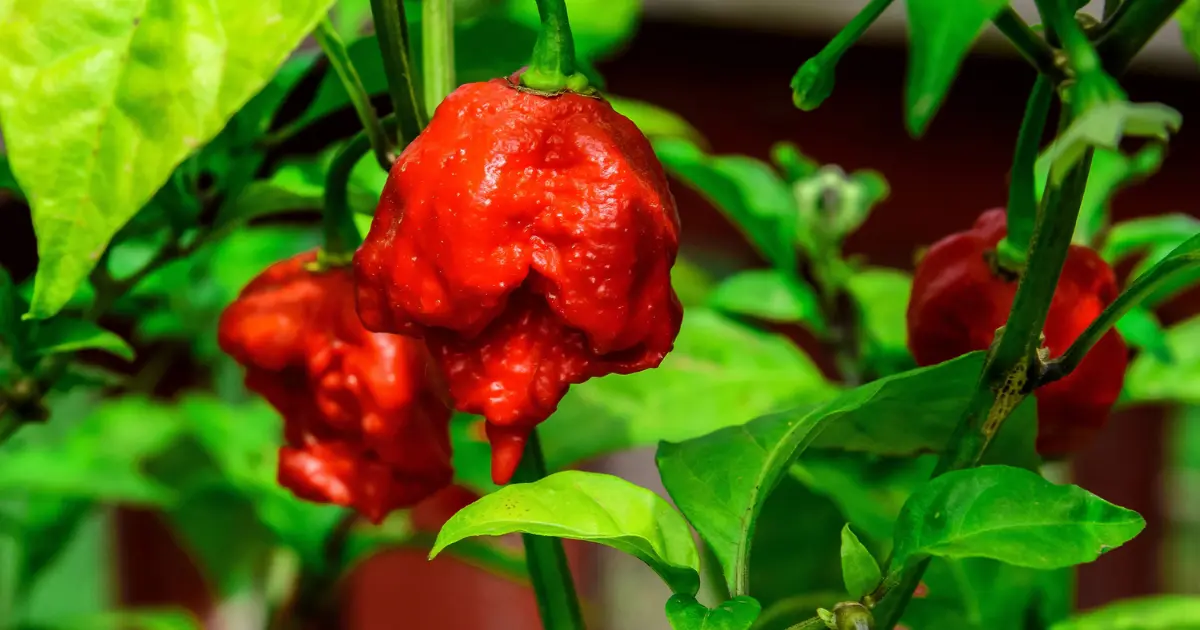
Growing Carolina Reaper Peppers in Pots: A Complete Guide for Beginners
If you’ve ever wanted to add some serious, record-breaking heat to your home cooking, you’ve [...]
May
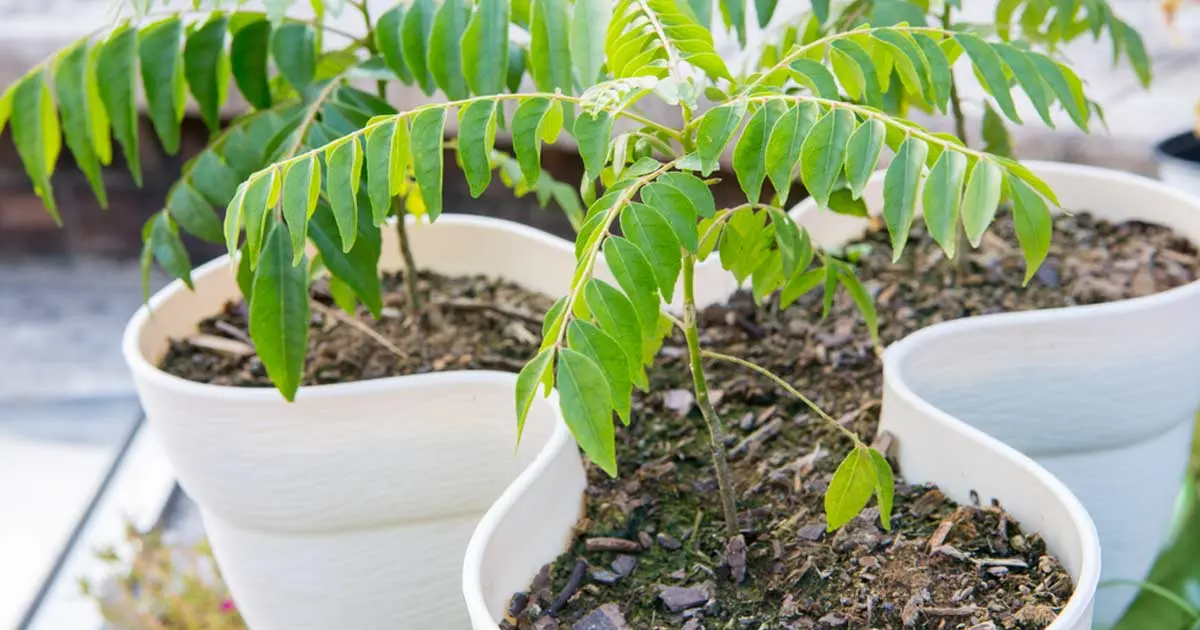
Growing Curry Leaf Plant in Pots: A Complete Guide for Beginners
If you’re a fan of authentic South Asian cuisine, you already know that nothing compares [...]
May
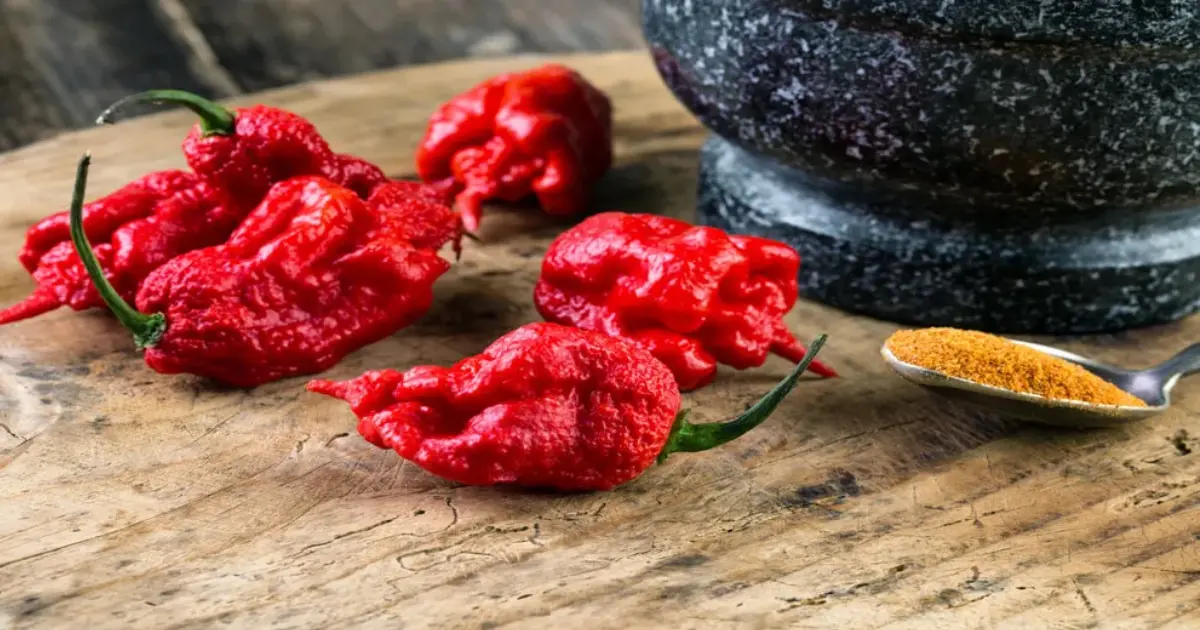
5 Tips for Growing Carolina Reaper Peppers to Get the Spiciest Harvest Ever
Holding the record for one of the world’s hottest peppers, the Reaper isn’t just a [...]
May
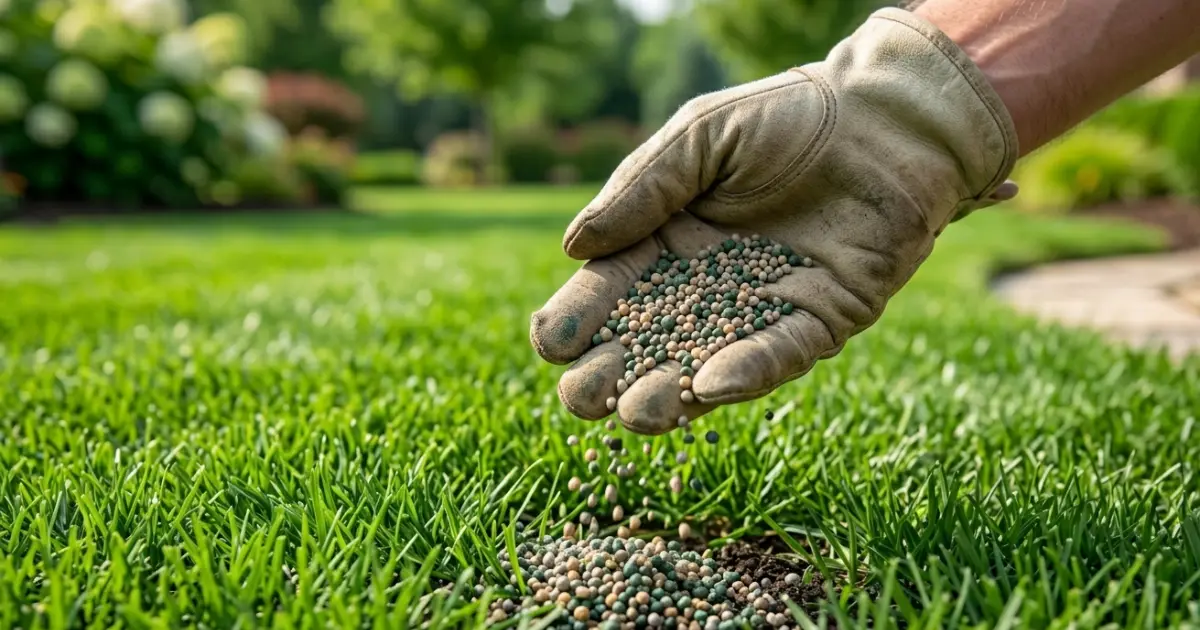
Best Fertilizers for Zoysia Grass in 2026: Get a Lush Lawn
As we enter the new year, the time has come to think about how we [...]
Apr
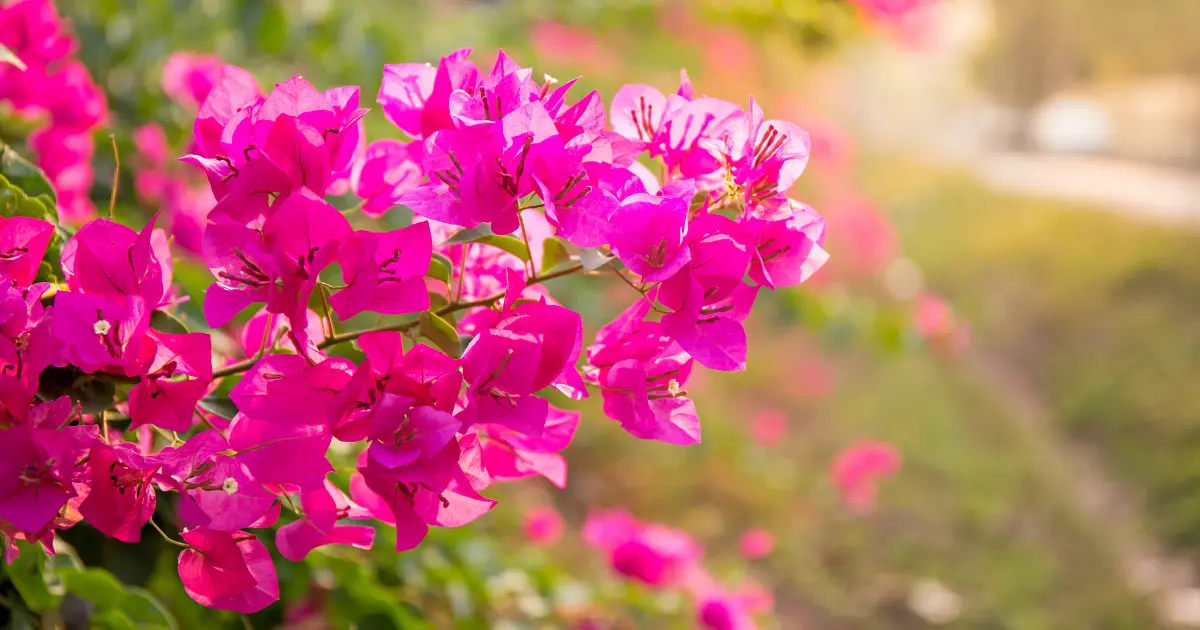
Bougainvillea Plant Care Tips: 7 Secrets to Explosive Blooms!
Are you staring at a bougainvillea that is all lush green leaves but hasn’t shown [...]
Apr
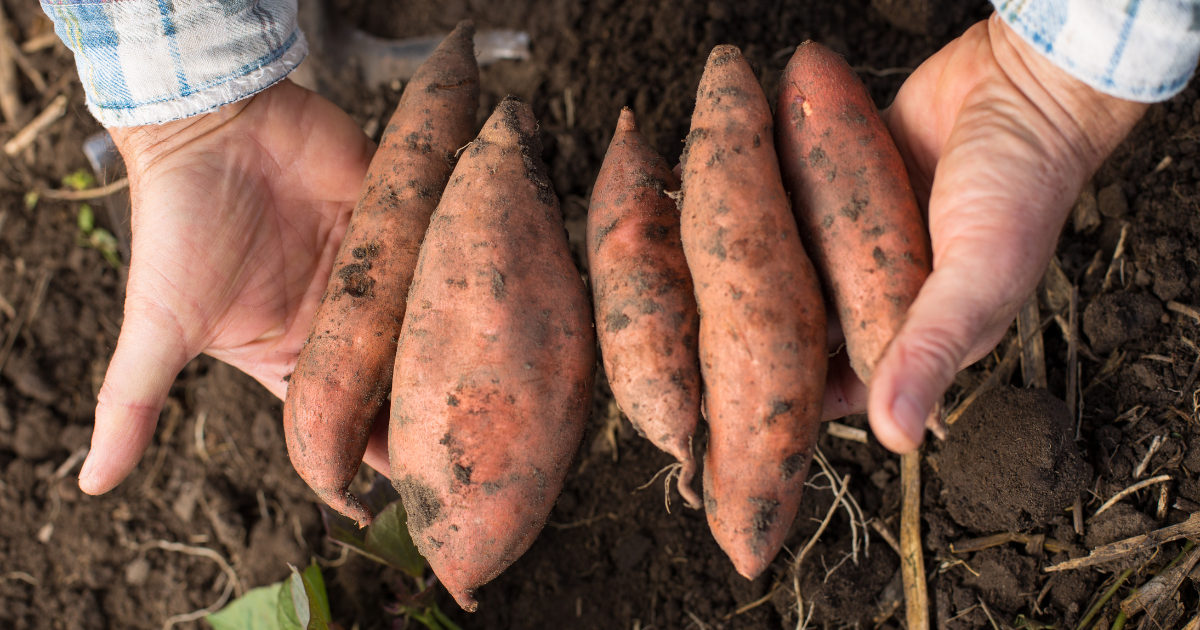
5 Tips for Growing Sweet Potatoes to Get the Biggest Sweet Potato Harvest Ever
If you are a fan of sweet potatoes, then these tips for growing sweet potatoes [...]
Apr
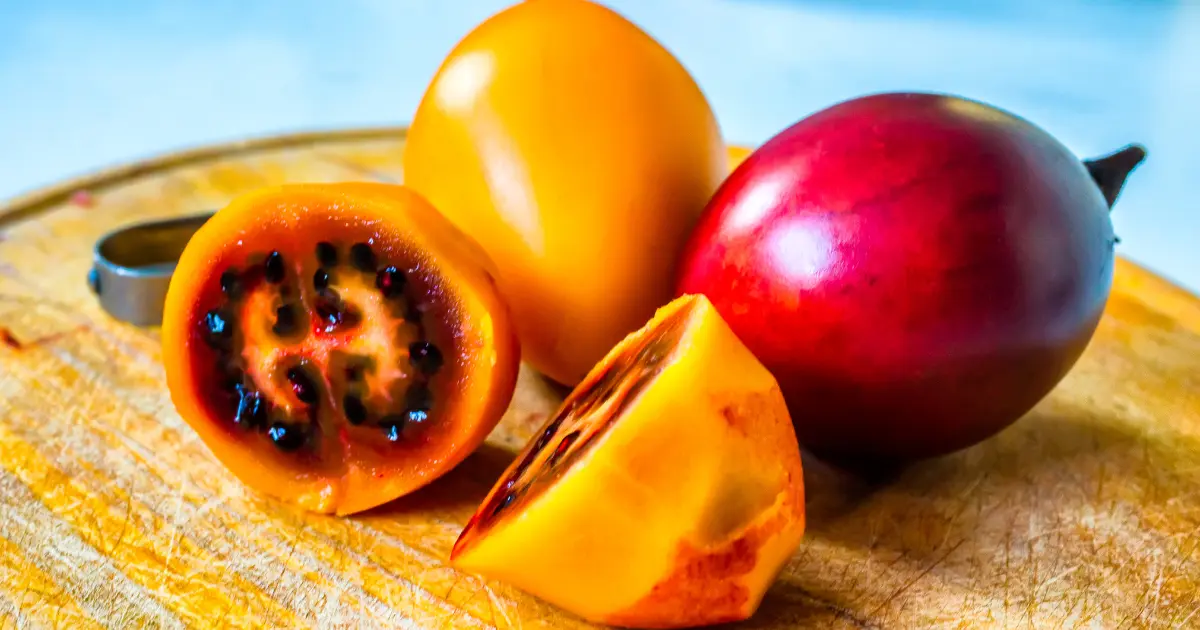
Tamarillo Tree Guide: Flavor, Texture & How to Eat Tree Tomatoes
The humble tomato is a kitchen staple we all know and love, but it rarely [...]
Apr
Reviews
There are no reviews yet.