
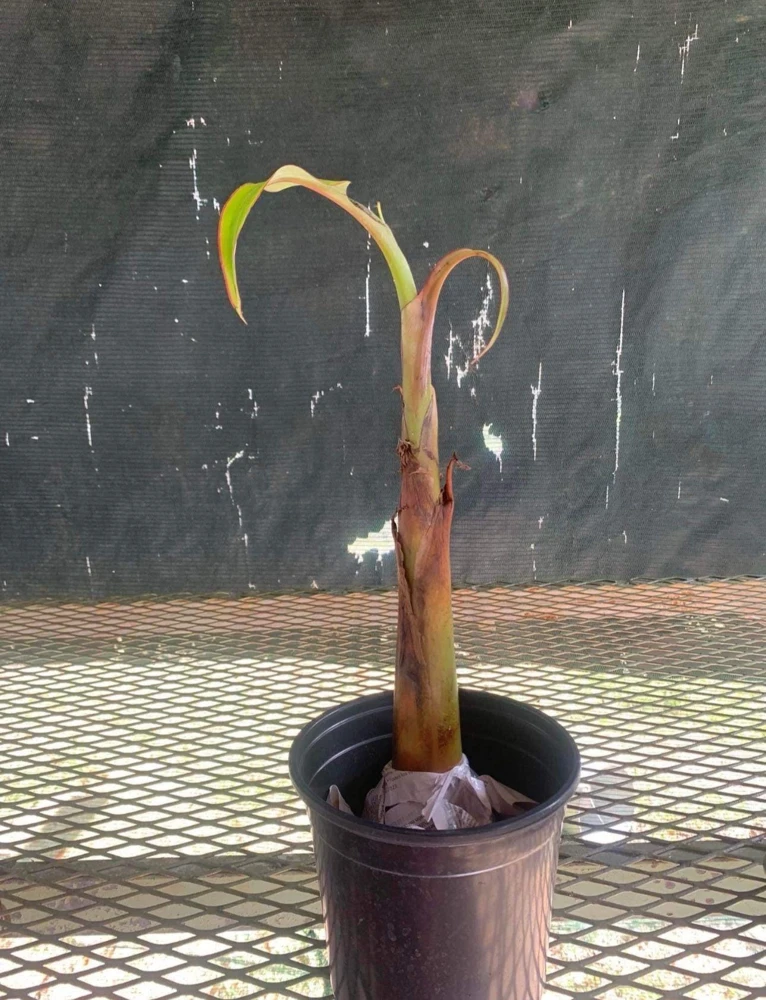
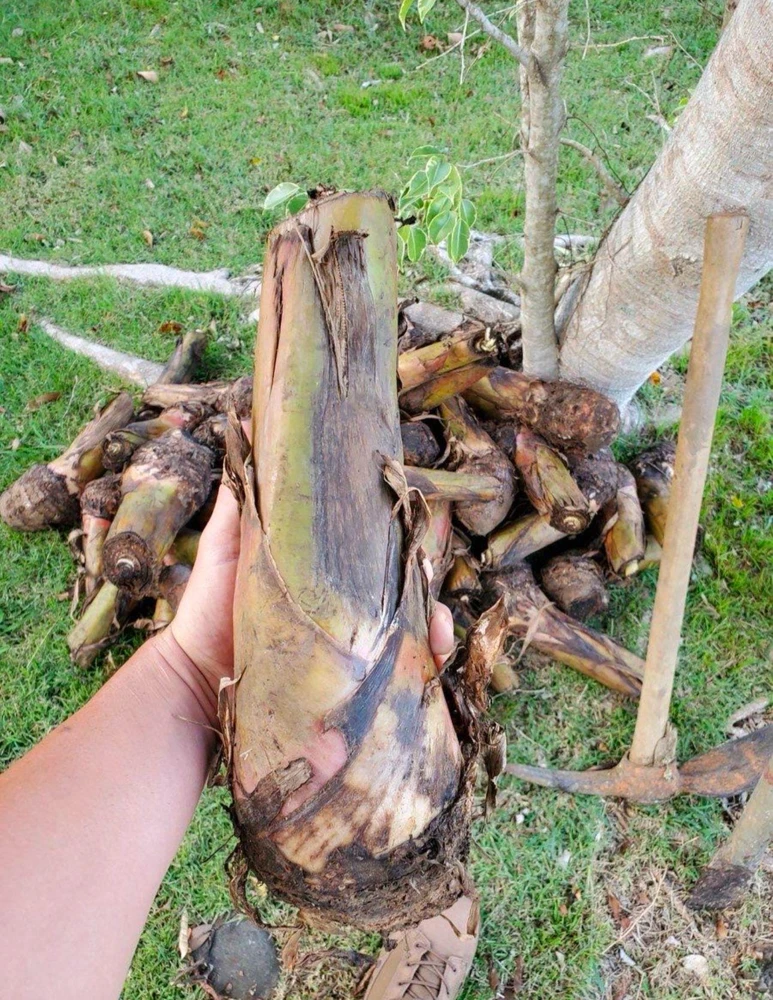
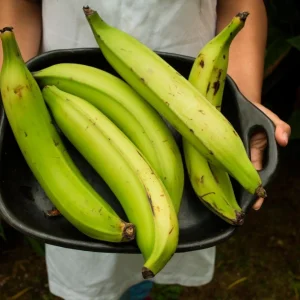
Plantain Live Fruit Plant – Musa paradisiaca – 10-18 inch Potted
Original price was: $125.60.$75.60Current price is: $75.60.
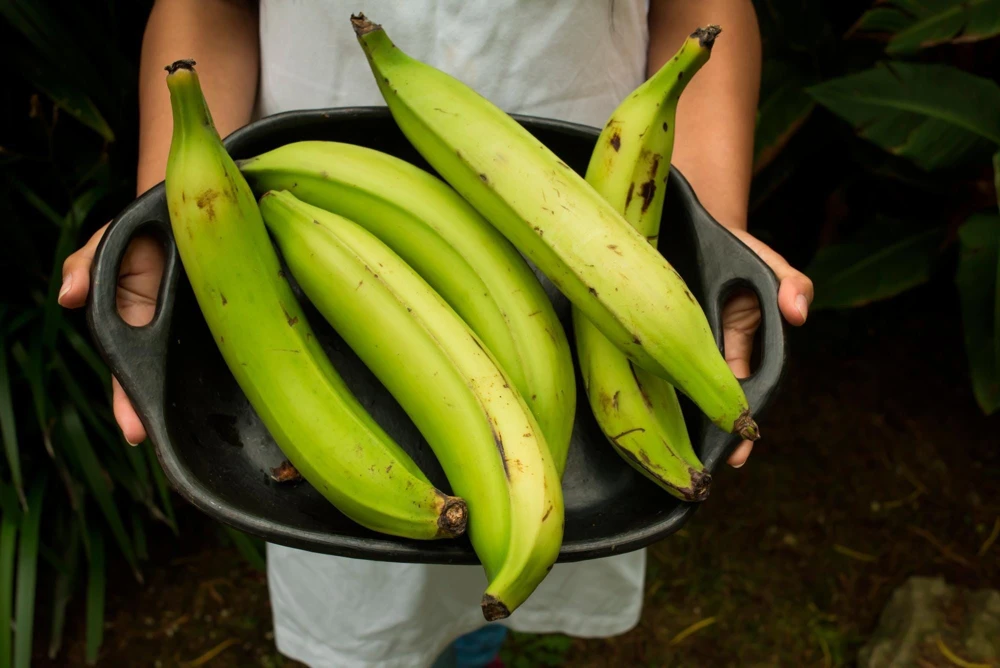
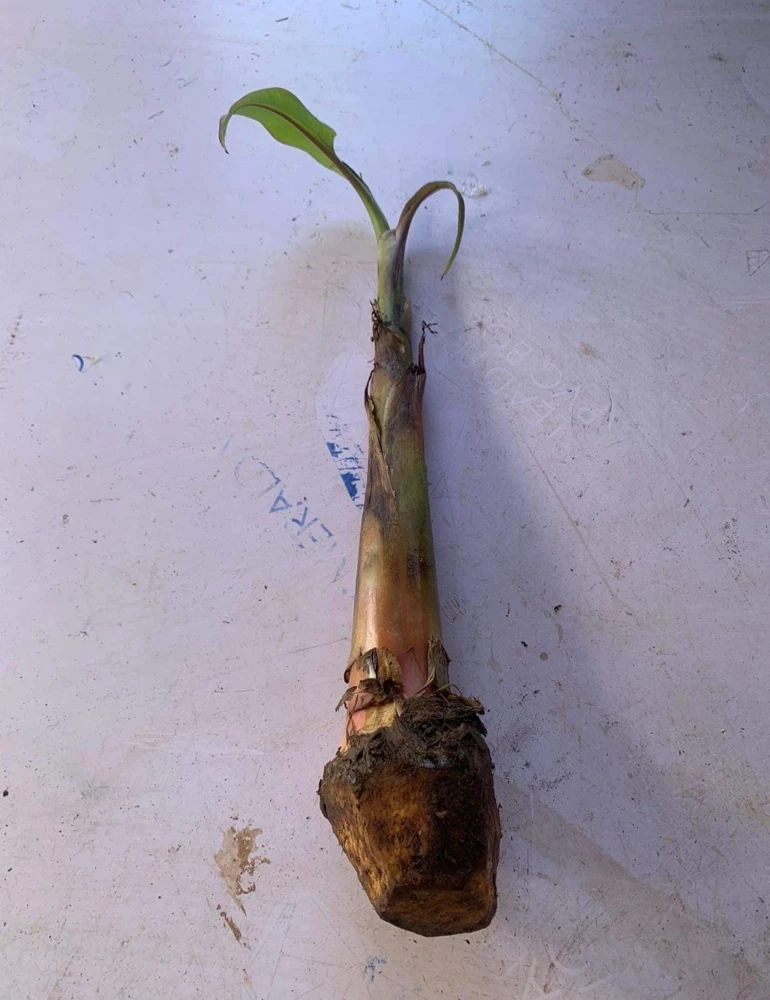
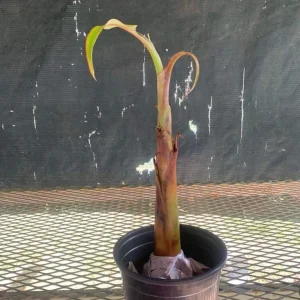
Cultivate your own delicious plantains with this healthy plantain live plant (Musa paradisiaca). Standing 10-18 inches tall, it’s ready to thrive in your garden or a large container, providing fresh, homegrown produce.
Estimated arrival
Sep 16
Sep 21 - Sep 23
Sep 26 - Sep 30

Reasonable Price
We offer reasonable price

Support 24/7
Contact us 24 hrs a day

100% Money Back
You've 30 days to Return

Payment Secure
100% secure payment
Overview
Embark on your journey to homegrown tropical fruits with our vibrant plantain live plant, scientifically known as Musa paradisiaca. This robust seedling is ready to establish itself in your garden, offering the promise of fresh, nutritious plantains right from your backyard. Plantains, often referred to as cooking bananas, are a staple in many cuisines worldwide, prized for their versatility and health benefits. Our carefully grown plantain plants are nurtured to ensure they arrive healthy and prepared to flourish, providing you with a rewarding and delicious harvesting experience. Whether you’re an experienced gardener or just starting, growing your own plantains is a fulfilling endeavor that connects you with nature’s bounty.
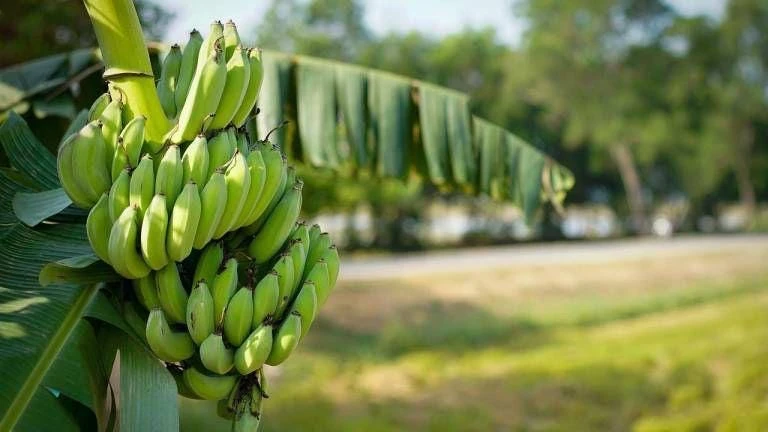
The plantain live plant is a tropical perennial herb, not a tree, despite its tree-like appearance. It’s known for its large leaves and the impressive bunches of fruit it produces. This particular specimen measures between 10-18 inches, making it an ideal size for transplanting. With proper care, these plants can become highly productive, yielding numerous fruit bunches over their lifespan. Enjoy the satisfaction of cultivating your own food and experiencing the fresh taste of plantains that are free from commercial treatments and picked at their peak ripeness.
Key Benefits
Adding a plantain live plant to your garden offers a multitude of advantages, from providing fresh produce to enhancing your landscape. These plants are not only productive but also visually appealing, with their large, lush leaves adding a tropical touch to any setting.
-
Fresh, Homegrown Produce
Enjoy the unparalleled taste and nutritional benefits of plantains picked directly from your own garden. You control the growing conditions, ensuring your fruit is fresh, organic, and free from pesticides. This allows you to harvest at the perfect stage for your culinary needs, whether ripe and sweet or green and starchy.
-
Culinary Versatility
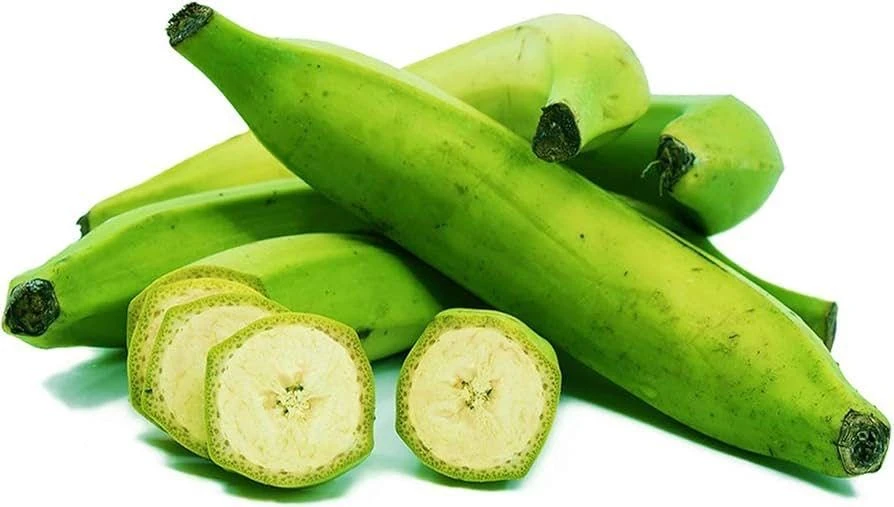
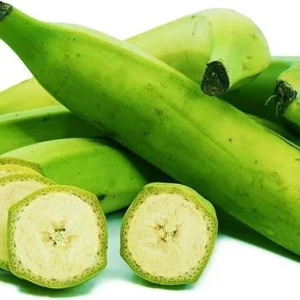
Plantains are incredibly versatile in the kitchen. They can be fried, baked, boiled, or grilled, serving as a delicious side dish, a main course ingredient, or even a sweet dessert when fully ripened. Having a steady supply means you can experiment with various traditional and new recipes.
-
Tropical Garden Aesthetic
With their large, paddle-shaped leaves, Musa paradisiaca plants bring a lush, tropical ambiance to your outdoor space. They can create a stunning focal point or provide a natural screen, transforming your garden into a vibrant, exotic retreat. The architectural form of the plant adds significant visual interest.
-
Organic Growth Potential
Our plantain live plant is grown organically, providing a head start for those who wish to maintain an organic garden. You can continue this practice at home, ensuring your plantains are grown without synthetic fertilizers or harmful chemicals, promoting healthier soil and produce.
-
Sustainable Food Source
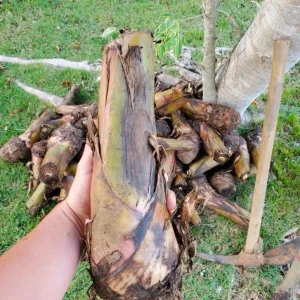
Once established, a plantain plant can provide a continuous source of food for many years. Plantains grow in suckers, meaning new plants emerge from the base of the mother plant, ensuring a sustainable cycle of production with minimal effort after the initial setup. This makes it an excellent investment for long-term food security.
Plant Care & Growing Tips
Caring for your plantain live plant involves understanding its tropical origins and providing consistent conditions to mimic its natural habitat. Plantains thrive in warm, humid environments and require specific care to ensure robust growth and abundant fruit production. Proper site selection and ongoing maintenance are crucial for success.
Sunlight requirements: Plantain plants need ample sunlight to produce fruit. They should receive at least 6-8 hours of direct sunlight per day. In very hot climates, some afternoon shade can be beneficial to prevent leaf scorching, but generally, full sun is preferred. When planting, choose a location that maximizes sun exposure throughout the day. If growing in a container, ensure it can be moved to follow the sun or to a protected spot if temperatures drop.
Watering schedule and soil moisture: Plantains are heavy feeders and drinkers. They require consistently moist, but not waterlogged, soil. Water deeply several times a week, especially during dry periods and when the plant is fruiting. Reduce watering slightly during cooler months. The soil should never be allowed to dry out completely. Good drainage is essential to prevent root rot, so ensure your planting site or pot has adequate drainage holes.
Soil type and drainage: The ideal soil for Musa paradisiaca plant is rich, well-draining, and slightly acidic to neutral (pH 6.0-7.0). A mix of loam, compost, and sand works well. Amend heavy clay soils with organic matter to improve drainage and aeration. For container planting, use a high-quality potting mix formulated for tropical plants, ensuring it retains moisture while draining freely.
Temperature range and USDA hardiness zone: Plantains are tropical plants and are sensitive to cold. They thrive in temperatures between 75-85°F (24-29°C). They are typically suitable for USDA Zones 9-11. In colder zones, they can be grown in containers and brought indoors during winter or treated as annuals. Frost will severely damage or kill the plant, so protection is vital in cooler climates.
Fertilization schedule and type: Due to their rapid growth and fruit production, plantains are heavy feeders. Fertilize every 4-6 weeks during the growing season (spring through fall) with a balanced fertilizer high in potassium, such as an 8-10-12 or similar formulation. Organic options like compost, well-rotted manure, and blood meal can also be incorporated to enrich the soil and provide slow-release nutrients. Reduce fertilization in winter.
Common problems and solutions: Watch out for common pests like aphids, spider mites, and mealybugs, which can be treated with insecticidal soap. Fungal diseases can occur in overly wet conditions; ensure good air circulation and avoid overhead watering. Yellowing leaves can indicate nutrient deficiency or overwatering, while stunted growth might suggest insufficient light or nutrients. Regularly inspect your grow plantain at home plant to catch issues early.
Size & Details
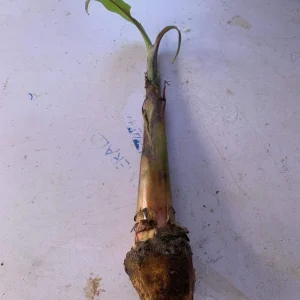
This offering includes one healthy plantain live plant, specifically a Musa paradisiaca seedling, measuring between 10 to 18 inches in height from the base of the plant to the tip of its tallest leaf. It is shipped in a nursery pot with established roots, ready for transplanting into a larger container or directly into your garden. The plant is in its juvenile stage, ensuring it adapts well to its new environment and begins its growth cycle effectively. Expect steady growth with proper care, with plants typically reaching mature fruiting size within 1-2 years, depending on growing conditions.
The mature size of a plantain plant can vary, often reaching 10-15 feet in height with a spread of 5-8 feet. The growth rate is generally fast in optimal conditions, allowing for quick establishment and fruit production. Each plant is carefully selected to ensure vigor and health upon arrival, providing a strong foundation for you to grow plantain at home. It’s important to note that while the plant is robust, minor leaf damage can occur during transit; however, this will not affect the overall health or future growth of your plant.
Frequently Asked Questions
- Q: How big does this plant get and what size pot does it come in?
A: This plantain live plant typically grows 10-15 feet tall at maturity. It is shipped as a 10-18 inch seedling in a standard nursery pot, ready for transplanting into a larger container (at least 15-gallon capacity) or directly into the ground. - Q: Is this an indoor or outdoor plant? How much sunlight does it need?
A: Plantain plants are tropical outdoor plants suitable for USDA Zones 9-11. They require at least 6-8 hours of direct sunlight daily. In colder zones, they can be grown in large containers and brought indoors during winter months. - Q: Is this plant easy to care for? Is it good for beginners?
A: While plantains require consistent watering and feeding, they are relatively straightforward to care for. With attention to their sunlight and moisture needs, even beginners can successfully grow plantain at home and enjoy fresh fruit. - Q: What condition will it arrive in? Is it shipped in soil?
A: Your Musa paradisiaca plant will arrive as a healthy, rooted seedling in its nursery pot with soil, carefully packaged to minimize stress during transit. Some minor leaf yellowing or damage may occur but will not affect the plant’s long-term health. - Q: Can I use this plantain for cooking? Is it pet-safe?
A: Yes, this plant is specifically for producing edible plantains, perfect for all your culinary needs. Plantain plants are generally considered non-toxic to pets, but it’s always best to prevent excessive ingestion of any plant material. - Q: How long until it blooms and produces fruit? When is the best time to plant?
A: A well-cared-for plantain fruit tree can begin to produce fruit within 1-2 years of planting, depending on growing conditions. The best time to plant is in spring or early summer after all danger of frost has passed, to allow it ample time to establish before cooler weather. - Q: Will it survive winter in my zone? What’s the minimum temperature?
A: Plantain plants are cold-sensitive. They can only survive outdoors year-round in USDA Zones 9 and warmer, where temperatures generally don’t drop below 20-30°F (-6 to -1°C). In colder zones, they must be protected from frost or brought indoors.
Be the first to review “Plantain Live Fruit Plant – Musa paradisiaca – 10-18 inch Potted”
-
USDA Hardiness Zone
USDA zones 9–11 -
Soil Type
Rich, well-draining, slightly acidic to neutral soil -
Sunlight Exposure
Full sun (6-8 hours direct light daily) -
Expected Planting Period
Spring to early summer
People Also Viewd


Sold 134 products
Original price was: $3,536.00.$23.99Current price is: $23.99.

Sold 131 products
Original price was: $27.00.$24.00Current price is: $24.00.

Sold 130 products
Original price was: $89.99.$64.99Current price is: $64.99.

Sold 125 products
Original price was: $86.99.$66.99Current price is: $66.99.

Flower Bulbs
3 Cranesbill Wild Geranium Organic Maculatums Bare Roots | Wildflower for Outdoor Garden
Sold 116 products
Original price was: $21.99.$9.99Current price is: $9.99.

Sold 114 products
Original price was: $28.99.$17.99Current price is: $17.99.
Sold 110 products
Original price was: $63.99.$28.99Current price is: $28.99.
Sold 108 products
Original price was: $28.99.$17.99Current price is: $17.99.RELATED posts
Growing Camellia Sinensis (Tea Plants) in Containers: A Complete Guide for Beginners
If you’ve ever wanted to sip a steaming, homegrown cup of fresh green, black, or [...]
Aug
6 Best Shrubs to Plant in August You Must Try
Have you ever walked through a nursery late in the summer, admired the vibrant shrubs [...]
Aug
Growing Everbearing Strawberries in Containers: A Complete Guide for Beginners
Want to grow sweet, fresh strawberries but do not have a large garden? Everbearing strawberries [...]
Aug
Growing Egyptian Walking Onions in Containers: A Complete Guide for Beginners
If you’re looking for a hardy, no-fuss perennial onion that keeps on giving year after [...]
Jul
Growing Carolina Reaper Peppers in Pots: A Complete Guide for Beginners
If you’ve ever wanted to add some serious, record-breaking heat to your home cooking, you’ve [...]
May
Growing Curry Leaf Plant in Pots: A Complete Guide for Beginners
If you’re a fan of authentic South Asian cuisine, you already know that nothing compares [...]
May
5 Tips for Growing Carolina Reaper Peppers to Get the Spiciest Harvest Ever
Holding the record for one of the world’s hottest peppers, the Reaper isn’t just a [...]
May
Best Fertilizers for Zoysia Grass in 2026: Get a Lush Lawn
As we enter the new year, the time has come to think about how we [...]
Apr

Reviews
There are no reviews yet.