
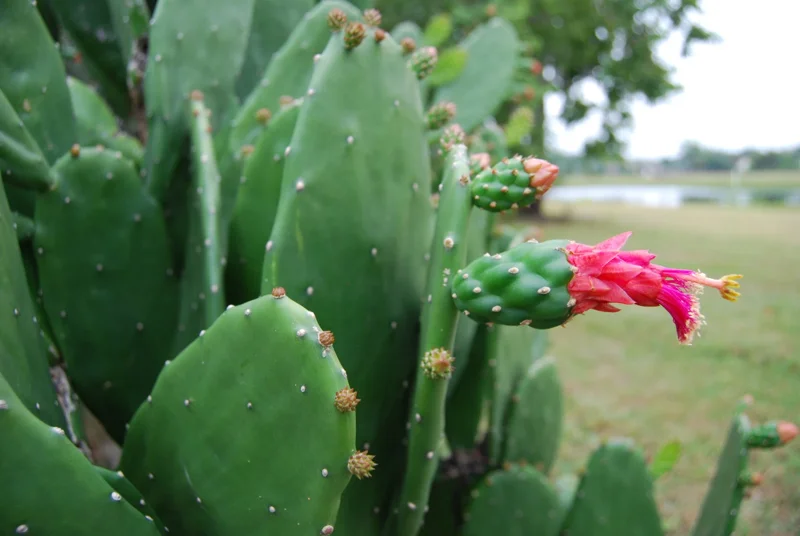
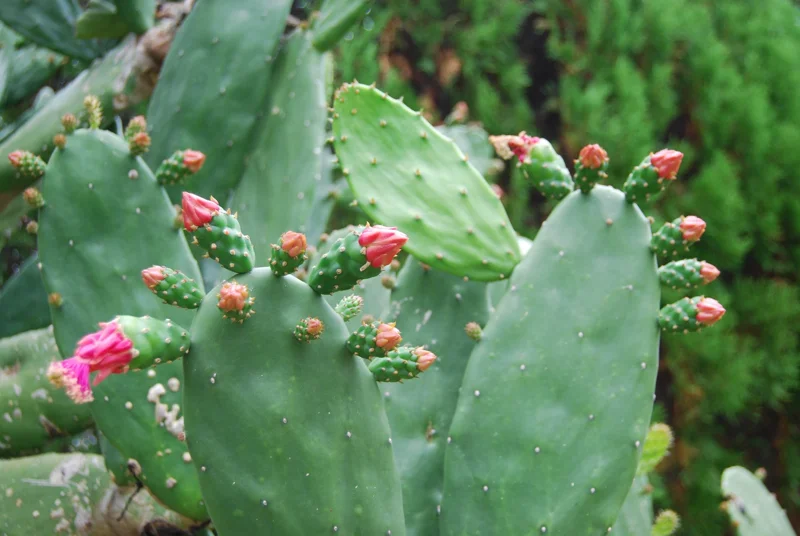
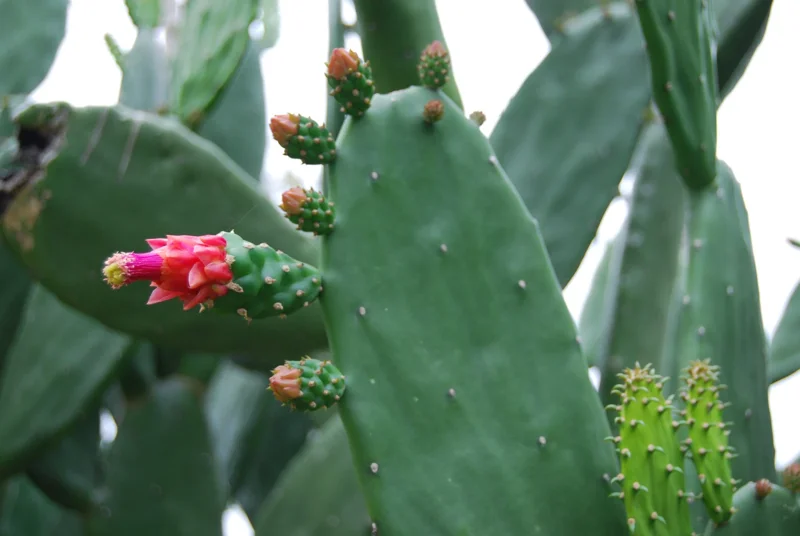
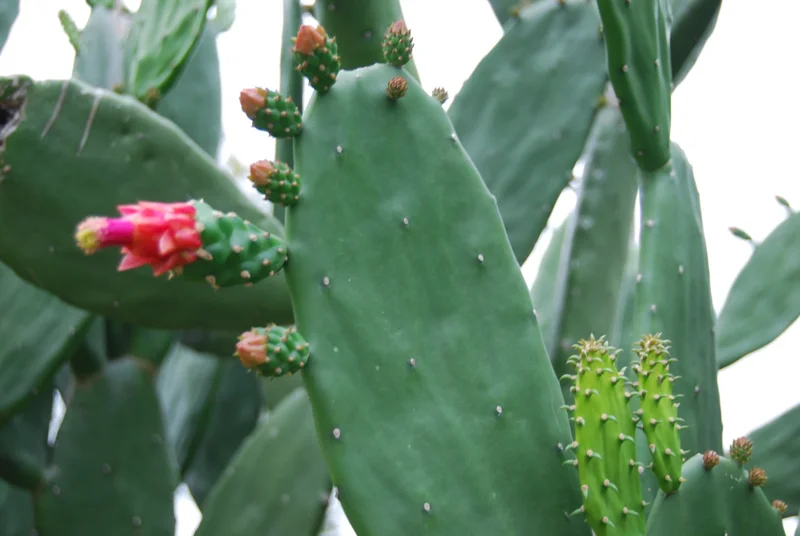
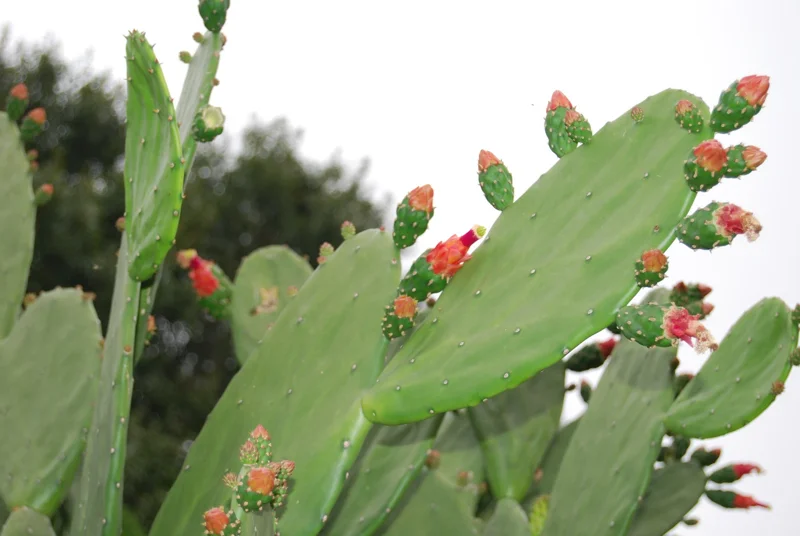
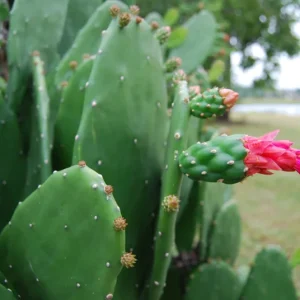
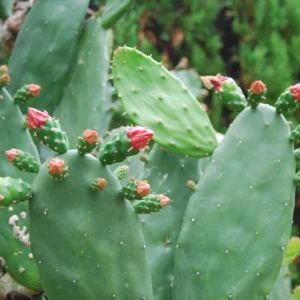
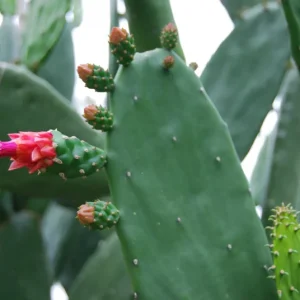
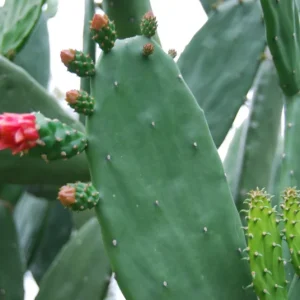
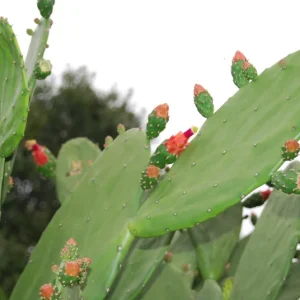
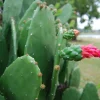
Prickly Pear Opuntia Cactus Live Plant – Rooted 4 inch Pot – Edible Nopal & Fruit
Original price was: $31.98.$15.99Current price is: $15.99.
Cultivate your own prickly pear opuntia cactus live plant, a versatile succulent known for its edible nopal pads and sweet, juicy fruit. This 4-inch rooted plant offers both ornamental beauty and practical uses, thriving with minimal care.
Estimated arrival
Oct 11
Oct 16 - Oct 18
Oct 21 - Oct 25

Reasonable Price
We offer reasonable price

Support 24/7
Contact us 24 hrs a day

100% Money Back
You've 30 days to Return

Payment Secure
100% secure payment
Overview
Bring the beauty and utility of the desert into your home or garden with this robust prickly pear opuntia cactus live plant. This rooted 4-inch specimen is ready to establish itself, offering a striking visual presence and a wealth of culinary and potential medicinal benefits. Known scientifically as Opuntia ficus-indica or similar species, the prickly pear is a resilient and fascinating succulent. It’s renowned for its distinctive paddle-shaped pads, which are edible, as are its vibrant, sweet fruits. Whether you’re a seasoned gardener or a beginner, this plant is an excellent choice for adding a touch of the arid landscape to your collection.
The prickly pear opuntia cactus live plant is not just a decorative item; it’s a living pantry. The young, tender pads, often called ‘nopal,’ are a staple in many cuisines, offering a unique flavor and texture when grilled, stir-fried, or added to salads. The fruits, known as ‘tunas,’ ripen to beautiful shades of red or purple and are delicious eaten fresh, juiced, or made into jams. This plant is a testament to nature’s ingenuity, providing sustenance and beauty in challenging environments, and it can do the same in your care.
Key Benefits
Owning a prickly pear opuntia cactus live plant brings numerous advantages, from its striking appearance to its edible offerings. It’s a plant that truly gives back, requiring relatively little while providing so much.
- Edible Nopal Pads: Enjoy harvesting fresh, young cactus pads (nopal) from your own plant. These versatile pads can be prepared in various dishes, adding a unique and healthy ingredient to your culinary repertoire. They are known for their slightly tart, green bean-like flavor.
- Delicious Edible Fruit: The plant produces sweet, juicy fruits (tunas) that are not only tasty but also rich in antioxidants. These fruits can be eaten fresh, juiced, or used to make preserves, offering a delightful treat directly from your garden.
- Drought-Tolerant and Low Maintenance: As a desert native, this prickly pear opuntia cactus live plant is incredibly resilient. It requires minimal watering once established and thrives on neglect, making it perfect for busy individuals or those looking for a low-effort plant.
- Ornamental Appeal: With its unique paddle-shaped pads and potential for colorful blooms and fruits, the prickly pear cactus adds an exotic and architectural element to any landscape or indoor setting. Its distinct form creates an engaging focal point.
- Potential Medicinal Uses: Historically, various parts of the prickly pear cactus have been used in traditional medicine for their purported health benefits, including supporting blood sugar levels and digestive health. While not a substitute for medical advice, its traditional uses are noteworthy.
- Adaptable to Various Climates: While preferring warmer climates, the opuntia cactus care requirements are flexible enough for it to be grown indoors in colder regions, allowing a wide range of gardeners to enjoy this unique plant.
- Supports Local Ecosystems: When grown outdoors in appropriate climates, prickly pear cacti provide food and habitat for local wildlife, contributing to biodiversity.
Plant Care & Growing Tips
Caring for your prickly pear opuntia cactus live plant is straightforward, reflecting its hardy desert origins. The primary key to success is providing ample sunlight and ensuring excellent drainage to prevent root rot. This plant thrives on warmth and bright conditions, making it an ideal choice for sunny windowsills indoors or arid gardens outdoors. For those wondering how to best care for their edible nopal cactus, these tips will ensure a healthy, productive plant.
Sunlight: Prickly pear cacti demand full sun, ideally receiving at least 6-8 hours of direct sunlight per day. If growing indoors, place it in your brightest south-facing window or under a strong grow light. Insufficient light will lead to etiolation (stretching) and weaker growth. When moving an indoor plant outdoors, gradually acclimate it to direct sunlight to prevent sunburn.
Watering: Water thoroughly but infrequently. Allow the soil to dry out completely between waterings, especially during the dormant winter months. Overwatering is the most common cause of death for cacti. During the growing season (spring and summer), you might water every 2-4 weeks, depending on temperature and humidity. In fall and winter, reduce watering significantly, perhaps once every 1-2 months. When you water, ensure water drains freely from the pot.
Soil and Potting: Use a well-draining cactus or succulent potting mix. A good mix will typically contain sand, perlite, or pumice to ensure rapid drainage. If potting, choose a container with drainage holes. Repot only when the plant outgrows its current pot, usually every 2-3 years, and always use caution when handling to avoid spines. This plant tolerates a wide range of soil types as long as it’s not waterlogged.
Temperature and Hardiness: Most Opuntia species prefer warm temperatures, ideally between 65-100°F (18-38°C). While some varieties are cold-hardy, many common edible prickly pears are best suited for USDA Zones 9-11 outdoors. If temperatures drop below 40°F (4°C), bring container-grown plants indoors. They can tolerate hot, dry conditions remarkably well.
Fertilization: Fertilize sparingly during the spring and summer growing season with a balanced, low-nitrogen fertilizer diluted to half strength. Too much fertilizer can lead to soft, weak growth. Avoid fertilizing in fall and winter when the plant is dormant. Understanding opuntia cactus care means recognizing its minimal nutrient needs.
Size & Details
This offering is for one prickly pear opuntia cactus live plant, shipped as a rooted 4-inch plant. This means it has an established root system within a 4-inch nursery pot, providing a strong foundation for future growth. The plant will typically consist of one or more pads, depending on the specific specimen, and will be ready for transplanting into a larger container or directly into the ground if your climate permits. Prickly pear cacti are known for their relatively fast growth rate under optimal conditions, quickly producing new pads. Mature plants can vary significantly in size, from compact shrubs to large, multi-stemmed specimens several feet tall and wide, depending on the species and growing environment. Expect your plant to mature and potentially flower and fruit within 1-3 years with proper medicinal cactus plant care.
The plant will be carefully packaged to ensure its safe arrival, minimizing stress during transit. Upon arrival, gently unpackage and place it in a suitable location. While this specific listing is for a 4″ plant, it has the potential to grow much larger, offering years of enjoyment and harvest. The pads are generally thick and fleshy, characteristic of the Opuntia genus, and will develop the distinctive spines and glochids that require careful handling.
Frequently Asked Questions
- Q: How big does this plant get? A: This prickly pear opuntia cactus live plant is shipped as a 4-inch rooted specimen. While it starts small, mature prickly pear cacti can grow quite large, often reaching several feet in height and width, depending on the specific species and growing conditions.
- Q: What size pot does it come in? A: Your plant will arrive rooted in a 4-inch nursery pot, providing a stable base for its initial growth. You can keep it in this pot for a while or transplant it into a slightly larger one upon arrival.
- Q: Is this an indoor or outdoor plant? A: The prickly pear opuntia cactus live plant can thrive both indoors and outdoors. Outdoors, it prefers warm, arid climates (USDA Zones 9-11). Indoors, it needs a very bright, sunny location, such as a south-facing window.
- Q: How much sunlight does it need? A: This cactus requires abundant sunlight. Aim for at least 6-8 hours of direct sun daily. If growing indoors, ensure it receives the brightest light possible to prevent leggy growth.
- Q: Is this plant easy to care for? A: Yes, prickly pear cacti are remarkably easy to care for due to their drought tolerance and minimal needs. The most important aspects of opuntia cactus care are providing plenty of sun and avoiding overwatering.
- Q: What condition will it arrive in? A: Your plant will be carefully packed to ensure it arrives healthy and ready to thrive. It will be a rooted plant, meaning it has an established root system in its 4-inch nursery pot.
- Q: Can I use the nopal and fruit for cooking? A: Absolutely! This edible nopal cactus is specifically chosen for its delicious pads (nopal) and sweet fruits (tunas), which are widely used in culinary applications. Just be sure to carefully remove any spines before consumption.
- Q: How long until it produces fruit? A: With proper care and optimal conditions, your prickly pear cactus can begin to produce fruit within 1-3 years of planting. The timing can vary based on light, water, and climate.
- Q: Is this a medicinal cactus plant? A: Historically, parts of the prickly pear cactus have been used for various traditional medicinal purposes, such as supporting blood sugar and digestion. However, it’s important to consult with a healthcare professional for any specific health concerns.
- Q: What’s the minimum temperature it can tolerate? A: While some varieties are more cold-hardy, most edible prickly pears prefer temperatures above 40°F (4°C). If you live in a colder climate, it’s best to bring your potted plant indoors during winter.
Be the first to review “Prickly Pear Opuntia Cactus Live Plant – Rooted 4 inch Pot – Edible Nopal & Fruit”
-
USDA Hardiness Zone
USDA zones 9-11 (outdoors) or year-round indoors -
Soil Type
Well-draining cactus or succulent potting mix -
Sunlight Exposure
Full sun (6-8+ hours direct light daily) -
Expected Planting Period
Year-round indoors; spring to summer outdoors
People Also Viewd


Sold 134 products
Original price was: $3,536.00.$23.99Current price is: $23.99.

Sold 132 products
Original price was: $27.00.$24.00Current price is: $24.00.

Sold 132 products
Original price was: $89.99.$64.99Current price is: $64.99.

Sold 125 products
Original price was: $86.99.$66.99Current price is: $66.99.

Flower Bulbs
3 Cranesbill Wild Geranium Organic Maculatums Bare Roots | Wildflower for Outdoor Garden
Sold 116 products
Original price was: $21.99.$9.99Current price is: $9.99.

Sold 114 products
Original price was: $28.99.$17.99Current price is: $17.99.
Sold 110 products
Original price was: $63.99.$28.99Current price is: $28.99.
Sold 108 products
Original price was: $28.99.$17.99Current price is: $17.99.RELATED posts
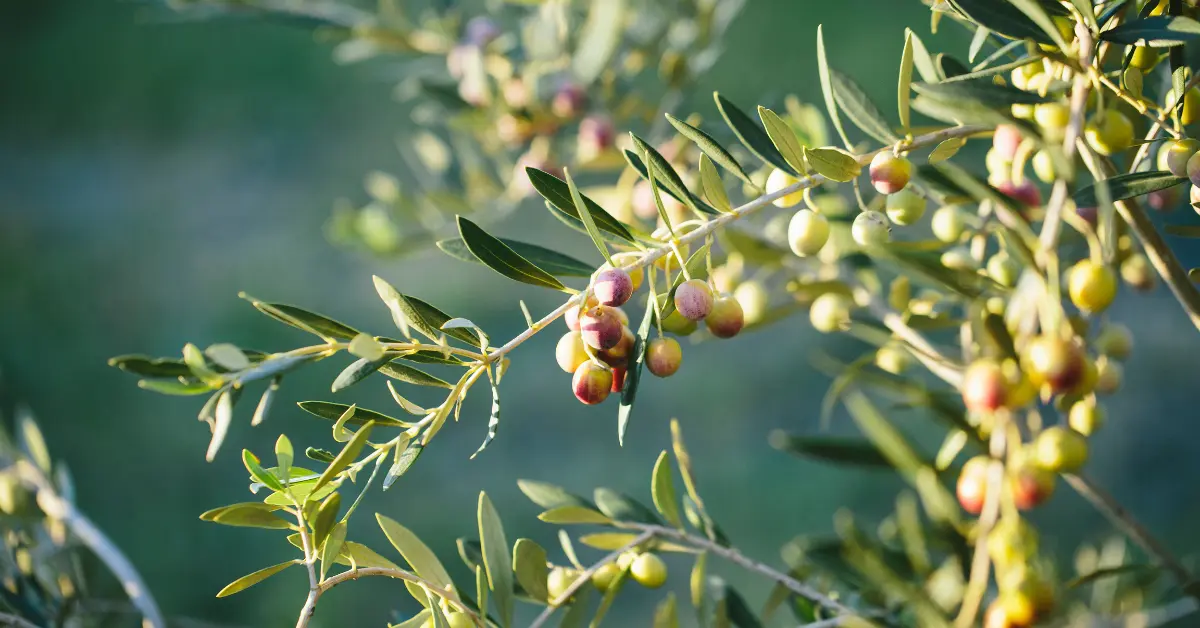
How to Grow Arbequina Olive Trees: The Ultimate Guide to Your Own Olive Grove
Arbequina Olive Tree (Olea europaea ‘Arbequina’) – the ultimate Mediterranean plant that brings a touch [...]
Oct
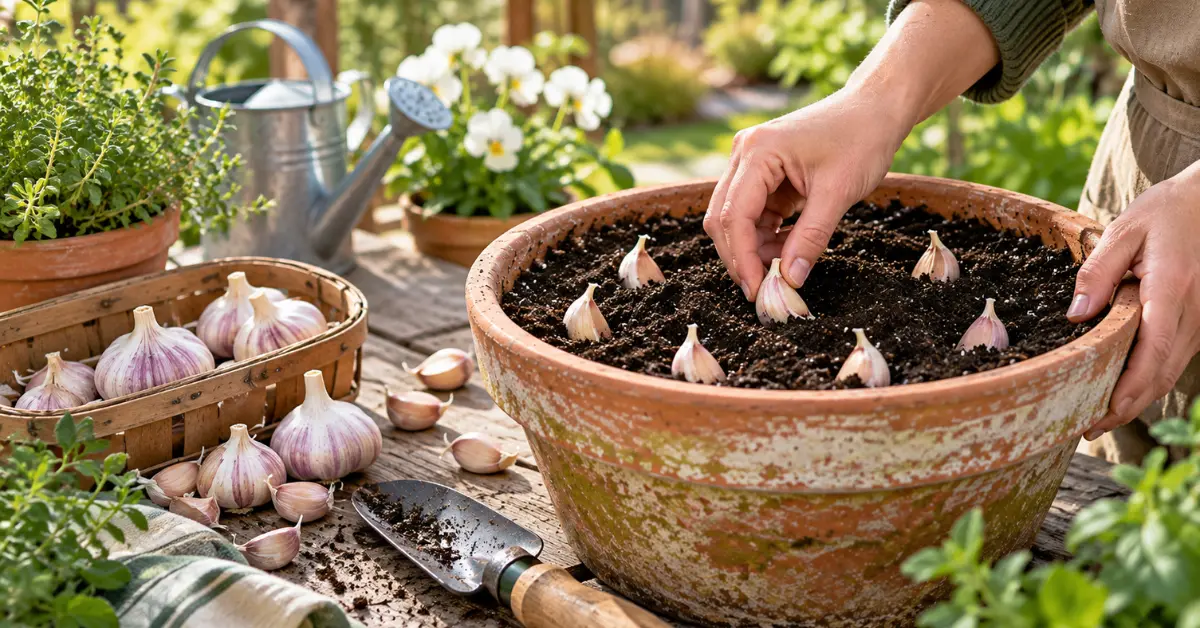
Growing Garlic in Containers This Fall: A Complete Guide for Beginners
If you’ve ever wanted to pop fresh, aromatic garlic cloves straight from your own patio [...]
Sep
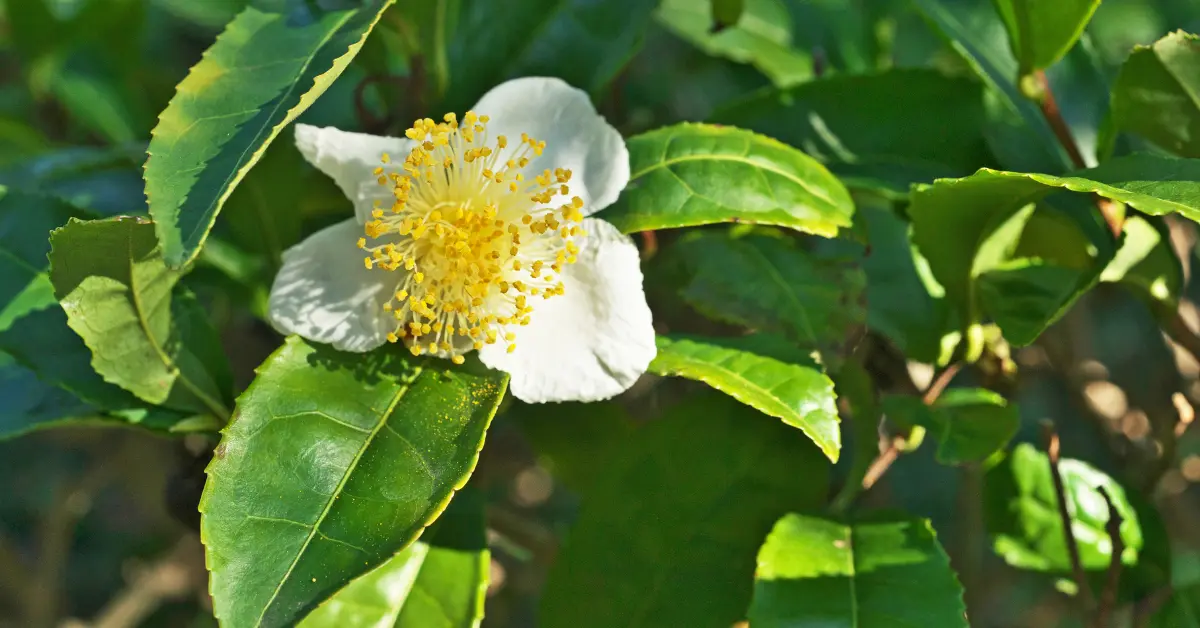
Growing Camellia Sinensis (Tea Plants) in Containers: A Complete Guide for Beginners
If you’ve ever wanted to sip a steaming, homegrown cup of fresh green, black, or [...]
Aug
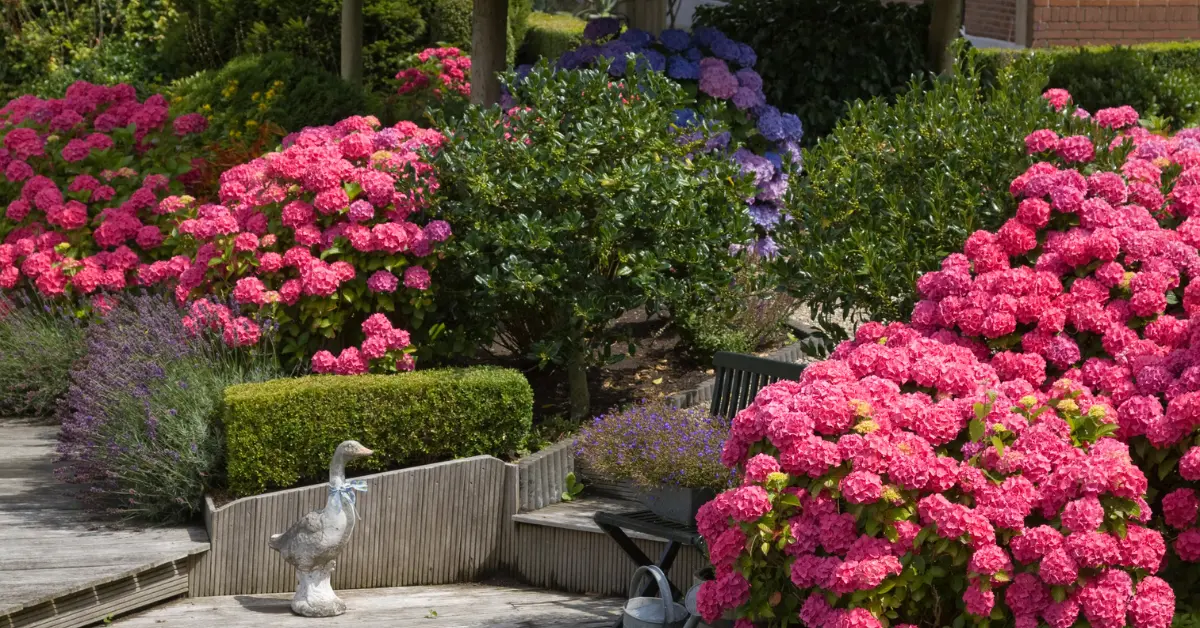
6 Best Shrubs to Plant in August You Must Try
Have you ever walked through a nursery late in the summer, admired the vibrant shrubs [...]
Aug
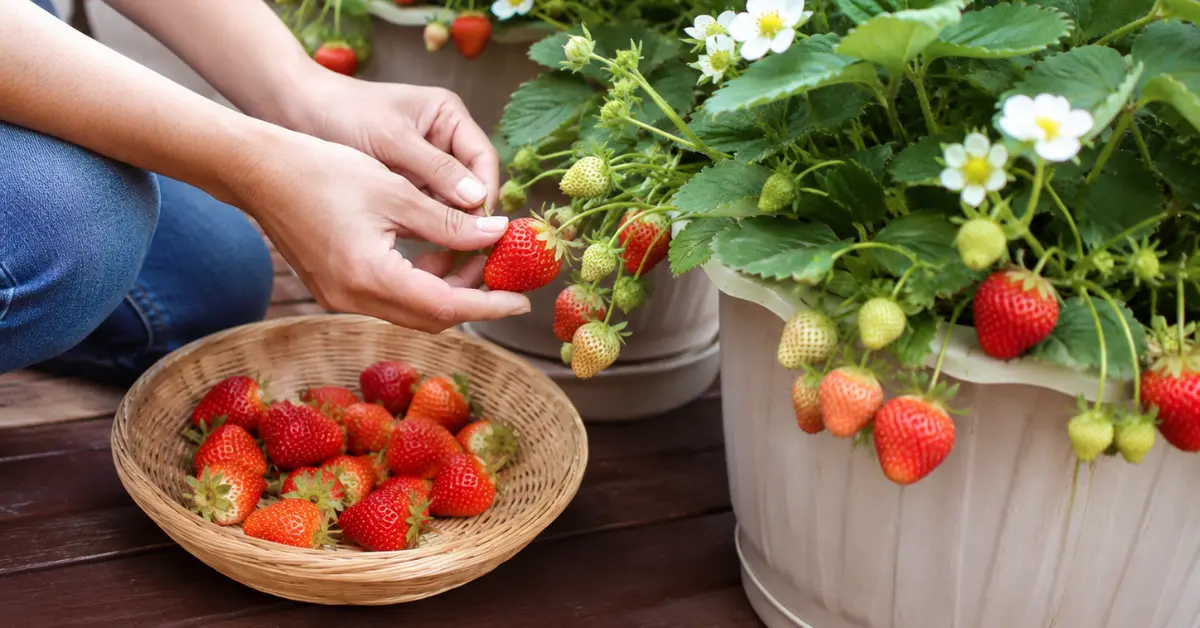
Growing Everbearing Strawberries in Containers: A Complete Guide for Beginners
Want to grow sweet, fresh strawberries but do not have a large garden? Everbearing strawberries [...]
Aug
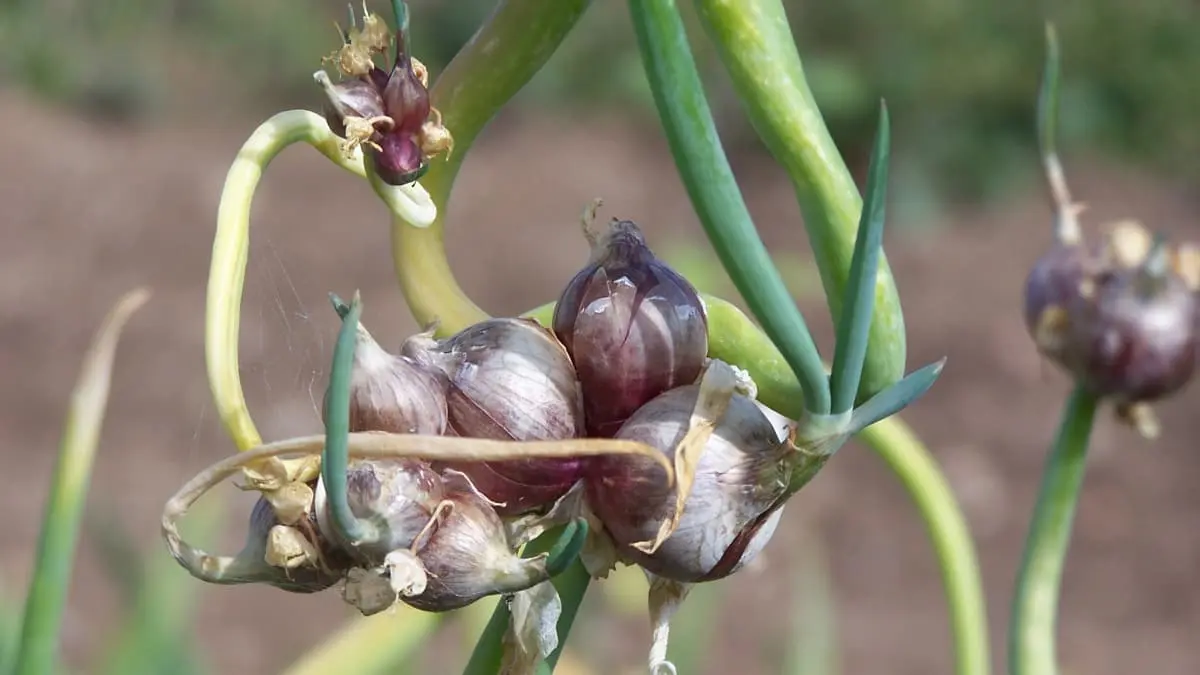
Growing Egyptian Walking Onions in Containers: A Complete Guide for Beginners
If you’re looking for a hardy, no-fuss perennial onion that keeps on giving year after [...]
Jul
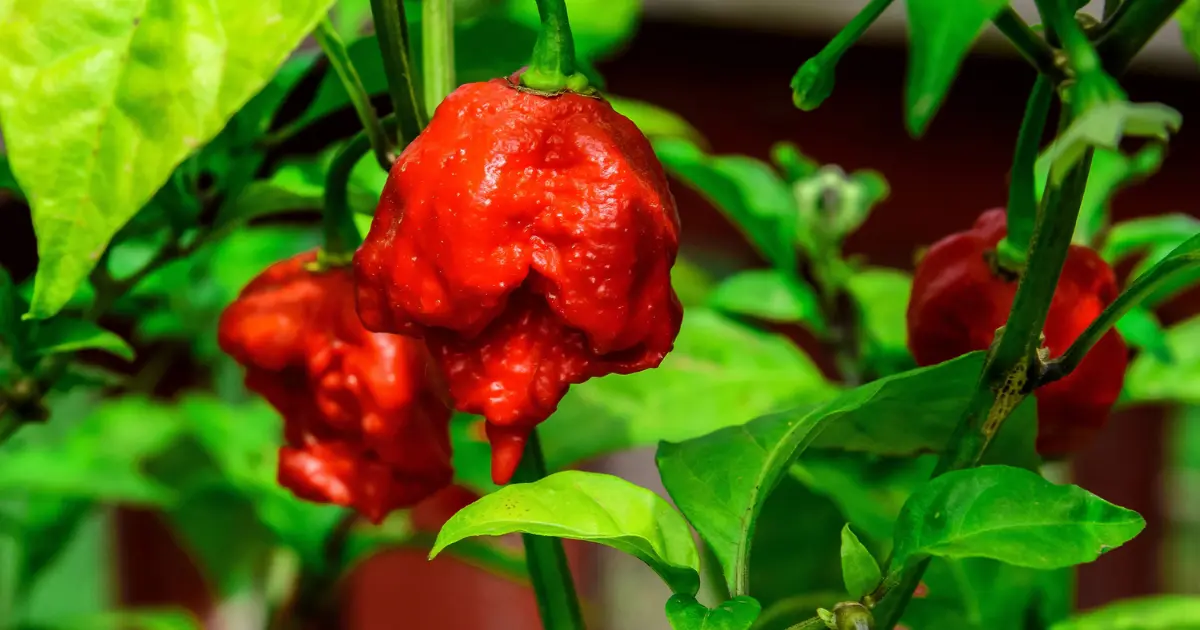
Growing Carolina Reaper Peppers in Pots: A Complete Guide for Beginners
If you’ve ever wanted to add some serious, record-breaking heat to your home cooking, you’ve [...]
May
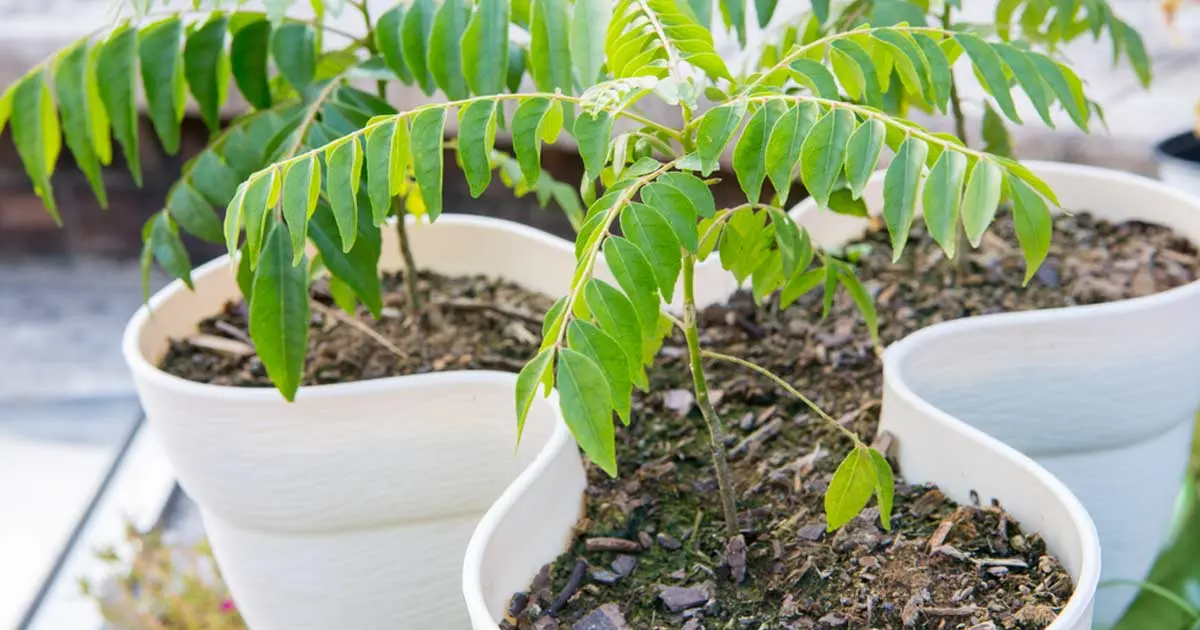
Growing Curry Leaf Plant in Pots: A Complete Guide for Beginners
If you’re a fan of authentic South Asian cuisine, you already know that nothing compares [...]
May
Reviews
There are no reviews yet.