
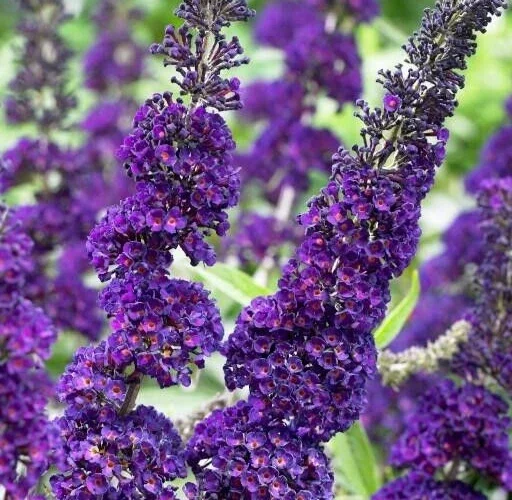
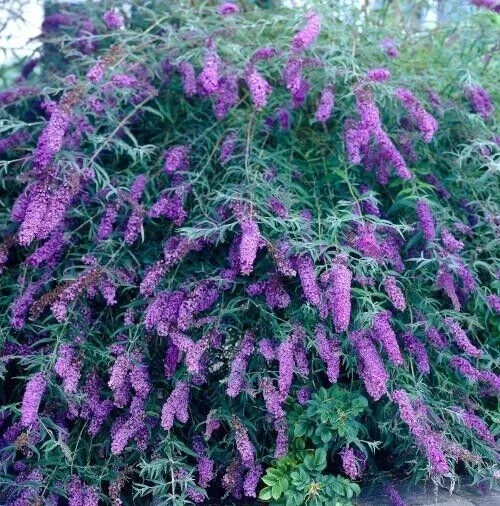
Purple Butterfly Bush Live Plant Unrooted Cuttings – Buddleja Davidii 6 inch
Original price was: $52.44.$18.99Current price is: $18.99.
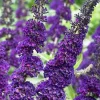
Cultivate beautiful purple flowers with these purple butterfly bush cuttings. Perfect for attracting pollinators, these buddleja davidii live plant cuttings are ready to root and thrive in your garden, offering vibrant color and a delightful fragrance.
Estimated arrival
Oct 06
Oct 11 - Oct 13
Oct 16 - Oct 20

Reasonable Price
We offer reasonable price

Support 24/7
Contact us 24 hrs a day

100% Money Back
You've 30 days to Return

Payment Secure
100% secure payment
Overview
Transform your garden into a pollinator’s paradise with these vibrant purple butterfly bush cuttings. Also known by its botanical name, Buddleja Davidii, this beloved shrub is renowned for its spectacular, cone-shaped clusters of fragrant purple flowers that bloom profusely from summer through fall. These unrooted cuttings offer an economical and rewarding way to propagate your own stunning butterfly bushes. Each cutting is carefully selected to ensure a high success rate, allowing you to easily grow butterfly bush plants that will become a focal point in any landscape. Imagine your garden teeming with butterflies, hummingbirds, and other beneficial insects, all drawn to the irresistible allure of these beautiful blooms.
The purple butterfly bush cuttings are an excellent choice for gardeners looking to add significant visual impact and ecological value to their outdoor spaces. These plants are known for their rapid growth and resilience, making them suitable for both novice and experienced gardeners. By starting with cuttings, you have the satisfaction of nurturing a plant from its earliest stages, watching it develop into a mature, show-stopping shrub. This particular variety, with its deep purple hues, provides a rich color palette that complements a wide range of garden designs and styles, from cottage gardens to more formal perennial borders.
Key Benefits
Investing in these purple butterfly bush cuttings brings a multitude of benefits to your garden and the local ecosystem. They are not just visually appealing but also serve important ecological functions.
- Attracts Pollinators: The primary benefit of the purple butterfly bush cuttings is their incredible ability to draw in butterflies, bees, and hummingbirds. The nectar-rich flowers provide a vital food source, making your garden a haven for these essential pollinators.
- Vibrant Purple Blooms: Enjoy a long season of beautiful, rich purple flowers that add a splash of intense color to your landscape. These eye-catching blooms provide continuous visual interest from mid-summer into autumn.
- Easy to Grow from Cuttings: These unrooted cuttings are designed for straightforward propagation, making it simple for you to grow butterfly bush plants. With basic care, you can establish new plants quickly and efficiently.
- Low Maintenance Shrub: Once established, the butterfly bush is remarkably hardy and requires minimal care. It’s drought-tolerant and generally pest-resistant, making it an ideal choice for busy gardeners.
- Fragrant Flowers: The delightful, sweet fragrance emitted by the purple blooms adds another sensory dimension to your garden, enhancing its overall appeal and creating a pleasant atmosphere.
- Versatile Landscape Use: Perfect for borders, mass plantings, specimen plants, or even large containers, this purple flowering shrub adapts well to various garden settings.
- Rapid Growth: Butterfly bushes are known for their vigorous growth habit, quickly establishing themselves and producing abundant flowers in just one to two seasons.
Plant Care & Growing Tips
Caring for your purple butterfly bush cuttings is relatively simple, ensuring a successful transition from unrooted cutting to a thriving shrub. Upon arrival, carefully unpack your cuttings. To encourage rooting, dip the cut end of each cutting into a rooting hormone powder or gel (optional, but recommended for best results). Plant the cuttings in a well-draining potting mix, ideally in small pots or a propagation tray. Ensure at least two nodes (where leaves were attached) are buried in the soil. Keep the soil consistently moist but not waterlogged. Placing a plastic dome or bag over the pots can help maintain humidity, which is crucial for rooting.
Once your buddleja davidii live plant cuttings have developed a strong root system and new growth appears, they can be transplanted into larger containers or directly into the garden. Choose a location that receives full sun, meaning at least 6-8 hours of direct sunlight per day. Butterfly bushes thrive in well-drained soil; they do not tolerate soggy conditions. Amend heavy clay soils with organic matter like compost to improve drainage. While establishing, regular watering is important, but once mature, these plants are quite drought-tolerant. Fertilize sparingly in spring with a balanced slow-release fertilizer. Pruning is key to maintaining shape and encouraging continuous blooming. In late winter or early spring, cut back the previous year’s growth by about two-thirds to promote vigorous new growth and abundant flowers. Deadheading spent blooms throughout the season will also encourage more flowers and prevent self-seeding, which can sometimes lead to invasiveness in certain regions. This proactive pruning will ensure your purple flowering shrub remains healthy and vibrant.
Size & Details
These purple butterfly bush cuttings are typically supplied as 6-inch unrooted sections of healthy, mature plant material, ready for propagation. Each cutting is carefully selected to ensure it has several nodes, which are essential for root development and new shoot growth. When successfully rooted and planted, these cuttings will quickly establish themselves, growing into mature shrubs that typically reach a height of 5 to 10 feet and a spread of 4 to 8 feet, depending on the variety and growing conditions. The growth rate is generally fast, with established plants often blooming in their first or second year. Expect a profusion of flowers from mid-summer through fall, providing continuous color and attracting pollinators to your garden. This method allows you to grow butterfly bush plants to your desired size and shape with proper pruning.
The unrooted nature of these cuttings means they are shipped without soil or pots, making them lightweight and easy to handle upon arrival. They are best started in a propagation medium indoors or in a sheltered outdoor location before being transplanted into their final garden spot. Once mature, the plant forms a bushy, deciduous shrub with lance-shaped, grayish-green leaves that complement its striking purple flowers. The flowers themselves are small, individual florets clustered together in long, conical panicles, creating a dramatic visual effect. This particular offering is for the classic purple variety, a timeless choice for any pollinator garden plant.
Frequently Asked Questions
- Q: How big does this plant get once grown from cuttings? A: A: Once successfully rooted and established, a purple butterfly bush cuttings plant can grow to be 5 to 10 feet tall and 4 to 8 feet wide, depending on the specific variety and how it’s pruned. Regular pruning helps manage its size and shape.
- Q: Is this an indoor or outdoor plant? A: The buddleja davidii live plant is primarily an outdoor shrub. It thrives in sunny garden beds and can also be grown in very large containers outdoors. It is not typically grown as an indoor houseplant.
- Q: How much sunlight does it need? A: To produce the most abundant blooms and maintain a healthy growth habit, this purple flowering shrub requires full sun, meaning at least 6-8 hours of direct sunlight per day. Less sun can result in fewer flowers and leggy growth.
- Q: Is this plant easy to care for? A: Yes, once established, the purple butterfly bush cuttings result in a relatively low-maintenance plant. It’s known for being drought-tolerant and generally pest-resistant, making it suitable for gardeners of all experience levels.
- Q: What condition will the cuttings arrive in? A: Your purple butterfly bush cuttings will arrive as unrooted, fresh stem sections, typically around 6 inches long. They will be carefully packaged to ensure they remain healthy and viable for rooting upon arrival.
- Q: How long until it blooms after planting cuttings? A: With proper care, rooted cuttings can establish quickly. You may see some blooms in the first year, but more significant flowering typically occurs in the second year as the plant matures. Consistent pruning promotes more prolific blooming.
- Q: Will it survive winter in my zone? A: The butterfly bush is generally hardy in USDA Zones 5-9. In colder zones, it may die back to the ground in winter but will often regrow from the roots in spring. In warmer zones, it can remain evergreen or semi-evergreen.
- Q: What type of soil does a pollinator garden plant like this prefer? A: Butterfly bushes prefer well-draining soil. They are adaptable to various soil types but will struggle in heavy, waterlogged conditions. Amending with compost can improve drainage in clay soils.
- Q: Can I grow this plant in a container? A: While primarily a garden shrub, you can grow butterfly bush in large containers, especially compact varieties. Ensure the container has excellent drainage and is large enough to accommodate the root system.
- Q: Are these cuttings good for attracting specific types of butterflies? A: Yes, the purple butterfly bush cuttings are renowned for attracting a wide variety of butterflies, including Swallowtails, Monarchs, Painted Ladies, and more, thanks to their abundant, nectar-rich flowers.
Be the first to review “Purple Butterfly Bush Live Plant Unrooted Cuttings – Buddleja Davidii 6 inch”
-
USDA Hardiness Zone
USDA Zones 5-9 -
Soil Type
Well-draining soil -
Sunlight Exposure
Full sun -
Expected Planting Period
Spring to early summer
People Also Viewd
Sold 134 products
Original price was: $3,536.00.$23.99Current price is: $23.99.
Sold 132 products
Original price was: $27.00.$24.00Current price is: $24.00.
Sold 132 products
Original price was: $89.99.$64.99Current price is: $64.99.

Sold 125 products
Original price was: $86.99.$66.99Current price is: $66.99.
Flower Bulbs
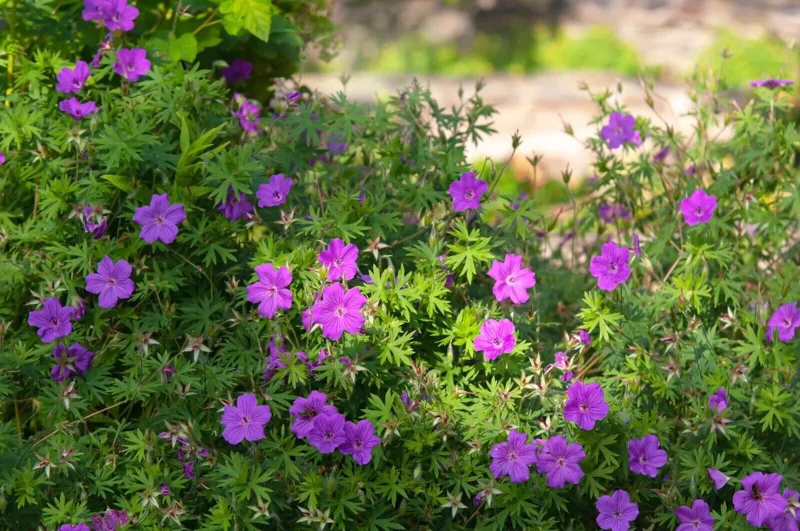
3 Cranesbill Wild Geranium Organic Maculatums Bare Roots | Wildflower for Outdoor Garden
Sold 116 products
Original price was: $21.99.$9.99Current price is: $9.99.
Sold 114 products
Original price was: $28.99.$17.99Current price is: $17.99.
Sold 110 products
Original price was: $63.99.$28.99Current price is: $28.99.
Sold 108 products
Original price was: $28.99.$17.99Current price is: $17.99.RELATED posts
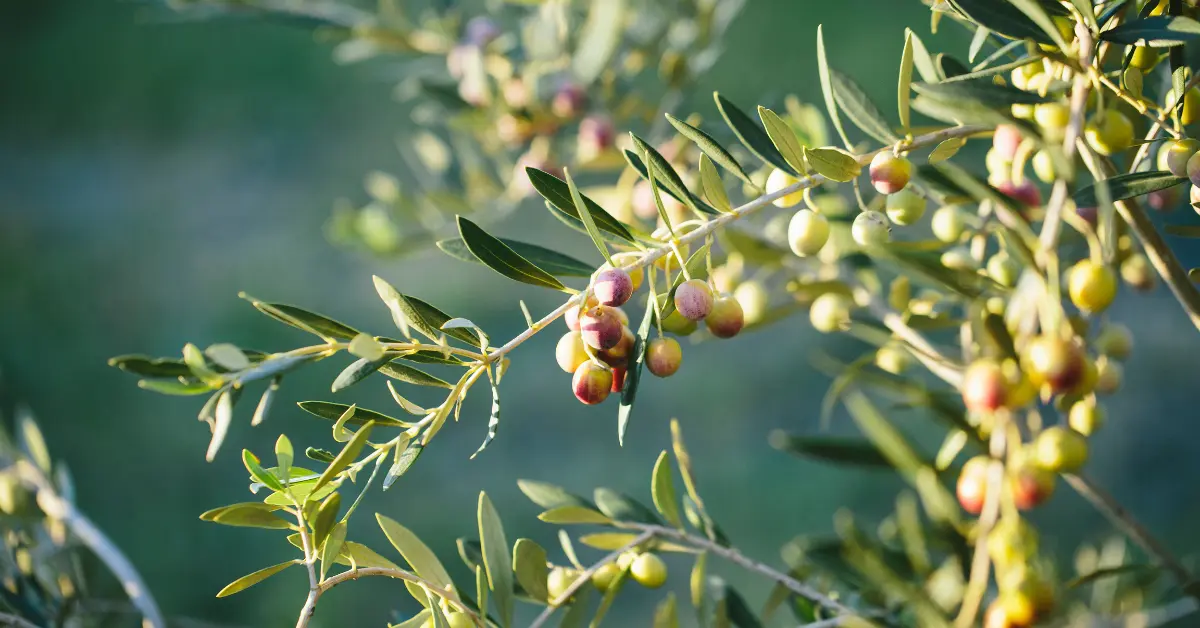
How to Grow Arbequina Olive Trees: The Ultimate Guide to Your Own Olive Grove
Arbequina Olive Tree (Olea europaea ‘Arbequina’) – the ultimate Mediterranean plant that brings a touch [...]
Oct
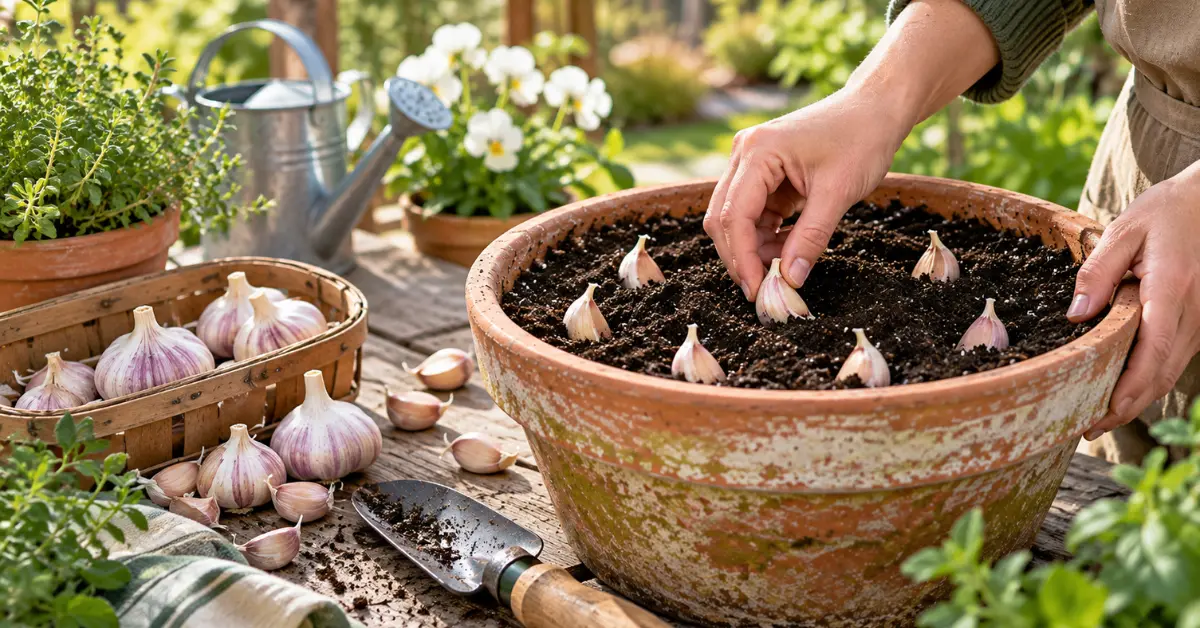
Growing Garlic in Containers This Fall: A Complete Guide for Beginners
If you’ve ever wanted to pop fresh, aromatic garlic cloves straight from your own patio [...]
Sep
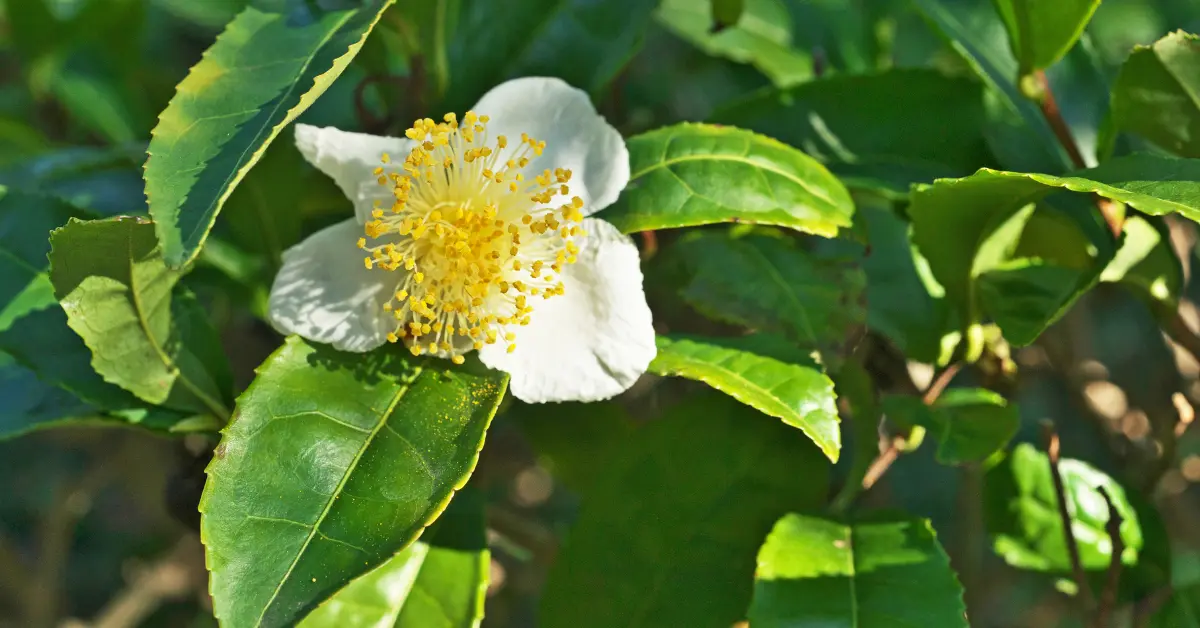
Growing Camellia Sinensis (Tea Plants) in Containers: A Complete Guide for Beginners
If you’ve ever wanted to sip a steaming, homegrown cup of fresh green, black, or [...]
Aug
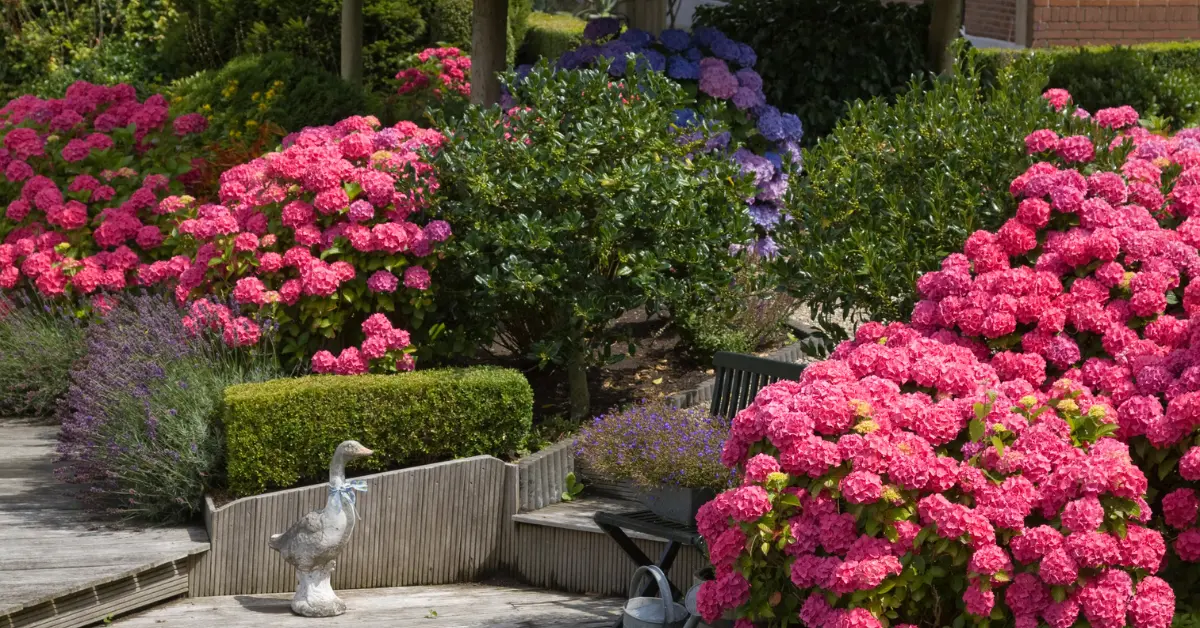
6 Best Shrubs to Plant in August You Must Try
Have you ever walked through a nursery late in the summer, admired the vibrant shrubs [...]
Aug
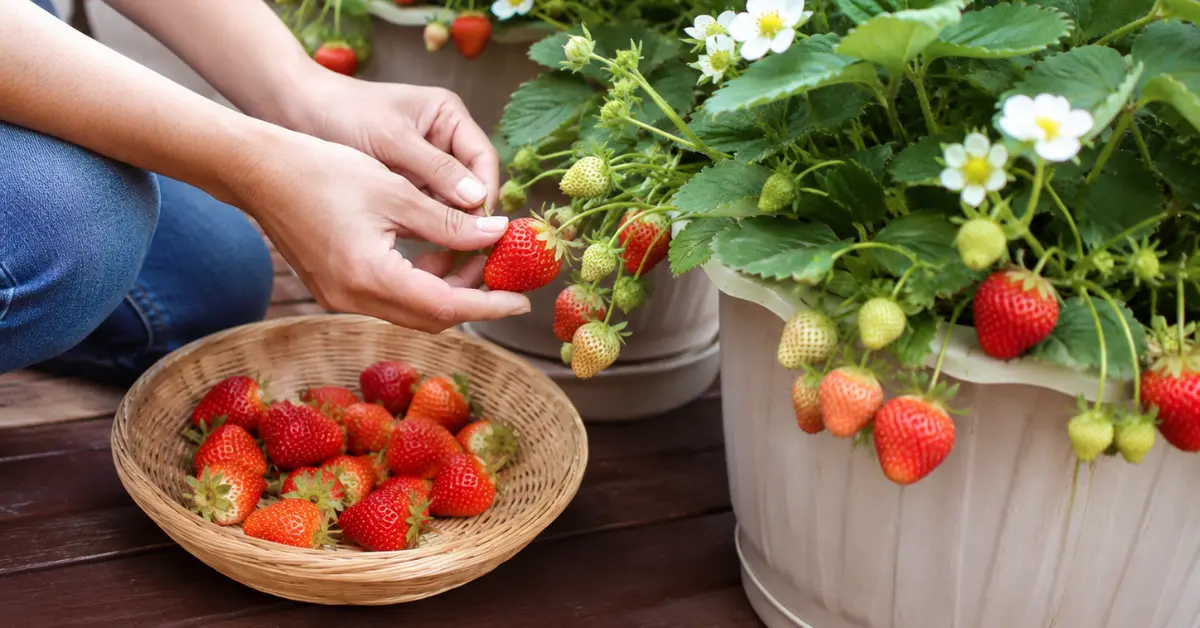
Growing Everbearing Strawberries in Containers: A Complete Guide for Beginners
Want to grow sweet, fresh strawberries but do not have a large garden? Everbearing strawberries [...]
Aug
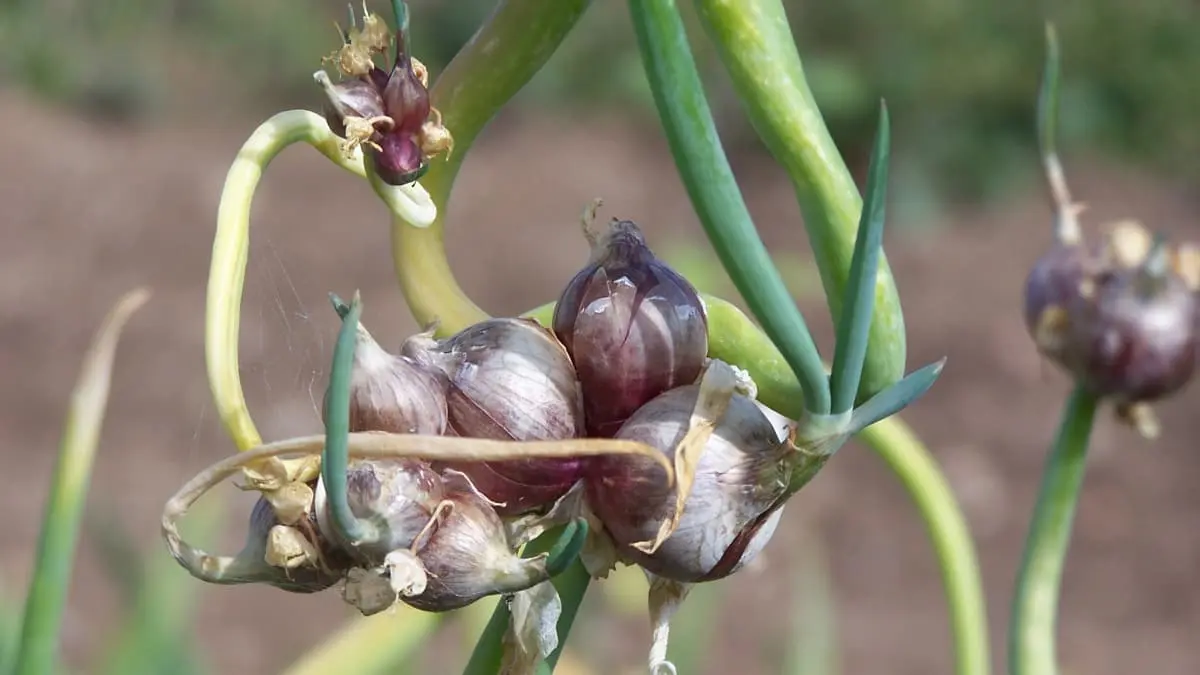
Growing Egyptian Walking Onions in Containers: A Complete Guide for Beginners
If you’re looking for a hardy, no-fuss perennial onion that keeps on giving year after [...]
Jul
Growing Carolina Reaper Peppers in Pots: A Complete Guide for Beginners
If you’ve ever wanted to add some serious, record-breaking heat to your home cooking, you’ve [...]
May
Growing Curry Leaf Plant in Pots: A Complete Guide for Beginners
If you’re a fan of authentic South Asian cuisine, you already know that nothing compares [...]
May
Reviews
There are no reviews yet.