
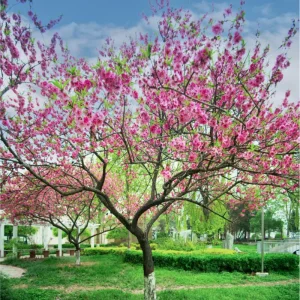
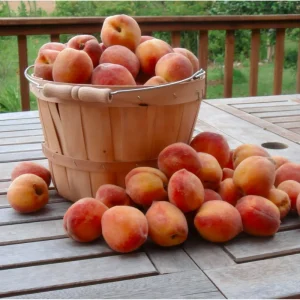
Red Haven Peach Live Plant – Sweet Grafted Fruit Tree – 6-12 Inch Tall Bare Root
Original price was: $103.99.$83.99Current price is: $83.99.
Cultivate your own delicious fruit with a Red Haven peach live plant. This 6-12 inch tall bare root plant offers an easy start to growing sweet, freestone peaches in your home garden. Grafted for optimal fruit production and disease resistance.
Estimated arrival
Oct 11
Oct 16 - Oct 18
Oct 21 - Oct 25

Reasonable Price
We offer reasonable price

Support 24/7
Contact us 24 hrs a day

100% Money Back
You've 30 days to Return

Payment Secure
100% secure payment
Overview
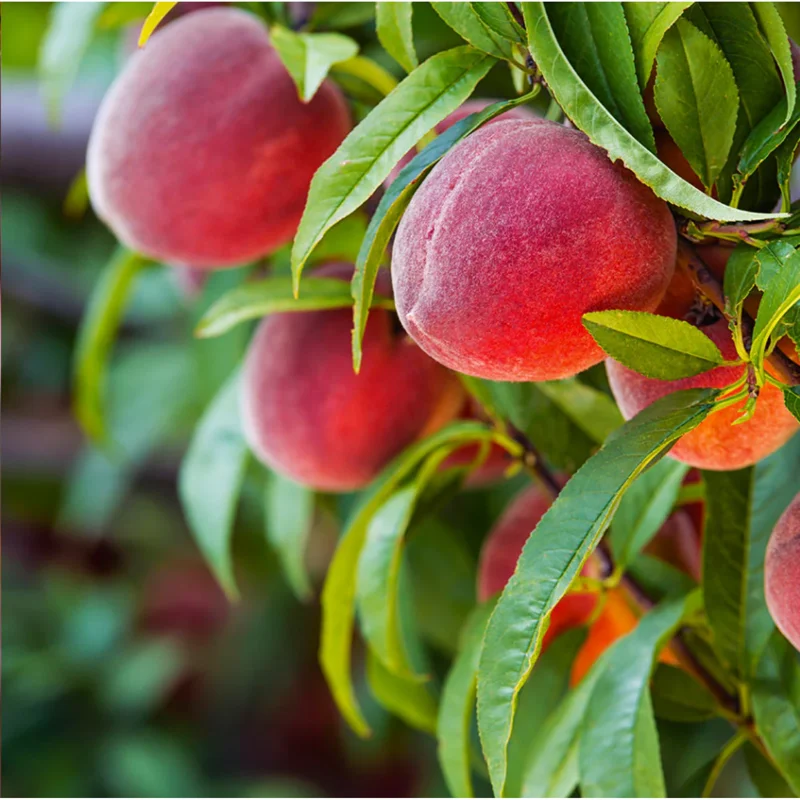
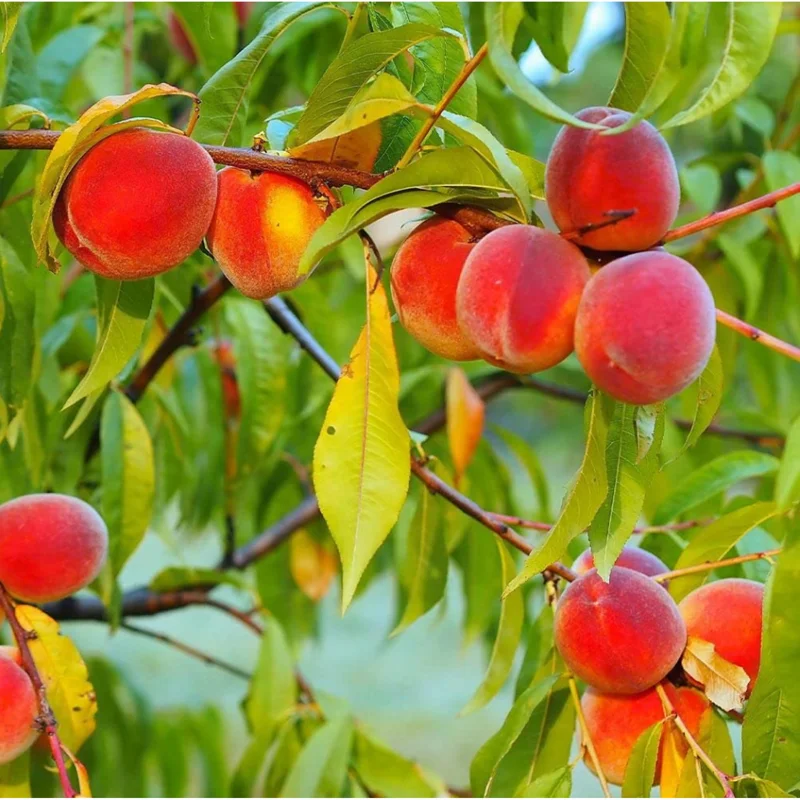
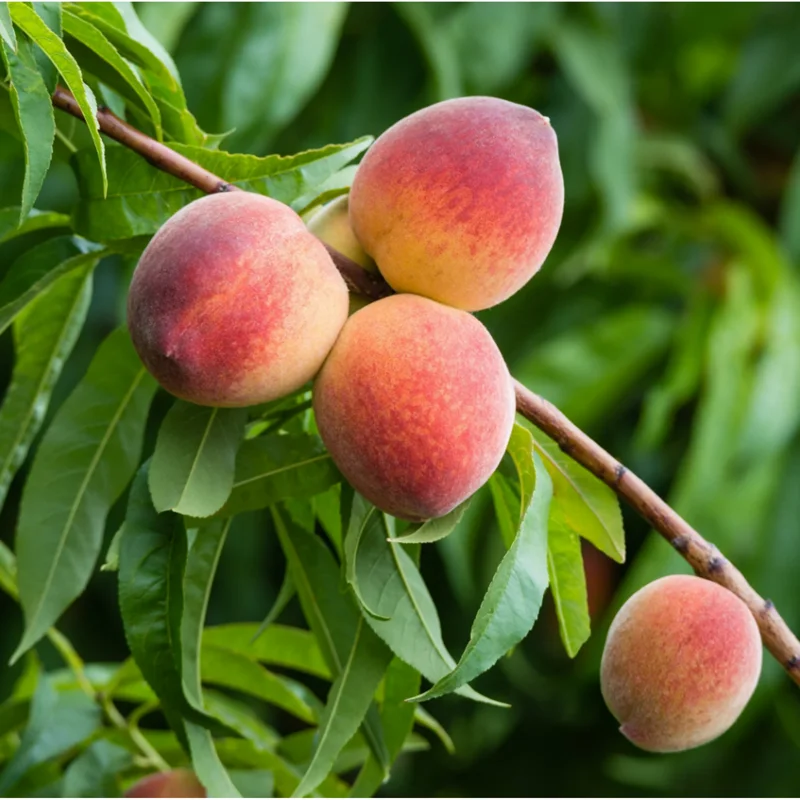
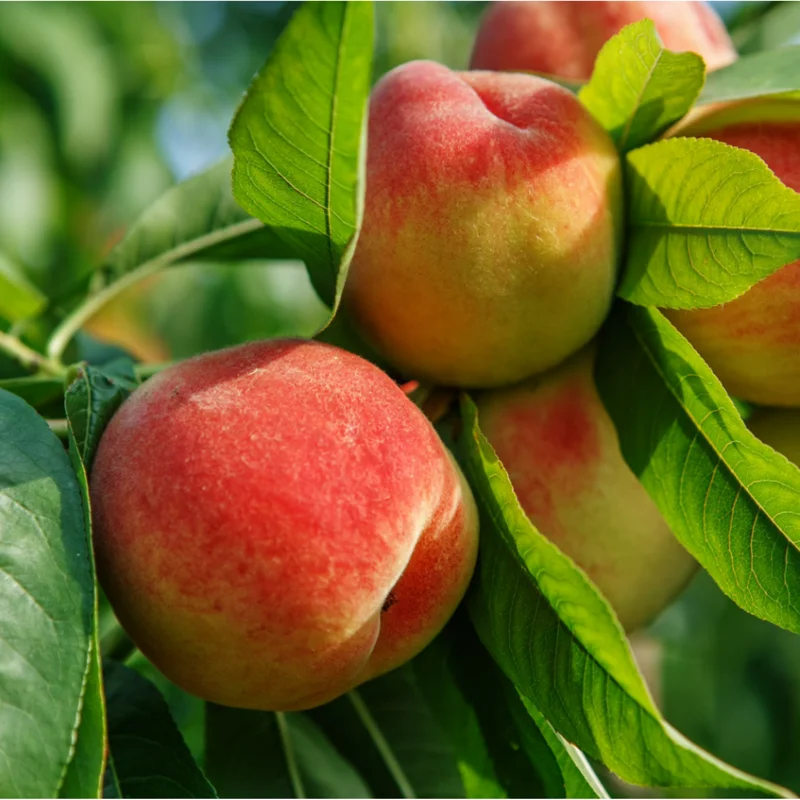
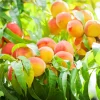
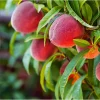
Introduce the joy of homegrown fruit to your garden with a Red Haven peach live plant. Revered for its exceptional flavor and consistent yields, the Red Haven Peach (Prunus persica ‘Redhaven’) is a self-pollinating, deciduous fruit tree that brings a touch of orchard charm to any landscape. This offering is a 6 to 12 inch tall bare root plant, carefully grafted to ensure robust growth and early fruit production. Known for its mid-summer harvest, the Red Haven peach produces beautiful, fuzzy, yellow-fleshed, freestone peaches that are perfect for eating fresh, baking, or preserving. Planting a Red Haven peach tree is an investment in future harvests of sweet, juicy fruit right from your backyard. These trees are known for their vigor and adaptability, making them a popular choice among home gardeners.
Our Red Haven peach live plant is prepared for planting, allowing you to establish a strong root system quickly. Bare root plants typically adapt well to new environments and often establish faster than potted plants. With proper care, this young tree will mature into a productive fruit-bearing specimen, offering an abundant supply of one of summer’s most cherished fruits. The Red Haven variety is celebrated not only for its taste but also for its reliability and relatively low maintenance compared to some other fruit trees, making it an excellent addition to your edible landscape.
Key Benefits
The Red Haven peach live plant offers numerous advantages for the home gardener, promising both aesthetic appeal and delicious rewards:
-
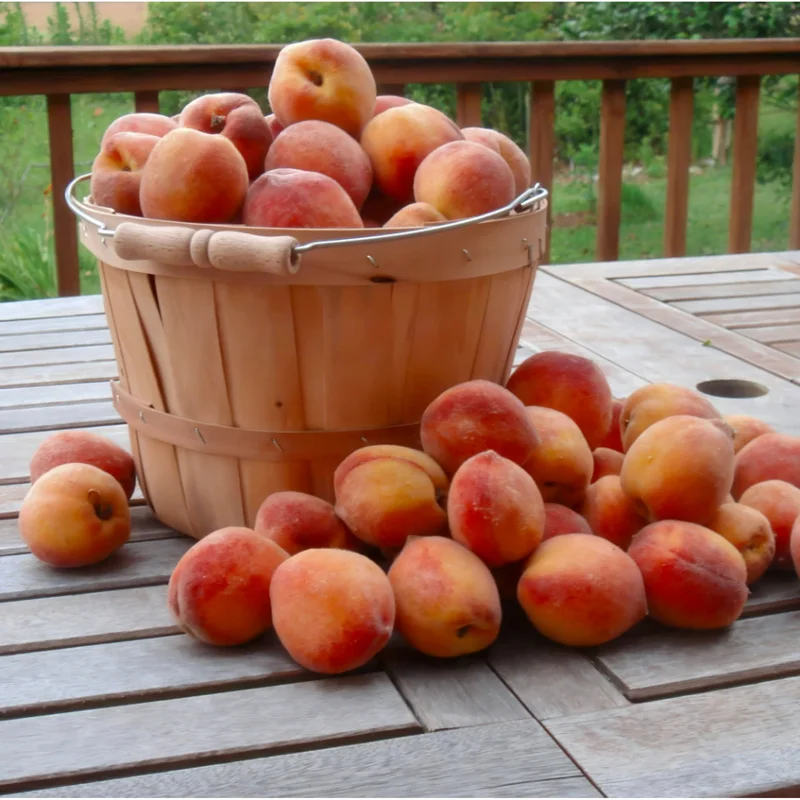
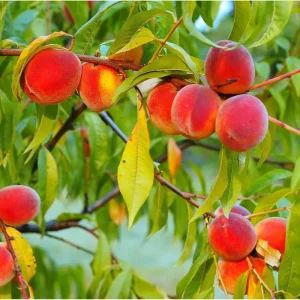
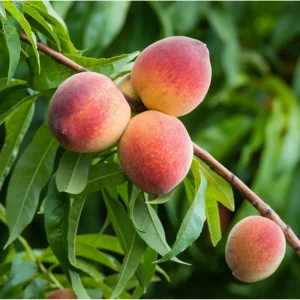
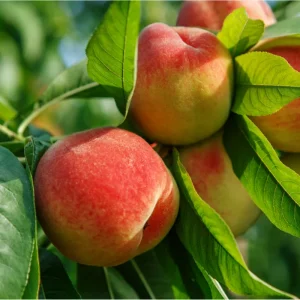
Exceptional Fruit Quality: Enjoy abundant harvests of large, sweet, yellow-fleshed peaches with a beautiful red blush. These peaches are freestone, meaning the flesh separates easily from the pit, making them ideal for fresh eating, canning, and baking.
-
Self-Pollinating: The Red Haven peach is self-fertile, meaning you only need one tree to produce fruit. While planting multiple trees can increase yields, a single Red Haven peach tree will reliably produce fruit on its own, simplifying your garden planning.
-
Reliable Performer: This variety is widely recognized for its consistent production and adaptability, thriving in a range of climates. It’s a proven choice for home orchards, offering a dependable source of delicious summer fruit.
-
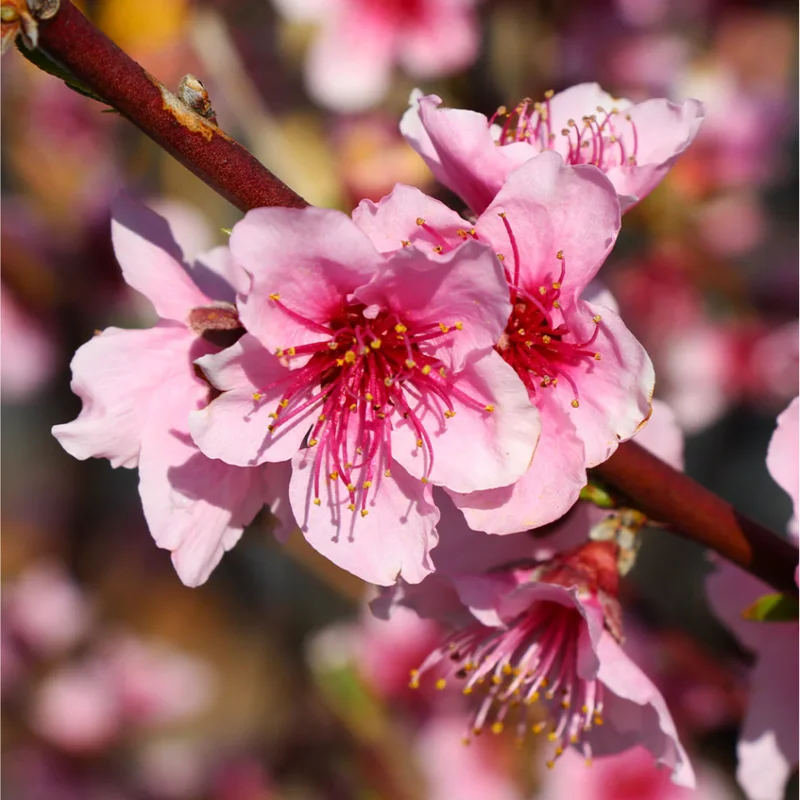
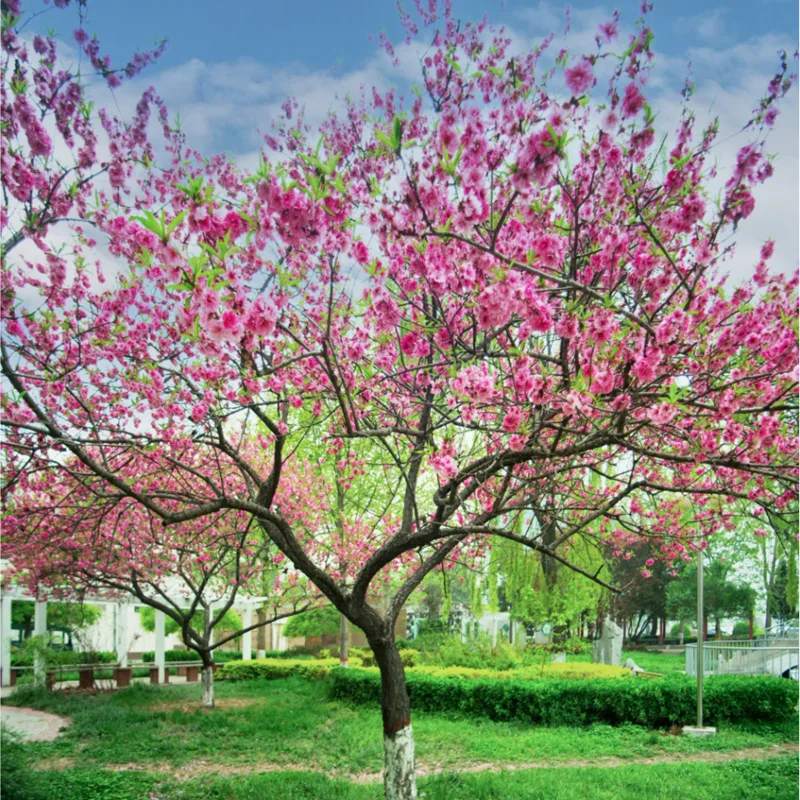
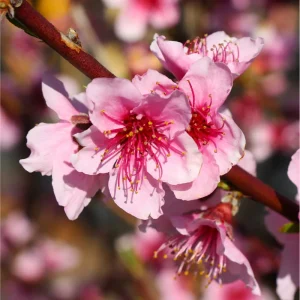
Beautiful Ornamental Value: Beyond its fruit, the Red Haven peach tree provides seasonal beauty with delicate pink blossoms in spring, lush green foliage in summer, and potentially vibrant fall color, enhancing your garden’s aesthetic appeal.
-
Grafted for Vigor: This plant is a grafted peach tree, which combines the desirable fruit characteristics of the Red Haven scion with the strong rootstock of another peach variety. Grafting often leads to faster growth, earlier fruiting, and improved disease resistance.
-
Homegrown Freshness: Nothing compares to the taste of a freshly picked peach from your own garden. Growing your own ensures you have access to ripe, chemical-free fruit, perfect for a healthy diet and culinary adventures.
Plant Care & Growing Tips
To ensure your Red Haven peach live plant thrives and produces bountiful harvests, proper care is essential. Peaches require specific conditions to flourish. This grafted peach tree needs full sun exposure, meaning at least 6-8 hours of direct sunlight daily. Good air circulation is also crucial to prevent fungal diseases. Plant in well-drained, fertile, loamy soil with a pH between 6.0 and 7.0. Amend heavy clay soils with organic matter to improve drainage, or sandy soils to enhance water retention. A soil test beforehand can help determine any necessary amendments.
Watering is critical, especially during the establishment phase and dry periods. Water deeply, approximately 1-1.5 inches per week, ensuring the soil is consistently moist but not waterlogged. Young trees benefit from a deep soaking rather than frequent shallow watering. Fertilization should begin about 6 weeks after planting with a balanced fertilizer, such as a 12-12-12 blend. Continue to fertilize in early spring before new growth emerges each year. Pruning is vital for peach trees; dormant pruning in late winter or early spring helps shape the tree, promotes fruit production, and maintains tree health. Thinning fruit in late spring, after the natural fruit drop, will result in larger, sweeter peaches.
Protect your sweet peach for garden from pests and diseases by maintaining good garden hygiene and inspecting your tree regularly. Common issues include peach leaf curl and brown rot, which can often be managed with appropriate organic or chemical treatments if necessary. Ensure good air circulation around the branches and remove any fallen fruit or leaves to minimize disease spread. Winter protection may be necessary in colder regions, especially for young trees, to prevent frost damage to the roots and bark. The resilience of a freestone peach plant makes it a rewarding addition to many home gardens.
Size & Details
This offering is for a Red Haven peach live plant, supplied as a bare root specimen. The plant measures approximately 6 to 12 inches tall upon arrival, providing a robust starter for your home orchard. Bare root plants are dormant when shipped, making them ideal for planting in late winter or early spring before new growth begins. The grafting ensures you receive the true Red Haven variety, known for its rapid establishment and fruit-bearing capabilities. Expect this grafted peach tree to begin producing fruit within 2-4 years of planting, with increasing yields as it matures.
When mature, a Red Haven peach tree typically reaches a height of 15-25 feet with a similar spread, though it can be kept smaller with regular pruning. Its medium growth rate means it will establish well and begin producing delicious fruit in a relatively short period. The freestone characteristic of the peach makes harvest and preparation a breeze. This sweet peach for garden is a self-pollinating variety, so you only need one tree to enjoy a bountiful harvest. Plant it in a location where it has ample space to grow and receive full sun for optimal health and fruit production.
Frequently Asked Questions
-
Q: How big does this Red Haven peach live plant get? A: Upon arrival, the bare root plant is 6 to 12 inches tall. When mature, a Red Haven peach tree can reach heights of 15-25 feet with a similar spread, though its size can be managed with proper pruning.
-
Q: What is a bare root plant? A: A bare root plant is shipped dormant, without soil around its roots. This allows for easier and more economical shipping and often leads to quicker establishment in your garden once planted correctly.
-
Q: How much sunlight does a grafted peach tree need? A: This tree requires full sun, meaning at least 6-8 hours of direct sunlight per day. Adequate sunlight is crucial for fruit production and overall tree health.
-
Q: When is the best time to plant this sweet peach for garden? A: Bare root peach trees are best planted in late winter or early spring, as soon as the ground can be worked and before the tree breaks dormancy. This allows the roots to establish before summer heat sets in.
-
Q: Is the Red Haven peach self-pollinating? A: Yes, the Red Haven peach is a self-pollinating variety. You only need one tree to produce fruit, making it an excellent choice for smaller home gardens.
-
Q: What kind of soil does a freestone peach plant prefer? A: It prefers well-drained, fertile, loamy soil with a pH between 6.0 and 7.0. Good drainage is critical to prevent root rot.
-
Q: How long until this peach tree produces fruit? A: This grafted peach tree typically begins bearing fruit within 2-4 years after planting, with yields increasing as the tree matures.
-
Q: What is the USDA hardiness zone for the Red Haven peach? A: The Red Haven peach is generally hardy in USDA Zones 5-8, making it suitable for a wide range of climates across the US.
-
Q: How often should I water my young peach tree? A: Water deeply and regularly, providing about 1-1.5 inches of water per week, especially during dry periods and the first few years after planting. Ensure the soil remains consistently moist but not waterlogged.
-
Q: What does ‘freestone’ mean for a peach? A: ‘Freestone’ refers to peaches where the flesh easily separates from the pit, making them ideal for eating fresh, canning, and baking without hassle.
Be the first to review “Red Haven Peach Live Plant – Sweet Grafted Fruit Tree – 6-12 Inch Tall Bare Root”
-
USDA Hardiness Zone
USDA Zones 5-8 -
Soil Type
Well-drained, fertile, loamy soil -
Sunlight Exposure
Full sun (6-8+ hours daily) -
Expected Planting Period
Late winter to early spring
People Also Viewd


Sold 134 products
Original price was: $3,536.00.$23.99Current price is: $23.99.

Sold 132 products
Original price was: $27.00.$24.00Current price is: $24.00.

Sold 132 products
Original price was: $89.99.$64.99Current price is: $64.99.

Sold 125 products
Original price was: $86.99.$66.99Current price is: $66.99.

Flower Bulbs
3 Cranesbill Wild Geranium Organic Maculatums Bare Roots | Wildflower for Outdoor Garden
Sold 116 products
Original price was: $21.99.$9.99Current price is: $9.99.

Sold 114 products
Original price was: $28.99.$17.99Current price is: $17.99.

Sold 110 products
Original price was: $63.99.$28.99Current price is: $28.99.
Sold 108 products
Original price was: $28.99.$17.99Current price is: $17.99.RELATED posts
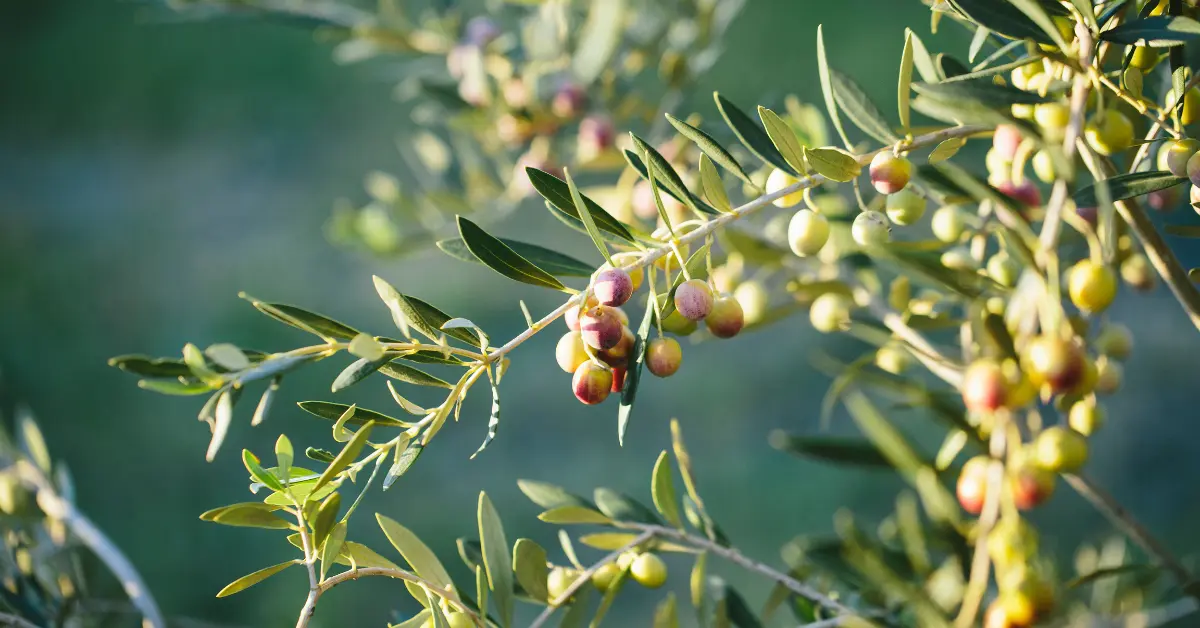
How to Grow Arbequina Olive Trees: The Ultimate Guide to Your Own Olive Grove
Arbequina Olive Tree (Olea europaea ‘Arbequina’) – the ultimate Mediterranean plant that brings a touch [...]
Oct
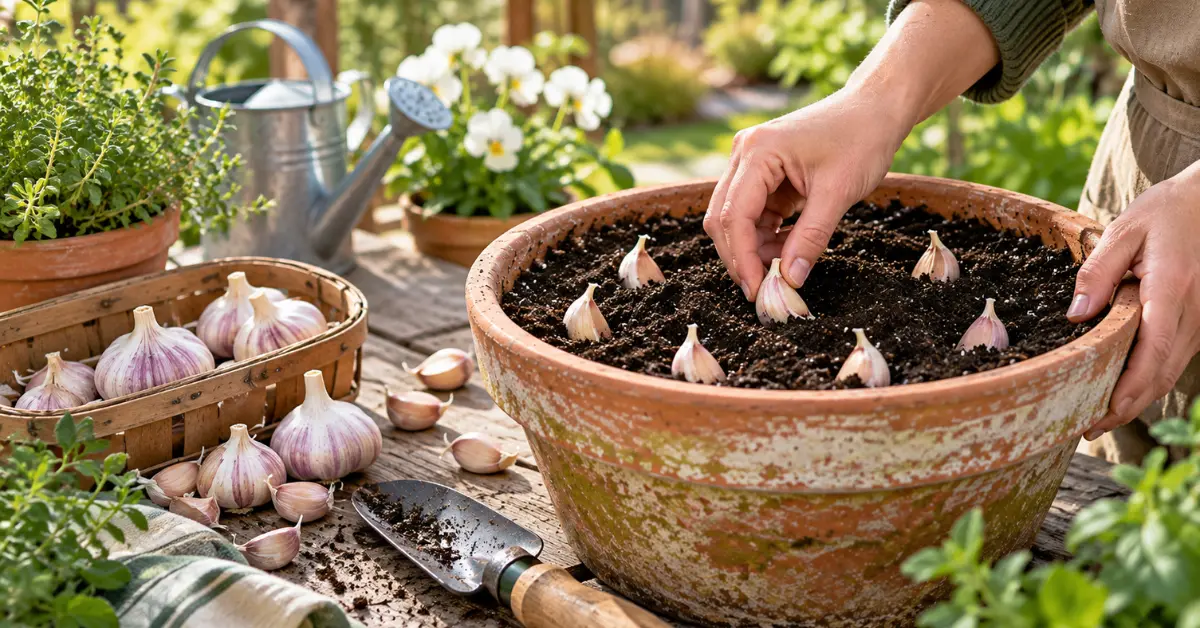
Growing Garlic in Containers This Fall: A Complete Guide for Beginners
If you’ve ever wanted to pop fresh, aromatic garlic cloves straight from your own patio [...]
Sep
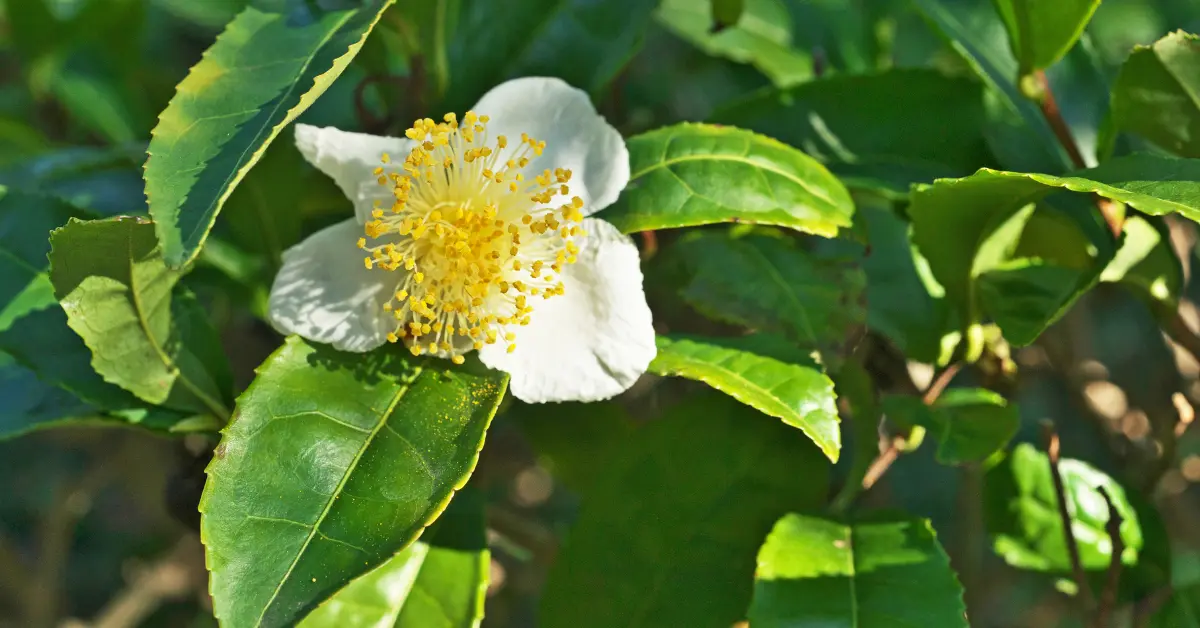
Growing Camellia Sinensis (Tea Plants) in Containers: A Complete Guide for Beginners
If you’ve ever wanted to sip a steaming, homegrown cup of fresh green, black, or [...]
Aug
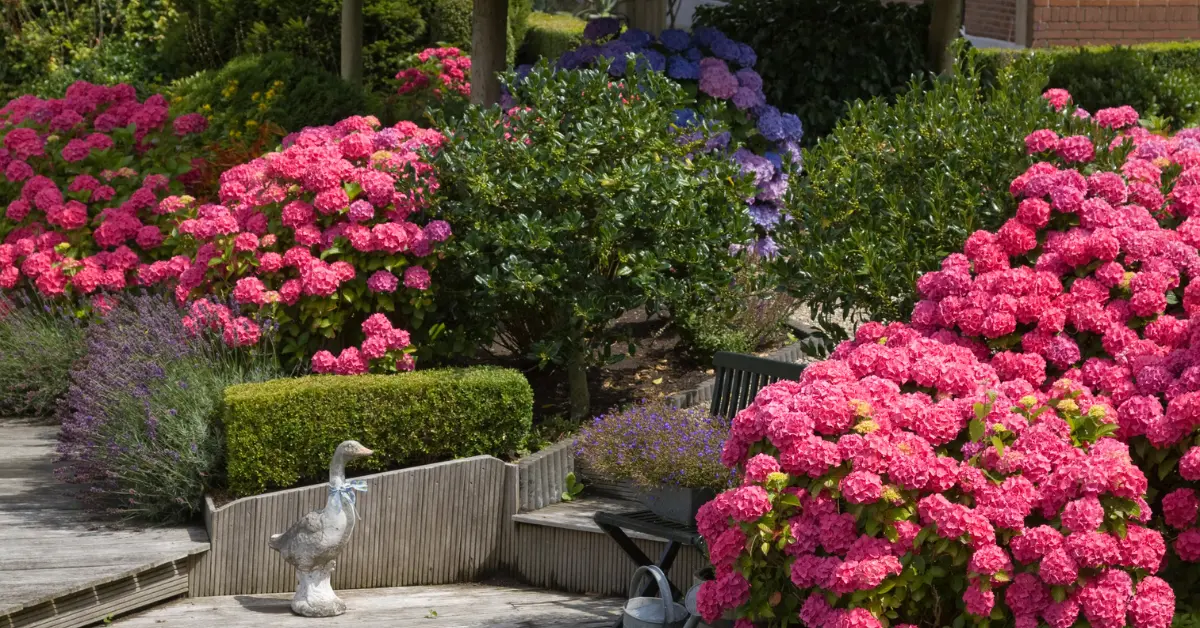
6 Best Shrubs to Plant in August You Must Try
Have you ever walked through a nursery late in the summer, admired the vibrant shrubs [...]
Aug
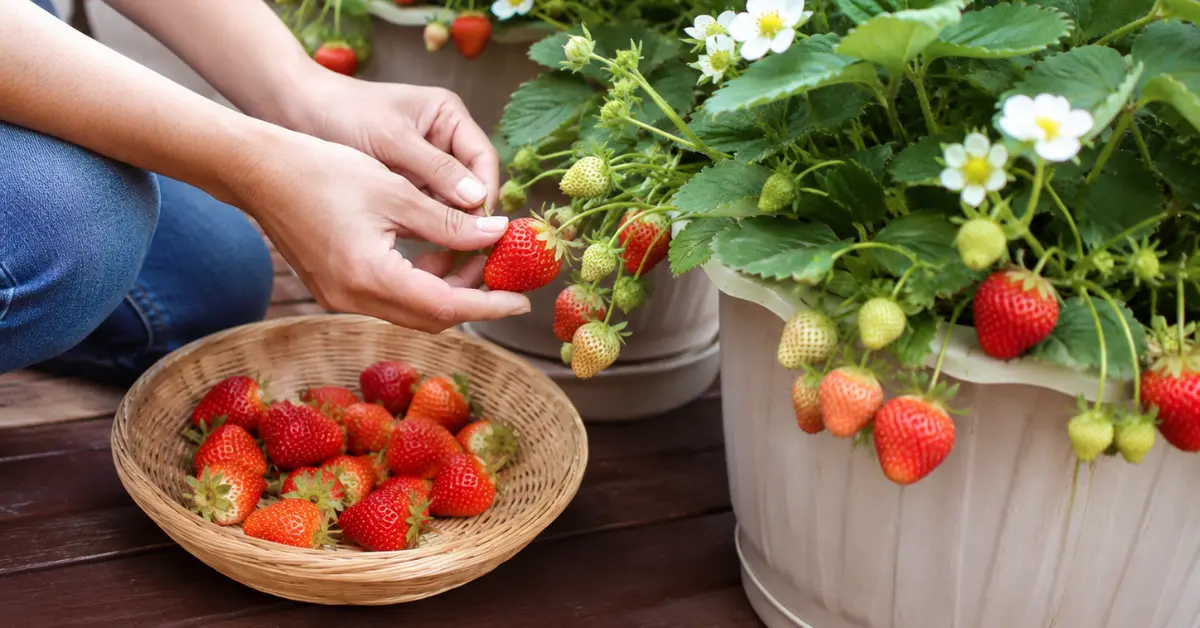
Growing Everbearing Strawberries in Containers: A Complete Guide for Beginners
Want to grow sweet, fresh strawberries but do not have a large garden? Everbearing strawberries [...]
Aug
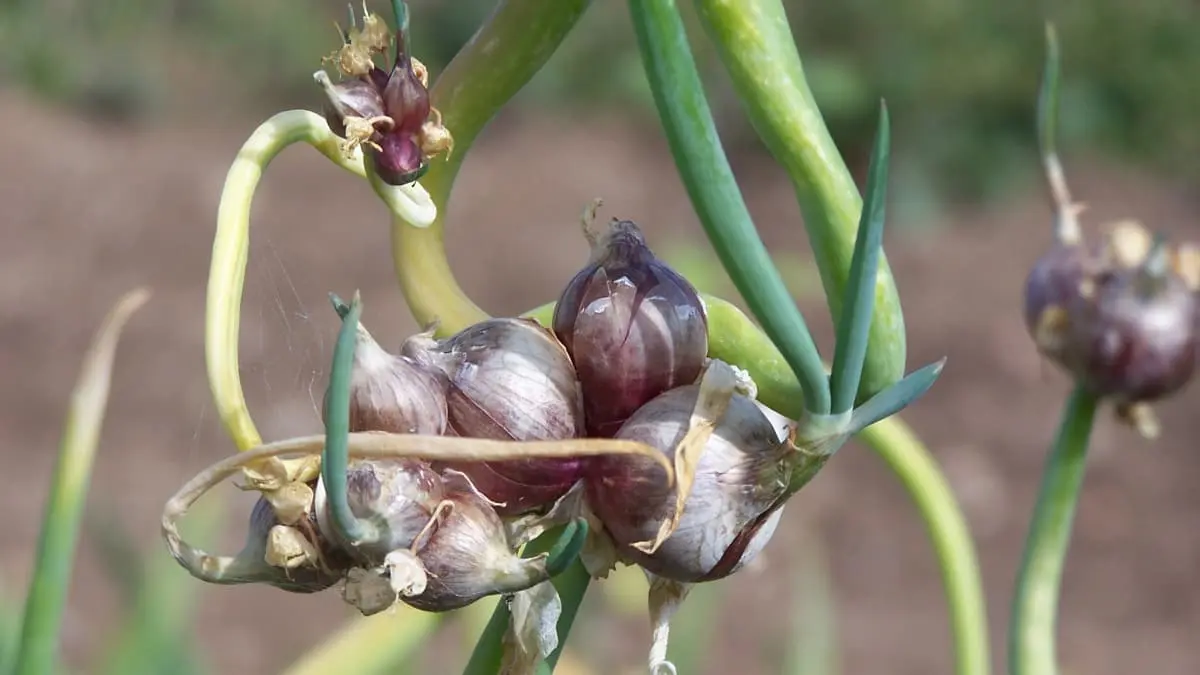
Growing Egyptian Walking Onions in Containers: A Complete Guide for Beginners
If you’re looking for a hardy, no-fuss perennial onion that keeps on giving year after [...]
Jul
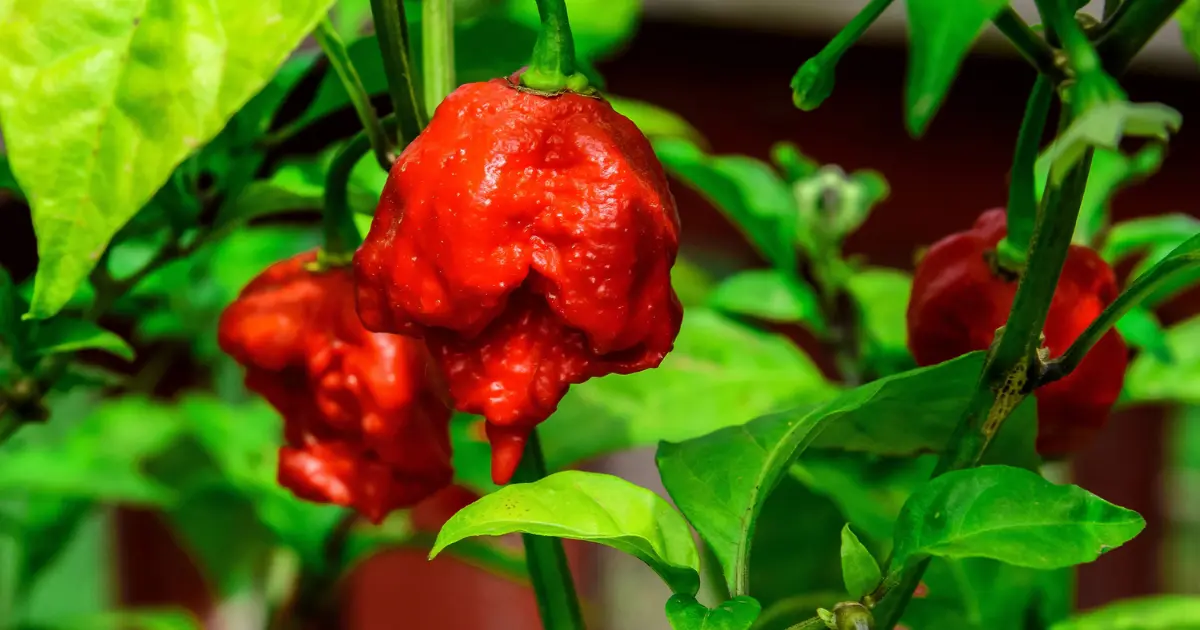
Growing Carolina Reaper Peppers in Pots: A Complete Guide for Beginners
If you’ve ever wanted to add some serious, record-breaking heat to your home cooking, you’ve [...]
May
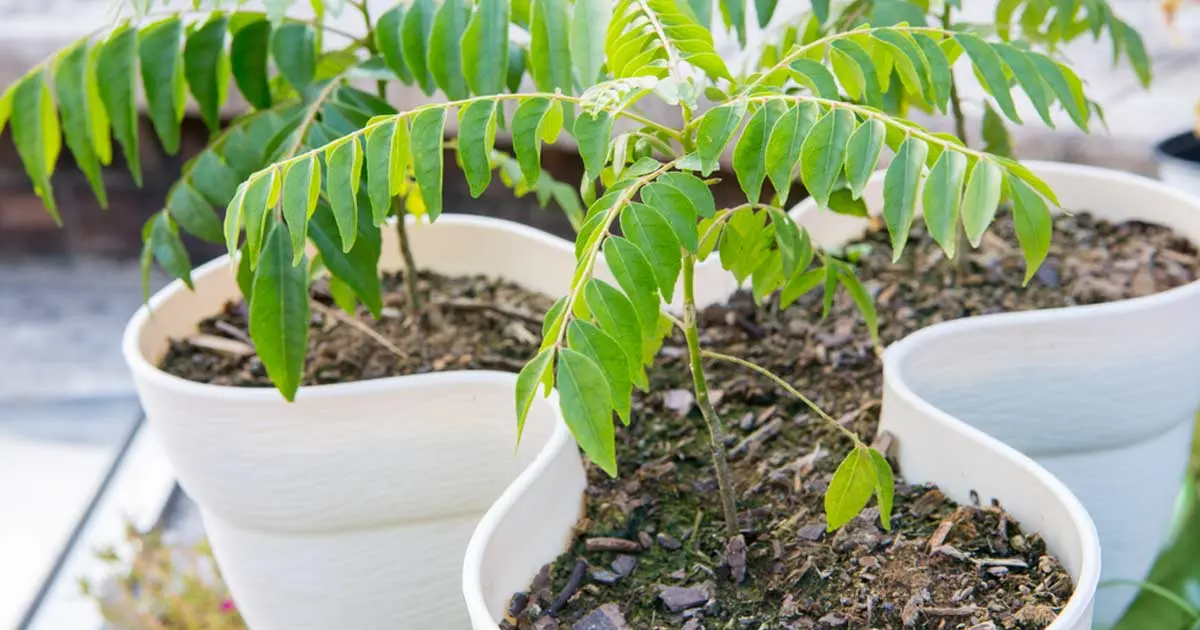
Growing Curry Leaf Plant in Pots: A Complete Guide for Beginners
If you’re a fan of authentic South Asian cuisine, you already know that nothing compares [...]
May
Reviews
There are no reviews yet.