
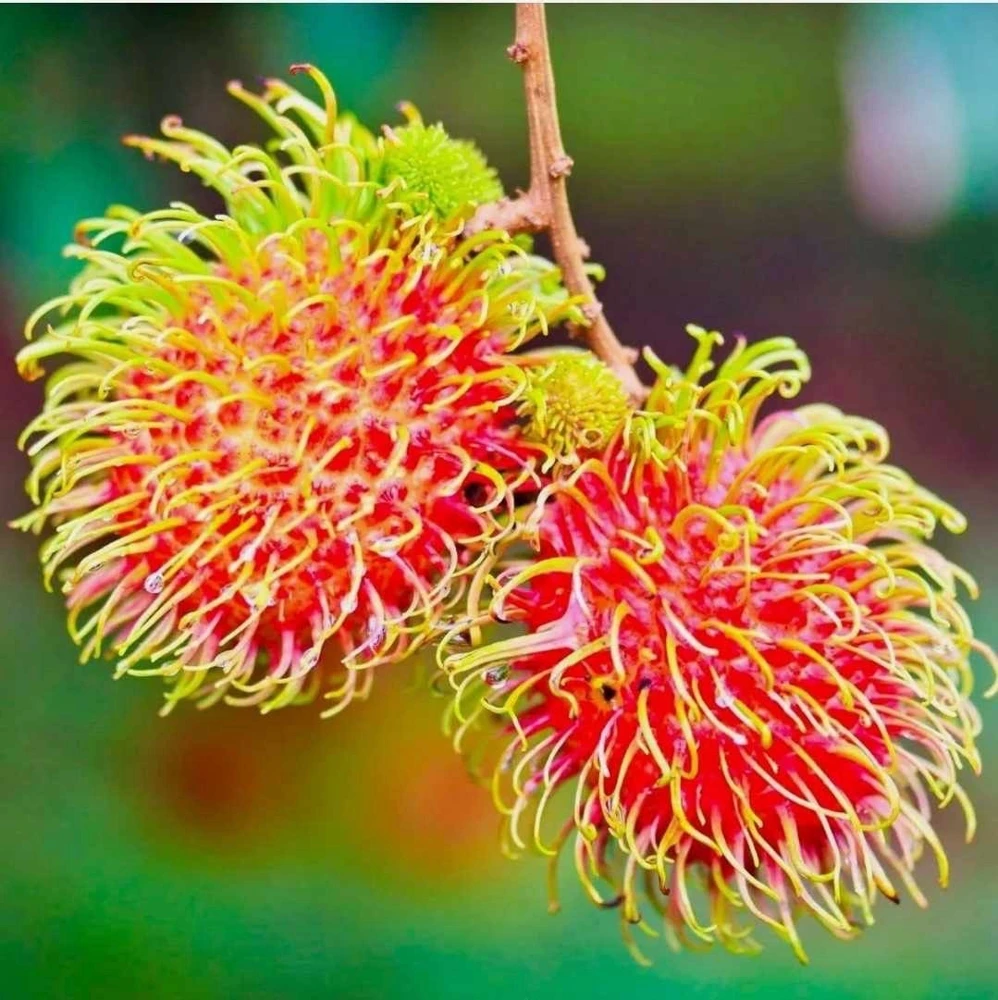
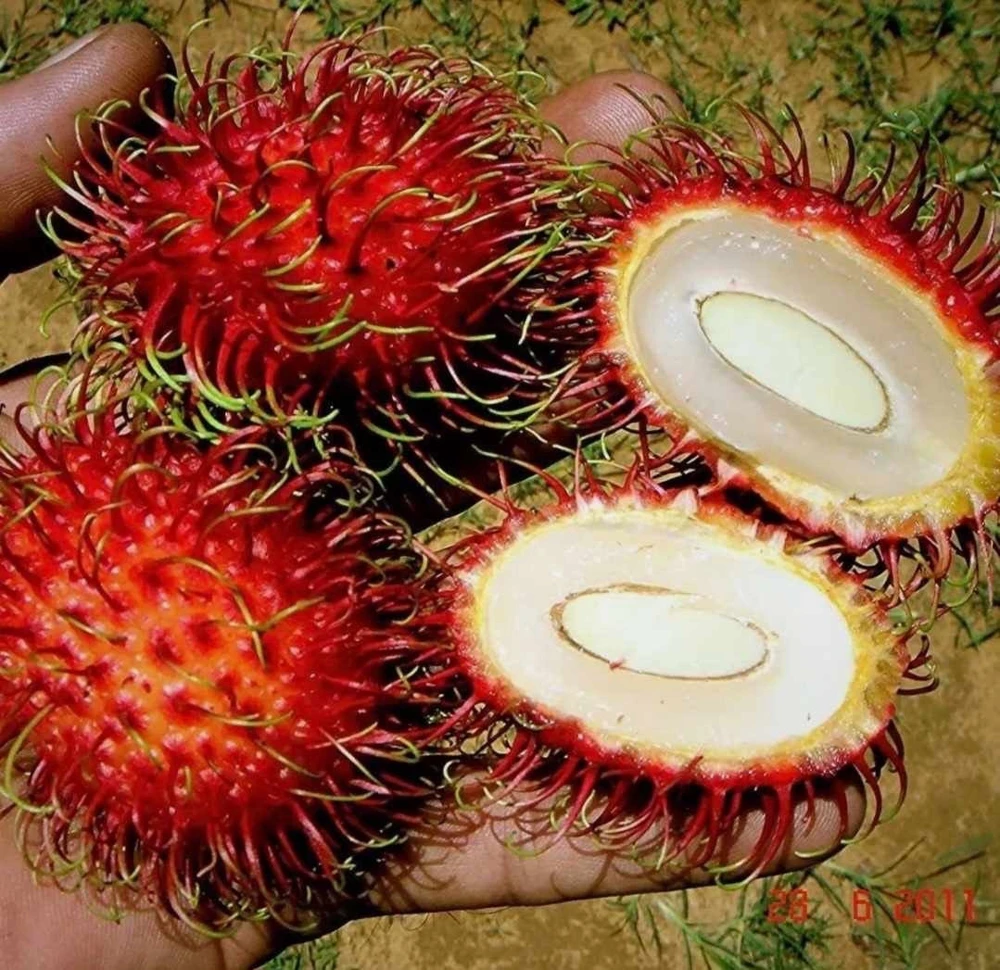
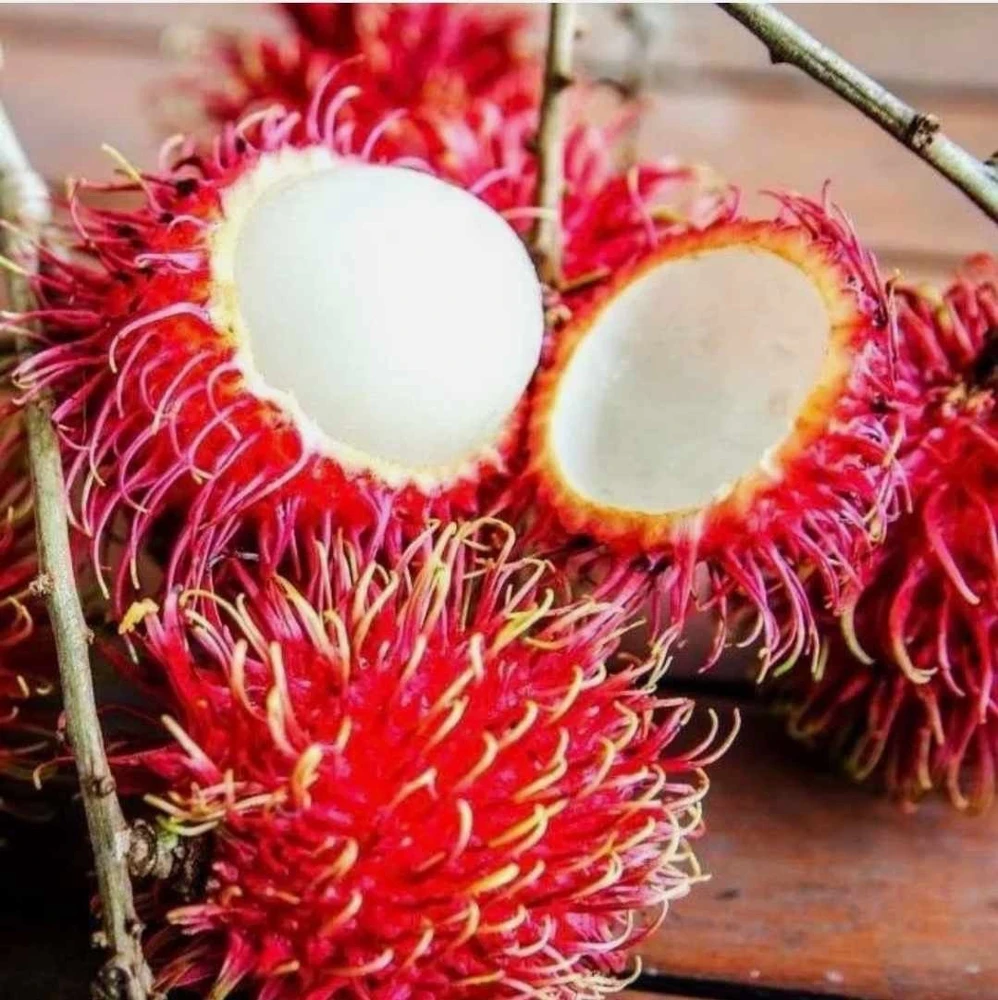
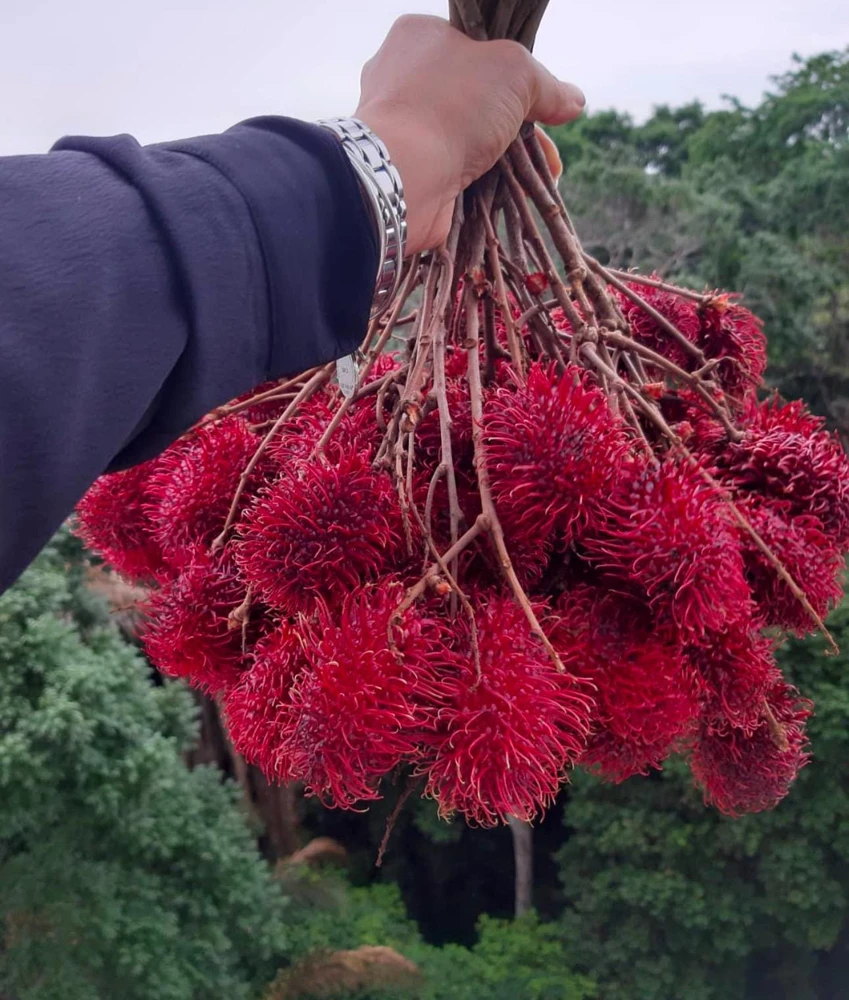
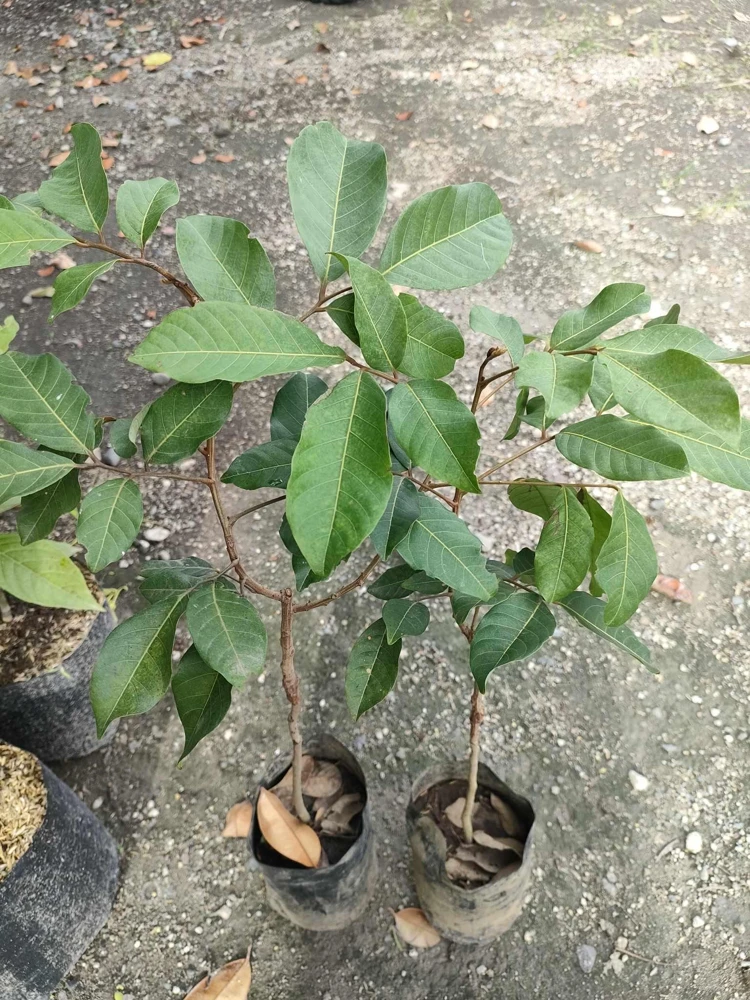
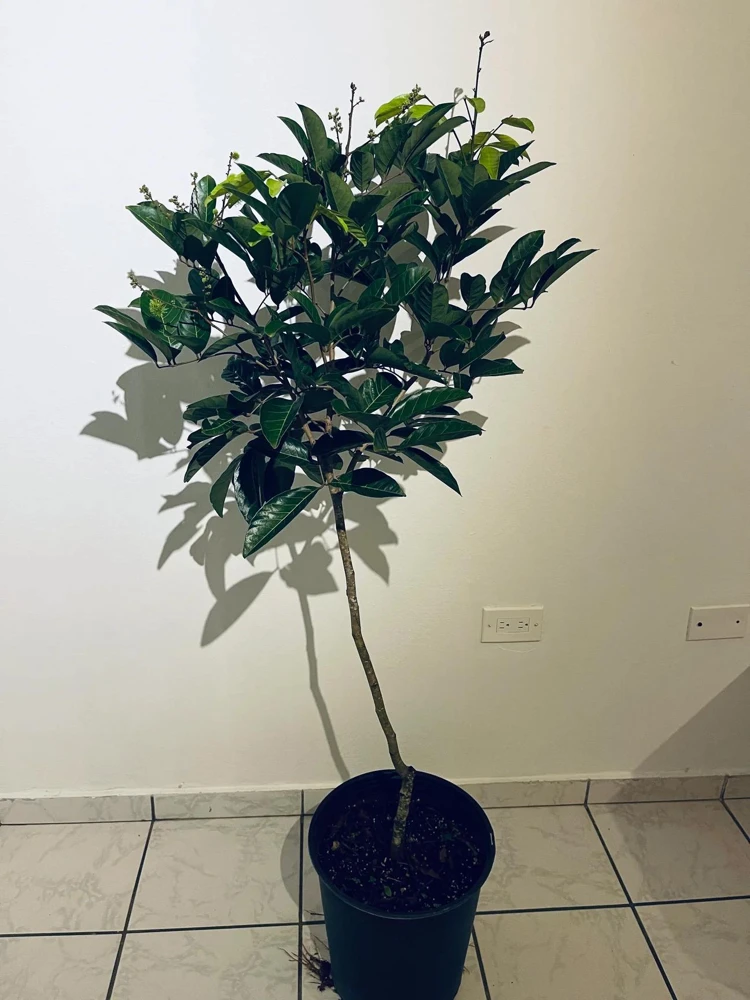
Red Rambutan Live Fruit Tree – Tropical Nephelium Lappaceum Plant, 2 ft Tall
Original price was: $188.60.$138.60Current price is: $138.60.
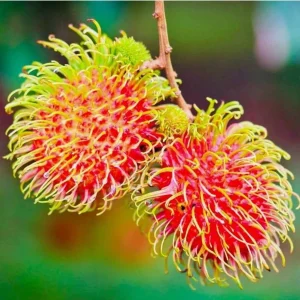
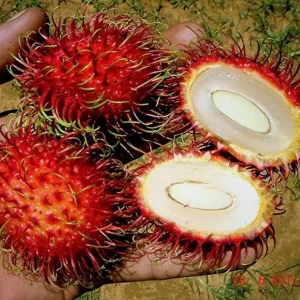
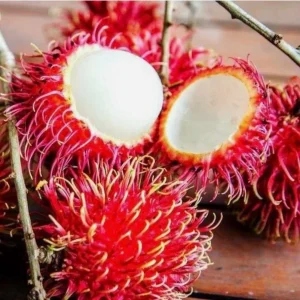
Bring the tropics to your backyard with a red rambutan live tree. This nephelium lappaceum tree produces sweet, juicy, and exotic red fruit, perfect for fruit lovers and garden enthusiasts. It’s a fast-growing, low-maintenance tropical fruit tree.
Estimated arrival
Sep 14
Sep 19 - Sep 21
Sep 24 - Sep 28

Reasonable Price
We offer reasonable price

Support 24/7
Contact us 24 hrs a day

100% Money Back
You've 30 days to Return

Payment Secure
100% secure payment
Overview
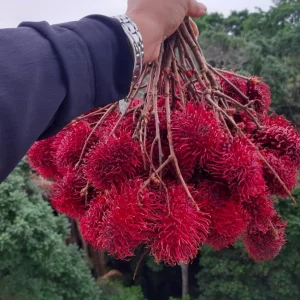
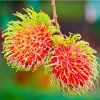
Transform your garden into a tropical paradise with a vibrant red rambutan live tree. This exquisite plant, scientifically known as nephelium lappaceum tree, is celebrated for its unique, hairy red fruits that burst with sweet, juicy flavor. Originating from Southeast Asia, the rambutan is a close relative of the lychee and longan, offering a delightful taste experience unlike any other. Our 2-foot tall live plant provides an excellent start to cultivating your own exotic fruit supply right at home. Ideal for warm climates, this tropical fruit tree will not only provide delicious harvests but also add a striking visual element to your landscape with its lush foliage and colorful fruit.
Growing your own rambutan fruit plant ensures you enjoy the freshest possible produce, free from pesticides and picked at peak ripeness. It’s an investment in both your garden’s beauty and your culinary adventures, allowing you to savor the taste of the tropics whenever you desire. This particular variety is known for its robust growth and generous fruiting, making it a rewarding choice for both novice and experienced gardeners eager to explore exotic edibles.
Key Benefits
Cultivating a red rambutan live tree offers a multitude of advantages, enhancing your garden and your lifestyle. Its unique characteristics make it a standout choice for anyone looking to add an exotic touch to their outdoor space.
- Delicious Exotic Fruit: Enjoy a continuous supply of sweet, juicy, and nutrient-rich rambutan fruits directly from your own garden. The flavor is a delightful blend of sweet and slightly tangy, perfect for fresh eating or culinary uses.
- Rapid Growth: This tropical fruit tree grows quickly in suitable warm climates, allowing you to enjoy harvests sooner. It can reach significant heights, providing ample fruit and shade.
- Unique Ornamental Appeal: The bright red, hairy fruits are incredibly striking against the lush green foliage, making the nephelium lappaceum tree a beautiful focal point in any landscape. Its distinctive appearance adds an exotic flair.
- Low Maintenance Once Established: After its initial establishment period, the rambutan fruit plant requires minimal care, primarily needing consistent watering and occasional feeding, making it an easy addition to your garden routine.
- Nutrient-Rich Harvests: Rambutan fruits are packed with vitamins, minerals, and antioxidants, contributing to a healthy diet and offering numerous health benefits.
- Supports Local Wildlife: The fruit and foliage can attract beneficial pollinators and birds, enhancing the biodiversity of your garden ecosystem.
- Sustainable Food Source: Grow your own fresh, organic fruit, reducing your reliance on imported produce and supporting sustainable living practices.
Plant Care & Growing Tips
To ensure your red rambutan live tree thrives, providing abundant harvests and lush growth, understanding its specific care requirements is crucial. Rambutan trees flourish in tropical and subtropical conditions, making proper siting and environmental control key to their success.
Sunlight Requirements: The rambutan fruit plant requires full sun exposure, ideally 6-8 hours of direct sunlight per day, to produce the best fruit. In extremely hot climates, some afternoon shade can be beneficial to prevent leaf scorch. If growing indoors or in a greenhouse, ensure it receives ample bright light, possibly supplementing with grow lights during shorter days.
Watering Schedule and Soil Moisture: Consistent moisture is vital for a young nephelium lappaceum tree. Water regularly, especially during dry periods, ensuring the soil remains evenly moist but not waterlogged. Established trees can tolerate short dry spells but will perform best with consistent hydration. Reduce watering during cooler months. Proper drainage is paramount to prevent root rot.
Soil Type and Drainage: Rambutan trees prefer rich, well-draining soil with a slightly acidic to neutral pH (6.0-7.0). A mix of loam, sand, and organic matter is ideal. Amend heavy clay soils with compost and sand to improve drainage and aeration. Ensure the planting site or pot has excellent drainage to prevent standing water.
Temperature Range and USDA Hardiness Zone: This tropical fruit tree is sensitive to cold and thrives in warm, humid conditions. It is best suited for USDA Zones 10-11, where temperatures rarely drop below 40°F (4°C). Protect young trees from frost; mature trees may tolerate very brief dips to just above freezing. For cooler zones, consider growing in a large container that can be moved indoors during winter.
Fertilization Schedule and Type: Fertilize your red rambutan live tree every 2-3 months during the growing season (spring and summer) with a balanced fertilizer formulated for fruit trees. Look for a fertilizer with a slightly higher potassium content to encourage fruiting. Reduce feeding in fall and winter. Young trees benefit from nitrogen-rich fertilizers to promote vegetative growth.
Common Problems and Solutions: Watch out for common pests like aphids, scale, and mealybugs, which can be treated with insecticidal soap. Fungal issues, such as powdery mildew, can occur in humid conditions without good air circulation; ensure proper spacing and prune for airflow. Yellowing leaves often indicate nutrient deficiencies or improper watering. Address these issues promptly to maintain the health of your growing rambutan tree.
Size & Details
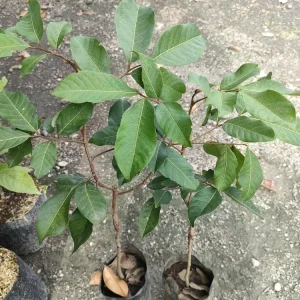
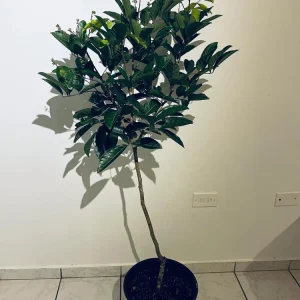
This offering is for a healthy red rambutan live tree, approximately 2 feet tall when shipped. These are vigorous young plants, ready to establish quickly in your garden or a suitable container. The size provided refers to the height from the base of the root ball to the tip of the tallest stem. As a fast-growing species, your nephelium lappaceum tree can reach heights of 10-20 meters (approximately 30-65 feet) in its native environment, though it can be maintained at a smaller size with pruning in cultivation. It is shipped as a healthy seedling or young tree, carefully packaged to ensure its safe arrival.
Expect your rambutan fruit plant to begin bearing fruit within 3-5 years under optimal growing conditions. The growth rate is considered rapid in warm, humid climates with consistent care. It will arrive with a well-developed root system, ready for transplanting into a larger pot or directly into the ground, depending on your climate and growing strategy. This size offers a significant head start compared to growing from seed, allowing you to enjoy the benefits of growing rambutan much sooner.
Frequently Asked Questions
- Q: How big does this plant get? A: This red rambutan live tree is approximately 2 feet tall upon arrival. In ideal tropical conditions, it can grow up to 30-65 feet tall, but it can be managed to a smaller size with regular pruning in cultivation.
- Q: What size pot does it come in? A: The plant will arrive in a nursery pot appropriate for its current size, usually a 4-6 inch pot, ensuring the root system is well-protected during transit. It will need to be repotted into a larger container or planted in the ground upon arrival.
- Q: Is this an indoor or outdoor plant? A: The nephelium lappaceum tree is primarily an outdoor plant, thriving in tropical and subtropical climates (USDA Zones 10-11). In cooler regions, it can be grown in a large container and brought indoors during cold weather as a houseplant.
- Q: How much sunlight does it need? A: This rambutan fruit plant requires full sun, meaning at least 6-8 hours of direct sunlight daily, for optimal growth and fruit production. It can tolerate partial shade in very hot climates.
- Q: Is this plant easy to care for? A: Once established in suitable conditions, the red rambutan live tree is considered relatively low-maintenance. It requires consistent watering and protection from cold, but is generally vigorous.
- Q: What condition will it arrive in? A: Your tropical fruit tree will arrive as a healthy, actively growing plant, carefully packaged to minimize stress during shipping. It may experience some leaf drop due to transit stress, but should recover quickly with proper care.
- Q: How long until it blooms and fruits? A: Under optimal conditions, a red rambutan live tree grown from this size typically begins to bear fruit within 3 to 5 years after planting. Flowering precedes fruiting, usually occurring seasonally.
- Q: When is the best time to plant? A: The best time to plant your growing rambutan tree is in spring or early summer, once all danger of frost has passed and temperatures are consistently warm. This allows the plant ample time to establish before cooler weather.
- Q: Will it survive winter in my zone? A: The nephelium lappaceum tree is not frost-tolerant and will only survive winters outdoors in USDA Zones 10-11. In colder zones, it must be protected from freezing temperatures, either by bringing it indoors or providing significant winter protection.
- Q: What’s the minimum temperature it can tolerate? A: The rambutan fruit plant is sensitive to cold and can be damaged by temperatures below 40°F (4°C). Prolonged exposure to temperatures near freezing can be fatal.
Be the first to review “Red Rambutan Live Fruit Tree – Tropical Nephelium Lappaceum Plant, 2 ft Tall”
-
USDA Hardiness Zone
USDA Zones 10-11 -
Soil Type
Rich, well-draining soil with slightly acidic to neutral pH -
Sunlight Exposure
Full sun -
Expected Planting Period
Spring to early summer
People Also Viewd
Sold 134 products
Original price was: $3,536.00.$23.99Current price is: $23.99.
Sold 131 products
Original price was: $27.00.$24.00Current price is: $24.00.
Sold 130 products
Original price was: $89.99.$64.99Current price is: $64.99.

Sold 125 products
Original price was: $86.99.$66.99Current price is: $66.99.
Flower Bulbs
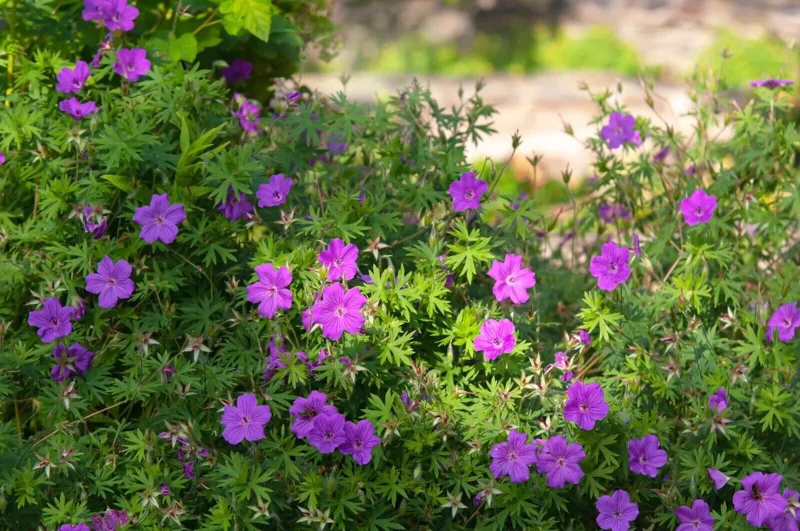
3 Cranesbill Wild Geranium Organic Maculatums Bare Roots | Wildflower for Outdoor Garden
Sold 116 products
Original price was: $21.99.$9.99Current price is: $9.99.
Sold 114 products
Original price was: $28.99.$17.99Current price is: $17.99.
Sold 110 products
Original price was: $63.99.$28.99Current price is: $28.99.
Sold 108 products
Original price was: $28.99.$17.99Current price is: $17.99.RELATED posts
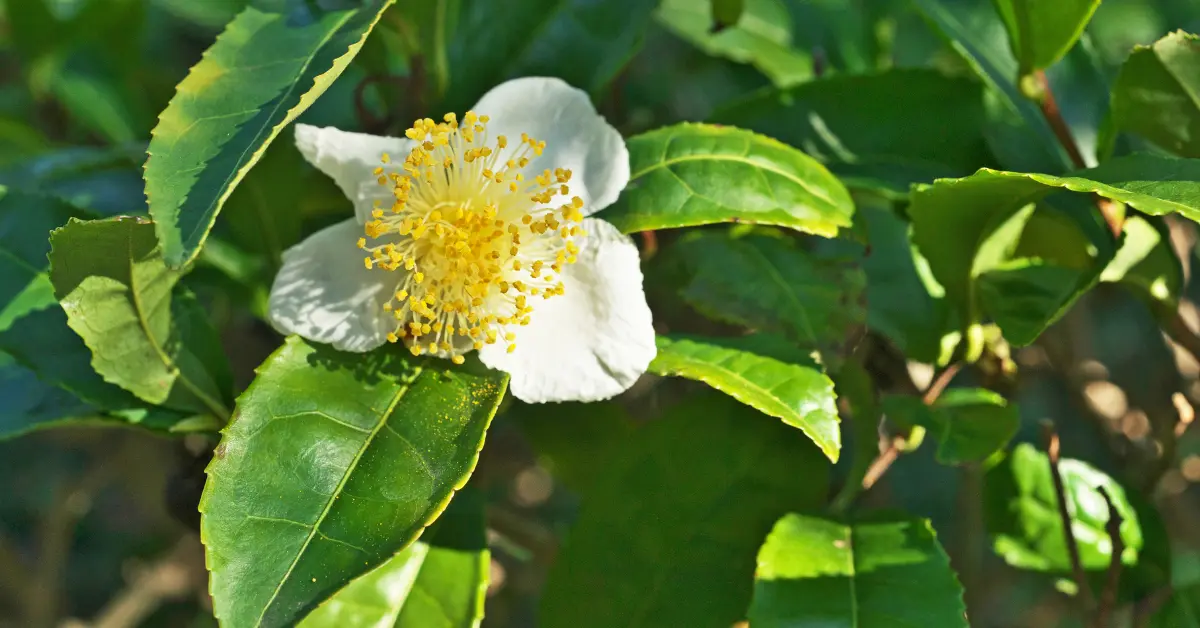
Growing Camellia Sinensis (Tea Plants) in Containers: A Complete Guide for Beginners
If you’ve ever wanted to sip a steaming, homegrown cup of fresh green, black, or [...]
Aug
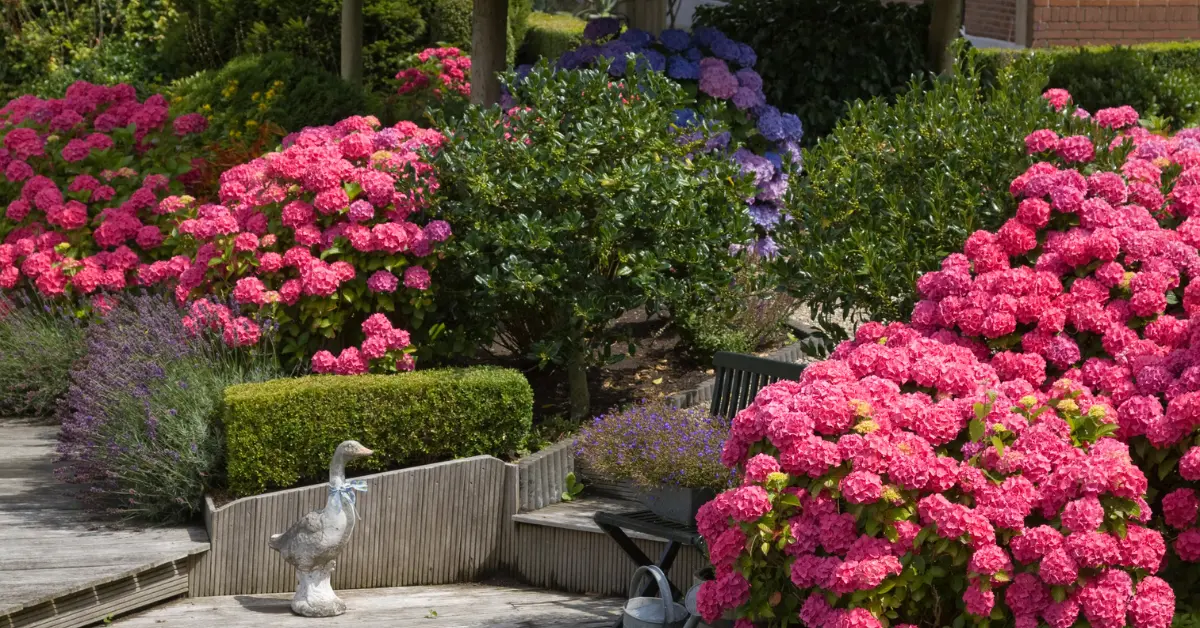
6 Best Shrubs to Plant in August You Must Try
Have you ever walked through a nursery late in the summer, admired the vibrant shrubs [...]
Aug
Growing Everbearing Strawberries in Containers: A Complete Guide for Beginners
Want to grow sweet, fresh strawberries but do not have a large garden? Everbearing strawberries [...]
Aug
Growing Egyptian Walking Onions in Containers: A Complete Guide for Beginners
If you’re looking for a hardy, no-fuss perennial onion that keeps on giving year after [...]
Jul
Growing Carolina Reaper Peppers in Pots: A Complete Guide for Beginners
If you’ve ever wanted to add some serious, record-breaking heat to your home cooking, you’ve [...]
May
Growing Curry Leaf Plant in Pots: A Complete Guide for Beginners
If you’re a fan of authentic South Asian cuisine, you already know that nothing compares [...]
May
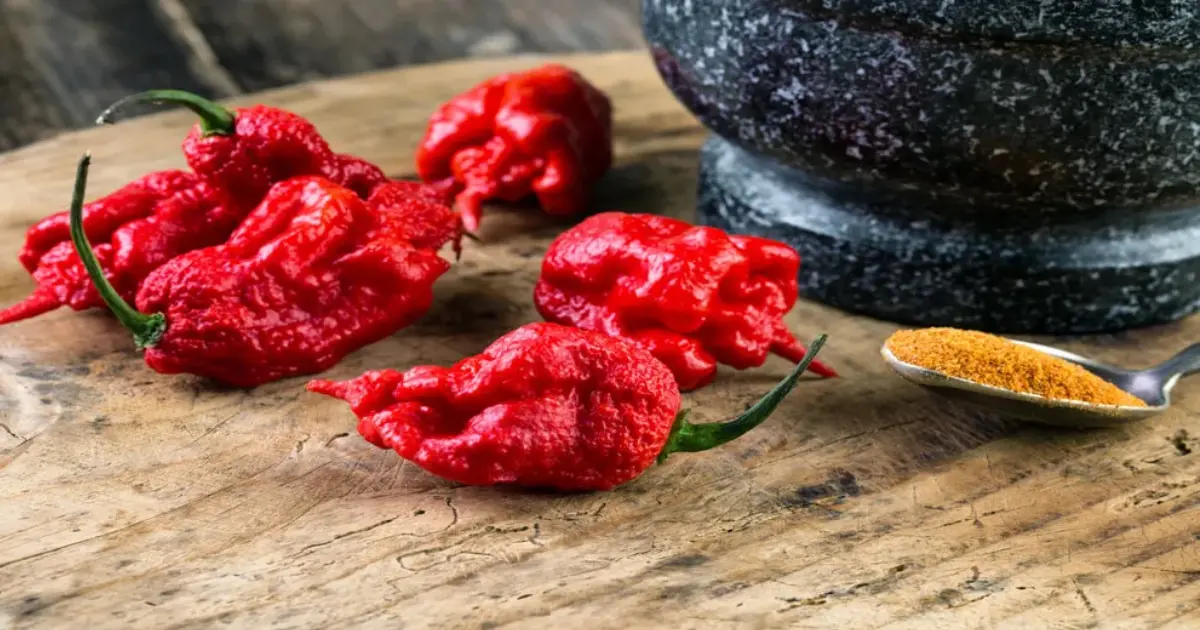
5 Tips for Growing Carolina Reaper Peppers to Get the Spiciest Harvest Ever
Holding the record for one of the world’s hottest peppers, the Reaper isn’t just a [...]
May
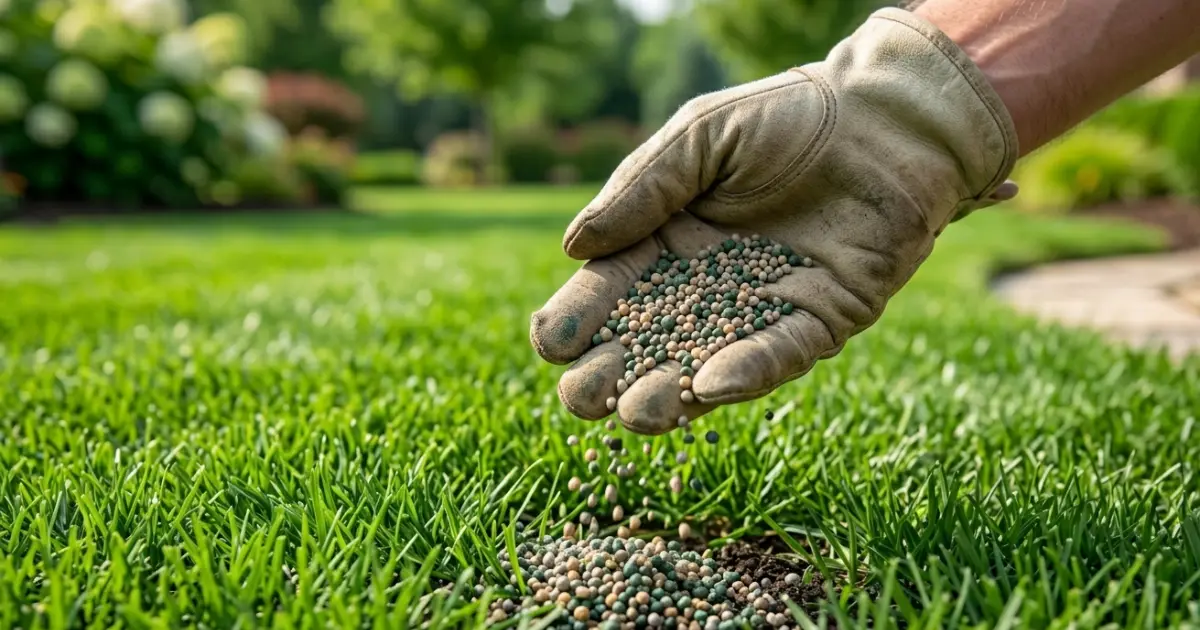
Best Fertilizers for Zoysia Grass in 2026: Get a Lush Lawn
As we enter the new year, the time has come to think about how we [...]
Apr
Reviews
There are no reviews yet.