
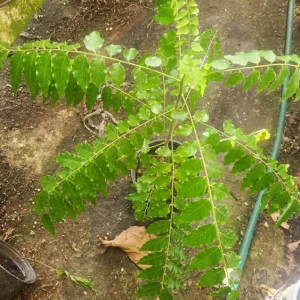
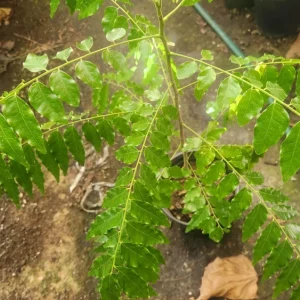
Red Sandalwood Tree Live Plant – Adenanthera Pavonina – 1 FT Tall – Outdoor
Original price was: $123.71.$73.71Current price is: $73.71.
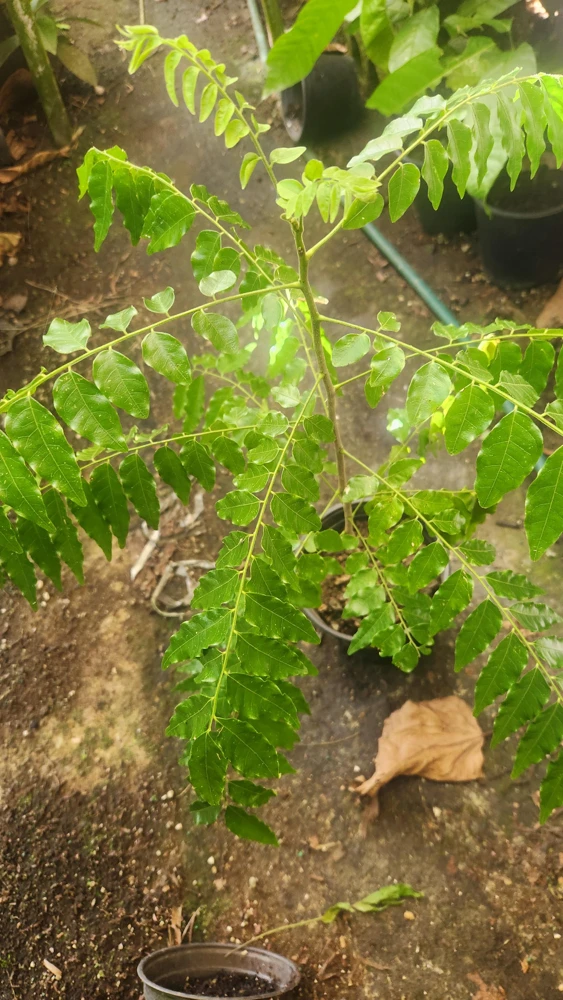
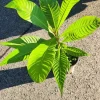
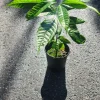
Bring home a beautiful Red Sandalwood Tree live plant, also known as Adenanthera Pavonina care or Coral Bead Tree Saga. This 1-foot tall specimen is perfect for outdoor cultivation, offering striking foliage and unique seeds.
Estimated arrival
Sep 17
Sep 22 - Sep 24
Sep 27 - Oct 01

Reasonable Price
We offer reasonable price

Support 24/7
Contact us 24 hrs a day

100% Money Back
You've 30 days to Return

Payment Secure
100% secure payment
Overview
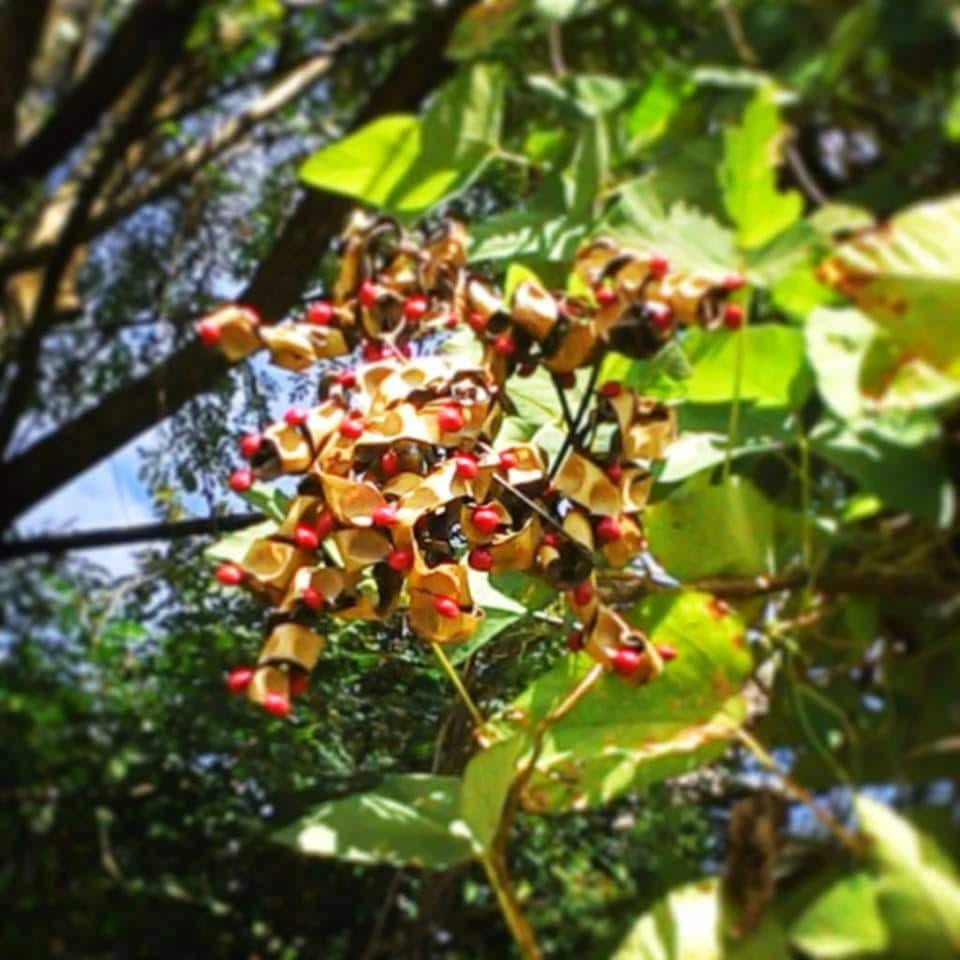
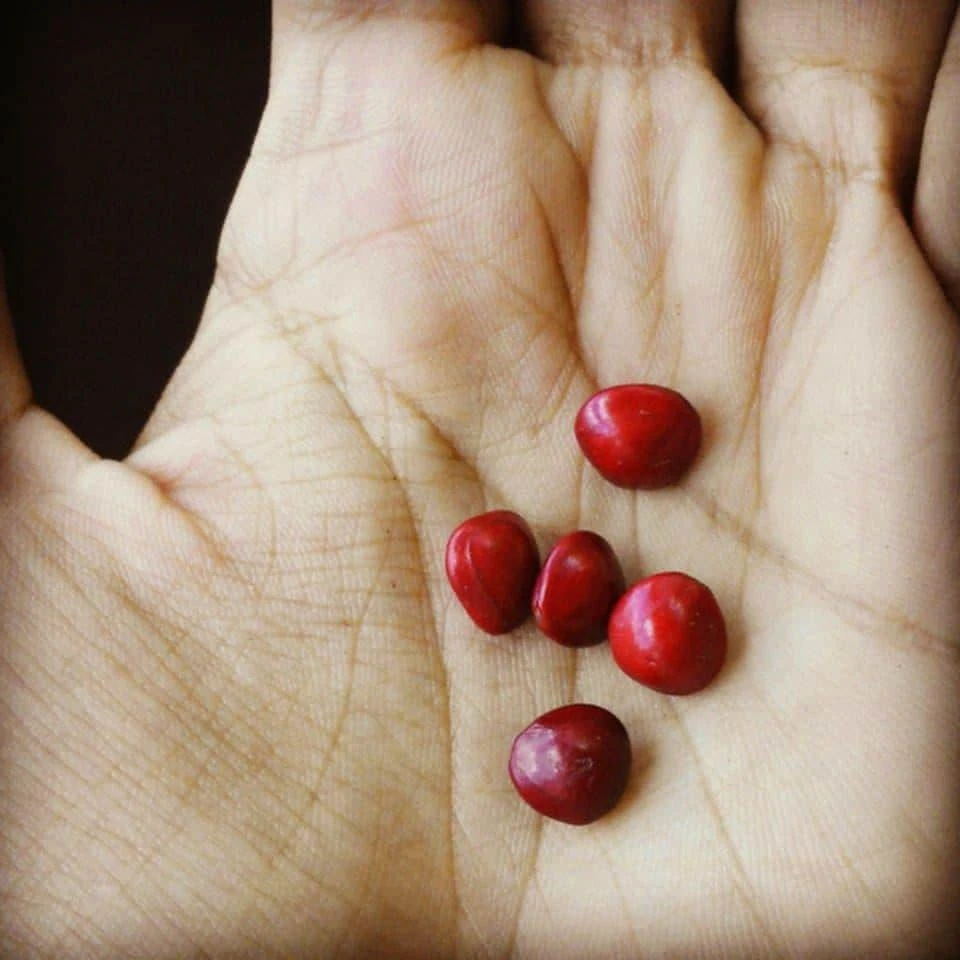
Introduce an exotic touch to your landscape with the magnificent Red Sandalwood Tree live plant. Known scientifically as Adenanthera pavonina, and commonly referred to as the Coral Bead Tree or Saga Tree, this unique specimen is a perennial, non-climbing leguminous tree. Our offering is a healthy 1-foot tall plant, ready to thrive in your garden. The Red Sandalwood Tree live plant is celebrated for its attractive foliage, rapid growth, and the vibrant, hard, scarlet seeds that are often used in jewelry and as weights. This species is a true botanical marvel, adding both aesthetic appeal and ecological value to any outdoor setting. Its distinctive appearance makes it a conversation starter, perfect for gardeners looking for something truly special.
The Adenanthera pavonina is native to Southeast Asia, but adapts well to various tropical and subtropical climates, making it a versatile addition to many gardens in the US. Its resilience and unique characteristics, including its beautiful flowers and the iconic red seeds, contribute to its growing popularity among plant enthusiasts. This 1-foot plant provides an excellent starting point for cultivating a mature and impressive tree. Understanding Adenanthera Pavonina care is key to ensuring its successful growth and development, allowing you to enjoy its beauty for many years.
Key Benefits
The Red Sandalwood Tree live plant offers a multitude of benefits, making it an excellent choice for diverse garden designs and environmental contributions. Its striking features and easy maintenance make it a rewarding addition.
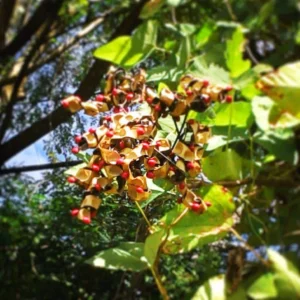
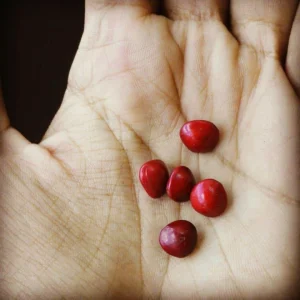
- Unique Aesthetic Appeal: The Adenanthera pavonina boasts lush green foliage and produces delicate, yellowish-white flowers, followed by its signature bright red, heart-shaped seeds. These seeds are a visual delight and have historical significance, often used in crafts and as decorative elements.
- Fast Growing: This tree is known for its relatively fast growth rate, allowing you to establish a substantial garden feature in a shorter period compared to many other trees. With proper Red Sandalwood Tree live plant care, you’ll see significant development.
- Ecological Value: As a leguminous tree, it contributes to soil health by fixing nitrogen, enriching the surrounding soil and benefiting other plants in your garden. This makes it an environmentally friendly choice for sustainable landscaping.
- Drought Tolerance: Once established, the Coral Bead Tree Saga exhibits good drought tolerance, reducing the need for constant watering and making it suitable for xeriscaping or gardens in drier climates.
- Hardy and Resilient: This species is generally robust and resistant to many common pests and diseases, simplifying its overall maintenance and ensuring a healthy, thriving tree.
- Versatile Use: Beyond its ornamental value, the wood of the Red Sandalwood Tree is durable and has been used in various applications, while its seeds are highly prized. Learning about Red Sandalwood plant benefits extends beyond just its visual appeal.
- Attracts Wildlife: The flowers can attract pollinators, adding to the biodiversity of your garden space.
Plant Care & Growing Tips
Proper Adenanthera Pavonina care is essential for the healthy growth and development of your Red Sandalwood Tree live plant. This species is relatively low-maintenance, but understanding its specific needs will ensure it flourishes.
Sunlight Requirements: The Red Sandalwood Tree thrives in full sun, requiring at least 6-8 hours of direct sunlight per day to achieve optimal growth and flowering. While it can tolerate partial shade, full sun promotes denser foliage and more abundant seed production. For outdoor planting, choose a location that receives ample sunlight throughout the day, away from dense overhead canopies.
Watering Schedule and Soil Moisture: During its establishment phase, water the young Red Sandalwood Tree live plant regularly, ensuring the soil remains consistently moist but not waterlogged. Once established, it becomes quite drought-tolerant and can withstand periods of dryness. Water deeply a few times a week during dry spells, allowing the top few inches of soil to dry out between waterings. Overwatering should be avoided as it can lead to root rot.
Soil Type and Drainage: This tree prefers well-draining soil. It can adapt to a variety of soil types, including sandy, loamy, or clay soils, as long as drainage is adequate. A slightly acidic to neutral pH (6.0-7.0) is ideal. Amending heavy clay soils with organic matter like compost or sand can improve drainage significantly. Good drainage is crucial for preventing waterlogging around the roots.
Temperature Range and USDA Hardiness Zone: The Coral Bead Tree Saga is a tropical to subtropical plant. It is best suited for USDA Hardiness Zones 9-11, where temperatures rarely drop below freezing. It can tolerate brief periods of cold, but prolonged exposure to frost will damage or kill the tree. In cooler zones, it may be grown in a large container and brought indoors during winter, though its size might make this challenging for a mature tree. Understanding growing Red Sandalwood successfully means respecting its temperature preferences.
Fertilization Schedule and Type: Fertilize your Red Sandalwood Tree live plant sparingly. A balanced, slow-release fertilizer applied in spring and mid-summer can support healthy growth, especially for young trees. As a legume, it fixes its own nitrogen, so excessive nitrogen fertilization is usually not necessary. Always follow the manufacturer’s instructions for application rates.
Common Problems and Solutions: The Adenanthera pavonina is generally robust and resistant to most pests and diseases. Occasionally, young trees might be susceptible to common garden pests like aphids or scale insects. These can usually be managed with insecticidal soap or neem oil. Ensure good air circulation and proper watering practices to prevent fungal issues. Regularly inspect your plant for any signs of distress to address problems promptly.
Size & Details
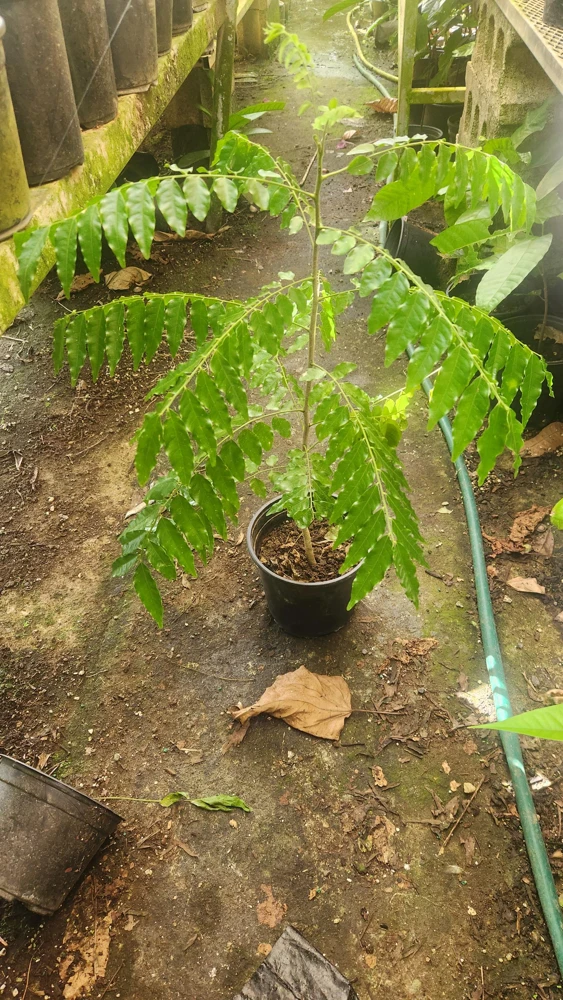
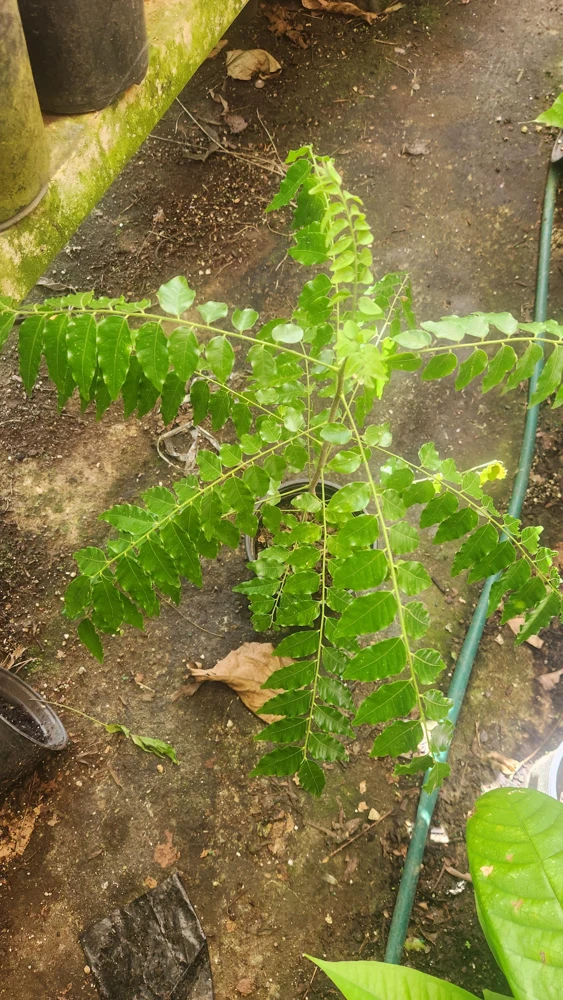
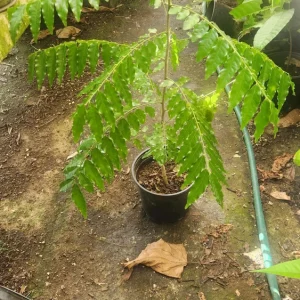
This offering is for one Red Sandalwood Tree live plant, standing approximately 1 foot (12 inches) tall from the base of the soil to the tip of the highest leaf. The plant is shipped in a nursery pot, ensuring its roots are protected and ready for transplanting. While the initial size is compact, the Adenanthera pavonina is known for its rapid growth, often reaching heights of 20-30 feet or more in ideal conditions, with a spread of 15-25 feet. Its growth rate can be quite impressive, making it a significant landscape feature in just a few years. The tree will typically begin to flower and produce its iconic red seeds once it reaches a certain maturity, usually within 3-5 years after planting. Expect a healthy, well-rooted specimen that is carefully packaged to minimize stress during transit, providing you with a strong foundation for growing Red Sandalwood in your garden.
Frequently Asked Questions
- Q: How big does this plant get? A: This Red Sandalwood Tree live plant is currently 1 foot tall. In ideal outdoor conditions, it can grow into a large tree, reaching heights of 20-30 feet or more with a spread of 15-25 feet, making it a substantial addition to your landscape.
- Q: What size pot does it come in? A: The 1-foot Red Sandalwood Tree is shipped in a standard nursery pot, typically around 4-6 inches in diameter, providing ample space for its root system during transit and for initial growth.
- Q: Is this an indoor or outdoor plant? A: The Coral Bead Tree Saga is primarily an outdoor plant, thriving in tropical and subtropical climates. It requires significant sunlight and space to grow to its full potential. In colder zones, it can be grown in a large container and moved indoors during winter, but its eventual size may make this challenging.
- Q: How much sunlight does it need? A: This tree requires full sun, meaning at least 6-8 hours of direct sunlight daily, to ensure vigorous growth, healthy foliage, and abundant production of its distinctive seeds.
- Q: Is this plant easy to care for? A: Yes, once established, the Adenanthera Pavonina care requirements are relatively low. It is drought-tolerant and generally resistant to pests and diseases, making it a good choice for gardeners looking for a unique yet manageable tree.
- Q: What condition will it arrive in? A: Your Red Sandalwood Tree live plant will arrive carefully packaged in its nursery pot, with its roots protected and the plant in good health, ready for transplanting. We take great care to ensure safe delivery.
- Q: How long until it blooms and produces seeds? A: The Red Sandalwood Tree typically begins to flower and produce its iconic red seeds once it reaches maturity, which can be anywhere from 3 to 5 years after planting, depending on growing conditions and care.
- Q: Will it survive winter in my zone? A: This tree is best suited for USDA Hardiness Zones 9-11. It is not tolerant of prolonged frost or freezing temperatures. If you are in a colder zone, consider growing it in a container that can be moved indoors during winter.
- Q: What type of soil does it prefer? A: The growing Red Sandalwood plant prefers well-draining soil and can adapt to various soil types, including sandy, loamy, or clay, as long as there is good drainage. A slightly acidic to neutral pH is ideal.
- Q: What are the main Red Sandalwood plant benefits? A: Beyond its striking beauty, benefits include its fast growth, nitrogen-fixing properties which improve soil, drought tolerance, and the versatility of its wood and seeds in various crafts and uses.
Be the first to review “Red Sandalwood Tree Live Plant – Adenanthera Pavonina – 1 FT Tall – Outdoor”
-
USDA Hardiness Zone
USDA zones 9-11 -
Soil Type
Well-draining soil -
Sunlight Exposure
Full sun -
Expected Planting Period
Spring to early summer
People Also Viewd


Sold 134 products
Original price was: $3,536.00.$23.99Current price is: $23.99.

Sold 131 products
Original price was: $89.99.$64.99Current price is: $64.99.

Sold 131 products
Original price was: $27.00.$24.00Current price is: $24.00.

Sold 125 products
Original price was: $86.99.$66.99Current price is: $66.99.

Flower Bulbs
3 Cranesbill Wild Geranium Organic Maculatums Bare Roots | Wildflower for Outdoor Garden
Sold 116 products
Original price was: $21.99.$9.99Current price is: $9.99.

Sold 114 products
Original price was: $28.99.$17.99Current price is: $17.99.

Sold 110 products
Original price was: $63.99.$28.99Current price is: $28.99.
Sold 108 products
Original price was: $28.99.$17.99Current price is: $17.99.RELATED posts
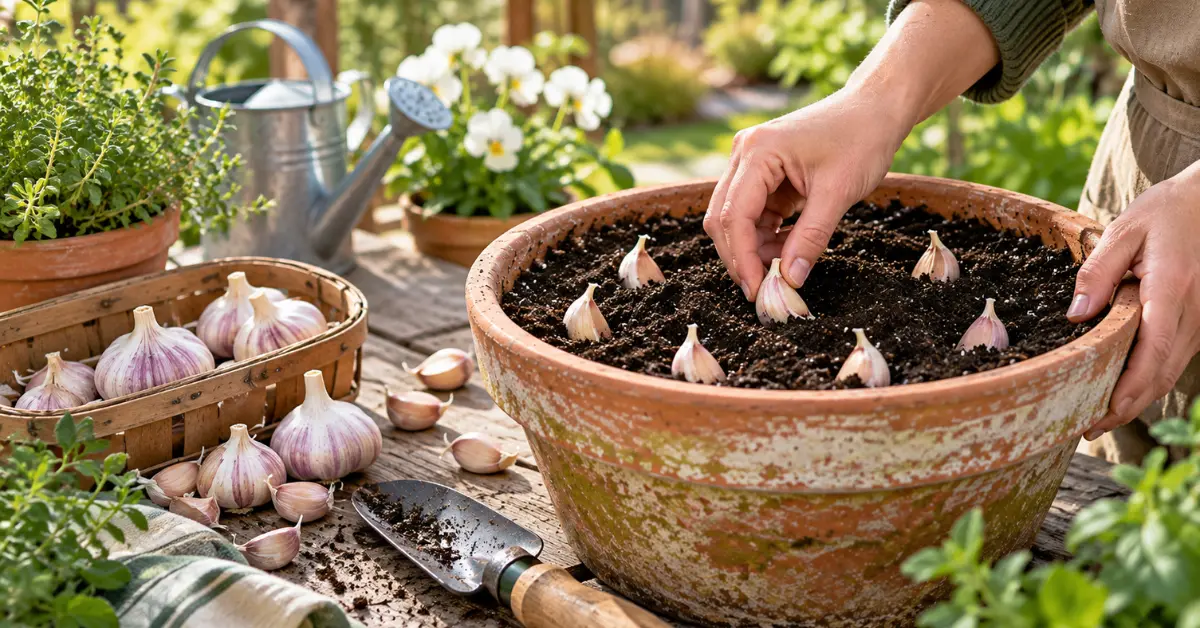
Growing Garlic in Containers This Fall: A Complete Guide for Beginners
If you’ve ever wanted to pop fresh, aromatic garlic cloves straight from your own patio [...]
Sep
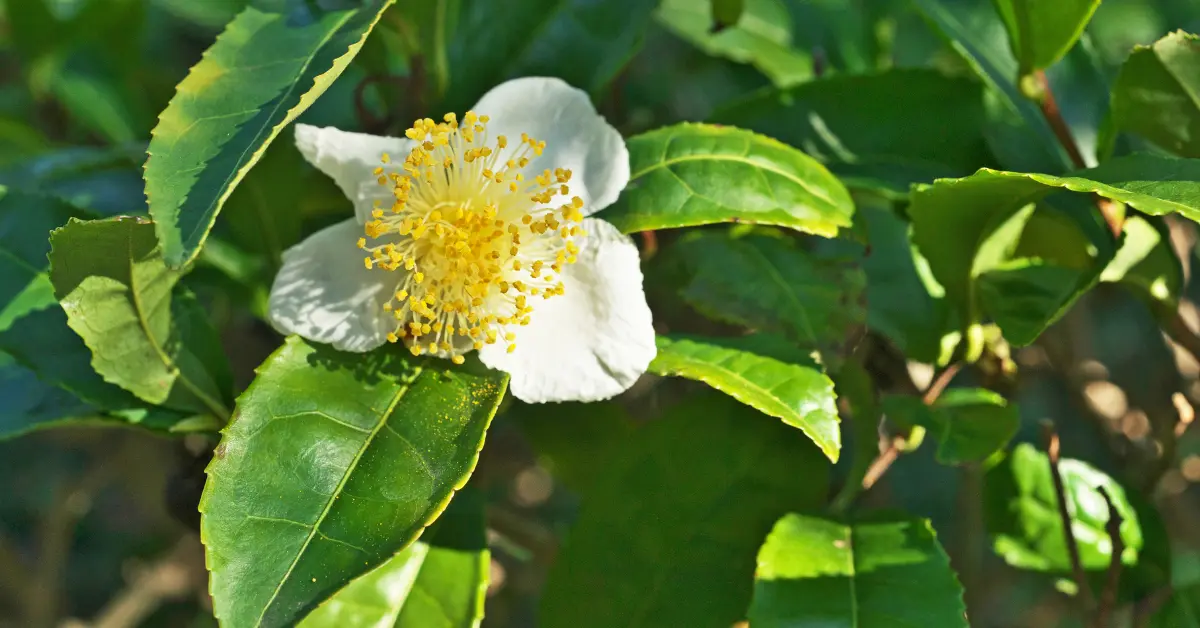
Growing Camellia Sinensis (Tea Plants) in Containers: A Complete Guide for Beginners
If you’ve ever wanted to sip a steaming, homegrown cup of fresh green, black, or [...]
Aug
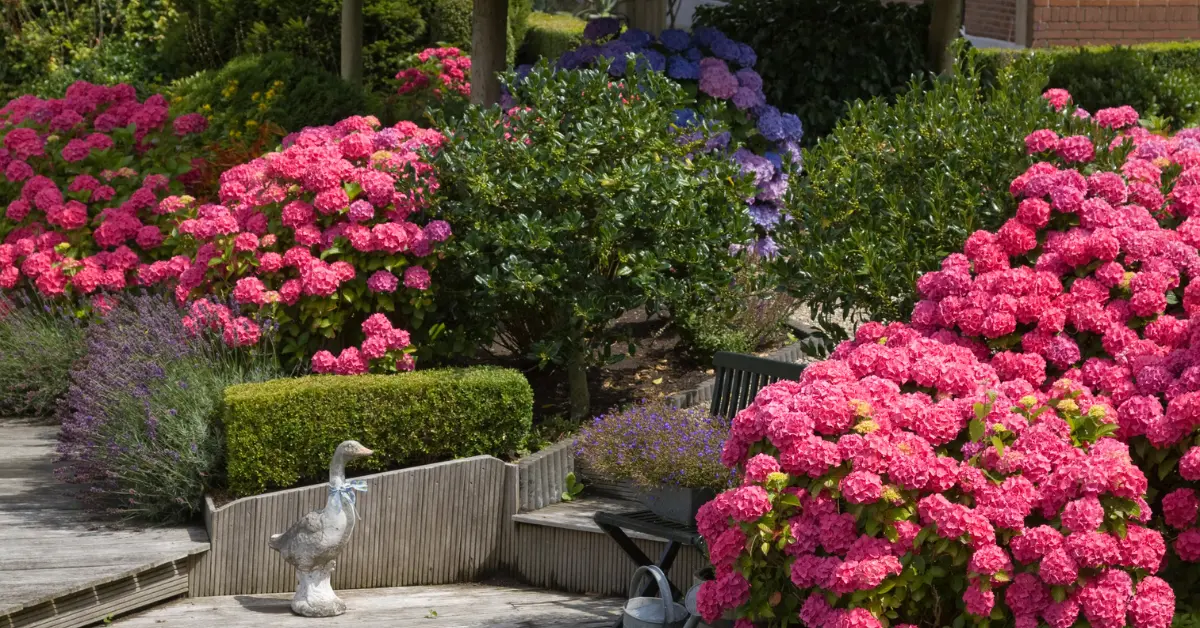
6 Best Shrubs to Plant in August You Must Try
Have you ever walked through a nursery late in the summer, admired the vibrant shrubs [...]
Aug
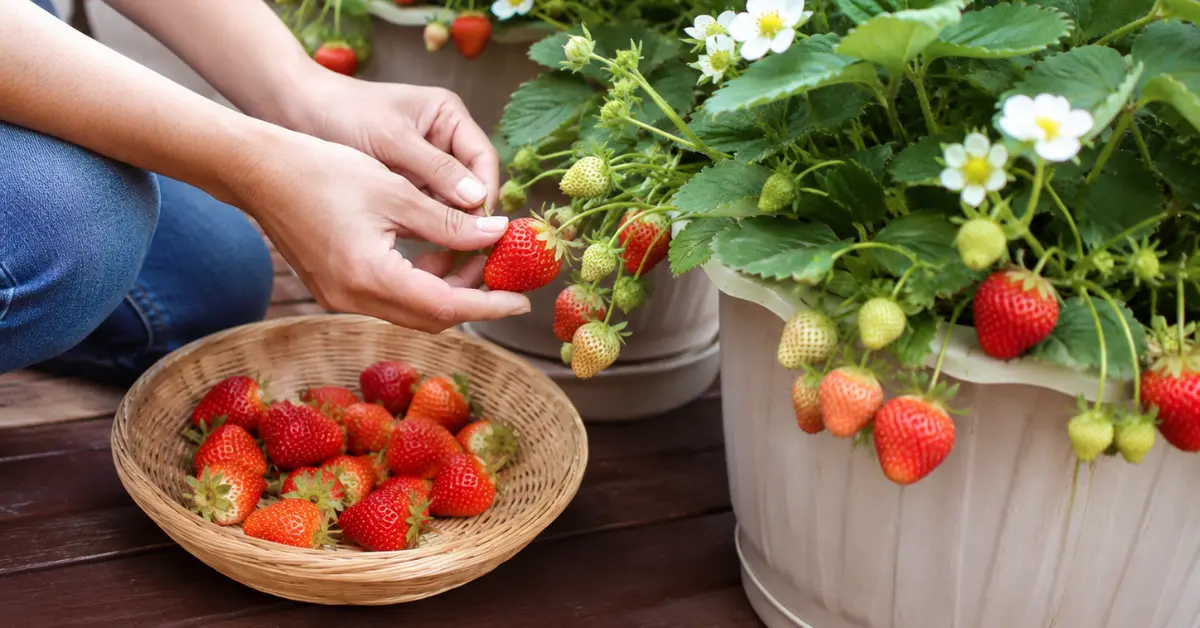
Growing Everbearing Strawberries in Containers: A Complete Guide for Beginners
Want to grow sweet, fresh strawberries but do not have a large garden? Everbearing strawberries [...]
Aug
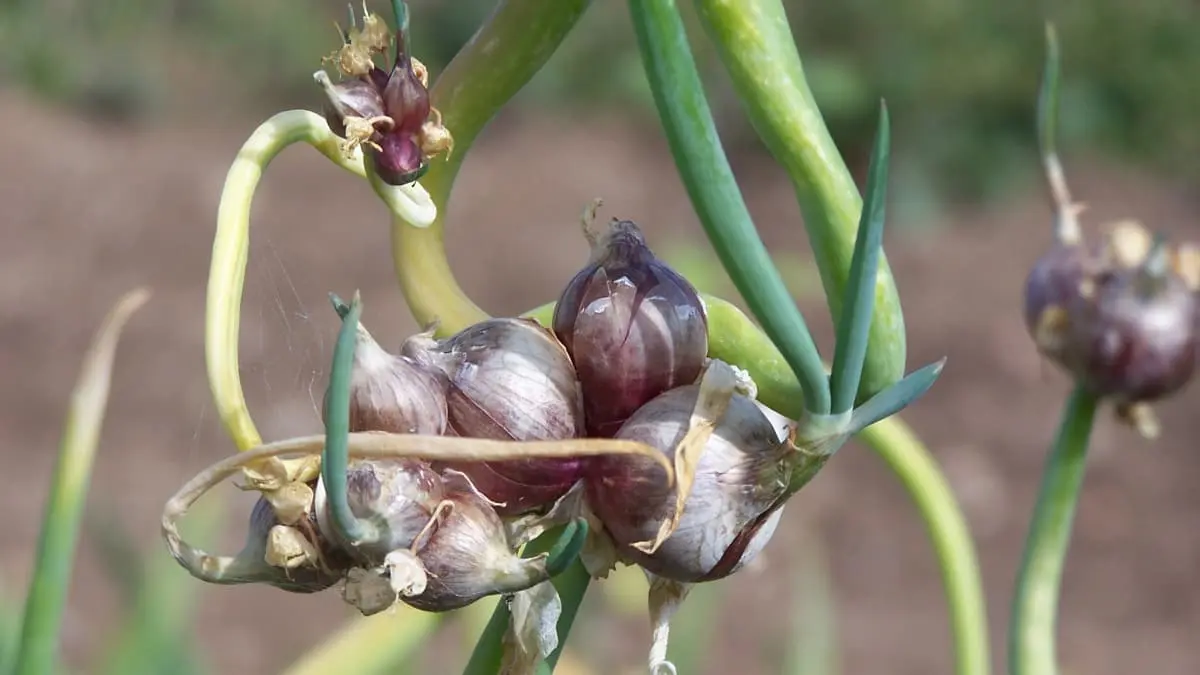
Growing Egyptian Walking Onions in Containers: A Complete Guide for Beginners
If you’re looking for a hardy, no-fuss perennial onion that keeps on giving year after [...]
Jul
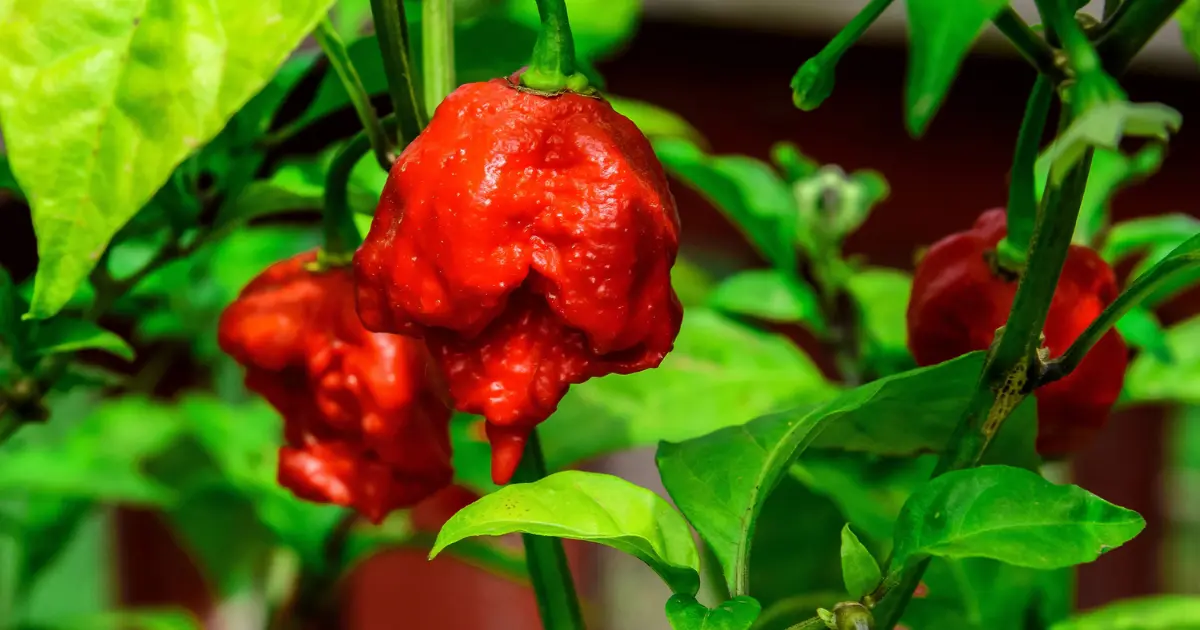
Growing Carolina Reaper Peppers in Pots: A Complete Guide for Beginners
If you’ve ever wanted to add some serious, record-breaking heat to your home cooking, you’ve [...]
May
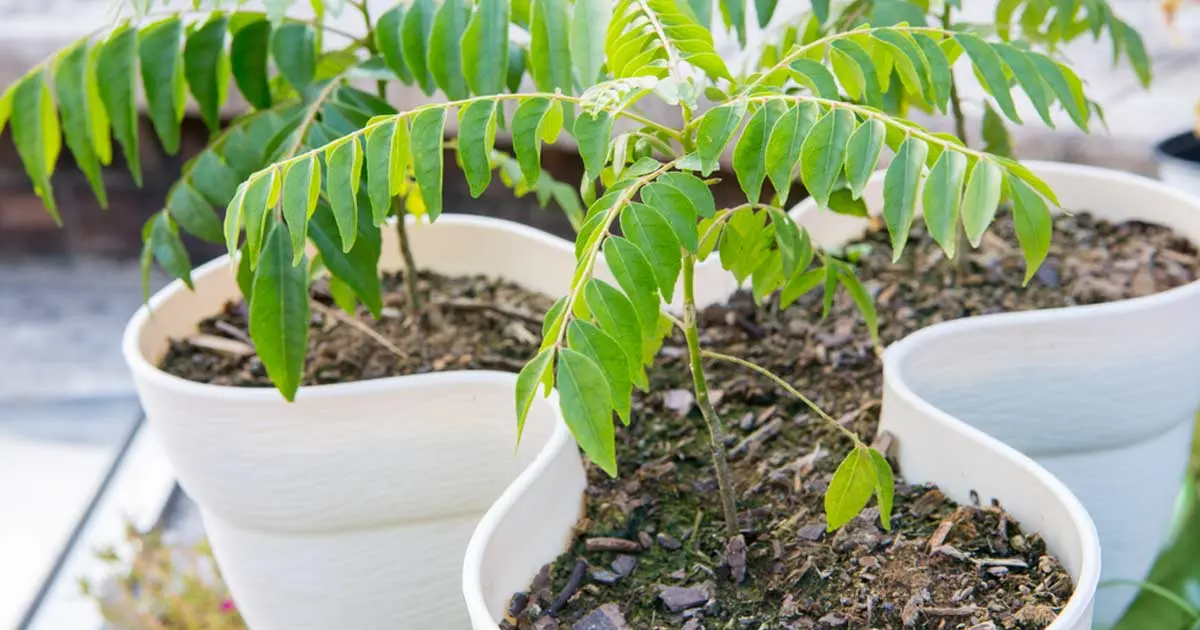
Growing Curry Leaf Plant in Pots: A Complete Guide for Beginners
If you’re a fan of authentic South Asian cuisine, you already know that nothing compares [...]
May
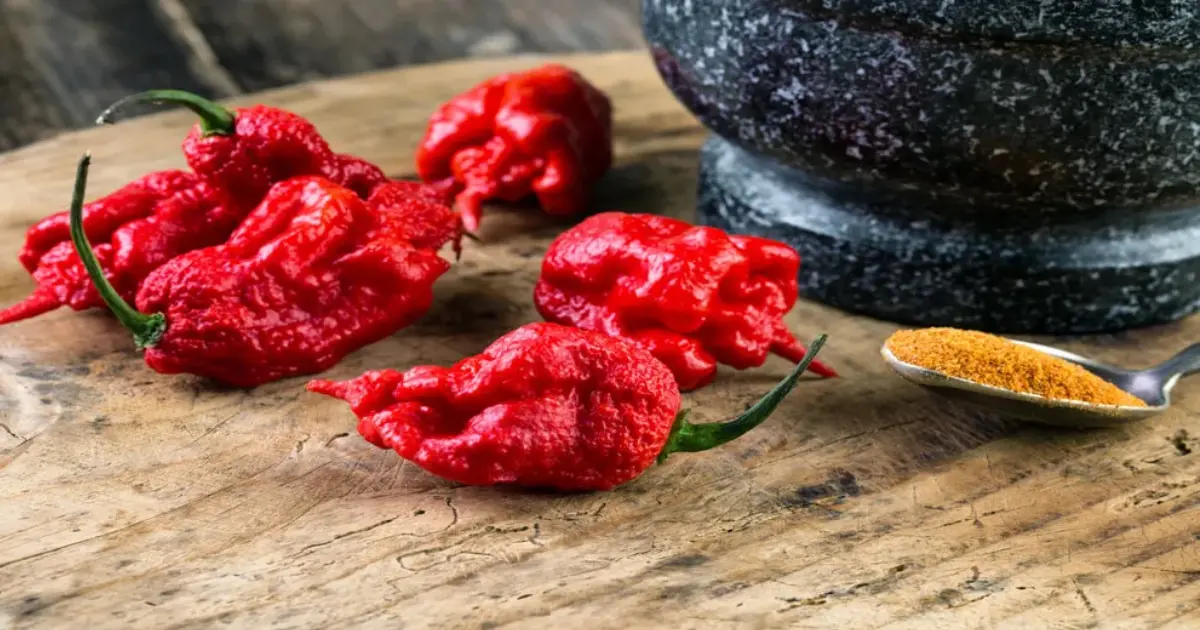
5 Tips for Growing Carolina Reaper Peppers to Get the Spiciest Harvest Ever
Holding the record for one of the world’s hottest peppers, the Reaper isn’t just a [...]
May
Reviews
There are no reviews yet.