
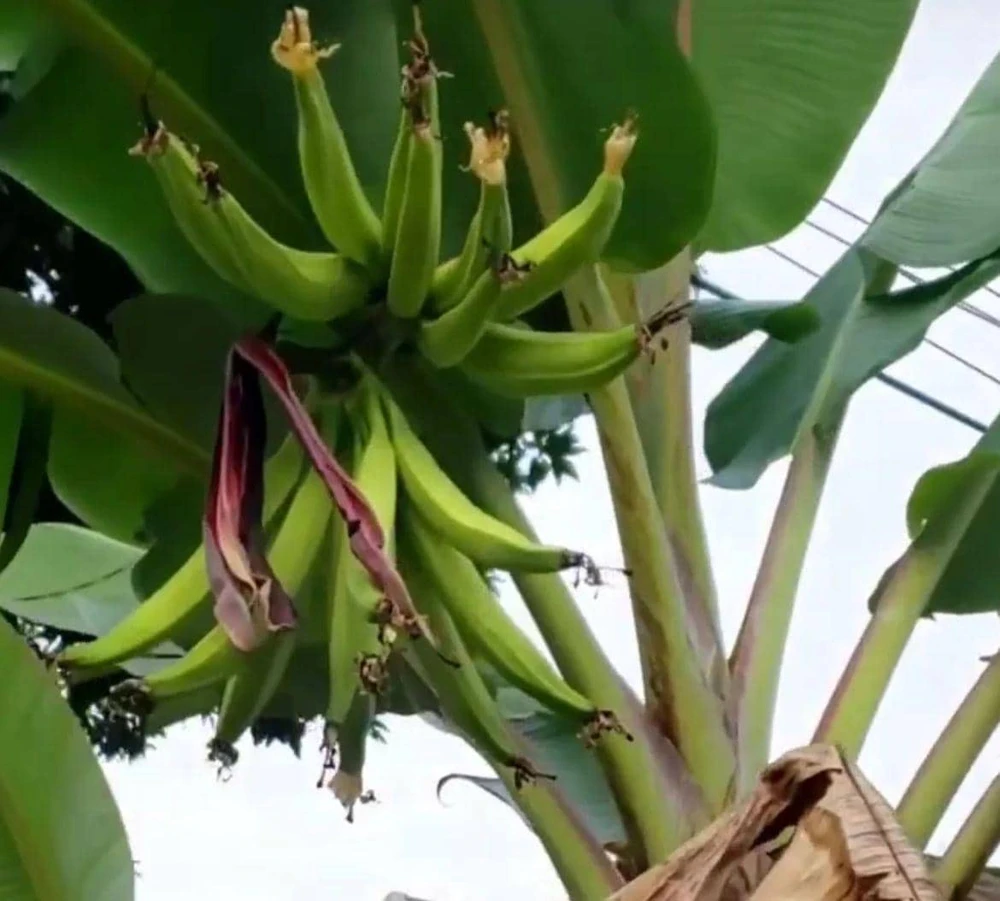
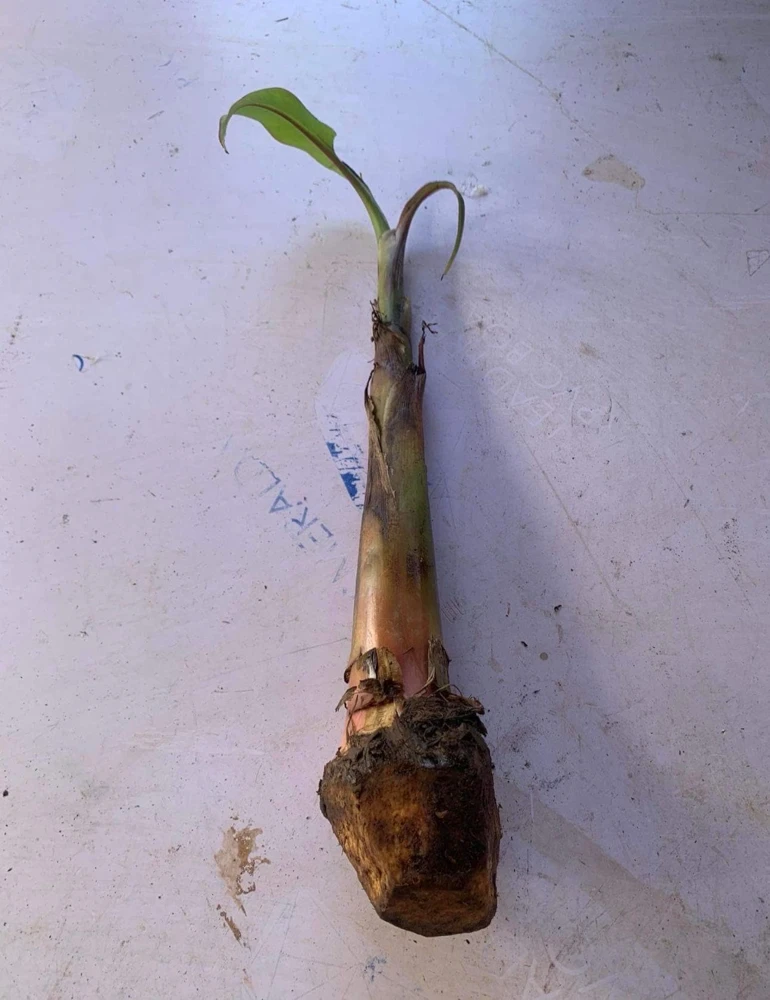
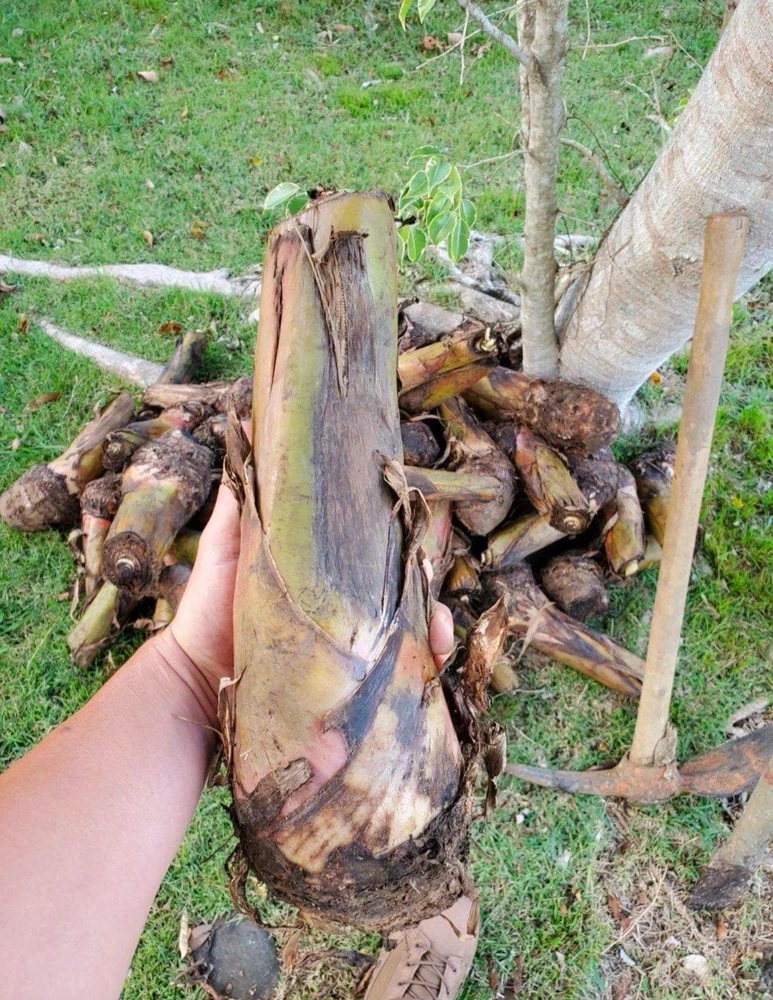
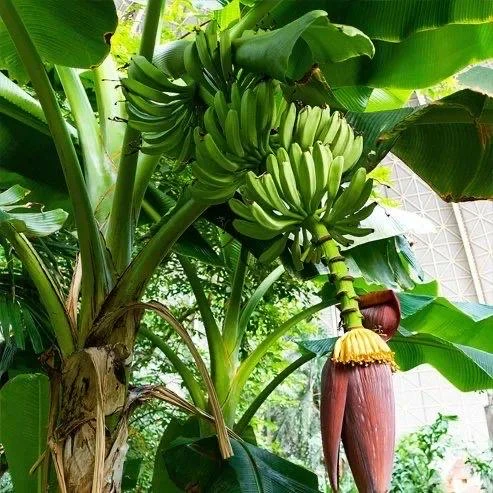
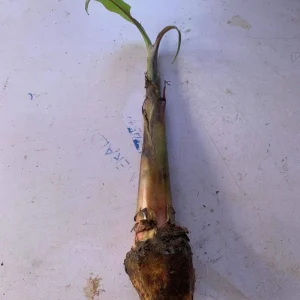
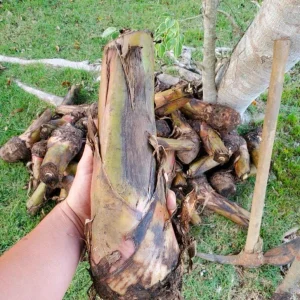
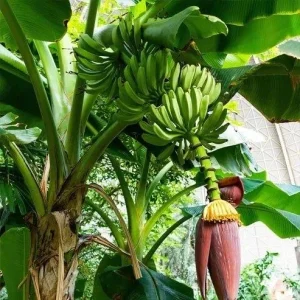
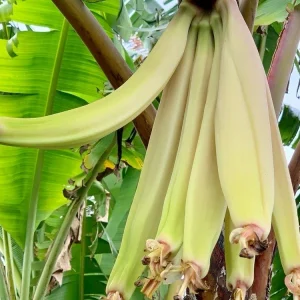
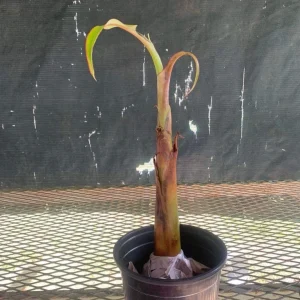
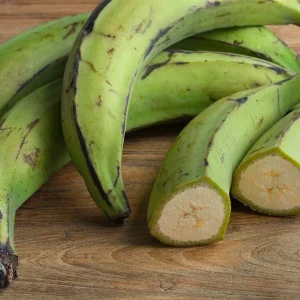
Rhino Horn Plantain Fruit Plant (Musa Acuminata Balbisiana) 10-18in Live Plant
Original price was: $125.60.$75.60Current price is: $75.60.
Cultivate your own tropical harvest with a healthy Rhino Horn Plantain live plant. This robust 10-18 inch specimen of Musa Acuminata Balbisiana is ideal for home gardens and larger farms, offering high-quality, organic fruit. Enjoy fresh, homegrown produce with easy planting and maintenance.
Estimated arrival
Sep 17
Sep 22 - Sep 24
Sep 27 - Oct 01

Reasonable Price
We offer reasonable price

Support 24/7
Contact us 24 hrs a day

100% Money Back
You've 30 days to Return

Payment Secure
100% secure payment
Overview
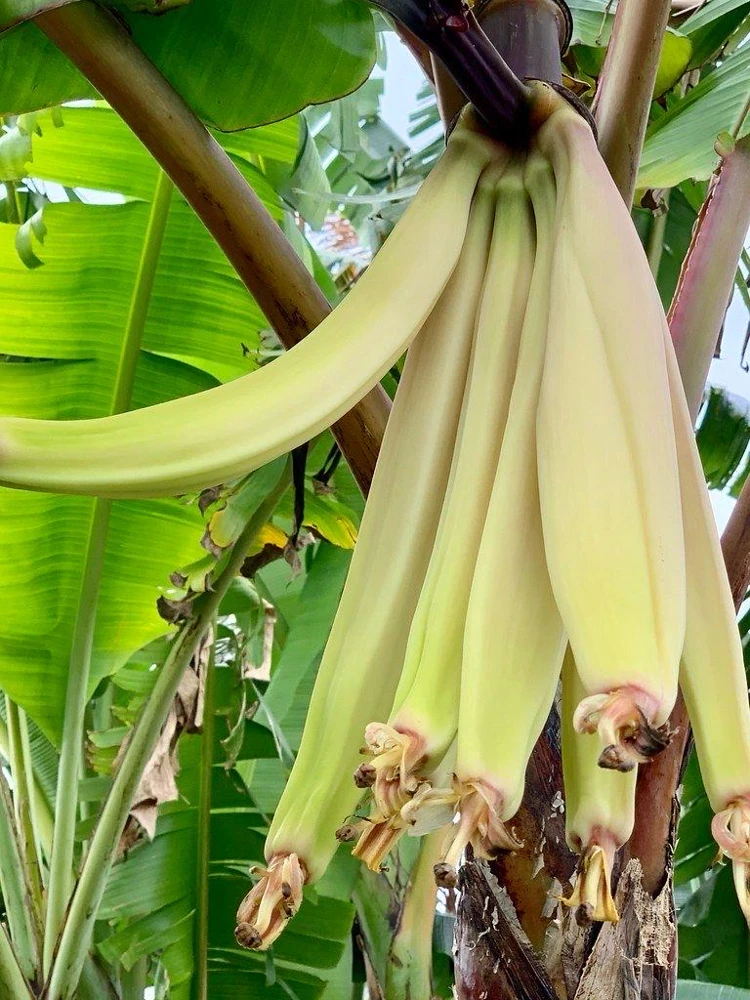
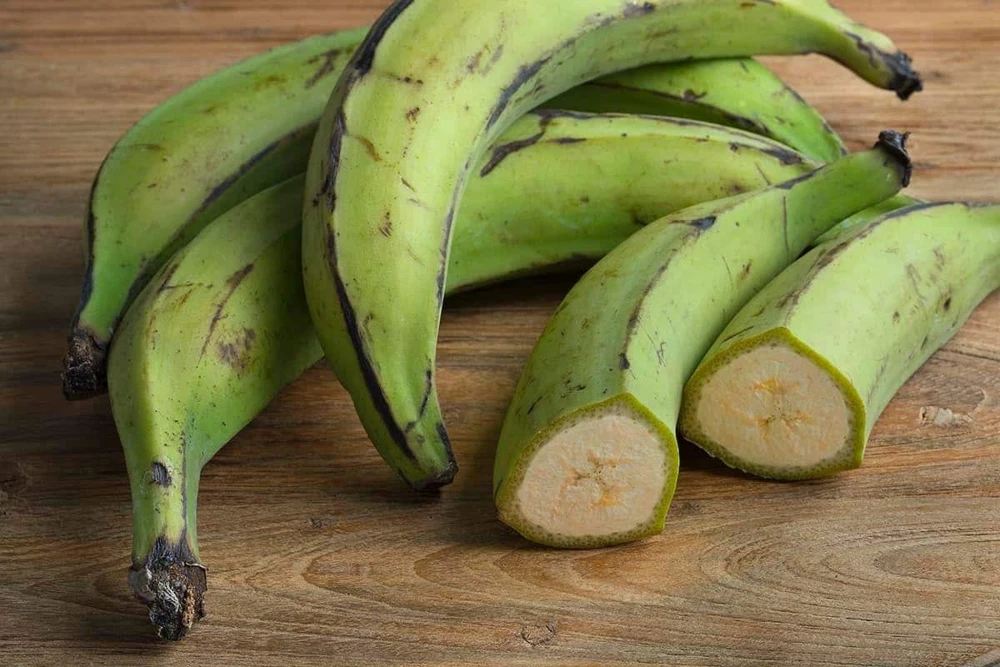
Embark on your journey to homegrown tropical goodness with the magnificent Rhino Horn Plantain live plant. This impressive variety, scientifically known as Musa Acuminata Balbisiana, is celebrated for its exceptionally large, curved fruit that resembles a rhinoceros horn, hence its distinctive name. Unlike sweet dessert bananas, plantains are typically cooked before eating and are a staple food in many tropical and subtropical regions. This robust 10-18 inch live plant arrives ready to thrive in your garden or a large container, promising a bountiful harvest of delicious, starchy fruit. Growing your own plantains ensures you have access to fresh, organic produce, free from pesticides and ripened to perfection. Whether you’re an experienced gardener or a budding enthusiast, cultivating a plantain fruit tree is a rewarding experience that brings a taste of the tropics right to your backyard.
Key Benefits
The Rhino Horn Plantain live plant offers a multitude of advantages for both the home gardener and those looking for a unique addition to their landscape. Its vigorous growth and delicious fruit make it a highly desirable specimen.
- Abundant, Unique Fruit: Enjoy a steady supply of large, flavorful plantains, perfect for cooking, frying, or baking. The distinctive ‘Rhino Horn’ shape makes them a conversation starter.
- Organic & Fresh Produce: Grow your own plantains organically, ensuring fresh, chemical-free fruit for your family. Nothing beats the taste of homegrown produce.
- Vigorous & Hardy Growth: This variety is known for its robust nature and adaptability, making it suitable for various climates where banana plants can thrive. It establishes quickly and grows with impressive vigor.
- Easy to Cultivate: Despite its exotic appeal, the Rhino Horn Plantain live plant is relatively easy to care for, requiring consistent watering and feeding to produce its best fruit.
- Tropical Garden Aesthetic: The large, lush leaves create a stunning tropical backdrop in any garden or patio, adding an exotic touch even before fruiting. It transforms your space into a vibrant oasis.
- Culinary Versatility: Plantains are incredibly versatile in the kitchen, offering endless possibilities for savory dishes, snacks, and even desserts. Explore new recipes with your fresh harvest.
- Sustainable Food Source: Establish a sustainable food source in your own garden, reducing reliance on store-bought produce and connecting with the natural world.
Plant Care & Growing Tips
To ensure your Rhino Horn Plantain live plant thrives and produces abundant fruit, understanding its specific care requirements is crucial. Plantains, like most tropical fruit trees, prefer warm, humid conditions. When considering how to grow plantains successfully, start with proper site selection. Choose a location that receives at least 6-8 hours of direct sunlight per day. In very hot climates, some afternoon shade can be beneficial to prevent leaf scorch. The ideal soil for Musa Acuminata Balbisiana is rich, well-draining, and slightly acidic to neutral (pH 6.0-7.0). Amend heavy clay soils with compost and organic matter to improve drainage and fertility. For container growing, use a large pot (at least 15-20 gallons) with good drainage holes and a high-quality potting mix formulated for tropical plants.
Watering is critical, especially during warm weather and fruiting periods. Plantains are heavy feeders and require consistent moisture. Water deeply and regularly, ensuring the soil remains evenly moist but not waterlogged. Reduce watering slightly during cooler months or if the plant is dormant. Fertilize every 4-6 weeks during the growing season with a balanced, slow-release fertilizer or a liquid feed rich in potassium and phosphorus to encourage fruit production. Protect your plant from strong winds, which can shred the large leaves. If growing in a colder climate, consider bringing container-grown plants indoors for winter or providing frost protection. Pruning is minimal, primarily involving removing dead or damaged leaves and spent fruiting stalks. Learning how to grow plantains to their full potential involves these consistent care practices.
Size & Details
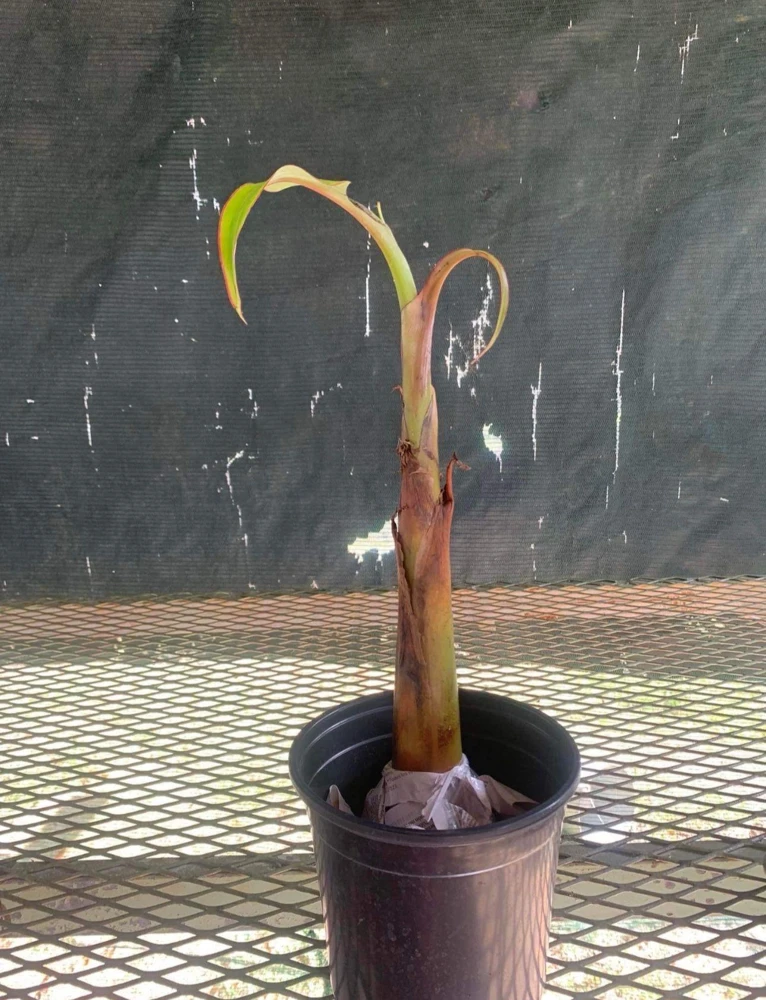
This offering is for a healthy Rhino Horn Plantain live plant, typically measuring between 10-18 inches in height from the base of the plant to the tip of its tallest leaf. The plant is shipped in a nursery pot, ensuring its roots are protected and ready for transplanting upon arrival. These young plants are vigorous growers and, with proper care, will quickly establish themselves. Expect a moderate to fast growth rate, with plants reaching mature fruiting size within 1-2 years under optimal conditions. The mature size of a large banana plant like the Rhino Horn can range from 10-15 feet tall, depending on climate and growing conditions. Each plant is carefully selected to ensure you receive a robust specimen, poised for successful growth and abundant fruiting. The fruit itself can grow to impressive lengths, often exceeding 12 inches.
Frequently Asked Questions
- Q: How big does this plant get? A: This Rhino Horn Plantain live plant is shipped at 10-18 inches tall. With proper care, it can grow to a mature height of 10-15 feet, forming a substantial plantain fruit tree in your garden or a large container.
- Q: Is this an indoor or outdoor plant? A: While plantains are tropical plants, they can be grown outdoors in USDA Zones 9-11 year-round. In colder climates, they can be grown in large containers and brought indoors during winter, or treated as annuals.
- Q: How much sunlight does it need? A: The Musa Acuminata Balbisiana thrives in full sun, requiring at least 6-8 hours of direct sunlight daily to produce the best fruit. In very hot regions, some afternoon shade can prevent leaf burn.
- Q: Is this plant easy to care for? A: Yes, plantains are relatively easy to care for, especially if you understand their basic needs for warmth, sunlight, water, and nutrients. They are considered suitable for gardeners of all experience levels who are interested in how to grow plantains.
- Q: What condition will it arrive in? A: Your Rhino Horn Plantain live plant will arrive well-packaged in a nursery pot, with its root system intact and moist. We take great care to ensure the plant is healthy and ready for transplanting.
- Q: How long until it produces fruit? A: Under optimal growing conditions, you can expect your Rhino Horn Plantain live plant to start producing fruit within 12-24 months after planting. Fruiting time can vary based on climate and care.
- Q: What type of soil is best for this plant? A: A rich, well-draining soil with plenty of organic matter is ideal. A slightly acidic to neutral pH (6.0-7.0) is preferred for healthy growth and fruit production for this large banana plant.
- Q: Will it survive winter in my zone? A: Plantains are tropical and sensitive to frost. They will survive winter outdoors only in USDA Zones 9-11. In colder zones, protection or indoor overwintering is necessary.
- Q: Can I grow it in a pot? A: Yes, the Rhino Horn Plantain live plant can be successfully grown in a large container (20+ gallons) if provided with adequate water, nutrients, and sunlight, making it possible to grow in non-tropical climates.
- Q: What are plantains used for? A: Plantains are primarily cooked before eating. They are a versatile ingredient in many cuisines, used in savory dishes like plantain chips, tostones, mofongo, and baked or grilled as a starchy vegetable.
Be the first to review “Rhino Horn Plantain Fruit Plant (Musa Acuminata Balbisiana) 10-18in Live Plant”
-
USDA Hardiness Zone
USDA zones 9-11 (outdoors) -
Soil Type
Rich, well-draining soil with organic matter -
Sunlight Exposure
Full sun (6-8+ hours direct light) -
Expected Planting Period
Year-round in warm climates; spring to early summer elsewhere
People Also Viewd


Sold 134 products
Original price was: $3,536.00.$23.99Current price is: $23.99.

Sold 131 products
Original price was: $27.00.$24.00Current price is: $24.00.

Sold 131 products
Original price was: $89.99.$64.99Current price is: $64.99.

Sold 125 products
Original price was: $86.99.$66.99Current price is: $66.99.

Flower Bulbs
3 Cranesbill Wild Geranium Organic Maculatums Bare Roots | Wildflower for Outdoor Garden
Sold 116 products
Original price was: $21.99.$9.99Current price is: $9.99.

Sold 114 products
Original price was: $28.99.$17.99Current price is: $17.99.

Sold 110 products
Original price was: $63.99.$28.99Current price is: $28.99.
Sold 108 products
Original price was: $28.99.$17.99Current price is: $17.99.RELATED posts
Growing Camellia Sinensis (Tea Plants) in Containers: A Complete Guide for Beginners
If you’ve ever wanted to sip a steaming, homegrown cup of fresh green, black, or [...]
Aug
6 Best Shrubs to Plant in August You Must Try
Have you ever walked through a nursery late in the summer, admired the vibrant shrubs [...]
Aug
Growing Everbearing Strawberries in Containers: A Complete Guide for Beginners
Want to grow sweet, fresh strawberries but do not have a large garden? Everbearing strawberries [...]
Aug
Growing Egyptian Walking Onions in Containers: A Complete Guide for Beginners
If you’re looking for a hardy, no-fuss perennial onion that keeps on giving year after [...]
Jul
Growing Carolina Reaper Peppers in Pots: A Complete Guide for Beginners
If you’ve ever wanted to add some serious, record-breaking heat to your home cooking, you’ve [...]
May
Growing Curry Leaf Plant in Pots: A Complete Guide for Beginners
If you’re a fan of authentic South Asian cuisine, you already know that nothing compares [...]
May
5 Tips for Growing Carolina Reaper Peppers to Get the Spiciest Harvest Ever
Holding the record for one of the world’s hottest peppers, the Reaper isn’t just a [...]
May
Best Fertilizers for Zoysia Grass in 2026: Get a Lush Lawn
As we enter the new year, the time has come to think about how we [...]
Apr

Reviews
There are no reviews yet.