
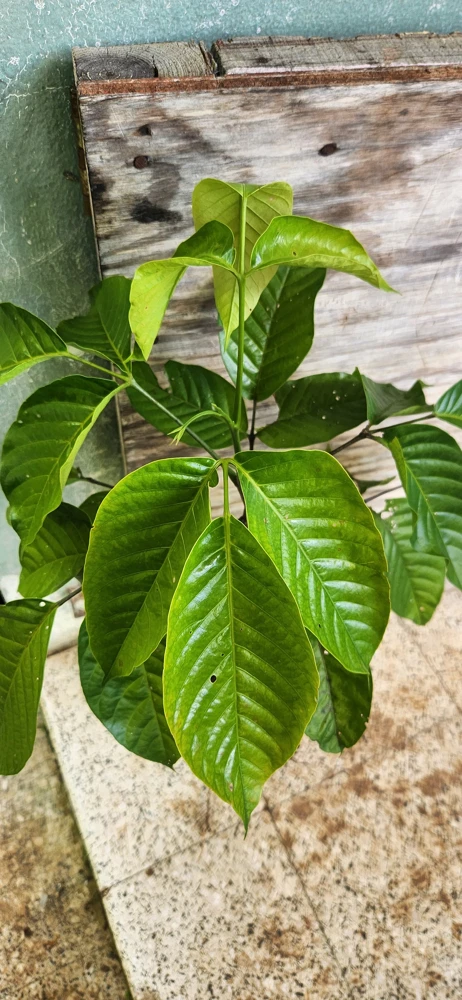
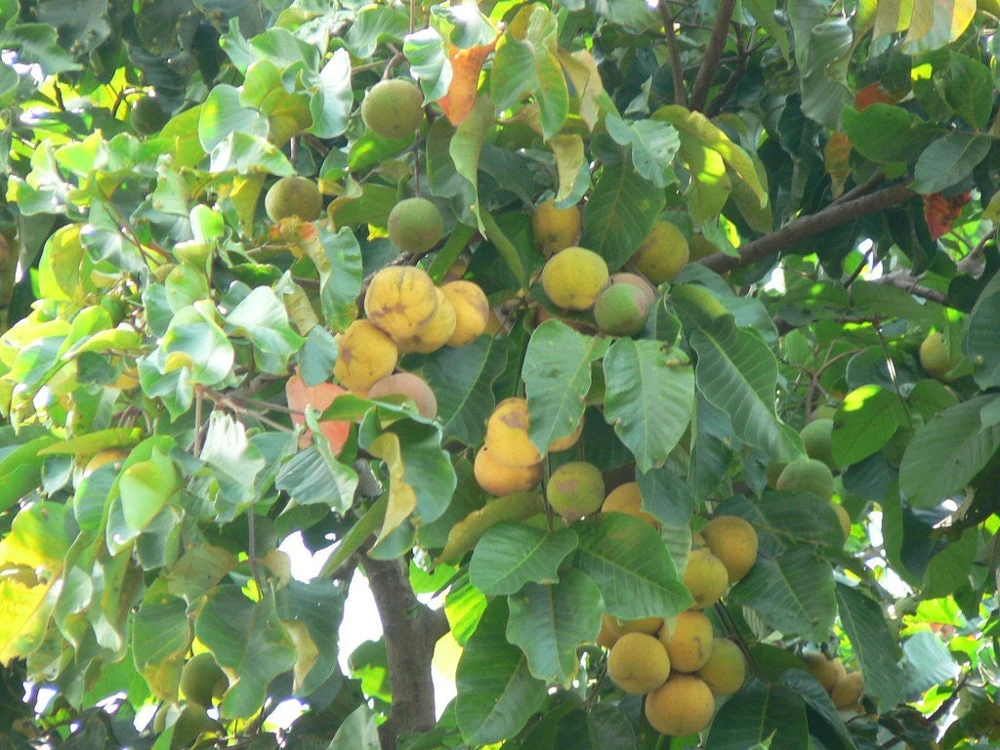
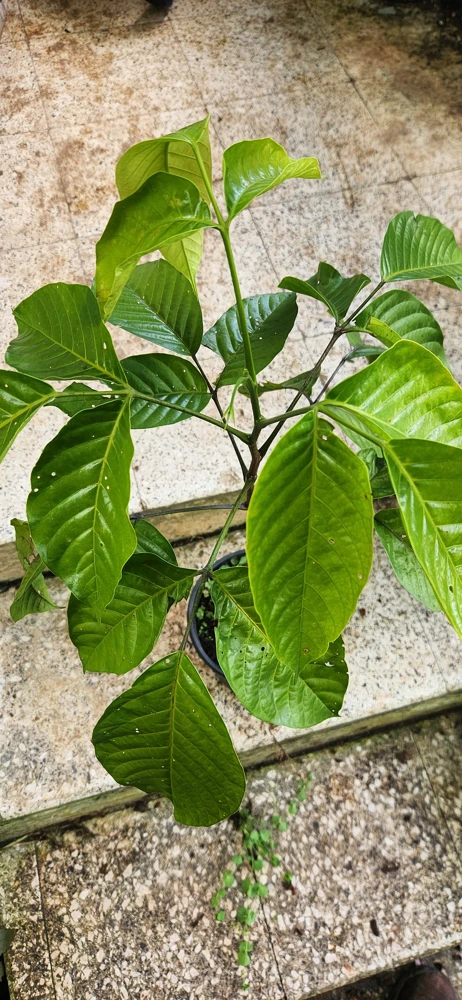
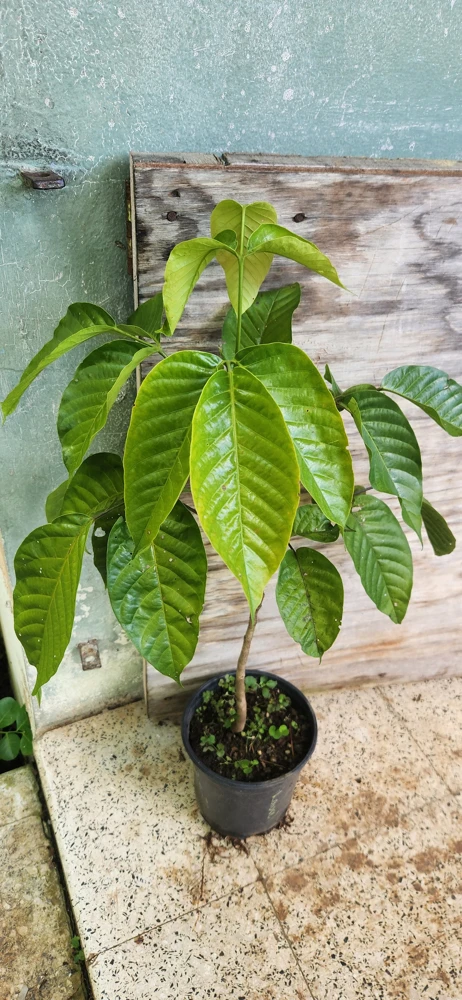
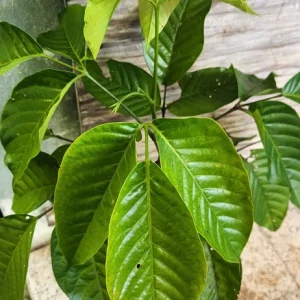
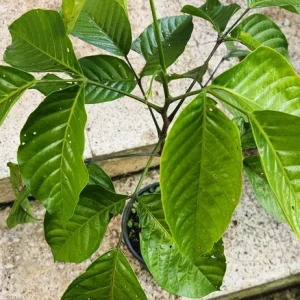
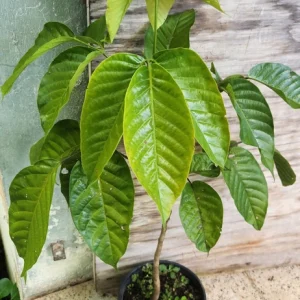
Santol Fruit Tree Live Plant (Sandoricum koetjape) 12-24 inch, Tropical Fruit
Original price was: $136.40.$86.40Current price is: $86.40.
Cultivate your own exotic tropical fruit with this santol fruit tree. This Sandoricum koetjape live plant, standing 12-24 inches tall, offers the promise of delicious, peach-like fruits with a unique flavor profile. Ideal for warm climates, it’s a fast-growing addition to any garden or orchard.
Estimated arrival
Sep 15
Sep 20 - Sep 22
Sep 25 - Sep 29

Reasonable Price
We offer reasonable price

Support 24/7
Contact us 24 hrs a day

100% Money Back
You've 30 days to Return

Payment Secure
100% secure payment
Overview
Introduce an exotic flair to your garden with the vibrant santol fruit tree, scientifically known as Sandoricum koetjape. This Sandoricum koetjape live plant arrives ready to thrive, typically measuring between 12 and 24 inches tall, offering a head start on growing your own tropical bounty. The santol tree is renowned for its distinctive, peach-like fruits, which boast a unique sweet and tart flavor. Originating from Southeast Asia, this fast-growing tree can reach impressive heights, providing ample shade and a continuous supply of delicious produce. Its attractive foliage, which can display reddish hues before falling, adds significant ornamental value to any landscape. Growing a santol fruit tree is a rewarding experience, bringing a taste of the tropics right to your home.
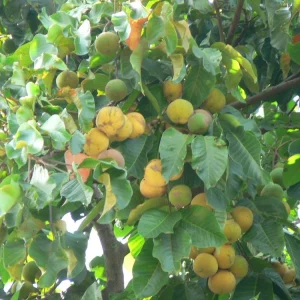
The santol fruit itself is a culinary delight, with varieties ranging in color from yellow to red. Its skin can vary in thickness and may be edible in some cultivars, often containing a milky juice. The inner pulp surrounding the seeds can be sweet or bitter, while improved varieties offer a thicker, edible outer rind with a mild peach-apple flavor. This adaptability in fruit characteristics makes the santol fruit tree a fascinating specimen for fruit enthusiasts and gardeners alike. Its ability to adapt to various growing conditions within its preferred climate zone further enhances its appeal, making it a valuable addition to tropical and subtropical gardens.
Key Benefits
Growing a santol fruit tree offers a multitude of benefits, from delicious fruit production to enhancing your garden’s aesthetic appeal:
- Exotic Fruit Production: Enjoy the unique and delicious santol fruit, which offers a delightful blend of sweet and tart flavors, often compared to peaches and apples. Having your own tree ensures a fresh, organic supply.
- Ornamental Value: The Sandoricum koetjape live plant is a beautiful tree, featuring striated leaves and charming pink or yellow-green flowers. The reddish tint some varieties’ leaves take on before falling adds a distinct visual appeal to your landscape.
- Fast Growing: This tree is known for its rapid growth rate, quickly establishing itself and providing shade and fruit in a relatively short period compared to many other fruit trees.
- Unique Flavor Profile: Santol fruit offers a complex taste experience. The outer rind can have a mild peach flavor with an apple-like texture, while the inner pulp around the seeds can range from sweet to pleasantly bitter, providing culinary versatility.
- Adaptable Cultivars: With both yellow and red varieties, and improved cultivars featuring thicker edible rinds, there’s a santol fruit tree type to suit various preferences, increasing its general acceptance and enjoyment.
- Source of Fresh Produce: Cultivating your own santol fruit tree means access to fresh, healthy, and natural fruit, reducing reliance on store-bought options and promoting a sustainable lifestyle.
Plant Care & Growing Tips
Caring for your santol fruit tree (Sandoricum koetjape) is straightforward, especially when provided with the right conditions. This tropical plant thrives in warm, humid environments. For optimal growth and fruit production, it requires full sun exposure, meaning at least 6-8 hours of direct sunlight daily. While it can tolerate some partial shade, abundant sunlight encourages better flowering and fruiting. Ensure it is planted in an area protected from strong winds, especially when young.
The ideal soil for a santol fruit tree is rich, well-draining, and slightly acidic to neutral (pH 5.5-7.0). Amend heavy clay soils with organic matter like compost or aged manure to improve drainage and fertility. Consistent watering is crucial, especially during dry periods and when the tree is young. The soil should be kept consistently moist but not waterlogged. Once established, the tree is somewhat drought-tolerant but will produce more and better fruit with regular irrigation. Fertilize your Sandoricum koetjape live plant with a balanced slow-release fertilizer during its active growing season, typically in spring and summer, to support its rapid growth and fruit development. Pruning is generally minimal, focusing on removing dead or diseased branches and shaping the tree for better air circulation and fruit access. Understanding santol plant care is key to a thriving and productive tree.
The santol fruit tree is best suited for USDA Hardiness Zones 10-11, where temperatures rarely drop below freezing. In colder climates, it can be grown in large containers and brought indoors during winter, though fruit production may be limited. Protect young trees from frost. Pests are generally not a major issue, but keep an eye out for common fruit tree pests like aphids or mealybugs and treat them with organic pest control methods if necessary. With proper care, your tropical fruit tree will flourish and provide delicious fruit for years to come. If you’re looking to grow santol fruit, these guidelines will set you up for success.
Size & Details
This offering is for a santol fruit tree, a Sandoricum koetjape live plant, typically measuring between 12 to 24 inches in height from the base of the root ball to the top of the foliage. It ships as a young, actively growing tree, ready for planting in your garden or a larger container. The tree has a fast growth rate and can eventually reach heights of up to 45 feet in optimal conditions, forming a broad canopy. It will arrive in a nursery pot with established roots, ensuring a smooth transition to its new home. Expect the tree to begin flowering and fruiting within 3-5 years, depending on growing conditions and care. The mature fruit has a size, shape, and texture slightly similar to a peach, with a reddish tint in some varieties. This tropical fruit tree is a long-term investment that will provide both beauty and bountiful harvests.
Frequently Asked Questions
- Q: How big does this santol fruit tree get? A: This particular Sandoricum koetjape live plant is 12-24 inches tall upon arrival. In ideal tropical conditions, a mature santol tree can reach impressive heights of up to 45 feet, developing a broad and attractive canopy.
- Q: Is this an indoor or outdoor plant? A: The santol fruit tree is a tropical plant best suited for outdoor cultivation in USDA Zones 10-11. In colder climates, it can be grown in a large container and brought indoors during winter months to protect it from frost.
- Q: How much sunlight does a santol tree need? A: For optimal growth and fruit production, your santol fruit tree requires full sun exposure, meaning at least 6-8 hours of direct sunlight per day. It can tolerate partial shade, but fruiting may be reduced.
- Q: Is this plant easy to care for? A: Once established in the correct climate, the santol fruit tree is relatively low-maintenance. Key requirements include plenty of sunlight, consistent watering, and well-draining soil. It’s a rewarding plant for those interested in grow santol fruit.
- Q: What condition will the Sandoricum koetjape live plant arrive in? A: Your Sandoricum koetjape live plant will arrive as a healthy, actively growing young tree in a nursery pot with its root system intact. It will be carefully packaged to ensure its safe journey.
- Q: How long until this tree produces fruit? A: A young santol fruit tree typically begins to bear fruit within 3 to 5 years after planting, depending on the specific growing conditions and the care it receives. Patience will be rewarded with delicious tropical fruit.
- Q: What is the best soil for santol plant care? A: The santol tree thrives in rich, well-draining soil with a slightly acidic to neutral pH (5.5-7.0). Amending the soil with organic matter like compost is beneficial for drainage and fertility.
- Q: What does santol fruit taste like? A: Santol fruit has a unique flavor profile, often described as a blend of sweet and tart, with hints of peach and apple in the outer rind. The inner pulp can vary from sweet to slightly bitter, offering a complex taste.
- Q: Will this tropical fruit tree survive winter in my zone? A: The santol fruit tree is sensitive to cold and will only survive outdoors year-round in tropical or subtropical climates (USDA Zones 10-11). It must be protected from frost.
- Q: How often should I water my santol fruit tree? A: Keep the soil consistently moist, especially for young trees and during dry periods. Water thoroughly when the top inch of soil feels dry to the touch, ensuring good drainage to prevent waterlogging.
Be the first to review “Santol Fruit Tree Live Plant (Sandoricum koetjape) 12-24 inch, Tropical Fruit”
-
USDA Hardiness Zone
USDA zones 10-11 -
Soil Type
Rich, well-draining, slightly acidic to neutral soil -
Sunlight Exposure
Full sun -
Expected Planting Period
Year-round in tropical climates, spring to summer in suitable zones
People Also Viewd


Sold 134 products
Original price was: $3,536.00.$23.99Current price is: $23.99.

Sold 131 products
Original price was: $27.00.$24.00Current price is: $24.00.

Sold 130 products
Original price was: $89.99.$64.99Current price is: $64.99.

Sold 125 products
Original price was: $86.99.$66.99Current price is: $66.99.

Flower Bulbs
3 Cranesbill Wild Geranium Organic Maculatums Bare Roots | Wildflower for Outdoor Garden
Sold 116 products
Original price was: $21.99.$9.99Current price is: $9.99.

Sold 114 products
Original price was: $28.99.$17.99Current price is: $17.99.

Sold 110 products
Original price was: $63.99.$28.99Current price is: $28.99.
Sold 108 products
Original price was: $28.99.$17.99Current price is: $17.99.RELATED posts
Growing Camellia Sinensis (Tea Plants) in Containers: A Complete Guide for Beginners
If you’ve ever wanted to sip a steaming, homegrown cup of fresh green, black, or [...]
Aug
6 Best Shrubs to Plant in August You Must Try
Have you ever walked through a nursery late in the summer, admired the vibrant shrubs [...]
Aug
Growing Everbearing Strawberries in Containers: A Complete Guide for Beginners
Want to grow sweet, fresh strawberries but do not have a large garden? Everbearing strawberries [...]
Aug
Growing Egyptian Walking Onions in Containers: A Complete Guide for Beginners
If you’re looking for a hardy, no-fuss perennial onion that keeps on giving year after [...]
Jul
Growing Carolina Reaper Peppers in Pots: A Complete Guide for Beginners
If you’ve ever wanted to add some serious, record-breaking heat to your home cooking, you’ve [...]
May
Growing Curry Leaf Plant in Pots: A Complete Guide for Beginners
If you’re a fan of authentic South Asian cuisine, you already know that nothing compares [...]
May
5 Tips for Growing Carolina Reaper Peppers to Get the Spiciest Harvest Ever
Holding the record for one of the world’s hottest peppers, the Reaper isn’t just a [...]
May
Best Fertilizers for Zoysia Grass in 2026: Get a Lush Lawn
As we enter the new year, the time has come to think about how we [...]
Apr
Reviews
There are no reviews yet.