
Set of 2 Common Hackberry Bare Roots – 1 to 2 Feet Tall Tree Seedlings – Outdoor
Original price was: $45.99.$31.99Current price is: $31.99.
Bring natural beauty to your landscape with this set of common hackberry bare root seedlings. Each hackberry tree seedlings measures 1 to 2 feet tall, offering a fantastic start for a resilient and attractive shade tree. Ideal for various garden settings, these young trees are ready for planting.
Estimated arrival
Oct 22
Oct 27 - Oct 29
Nov 01 - Nov 05

Reasonable Price
We offer reasonable price

Support 24/7
Contact us 24 hrs a day

100% Money Back
You've 30 days to Return

Payment Secure
100% secure payment
Overview
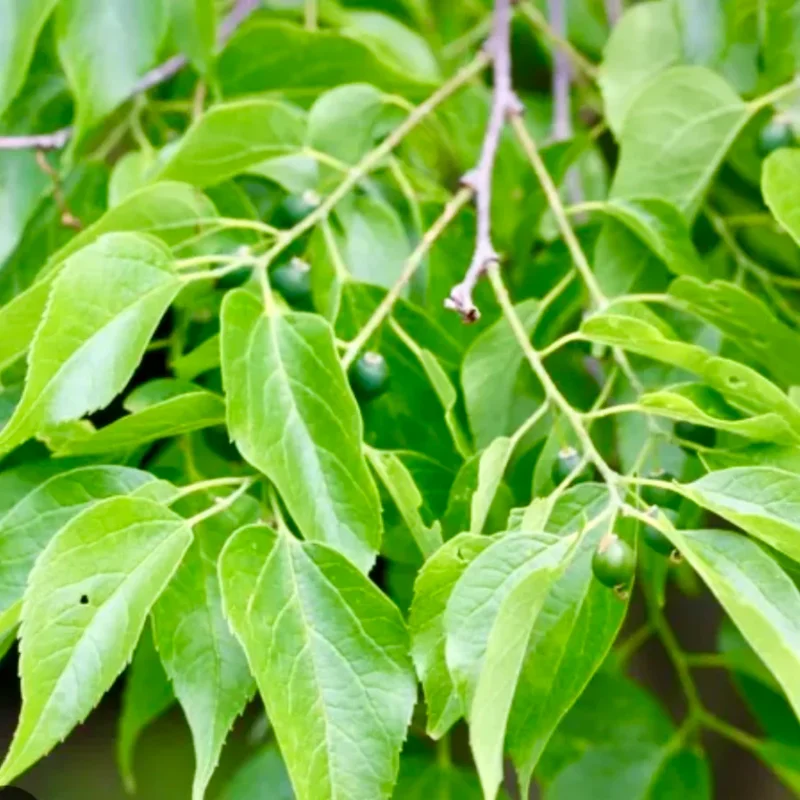
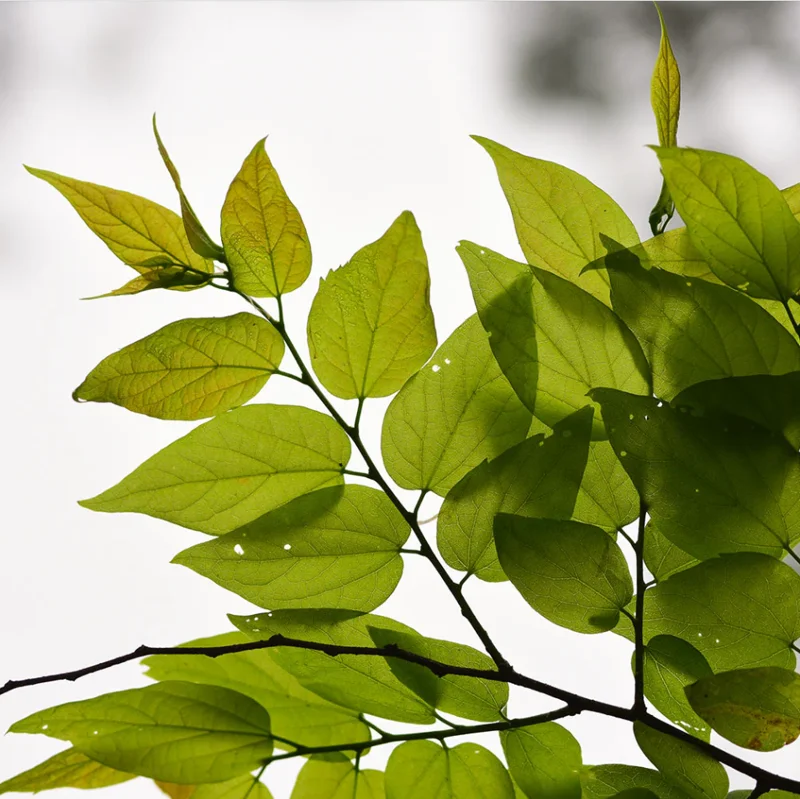
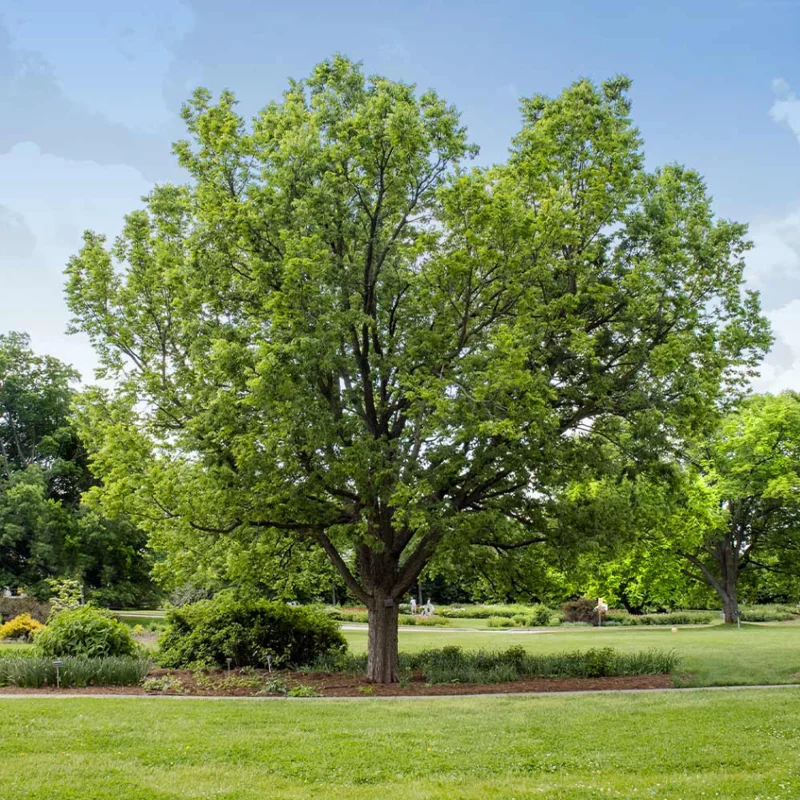
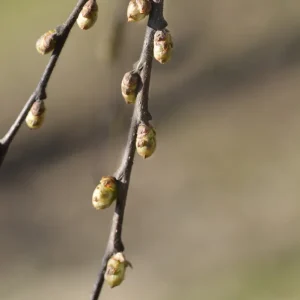
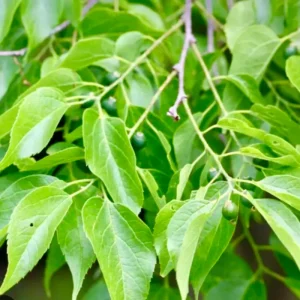
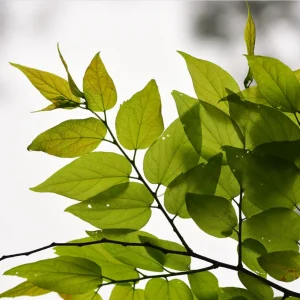
Introduce a robust and adaptable native tree to your home garden with this set of common hackberry bare root seedlings. These young trees, botanically known as Celtis Occidentalis, arrive ready for planting, allowing for direct establishment into your desired landscape. The common hackberry bare root offers an excellent opportunity to grow a resilient shade tree known for its distinctive bark, small edible berries, and ability to thrive in a wide range of conditions. Hackberry trees are a valuable addition, providing ecological benefits and visual interest throughout the year. They are a popular choice for those seeking a low-maintenance yet impactful tree.
Each bare root seedling measures between 1 to 2 feet tall, making them manageable for planting and ensuring a strong start. The hackberry is celebrated for its toughness and adaptability, making it suitable for various soil types and urban environments. As it matures, the tree develops a rounded crown, providing ample shade and a habitat for local wildlife. This offering provides a convenient and economical way to incorporate a beneficial and beautiful tree into your property.
Key Benefits
Choosing these common hackberry bare root seedlings provides numerous advantages for your garden and local ecosystem. Their hardiness and beneficial features make them an excellent investment for any landscape project.
- Drought and Urban Tolerance: Hackberry trees are incredibly resilient, tolerating periods of drought, urban pollution, and various soil conditions, making them ideal for challenging environments.
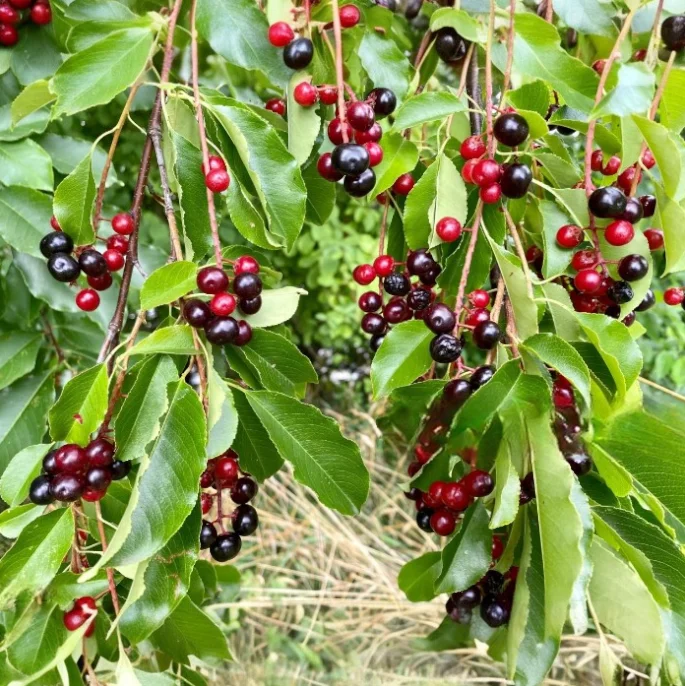
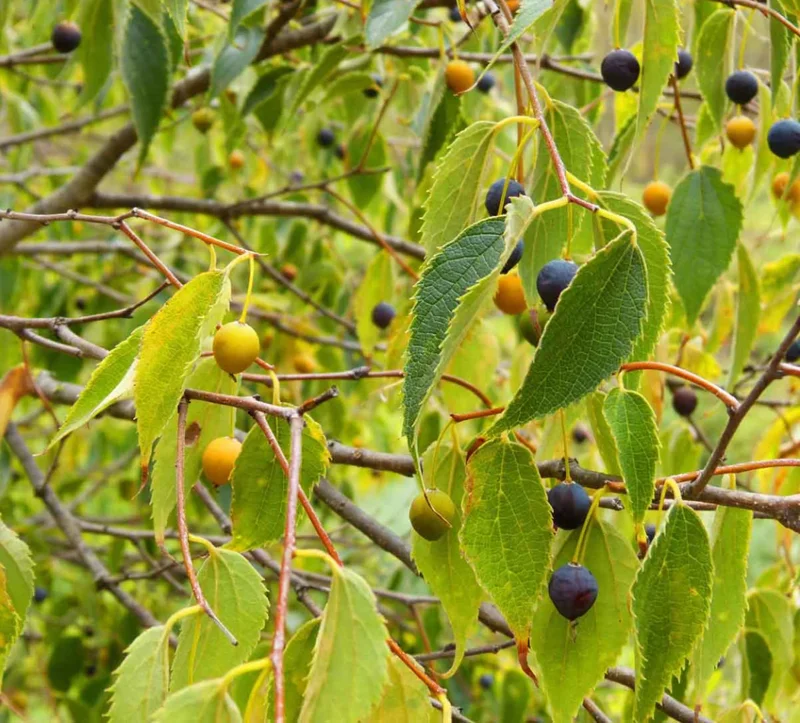
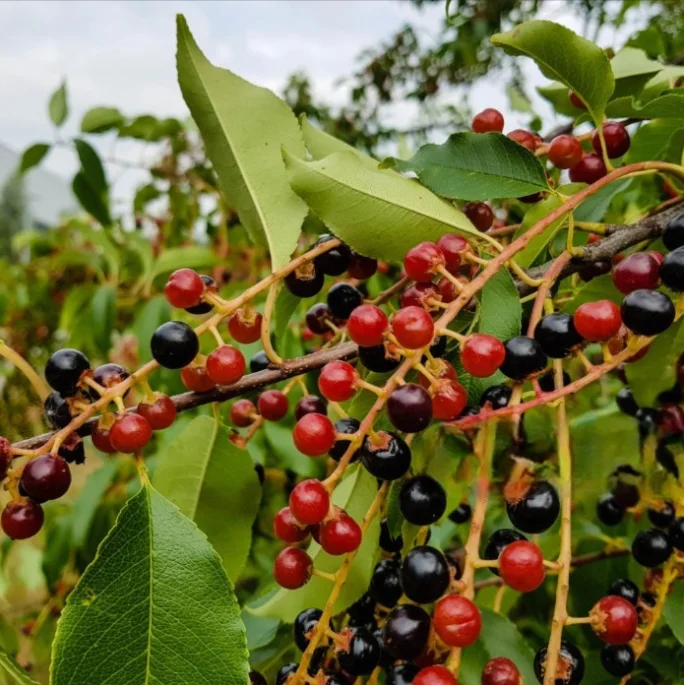
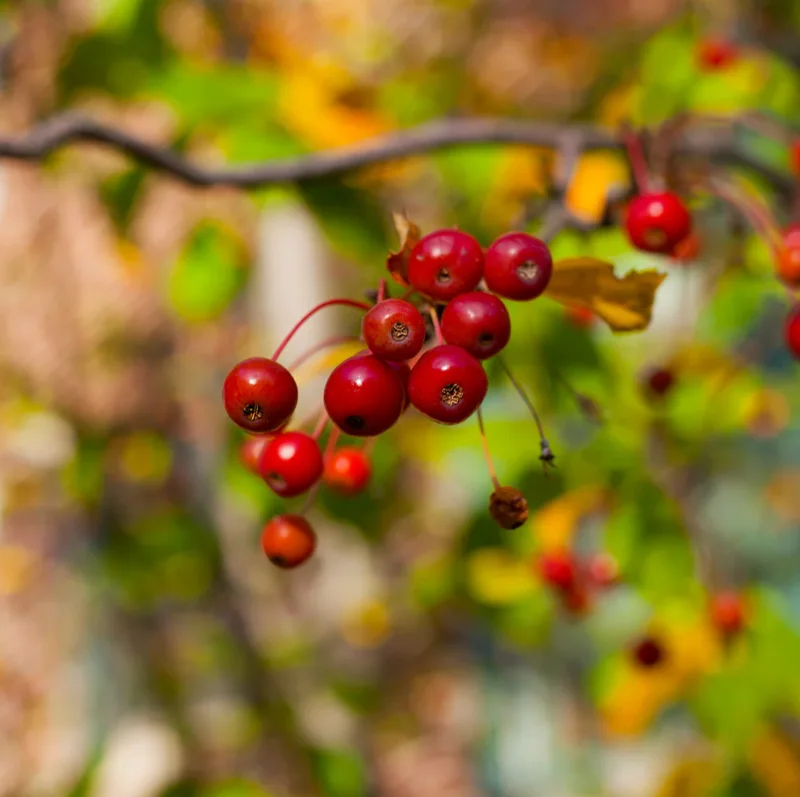
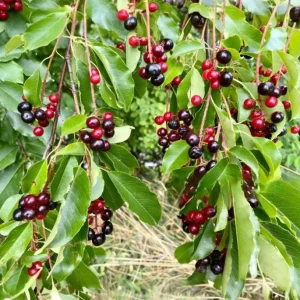
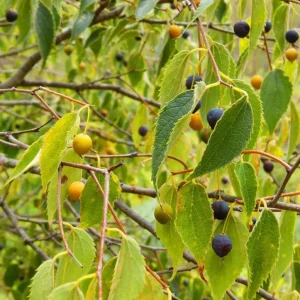
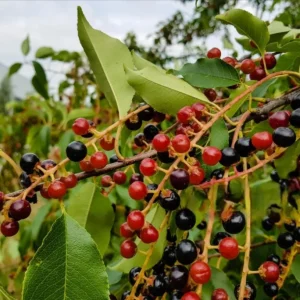
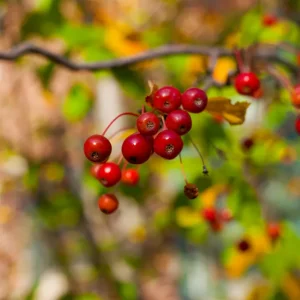
- Wildlife Support: The small, purplish-black berries produced by the hackberry are a vital food source for many bird species and other wildlife, especially during winter months.
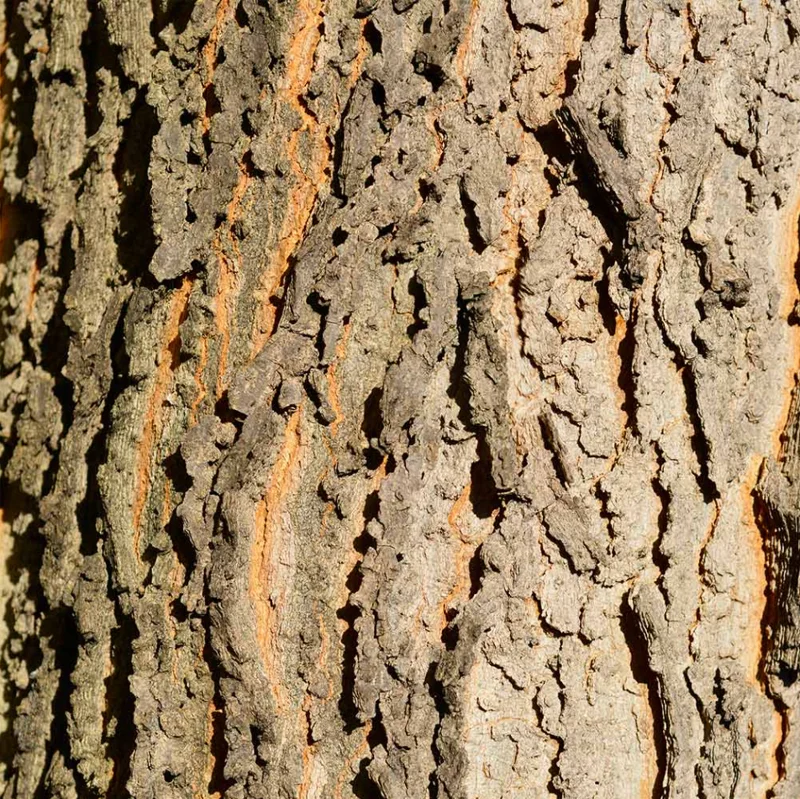
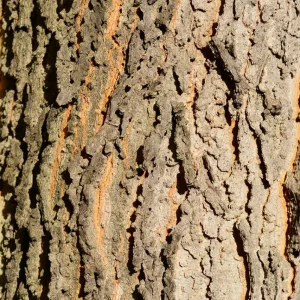
- Distinctive Bark: Mature hackberry trees develop unique warty or corky bark, adding significant textural interest and ornamental value to your landscape, particularly in winter.
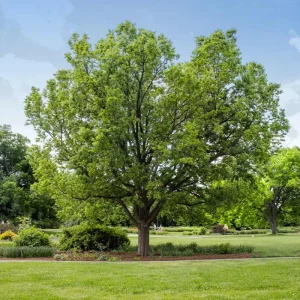
- Shade Provider: With its broad, spreading canopy, the hackberry tree provides excellent shade, helping to cool your home and outdoor living spaces during warmer months.
- Low Maintenance: Once established, these trees require minimal care, making them a perfect choice for gardeners seeking a beautiful yet undemanding addition to their property.
- Adaptable Growth: The Celtis Occidentalis plant adapts well to a variety of climates and soil types, ensuring a high success rate for establishment across many regions.
- Erosion Control: Its strong root system helps to stabilize soil, making it useful for erosion control on slopes or along waterways.
Plant Care & Growing Tips
Successfully growing your hackberry tree seedlings from bare roots requires a few key steps to ensure robust establishment and healthy growth. Hackberry trees are generally forgiving, but proper initial care will set them up for long-term success. Choose a planting site that receives full sun to partial shade, meaning at least 6 hours of direct sunlight per day. While adaptable, hackberry thrives best in well-drained soil, though it can tolerate clay, sand, and even wet conditions once established. Dig a hole wide enough to accommodate the spread of the roots and deep enough so that the root collar (where the roots meet the trunk) is at ground level.
When planting your common hackberry bare root, carefully spread out the roots in the prepared hole. Backfill with soil, gently tamping down to remove air pockets. Water thoroughly immediately after planting to settle the soil around the roots. During the first growing season, consistent watering is crucial, especially during dry spells. Aim for about 1 inch of water per week, either from rainfall or irrigation. Mulch around the base of the tree with 2-4 inches of organic material, keeping it a few inches away from the trunk, to retain moisture, regulate soil temperature, and suppress weeds. Pruning is generally minimal, focusing on removing diseased, damaged, or crossing branches. The hackberry plant care routine is relatively simple, making it an excellent choice for both novice and experienced gardeners.
Size & Details
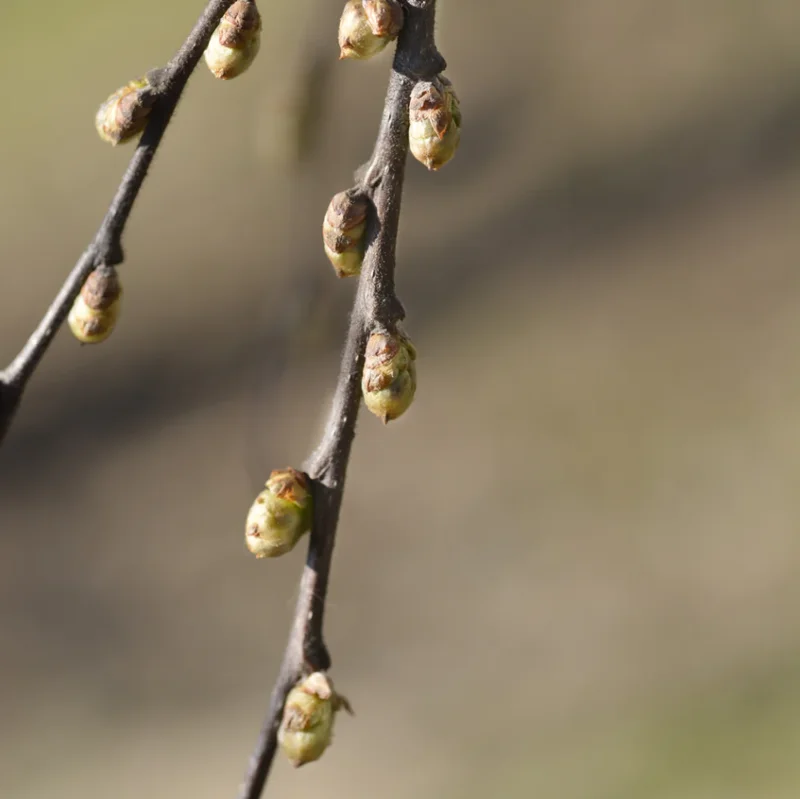
This offering includes a set of two common hackberry bare root seedlings. Each seedling measures approximately 1 to 2 feet tall from the root crown to the tip of the branches, providing a substantial start for your future shade trees. Bare root plants are dormant trees shipped without soil around their roots, offering an economical and efficient way to transport and plant young trees. This form allows for easier handling and quicker establishment in their new environment when planted correctly.
Hackberry trees are known for their moderate to fast growth rate, typically adding 1-2 feet per year under optimal conditions. They can eventually reach a mature height of 40-70 feet with a spread of 30-50 feet, forming a distinctive, rounded crown. These young trees are suitable for planting in USDA Hardiness Zones 3-9, indicating their wide adaptability across various climates. Expect these hackberry tree seedlings to establish their root systems quickly, leading to vigorous growth in the coming seasons. The first berries might appear within 5-10 years, depending on growing conditions.
Frequently Asked Questions
- Q: How big will these common hackberry bare root trees get at maturity? A: The common hackberry bare root can grow to an impressive height of 40-70 feet with a spread of 30-50 feet, forming a beautiful, rounded canopy perfect for providing ample shade.
- Q: Is this an indoor or outdoor plant? A: The Common Hackberry (Celtis Occidentalis plant) is a deciduous shade tree and is exclusively an outdoor plant. It requires space to grow and thrives in garden and landscape settings.
- Q: How much sunlight do these hackberry tree seedlings need? A: These seedlings perform best in full sun to partial shade, ideally receiving at least 6 hours of direct sunlight per day to ensure strong growth and development.
- Q: What condition will the bare root trees arrive in? A: Your common hackberry bare root seedlings will arrive dormant, without soil around their roots, carefully packaged to maintain moisture and protect them during transit. They are ready for immediate planting upon arrival.
- Q: When is the best time for bare root tree planting? A: The ideal time for bare root tree planting is typically in late winter or early spring, before the tree breaks dormancy and begins to leaf out. This allows the roots to establish before the stress of summer heat.
- Q: Are hackberry trees difficult to care for? A: No, hackberry trees are known for being very low-maintenance once established. They are highly adaptable to various soil types and climates, making hackberry plant care relatively easy.
- Q: Will these trees survive winter in my zone? A: The Common Hackberry is hardy in USDA Zones 3-9, meaning it is well-suited to tolerate a wide range of winter temperatures across much of the United States. Ensure your zone falls within this range for best results.
Be the first to review “Set of 2 Common Hackberry Bare Roots – 1 to 2 Feet Tall Tree Seedlings – Outdoor”
-
USDA Hardiness Zone
USDA Zones 3-9 -
Soil Type
Well-draining soil, adaptable to various types -
Sunlight Exposure
Full sun to partial shade -
Expected Planting Period
Late winter to early spring
People Also Viewd


Sold 134 products
Original price was: $3,536.00.$23.99Current price is: $23.99.

Sold 132 products
Original price was: $27.00.$24.00Current price is: $24.00.

Sold 132 products
Original price was: $89.99.$64.99Current price is: $64.99.

Sold 125 products
Original price was: $86.99.$66.99Current price is: $66.99.

Flower Bulbs
3 Cranesbill Wild Geranium Organic Maculatums Bare Roots | Wildflower for Outdoor Garden
Sold 116 products
Original price was: $21.99.$9.99Current price is: $9.99.

Sold 114 products
Original price was: $28.99.$17.99Current price is: $17.99.
Sold 110 products
Original price was: $63.99.$28.99Current price is: $28.99.
Sold 108 products
Original price was: $28.99.$17.99Current price is: $17.99.RELATED posts
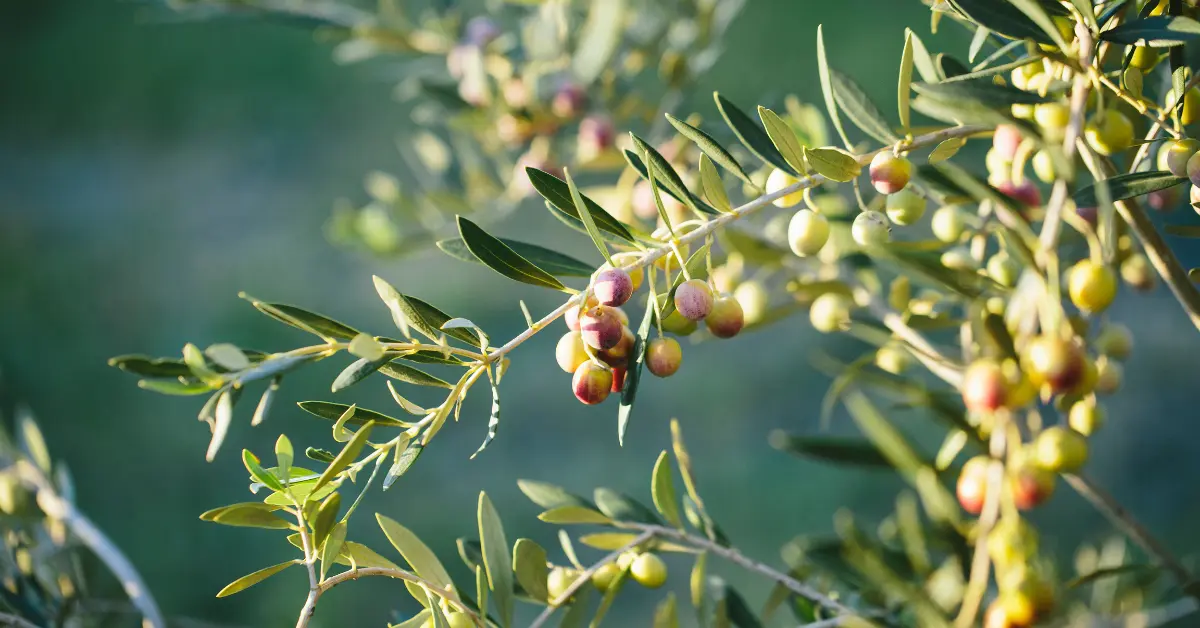
How to Grow Arbequina Olive Trees: The Ultimate Guide to Your Own Olive Grove
Arbequina Olive Tree (Olea europaea ‘Arbequina’) – the ultimate Mediterranean plant that brings a touch [...]
Oct
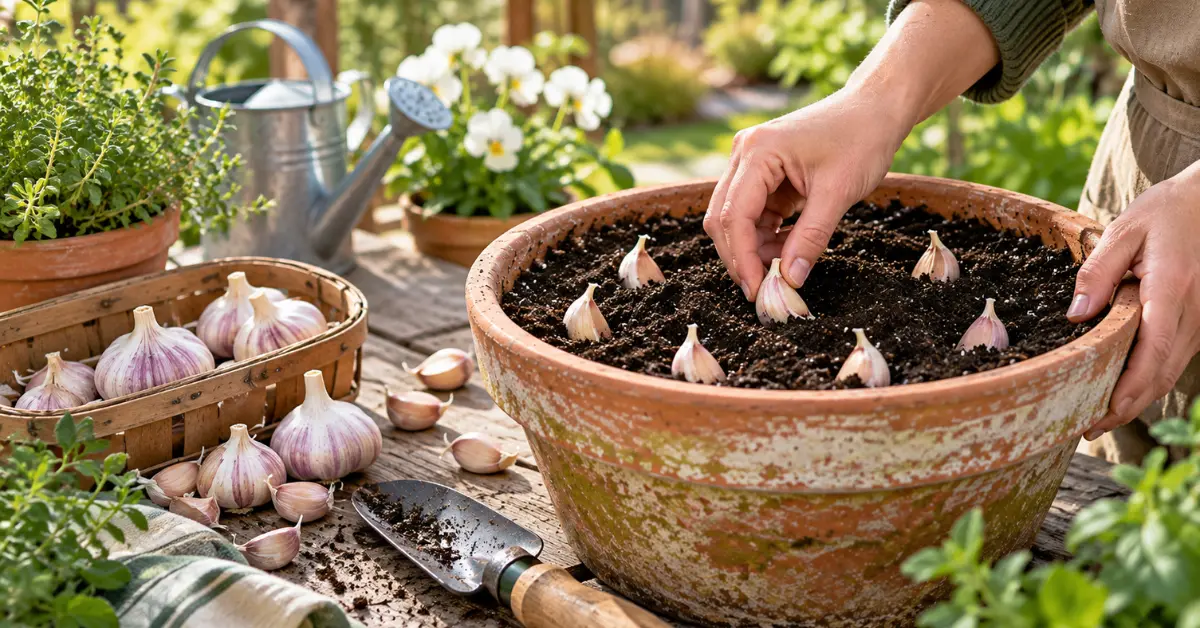
Growing Garlic in Containers This Fall: A Complete Guide for Beginners
If you’ve ever wanted to pop fresh, aromatic garlic cloves straight from your own patio [...]
Sep
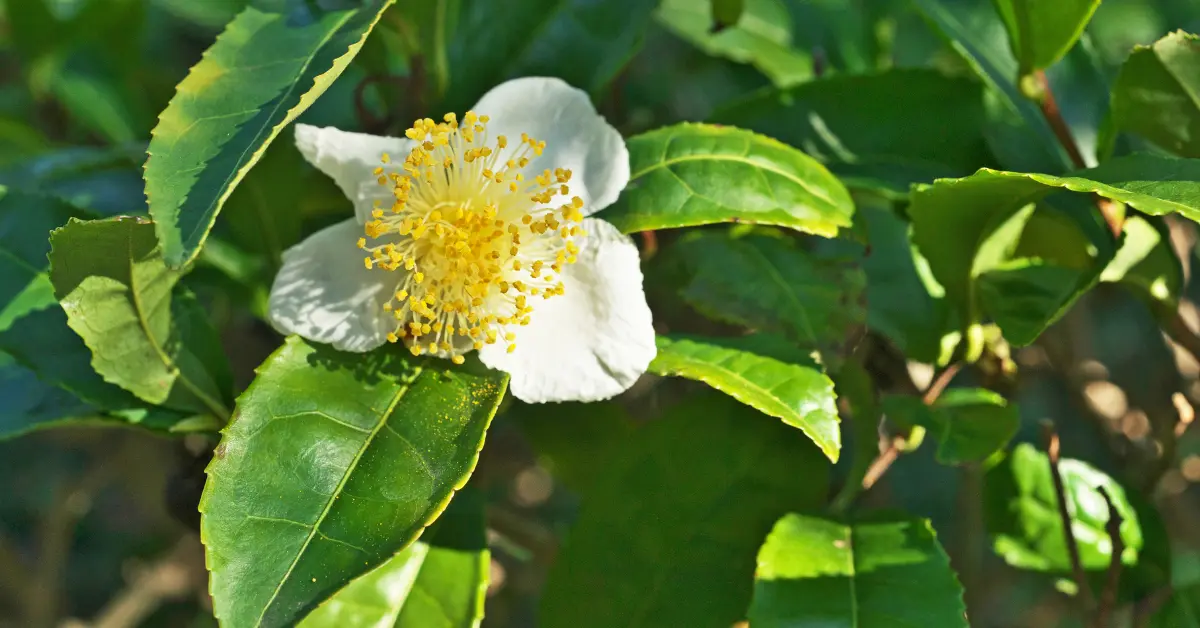
Growing Camellia Sinensis (Tea Plants) in Containers: A Complete Guide for Beginners
If you’ve ever wanted to sip a steaming, homegrown cup of fresh green, black, or [...]
Aug
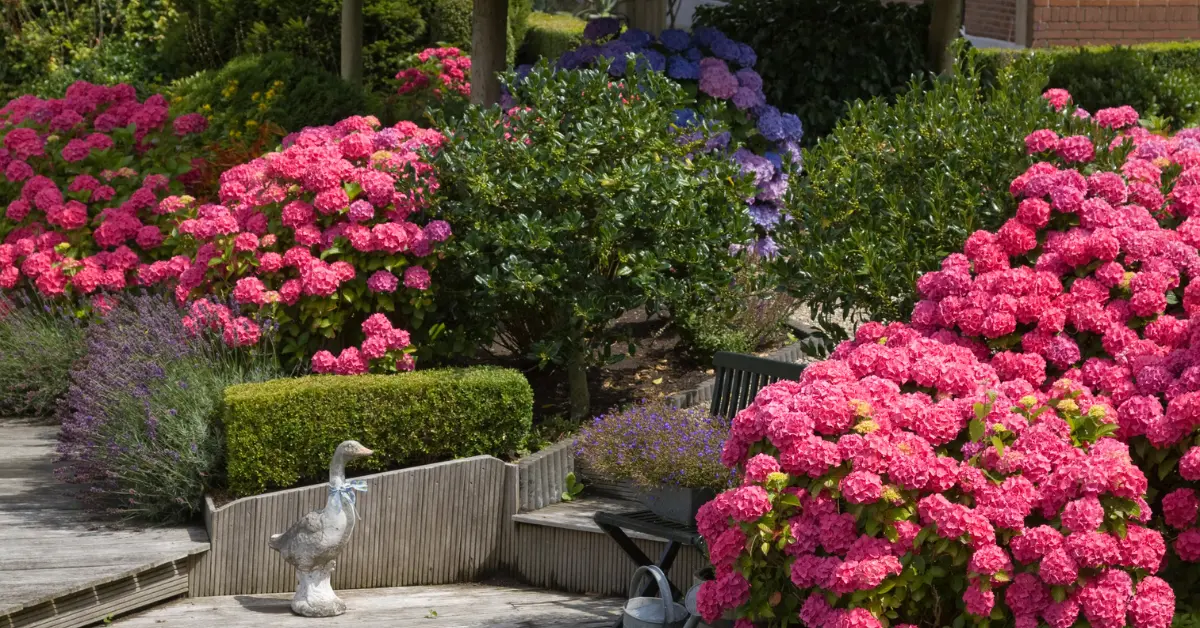
6 Best Shrubs to Plant in August You Must Try
Have you ever walked through a nursery late in the summer, admired the vibrant shrubs [...]
Aug
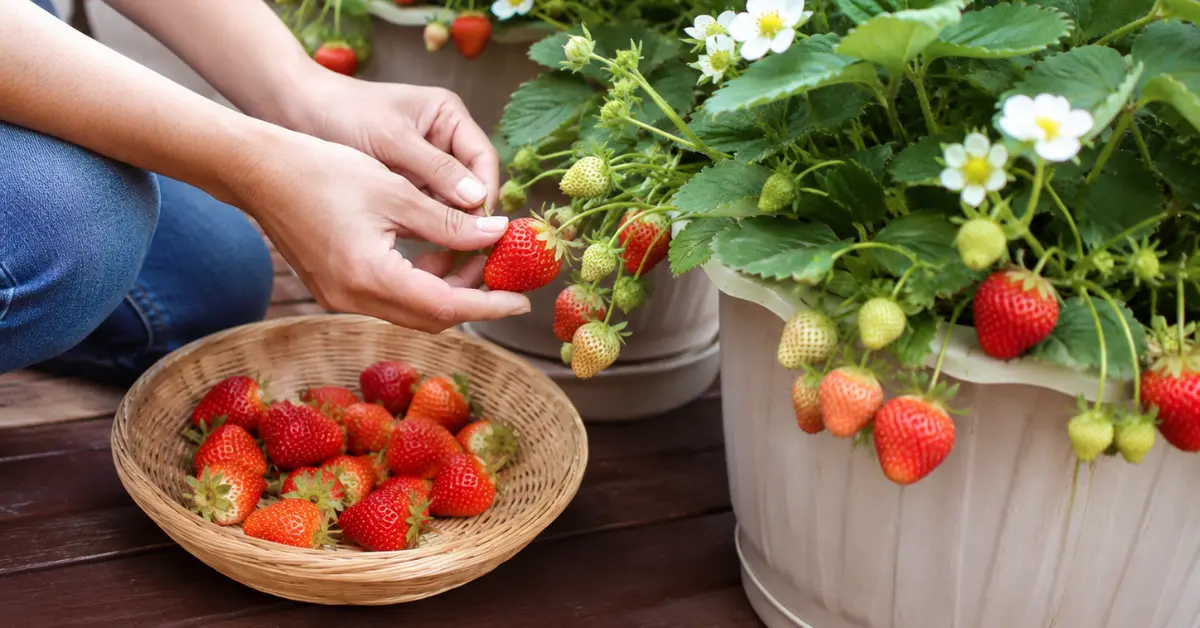
Growing Everbearing Strawberries in Containers: A Complete Guide for Beginners
Want to grow sweet, fresh strawberries but do not have a large garden? Everbearing strawberries [...]
Aug
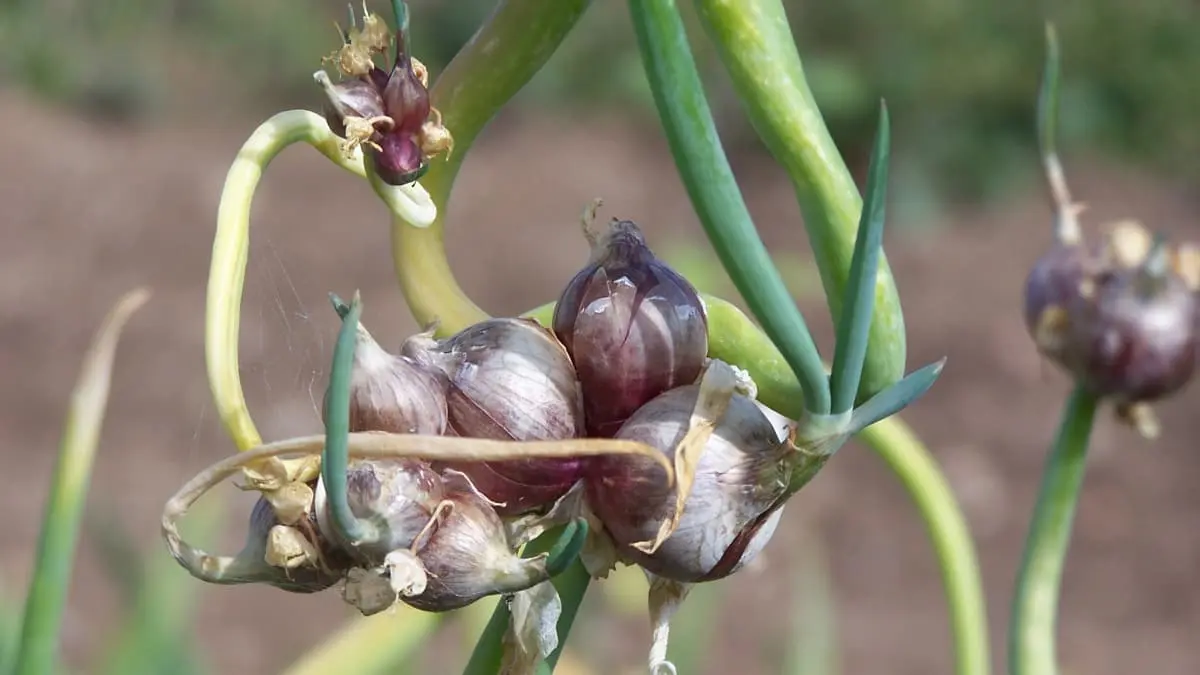
Growing Egyptian Walking Onions in Containers: A Complete Guide for Beginners
If you’re looking for a hardy, no-fuss perennial onion that keeps on giving year after [...]
Jul
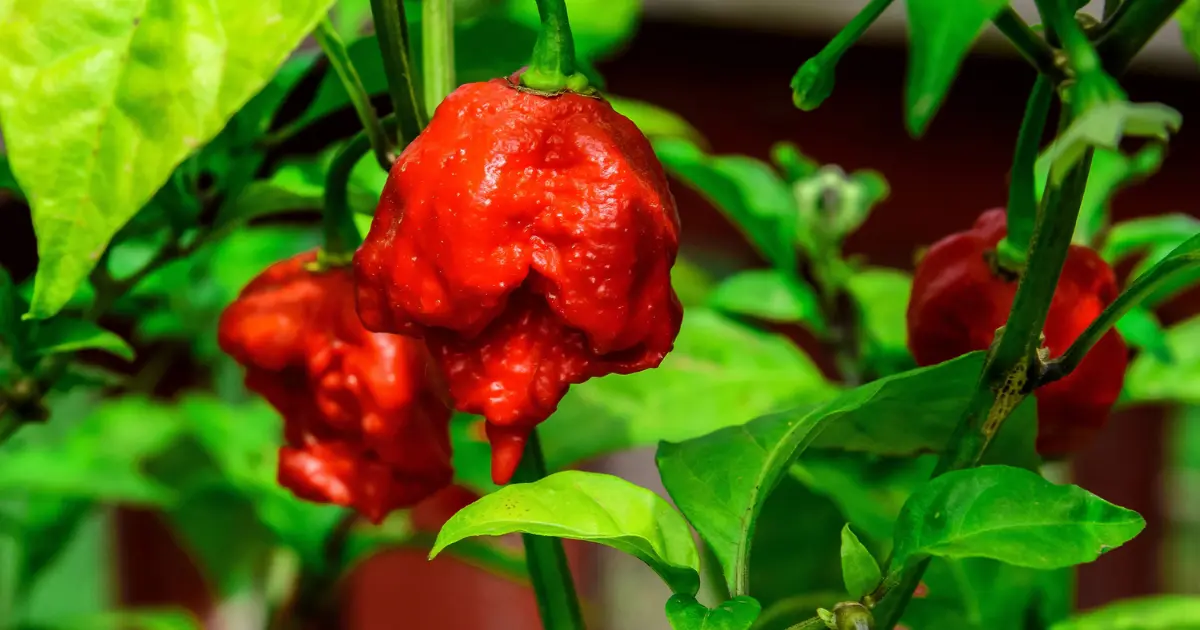
Growing Carolina Reaper Peppers in Pots: A Complete Guide for Beginners
If you’ve ever wanted to add some serious, record-breaking heat to your home cooking, you’ve [...]
May
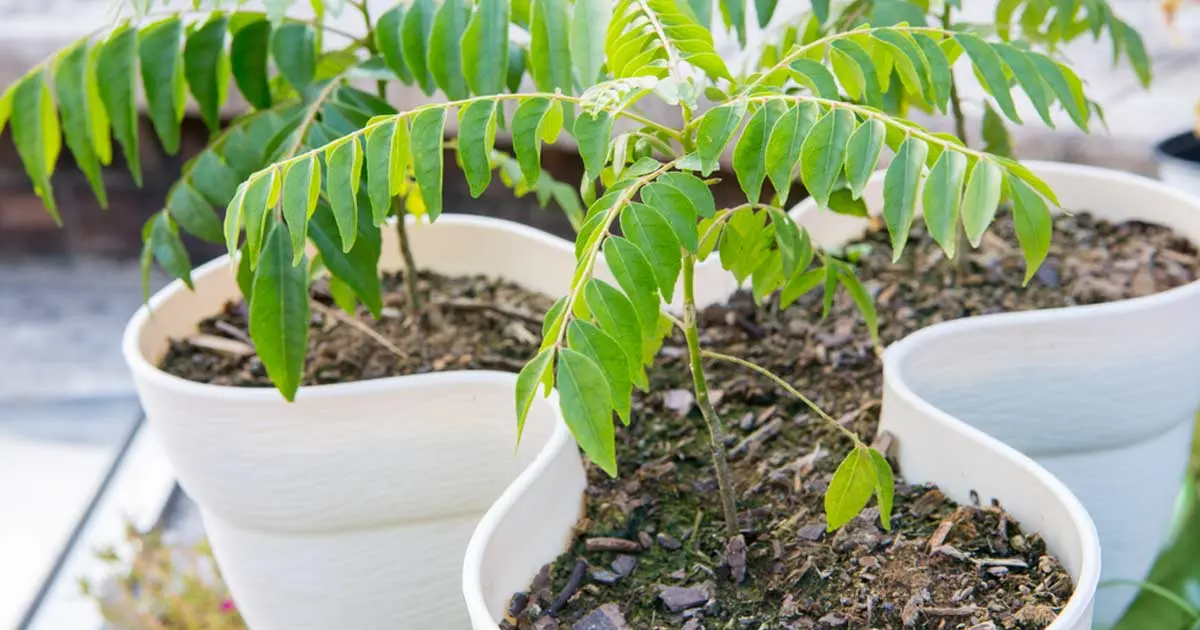
Growing Curry Leaf Plant in Pots: A Complete Guide for Beginners
If you’re a fan of authentic South Asian cuisine, you already know that nothing compares [...]
May

Reviews
There are no reviews yet.