
Set of 2 Quaking Aspen Bare Root Live Plants 2-3 ft Tall – Populus tremuloides Shade Tree
Original price was: $72.99.$52.99Current price is: $52.99.
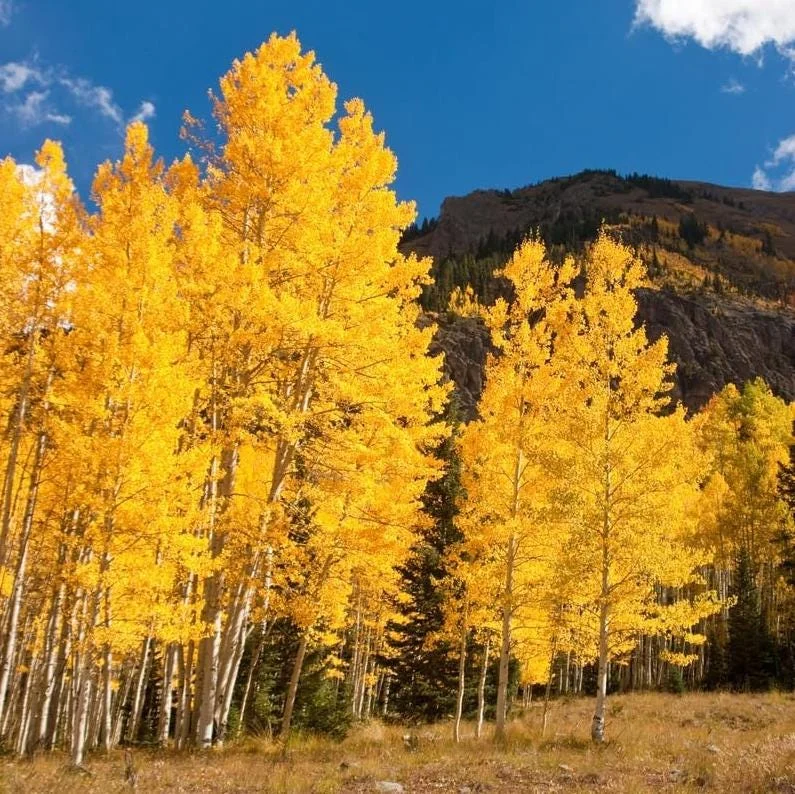
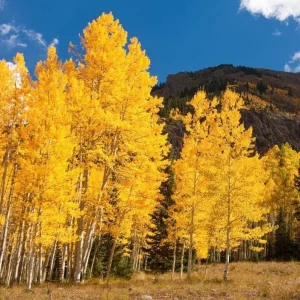
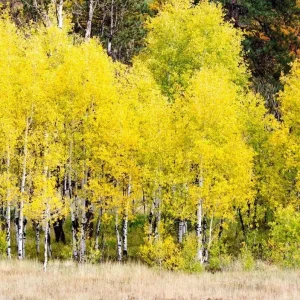
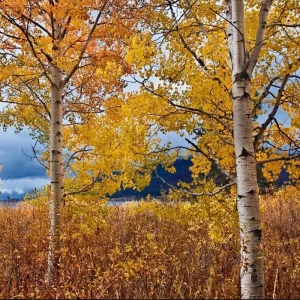
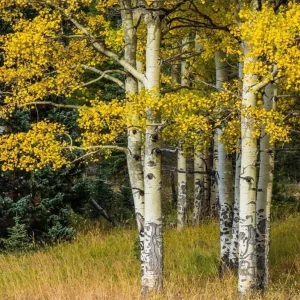
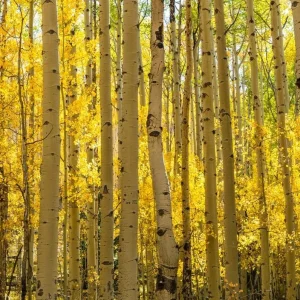
Bring the beauty of nature to your yard with a set of quaking aspen bare roots. These populus tremuloides live plant specimens are 2 to 3 feet tall, offering vibrant autumn color and growing into a stately shade tree. Known for their distinctive trembling leaves and rapid growth, they are perfect for adding character and wildlife habitat to your landscape.
Estimated arrival
Oct 23
Oct 28 - Oct 30
Nov 02 - Nov 06

Reasonable Price
We offer reasonable price

Support 24/7
Contact us 24 hrs a day

100% Money Back
You've 30 days to Return

Payment Secure
100% secure payment
Overview
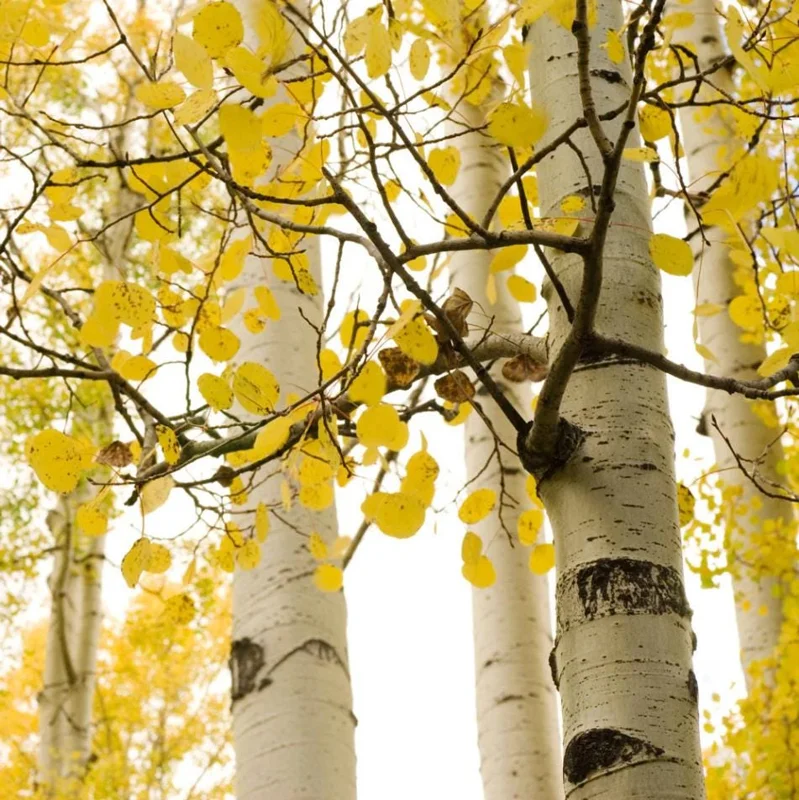
Introduce a touch of natural elegance to your property with our premium quaking aspen bare roots. This offering includes a set of two live bare root plants, each measuring 2 to 3 feet tall, ready for planting. Scientifically known as Populus tremuloides, the Quaking Aspen is renowned for its distinctive leaves that ‘tremble’ or ‘quake’ in the slightest breeze, creating a soothing rustling sound. These fast-growing, deciduous trees are a favorite for their brilliant golden-yellow autumn foliage and their ability to thrive in cooler climates. Ideal for creating naturalized areas, windbreaks, or as a striking specimen tree, the trembling aspen tree brings a unique aesthetic and ecological benefit to any garden or landscape project. This native North American species is also an essential part of many ecosystems, providing habitat and food for various wildlife.
Our populus tremuloides live plant specimens are carefully harvested and shipped as bare roots to ensure successful establishment upon planting. They are an excellent choice for those looking to add significant height and seasonal interest to their outdoor space without the wait of growing from seed. With proper care, these young trees will quickly develop into mature, majestic aspens, offering shade, beauty, and the iconic sound of their rustling leaves. Prepare to transform your outdoor environment with the dynamic presence of the Quaking Aspen.
Key Benefits
Planting quaking aspen bare roots offers a multitude of advantages for your landscape, enhancing both its aesthetic appeal and ecological value. These trees are not just visually appealing; they contribute significantly to a vibrant outdoor environment.
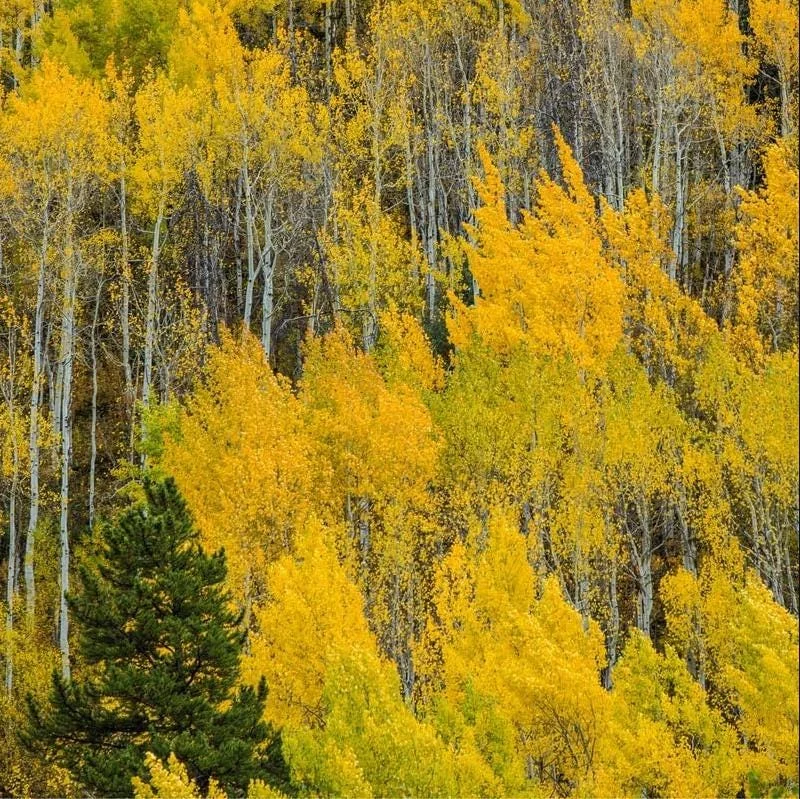
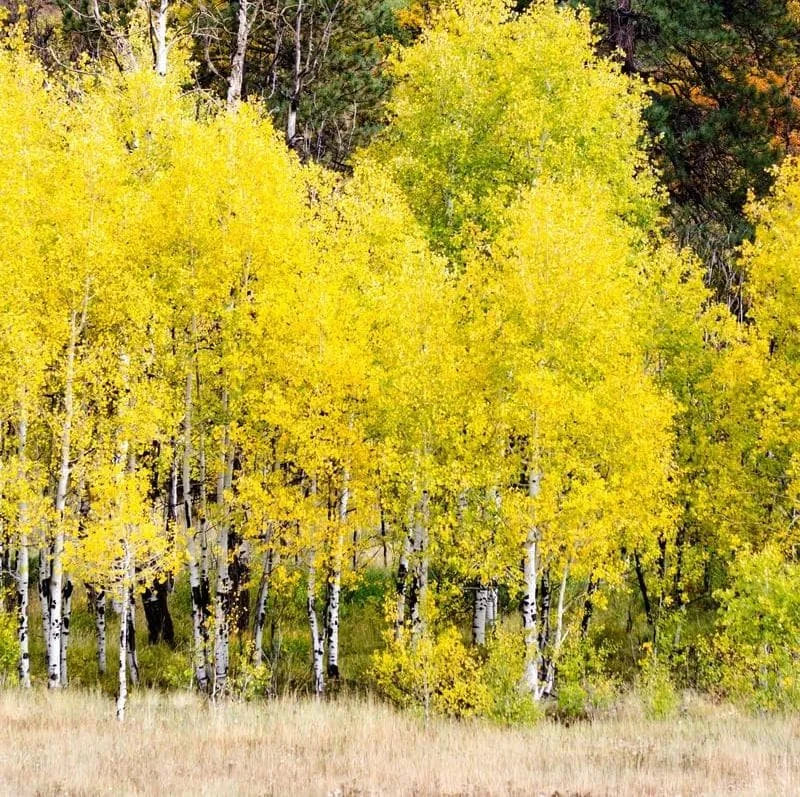
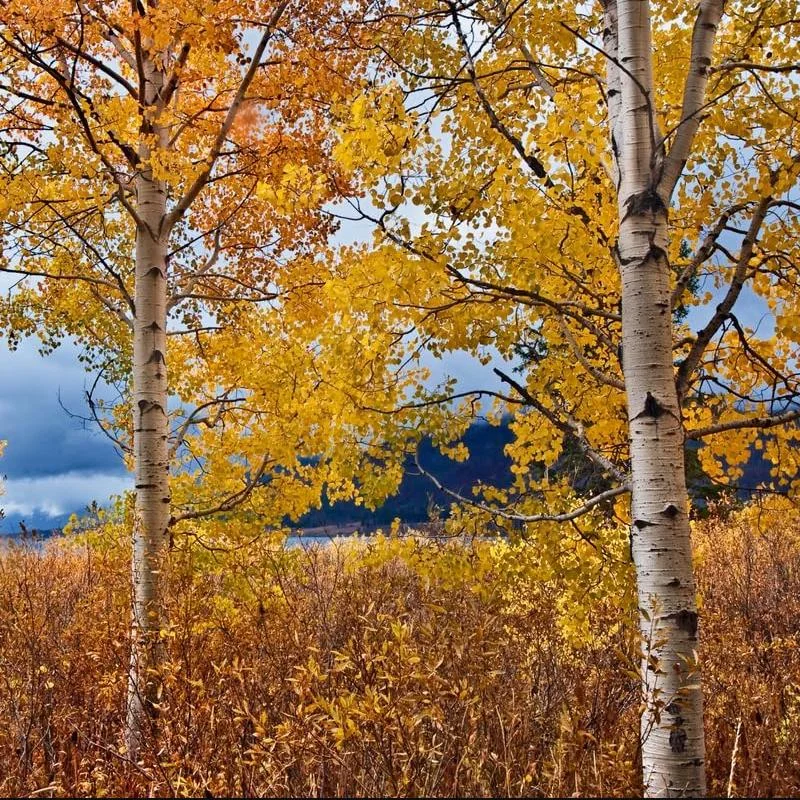
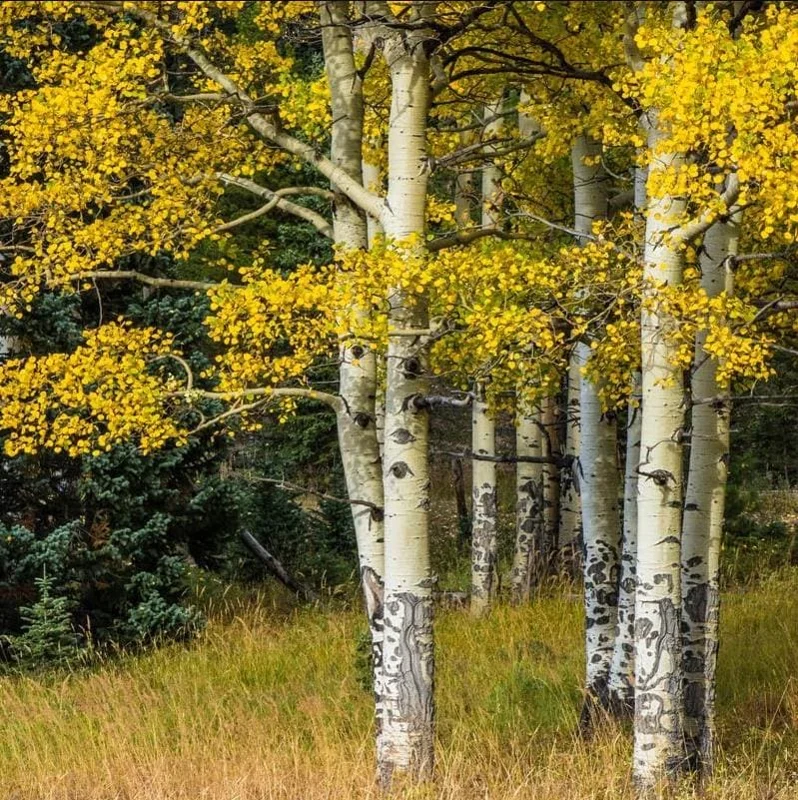
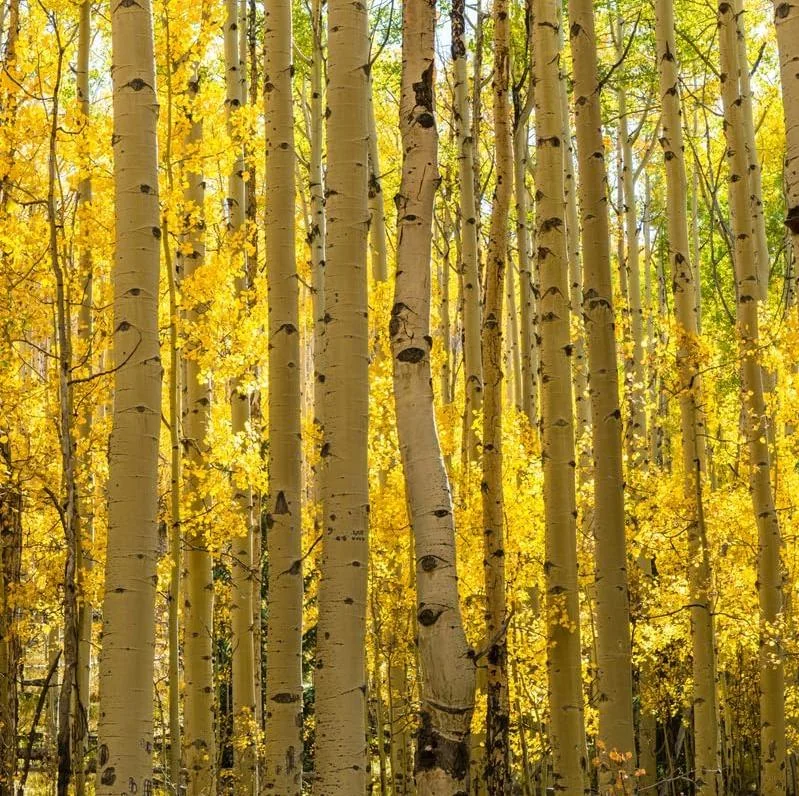
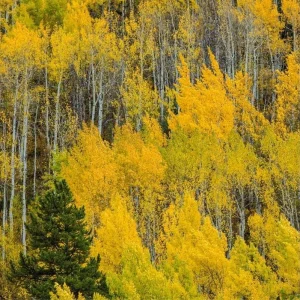
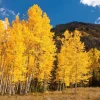
- Stunning Autumn Color: Experience a spectacular display of golden-yellow foliage every fall. The vibrant hue of the quaking aspen bare roots transforms your landscape, providing a dramatic seasonal focal point that stands out.
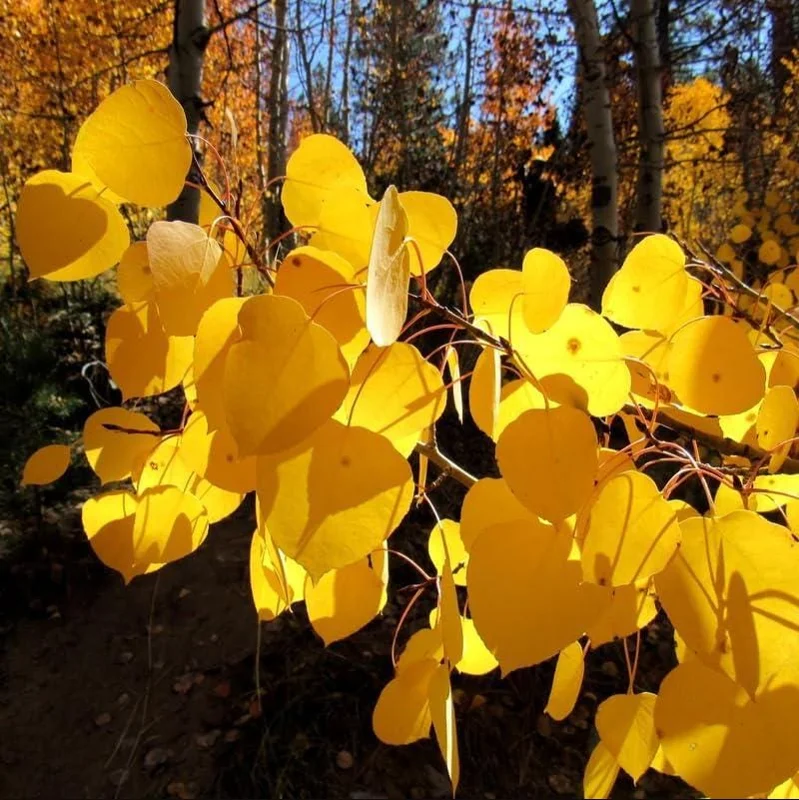
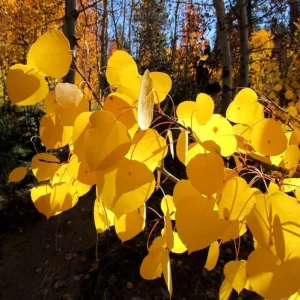
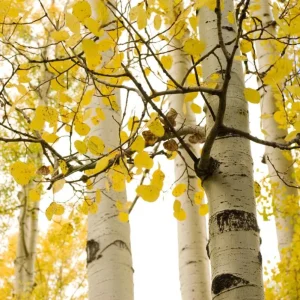
- Distinctive Foliage & Sound: The unique flattened petioles cause the leaves to ‘quake’ or ‘tremble’ in the slightest breeze, producing a soothing, characteristic rustling sound. This auditory element adds a peaceful ambiance to your garden.
- Fast Growing Shade Tree: Known for its rapid growth rate, the Quaking Aspen quickly establishes itself, providing ample shade and vertical interest in a relatively short period. It’s an excellent choice if you’re looking for a fast growing shade tree to cool your home or create comfortable outdoor living spaces.
- Cold Hardy & Adaptable: This species is incredibly resilient and thrives in colder climates, making it suitable for a wide range of northern regions. Its robustness ensures it can withstand harsh winter conditions, proving to be a reliable addition to your landscape.
- Native Tree & Wildlife Habitat: As a cold hardy native tree, the Quaking Aspen supports local ecosystems by providing food and shelter for various wildlife, including deer, elk, and numerous bird species. It contributes to biodiversity and ecological balance.
- Erosion Control: Its extensive root system helps stabilize soil, making it valuable for erosion control on slopes or along waterways, contributing to the health and stability of your land.
- Landscape Versatility: Whether used in mass plantings for a natural forest look, as a windbreak, or as a striking specimen tree, the Quaking Aspen offers great versatility in landscape design.
Plant Care & Growing Tips
Successfully establishing your quaking aspen bare roots requires attention to their specific needs, particularly in the initial years. These trees are relatively low-maintenance once established but benefit from proper planting and care during their early development. They are a cold hardy native tree, making them well-suited for a variety of conditions, but their preference for cooler climates should be noted.
Sunlight Requirements: Quaking Aspens thrive in full sun, requiring at least 6 hours of direct sunlight per day for optimal growth and the best autumn color development. While they can tolerate some partial shade, too little sun can result in sparse foliage and reduced vigor. Ensure your planting location receives ample direct light throughout the day.
Watering: Consistent moisture is crucial for young Quaking Aspens. The soil should be kept evenly moist but never waterlogged. During dry periods, especially in the first few years after planting, deep watering once or twice a week is recommended. Reduce watering frequency as the tree matures and its root system becomes more established. Proper watering is key to helping your populus tremuloides live plant flourish.
Soil Type and Drainage: These trees prefer well-drained, slightly acidic soil. They are adaptable and can tolerate sandy or rocky soils, but heavy clay soils that retain too much moisture should be amended to improve drainage. A good soil mixture will support the vigorous growth of this fast growing shade tree. Ensure the planting site allows for good drainage to prevent root rot.
Temperature and USDA Hardiness Zone: Quaking Aspens are exceptionally cold-hardy and thrive in USDA Zones 1-7. They prefer cooler climates and can struggle in hot, humid regions, which may lead to stress and increased susceptibility to diseases. Protection from extreme summer heat might be necessary in the warmer parts of their range.
Fertilization: Generally, young trees can benefit from a balanced, slow-release granular fertilizer applied in early spring. Follow package directions for application rates. Once established, Quaking Aspens typically do not require heavy fertilization unless soil nutrient deficiencies are observed. Over-fertilization can harm the tree.
Common Problems: Quaking Aspens can be susceptible to issues like cankers, leaf spot, and insect pests such as aphids and borers, especially when stressed. Ensuring proper watering, adequate sunlight, and good air circulation can help prevent many of these problems. Promptly address any signs of disease or pest infestation to maintain the health of your trembling aspen tree.
Size & Details
This offering includes a set of two quaking aspen bare roots, each carefully selected to ensure vigorous growth. Upon arrival, these bare root specimens will measure approximately 2 to 3 feet in height. Bare root plants are dormant when shipped and should be planted as soon as possible after receipt to ensure the best success rate. They are a natural and cost-effective way to establish trees in your landscape.
The populus tremuloides live plant is known for its relatively fast growth rate, especially in ideal conditions. You can expect significant height gain each year, quickly developing into a mature shade tree that can reach heights of 40 to 60 feet with a spread of 20 to 30 feet at maturity. The lifespan of a Quaking Aspen can vary, often ranging from 50 to 150 years, though environmental factors play a significant role. These trees are typically shipped without soil or a pot, allowing for easier handling and planting. They will begin to sprout leaves and establish their root system once planted in suitable conditions, showcasing their potential as a magnificent fast growing shade tree.
Frequently Asked Questions
- Q: How big does this plant get? A: Your quaking aspen bare roots will be 2 to 3 feet tall upon arrival. Mature Quaking Aspen trees typically reach heights of 40 to 60 feet with a spread of 20 to 30 feet, providing substantial shade and presence in the landscape.
- Q: Is this an indoor or outdoor plant? A: The Quaking Aspen is an outdoor tree, well-suited for various landscape applications. It is a cold hardy native tree that thrives in open spaces with plenty of sunlight.
- Q: How much sunlight does it need? A: For optimal growth and vibrant autumn color, this populus tremuloides live plant requires full sun, meaning at least 6 hours of direct sunlight daily. It can tolerate some partial shade but performs best in bright conditions.
- Q: Is this plant easy to care for? Is it good for beginners? A: Quaking Aspens are relatively easy to care for once established, especially in their preferred climates. They are a good choice for beginners who can provide consistent watering during the initial establishment period and ensure proper planting site conditions.
- Q: What condition will the bare roots arrive in? A: Your quaking aspen bare roots will arrive dormant, carefully packaged without soil. This is the optimal state for transplanting and encourages healthy root development once planted in your garden.
- Q: When is the best time to plant Quaking Aspen bare roots? A: The best time to plant bare root trees like the trembling aspen tree is in early spring, after the last hard frost but before the heat of summer. This allows the roots to establish before the tree needs to support full foliage growth.
- Q: Will it survive winter in my zone? What’s the minimum temperature? A: Yes, Quaking Aspens are exceptionally cold-hardy and thrive in USDA Zones 1-7, tolerating very low winter temperatures. They are well-adapted to surviving harsh winters in cooler climates.
- Q: How long until it shows signs of growth after planting? A: With consistent watering and proper care, you can typically expect to see buds swell and new leaves emerge from your quaking aspen bare roots within a few weeks to a couple of months after planting in the spring.
- Q: Can these trees be used for erosion control? A: Yes, the extensive root system of the fast growing shade tree makes it an excellent choice for erosion control, particularly on slopes or in areas prone to soil instability.
- Q: What type of soil does a Quaking Aspen prefer? A: This species prefers well-drained, slightly acidic soil. While it can tolerate sandy or rocky soils, it’s important to ensure good drainage to prevent waterlogging and promote healthy growth.
Be the first to review “Set of 2 Quaking Aspen Bare Root Live Plants 2-3 ft Tall – Populus tremuloides Shade Tree”
-
USDA Hardiness Zone
USDA Zones 1-7 -
Soil Type
Well-drained, slightly acidic soil -
Sunlight Exposure
Full sun -
Expected Planting Period
Early spring
People Also Viewd


Sold 134 products
Original price was: $3,536.00.$23.99Current price is: $23.99.

Sold 132 products
Original price was: $27.00.$24.00Current price is: $24.00.

Sold 132 products
Original price was: $89.99.$64.99Current price is: $64.99.

Sold 125 products
Original price was: $86.99.$66.99Current price is: $66.99.

Flower Bulbs
3 Cranesbill Wild Geranium Organic Maculatums Bare Roots | Wildflower for Outdoor Garden
Sold 116 products
Original price was: $21.99.$9.99Current price is: $9.99.

Sold 114 products
Original price was: $28.99.$17.99Current price is: $17.99.
Sold 110 products
Original price was: $63.99.$28.99Current price is: $28.99.
Sold 108 products
Original price was: $28.99.$17.99Current price is: $17.99.RELATED posts
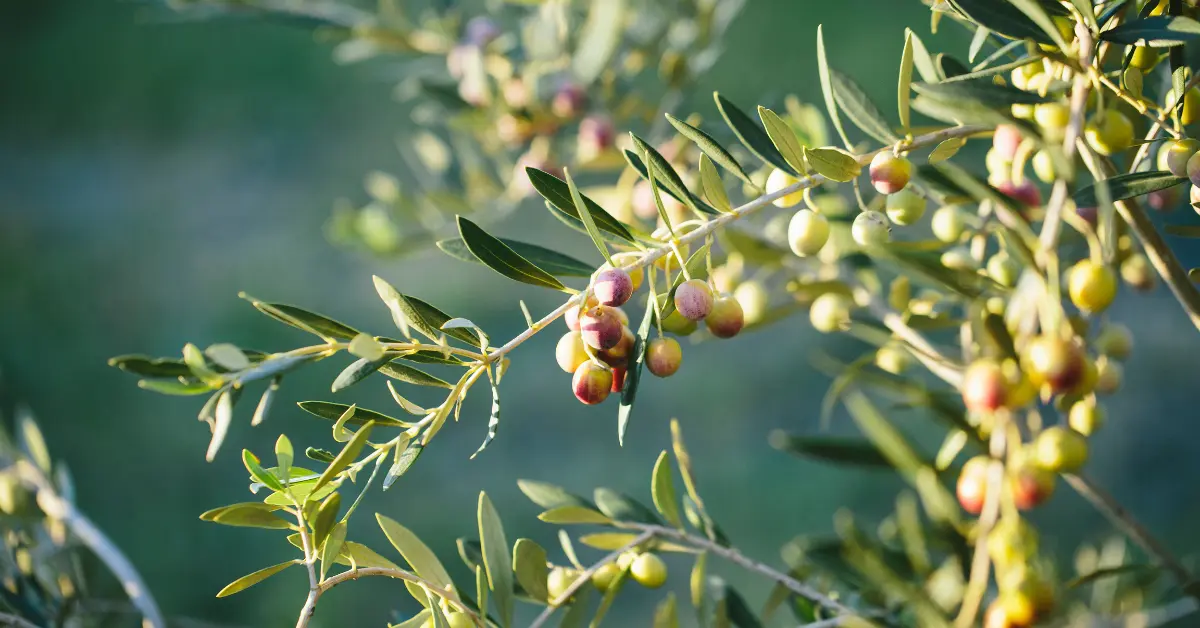
How to Grow Arbequina Olive Trees: The Ultimate Guide to Your Own Olive Grove
Arbequina Olive Tree (Olea europaea ‘Arbequina’) – the ultimate Mediterranean plant that brings a touch [...]
Oct
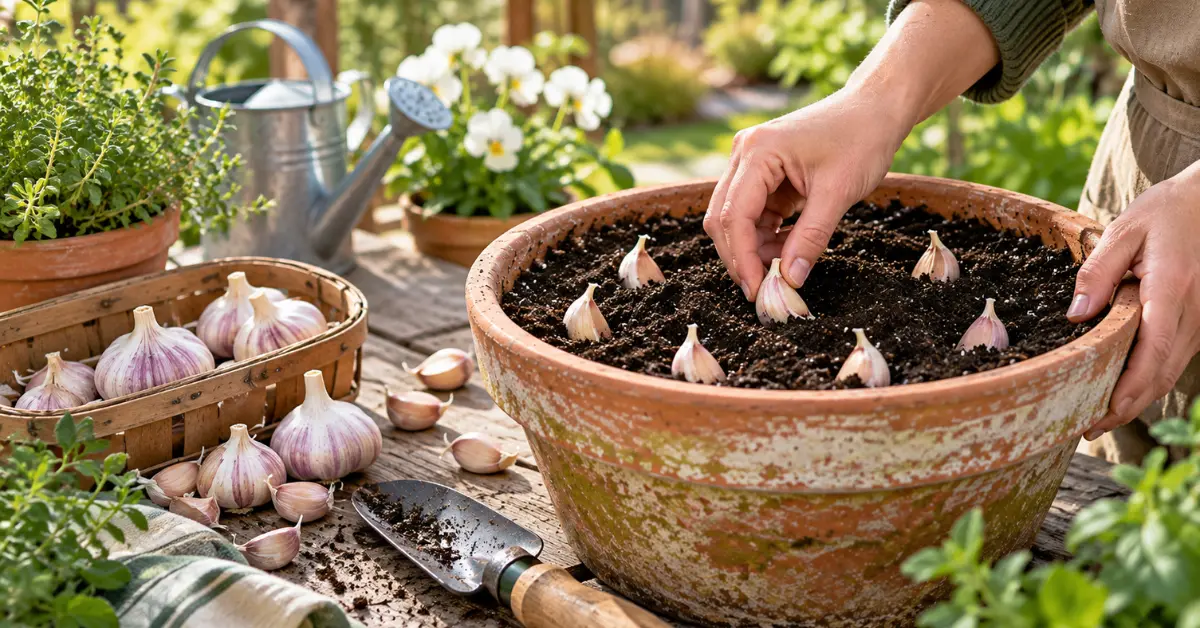
Growing Garlic in Containers This Fall: A Complete Guide for Beginners
If you’ve ever wanted to pop fresh, aromatic garlic cloves straight from your own patio [...]
Sep
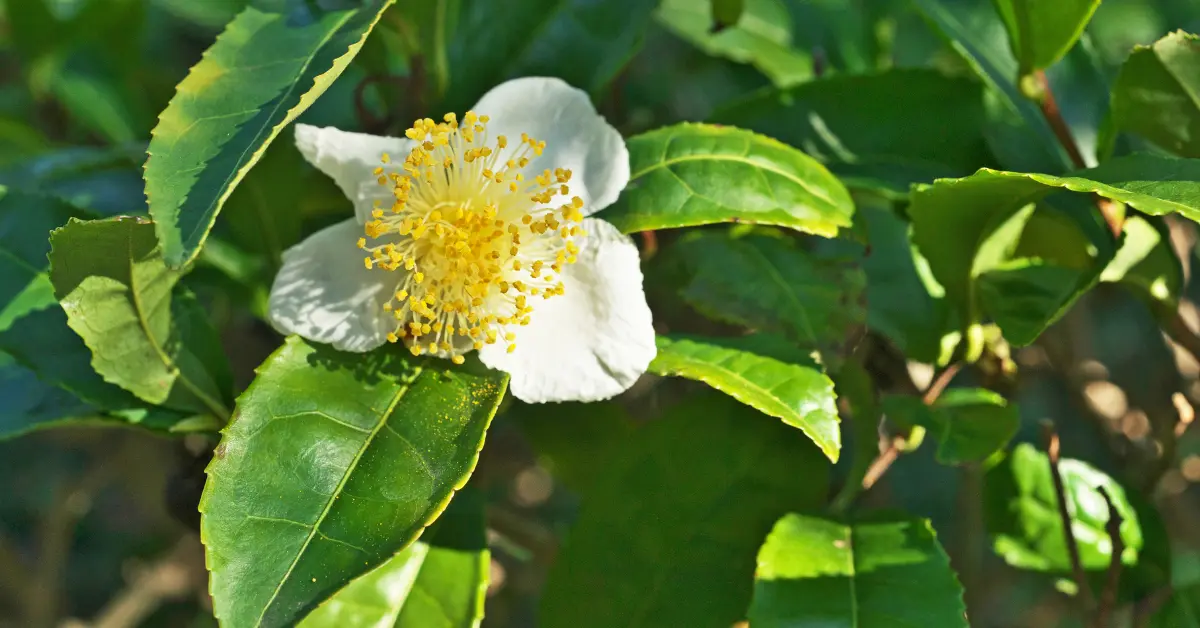
Growing Camellia Sinensis (Tea Plants) in Containers: A Complete Guide for Beginners
If you’ve ever wanted to sip a steaming, homegrown cup of fresh green, black, or [...]
Aug
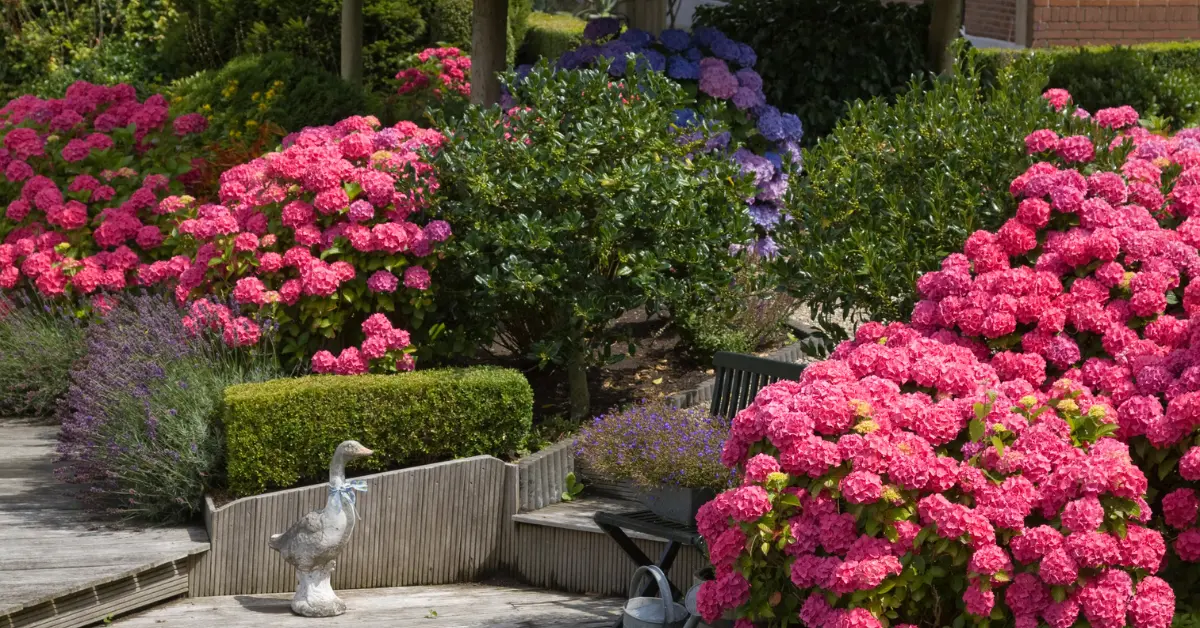
6 Best Shrubs to Plant in August You Must Try
Have you ever walked through a nursery late in the summer, admired the vibrant shrubs [...]
Aug
Growing Everbearing Strawberries in Containers: A Complete Guide for Beginners
Want to grow sweet, fresh strawberries but do not have a large garden? Everbearing strawberries [...]
Aug
Growing Egyptian Walking Onions in Containers: A Complete Guide for Beginners
If you’re looking for a hardy, no-fuss perennial onion that keeps on giving year after [...]
Jul
Growing Carolina Reaper Peppers in Pots: A Complete Guide for Beginners
If you’ve ever wanted to add some serious, record-breaking heat to your home cooking, you’ve [...]
May
Growing Curry Leaf Plant in Pots: A Complete Guide for Beginners
If you’re a fan of authentic South Asian cuisine, you already know that nothing compares [...]
May
Reviews
There are no reviews yet.