
Set of 4 Roselle Hibiscus Live Plants for Planting, 4-8 Inch Tall, Outdoor
Original price was: $69.99.$44.99Current price is: $44.99.
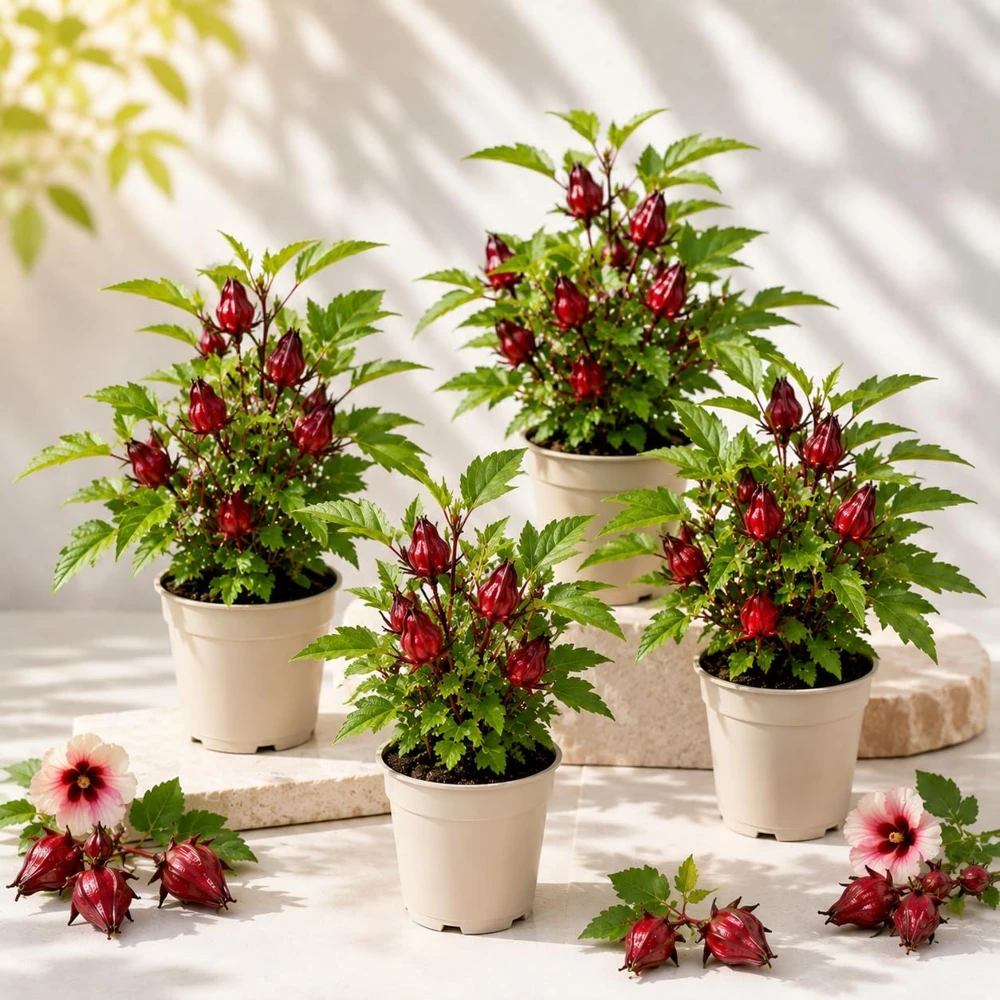
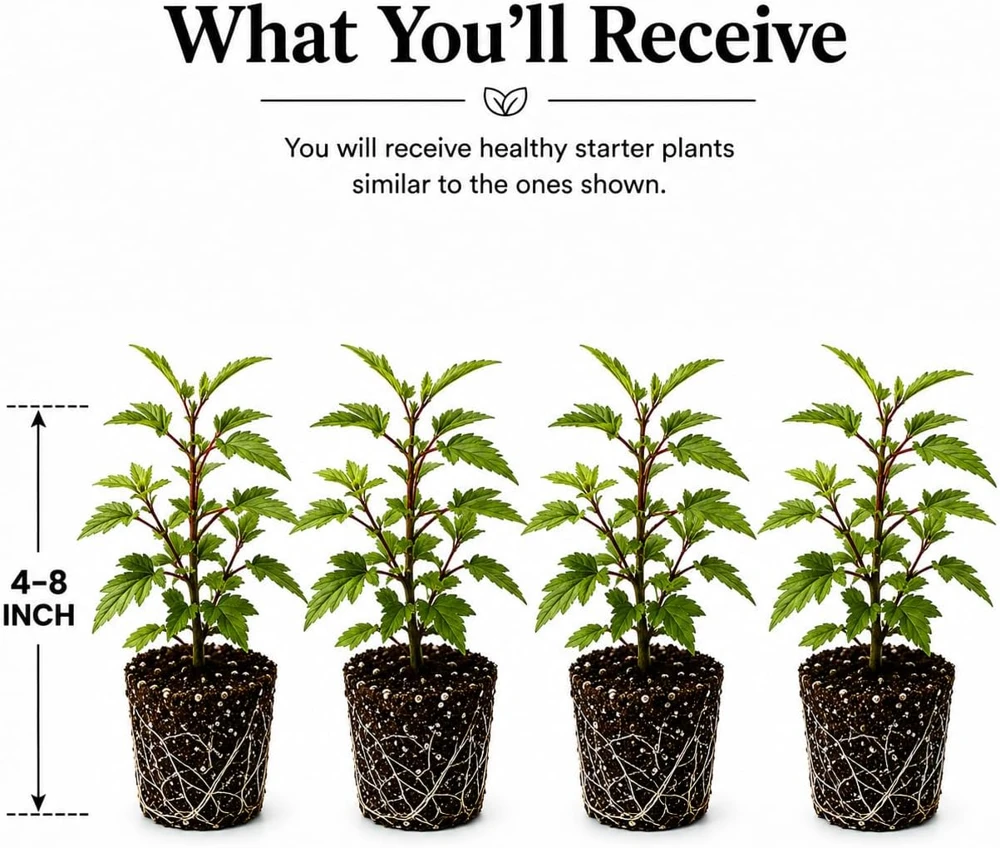
Cultivate your own vibrant Roselle Hibiscus live plant with this set of four young plants, each measuring 4-8 inches tall. Ideal for home gardens, these plants produce edible red calyces perfect for teas, jams, and culinary creations. Enjoy the beauty and benefits of growing your own Hibiscus sabdariffa plant.
Estimated arrival
Sep 17
Sep 22 - Sep 24
Sep 27 - Oct 01

Reasonable Price
We offer reasonable price

Support 24/7
Contact us 24 hrs a day

100% Money Back
You've 30 days to Return

Payment Secure
100% secure payment
Overview
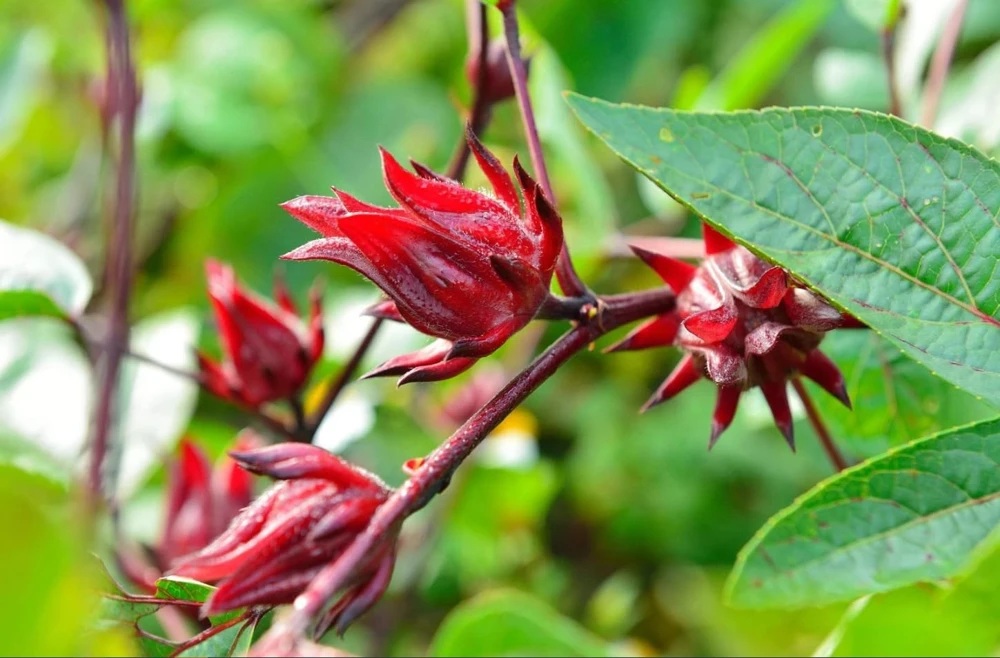
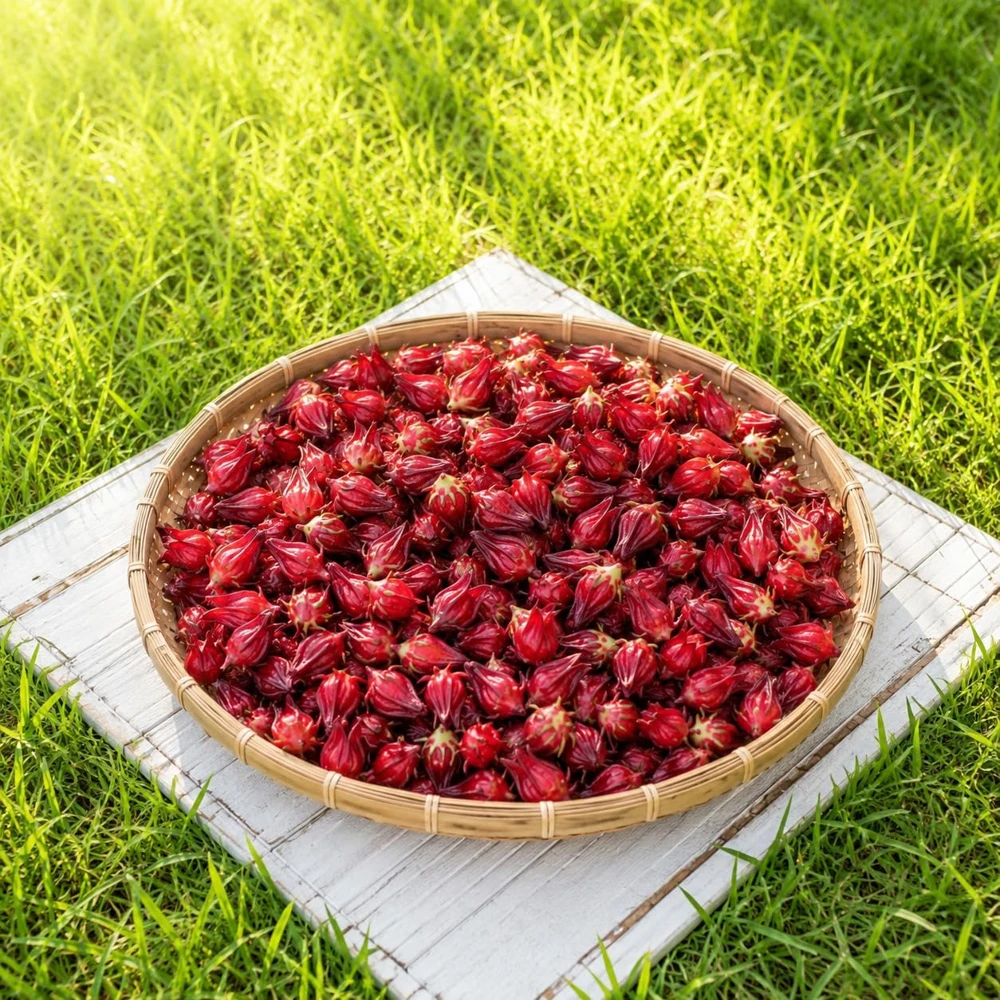
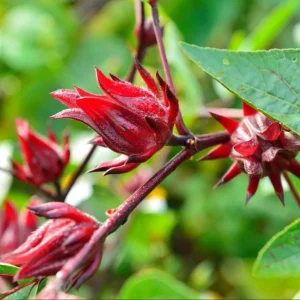
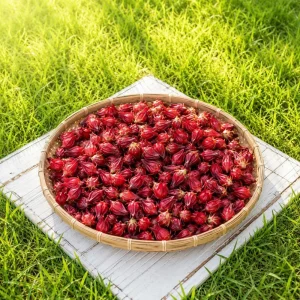
Bring the exotic beauty and culinary versatility of the Roselle Hibiscus live plant to your home garden. This offering includes a set of four healthy, young Roselle plants, each standing 4-8 inches tall, ready for planting. Often referred to as Florida Cranberry or Sour Tea, Roselle (botanically Hibiscus sabdariffa) is a fascinating and rewarding plant to grow. Known for its vibrant red calyces, which are the fleshy, cup-like structures that enclose the flower’s fruit, the Roselle Hibiscus live plant is a favorite among gardeners and food enthusiasts alike. These calyces are highly prized for their tart flavor and rich color, making them an excellent ingredient for a variety of beverages, preserves, and dishes. Imagine harvesting your own fresh roselle to create refreshing teas, tangy jams, or even unique sauces right from your backyard. Our plants are carefully nurtured to ensure they arrive in optimal condition, providing you with a strong foundation to cultivate a thriving Roselle harvest.
Growing Roselle Hibiscus is a delightful experience, yielding both ornamental appeal and a bountiful edible harvest. Whether you’re an experienced gardener or just starting, these starter plants offer an accessible way to introduce a unique and beneficial species into your landscape. They are vigorous growers under the right conditions, transforming from small starter plants into productive specimens capable of providing a significant yield of their prized calyces. This set is perfect for establishing a small patch dedicated to this wonderful plant, allowing for staggered harvests or a larger single yield. Prepare to enjoy the distinctive flavor and health benefits that come from growing your own Hibiscus sabdariffa plant.
Key Benefits
Cultivating a Roselle Hibiscus live plant offers a multitude of advantages, from its ornamental beauty to its impressive culinary and potential wellness applications. These plants are not only a joy to watch grow but also provide a tangible return in the form of delicious, edible calyces. Here are some key benefits you can expect:
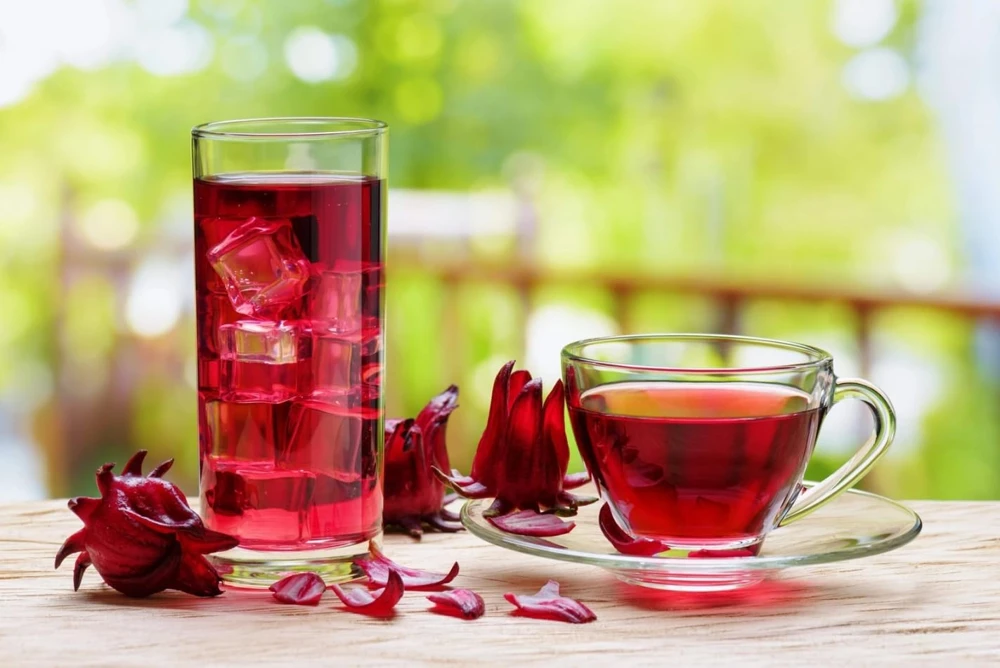
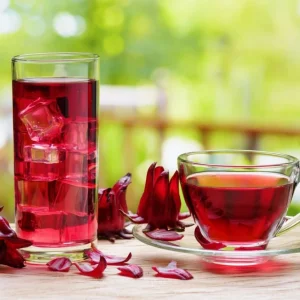
- Edible & Versatile Harvest: The primary benefit of growing Roselle is its edible calyces. These tart, cranberry-like structures are perfect for making refreshing teas, vibrant jams, jellies, sauces, and even wine. They offer a unique flavor profile that enhances both sweet and savory dishes, making the Roselle Hibiscus live plant a valuable addition to any culinary garden.
- Rich in Antioxidants: Roselle calyces are known to be packed with antioxidants, particularly anthocyanins, which contribute to their deep red color. Incorporating them into your diet can be a delicious way to boost your intake of beneficial compounds.
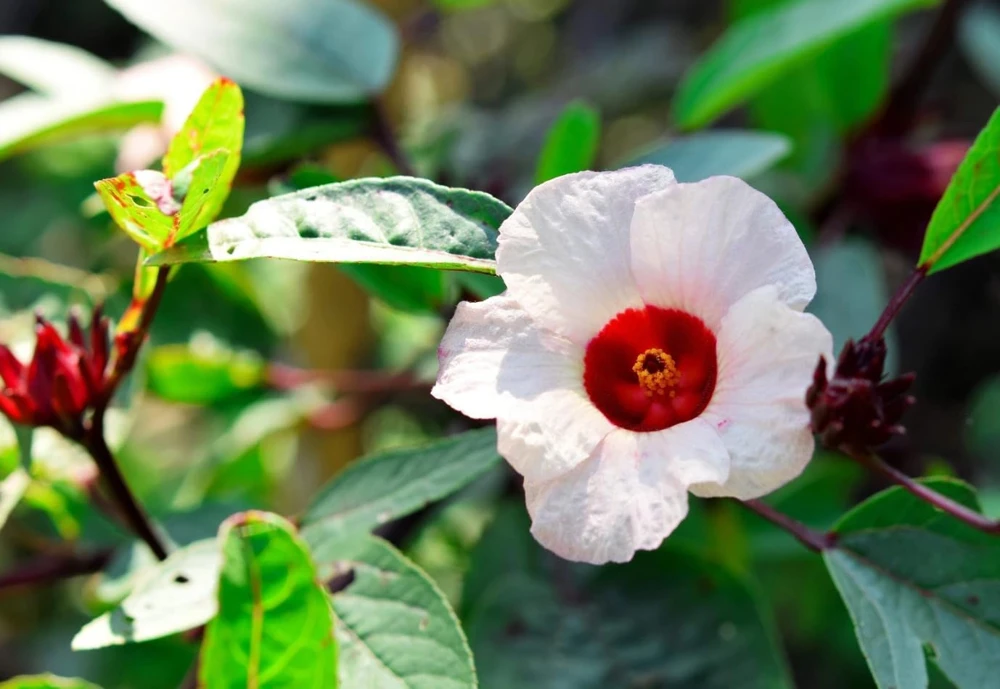
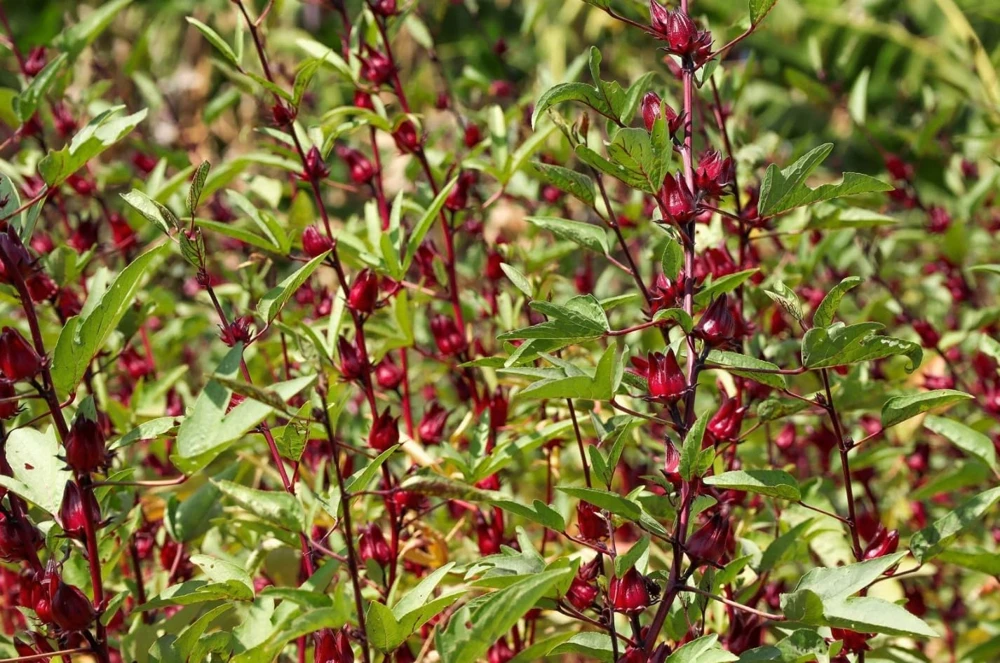
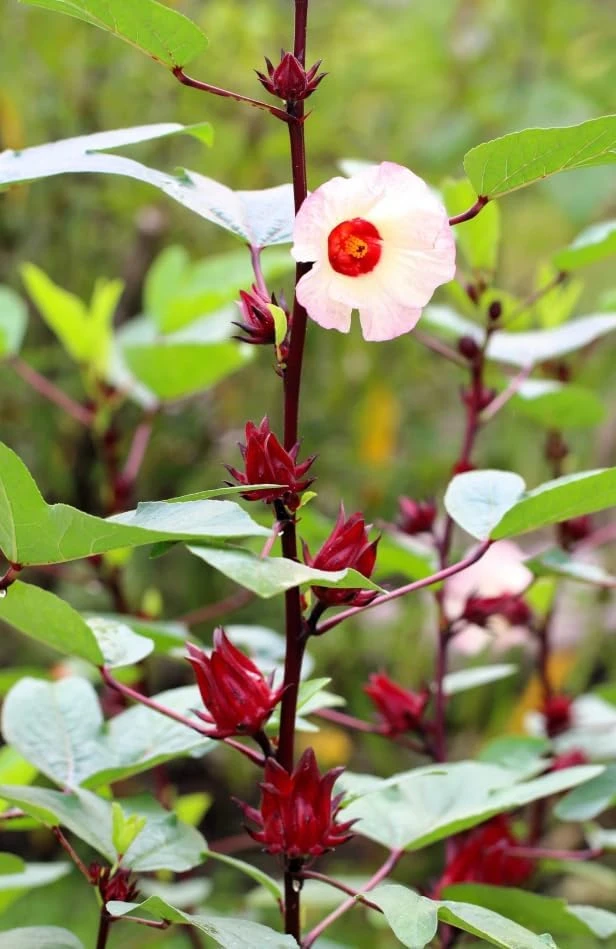
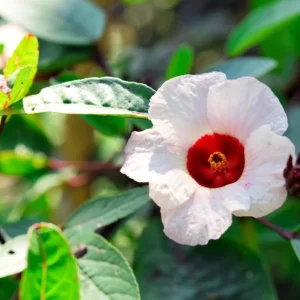
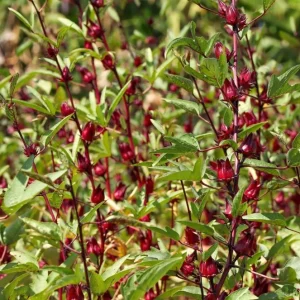
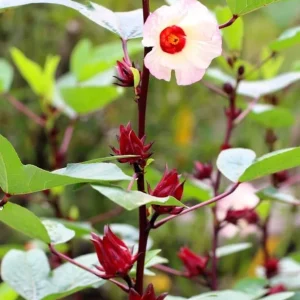
- Attractive Garden Addition: Beyond its edible qualities, the Roselle plant itself is quite ornamental. With its lush green foliage and striking, often yellow flowers with a red center, it adds a tropical touch to your garden before the calyces even develop. It’s a beautiful plant that serves a dual purpose.
- Easy to Grow: Once established, Roselle plants are relatively low-maintenance, making them suitable for gardeners of various skill levels. They thrive in warm climates and well-draining soil, and with proper care, they can be quite prolific. Learning to grow Roselle Hibiscus is a rewarding endeavor.
- Supports Pollinators: The flowers of the Roselle plant attract various pollinators, including bees, which are essential for a healthy garden ecosystem. By planting Roselle, you’re not only getting a crop for yourself but also contributing to local biodiversity.
- Sustainable & Self-Sufficient: Growing your own Roselle allows for greater control over your food source, reducing reliance on store-bought options. It’s a step towards self-sufficiency and enjoying fresh, homegrown produce.
Plant Care & Growing Tips
To ensure your Roselle Hibiscus live plant thrives and produces an abundant harvest, understanding its specific care requirements is crucial. Roselle is a warm-season annual in most temperate climates, but can be a perennial in tropical and subtropical regions. These plants prefer conditions that mimic their native tropical environment, so providing adequate warmth, light, and moisture is key to successful cultivation.
Sunlight requirements: Roselle plants demand full sun exposure to flourish. This means they need at least 6-8 hours of direct sunlight per day. Plant them in a location where they will receive ample sun throughout the day, avoiding shaded areas that can lead to leggy growth and reduced calyx production. In extremely hot climates, some afternoon shade can be beneficial, but generally, more sun equals more calyces. Watering schedule and soil moisture preferences: While established plants can tolerate some drought, consistent moisture is vital for optimal growth and calyx development. Water regularly, especially during dry spells, to keep the soil evenly moist but not waterlogged. Allow the top inch or two of soil to dry out slightly between waterings to prevent root rot. Good drainage is paramount. Soil type and drainage requirements: Roselle prefers well-draining soil that is rich in organic matter. A slightly acidic to neutral pH (6.0-7.0) is ideal. Amending heavy clay soils with compost or other organic materials will improve drainage and aeration. For container growing, use a high-quality potting mix designed for edible plants. Temperature range and USDA hardiness zone: Roselle is a warm-weather plant. It thrives in temperatures between 70°F and 95°F (21°C to 35°C). It is sensitive to frost and will not survive freezing temperatures. It is typically grown as an annual in USDA Zones 8–11, where it can complete its life cycle before the first frost. In warmer, frost-free zones, it can grow as a tender perennial. Fertilization schedule and type: Fertilize your Roselle plants every 3-4 weeks during the growing season with a balanced, all-purpose fertilizer or one slightly higher in phosphorus to encourage flowering and fruiting. Organic options like compost tea or fish emulsion are also excellent choices for promoting healthy growth. Common problems and solutions: Roselle is generally pest-resistant, but watch out for aphids, whiteflies, or spider mites. Treat infestations with insecticidal soap or neem oil. Ensure good air circulation to prevent fungal diseases, especially in humid conditions. Proper watering helps prevent stress that can make plants more susceptible to pests and diseases. Following these guidelines will help you grow Roselle Hibiscus successfully.
Size & Details
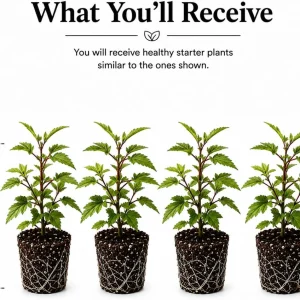
This offering includes a set of four Roselle Hibiscus live plant starters, each measuring approximately 4-8 inches in height upon arrival. These are young, vigorous plants ready to be transplanted into your garden or larger containers. They are shipped without pots, with their roots carefully protected to ensure a smooth transition to their new home. Once planted, Roselle plants exhibit a moderate to fast growth rate, quickly developing into bushy shrubs that can reach 5-7 feet tall and 3-5 feet wide in a single growing season under ideal conditions. The plants will typically begin to produce flowers and subsequently their edible calyces in late summer to fall, usually 3-4 months after planting, depending on growing conditions and climate. The calyces mature over several weeks, allowing for multiple harvests. You will receive young starter plants that may not currently have flowers or fruits, but with proper care, they will soon develop into productive specimens. This set provides a great foundation to buy Roselle plants and start your own culinary adventure.
Frequently Asked Questions
- Q: How big does this plant get? A: A mature Roselle Hibiscus live plant can typically grow to a height of 5-7 feet and a width of 3-5 feet in a single growing season. Its final size depends on growing conditions, climate, and whether it’s grown as an annual or perennial.
- Q: What size pot does it come in? A: These Roselle plants are shipped as young starter plants, typically 4-8 inches tall, without pots. They are carefully packaged to protect their roots for transplanting into your garden or larger containers upon arrival.
- Q: Is this an indoor or outdoor plant? A: Roselle Hibiscus is primarily an outdoor plant, thriving in full sun and warm temperatures. While it can be started indoors in colder climates, it needs to be moved outdoors once temperatures are consistently warm. It’s often grown as an annual where winters are cold.
- Q: How much sunlight does it need? A: The Roselle Hibiscus live plant requires full sun, meaning at least 6-8 hours of direct sunlight daily, to produce the best yields of its edible calyces.
- Q: Is this plant easy to care for? A: Yes, Roselle is considered relatively easy to care for, especially once established. It requires consistent watering, plenty of sunlight, and well-draining soil. It’s a great choice for both beginner and experienced gardeners who want to buy Roselle plants.
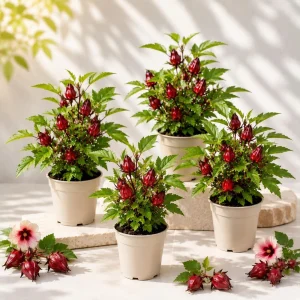
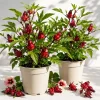
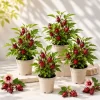
- Q: What condition will it arrive in? A: You will receive healthy, young starter plants, 4-8 inches tall, ready for planting. Please note that photos may show mature plants for reference, and your young plant may not have flowers or fruits upon arrival.
- Q: Can I use Roselle in cooking? A: Absolutely! The vibrant red calyces of the Hibiscus sabdariffa plant are highly prized for their tart flavor. They are excellent for making teas, jams, jellies, sauces, and other culinary delights. Many people love to grow Roselle Hibiscus specifically for its edible parts.
- Q: How long until it blooms and produces calyces? A: Roselle plants typically begin to flower and produce calyces in late summer to fall, usually within 3-4 months after planting, depending on your climate and growing conditions.
- Q: Will it survive winter in my zone? A: Roselle is sensitive to frost. It is typically grown as an annual in USDA Zones 8–11, where it completes its life cycle before cold weather. In frost-free tropical or subtropical zones, it can be a tender perennial.
- Q: What’s the best way to propagate Roselle? A: While these are live plants, Roselle can also be grown from seeds. If you save seeds from your mature plants, they can be planted the following spring after the last frost to continue your harvest.
Be the first to review “Set of 4 Roselle Hibiscus Live Plants for Planting, 4-8 Inch Tall, Outdoor”
-
USDA Hardiness Zone
8–11 (as annual) -
Soil Type
Well-draining soil -
Sunlight Exposure
Full sun -
Expected Planting Period
Late spring to early summer (after last frost)
People Also Viewd


Sold 134 products
Original price was: $3,536.00.$23.99Current price is: $23.99.

Sold 131 products
Original price was: $27.00.$24.00Current price is: $24.00.

Sold 131 products
Original price was: $89.99.$64.99Current price is: $64.99.

Sold 125 products
Original price was: $86.99.$66.99Current price is: $66.99.

Flower Bulbs
3 Cranesbill Wild Geranium Organic Maculatums Bare Roots | Wildflower for Outdoor Garden
Sold 116 products
Original price was: $21.99.$9.99Current price is: $9.99.

Sold 114 products
Original price was: $28.99.$17.99Current price is: $17.99.
Sold 110 products
Original price was: $63.99.$28.99Current price is: $28.99.
Sold 108 products
Original price was: $28.99.$17.99Current price is: $17.99.RELATED posts
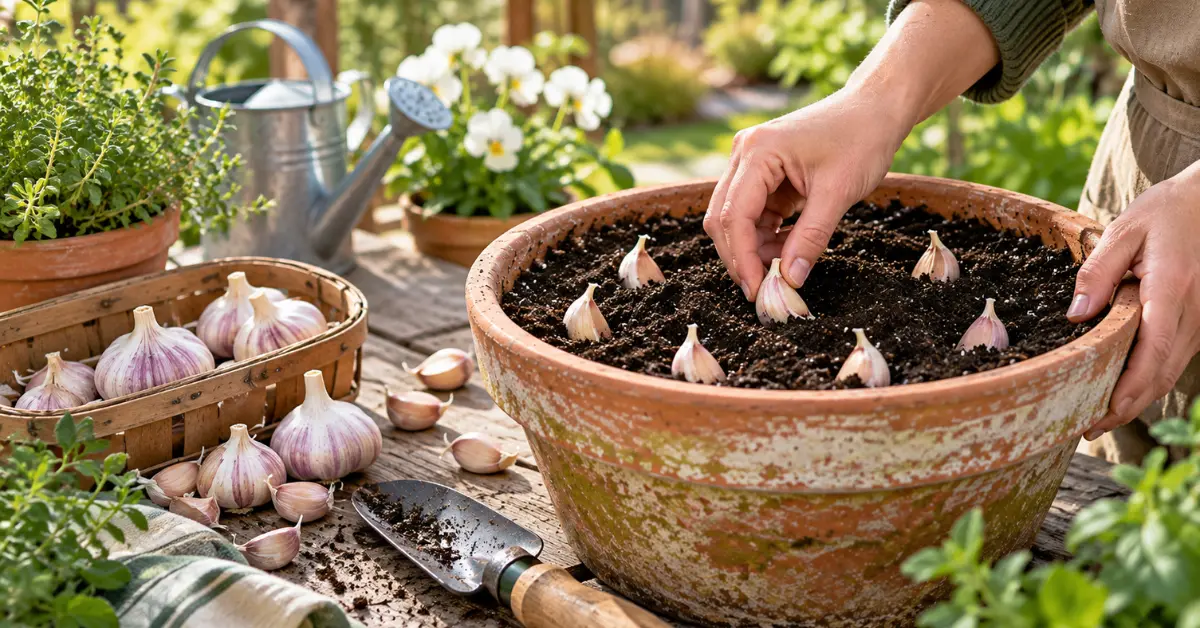
Growing Garlic in Containers This Fall: A Complete Guide for Beginners
If you’ve ever wanted to pop fresh, aromatic garlic cloves straight from your own patio [...]
Sep
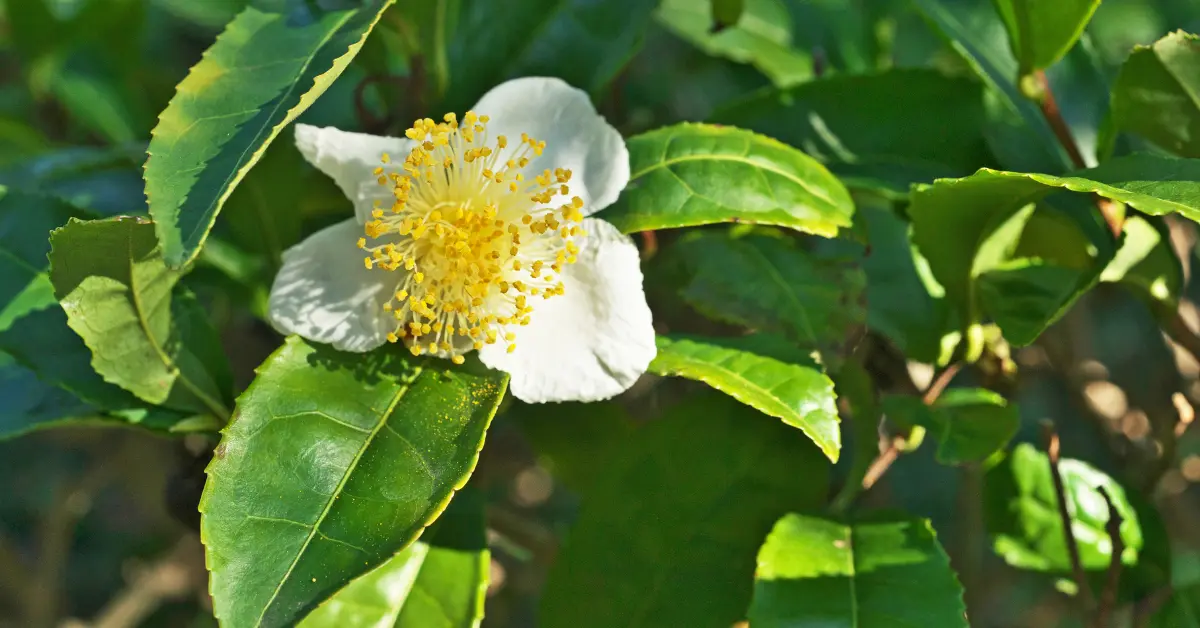
Growing Camellia Sinensis (Tea Plants) in Containers: A Complete Guide for Beginners
If you’ve ever wanted to sip a steaming, homegrown cup of fresh green, black, or [...]
Aug
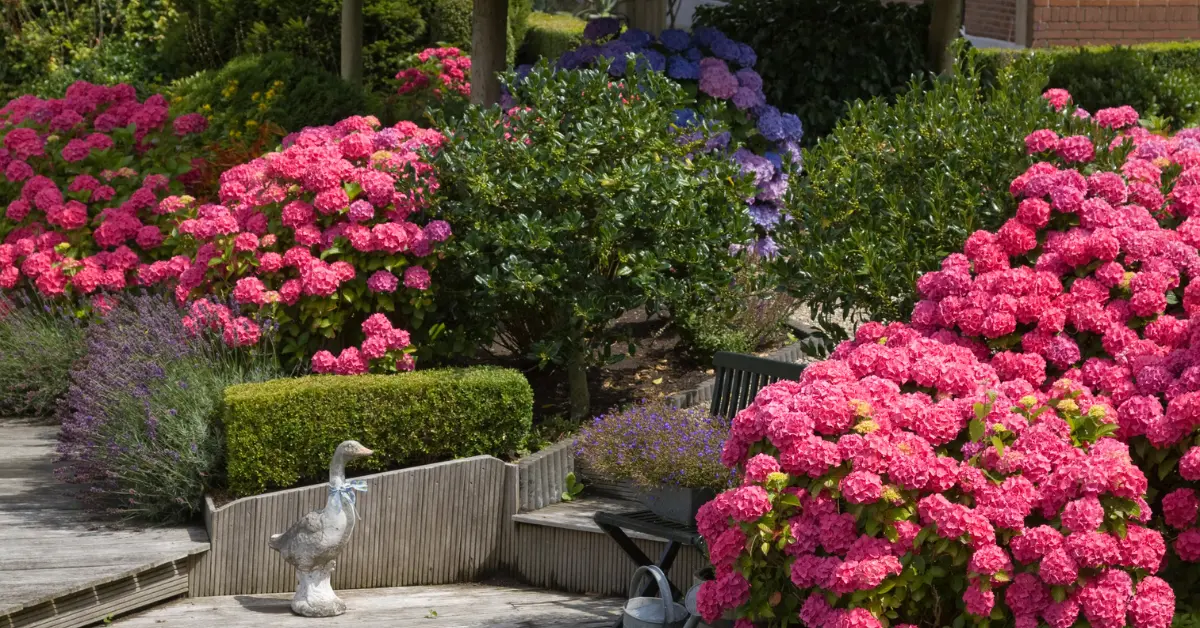
6 Best Shrubs to Plant in August You Must Try
Have you ever walked through a nursery late in the summer, admired the vibrant shrubs [...]
Aug
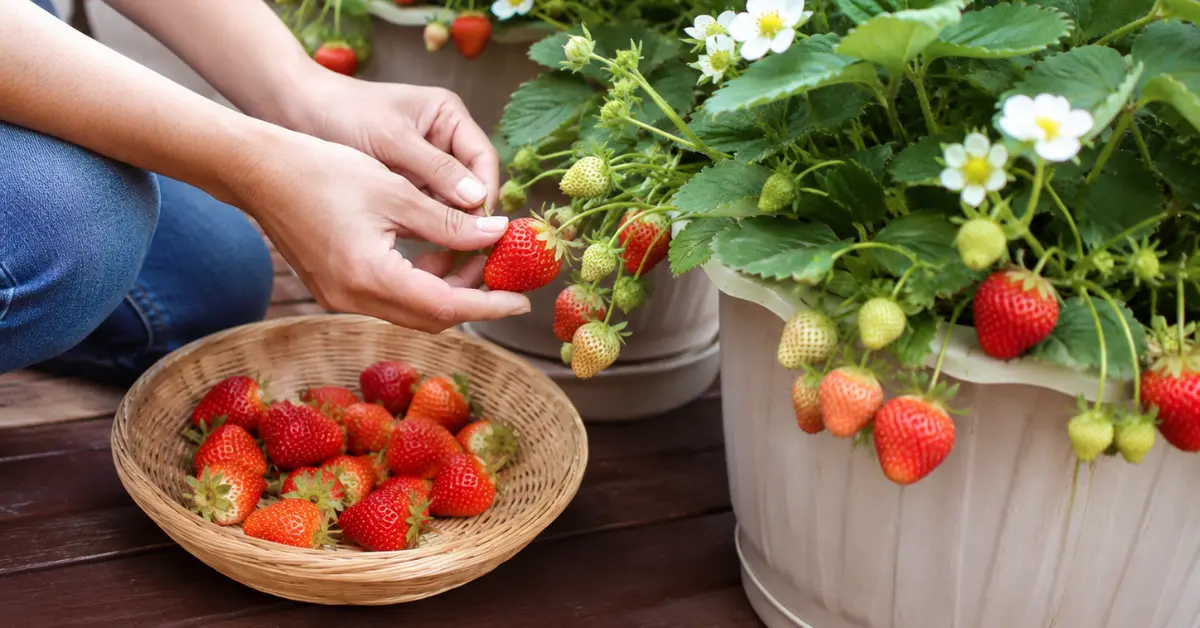
Growing Everbearing Strawberries in Containers: A Complete Guide for Beginners
Want to grow sweet, fresh strawberries but do not have a large garden? Everbearing strawberries [...]
Aug
Growing Egyptian Walking Onions in Containers: A Complete Guide for Beginners
If you’re looking for a hardy, no-fuss perennial onion that keeps on giving year after [...]
Jul
Growing Carolina Reaper Peppers in Pots: A Complete Guide for Beginners
If you’ve ever wanted to add some serious, record-breaking heat to your home cooking, you’ve [...]
May
Growing Curry Leaf Plant in Pots: A Complete Guide for Beginners
If you’re a fan of authentic South Asian cuisine, you already know that nothing compares [...]
May
5 Tips for Growing Carolina Reaper Peppers to Get the Spiciest Harvest Ever
Holding the record for one of the world’s hottest peppers, the Reaper isn’t just a [...]
May
Reviews
There are no reviews yet.