
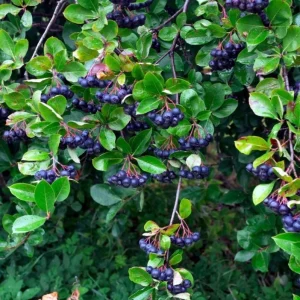
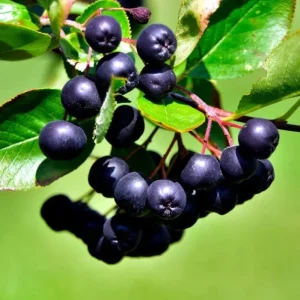
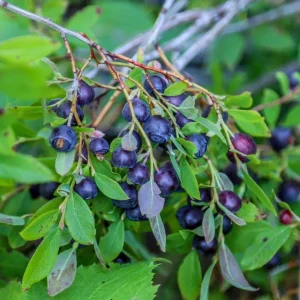
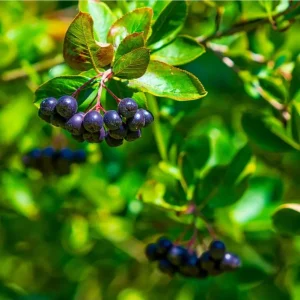
Sweet Black Huckleberry Live Plant, 4-7 Inch Tall, 4 Inch Pot, Outdoor
Original price was: $46.99.$26.99Current price is: $26.99.
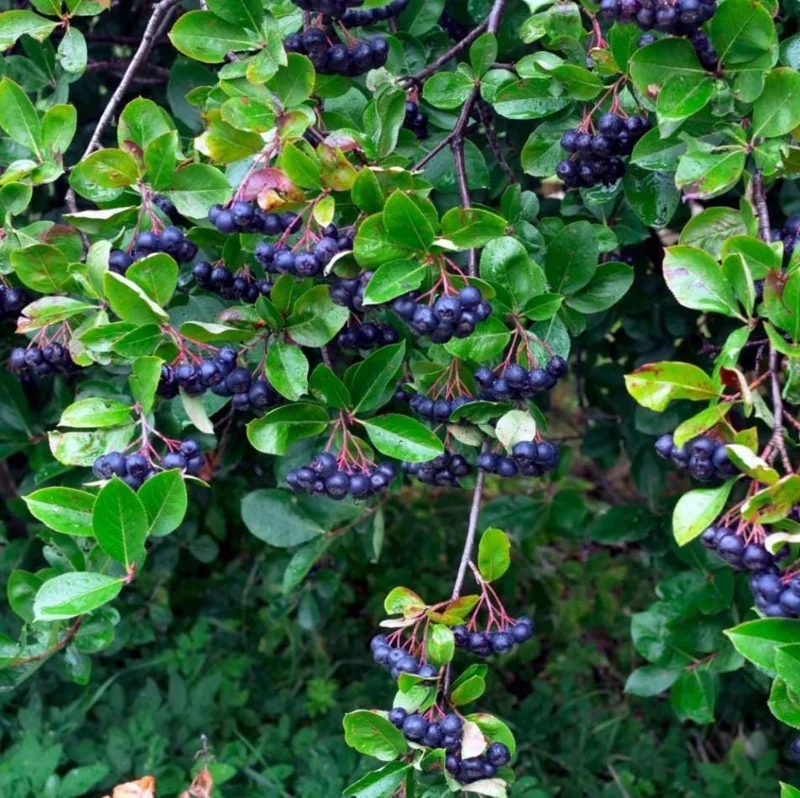
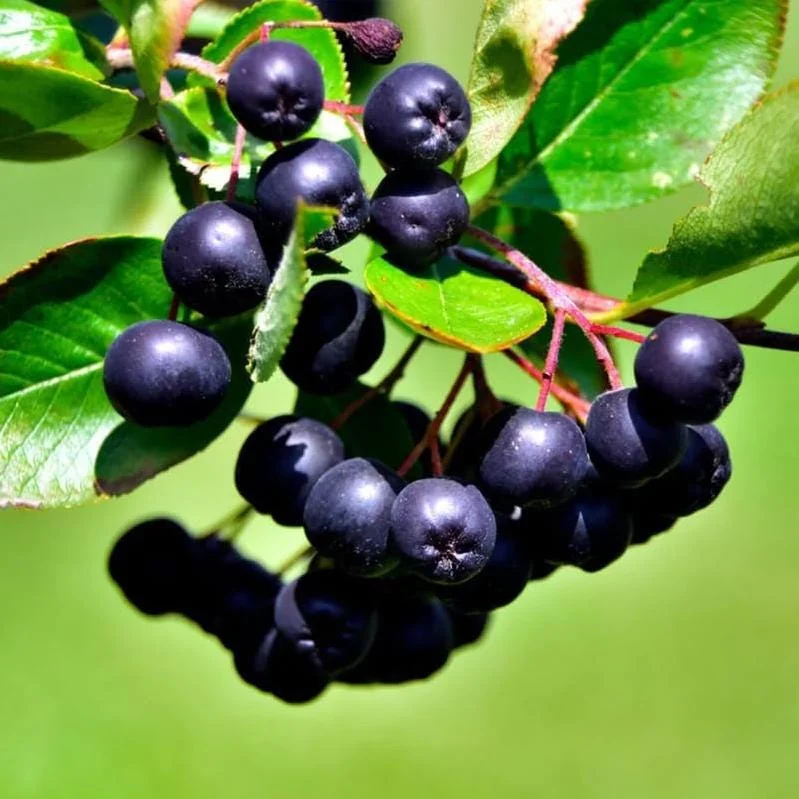
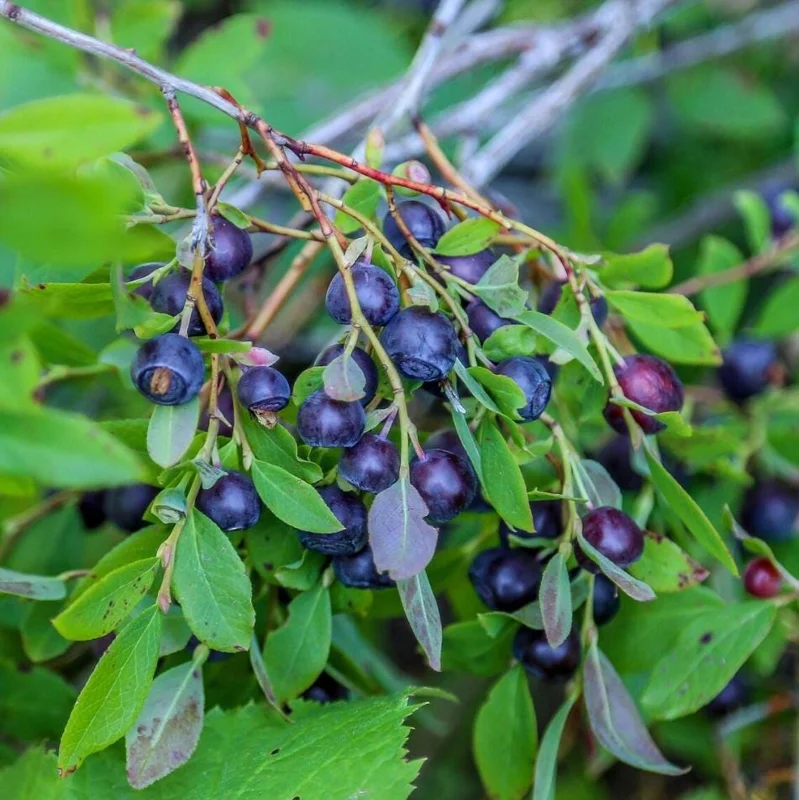
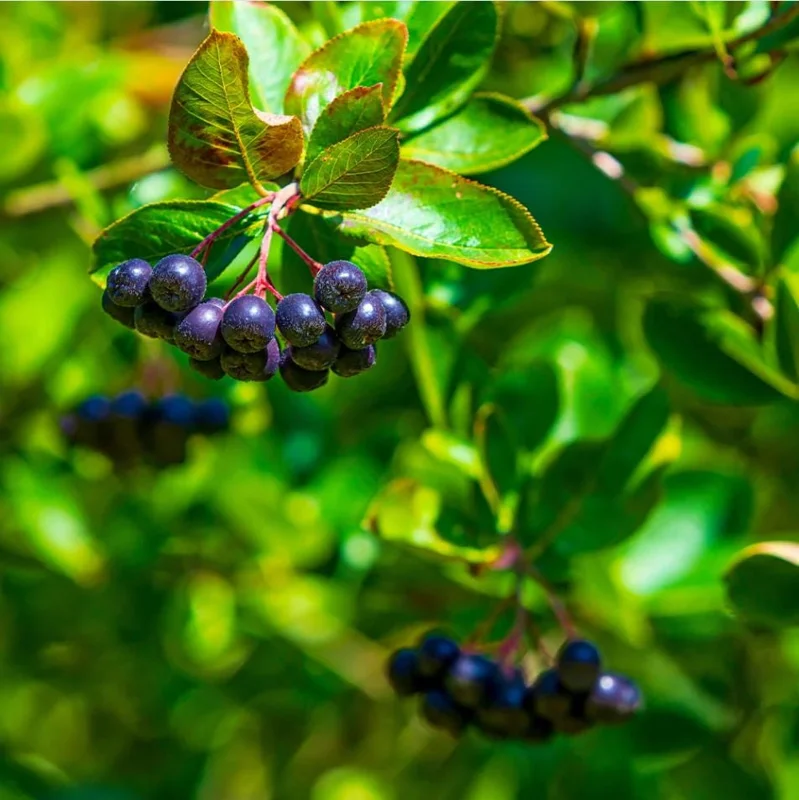
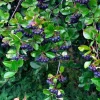
Cultivate your own delicious berries with this sweet black huckleberry live plant. This robust edible berry bush is ideal for outdoor planting, offering sweet, dark fruit and contributing to local wildlife. Standing 4-7 inches tall in a 4-inch pot, it’s ready for your garden.
Estimated arrival
Oct 23
Oct 28 - Oct 30
Nov 02 - Nov 06

Reasonable Price
We offer reasonable price

Support 24/7
Contact us 24 hrs a day

100% Money Back
You've 30 days to Return

Payment Secure
100% secure payment
Overview
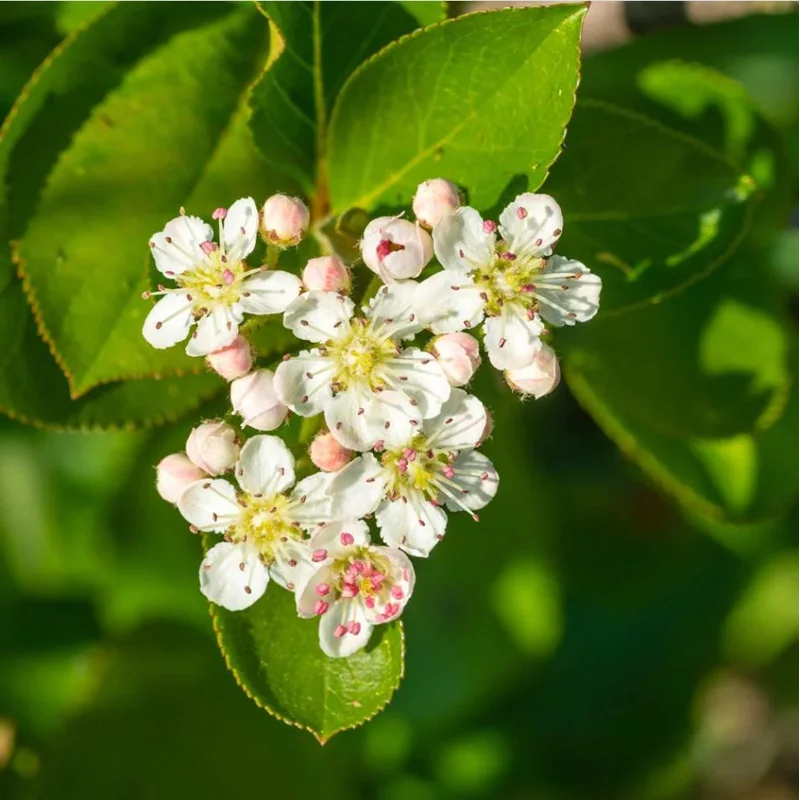
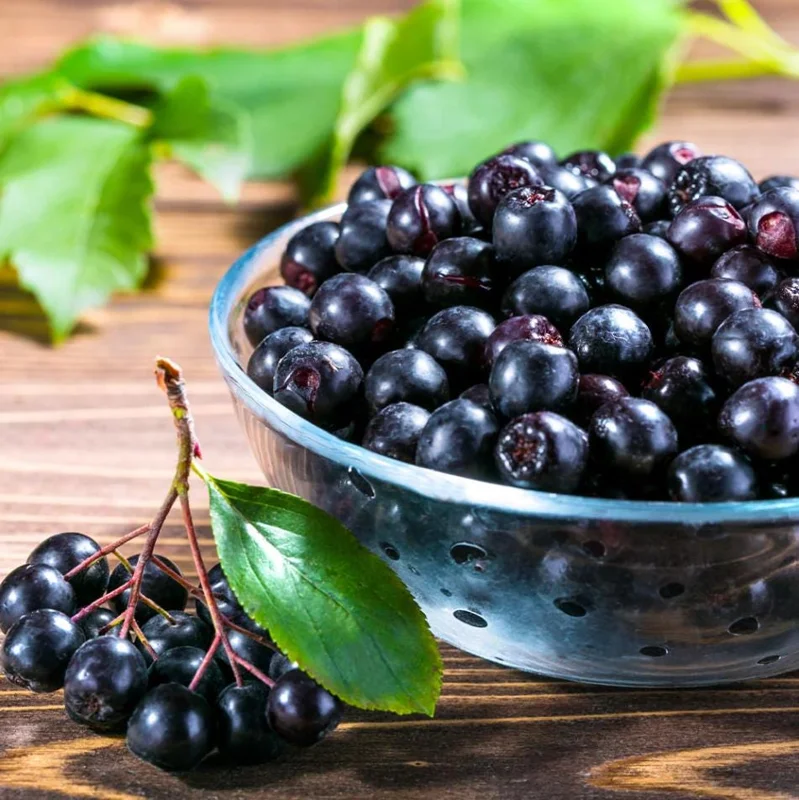
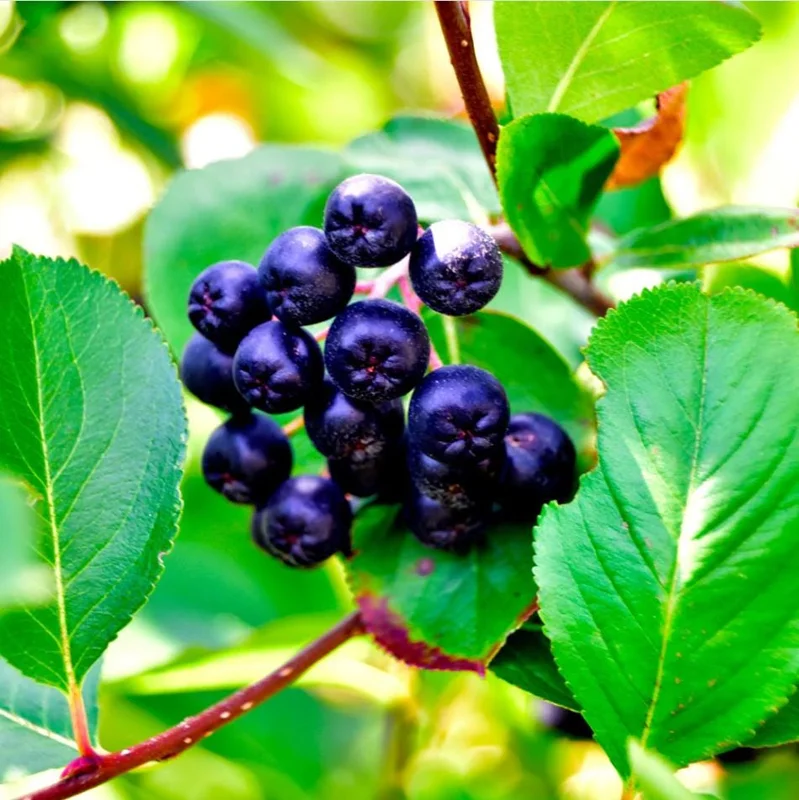
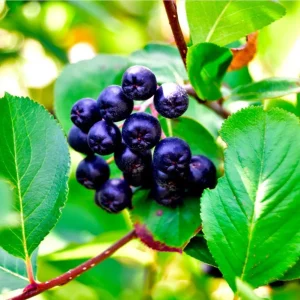
Bring the joy of home-grown fruit to your garden with a sweet black huckleberry live plant. This delightful perennial shrub, known botanically as a species of Vaccinium, offers not only beautiful foliage but also a bounty of sweet, dark berries. Perfect for outdoor planting, this huckleberry plant care is straightforward, making it an excellent choice for both novice and experienced gardeners. Huckleberries are cherished for their rich flavor, reminiscent of blueberries but with their own distinct profile. They are native plants in many regions, thriving in woodland settings and contributing significantly to local ecosystems by providing food for wildlife and attracting pollinators. Our live huckleberry plant arrives healthy and ready to establish in your garden, promising years of delicious harvests and natural beauty. Learn how to grow huckleberries successfully with our comprehensive guide.
This particular variety is a robust and cold-hardy specimen, ensuring it can withstand various climates and provide a reliable yield. Its compact size makes it suitable for various garden designs, from mixed borders to dedicated berry patches. Enjoy the satisfaction of picking fresh, organic berries right from your backyard, knowing you’ve contributed to a healthier environment with this wonderful edible berry bush.
Key Benefits
Adding a sweet black huckleberry live plant to your landscape offers a multitude of advantages, enhancing both the aesthetic and ecological value of your outdoor space. This versatile plant provides delicious fruit and supports local biodiversity.
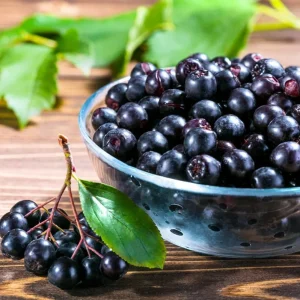
- Delicious Edible Fruit: Enjoy an abundance of sweet, dark huckleberries directly from your garden. These berries are perfect for eating fresh, baking pies, making jams, or simply as a healthy snack. The flavor is unique and highly prized.
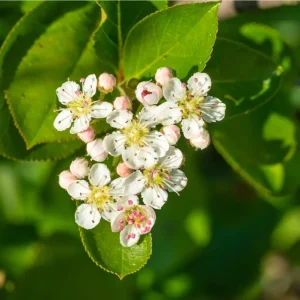
- Attracts Pollinators and Wildlife: The flowers of the huckleberry plant are a magnet for bees and other beneficial insects, crucial for a healthy garden ecosystem. The berries also provide a valuable food source for local birds and small animals, making it a true wildlife plant.
- Beautiful Ornamental Value: Beyond its fruit, the huckleberry bush offers attractive foliage throughout the growing season, often with appealing fall color. It provides a natural, rustic charm to any garden setting.
- Cold Hardy and Resilient: Known for its ability to tolerate colder climates and frost, this plant is a robust choice for many regions. Its hardiness ensures a reliable performance year after year, even in challenging conditions.
- Native Plant Benefits: As a native species, the huckleberry is well-adapted to local conditions, requiring less intervention once established. It supports native flora and fauna, contributing to ecological balance.
- Versatile Landscaping: This Vaccinium huckleberry can be integrated into various garden designs, including woodland gardens, edible landscapes, or as part of a mixed shrub border. Its moderate size makes it suitable for many spaces.
- Low Maintenance: Once established, the huckleberry plant is relatively easy to care for, requiring minimal pruning and general upkeep to thrive. This makes huckleberry plant care less demanding than many other fruit-bearing plants.
Plant Care & Growing Tips
Proper huckleberry plant care is essential for a bountiful harvest and a healthy, thriving shrub. This sweet black huckleberry live plant is relatively low-maintenance once established, but understanding its specific needs will ensure optimal growth and fruit production. Huckleberries prefer a location that receives full sun to partial shade. In hotter climates, partial shade during the intense afternoon hours can prevent leaf scorch, while in cooler regions, more sun will encourage better fruiting. Aim for at least 4-6 hours of direct sunlight daily for the best results when considering how to grow huckleberries.
The soil is a critical factor for huckleberry success. They thrive in well-draining, acidic soil with a pH between 4.5 and 5.5, similar to blueberries. Incorporating organic matter like peat moss or compost can help achieve the ideal soil conditions. Keep the soil consistently moist but never waterlogged. Huckleberries do not tolerate dry conditions well, especially during fruit development, so regular watering is crucial, particularly during dry spells. Mulching around the base of the plant with pine needles, wood chips, or shredded leaves will help retain soil moisture, suppress weeds, and maintain soil acidity. This also helps regulate soil temperature, which is beneficial for the root system of your edible berry bush.
This huckleberry variety is noted for being cold-hardy, tolerating frost and cooler climates. It is typically suited for USDA zones 4-8, although specific hardiness can vary by cultivar. Fertilize in early spring with an acid-loving plant fertilizer, following the product’s instructions. Avoid fertilizers with high nitrogen content, which can encourage leafy growth at the expense of fruit. Pruning is generally minimal; remove any dead, damaged, or crossing branches in late winter or early spring to maintain plant health and shape. Watch out for common pests like aphids or diseases like powdery mildew, treating them promptly with organic solutions if they appear to keep your Vaccinium huckleberry healthy.
Size & Details
This sweet black huckleberry live plant arrives ready for planting, typically measuring between 4-7 inches tall from the top of the soil to the tip of the highest leaf. It is carefully rooted in a 4-inch nursery pot, providing a robust root system ready for transplanting into your garden or a larger container. Huckleberry bushes generally have a moderate growth rate, reaching a mature height of 3-6 feet and a similar spread, creating a rounded, bushy form. The exact size will depend on growing conditions, climate, and variety. When planting, allow adequate space for future growth, typically 3-4 feet between plants if you’re establishing a hedge or multiple bushes.
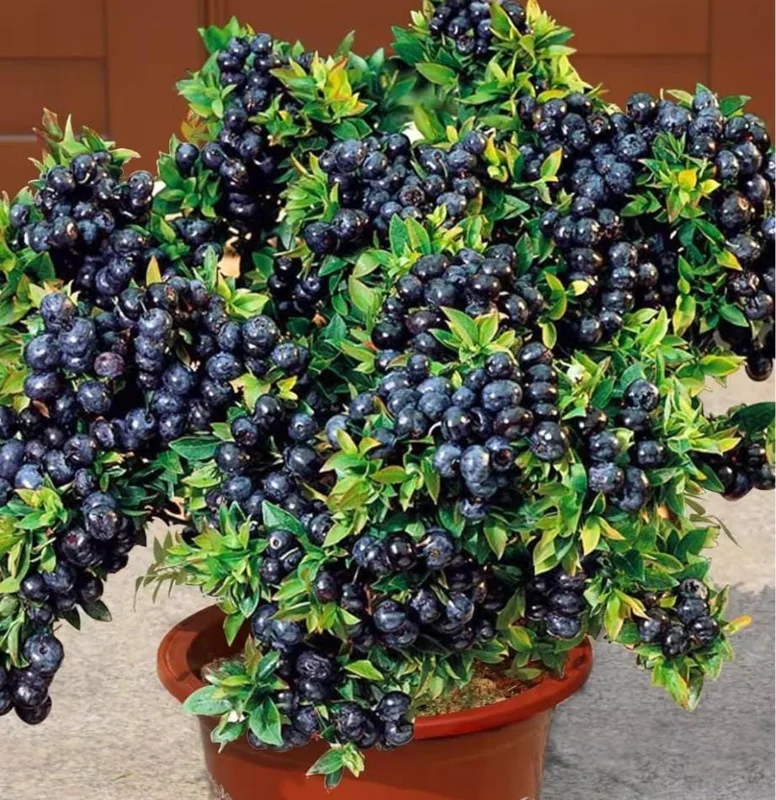
Shipped as a live, actively growing plant, it is packaged to ensure its health and vitality during transit. While it may not bear fruit in its first year, with proper care, you can expect your edible berry bush to begin producing delicious berries within 1-2 seasons. This resilient plant is an excellent long-term investment for any gardener looking to add a productive and attractive fruit-bearing shrub to their outdoor landscape. Its natural form and berry production make it a valuable addition to any garden.
Frequently Asked Questions
- Q: How big does this huckleberry plant get? A: This sweet black huckleberry live plant typically grows to a mature height of 3-6 feet tall with a similar spread, forming a rounded, bushy shrub. Its final size can depend on growing conditions and care.
- Q: Is this an indoor or outdoor plant? A: The huckleberry is an outdoor plant, specifically a shrub that thrives in garden settings. It requires outdoor conditions to grow and produce fruit effectively.
- Q: How much sunlight does it need? A: Huckleberry plants prefer full sun to partial shade. For optimal fruit production, aim for at least 4-6 hours of direct sunlight per day, especially in cooler climates.
- Q: Is this plant easy to care for? A: Once established, huckleberry plant care is relatively easy. It requires consistently moist, acidic soil and minimal pruning. It’s a great choice for gardeners looking for a rewarding, low-maintenance berry bush.
- Q: What condition will it arrive in? A: Your huckleberry plant will arrive as a healthy, actively growing specimen, approximately 4-7 inches tall, rooted in a 4-inch nursery pot, and carefully packaged to ensure its vitality.
- Q: When is the best time to plant this huckleberry? A: The best time to plant your huckleberry plant is in spring or early fall, allowing it time to establish its root system before extreme weather conditions.
- Q: Will this Vaccinium huckleberry survive winter in my zone? A: This huckleberry variety is cold-hardy and typically thrives in USDA Zones 4-8, tolerating frost and cooler climates. Check your specific USDA zone to confirm its suitability.
- Q: What kind of soil does this edible berry bush need? A: The edible berry bush thrives in well-draining, acidic soil with a pH between 4.5 and 5.5. Amending your soil with organic matter like peat moss can help create the ideal environment.
- Q: How long until it produces fruit? A: While your huckleberry plant may not fruit in its first year, with proper care, you can typically expect it to begin producing berries within 1-2 seasons after planting.
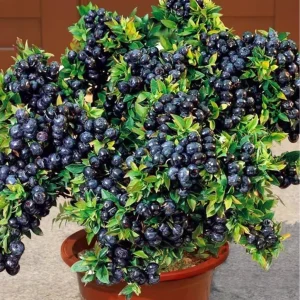
- Q: Can I grow this huckleberry in a container? A: Yes, you can grow huckleberries in containers, provided you use a large pot (at least 15-20 gallons) with good drainage and an acidic potting mix. Ensure consistent moisture.
Be the first to review “Sweet Black Huckleberry Live Plant, 4-7 Inch Tall, 4 Inch Pot, Outdoor”
-
USDA Hardiness Zone
USDA zones 4-8 -
Soil Type
Well-draining, acidic soil (pH 4.5-5.5) -
Sunlight Exposure
Full sun to partial shade -
Expected Planting Period
Spring to early fall
People Also Viewd
Sold 134 products
Original price was: $3,536.00.$23.99Current price is: $23.99.
Sold 132 products
Original price was: $27.00.$24.00Current price is: $24.00.
Sold 132 products
Original price was: $89.99.$64.99Current price is: $64.99.

Sold 125 products
Original price was: $86.99.$66.99Current price is: $66.99.
Flower Bulbs
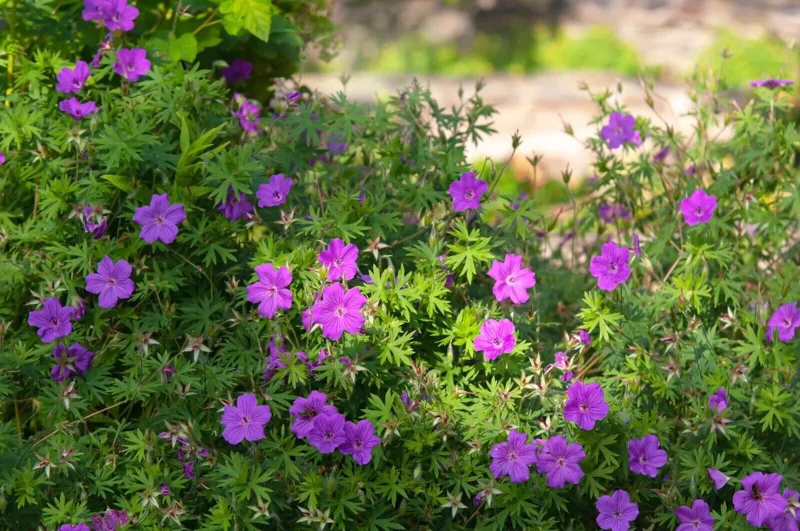
3 Cranesbill Wild Geranium Organic Maculatums Bare Roots | Wildflower for Outdoor Garden
Sold 116 products
Original price was: $21.99.$9.99Current price is: $9.99.
Sold 114 products
Original price was: $28.99.$17.99Current price is: $17.99.
Sold 110 products
Original price was: $63.99.$28.99Current price is: $28.99.
Sold 108 products
Original price was: $28.99.$17.99Current price is: $17.99.RELATED posts
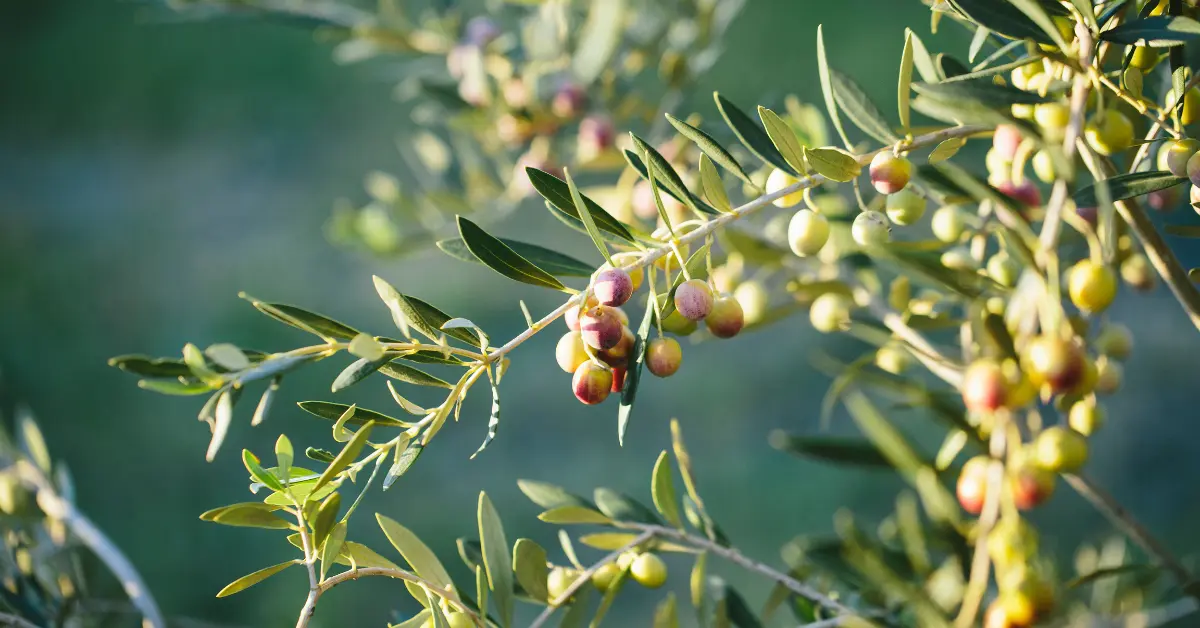
How to Grow Arbequina Olive Trees: The Ultimate Guide to Your Own Olive Grove
Arbequina Olive Tree (Olea europaea ‘Arbequina’) – the ultimate Mediterranean plant that brings a touch [...]
Oct
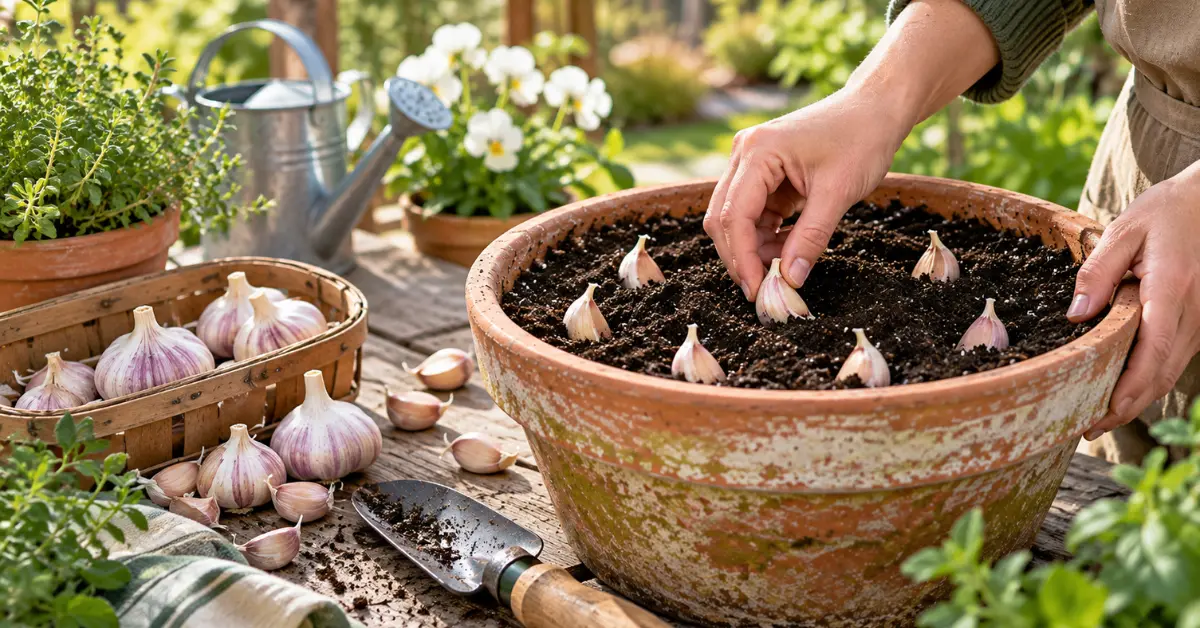
Growing Garlic in Containers This Fall: A Complete Guide for Beginners
If you’ve ever wanted to pop fresh, aromatic garlic cloves straight from your own patio [...]
Sep
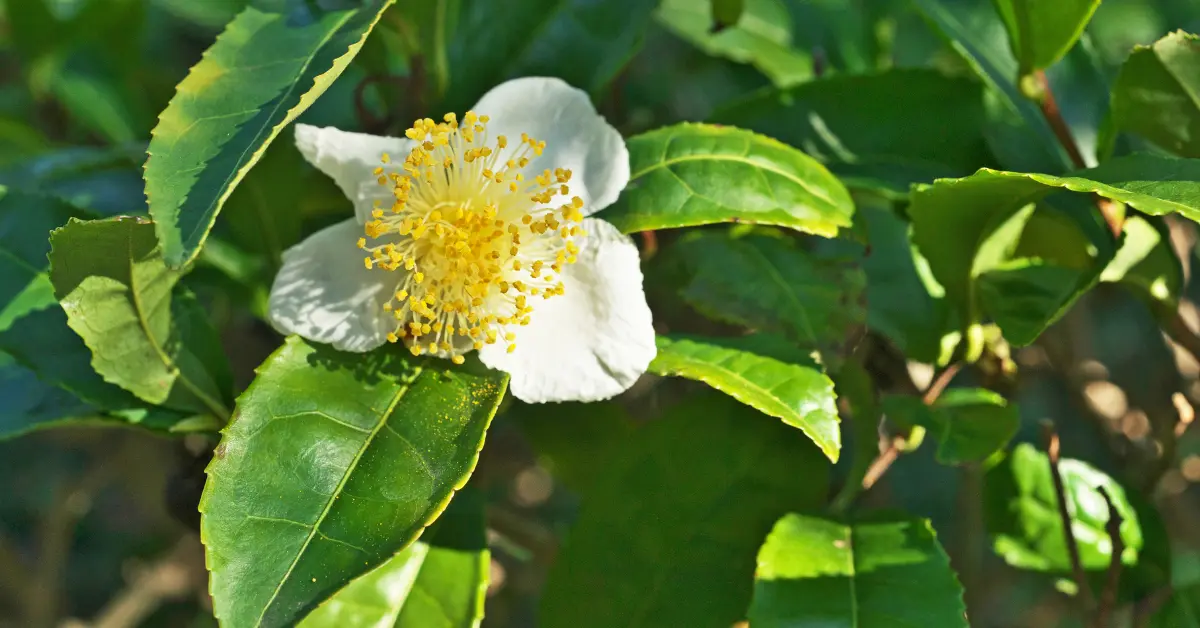
Growing Camellia Sinensis (Tea Plants) in Containers: A Complete Guide for Beginners
If you’ve ever wanted to sip a steaming, homegrown cup of fresh green, black, or [...]
Aug
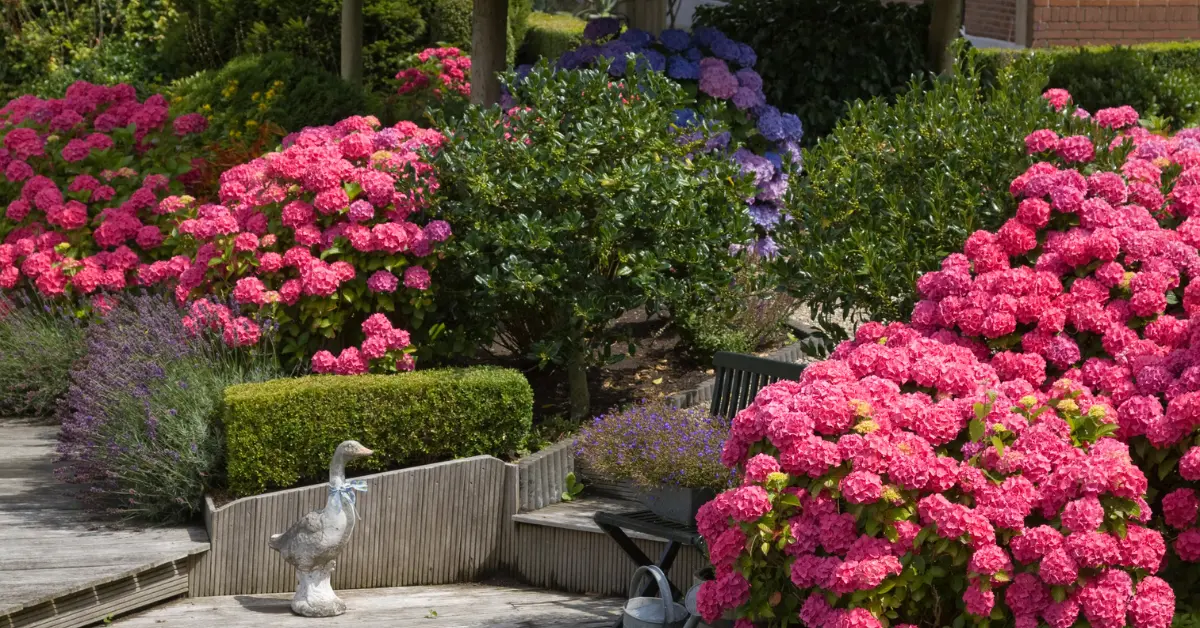
6 Best Shrubs to Plant in August You Must Try
Have you ever walked through a nursery late in the summer, admired the vibrant shrubs [...]
Aug
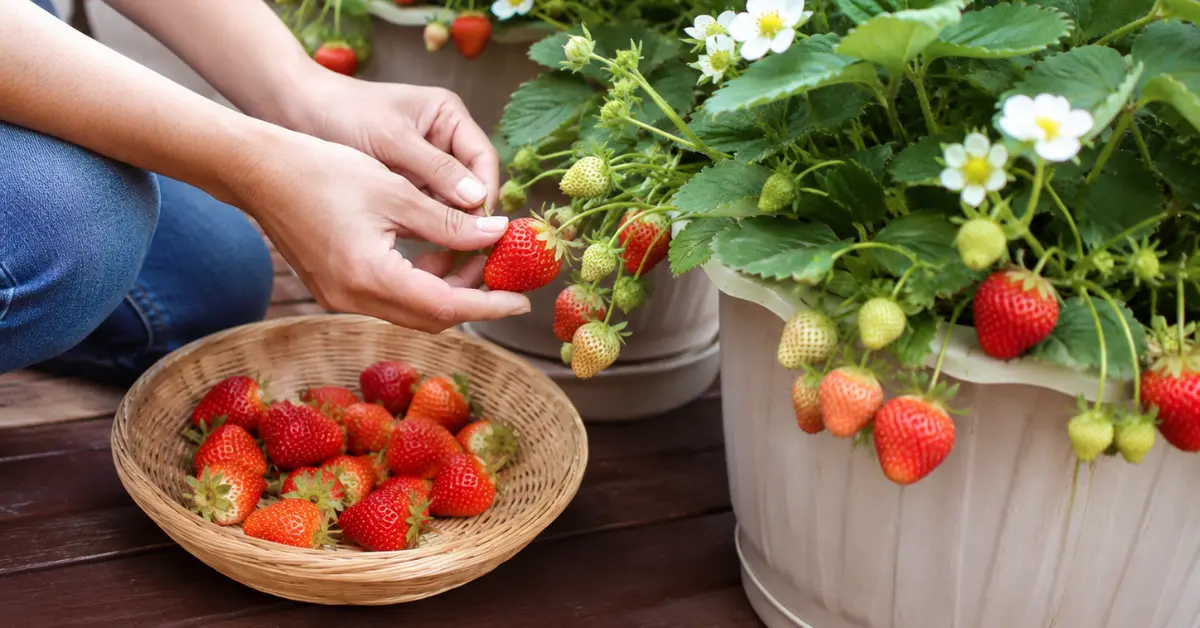
Growing Everbearing Strawberries in Containers: A Complete Guide for Beginners
Want to grow sweet, fresh strawberries but do not have a large garden? Everbearing strawberries [...]
Aug
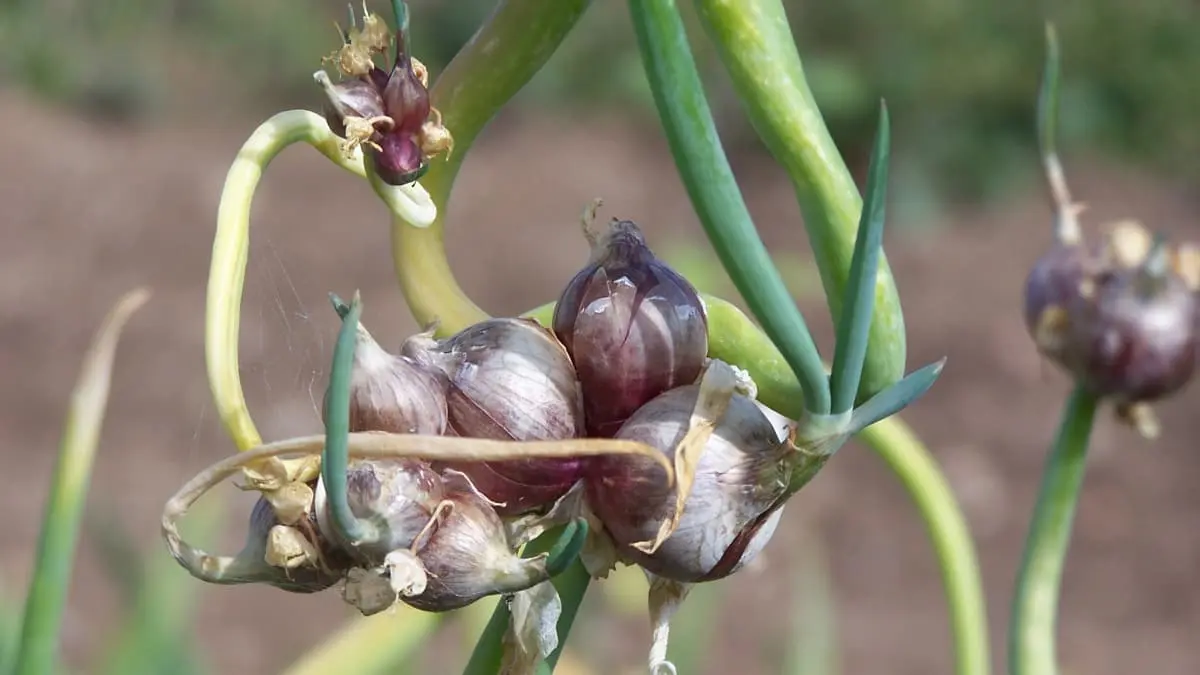
Growing Egyptian Walking Onions in Containers: A Complete Guide for Beginners
If you’re looking for a hardy, no-fuss perennial onion that keeps on giving year after [...]
Jul
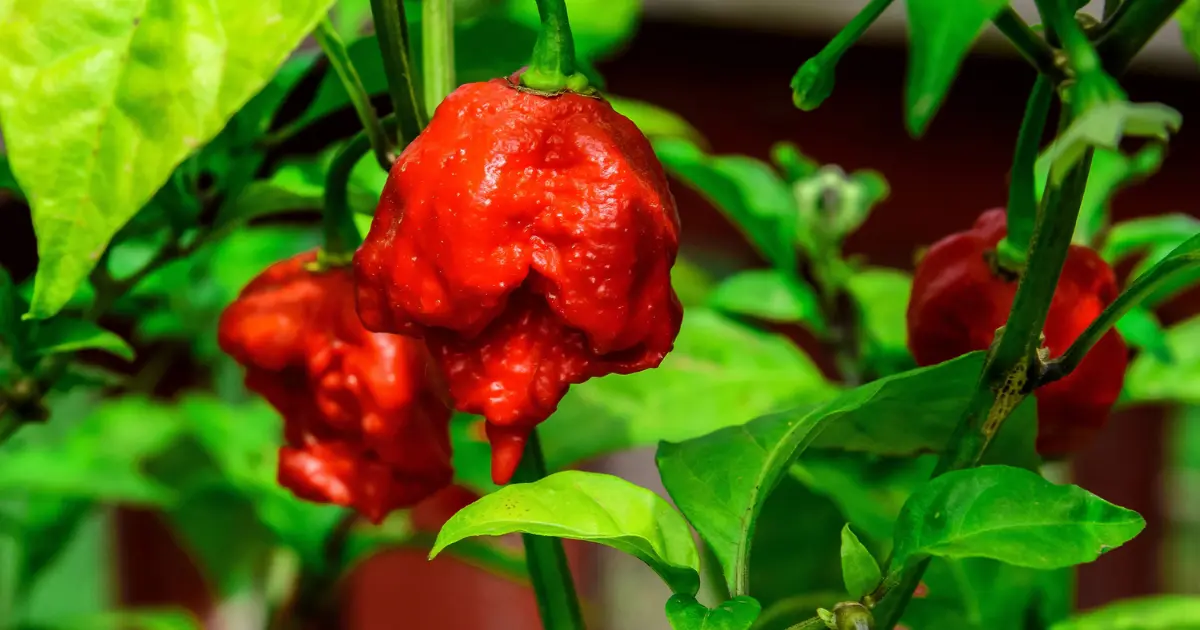
Growing Carolina Reaper Peppers in Pots: A Complete Guide for Beginners
If you’ve ever wanted to add some serious, record-breaking heat to your home cooking, you’ve [...]
May
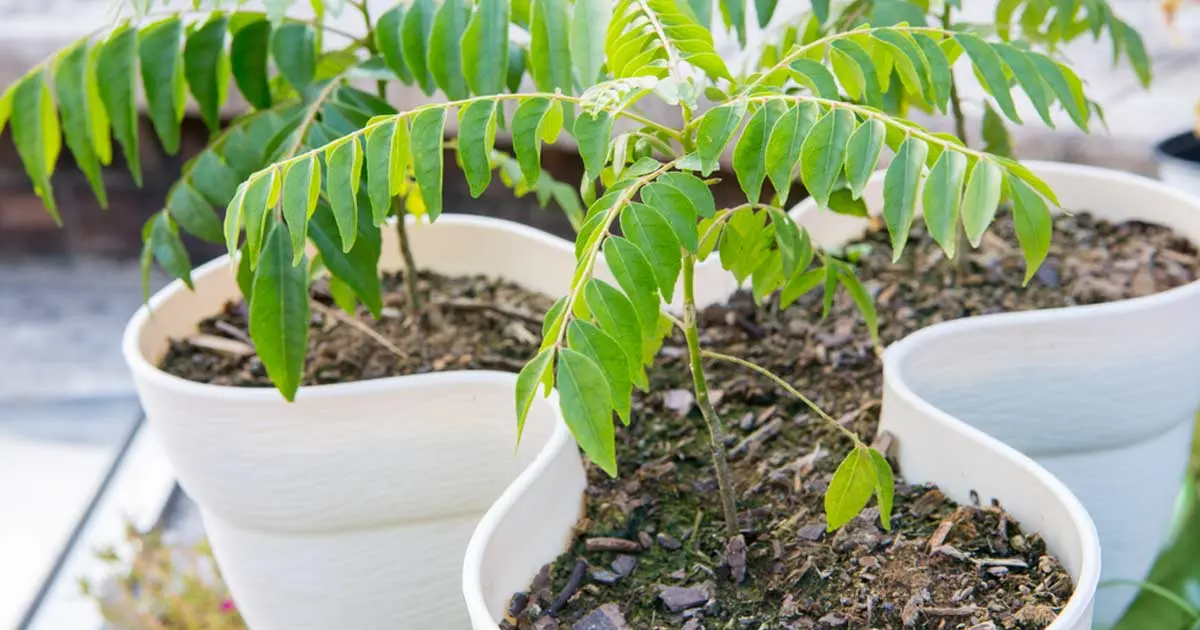
Growing Curry Leaf Plant in Pots: A Complete Guide for Beginners
If you’re a fan of authentic South Asian cuisine, you already know that nothing compares [...]
May
Reviews
There are no reviews yet.