
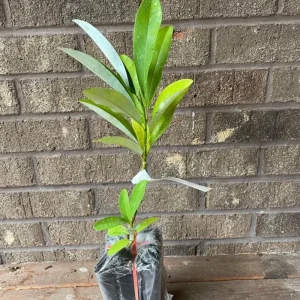
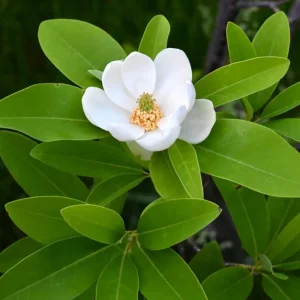
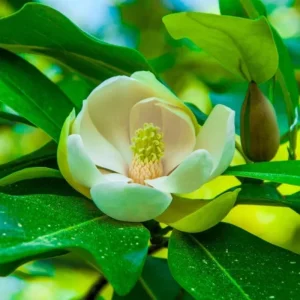
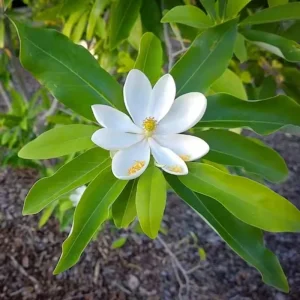
Sweetbay Magnolia Live Tree Plant 6-12 inches Tall – Fragrant White Flowers
Original price was: $66.04.$31.04Current price is: $31.04.
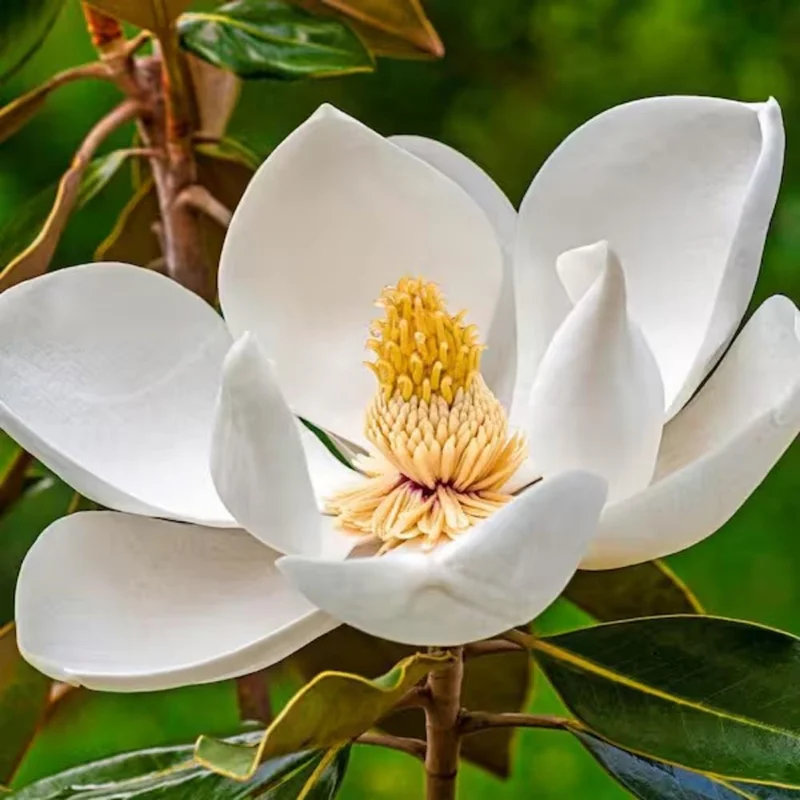
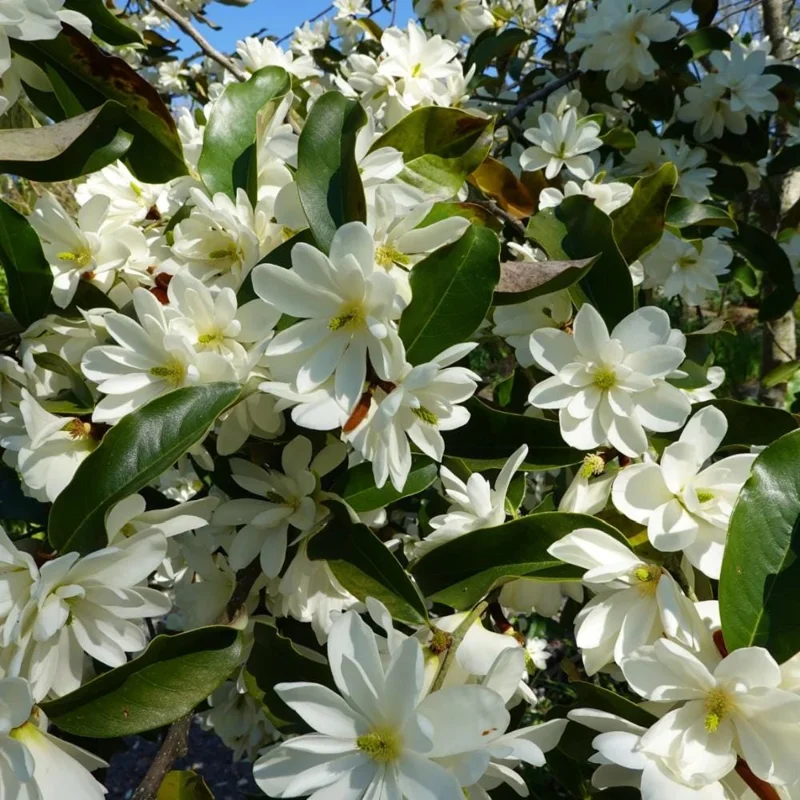
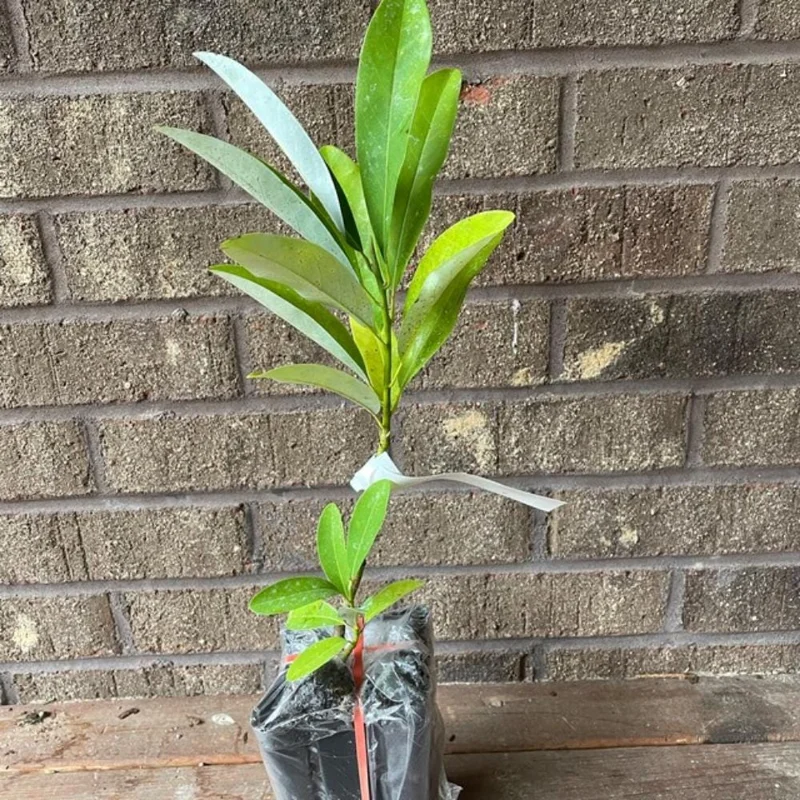
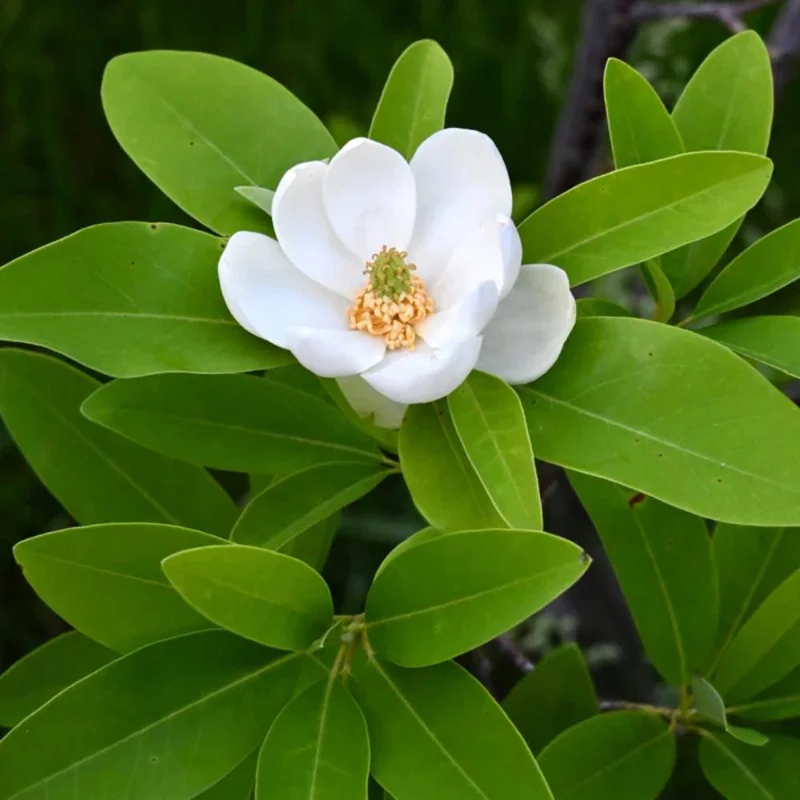
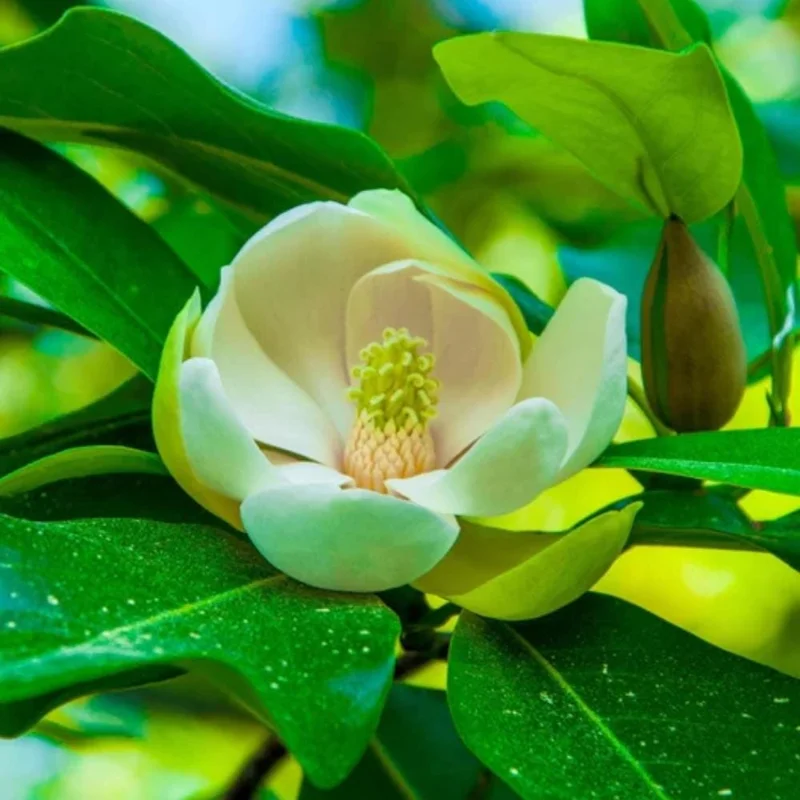
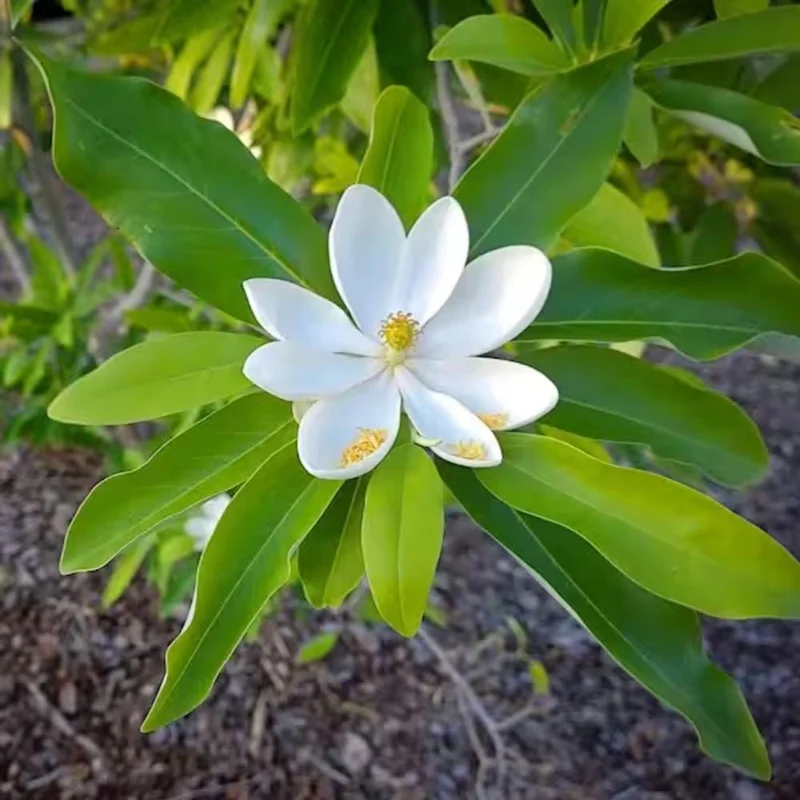
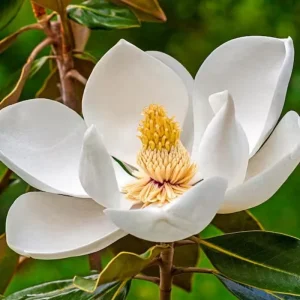
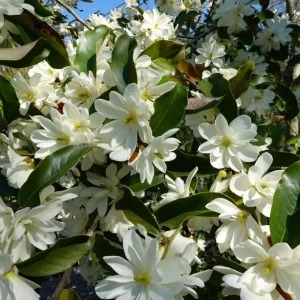
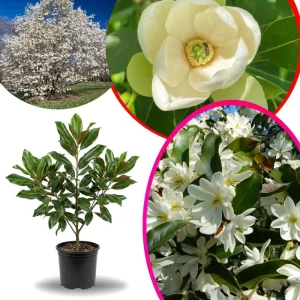
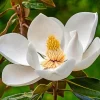
Bring elegance to your garden with a sweetbay magnolia live plant. This beautiful native tree, approximately 6-12 inches tall, produces creamy white, lemon-scented flowers from late spring to summer. It’s a versatile, semi-evergreen magnolia that thrives in moist conditions and attracts pollinators, perfect for enhancing any outdoor space.
Estimated arrival
Sep 16
Sep 21 - Sep 23
Sep 26 - Sep 30

Reasonable Price
We offer reasonable price

Support 24/7
Contact us 24 hrs a day

100% Money Back
You've 30 days to Return

Payment Secure
100% secure payment
Overview
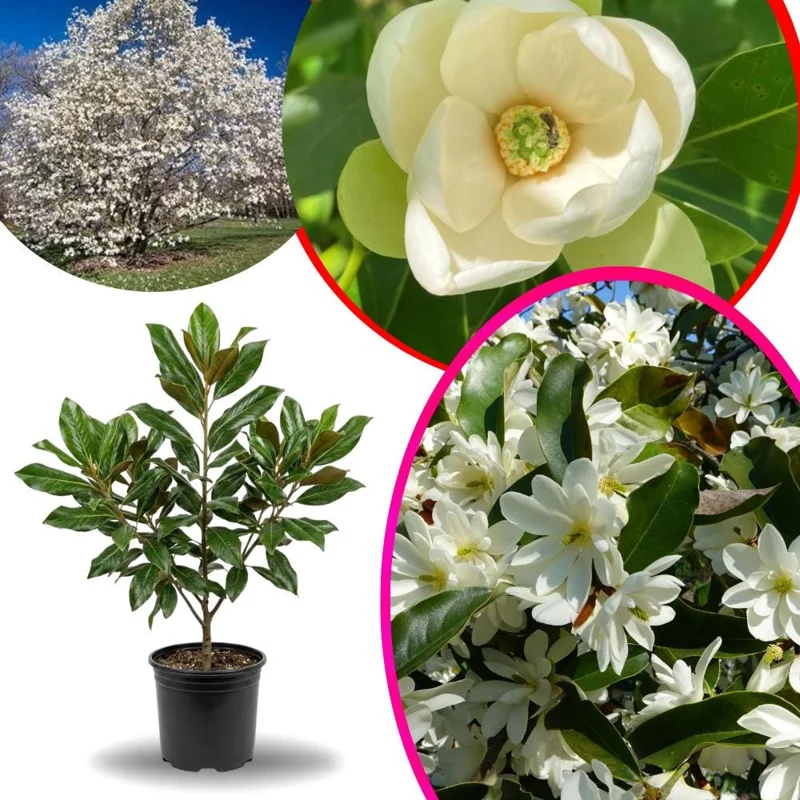
Introduce a touch of Southern charm and intoxicating fragrance to your landscape with the sweetbay magnolia live plant. This exquisite native flowering tree, also known by its botanical name Magnolia virginiana, is highly prized for its beautiful creamy white, lemon-scented blooms and refined foliage. Our live plants are carefully grown in nursery pots, ensuring a healthy root system for successful transplanting into your garden. Standing approximately 6-12 inches tall at the time of shipping, this young tree is ready to establish itself and bring lasting beauty to your outdoor environment.
The sweetbay magnolia live plant is a remarkable specimen, offering year-round interest. In warmer climates, it maintains its semi-evergreen foliage, providing a lush green backdrop, while in cooler regions, it becomes deciduous, signaling the changing seasons. Its adaptability to various soil conditions, including wet areas, makes it a resilient and low-maintenance choice for many gardeners seeking a distinctive and rewarding addition to their plant collection.
Key Benefits
Integrating a sweetbay magnolia live plant into your garden offers numerous advantages, from its aesthetic appeal to its ecological contributions. This versatile tree provides a host of benefits that make it a favorite among garden enthusiasts:
- Fragrant Blooms: Enjoy the delightful, creamy white, lemon-scented flowers that appear from late spring through summer, creating a serene and inviting atmosphere in your garden. The captivating aroma is a true highlight.
- Attracts Pollinators: The blossoms are a magnet for essential pollinators like bees and butterflies, contributing to the biodiversity and health of your local ecosystem. This makes it an excellent choice for a pollinator garden.
- Adaptable to Wet Soils: Unlike many trees, the magnolia virginiana tree thrives in moist to wet soil conditions, making it an ideal candidate for rain gardens, boggy areas, or landscapes with poor drainage.
- Semi-Evergreen Foliage: Depending on your climate, it can be a semi-evergreen magnolia, providing green foliage for most of the year, or deciduous in colder zones, offering seasonal interest.
- Heat & Humidity Tolerant: This hardy tree is well-suited for regions with hot and humid summers, demonstrating robust growth and resilience in challenging conditions.
- Year-Round Appeal: From its fragrant flowers to its elegant foliage and attractive form, the sweetbay magnolia offers visual interest throughout the seasons.
- Low Maintenance: Once established, this tree requires minimal care, making it a great option for gardeners seeking a beautiful yet easy-to-manage plant.
Plant Care & Growing Tips
Caring for your sweetbay magnolia live plant is straightforward, ensuring it establishes well and flourishes in your garden. These trees are known for their resilience and adaptability, making them a joy to grow with the right conditions.
Sunlight Requirements: The sweetbay magnolia prefers full sun to partial shade. For optimal flowering and growth, aim for at least 6 hours of direct sunlight per day. In hotter climates, some afternoon shade can be beneficial to protect it from intense sun. It is primarily an outdoor plant, not suited for indoor cultivation.
Watering Schedule & Soil Moisture: This tree thrives in consistently moist to wet soil. It is particularly tolerant of wet feet, making it an excellent choice for areas where other trees might struggle. Water regularly, especially during dry spells and in its first year of establishment. Ensure the soil doesn’t dry out completely. A good way to check is to feel the top inch or two of the soil; if it feels dry, it’s time to water. The wet soil tolerant plant nature of the sweetbay magnolia sets it apart.
Soil Type & Drainage: The sweetbay magnolia is adaptable to a range of soil types, including sandy, loamy, and clay soils, as long as they retain moisture. It prefers acidic to neutral soils. While it tolerates wet conditions, good drainage is still beneficial to prevent root rot in overly saturated environments. Amending heavy clay soils with organic matter can improve structure and moisture retention without hindering its love for water.
Temperature Range & USDA Hardiness Zone: This hardy tree is suitable for USDA Hardiness Zones 5-9. It can withstand cold winters in its northern range and tolerates the heat and humidity of Southern summers. Protecting young plants from extreme winter winds in colder zones can be beneficial.
Fertilization Schedule & Type: Fertilize your sweetbay magnolia live plant in early spring with a balanced, slow-release granular fertilizer formulated for trees and shrubs. Follow the product instructions for application rates. Avoid over-fertilizing, especially in the first year, as it can stress the young plant. Established trees generally require less frequent fertilization.
Common Problems & Solutions: Sweetbay magnolias are generally pest and disease resistant. Occasionally, you might encounter issues like leaf spot or scale insects. Good air circulation and proper watering practices can help prevent fungal diseases. For pest issues, use horticultural oil or insecticidal soap if necessary, following product directions. Ensuring your plant is a healthy fragrant magnolia tree starts with proactive care.
Size & Details
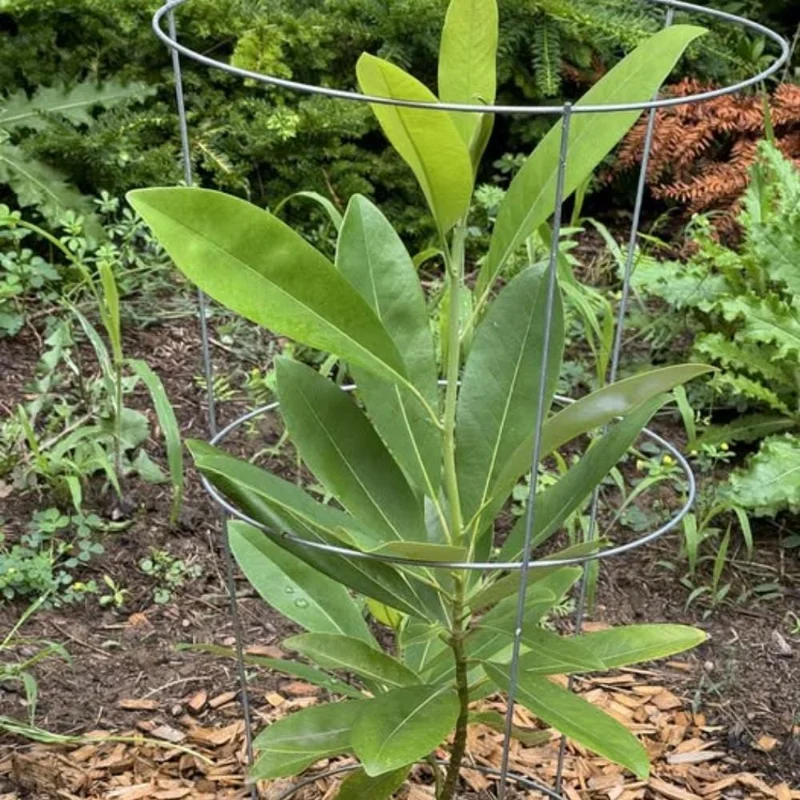
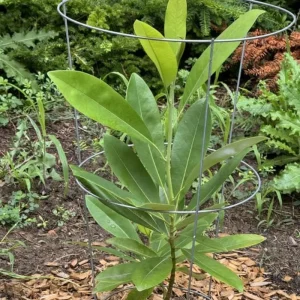
This offering is for a sweetbay magnolia live plant, which arrives in a nursery pot with a robust root system. At the time of shipping, the plant measures approximately 6-12 inches tall, providing a healthy young specimen ready for transplanting. While relatively compact initially, the sweetbay magnolia is a medium-sized tree that can reach a mature height of 10-20 feet with a spread of 10-15 feet, depending on growing conditions and climate. It exhibits a moderate growth rate, typically adding 1-2 feet per year once established.
The plant is carefully cultivated to ensure a strong foundation for future growth. It will develop into a beautiful, multi-stemmed tree or can be pruned into a single-trunk specimen, offering flexibility in landscape design. Expect the first fragrant blooms to appear within a few years of planting, bringing the signature lemon-scented aroma to your garden. This magnolia virginiana tree is an investment in long-term beauty and ecological benefit.
Frequently Asked Questions
- Q: How big does this plant get? A: Your sweetbay magnolia live plant will arrive approximately 6-12 inches tall. At maturity, it typically grows 10-20 feet tall with a spread of 10-15 feet, depending on conditions and pruning.
- Q: Is this an indoor or outdoor plant? A: The sweetbay magnolia is an outdoor tree. It requires ample sunlight and space to grow, making it unsuitable for indoor cultivation.
- Q: How much sunlight does it need? A: This tree thrives in full sun to partial shade, ideally receiving at least 6 hours of direct sunlight daily for best flowering. In very hot climates, some afternoon shade can be beneficial.
- Q: Is this plant easy to care for? A: Yes, the sweetbay magnolia live plant is considered relatively easy to care for, especially once established. Its tolerance for wet soils and general hardiness make it a good choice for various gardeners.
- Q: What condition will it arrive in? A: Your plant will arrive in a nursery pot with a healthy, established root system, carefully packaged to ensure its safe journey and readiness for planting.
- Q: How long until it blooms? A: While young plants may take a few years to establish and begin flowering profusely, you can typically expect to see the first fragrant, lemon-scented blooms within 2-4 years after planting your fragrant magnolia tree.
- Q: Will it survive winter in my zone? A: The sweetbay magnolia is hardy in USDA Zones 5-9. It is quite cold tolerant in its recommended zones, and its semi-evergreen nature adapts to winter conditions.
- Q: What’s the minimum temperature it can tolerate? A: This tree can tolerate temperatures down to approximately -20°F (-29°C) in its hardiness range, making it a resilient choice for many temperate climates.
- Q: Is this a semi-evergreen magnolia? A: Yes, the sweetbay magnolia is a semi-evergreen magnolia in warmer climates (typically USDA Zones 8-9), retaining some foliage through winter. In colder zones (USDA Zones 5-7), it tends to be deciduous, shedding its leaves in the fall.
- Q: Is it a good plant for wet areas in the garden? A: Absolutely! The sweetbay magnolia is a fantastic wet soil tolerant plant, making it an excellent choice for areas with poor drainage, near ponds, or in rain gardens where other trees might struggle.
Be the first to review “Sweetbay Magnolia Live Tree Plant 6-12 inches Tall – Fragrant White Flowers”
-
USDA Hardiness Zone
USDA Zones 5-9 -
Soil Type
Moist to wet, acidic to neutral, well-draining soil -
Sunlight Exposure
Full sun to partial shade -
Expected Planting Period
Spring to early summer
People Also Viewd
Sold 134 products
Original price was: $3,536.00.$23.99Current price is: $23.99.
Sold 131 products
Original price was: $27.00.$24.00Current price is: $24.00.
Sold 130 products
Original price was: $89.99.$64.99Current price is: $64.99.

Sold 125 products
Original price was: $86.99.$66.99Current price is: $66.99.
Flower Bulbs
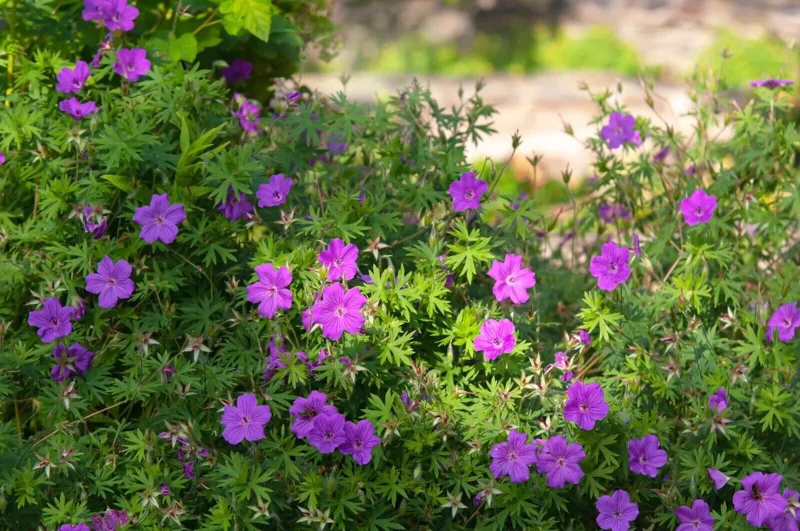
3 Cranesbill Wild Geranium Organic Maculatums Bare Roots | Wildflower for Outdoor Garden
Sold 116 products
Original price was: $21.99.$9.99Current price is: $9.99.
Sold 114 products
Original price was: $28.99.$17.99Current price is: $17.99.
Sold 110 products
Original price was: $63.99.$28.99Current price is: $28.99.
Sold 108 products
Original price was: $28.99.$17.99Current price is: $17.99.RELATED posts
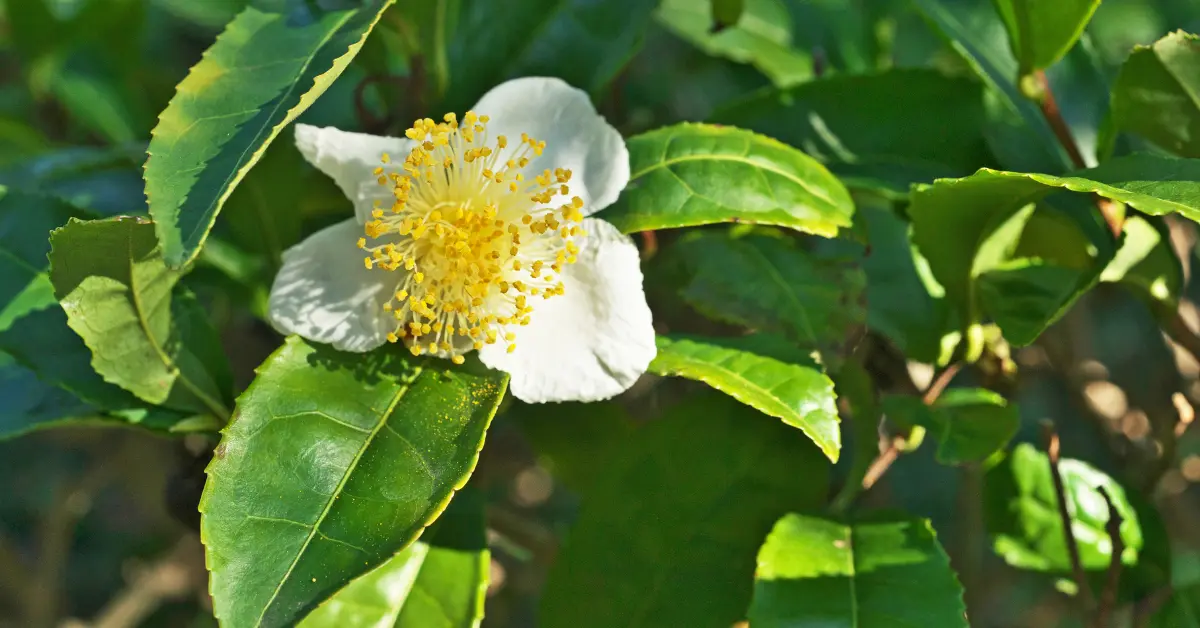
Growing Camellia Sinensis (Tea Plants) in Containers: A Complete Guide for Beginners
If you’ve ever wanted to sip a steaming, homegrown cup of fresh green, black, or [...]
Aug
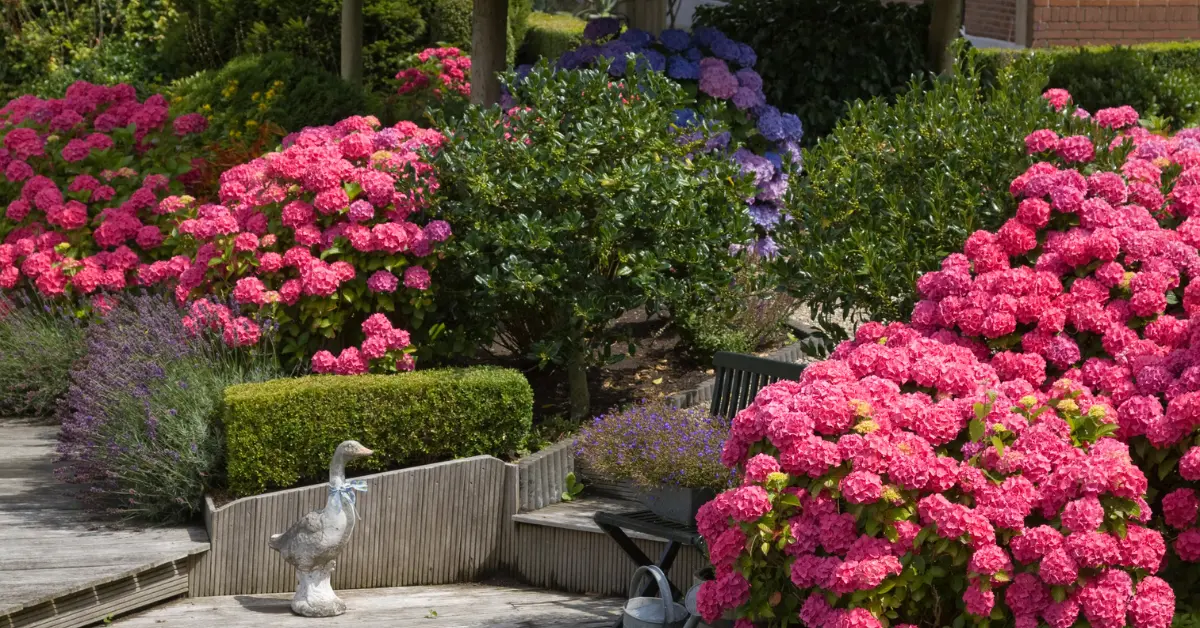
6 Best Shrubs to Plant in August You Must Try
Have you ever walked through a nursery late in the summer, admired the vibrant shrubs [...]
Aug
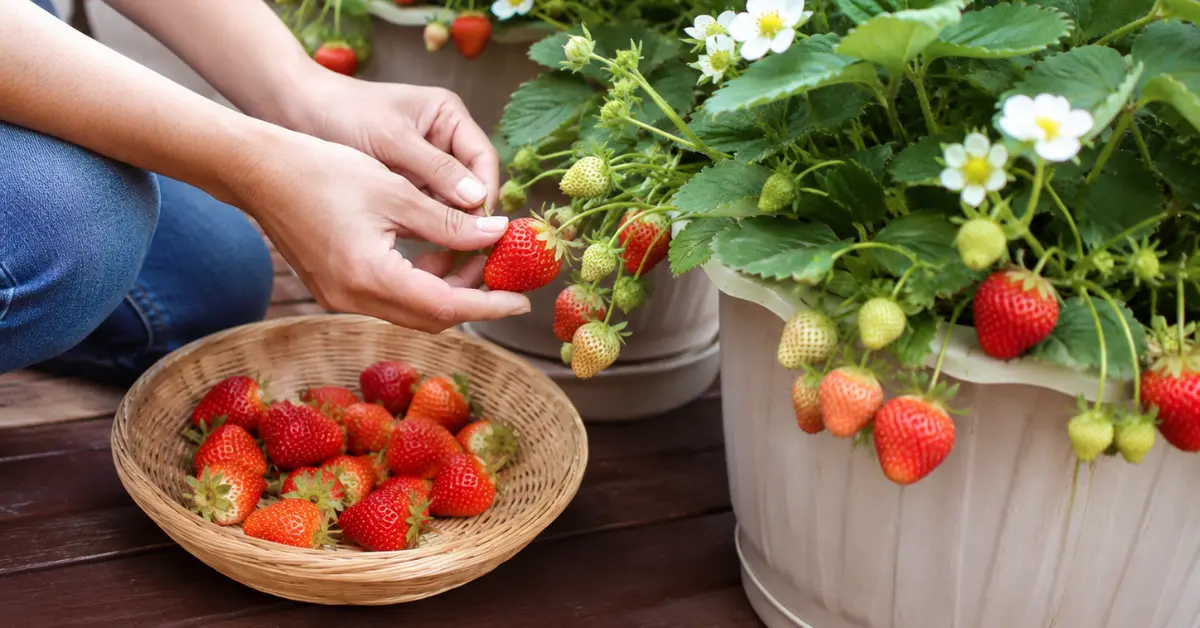
Growing Everbearing Strawberries in Containers: A Complete Guide for Beginners
Want to grow sweet, fresh strawberries but do not have a large garden? Everbearing strawberries [...]
Aug
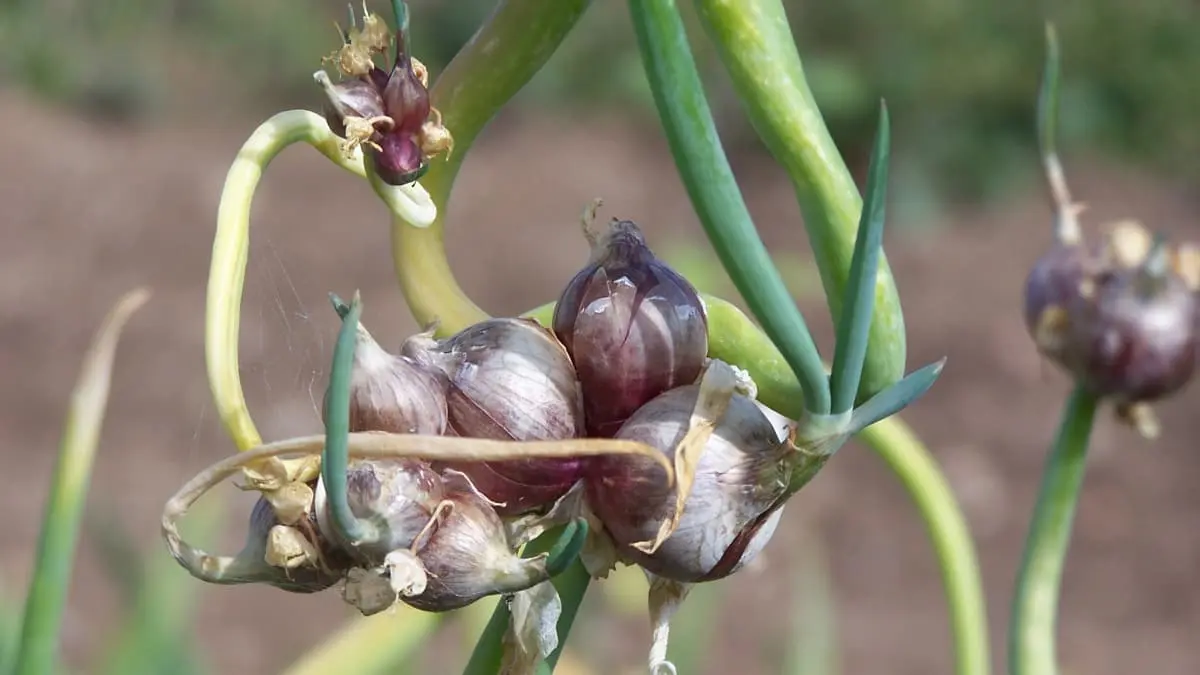
Growing Egyptian Walking Onions in Containers: A Complete Guide for Beginners
If you’re looking for a hardy, no-fuss perennial onion that keeps on giving year after [...]
Jul
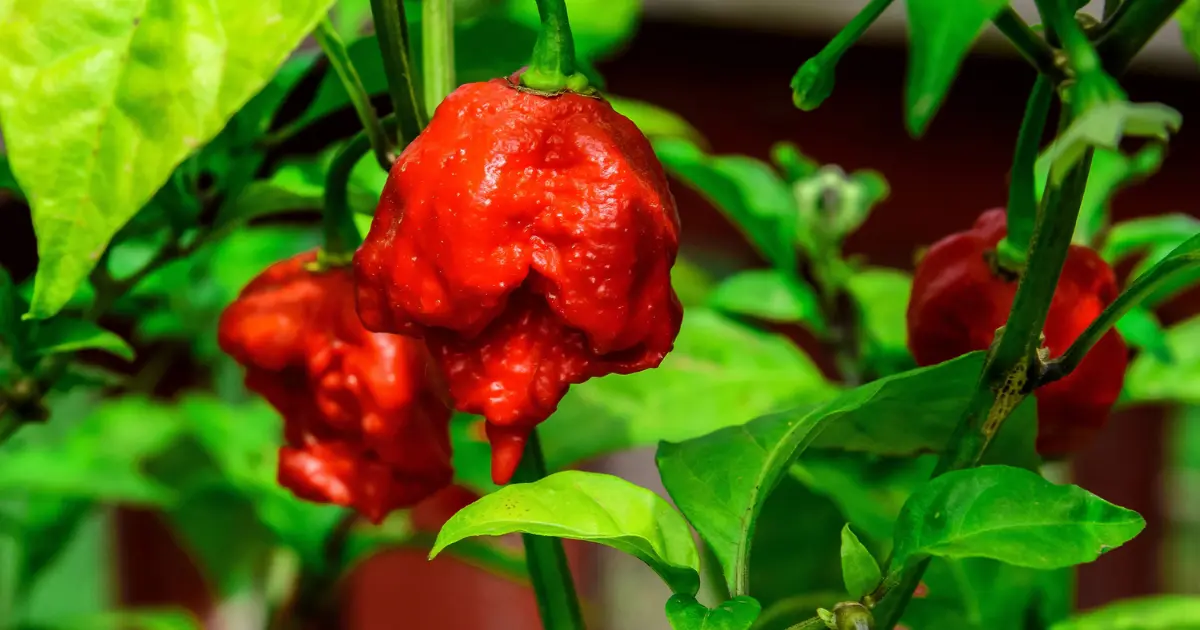
Growing Carolina Reaper Peppers in Pots: A Complete Guide for Beginners
If you’ve ever wanted to add some serious, record-breaking heat to your home cooking, you’ve [...]
May
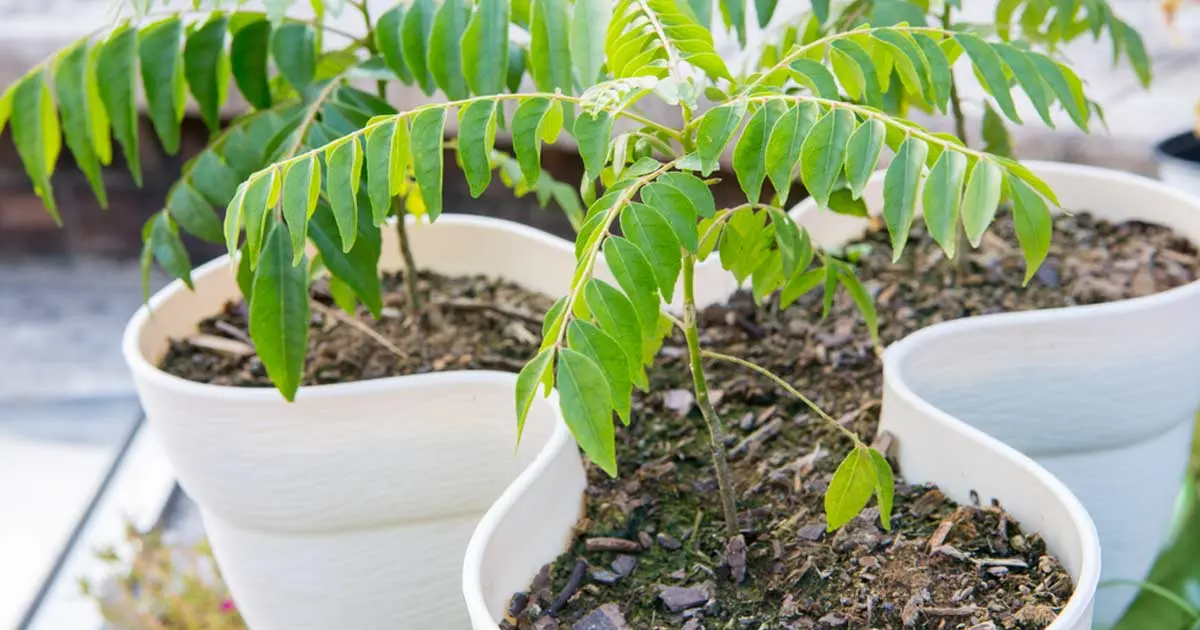
Growing Curry Leaf Plant in Pots: A Complete Guide for Beginners
If you’re a fan of authentic South Asian cuisine, you already know that nothing compares [...]
May
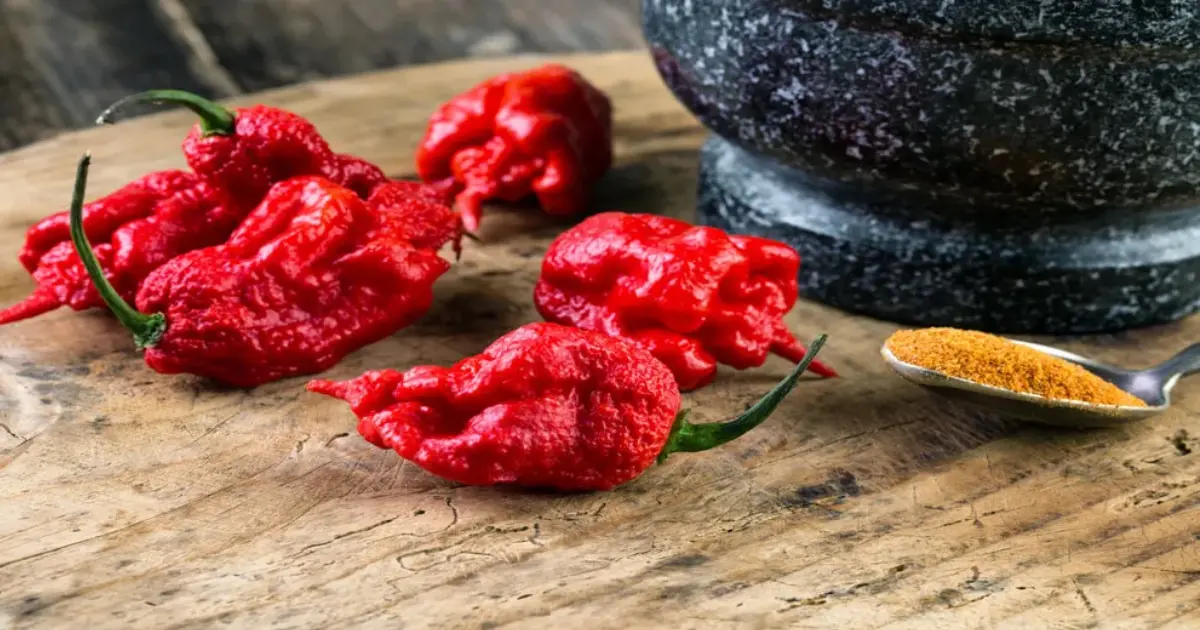
5 Tips for Growing Carolina Reaper Peppers to Get the Spiciest Harvest Ever
Holding the record for one of the world’s hottest peppers, the Reaper isn’t just a [...]
May
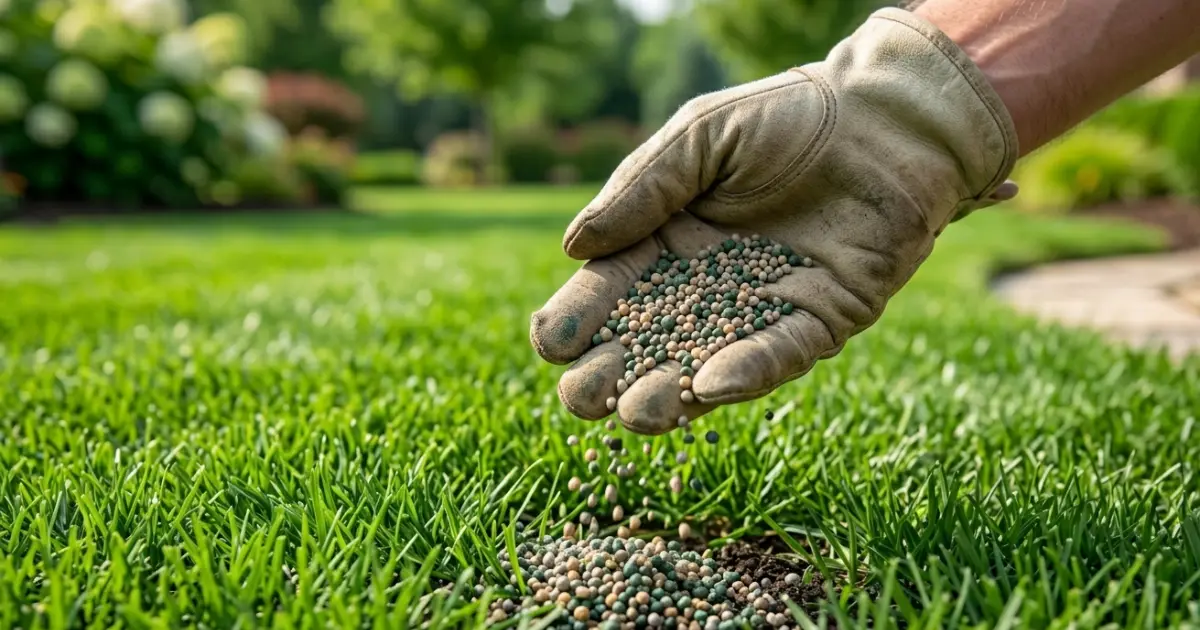
Best Fertilizers for Zoysia Grass in 2026: Get a Lush Lawn
As we enter the new year, the time has come to think about how we [...]
Apr
Reviews
There are no reviews yet.