
Tall Olive Tree Live Plant – Olea Europaea – 2ft Tropical Aceituna
Original price was: $165.20.$115.20Current price is: $115.20.
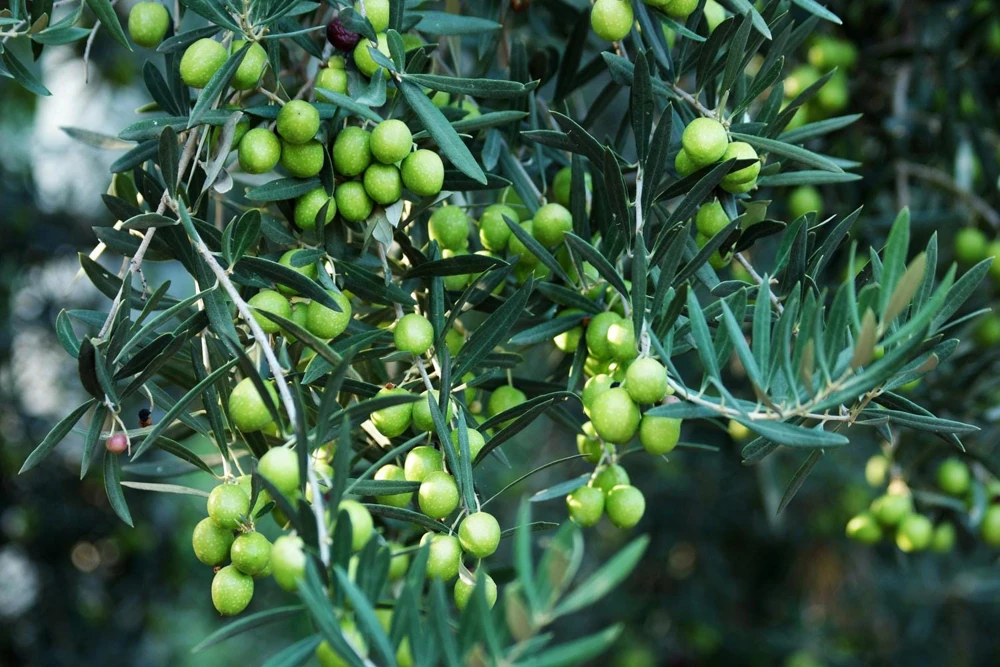
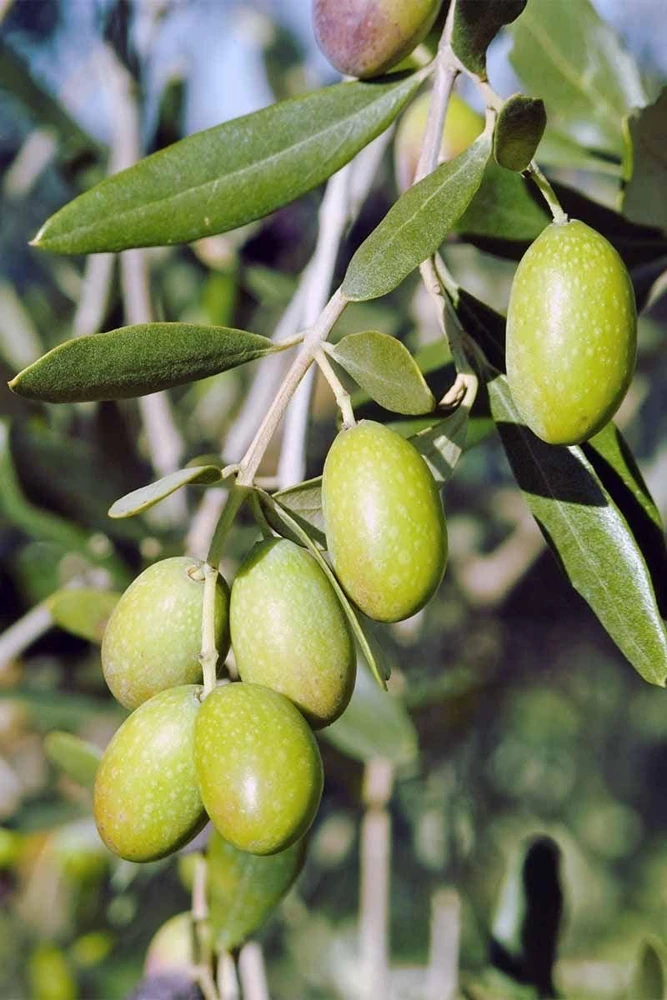
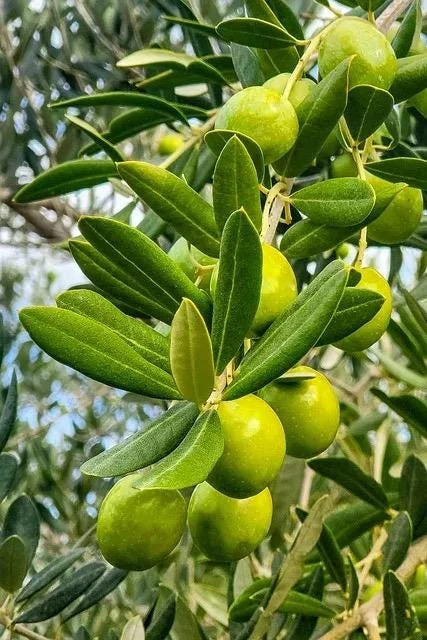
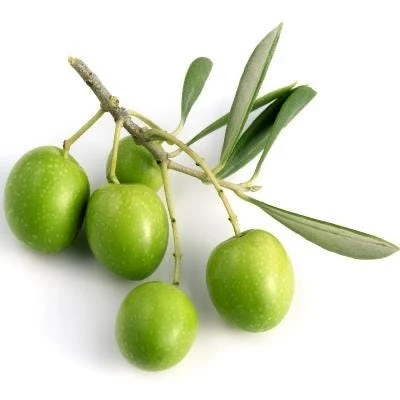
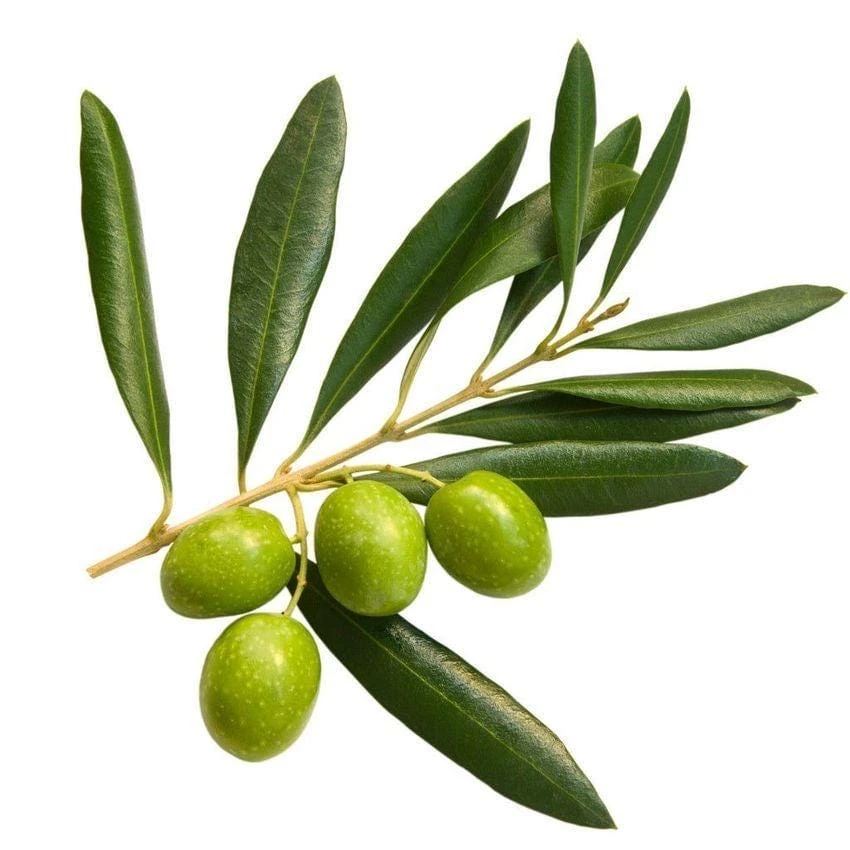
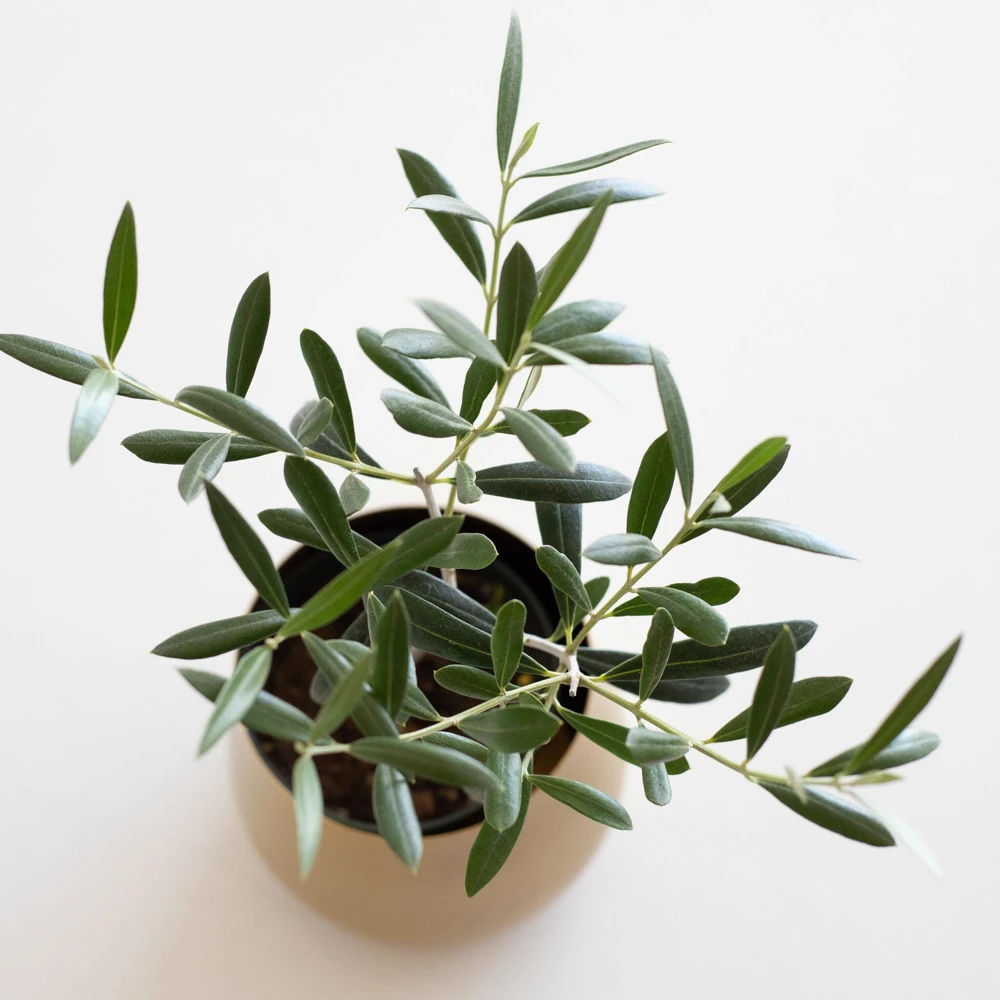
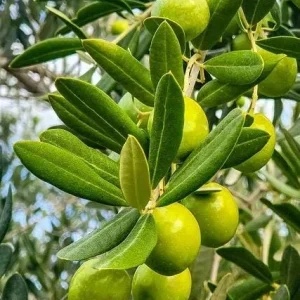
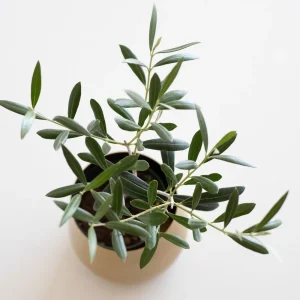
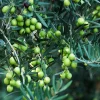
Bring Mediterranean charm to your home or garden with this olive tree live plant. This 2ft tall olea europaea plant is perfect for patios or sunny indoor spots, offering elegant foliage and the potential for fruit. A beautiful and resilient addition to any plant collection.
Estimated arrival
Sep 14
Sep 19 - Sep 21
Sep 24 - Sep 28

Reasonable Price
We offer reasonable price

Support 24/7
Contact us 24 hrs a day

100% Money Back
You've 30 days to Return

Payment Secure
100% secure payment
Overview
Introduce a touch of ancient elegance and Mediterranean allure to your living space with this beautiful olive tree live plant. Known botanically as Olea europaea, the olive tree is celebrated worldwide not only for its delicious fruit, the ‘olive’ or ‘aceituna’, but also for its symbolic significance and ornamental beauty. This particular specimen stands at a graceful 2ft tall, making it a versatile choice for a variety of settings. Whether you dream of harvesting your own olives, enhancing your landscape with a drought-tolerant tree, or simply enjoying its silvery-green foliage, this live olive tree is an exceptional choice. It’s a robust and long-lived plant that can thrive for decades with proper care, adding a timeless quality to its surroundings. The olive tree is truly a plant with a rich history and a promising future in your garden or home.
Our aceituna olive tree is carefully nurtured to ensure it arrives healthy and ready to flourish. This 2ft olive tree is an ideal size for starting in a container, allowing you to easily move it indoors during colder months if you live outside its hardiness zone. Its distinctive narrow leaves and gnarled trunk, even in younger specimens, contribute to its unique aesthetic appeal. Historically, the olive has been a cornerstone of Mediterranean agriculture, providing the essential ingredient for olive oil and a staple as a table olive. While fruiting can vary, the sheer presence of this iconic tree is a reward in itself, offering a connection to ancient cultures and natural beauty.
Key Benefits
Owning an olive tree live plant comes with a multitude of benefits, both aesthetic and practical. These trees are not just plants; they are living pieces of history and natural art. Here are some of the key advantages of adding an olive tree to your collection:
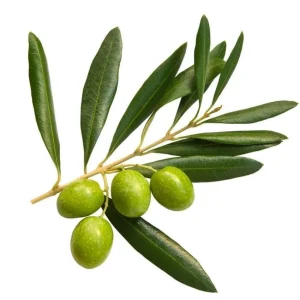
- Exceptional Ornamental Value: The olive tree boasts beautiful silvery-green, leathery leaves and a naturally sculptural form that adds a sophisticated, Mediterranean touch to any landscape or interior. Its unique aesthetic instantly elevates garden designs and indoor decor.
- Drought-Tolerant & Low Maintenance: Once established, growing olive trees are remarkably resilient and require minimal watering, making them an excellent choice for water-wise gardening and busy plant enthusiasts. They thrive in sunny, well-drained conditions.
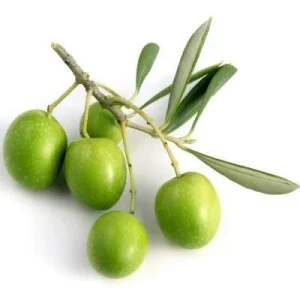
- Potential for Fruit Production: With proper care and the right conditions, your olea europaea plant can produce edible olives, which can be cured for table olives or pressed for homemade olive oil, offering a rewarding culinary experience.
- Symbolic Significance: The olive tree is a universal symbol of peace, longevity, and prosperity. Having one in your home or garden brings a rich cultural and historical connection, fostering a sense of calm and endurance.
- Adaptable to Containers: This 2ft olive tree is perfectly suited for container growing, allowing you to enjoy its beauty on patios, balconies, or even indoors in bright, sunny locations, especially in regions with cold winters.
- Air Purification: Like many live plants, olive trees contribute to a healthier indoor environment by absorbing carbon dioxide and releasing oxygen, improving air quality and promoting well-being.
- Longevity: Olive trees are known for their incredible lifespan, often living for hundreds of years. Investing in an olive tree is a long-term commitment to a plant that will grow and mature with you, becoming a cherished part of your home.
Plant Care & Growing Tips
Caring for your olive tree live plant is a rewarding experience, and with a few key practices, your tree will thrive. Olive trees are generally hardy and forgiving, but understanding their preferences will ensure robust growth and potential fruit production. Start by choosing the right location. Olive trees absolutely love sunlight, requiring at least 6-8 hours of direct sun daily. If grown indoors, place your olea europaea plant near a south-facing window or under grow lights to ensure it receives adequate light. Insufficient light is one of the most common reasons for an olive tree struggling indoors.
Watering is crucial, especially for young trees. While mature olive trees are drought-tolerant, consistent moisture is important for establishment. Water thoroughly when the top 2-3 inches of soil feel dry to the touch, allowing excess water to drain away completely. Avoid overwatering, as olive trees are susceptible to root rot in soggy conditions. Good drainage is paramount, so ensure your pot has drainage holes and consider adding perlite or sand to your potting mix. For outdoor planting, ensure the soil is well-draining. When it comes to soil, olive trees prefer a slightly alkaline to neutral pH (6.5-8.0) and a sandy, loamy, well-draining mix. Fertilize during the active growing season (spring and summer) with a balanced, slow-release fertilizer or one formulated for fruit trees, following package instructions. Pruning can be done in late winter or early spring to shape the tree, remove dead branches, and encourage air circulation. Keep an eye out for common pests like scale insects or olive fruit flies, and treat promptly if detected. Understanding these basics will help you in growing olive trees successfully.
Size & Details
This offering is for one olive tree live plant, specifically an Olea europaea, standing approximately 2ft tall from the base of the pot to the top of the foliage. The tree is shipped in a nursery pot, typically 6-8 inches in diameter, ensuring its roots are well-protected during transit and ready for planting or repotting upon arrival. Olive trees are known for their moderate growth rate, and this 2ft olive tree provides a great head start for establishing a beautiful specimen. It is a juvenile tree, but already exhibits the characteristic silvery-green leaves and sturdy stem that will mature into a beautiful tree. Expect this aceituna olive tree to continue growing, reaching heights of 15-20 feet or more when planted in the ground, though it can be maintained at a smaller size through regular pruning, especially when grown in containers. This allows flexibility for both garden and patio settings. The plant is carefully packaged to minimize stress during shipping, ensuring it arrives in optimal condition.
Frequently Asked Questions
- Q: How big does this plant get? A: This olive tree live plant is 2ft tall upon arrival. When planted in the ground, olive trees can reach heights of 15-20 feet or more, but they can be kept smaller through pruning, especially if grown in a container.
- Q: What size pot does it come in? A: The 2ft olive tree typically arrives in a nursery pot that is 6-8 inches in diameter, providing a good base for its initial growth.
- Q: Is this an indoor or outdoor plant? A: Olive trees can be grown both indoors and outdoors. They thrive outdoors in USDA zones 8-10. In colder climates, they can be grown in containers and brought indoors during winter.
- Q: How much sunlight does it need? A: An olea europaea plant requires at least 6-8 hours of direct sunlight daily to flourish. If growing indoors, place it in the brightest possible location, ideally a south-facing window.
- Q: Is this plant easy to care for? A: Once established, olive trees are relatively low-maintenance and drought-tolerant. They are considered easy to care for, especially for those familiar with Mediterranean plant care, making growing olive trees a rewarding experience.
- Q: What condition will it arrive in? A: Your aceituna olive tree will arrive carefully packaged, healthy, and ready for planting or repotting. We take great care to ensure the plant experiences minimal stress during transit.
- Q: Can I use the olives from this tree for eating? A: Yes, with proper care and pollination, this olive tree can produce edible fruit. Olives typically require curing before they are suitable for consumption as table olives.
- Q: When is the best time to plant this olive tree? A: The best time to plant an olive tree is in the spring or early summer after the last frost, allowing it ample time to establish before colder weather. Containerized plants can be repotted any time of year.
- Q: What’s the minimum temperature this olive tree can tolerate? A: Most olive varieties can tolerate temperatures down to about 20-15°F (-6 to -9°C) for short periods. For prolonged freezes, protection or moving indoors is recommended.
- Q: Is this olive tree self-pollinating? A: While some olive varieties are self-pollinating, others benefit from cross-pollination to maximize fruit production. Even self-pollinating varieties often yield more fruit with another olive tree nearby.
Be the first to review “Tall Olive Tree Live Plant – Olea Europaea – 2ft Tropical Aceituna”
-
USDA Hardiness Zone
USDA zones 8-10 (outdoors), can be grown indoors in all zones -
Soil Type
Well-draining, sandy loam -
Sunlight Exposure
Full sun (6-8+ hours direct sunlight daily) -
Expected Planting Period
Spring to early summer (outdoors), year-round (indoors)
People Also Viewd


Sold 134 products
Original price was: $3,536.00.$23.99Current price is: $23.99.

Sold 131 products
Original price was: $27.00.$24.00Current price is: $24.00.

Sold 130 products
Original price was: $89.99.$64.99Current price is: $64.99.

Sold 125 products
Original price was: $86.99.$66.99Current price is: $66.99.

Flower Bulbs
3 Cranesbill Wild Geranium Organic Maculatums Bare Roots | Wildflower for Outdoor Garden
Sold 116 products
Original price was: $21.99.$9.99Current price is: $9.99.

Sold 114 products
Original price was: $28.99.$17.99Current price is: $17.99.

Sold 110 products
Original price was: $63.99.$28.99Current price is: $28.99.
Sold 108 products
Original price was: $28.99.$17.99Current price is: $17.99.RELATED posts
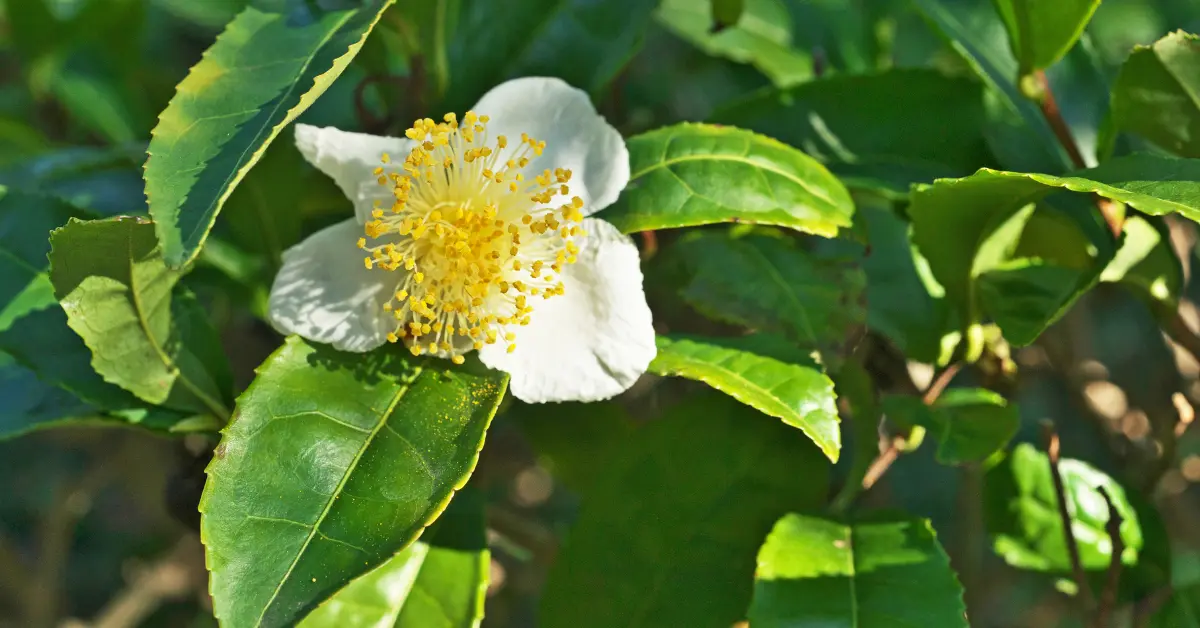
Growing Camellia Sinensis (Tea Plants) in Containers: A Complete Guide for Beginners
If you’ve ever wanted to sip a steaming, homegrown cup of fresh green, black, or [...]
Aug
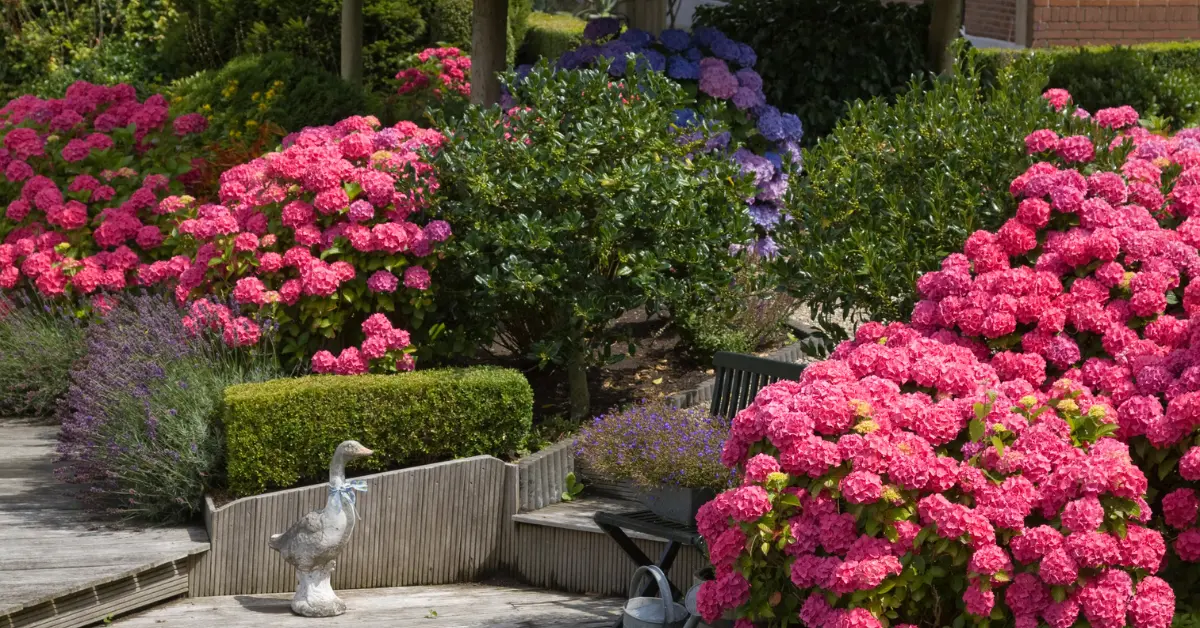
6 Best Shrubs to Plant in August You Must Try
Have you ever walked through a nursery late in the summer, admired the vibrant shrubs [...]
Aug
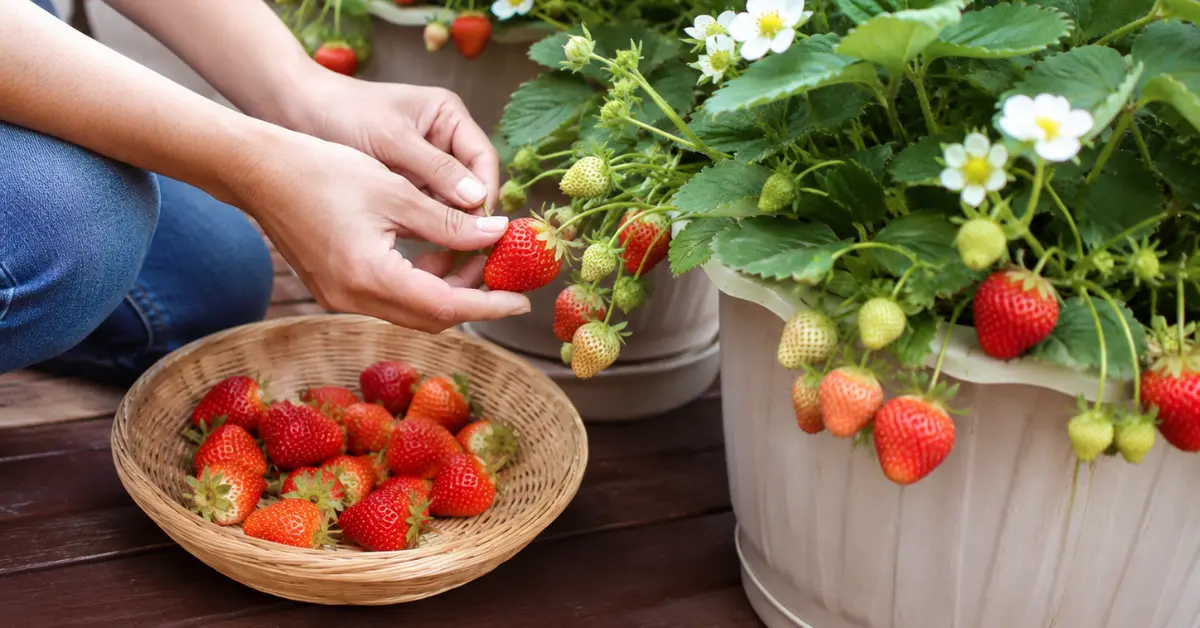
Growing Everbearing Strawberries in Containers: A Complete Guide for Beginners
Want to grow sweet, fresh strawberries but do not have a large garden? Everbearing strawberries [...]
Aug
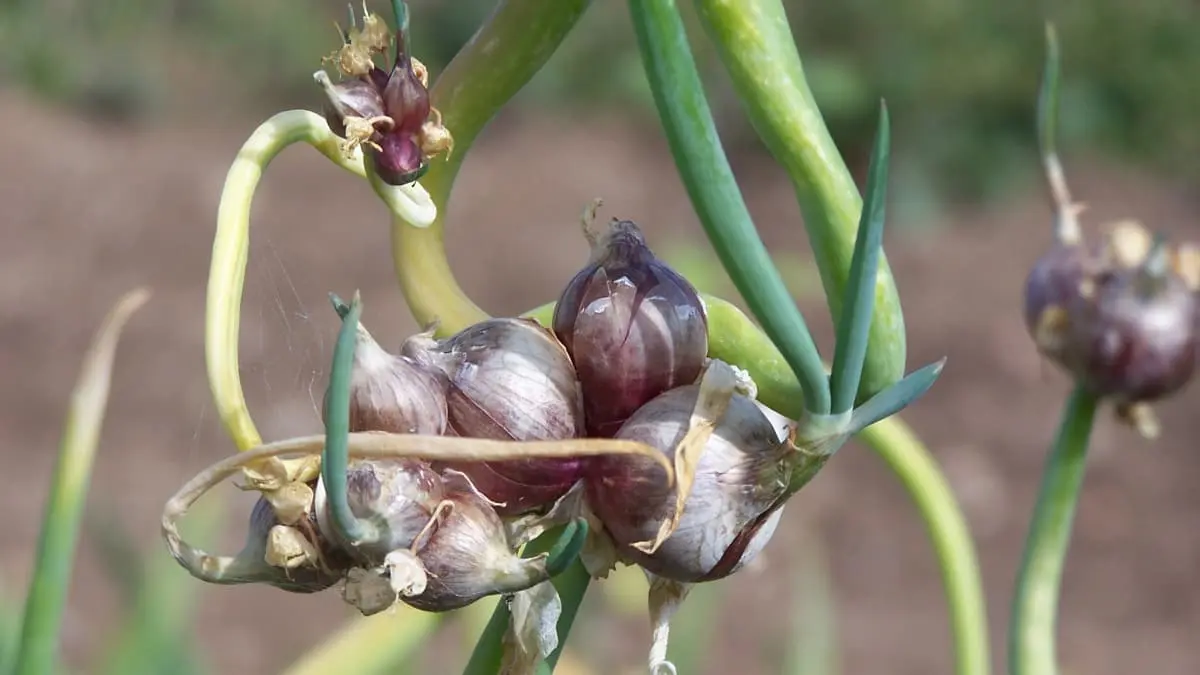
Growing Egyptian Walking Onions in Containers: A Complete Guide for Beginners
If you’re looking for a hardy, no-fuss perennial onion that keeps on giving year after [...]
Jul
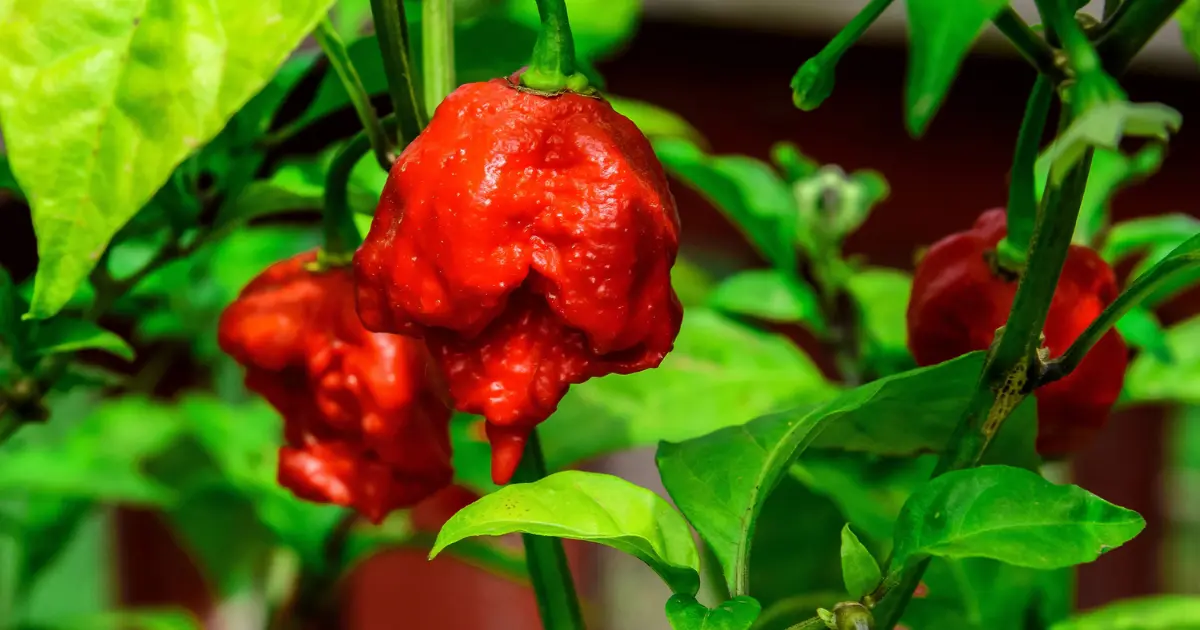
Growing Carolina Reaper Peppers in Pots: A Complete Guide for Beginners
If you’ve ever wanted to add some serious, record-breaking heat to your home cooking, you’ve [...]
May
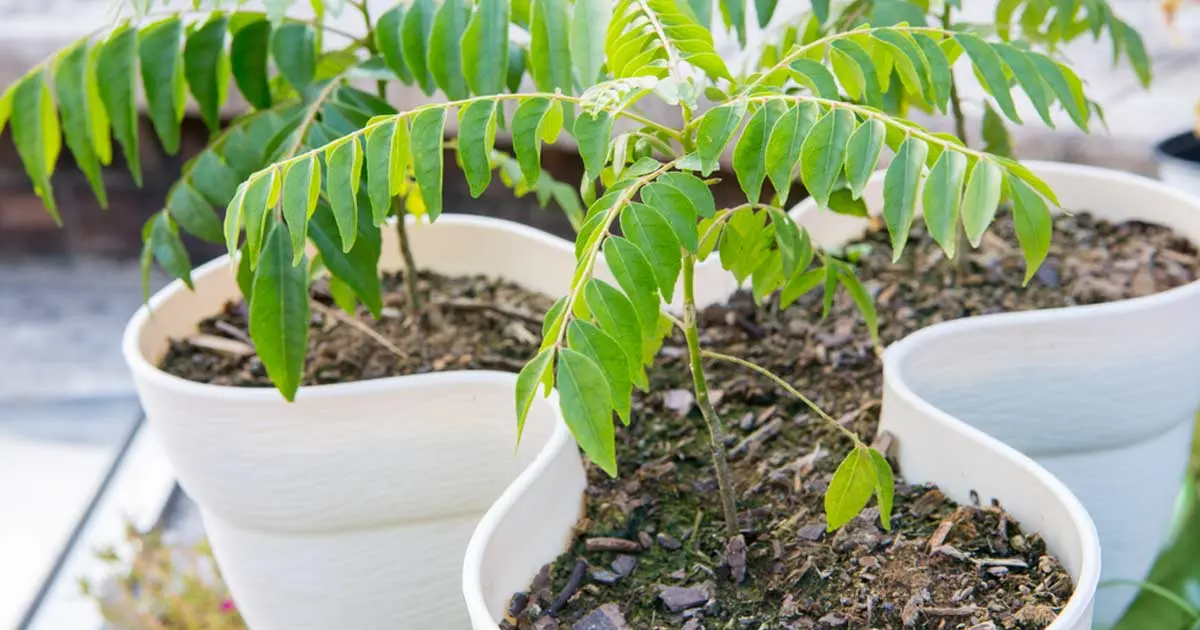
Growing Curry Leaf Plant in Pots: A Complete Guide for Beginners
If you’re a fan of authentic South Asian cuisine, you already know that nothing compares [...]
May
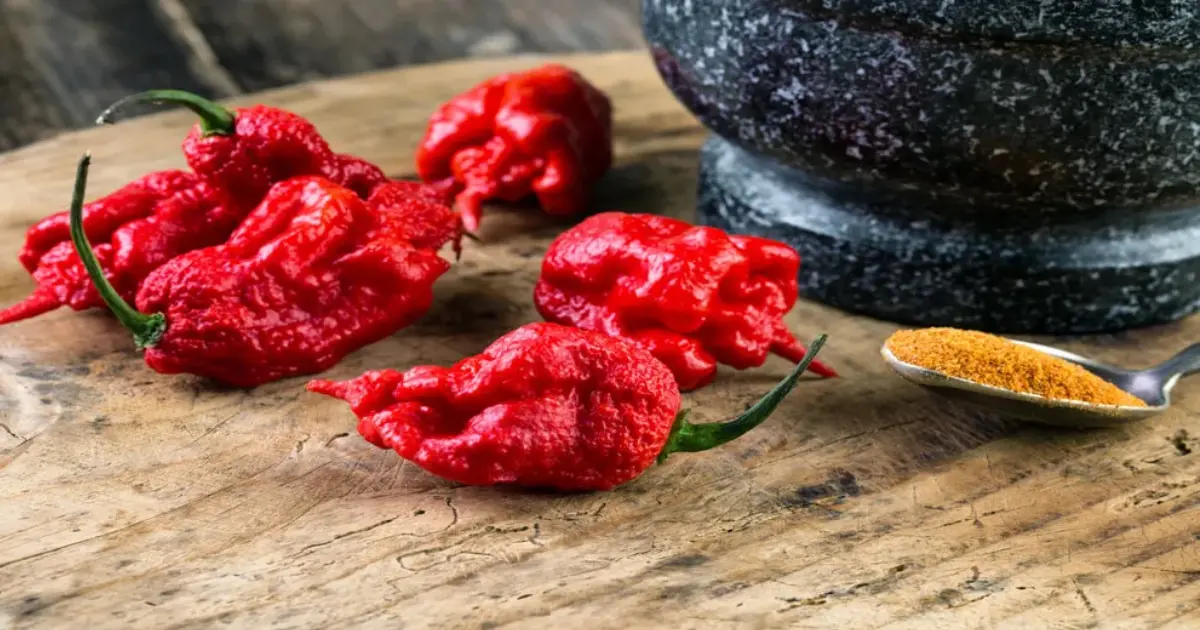
5 Tips for Growing Carolina Reaper Peppers to Get the Spiciest Harvest Ever
Holding the record for one of the world’s hottest peppers, the Reaper isn’t just a [...]
May
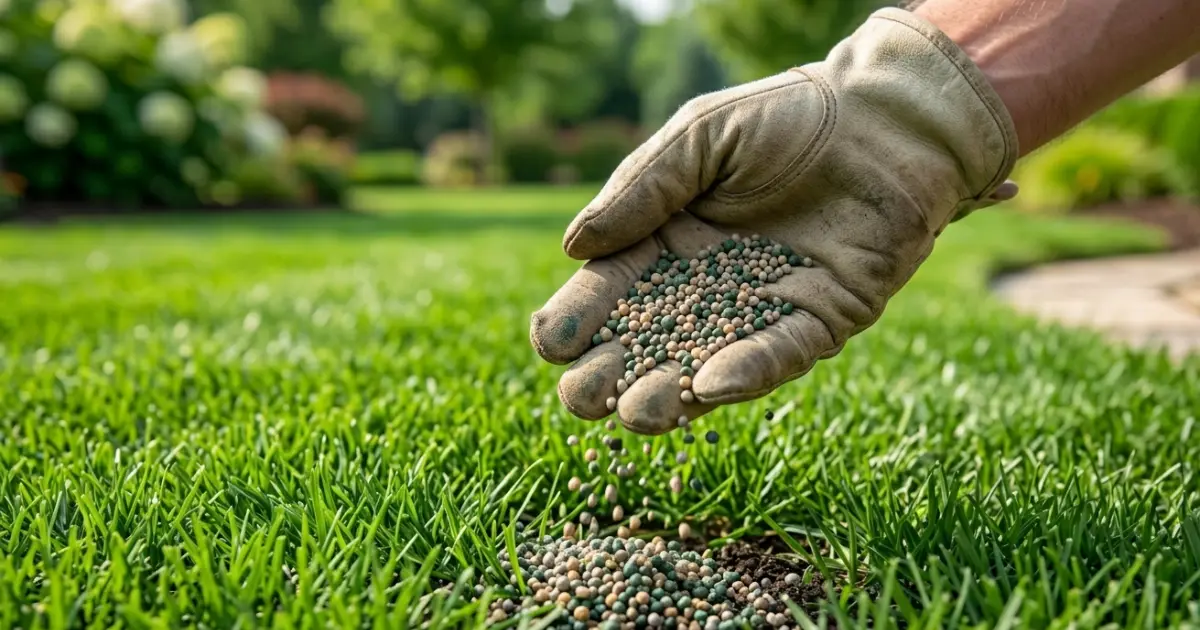
Best Fertilizers for Zoysia Grass in 2026: Get a Lush Lawn
As we enter the new year, the time has come to think about how we [...]
Apr
Reviews
There are no reviews yet.