
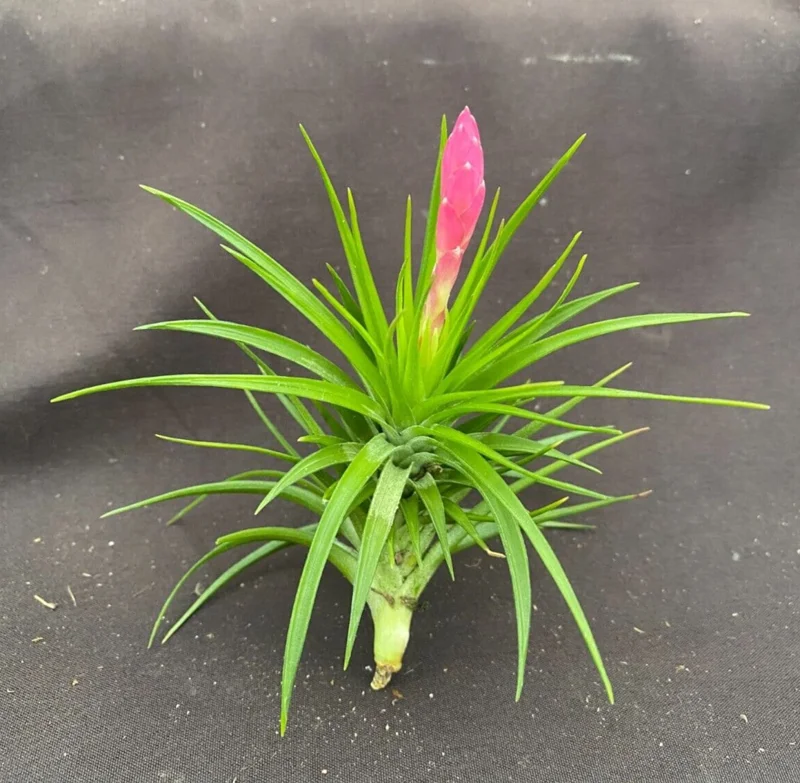
Tillandsia tenuifolia ‘Emerald Forest’ Live Air Plant – Easy Care
Original price was: $27.99.$13.99Current price is: $13.99.
Bring vibrant greenery into your home with the Tillandsia tenuifolia ‘Emerald Forest’ air plant. This captivating air plant, known for its lush green foliage, is incredibly easy care air plant, requiring no soil and minimal attention. Perfect for adding a touch of nature to any indoor space, it’s an ideal choice for both beginners and experienced plant enthusiasts.
Estimated arrival
Oct 11
Oct 16 - Oct 18
Oct 21 - Oct 25

Reasonable Price
We offer reasonable price

Support 24/7
Contact us 24 hrs a day

100% Money Back
You've 30 days to Return

Payment Secure
100% secure payment
Overview
Introduce a touch of vibrant, natural beauty into your living space with the exquisite Tillandsia tenuifolia ‘Emerald Forest’ air plant. This unique botanical specimen, often referred to simply as the Emerald Forest Tillandsia, is a captivating variety of air plant celebrated for its dense, bright green foliage that forms a lush, forest-like cluster. Unlike traditional potted plants, Tillandsias are epiphytes, meaning they absorb water and nutrients directly from the air through specialized scales on their leaves, making them incredibly versatile and low-maintenance. This particular live air plant is a fantastic choice for anyone looking to add unique greenery without the fuss of soil, pots, or extensive gardening knowledge. Its charming appearance and resilient nature make it a perfect decorative element for terrariums, display shelves, or creative arrangements, bringing a serene, verdant vibe to any room.
The Tillandsia tenuifolia ‘Emerald Forest’ air plant is known for its relatively compact size and robust growth, making it an excellent candidate for various indoor environments. It’s a true marvel of nature, showcasing how life can thrive in unexpected ways. Whether you’re a seasoned plant collector or just starting your green journey, this air plant offers an engaging and rewarding experience with its minimal care requirements and stunning visual appeal. It’s truly a testament to the beauty and adaptability of the plant kingdom, proving that you don’t need a green thumb to enjoy thriving indoor plants.
Key Benefits
The Tillandsia tenuifolia ‘Emerald Forest’ air plant offers a multitude of benefits, making it a popular choice for enhancing indoor environments. Its unique growth habit and striking appearance contribute to a refreshing and aesthetically pleasing atmosphere.
- Low Maintenance: One of the most significant advantages of the Tillandsia tenuifolia ‘Emerald Forest’ air plant is its incredibly low maintenance. As an epiphyte, it doesn’t require soil, eliminating the need for repotting or worrying about soil-borne pests. This makes it a perfect plant for busy individuals or those new to gardening.
- Versatile Decor: With no need for soil, this air plant can be displayed in countless creative ways. Arrange it in glass terrariums, on driftwood, in decorative bowls, or simply place it on a shelf. Its adaptability allows for endless possibilities to complement your home decor.
- Air Purifying Qualities: Like many plants, Tillandsias contribute to a healthier indoor environment by naturally filtering airborne toxins and producing oxygen. While not as potent as larger plants, every little bit helps improve air quality.
- Unique Aesthetic Appeal: The dense, vibrant green foliage of the ‘Emerald Forest’ variety creates a captivating visual display. Its unique texture and form add an exotic and natural touch that can draw attention and spark conversation.
- Compact Size: This easy care air plant typically remains relatively small, making it ideal for apartments, small desks, or areas where space is limited. It provides a significant visual impact without taking up much room.
- Pet-Friendly: Tillandsias are generally considered non-toxic to pets, making them a safe choice for households with cats, dogs, or other animals. This provides peace of mind for pet owners who want to enjoy indoor greenery.
- No Pests: Since these plants do not grow in soil, they are far less susceptible to common houseplant pests like fungus gnats or spider mites that often plague potted plants. This contributes to an easier and cleaner indoor gardening experience.
Plant Care & Growing Tips
Caring for your Tillandsia tenuifolia ‘Emerald Forest’ air plant is straightforward, making it an excellent choice for beginners. The key is to mimic its natural environment, providing adequate light, moisture, and air circulation. For optimal growth, place your Emerald Forest Tillandsia in a location that receives bright, indirect light. East or west-facing windows are often ideal, as they provide gentle morning or afternoon sun. Avoid direct, intense sunlight, especially during the hottest parts of the day, as this can scorch the leaves. If natural light is limited, a grow light can be used, ensuring it’s not too close to prevent burning. Good air circulation is also crucial; stagnant air can lead to rot, so avoid placing it in enclosed, unventilated spaces.
Watering is the most critical aspect of air plant care. The most common method is to soak your air plant in a bowl of room-temperature, filtered water for 20-30 minutes once a week. After soaking, gently shake off excess water and place it upside down on a towel in a well-ventilated area to dry completely within 2-4 hours. This prevents rot at the base. In drier climates or during warmer months, you may need to mist your air plant 2-3 times a week in addition to soaking. Ensure the plant is fully dry before returning it to its display area. Fertilization is not strictly necessary but can encourage blooming and growth. Use a Tillandsia-specific fertilizer or a very diluted orchid fertilizer once a month during the growing season (spring and summer). Remember, this is an air plant no soil, so traditional potting methods are not applicable. Maintaining these simple care routines will ensure your live air plants indoor thrive and continue to beautify your home.
Size & Details
The Tillandsia tenuifolia ‘Emerald Forest’ air plant typically grows to a modest size, making it perfect for desktop displays, terrariums, or small nooks. Individual plants usually reach a height of 3 to 5 inches and a width of 2 to 4 inches, though they can form larger clumps over time. This variety is known for its relatively slow to moderate growth rate, gradually expanding its dense, emerald green foliage. When shipped, the air plant will arrive as a healthy, mature specimen, ready for display. It originates from tropical and subtropical regions, preferring warm temperatures between 60-85°F (15-29°C) and moderate to high humidity. Under ideal conditions, this air plant may produce small, delicate flowers, typically in shades of pink or purple, adding an extra layer of charm.
Frequently Asked Questions
- Q: How big does this air plant get? A: The Tillandsia tenuifolia ‘Emerald Forest’ air plant typically grows to about 3 to 5 inches tall and 2 to 4 inches wide. It can form larger clumps over time, creating a fuller, more substantial display.
- Q: Is this an indoor or outdoor plant? A: While it can thrive outdoors in very warm, humid, frost-free climates, the Tillandsia tenuifolia ‘Emerald Forest’ air plant is primarily considered an indoor plant for most US customers. It prefers stable indoor temperatures and humidity.
- Q: How much sunlight does it need? A: This air plant requires bright, indirect light. Avoid direct, harsh sunlight, which can scorch its leaves. East or west-facing windows are often ideal, or a few feet away from a south-facing window.
- Q: Is this plant easy to care for? A: Yes, the Tillandsia tenuifolia ‘Emerald Forest’ air plant is renowned for being an easy care air plant. It requires no soil, and its watering needs are met with weekly soaks and occasional misting, making it suitable for beginners.
- Q: What condition will the air plant arrive in? A: Your air plant will arrive as a healthy, live specimen, carefully packaged to ensure its safe transit. It will be ready for you to unbox and display immediately.
- Q: How do I water my Emerald Forest Tillandsia? A: The best way to water your Emerald Forest Tillandsia is to soak it in room-temperature water for 20-30 minutes once a week. After soaking, gently shake off excess water and allow it to dry completely upside down in a well-ventilated area.
- Q: Does this air plant need soil? A: No, this is an air plant no soil. Tillandsias are epiphytes and absorb all the moisture and nutrients they need through their leaves, making soil unnecessary and potentially harmful.
- Q: Is the ‘Emerald Forest’ Tillandsia pet-safe? A: Yes, Tillandsias, including the Tillandsia tenuifolia ‘Emerald Forest’ air plant, are generally considered non-toxic to pets, making them a safe choice for homes with animals.
- Q: How often should I fertilize my air plant? A: Fertilization is optional. If you choose to fertilize, use a Tillandsia-specific or highly diluted orchid fertilizer once a month during the spring and summer growing seasons.
- Q: What are some creative ways to display live air plants indoor? A: You can display your air plant in glass terrariums, on pieces of driftwood or cork bark, in decorative ceramic holders, or simply nestled among other decorative items on a shelf. The possibilities for live air plants indoor are endless due to their soil-free nature.
Be the first to review “Tillandsia tenuifolia ‘Emerald Forest’ Live Air Plant – Easy Care”
-
USDA Hardiness Zone
unknown (typically grown indoors) -
Soil Type
No soil required (epiphytic) -
Sunlight Exposure
Bright indirect light -
Expected Planting Period
Year-round indoors
People Also Viewd
Sold 134 products
Original price was: $3,536.00.$23.99Current price is: $23.99.
Sold 132 products
Original price was: $27.00.$24.00Current price is: $24.00.
Sold 132 products
Original price was: $89.99.$64.99Current price is: $64.99.

Sold 125 products
Original price was: $86.99.$66.99Current price is: $66.99.
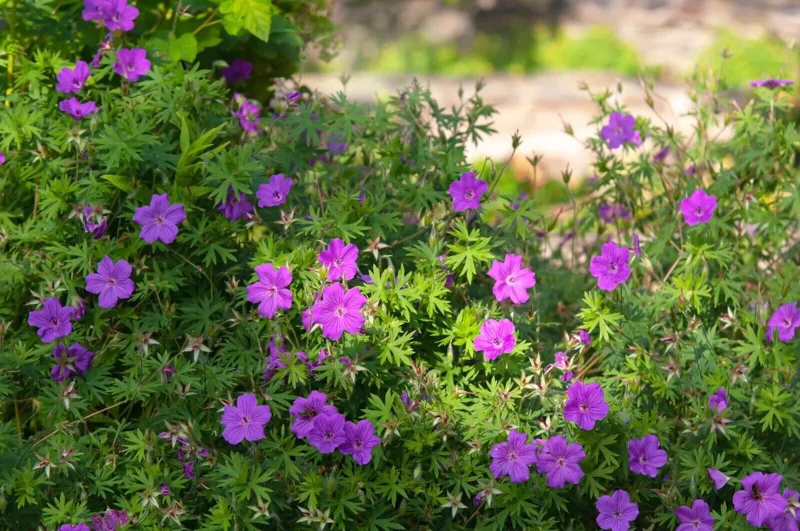
Flower Bulbs
3 Cranesbill Wild Geranium Organic Maculatums Bare Roots | Wildflower for Outdoor Garden
Sold 116 products
Original price was: $21.99.$9.99Current price is: $9.99.
Sold 114 products
Original price was: $28.99.$17.99Current price is: $17.99.
Sold 110 products
Original price was: $63.99.$28.99Current price is: $28.99.
Sold 108 products
Original price was: $28.99.$17.99Current price is: $17.99.RELATED posts
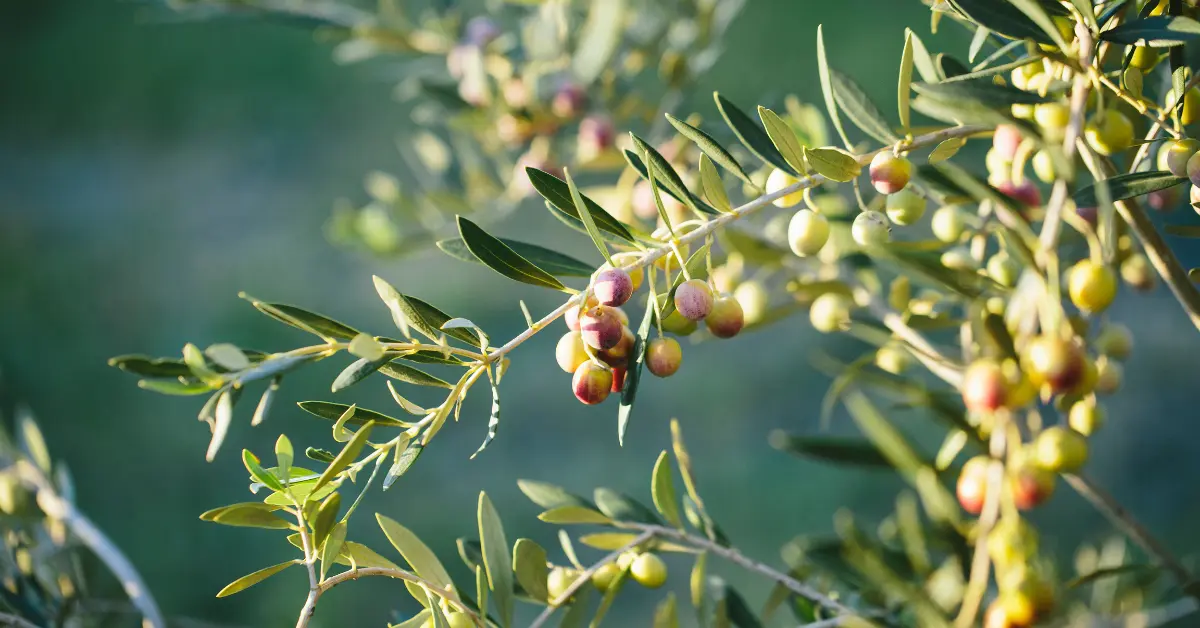
How to Grow Arbequina Olive Trees: The Ultimate Guide to Your Own Olive Grove
Arbequina Olive Tree (Olea europaea ‘Arbequina’) – the ultimate Mediterranean plant that brings a touch [...]
Oct
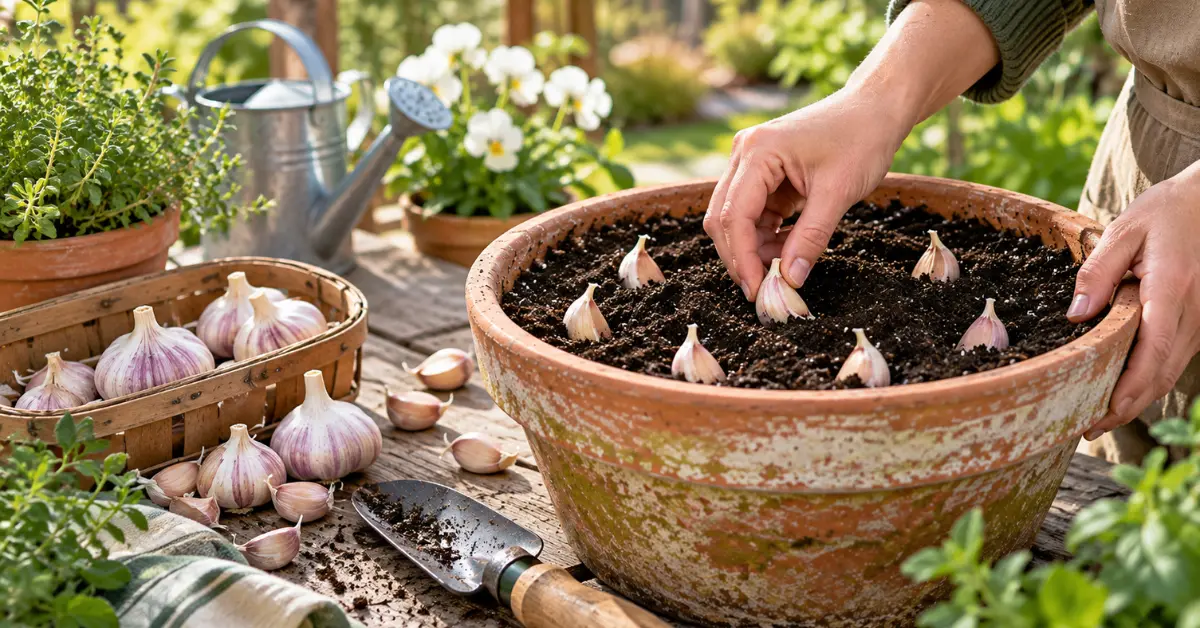
Growing Garlic in Containers This Fall: A Complete Guide for Beginners
If you’ve ever wanted to pop fresh, aromatic garlic cloves straight from your own patio [...]
Sep
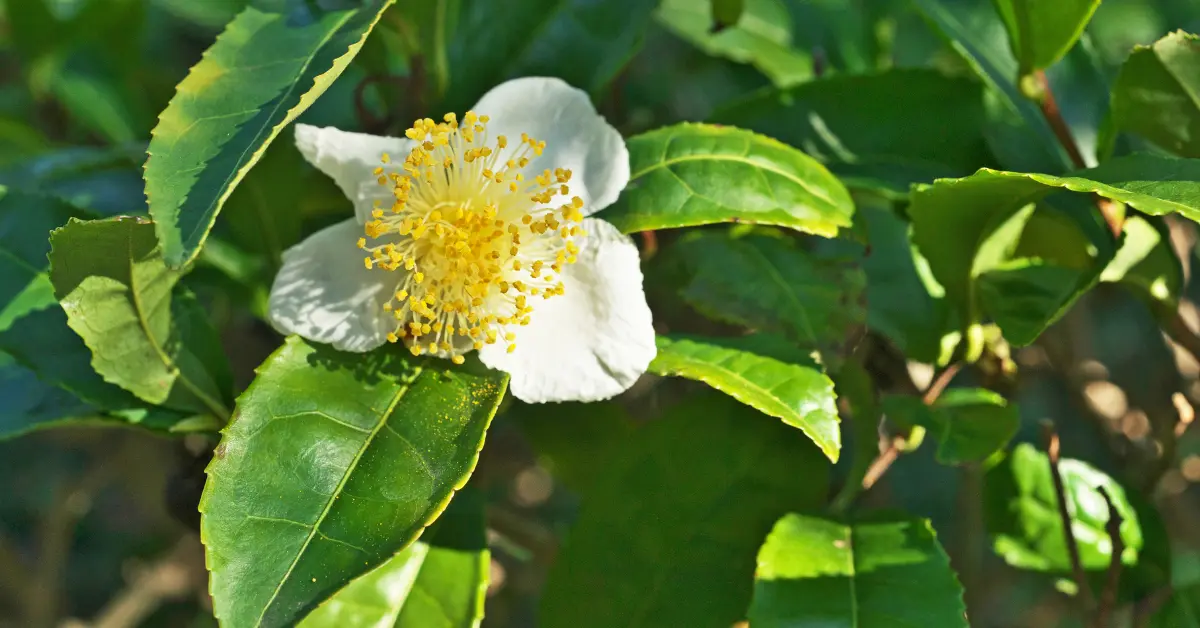
Growing Camellia Sinensis (Tea Plants) in Containers: A Complete Guide for Beginners
If you’ve ever wanted to sip a steaming, homegrown cup of fresh green, black, or [...]
Aug
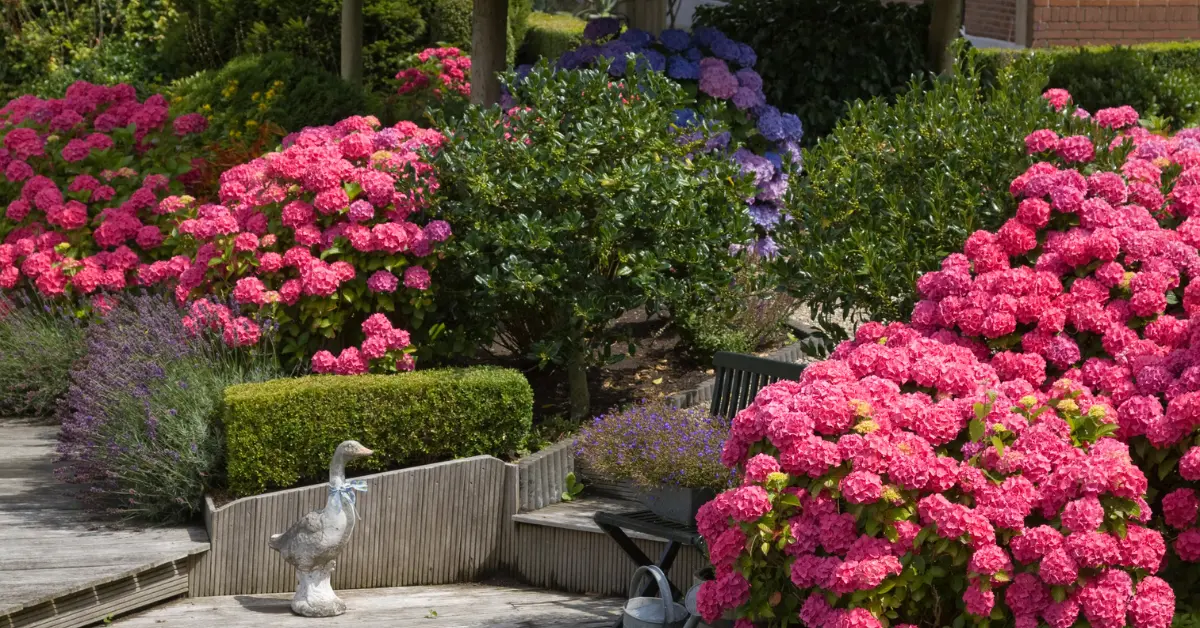
6 Best Shrubs to Plant in August You Must Try
Have you ever walked through a nursery late in the summer, admired the vibrant shrubs [...]
Aug
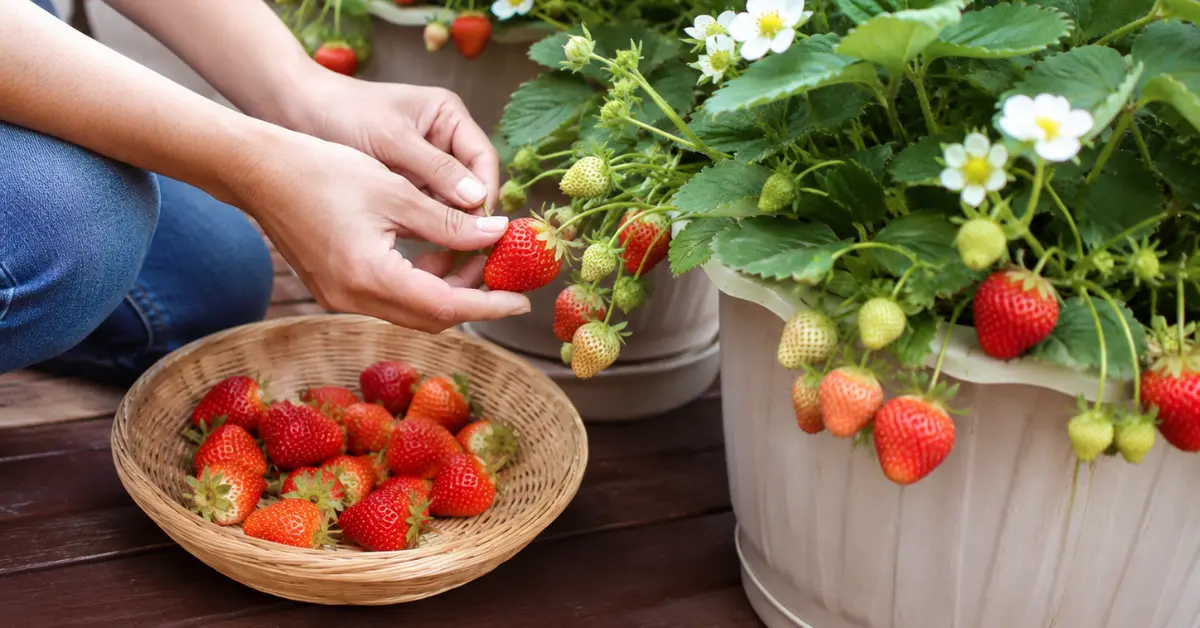
Growing Everbearing Strawberries in Containers: A Complete Guide for Beginners
Want to grow sweet, fresh strawberries but do not have a large garden? Everbearing strawberries [...]
Aug
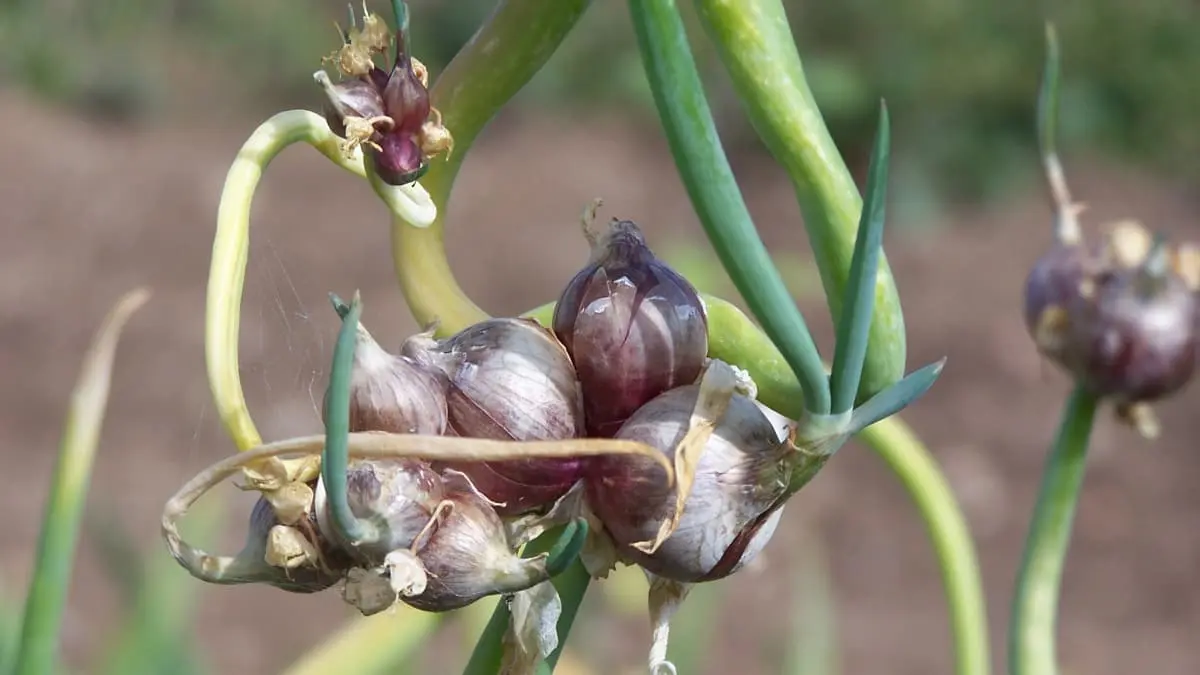
Growing Egyptian Walking Onions in Containers: A Complete Guide for Beginners
If you’re looking for a hardy, no-fuss perennial onion that keeps on giving year after [...]
Jul
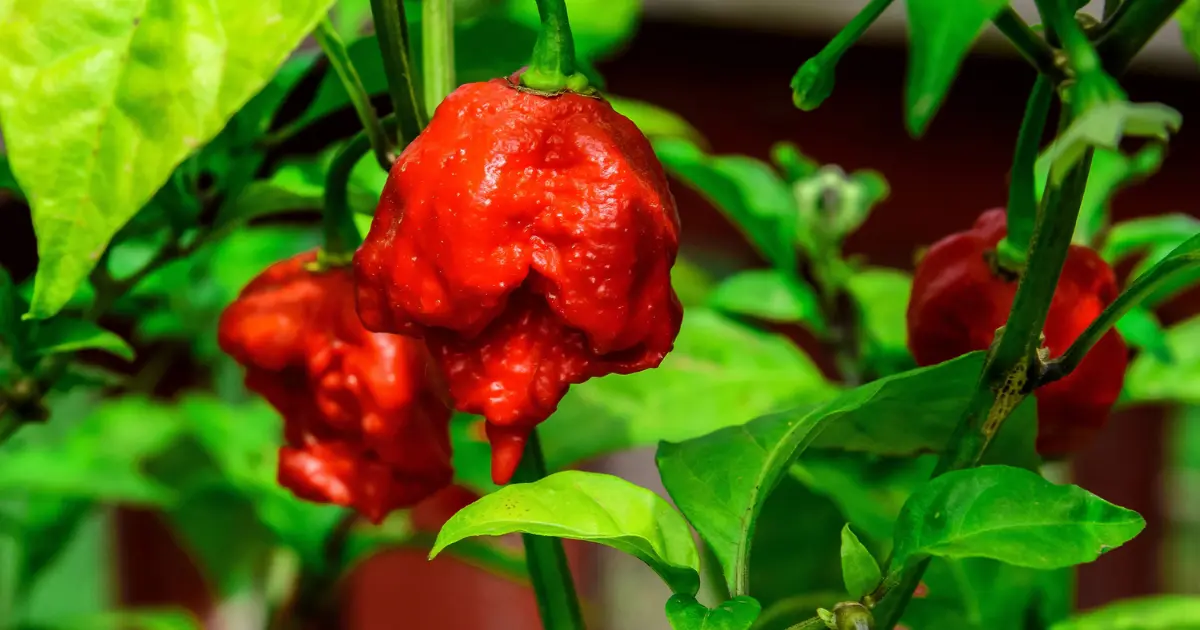
Growing Carolina Reaper Peppers in Pots: A Complete Guide for Beginners
If you’ve ever wanted to add some serious, record-breaking heat to your home cooking, you’ve [...]
May
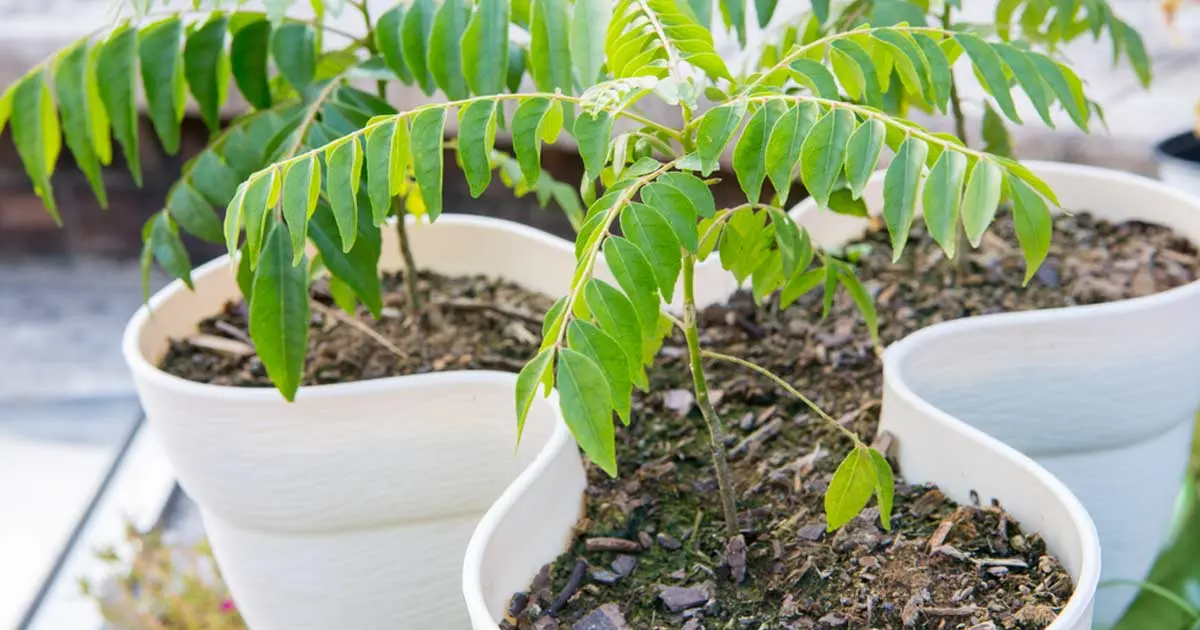
Growing Curry Leaf Plant in Pots: A Complete Guide for Beginners
If you’re a fan of authentic South Asian cuisine, you already know that nothing compares [...]
May
Reviews
There are no reviews yet.