
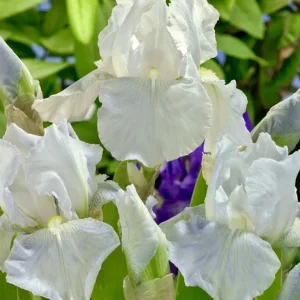
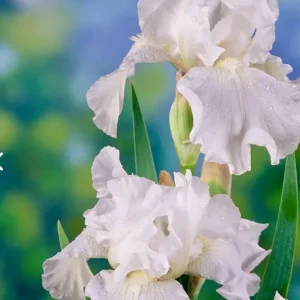
White Immortality Bearded Iris Bare Root Plant – Reblooming, Easy to Grow, Tall
Original price was: $57.00.$20.99Current price is: $20.99.
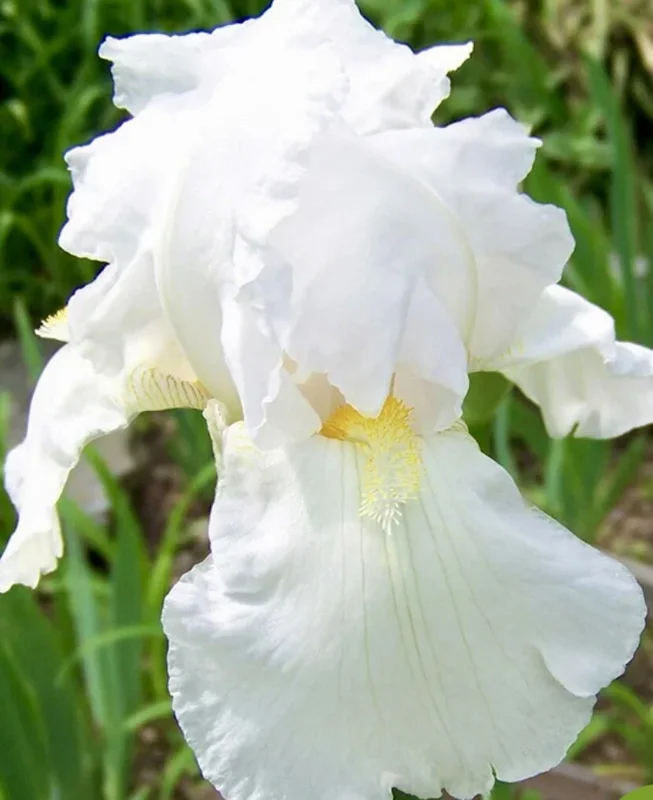
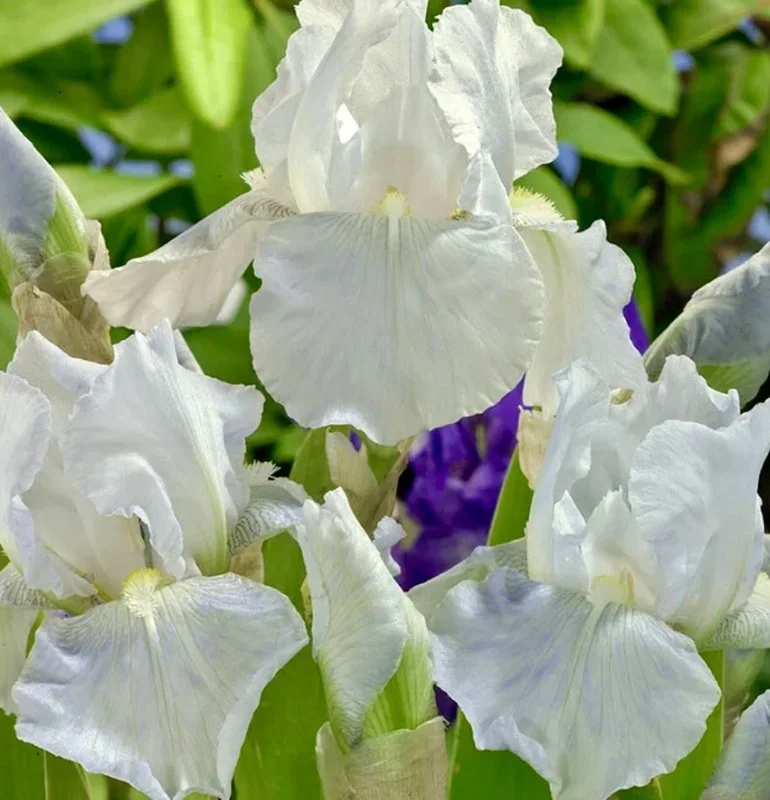
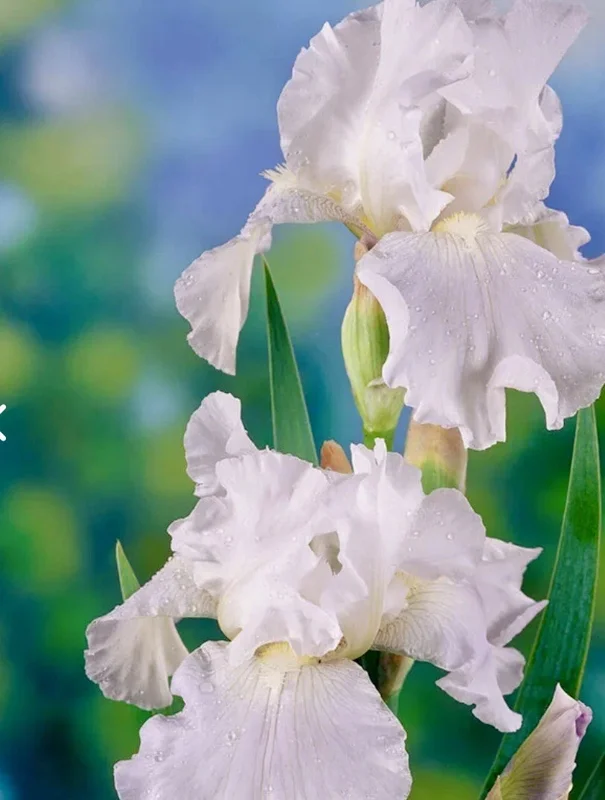
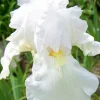
Bring timeless elegance to your garden with the white immortality bearded iris. This stunning reblooming variety produces pure white, fragrant blooms on tall stalks, offering beauty from spring through fall. Shipped as a bare root iris, it’s an easy to grow iris that establishes quickly, perfect for borders or perennial beds.
Estimated arrival
Oct 05
Oct 10 - Oct 12
Oct 15 - Oct 19

Reasonable Price
We offer reasonable price

Support 24/7
Contact us 24 hrs a day

100% Money Back
You've 30 days to Return

Payment Secure
100% secure payment
Overview
Introduce a touch of classic beauty to your landscape with the magnificent white immortality bearded iris. This exceptional perennial is celebrated for its pristine, snow-white flowers that exude a delicate fragrance, making it a garden favorite. Unlike many iris varieties, ‘White Immortality’ is a reliable rebloomer, gracing your garden with blossoms not just in late spring, but often again in late summer or early fall. This means an extended season of enjoyment from its elegant, ruffled petals and stately presence. As a reblooming iris plant, it provides continuous visual interest and a captivating aroma throughout much of the growing season. Shipped as a dormant bare root, it is ready to be planted and establish itself, promising years of breathtaking displays.
The botanical name for this group of plants is Iris germanica, known for their distinctive “beards” – fuzzy growths on the lower petals that guide pollinators. ‘White Immortality’ stands out for its vigorous growth and remarkable ability to produce a second flush of blooms, a highly prized characteristic among gardeners. Whether you’re a seasoned enthusiast or new to gardening, this iris offers a rewarding experience with minimal fuss, transforming ordinary spaces into extraordinary floral showcases. Its strong, upright form makes it an ideal choice for adding vertical interest to your garden design.
Key Benefits
The white immortality bearded iris offers a wealth of advantages for any garden, combining aesthetic appeal with robust performance. Discover why this reblooming beauty is a must-have:
-
Extended Bloom Season: Enjoy a prolonged period of spectacular flowers. This reblooming iris plant typically blooms in late spring and then again in late summer or early fall, providing continuous color and fragrance when many other plants have faded. This extended display ensures your garden remains vibrant for longer.
-
Stunning Pure White Flowers: The pristine, pure white petals of ‘White Immortality’ create a striking contrast against green foliage and other colorful blooms. Its elegant form and ruffled texture make it a focal point in any garden setting, adding sophistication and brightness.
-
Fragrant Blooms: Beyond its visual appeal, this iris delights with a subtle, sweet fragrance. Planting it near pathways or seating areas allows you to fully appreciate its enchanting scent, enhancing your garden’s sensory experience.
-
Easy to Grow and Low Maintenance: This variety is renowned for being an easy to grow iris, making it suitable for gardeners of all skill levels. Once established, it requires minimal care, tolerating a range of conditions and proving quite drought-tolerant, reducing the need for constant attention.
-
Versatile Garden Use: The tall white iris is perfect for various landscape applications. Use it in perennial borders, as a mass planting for dramatic effect, in cut flower gardens, or even in large containers to bring its beauty closer to your patio or deck. Its upright habit provides excellent vertical interest.
-
Attracts Pollinators: The vibrant flowers and fragrance of the white immortality bearded iris naturally attract beneficial pollinators like bees and butterflies to your garden, contributing to a healthy ecosystem and supporting local wildlife.
-
Deer and Rabbit Resistant: Gardeners often struggle with pests, but this iris is generally resistant to deer and rabbits, allowing its beauty to flourish undisturbed. This natural defense makes it a worry-free addition to your outdoor spaces.
Plant Care & Growing Tips
Caring for your white immortality bearded iris is straightforward, ensuring a spectacular display year after year. These resilient plants thrive with proper siting and basic maintenance. For optimal growth and prolific reblooming, choose a location that receives at least 6-8 hours of direct sunlight each day. Good air circulation is also crucial to prevent fungal diseases. When planting your bare root iris, ensure the rhizome is barely covered by soil, with the top exposed to the sun. Dig a shallow hole, create a mound of soil in the center, spread the roots over the mound, and backfill, leaving the top of the rhizome visible. Proper planting is key to encouraging a robust reblooming iris plant.
Soil and Watering: Bearded irises prefer well-draining soil. Sandy loam is ideal, but they can adapt to various soil types as long as drainage is excellent. Avoid heavy, waterlogged soils, which can lead to rhizome rot. Once established, irises are quite drought-tolerant, but regular watering is beneficial during dry spells, especially when flowers are forming. Water deeply but infrequently, allowing the soil to dry out between waterings. Overwatering is a common mistake that can harm these plants. Fertilize sparingly in early spring with a low-nitrogen fertilizer, as too much nitrogen can promote foliage growth at the expense of blooms.
Maintenance and Hardiness: Deadhead spent blooms to encourage further reblooming and maintain a tidy appearance. In late fall, after the first hard frost, cut back the foliage to about 6 inches to remove any potential overwintering pests or diseases. The white immortality bearded iris is hardy in USDA Zones 3-9, making it suitable for a wide range of climates. In colder zones, a layer of mulch can provide extra winter protection, though it should be removed in spring to expose the rhizomes to the sun. Dividing crowded clumps every 3-5 years in late summer or early fall will rejuvenate the plants and improve flowering.
Size & Details
The white immortality bearded iris typically reaches a mature height of 30-36 inches (75-90 cm), making it a truly tall white iris that stands out in the garden. Its sturdy flower stalks support multiple large, pure white blooms, creating an impressive vertical accent. This offering includes 1 bare root plant, ready for planting upon arrival. When planting, space individual rhizomes approximately 12-18 inches apart to allow for proper air circulation and growth. The plant has a moderate growth rate, establishing well in its first year and typically beginning to bloom in its second season after planting, with reblooming potential increasing as the plant matures. Expect blooms in late spring, with a strong possibility of a second flush in late summer or early fall, especially in favorable climates and with good care.
This bare root iris is a mature division, ensuring it has the energy reserves to establish quickly and produce vigorous growth. While the exact size of the rhizome may vary, it will be healthy and ready for planting. The ‘White Immortality’ iris is known for its robust nature and ability to form substantial clumps over time, providing an ever-increasing display of its elegant flowers. For best results, plant in a sunny location with well-draining soil as soon as conditions allow in spring or late summer/early fall.
Frequently Asked Questions
-
Q: How big does this plant get?
A: The white immortality bearded iris is a tall white iris, typically reaching a mature height of 30-36 inches (75-90 cm) with its flower stalks. This makes it an excellent choice for adding vertical interest to your garden beds and borders, standing proudly above other perennials. -
Q: What condition will it arrive in?
A: This product is shipped as a bare root iris. This means you will receive a dormant rhizome without soil or a pot. Bare roots are an excellent way to ship plants, as they are less prone to transplant shock and establish vigorously once planted in your garden. -
Q: Is this an indoor or outdoor plant?
A: The white immortality bearded iris is an outdoor perennial plant. It thrives in sunny garden beds and borders, providing beautiful blooms year after year. It is not suitable for long-term indoor cultivation. -
Q: How much sunlight does it need?
A: For best flowering and overall plant health, this iris requires full sun, meaning at least 6-8 hours of direct sunlight per day. Adequate sun exposure is crucial for encouraging its reblooming capabilities and producing abundant, beautiful flowers. -
Q: Is this plant easy to care for?
A: Yes, the ‘White Immortality’ is known as an easy to grow iris. Once established, it is quite low-maintenance, drought-tolerant, and generally resistant to pests and diseases, making it a great choice for both beginner and experienced gardeners. -
Q: How long until it blooms?
A: Typically, a newly planted bare root iris will establish in its first year and begin to bloom in the second year after planting. As a reblooming iris plant, it will then offer blooms in late spring and potentially again in late summer or early fall each subsequent year. -
Q: Will it survive winter in my zone?
A: The white immortality bearded iris is hardy in USDA Zones 3-9. This wide hardiness range means it can successfully overwinter in many climates. In colder zones, ensuring proper drainage and perhaps a light mulch layer can aid in winter protection. -
Q: How often should I water my iris?
A: Once established, irises are quite drought-tolerant. Water deeply but infrequently, allowing the soil to dry out completely between waterings. Overwatering can lead to rhizome rot, so it’s better to err on the side of underwatering than overwatering. -
Q: When is the best time to plant this bare root iris?
A: The ideal times to plant a bare root iris are in late summer to early fall (about 6-8 weeks before the first hard frost) or in early spring after the danger of hard frost has passed. This allows the plant enough time to establish its root system before extreme temperatures. -
Q: Can I use this iris in cut flower arrangements?
A: Absolutely! The long, sturdy stems and exquisite pure white blooms of the tall white iris make it an excellent choice for fresh cut flower arrangements. Harvesting blooms will also encourage the plant to produce more flowers.
Be the first to review “White Immortality Bearded Iris Bare Root Plant – Reblooming, Easy to Grow, Tall”
-
USDA Hardiness Zone
USDA Zones 3-9 -
Soil Type
Well-draining soil -
Sunlight Exposure
Full sun -
Expected Planting Period
Late summer to early fall or early spring
People Also Viewd


Sold 134 products
Original price was: $3,536.00.$23.99Current price is: $23.99.

Sold 132 products
Original price was: $27.00.$24.00Current price is: $24.00.

Sold 132 products
Original price was: $89.99.$64.99Current price is: $64.99.

Sold 125 products
Original price was: $86.99.$66.99Current price is: $66.99.

Flower Bulbs
3 Cranesbill Wild Geranium Organic Maculatums Bare Roots | Wildflower for Outdoor Garden
Sold 116 products
Original price was: $21.99.$9.99Current price is: $9.99.

Sold 114 products
Original price was: $28.99.$17.99Current price is: $17.99.

Sold 110 products
Original price was: $63.99.$28.99Current price is: $28.99.
Sold 108 products
Original price was: $28.99.$17.99Current price is: $17.99.RELATED posts
How to Grow Arbequina Olive Trees: The Ultimate Guide to Your Own Olive Grove
Arbequina Olive Tree (Olea europaea ‘Arbequina’) – the ultimate Mediterranean plant that brings a touch [...]
Oct
Growing Garlic in Containers This Fall: A Complete Guide for Beginners
If you’ve ever wanted to pop fresh, aromatic garlic cloves straight from your own patio [...]
Sep
Growing Camellia Sinensis (Tea Plants) in Containers: A Complete Guide for Beginners
If you’ve ever wanted to sip a steaming, homegrown cup of fresh green, black, or [...]
Aug
6 Best Shrubs to Plant in August You Must Try
Have you ever walked through a nursery late in the summer, admired the vibrant shrubs [...]
Aug
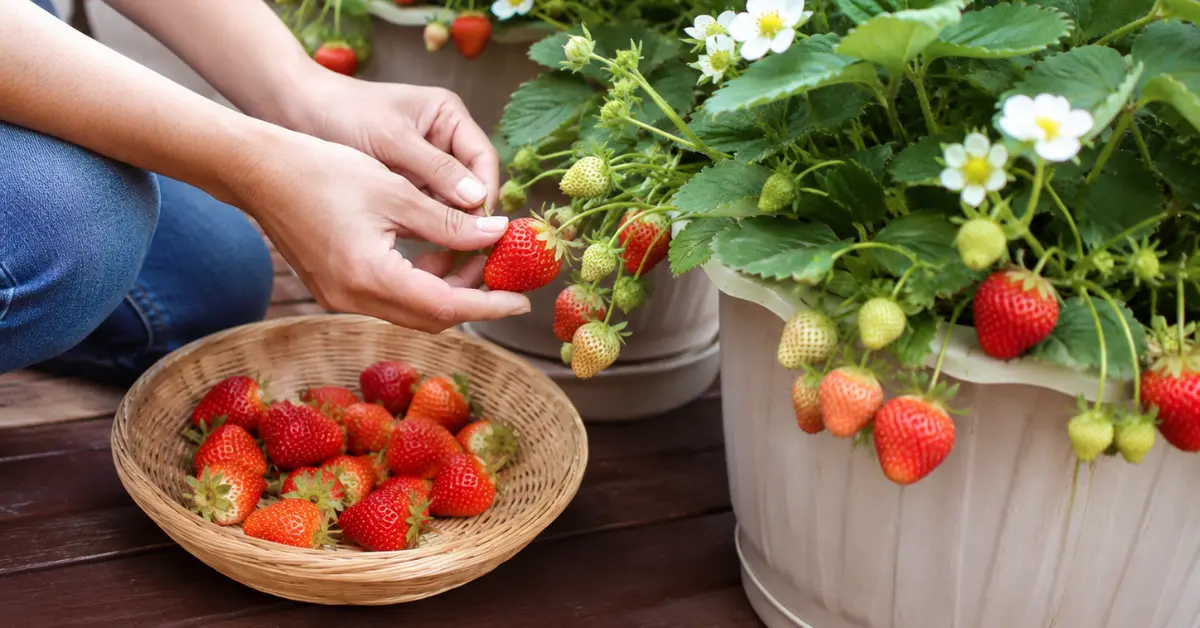
Growing Everbearing Strawberries in Containers: A Complete Guide for Beginners
Want to grow sweet, fresh strawberries but do not have a large garden? Everbearing strawberries [...]
Aug
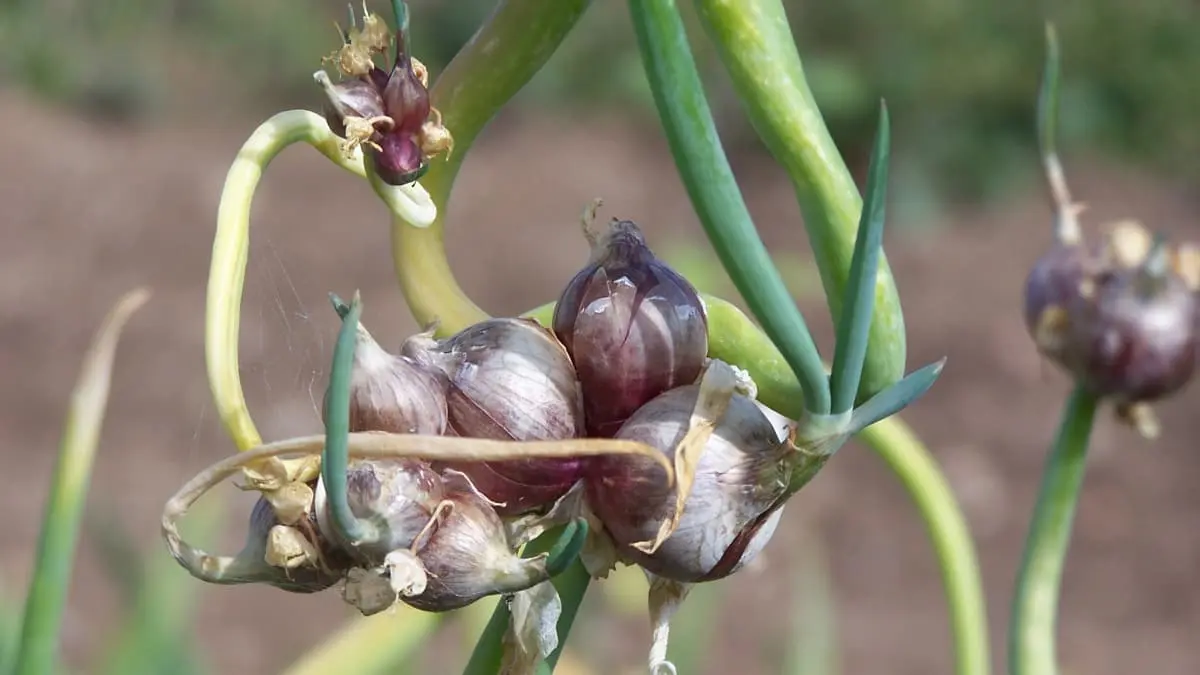
Growing Egyptian Walking Onions in Containers: A Complete Guide for Beginners
If you’re looking for a hardy, no-fuss perennial onion that keeps on giving year after [...]
Jul
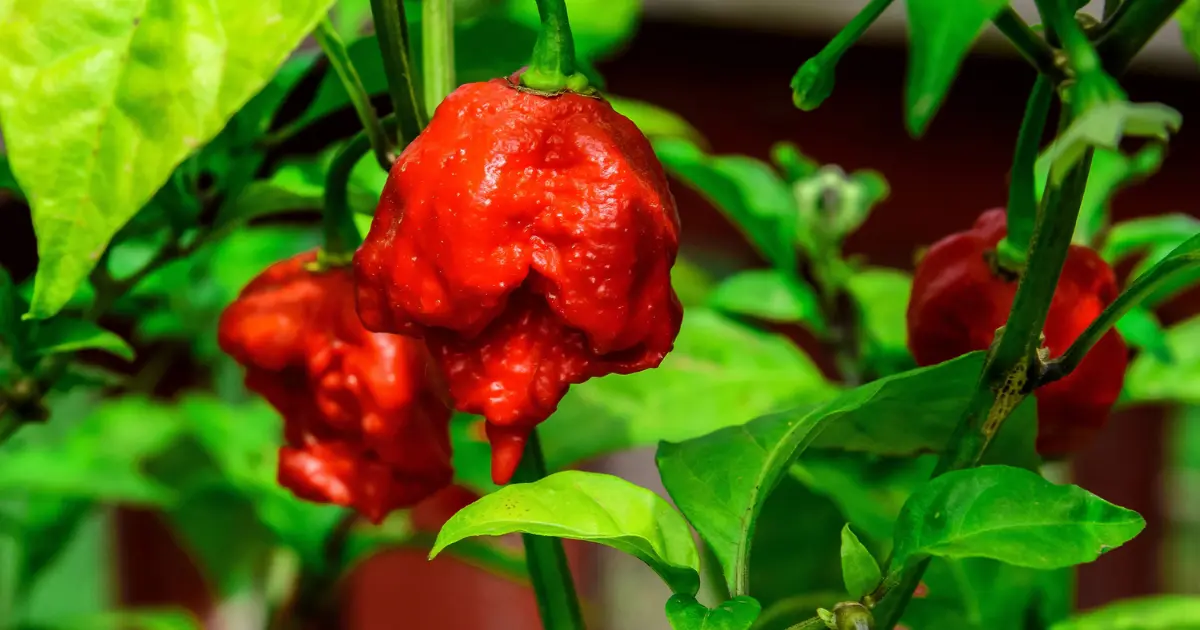
Growing Carolina Reaper Peppers in Pots: A Complete Guide for Beginners
If you’ve ever wanted to add some serious, record-breaking heat to your home cooking, you’ve [...]
May
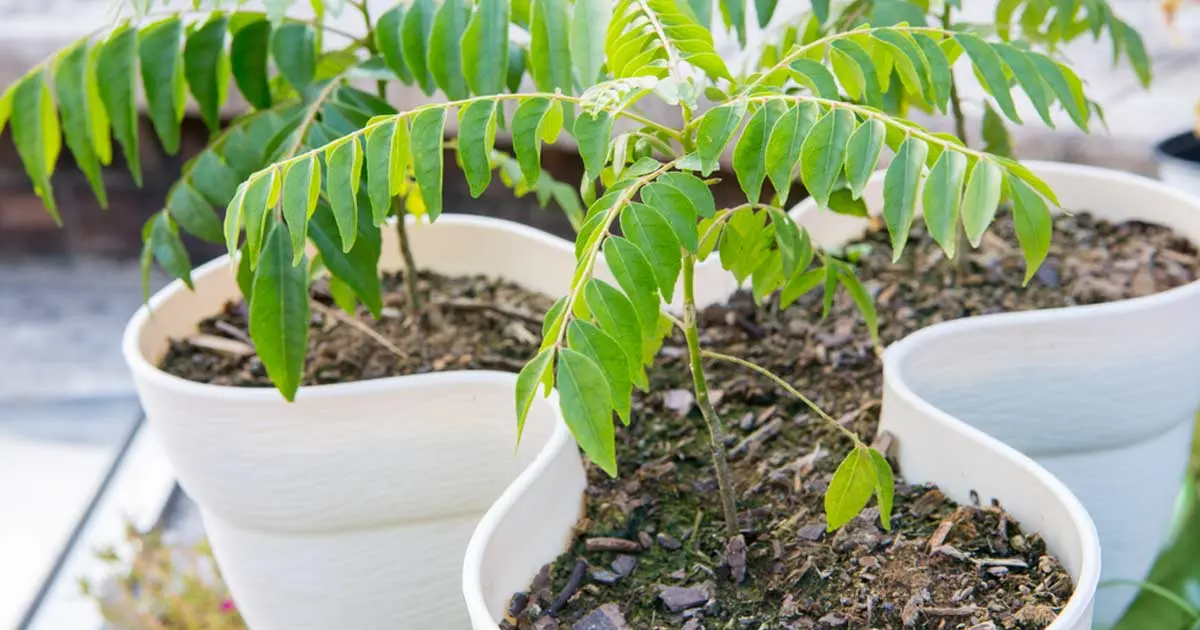
Growing Curry Leaf Plant in Pots: A Complete Guide for Beginners
If you’re a fan of authentic South Asian cuisine, you already know that nothing compares [...]
May


Reviews
There are no reviews yet.