
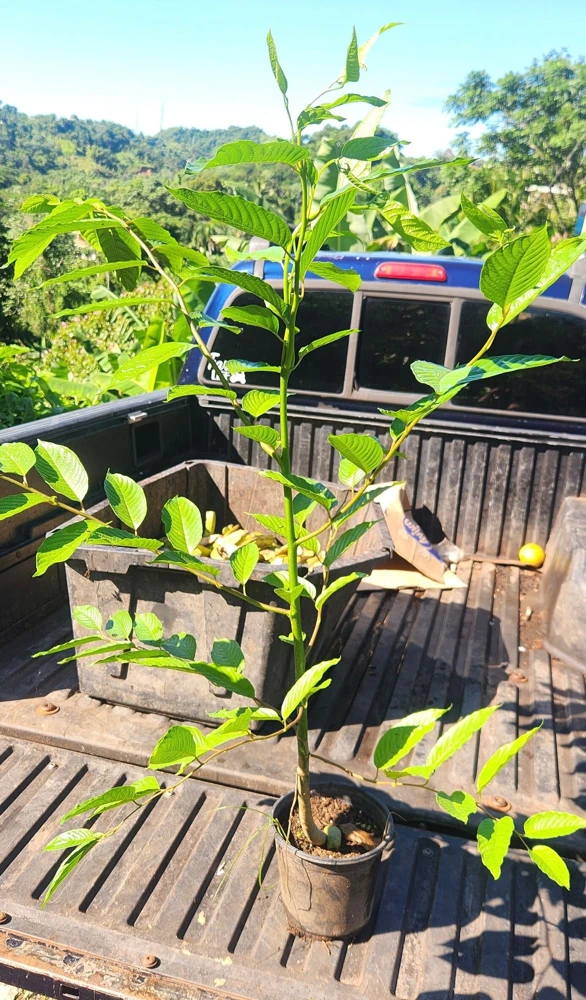
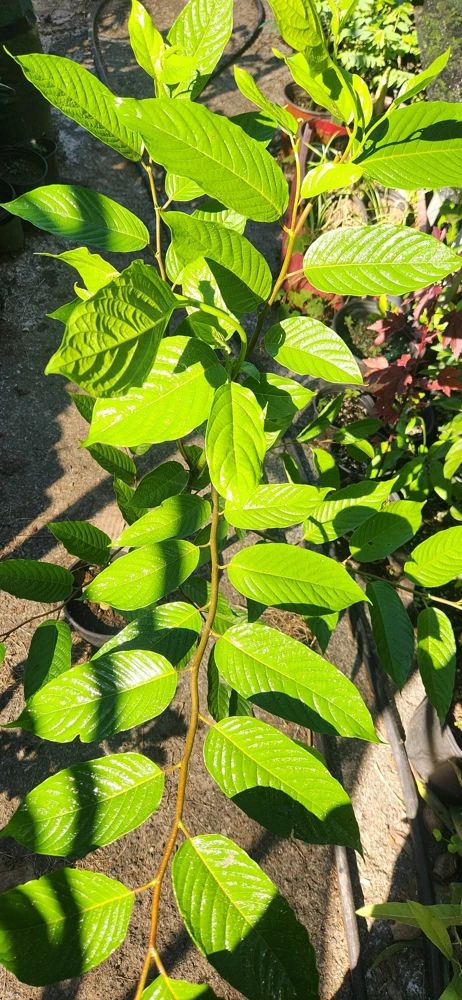
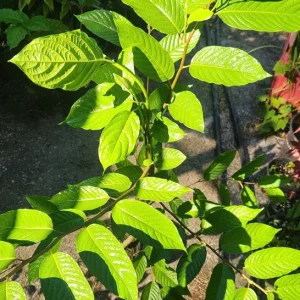
Ylang-Ylang Live Tree, Fragrant Tropical Plant, 10 inch to 1 ft Tall
Original price was: $131.00.$81.00Current price is: $81.00.
Bring the exotic beauty and intoxicating fragrance of the tropics into your space with a Ylang-Ylang live tree. This delightful plant, known for its highly aromatic flowers, typically measures 10 inches to 1 foot tall upon arrival. Perfect for adding a unique touch to your indoor or outdoor garden in warm climates.
Estimated arrival
Sep 15
Sep 20 - Sep 22
Sep 25 - Sep 29

Reasonable Price
We offer reasonable price

Support 24/7
Contact us 24 hrs a day

100% Money Back
You've 30 days to Return

Payment Secure
100% secure payment
Overview
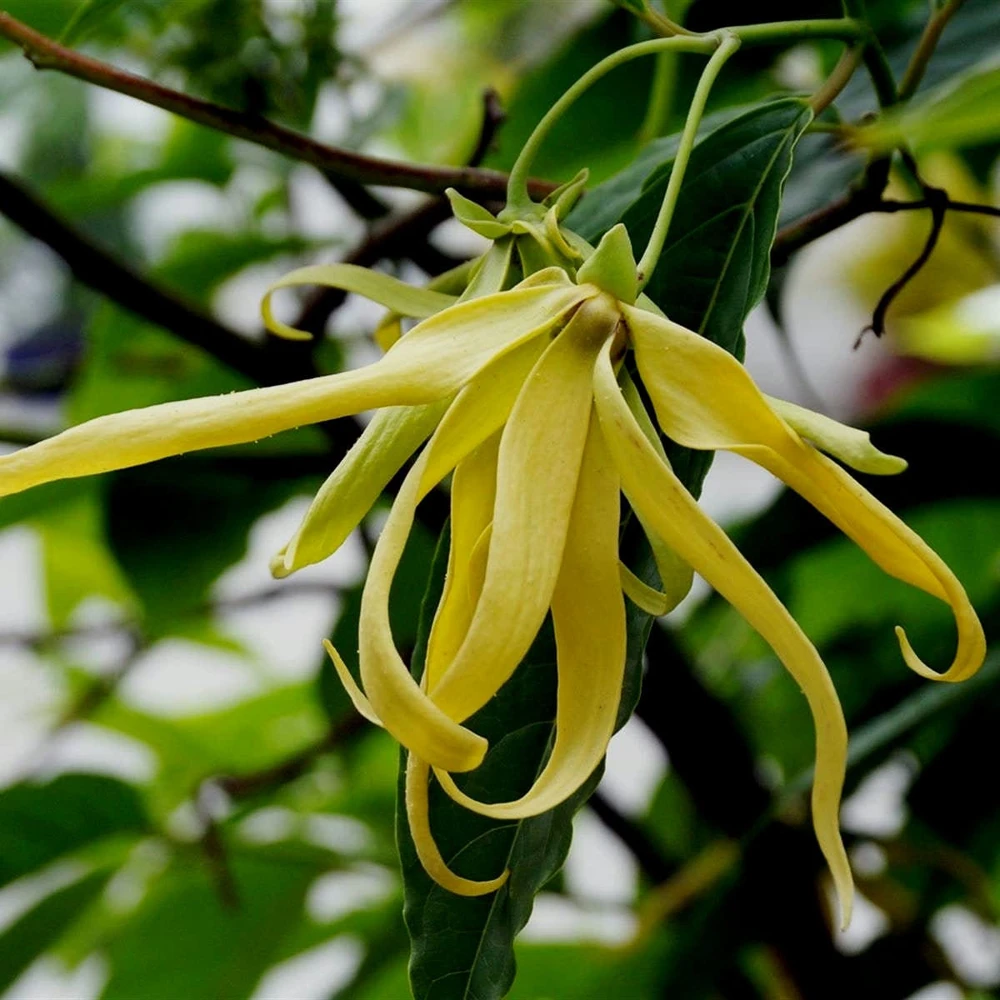
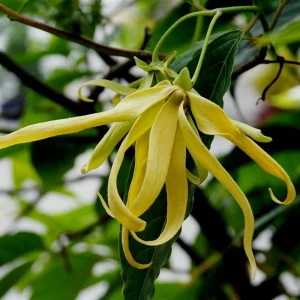
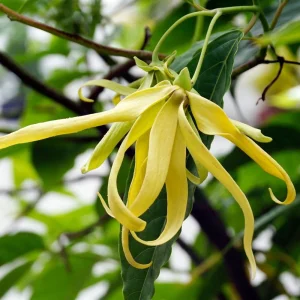
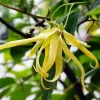
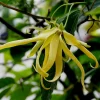
Immerse yourself in the enchanting aroma of the tropics with your very own Ylang-Ylang live tree. This stunning and highly sought-after plant, scientifically known as Cananga odorata, is celebrated globally for its intensely fragrant, star-shaped yellow-green flowers. These blooms are the source of the precious Ylang-Ylang essential oil, a key ingredient in many perfumes and aromatherapy blends. Our Ylang-Ylang tree arrives as a healthy, vibrant specimen, ready to thrive and eventually grace your environment with its captivating scent. Often referred to simply as Ylang-Ylang, this plant brings a touch of exotic elegance and a sensory experience unlike any other, making it an exceptional addition for plant enthusiasts and fragrance lovers alike. Cultivating a fragrant tropical plant like the Ylang-Ylang can transform any space into a serene, aromatic oasis.
Key Benefits
Owning a Ylang-Ylang live tree offers a multitude of benefits, from its aesthetic appeal to its renowned fragrance. This plant is not just a beautiful specimen; it’s a living source of tranquility and natural perfume. Enjoy these advantages:
- Exquisite Fragrance: The primary draw of the Ylang-Ylang is its incredibly potent and sweet floral scent. The flowers release an intoxicating aroma, often described as rich, creamy, and exotic, which can naturally perfume your home or garden. This makes it a perfect fragrant tropical plant for those who appreciate natural scents.
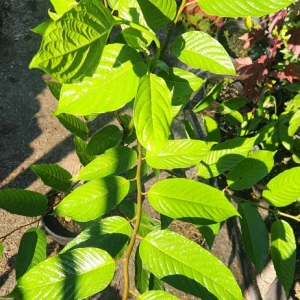
- Unique Ornamental Value: Beyond its scent, the Ylang-Ylang tree itself is a beautiful evergreen with graceful, drooping branches and glossy, dark green leaves. Its unique flower shape adds an exotic and decorative element to any plant collection.
- Aromatherapy Potential: The flowers are famously used to produce Ylang-Ylang essential oil, known for its calming, stress-reducing, and mood-enhancing properties in aromatherapy. Having the fresh flowers can provide a similar, albeit milder, benefit.
- Tropical Ambiance: Cultivating a Cananga odorata instantly brings a slice of the tropics to your environment, creating a lush, serene, and vacation-like atmosphere.
- Educational Experience: Growing an exotic plant like the Ylang-Ylang offers a rewarding learning experience about tropical horticulture and the origins of popular fragrances.
- Potential for Indoor Growth: While a tropical outdoor tree, with proper care and conditions, the Ylang-Ylang indoor tree can be cultivated in containers, allowing you to enjoy its beauty and fragrance even in cooler climates.
- Attracts Pollinators: When grown outdoors, the fragrant flowers can attract beneficial pollinators like bees and butterflies to your garden.
Plant Care & Growing Tips
Caring for your Ylang-Ylang live tree requires attention to its tropical origins, ensuring it receives adequate warmth, light, and moisture. The Cananga odorata thrives in conditions that mimic its natural habitat. For optimal growth and flowering, providing the right environment is crucial. It’s important to understand the specific needs of this fragrant tropical plant to help it flourish.
Sunlight Requirements: Ylang-Ylang trees prefer full sun to partial shade. Outdoors, they should receive at least 6 hours of direct sunlight per day. If growing indoors, place your plant in the brightest possible location, ideally near a south-facing window, or supplement with a grow light. Insufficient light will lead to sparse foliage and reduced flowering. Rotate the plant periodically to ensure even growth.
Watering Schedule and Soil Moisture: These plants love consistent moisture but do not tolerate soggy feet. Water thoroughly when the top 1-2 inches of soil feel dry to the touch. During warmer months, this might mean watering every few days. Reduce watering frequency in cooler periods. Ensure excellent drainage to prevent root rot, which is a common issue for many tropical plants. Overwatering can be more detrimental than slight underwatering for your Ylang-Ylang live tree.
Soil Type and Drainage: A rich, well-draining potting mix is essential. A blend of good quality potting soil, perlite, and compost works well. The soil should be slightly acidic to neutral (pH 6.0-7.0). Good drainage is paramount, so ensure your pot has drainage holes. For outdoor planting, amend heavy clay soils with organic matter to improve aeration and drainage.
Temperature Range and USDA Hardiness Zone: Ylang-Ylang is a truly tropical plant, preferring warm temperatures between 65-85°F (18-29°C). It is not frost-tolerant and will suffer damage or die if exposed to temperatures below 40°F (4°C). It is best suited for USDA Hardiness Zones 10-11 for outdoor planting. In cooler climates, it must be grown in a container and brought indoors before temperatures drop. Humidity is also important; aim for moderate to high humidity, especially if growing as a Ylang-Ylang indoor tree.
Fertilization Schedule: Fertilize your Ylang-Ylang tree during its active growing season (spring and summer) every 2-4 weeks with a balanced liquid fertilizer or a slow-release granular fertilizer formulated for flowering tropical plants. Follow the product instructions for dilution and application rates. Reduce or stop fertilization during the fall and winter months when growth naturally slows.
Common Problems and Solutions: Watch out for common pests like spider mites, aphids, and mealybugs, especially in dry indoor environments. Inspect your plant regularly and treat any infestations with horticultural oil or insecticidal soap. Yellowing leaves can indicate overwatering or nutrient deficiency, while browning leaf tips might suggest low humidity. Adjust your care routine accordingly to maintain a healthy Ylang-Ylang live tree.
Size & Details
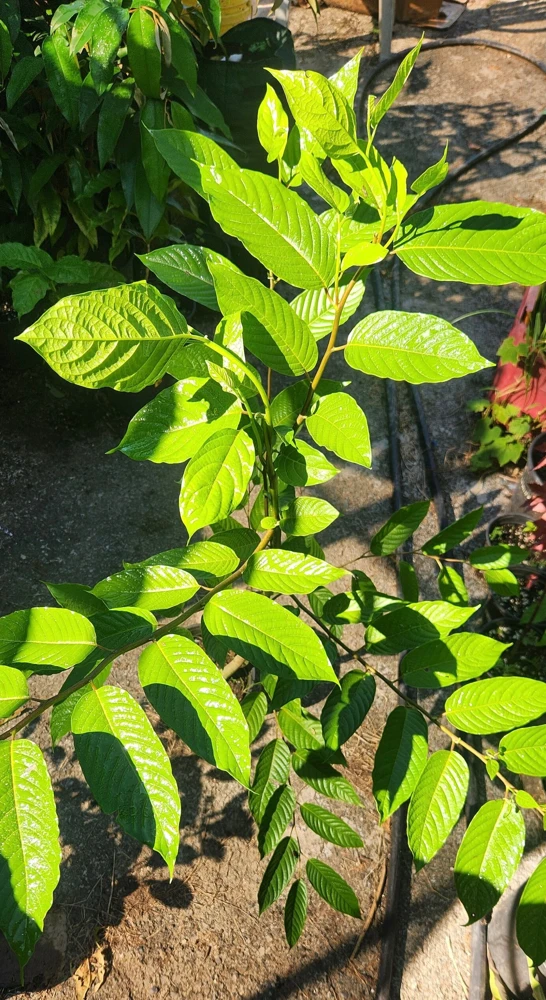
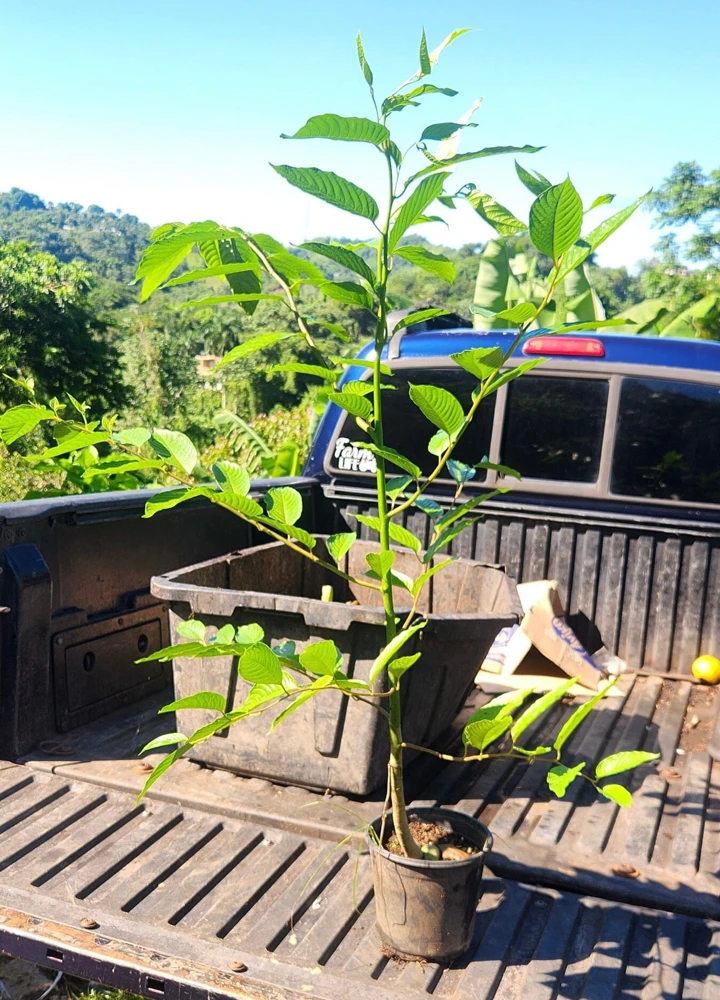
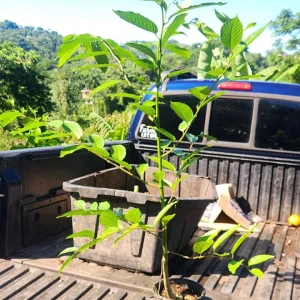
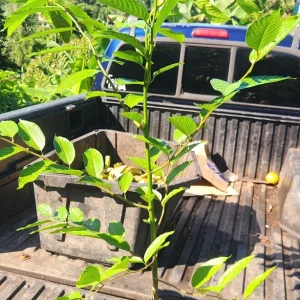
Your Ylang-Ylang live tree will arrive as a young, vibrant plant, typically measuring between 10 inches to 1 foot (approximately 25-30 cm) in height from the base of the pot. These measurements refer to the plant’s current stature, and natural variations in size and shape are to be expected due to the unique characteristics of each living specimen. This Cananga odorata is shipped in a nursery pot, ensuring its roots are protected and established for a smooth transition to your home or garden. With proper care, Ylang-Ylang trees can grow quite large, reaching up to 40-60 feet tall in their native tropical environments. When grown in containers, their size is more manageable, often reaching 6-15 feet, making it feasible to cultivate a Ylang-Ylang indoor tree or keep it on a patio.
The growth rate is moderate to fast under ideal conditions, meaning you can expect to see significant development with consistent care. While flowering can take a few years from a young plant, patience is rewarded with the tree’s iconic, highly aromatic blooms. The plant’s overall size and flowering potential are greatly influenced by its growing environment, including pot size, sunlight exposure, and nutrient availability. You will receive a healthy, well-rooted plant ready for continued growth.
Frequently Asked Questions
- Q: How big does this plant get? A: Your Ylang-Ylang live tree will arrive 10 inches to 1 foot tall. When grown in the ground in tropical climates, it can reach 40-60 feet. In a container, its size is much more manageable, typically growing 6-15 feet tall, depending on pruning and pot size.
- Q: What size pot does it come in? A: The plant is shipped in a standard nursery pot, the exact size of which may vary but is suitable for its current stage of growth. We recommend transplanting it into a slightly larger pot upon arrival, ensuring good drainage.
- Q: Is this an indoor or outdoor plant? A: The Ylang-Ylang is a fragrant tropical plant that thrives outdoors in USDA Zones 10-11. In all other zones, it should be grown in a container and brought indoors when temperatures drop below 50°F (10°C), making it an excellent Ylang-Ylang indoor tree for cooler climates.
- Q: How much sunlight does it need? A: This plant requires full sun to partial shade, ideally receiving at least 6 hours of direct sunlight daily for best growth and flowering. Indoors, place it in the brightest available window.
- Q: Is this plant easy to care for? A: While not extremely difficult, caring for a Cananga odorata requires consistent attention to its tropical needs, especially regarding warmth, humidity, and watering. It’s best suited for intermediate gardeners or beginners willing to learn about tropical plant care.
- Q: What condition will it arrive in? A: Your Ylang-Ylang tree will arrive as a healthy, live plant, carefully packaged to minimize stress during transit. Some minor leaf yellowing or drop can occur due to shipping stress, but the plant should recover quickly with proper care.
- Q: How long until it blooms? A: Ylang-Ylang trees typically start flowering when they are a few years old, sometimes taking 3-5 years from a young plant. Optimal growing conditions will encourage earlier and more prolific blooming.
- Q: Is the Ylang-Ylang plant pet-safe? A: Information regarding the toxicity of Ylang-Ylang (Cananga odorata) to pets is not widely available or conclusive. It’s always best to err on the side of caution and keep plants out of reach of pets if you are concerned.
- Q: What’s the minimum temperature it can tolerate? A: The Ylang-Ylang live tree is very sensitive to cold. It should not be exposed to temperatures below 40°F (4°C) for extended periods, as frost will severely damage or kill the plant.
- Q: How often should I fertilize my Ylang-Ylang? A: During the spring and summer growing seasons, fertilize every 2-4 weeks with a balanced liquid fertilizer. Reduce or cease fertilization during the cooler, dormant months of fall and winter.
Be the first to review “Ylang-Ylang Live Tree, Fragrant Tropical Plant, 10 inch to 1 ft Tall”
-
USDA Hardiness Zone
USDA zones 10-11 (outdoors); suitable for year-round indoor growth in other zones -
Soil Type
Well-draining, rich, slightly acidic to neutral potting mix -
Sunlight Exposure
Full sun to partial shade (at least 6 hours direct sunlight) -
Expected Planting Period
Year-round indoors; spring to summer outdoors in tropical climates
People Also Viewd
Sold 134 products
Original price was: $3,536.00.$23.99Current price is: $23.99.
Sold 131 products
Original price was: $27.00.$24.00Current price is: $24.00.
Sold 130 products
Original price was: $89.99.$64.99Current price is: $64.99.
Sold 125 products
Original price was: $86.99.$66.99Current price is: $66.99.
Flower Bulbs
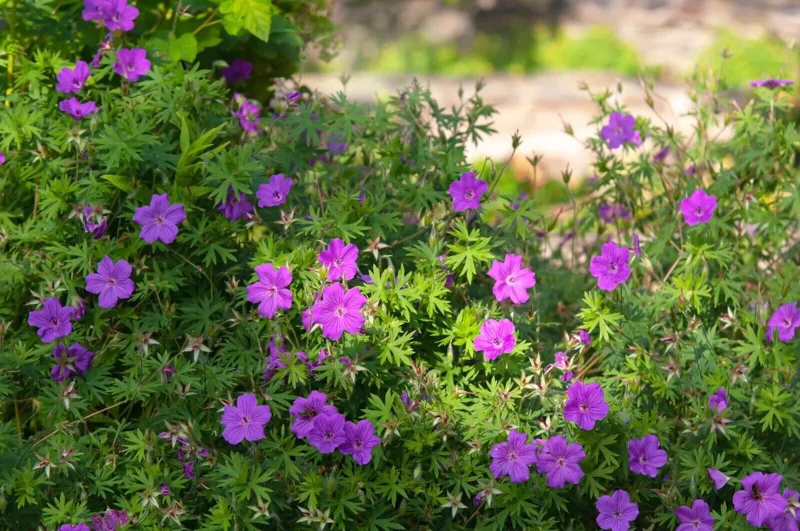
3 Cranesbill Wild Geranium Organic Maculatums Bare Roots | Wildflower for Outdoor Garden
Sold 116 products
Original price was: $21.99.$9.99Current price is: $9.99.
Sold 114 products
Original price was: $28.99.$17.99Current price is: $17.99.
Sold 110 products
Original price was: $63.99.$28.99Current price is: $28.99.
Sold 108 products
Original price was: $28.99.$17.99Current price is: $17.99.RELATED posts
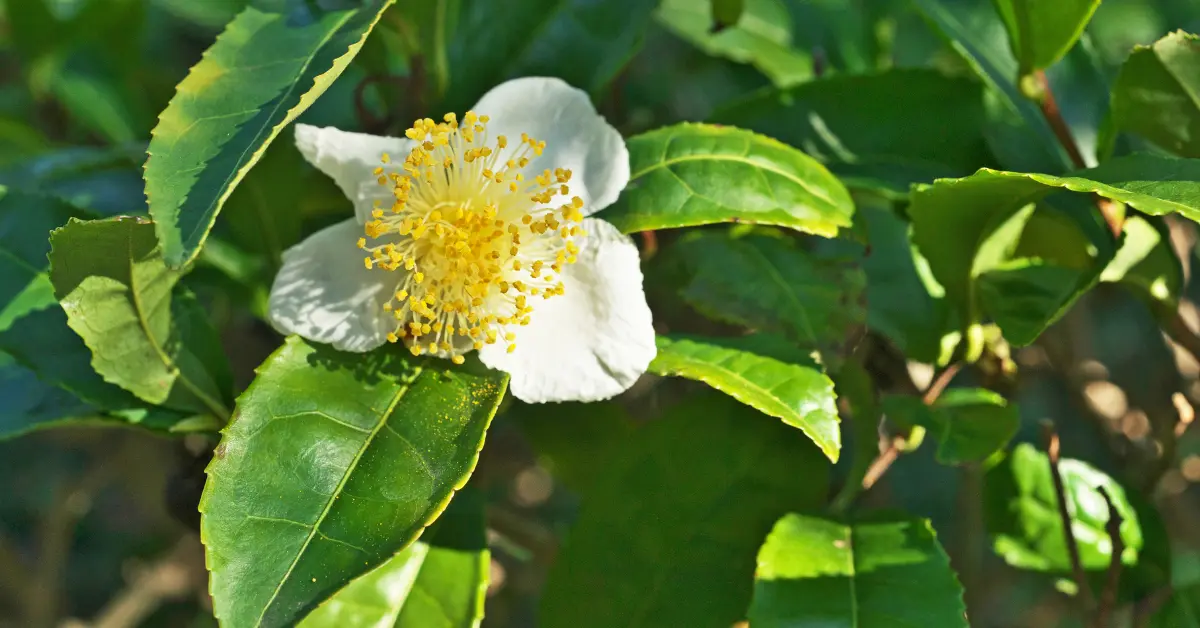
Growing Camellia Sinensis (Tea Plants) in Containers: A Complete Guide for Beginners
If you’ve ever wanted to sip a steaming, homegrown cup of fresh green, black, or [...]
Aug
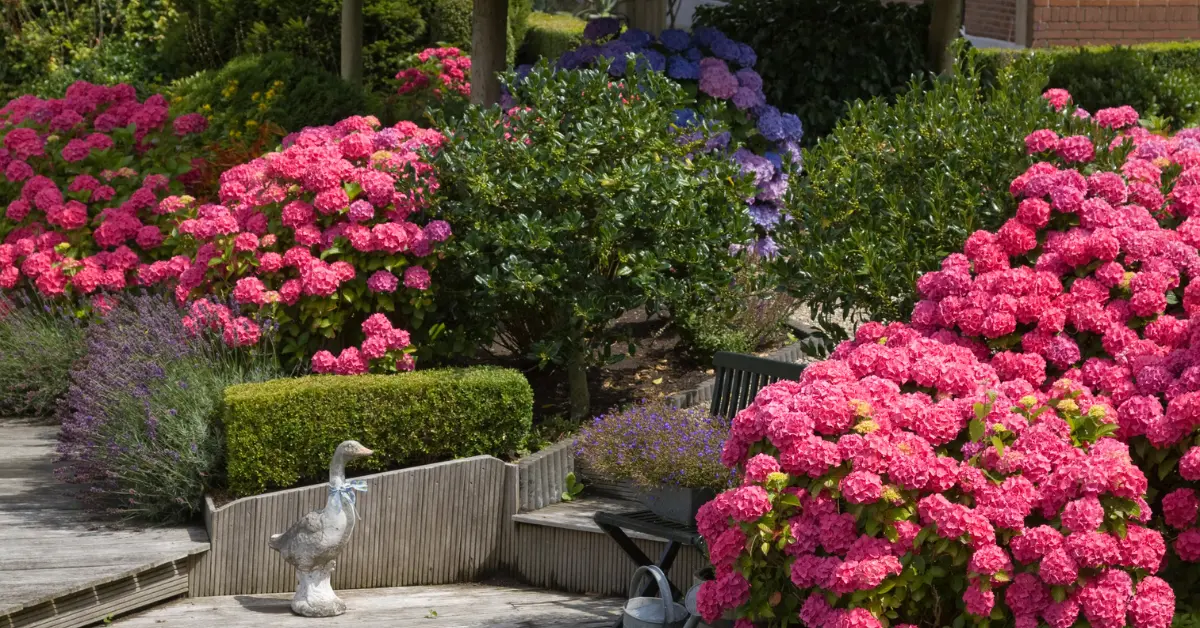
6 Best Shrubs to Plant in August You Must Try
Have you ever walked through a nursery late in the summer, admired the vibrant shrubs [...]
Aug
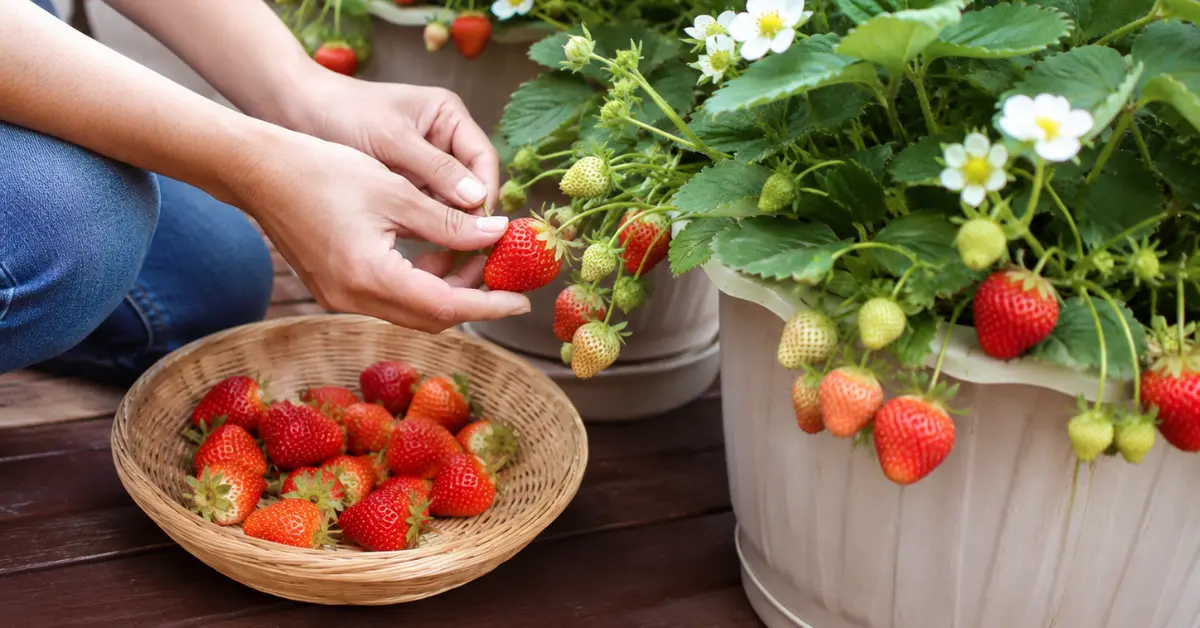
Growing Everbearing Strawberries in Containers: A Complete Guide for Beginners
Want to grow sweet, fresh strawberries but do not have a large garden? Everbearing strawberries [...]
Aug
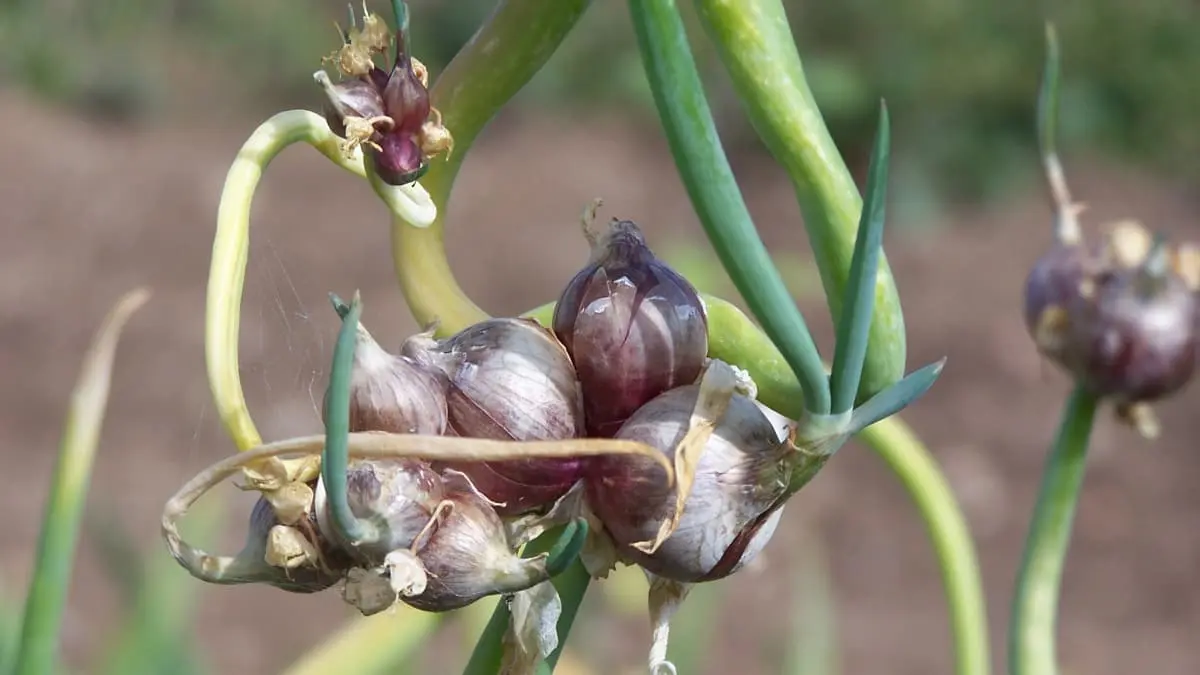
Growing Egyptian Walking Onions in Containers: A Complete Guide for Beginners
If you’re looking for a hardy, no-fuss perennial onion that keeps on giving year after [...]
Jul
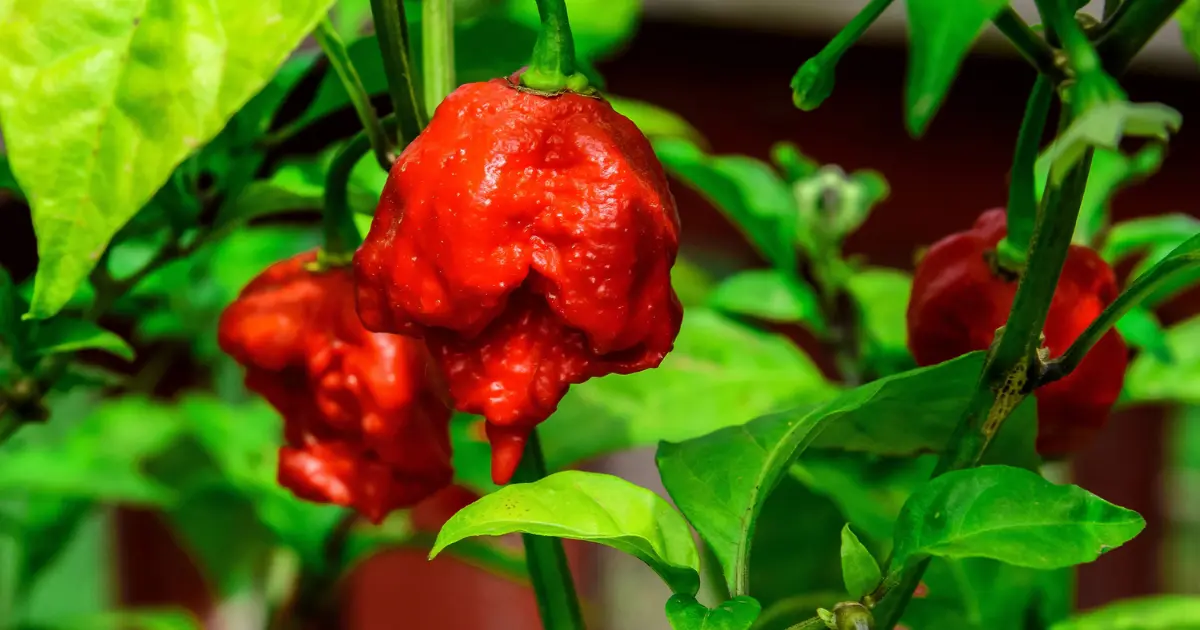
Growing Carolina Reaper Peppers in Pots: A Complete Guide for Beginners
If you’ve ever wanted to add some serious, record-breaking heat to your home cooking, you’ve [...]
May
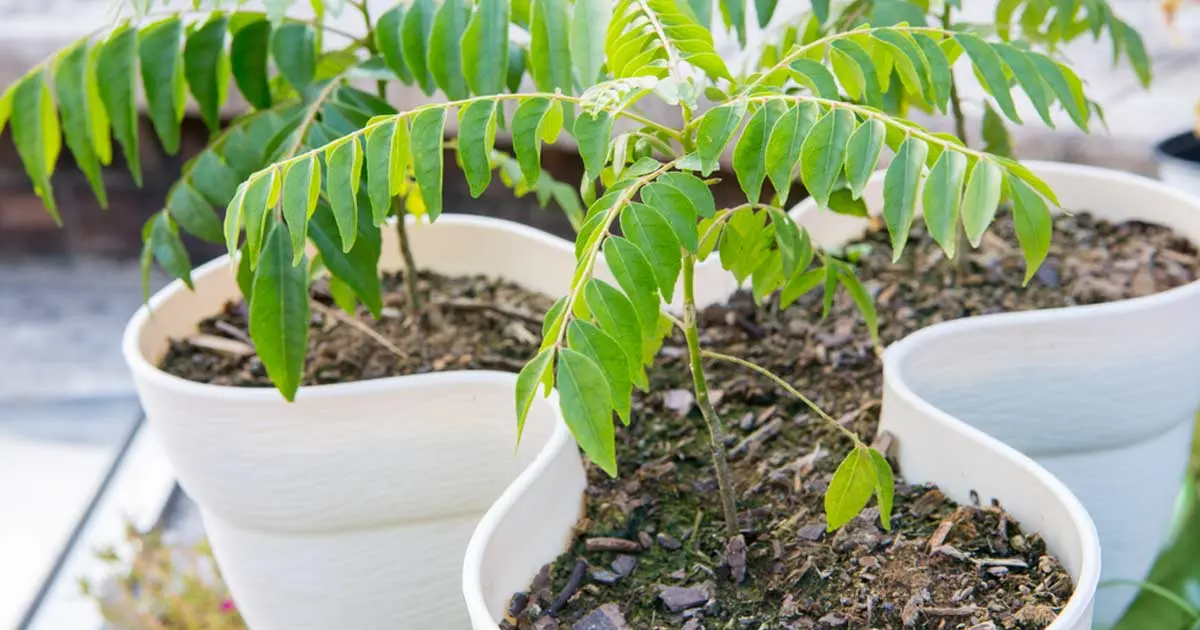
Growing Curry Leaf Plant in Pots: A Complete Guide for Beginners
If you’re a fan of authentic South Asian cuisine, you already know that nothing compares [...]
May
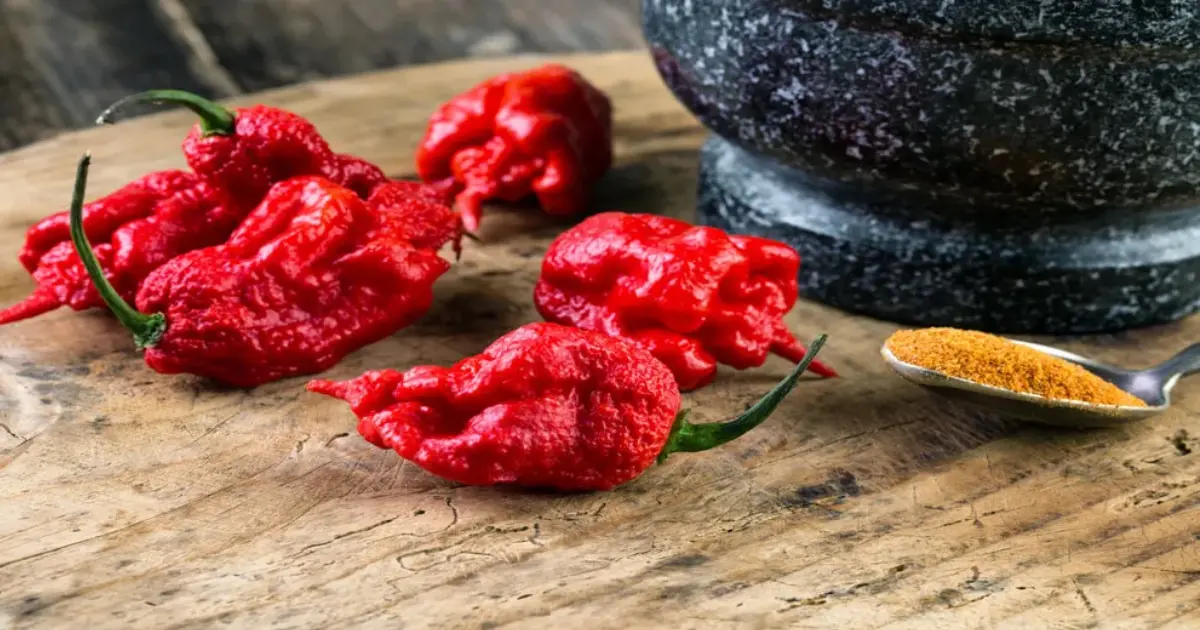
5 Tips for Growing Carolina Reaper Peppers to Get the Spiciest Harvest Ever
Holding the record for one of the world’s hottest peppers, the Reaper isn’t just a [...]
May
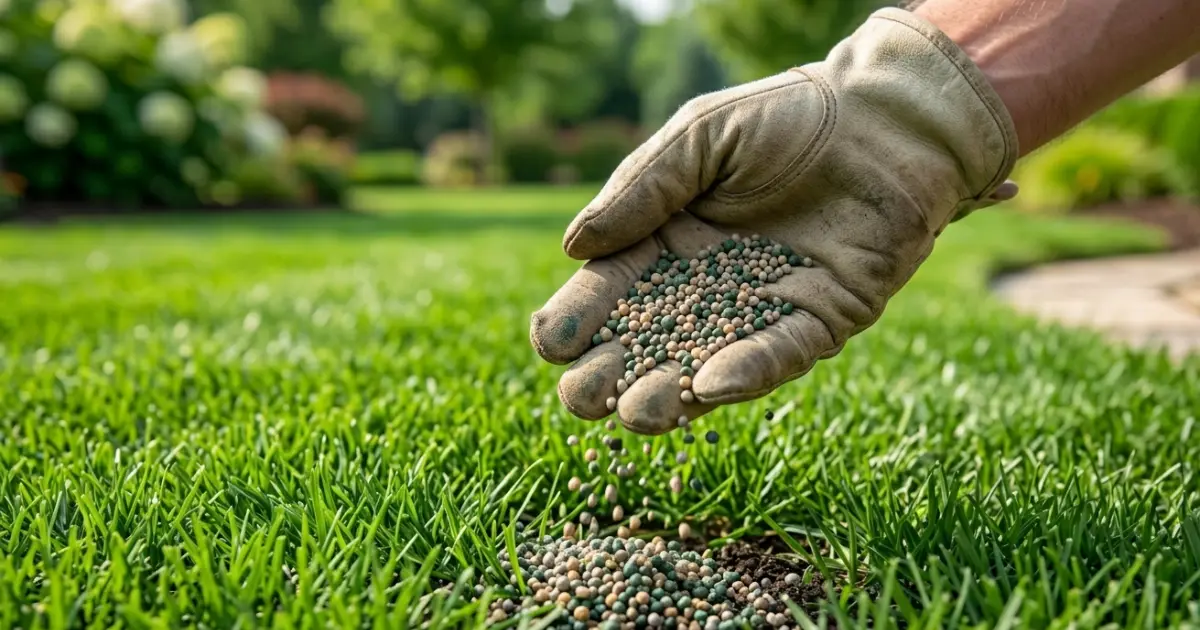
Best Fertilizers for Zoysia Grass in 2026: Get a Lush Lawn
As we enter the new year, the time has come to think about how we [...]
Apr
Reviews
There are no reviews yet.