
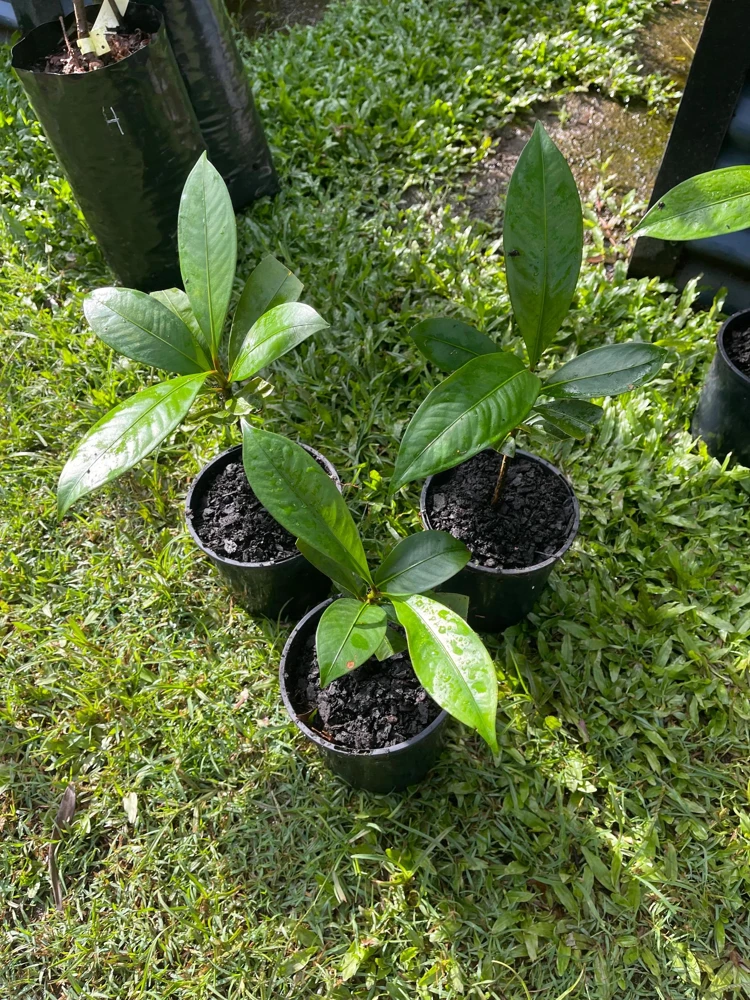
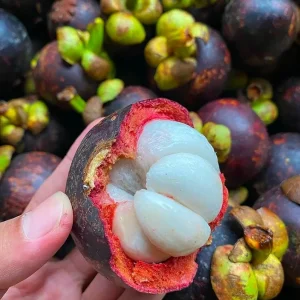
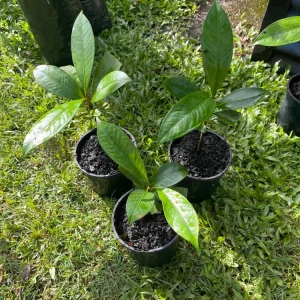
2ft Live Mangosteen Tree – Garcinia mangostana – Tropical Fruit Plant
Original price was: $176.00.$126.00Current price is: $126.00.
Cultivate the exotic live mangosteen tree (Garcinia mangostana), known as the ‘Queen of Fruits’. This 2ft live mangosteen tree brings a touch of the tropics to your home or garden, offering the potential for delicious, sweet-tart fruit with proper care.
Estimated arrival
Sep 14
Sep 19 - Sep 21
Sep 24 - Sep 28

Reasonable Price
We offer reasonable price

Support 24/7
Contact us 24 hrs a day

100% Money Back
You've 30 days to Return

Payment Secure
100% secure payment
Overview
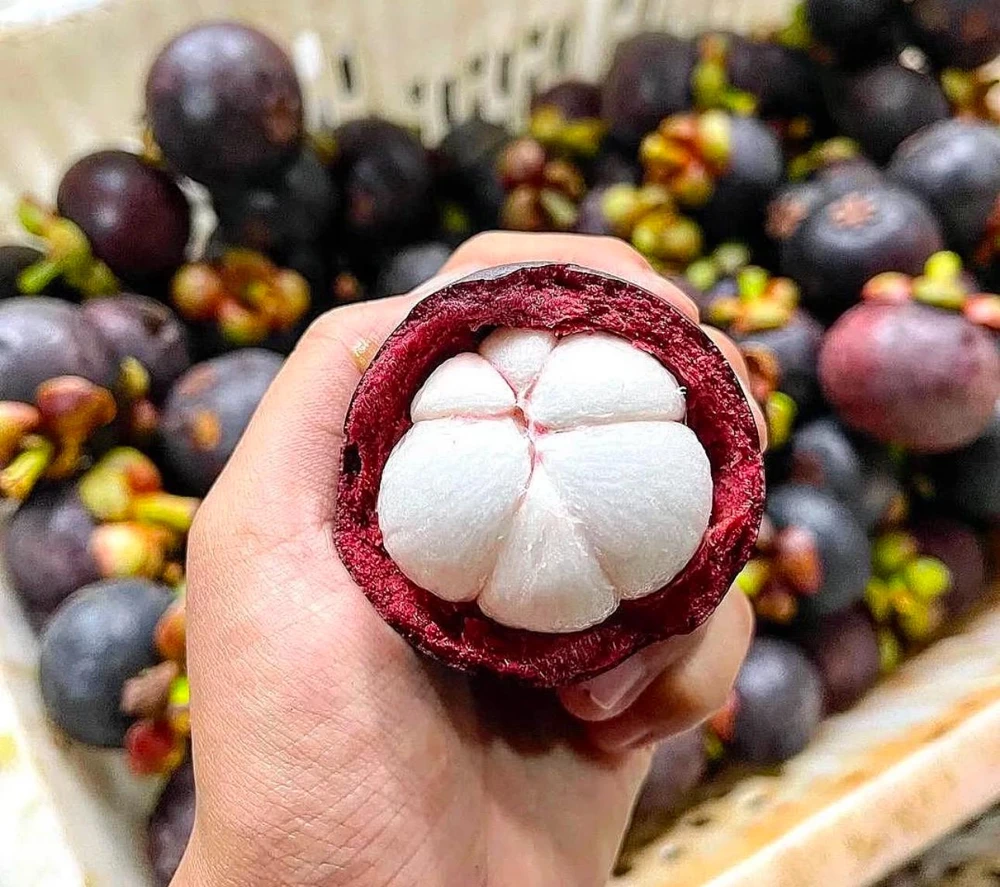
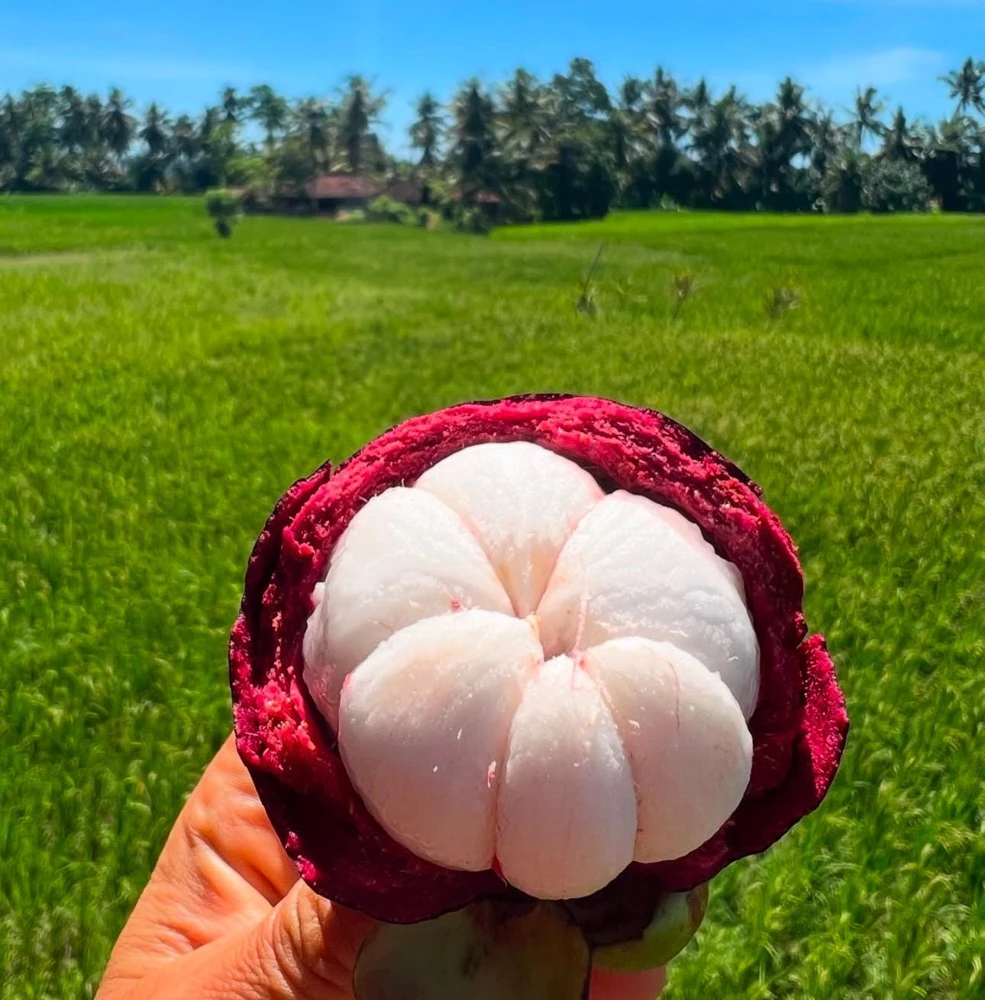
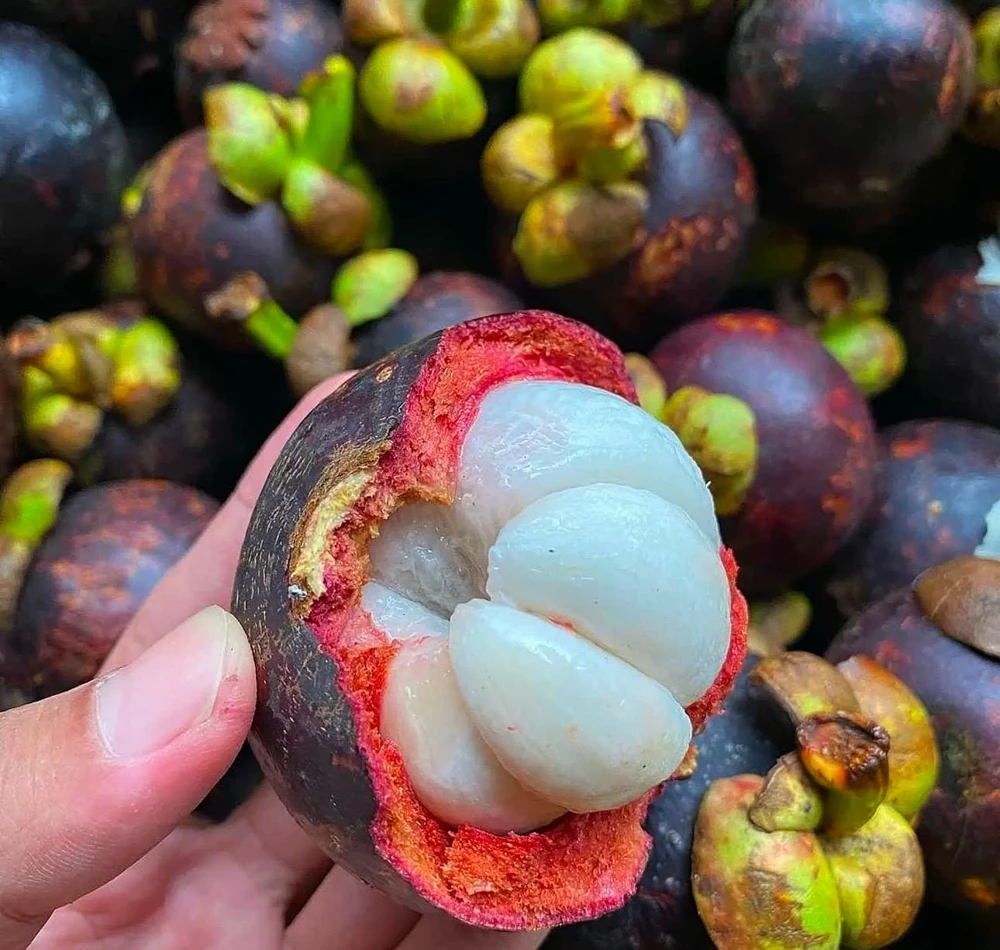
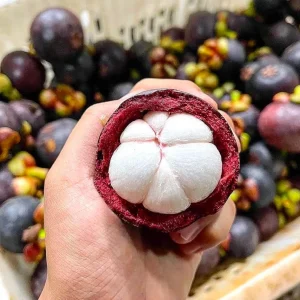
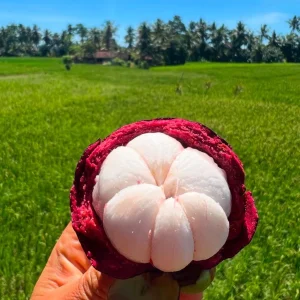
Embark on an exciting horticultural journey with our 2ft live mangosteen tree, scientifically known as Garcinia mangostana. This tropical fruit tree is revered worldwide as the “Queen of Fruits” for its exquisite flavor and unique appearance. Originating from Southeast Asia, the mangosteen fruit is celebrated for its juicy, sweet, and slightly tart white flesh, encased in a deep purple rind. Growing your own mangosteen offers not just the promise of delicious fruit but also adds an unparalleled exotic beauty to your plant collection. Our carefully nurtured live mangosteen tree is ready to thrive in suitable climates or as a container plant indoors, allowing you to experience the magic of this highly sought-after fruit firsthand.
The mangosteen is not only prized for its taste but also for its elegant growth habit and lush green foliage. As a relatively slow-growing tree, it makes an excellent long-term investment for any fruit enthusiast or tropical plant collector. This tropical fruit tree is a conversation starter, captivating with its rich history and the allure of its celebrated fruit. Prepare to be enchanted by the beauty and potential of your very own live mangosteen tree.
Key Benefits
Owning a live mangosteen tree provides a wealth of benefits beyond just its exotic fruit. This remarkable plant offers aesthetic appeal, a unique gardening challenge, and the eventual reward of one of the world’s most prized fruits. Discover why the mangosteen is a must-have for any plant lover:
- Exotic Fruit Production: The primary benefit is the potential to harvest your own delicious mangosteen fruits. Known as the “Queen of Fruits,” its sweet, tangy, and aromatic flesh is a culinary delight, unmatched by most other fruits.
- Stunning Ornamental Value: With its glossy, dark green leaves and graceful form, the Garcinia mangostana is a beautiful addition to any garden or indoor space. It provides a lush, tropical ambiance even when not fruiting.
- Unique Gardening Experience: Cultivating a mangosteen plant care requires dedication and specific conditions, making it a rewarding challenge for experienced gardeners and an exciting learning opportunity for new enthusiasts.
- Long-Term Investment: Mangosteen trees are long-lived and can produce fruit for many decades once established, offering a sustainable source of exotic fruit for years to come.
- Health Benefits: Mangosteen fruit is rich in antioxidants, vitamins, and minerals, contributing to a healthy diet and overall well-being. Growing your own ensures fresh, chemical-free produce.
- Rare and Coveted: Due to its specific growing requirements, mangosteen is not widely available, making it a rare and coveted plant to own and cultivate.
- Educational Value: Learn about tropical horticulture, plant physiology, and the intricate balance required to grow a successful tropical fruit tree.
Plant Care & Growing Tips
Successful mangosteen plant care requires attention to specific environmental conditions, as this tropical tree thrives in warm, humid climates. When caring for your 2ft live mangosteen tree, providing the right light, water, and soil is crucial. Mangosteens prefer partial shade when young, gradually tolerating more sun as they mature, though protection from intense, direct afternoon sun is always beneficial, especially in hotter climates. Aim for a location that receives 4-6 hours of indirect sunlight daily. Consistent moisture is key; the soil should never be allowed to dry out completely, but also avoid waterlogging. Good drainage is paramount to prevent root rot.
The ideal soil for Garcinia mangostana is rich, organic, and slightly acidic (pH 5.5-6.5), with excellent drainage. A mix of peat moss, perlite, and compost works well for container growing. Fertilize regularly with a balanced, slow-release fertilizer designed for tropical fruit trees, especially during the growing season. Protect your live mangosteen tree from cold temperatures; it is extremely sensitive to frost and prefers temperatures above 40°F (4°C). If grown outdoors in zones where temperatures drop, consider container growing to move it indoors during winter. Pests are generally not a major issue, but monitor for common tropical plant pests like scale or mealybugs and treat promptly if observed. Proper mangosteen plant care will lead to a healthy, productive tropical fruit tree.
Size & Details
This offering is for a healthy 2ft live mangosteen tree, providing a significant head start on growing your own exotic fruit. The plant is typically shipped in a nursery pot, ensuring its root system is well-protected and established for transplanting. Mangosteens are slow to moderate growers, and while they can eventually reach heights of 20-60 feet in their native habitat, container-grown plants will remain much smaller and more manageable, often reaching 6-10 feet with pruning. The mature tree will develop a dense, pyramidal canopy of dark green, leathery leaves. Expect fruits to appear after 7-10 years from planting, though this can vary based on growing conditions and specific care.
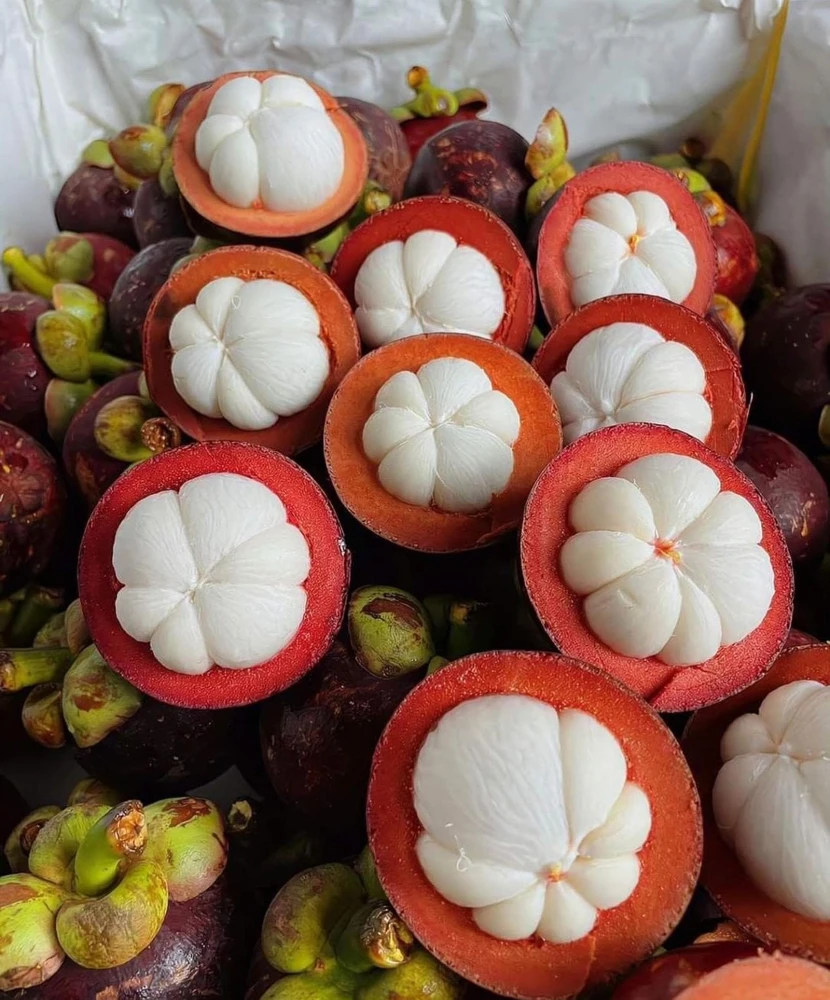
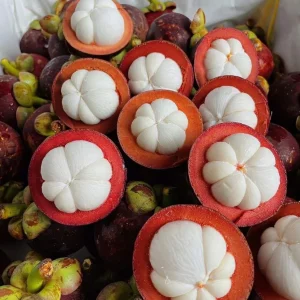
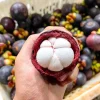
The fruit, known as the “queen of fruits,” is typically round, 2-3 inches in diameter, with a thick, deep purple rind. Inside, the segmented white flesh offers an unparalleled sweet-tart flavor. Our 2ft live mangosteen tree is carefully selected to ensure a robust and healthy specimen, ready for its new home and the journey to fruit production. This tropical fruit tree is a long-term commitment, but the reward of its unique and delicious fruit makes it incredibly worthwhile.
Frequently Asked Questions
- Q: How big does this plant get? A: This is a 2ft live mangosteen tree. In its natural habitat, it can reach 20-60 feet, but when grown in a container, it will remain much smaller, typically 6-10 feet, and can be maintained with pruning.
- Q: Is this an indoor or outdoor plant? A: The live mangosteen tree is a tropical plant. It can be grown outdoors in USDA Zones 10-11. In cooler climates, it should be grown in a container and brought indoors during cold weather to protect it from temperatures below 40°F (4°C).
- Q: How much sunlight does it need? A: Young mangosteen trees prefer partial shade, ideally 4-6 hours of indirect or filtered sunlight daily. As they mature, they can tolerate more sun, but protect them from intense, direct afternoon sun to prevent leaf scorch.
- Q: Is this plant easy to care for? A: Mangosteen plant care requires specific conditions and consistent attention, particularly regarding humidity, water, and temperature. It is considered moderately challenging but highly rewarding for dedicated growers.
- Q: What condition will it arrive in? A: Your 2ft live mangosteen tree will arrive carefully packaged in a nursery pot, with its root system intact and ready for acclimation to its new environment. We ensure healthy, vibrant plants for shipment.
- Q: How long until it blooms and fruits? A: Mangosteen trees are known for taking several years to mature. Typically, a Garcinia mangostana tree grown from this size can begin to flower and fruit within 7-10 years, depending on optimal growing conditions.
- Q: What is the best soil for a mangosteen tree? A: A rich, organic, well-draining soil mix with a slightly acidic pH (5.5-6.5) is ideal. Consider a blend of peat moss, perlite, and compost to ensure good aeration and moisture retention.
- Q: Is the mangosteen fruit really considered the “Queen of Fruits”? A: Yes, the mangosteen is widely known as the “queen of fruits” due to its exquisite, sweet, and tangy flavor, delicate texture, and highly prized status in tropical regions.
- Q: What is the minimum temperature this tropical fruit tree can tolerate? A: The live mangosteen tree is very sensitive to cold. It requires temperatures above 40°F (4°C) and cannot tolerate frost. Consistent temperatures between 75-85°F (24-29°C) are ideal for its growth and fruit production.
- Q: Can I grow a mangosteen in a small space? A: While it is a tree, our 2ft live mangosteen tree can be successfully grown in a large container. This allows you to manage its size through pruning and move it indoors, making it suitable for patios or greenhouses in non-tropical climates.
Be the first to review “2ft Live Mangosteen Tree – Garcinia mangostana – Tropical Fruit Plant”
-
USDA Hardiness Zone
USDA zones 10-11 (outdoors), suitable for container growing indoors in all zones -
Soil Type
Rich, organic, well-draining, slightly acidic soil (pH 5.5-6.5) -
Sunlight Exposure
Partial shade when young, gradually more sun as mature, protect from intense afternoon sun -
Expected Planting Period
Year-round indoors or in suitable tropical climates
People Also Viewd
Sold 134 products
Original price was: $3,536.00.$23.99Current price is: $23.99.
Sold 131 products
Original price was: $27.00.$24.00Current price is: $24.00.
Sold 130 products
Original price was: $89.99.$64.99Current price is: $64.99.

Sold 125 products
Original price was: $86.99.$66.99Current price is: $66.99.
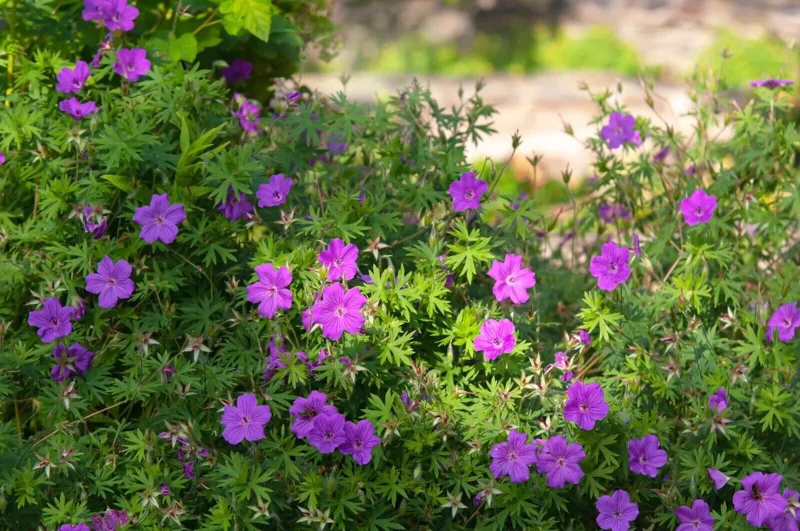
Flower Bulbs
3 Cranesbill Wild Geranium Organic Maculatums Bare Roots | Wildflower for Outdoor Garden
Sold 116 products
Original price was: $21.99.$9.99Current price is: $9.99.
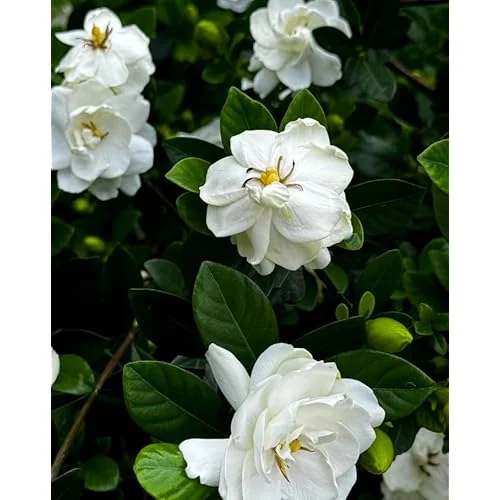
Sold 114 products
Original price was: $28.99.$17.99Current price is: $17.99.
Sold 110 products
Original price was: $63.99.$28.99Current price is: $28.99.
Sold 108 products
Original price was: $28.99.$17.99Current price is: $17.99.RELATED posts
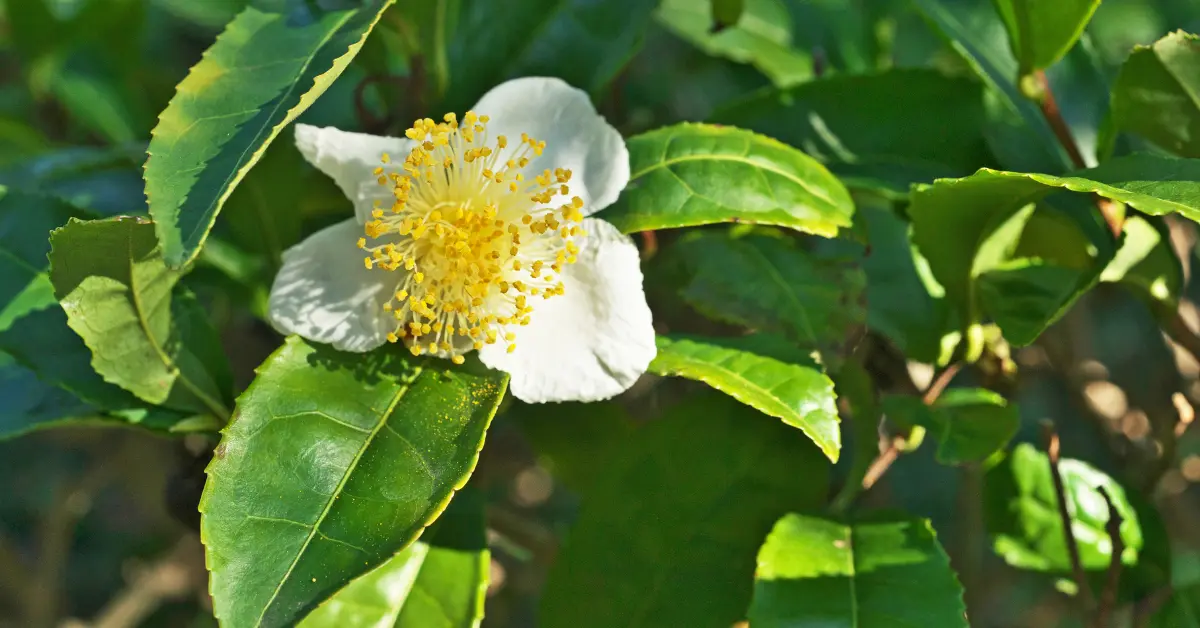
Growing Camellia Sinensis (Tea Plants) in Containers: A Complete Guide for Beginners
If you’ve ever wanted to sip a steaming, homegrown cup of fresh green, black, or [...]
Aug
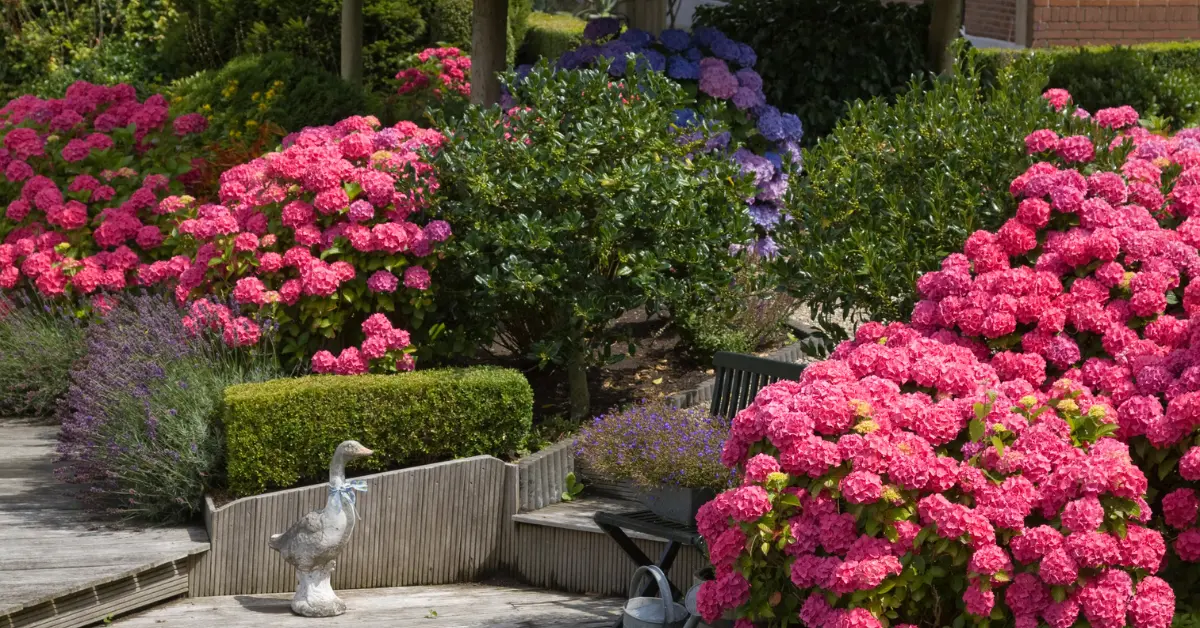
6 Best Shrubs to Plant in August You Must Try
Have you ever walked through a nursery late in the summer, admired the vibrant shrubs [...]
Aug
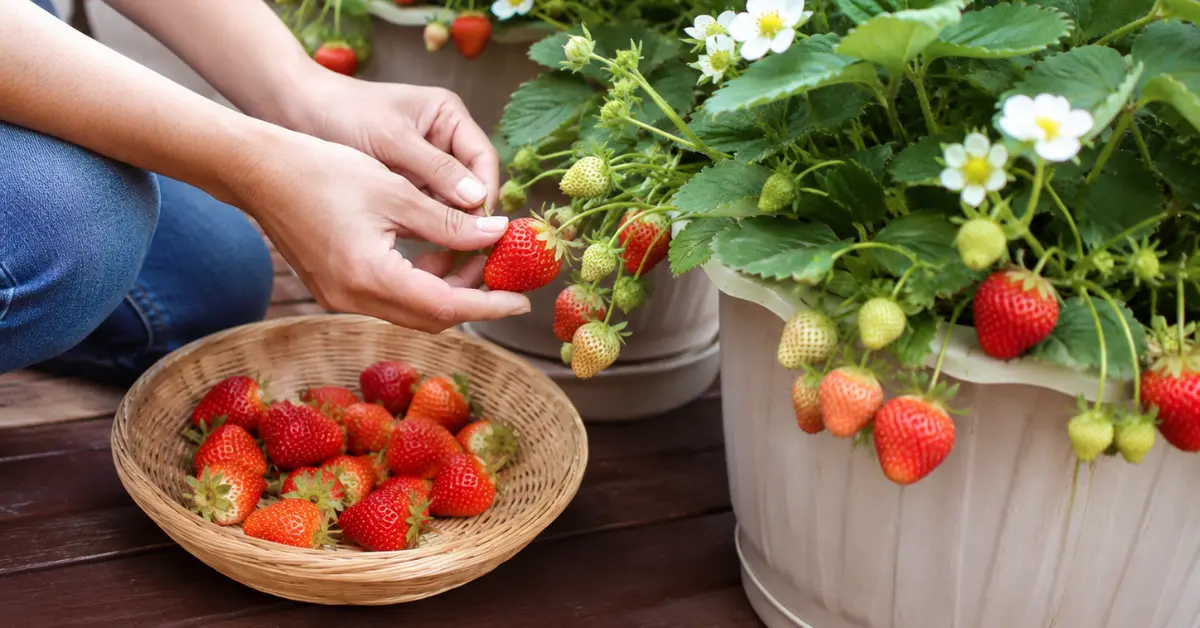
Growing Everbearing Strawberries in Containers: A Complete Guide for Beginners
Want to grow sweet, fresh strawberries but do not have a large garden? Everbearing strawberries [...]
Aug
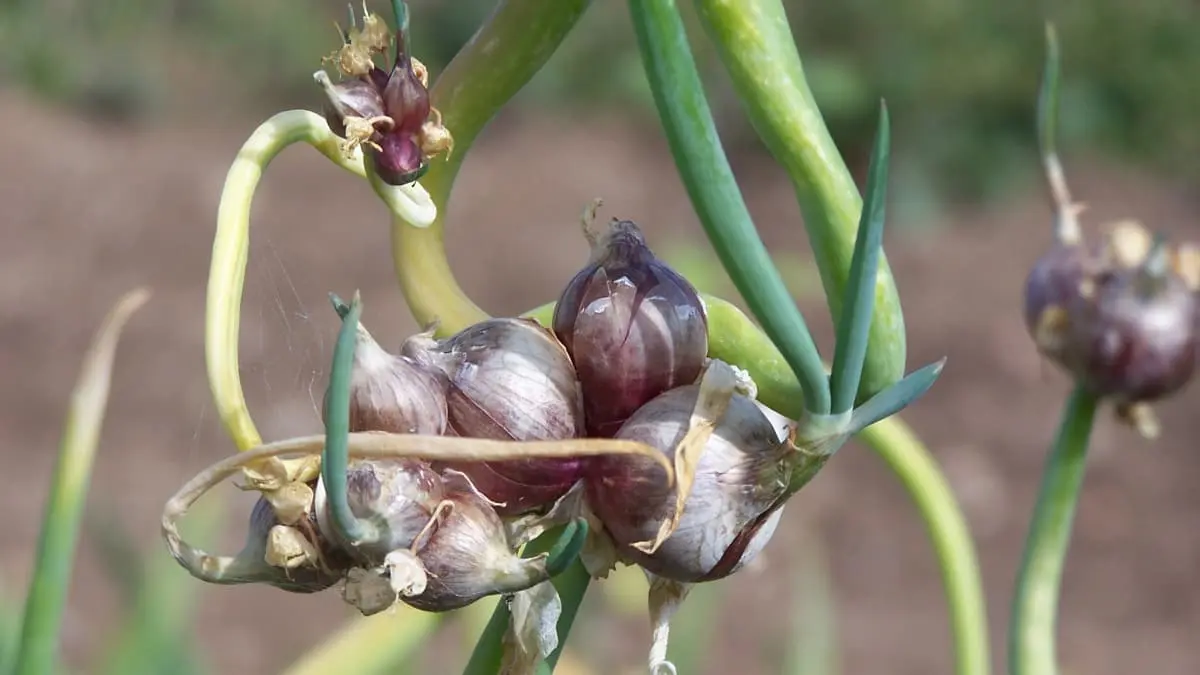
Growing Egyptian Walking Onions in Containers: A Complete Guide for Beginners
If you’re looking for a hardy, no-fuss perennial onion that keeps on giving year after [...]
Jul
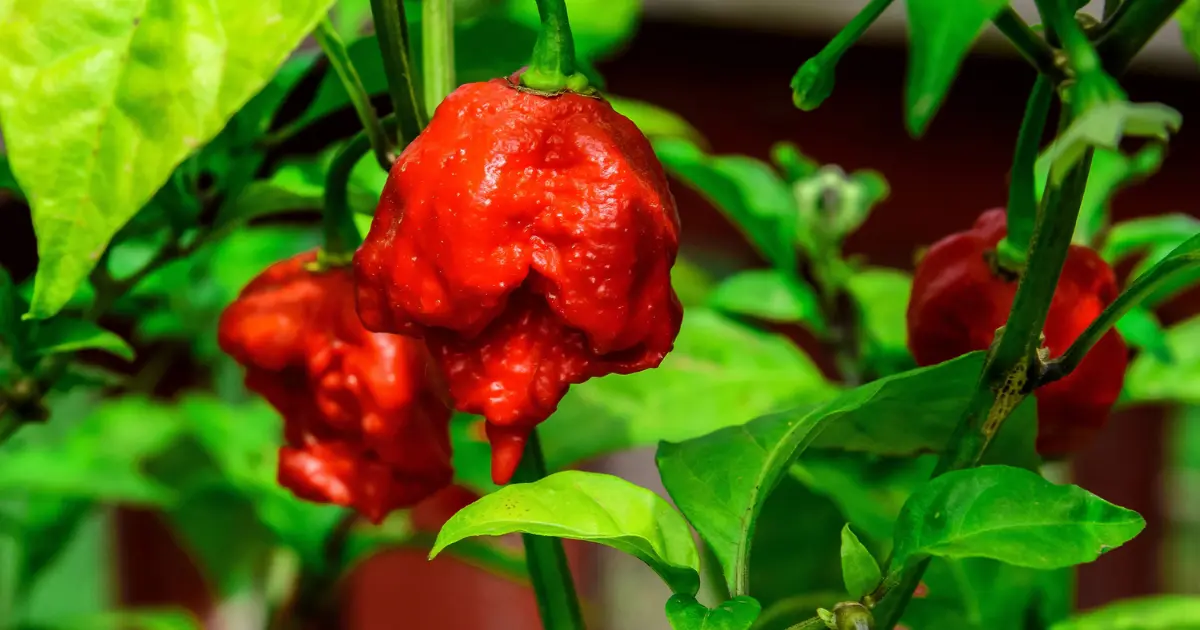
Growing Carolina Reaper Peppers in Pots: A Complete Guide for Beginners
If you’ve ever wanted to add some serious, record-breaking heat to your home cooking, you’ve [...]
May
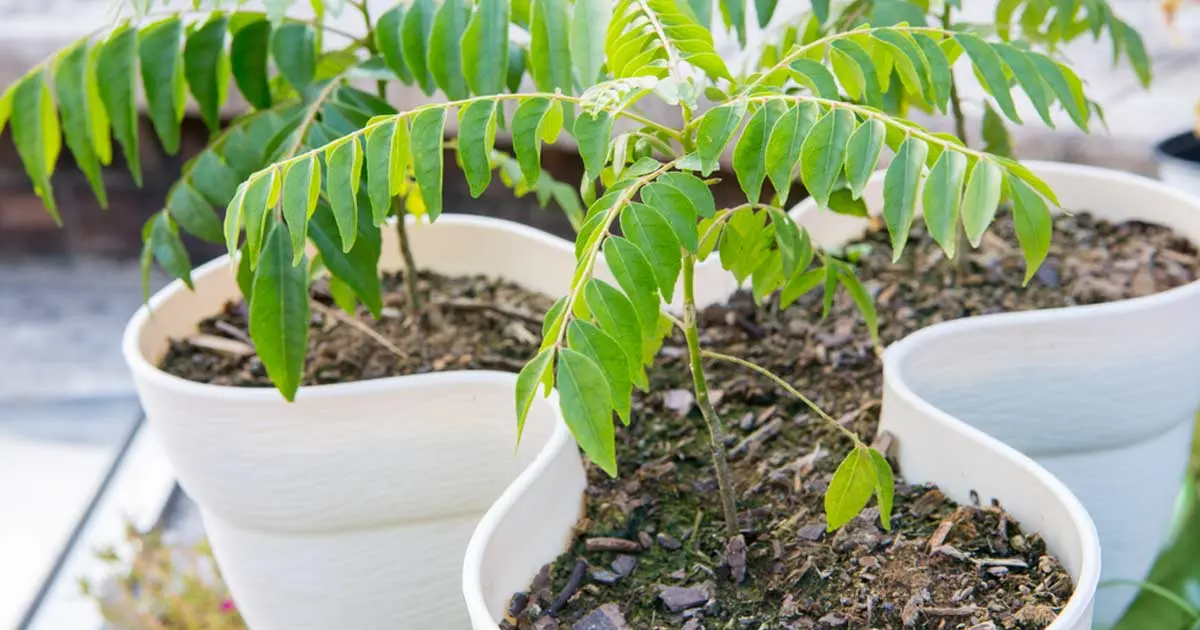
Growing Curry Leaf Plant in Pots: A Complete Guide for Beginners
If you’re a fan of authentic South Asian cuisine, you already know that nothing compares [...]
May
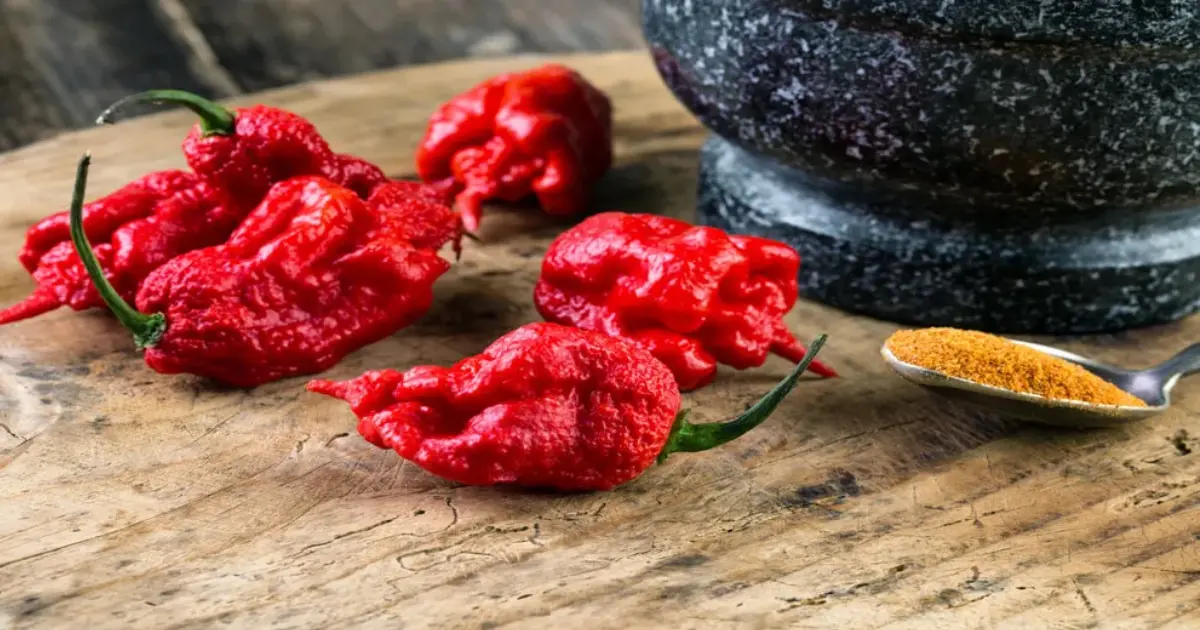
5 Tips for Growing Carolina Reaper Peppers to Get the Spiciest Harvest Ever
Holding the record for one of the world’s hottest peppers, the Reaper isn’t just a [...]
May
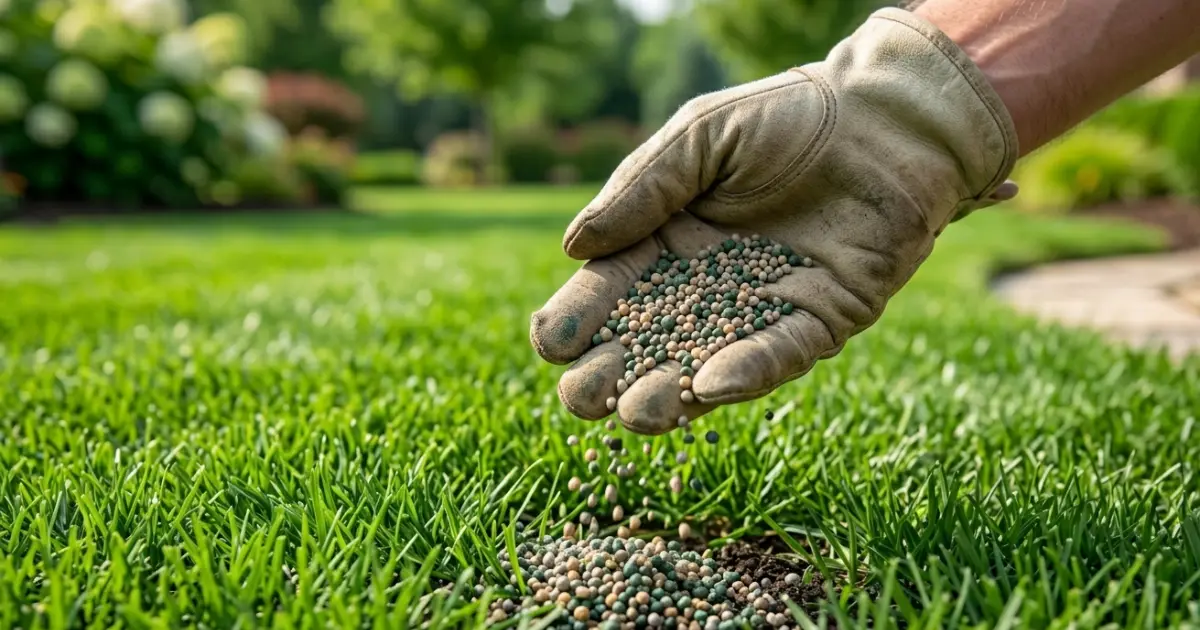
Best Fertilizers for Zoysia Grass in 2026: Get a Lush Lawn
As we enter the new year, the time has come to think about how we [...]
Apr
Reviews
There are no reviews yet.