
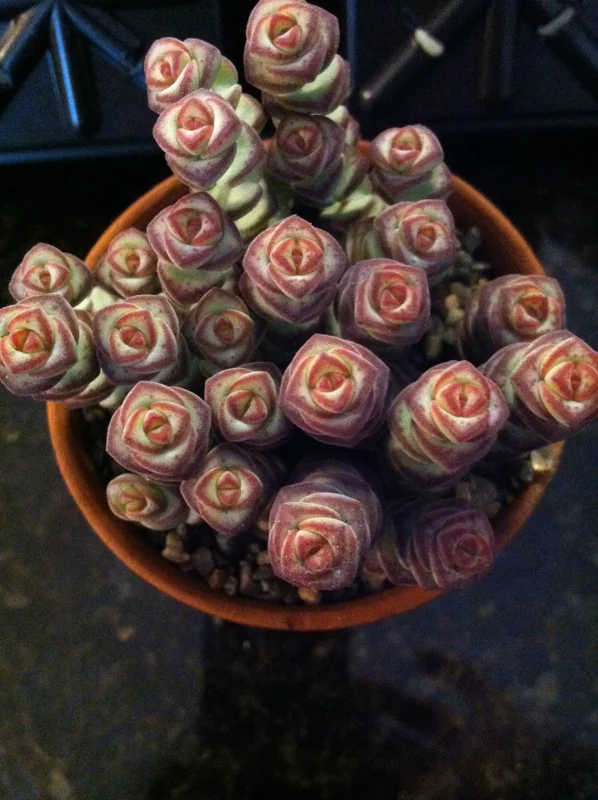
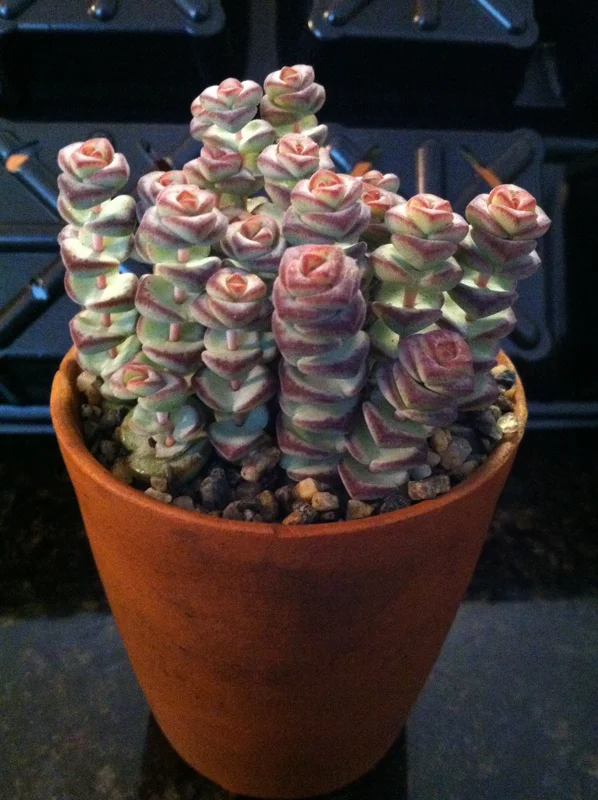
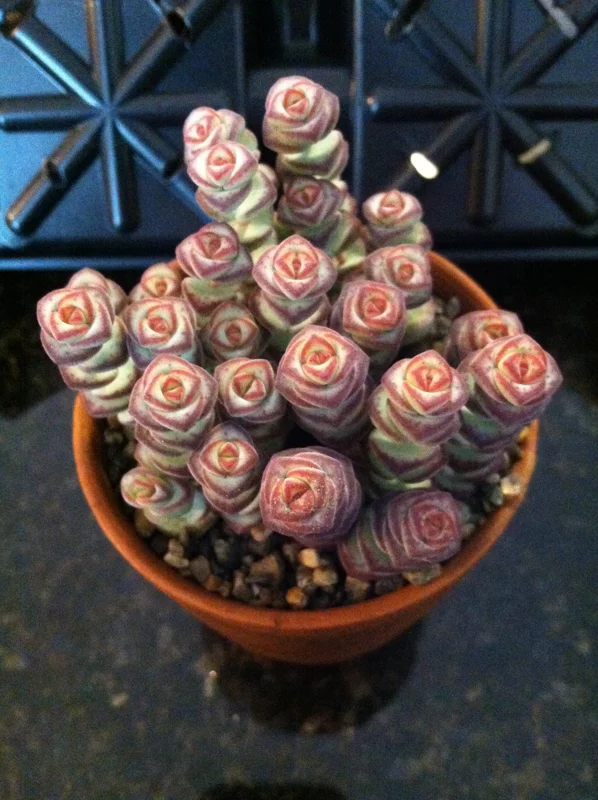
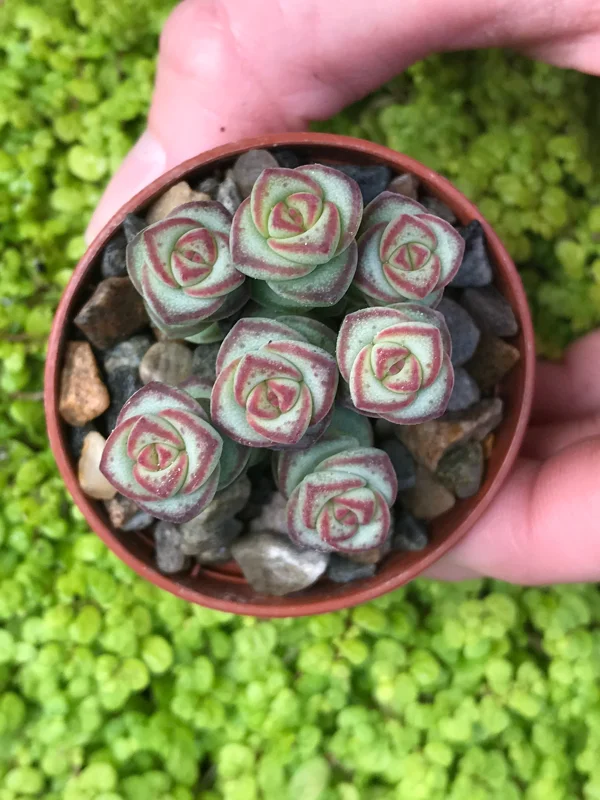
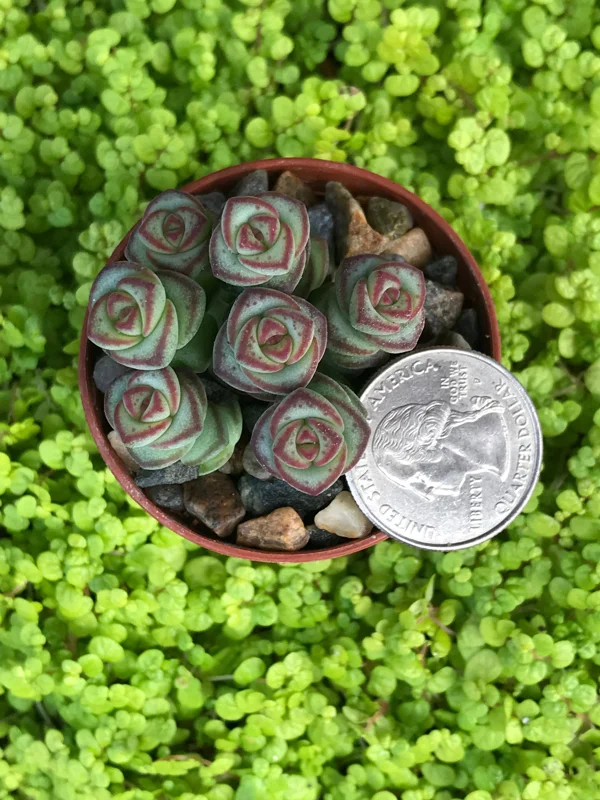
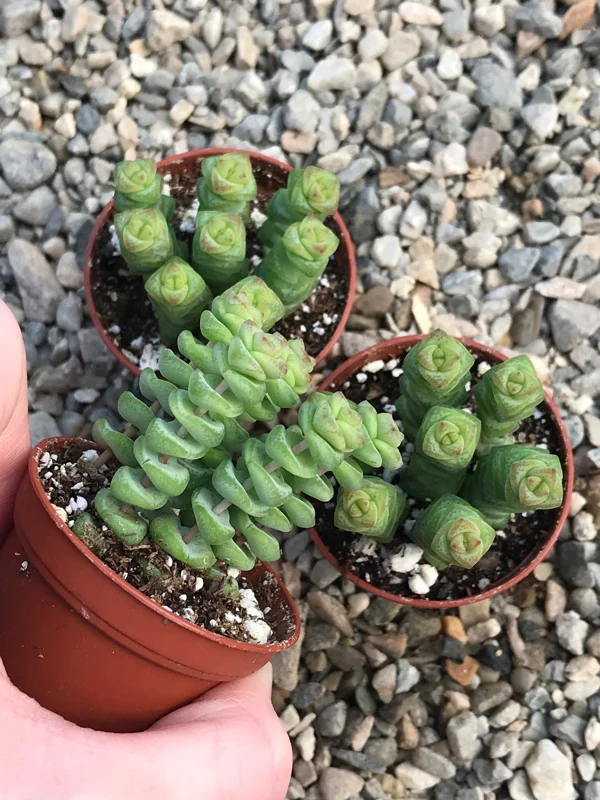
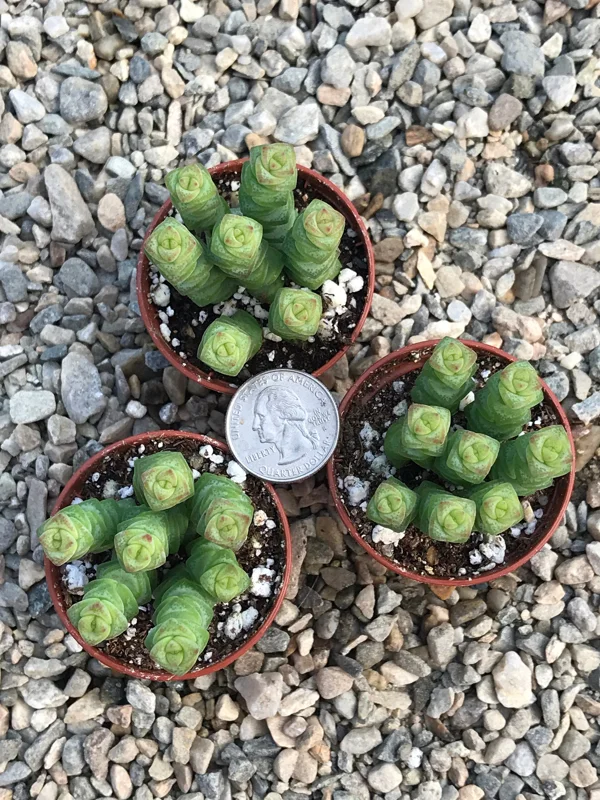
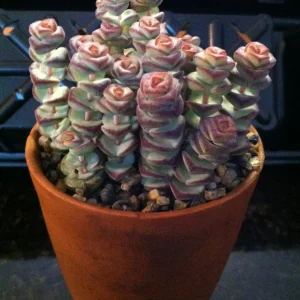
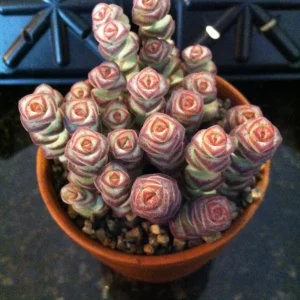
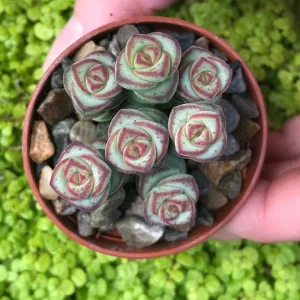
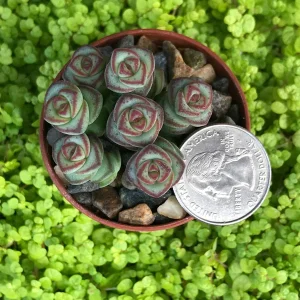
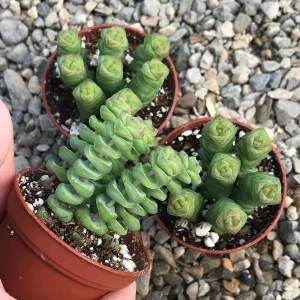
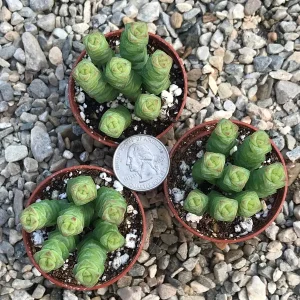
Baby Jade Necklace Succulent Live Plant – Crassula marnieriana Indoor
Original price was: $39.98.$19.99Current price is: $19.99.
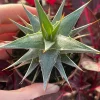
Bring home a distinctive baby jade necklace live plant, also known as Crassula marnieriana or worm plant succulent. This easy-care, trailing succulent is perfect for adding unique texture to any indoor setting or succulent collection.
Estimated arrival
Oct 11
Oct 16 - Oct 18
Oct 21 - Oct 25

Reasonable Price
We offer reasonable price

Support 24/7
Contact us 24 hrs a day

100% Money Back
You've 30 days to Return

Payment Secure
100% secure payment
Overview
Introduce a touch of whimsical greenery to your home with the fascinating baby jade necklace live plant. Scientifically known as Crassula marnieriana, this unique succulent is highly prized for its distinctive stacked, bead-like leaves that resemble a delicate necklace. Often referred to as the “worm plant” due to its segmented, cylindrical stems, it creates an eye-catching, trailing display. This live plant is an excellent choice for succulent enthusiasts and beginners alike, offering low-maintenance beauty and a charming architectural form. It thrives in bright, indirect light and is a fantastic addition to windowsills, shelves, or hanging baskets, where its cascading stems can be fully appreciated.
The baby jade necklace live plant is a delightful member of the Crassula genus, native to South Africa, and has adapted to thrive in arid conditions. Its compact growth habit and intriguing appearance make it a popular choice for terrariums, fairy gardens, and mixed succulent arrangements. This resilient plant is known for its ability to store water in its thick leaves, allowing it to tolerate periods of drought and making it incredibly forgiving for those new to plant care. Its vibrant green foliage often develops reddish edges when exposed to ample sunlight, adding to its visual appeal.
Key Benefits
The Crassula marnieriana care is minimal, making it an ideal plant for busy individuals or novice gardeners. Its unique appearance and hardiness offer several advantages:
- Unique Ornamental Appeal: The stacked, coin-like leaves of the baby jade necklace live plant create a truly distinctive texture and form, resembling a string of beads. It adds an exotic and whimsical touch to any indoor decor, standing out from more common houseplants.
- Low Maintenance & Drought Tolerant: As a succulent, it requires infrequent watering and thrives on neglect, making it perfect for those who may forget to water regularly. Its ability to store water in its leaves ensures it remains healthy even during dry spells.
- Versatile Display Options: Its trailing growth habit makes it ideal for hanging baskets, elevated shelves, or as a spiller in succulent arrangements. It can also be grown in shallow pots, allowing its unique form to be highlighted.
- Compact Size for Small Spaces: This succulent remains relatively small and contained, making it suitable for apartments, offices, or windowsills where space is at a premium. It doesn’t demand much room but still delivers significant visual impact.
- Easy to Propagate: The worm plant succulent is incredibly easy to propagate from stem cuttings, allowing you to expand your collection or share with friends. This makes it a rewarding plant for those who enjoy growing new plants.
- Air Purifying Qualities: Like many houseplants, the baby jade necklace live plant can contribute to a healthier indoor environment by helping to filter airborne toxins, promoting better air quality in your home or office.
- Pet-Friendly (with caution): While generally considered non-toxic, it’s always best to keep plants out of reach of pets who might be tempted to nibble, as ingestion of any plant material can cause mild stomach upset.
Plant Care & Growing Tips
Providing the right conditions for your baby jade necklace live plant ensures its vibrant growth and distinctive appearance. This succulent is quite forgiving but thrives with specific care. When it comes to lighting, the Crassula marnieriana care routine prioritizes bright, indirect light. Place it near a south or west-facing window where it can receive several hours of bright light, but avoid intense, direct afternoon sun which can scorch its delicate leaves. If grown outdoors in suitable climates, partial shade is often best to protect it from harsh sun.
Watering is critical for any succulent. Allow the soil to dry out completely between waterings. When you do water, do so thoroughly until water drains from the bottom of the pot. Overwatering is the most common cause of succulent demise, leading to root rot. During winter months, reduce watering frequency significantly, as the plant enters a period of dormancy. For soil, a well-draining succulent or cactus potting mix is essential. This ensures that excess water can escape quickly, preventing waterlogging. A mix containing perlite or pumice is ideal.
The worm plant succulent prefers average room temperatures, ideally between 65-75°F (18-24°C). It can tolerate slightly cooler temperatures but should be protected from frost, as it is not cold-hardy. Fertilize sparingly; a diluted balanced liquid fertilizer can be applied once or twice during the growing season (spring and summer). Repotting is usually only necessary every 2-3 years, or when the plant becomes root-bound. Choose a pot that is only slightly larger than the current one to prevent excess moisture retention. Keep an eye out for common succulent pests like mealybugs or spider mites and treat promptly with an insecticidal soap if detected. Proper Crassula marnieriana care will ensure a healthy, thriving plant for years to come.
Size & Details
The baby jade necklace live plant typically grows as a compact, trailing succulent. Its stems can reach lengths of 6 to 12 inches, with the individual stacked leaves forming segments along the stem. This plant is often shipped as a well-rooted cutting or a small potted plant, ready to continue its growth in your home. It has a moderate growth rate, gradually developing longer stems and forming a dense mat over time. When mature, it may produce small, inconspicuous white or pale pink flowers in clusters, adding another layer of charm. The exact size and appearance may vary depending on the specific specimen and growing conditions, but it generally maintains a manageable size, making it a great choice for various indoor settings.
Frequently Asked Questions
- Q: How big does this plant get? A: The baby jade necklace live plant typically produces trailing stems that can reach lengths of 6 to 12 inches, forming a dense, cascading effect. Its compact nature makes it suitable for smaller spaces and container growing.
- Q: Is this an indoor or outdoor plant? A: This succulent is primarily grown as an indoor plant in most climates due to its sensitivity to frost. It can be grown outdoors in USDA zones 9-11 or warmer, provided it’s protected from intense direct sun.
- Q: How much sunlight does it need? A: The Crassula marnieriana care requires bright, indirect light for optimal growth. A few hours of morning sun is beneficial, but avoid harsh afternoon sun that can scorch its leaves.
- Q: Is this plant easy to care for? A: Yes, the worm plant succulent is considered very easy to care for, making it an excellent choice for beginners. Its drought tolerance and minimal watering needs contribute to its low-maintenance reputation.
- Q: What condition will it arrive in? A: Your plant will arrive as a healthy, well-rooted live plant, carefully packaged to ensure its safety during transit. It will be ready to be placed in its new home upon arrival.
- Q: What size pot does it come in? A: The specific pot size can vary, but it is typically shipped in a 2-4 inch nursery pot, suitable for its current size and ready for you to repot into a decorative container of your choice.
- Q: How often should I water my Baby Jade Necklace? A: Water only when the soil has completely dried out. In summer, this might be every 2-4 weeks, and in winter, even less frequently, perhaps once a month or less, depending on your home’s humidity.
- Q: Can I propagate this succulent? A: Absolutely! The baby jade necklace live plant is very easy to propagate from stem cuttings. Simply snip a healthy stem, let it callus for a few days, and then place it on well-draining soil to root.
- Q: Is the worm plant succulent pet-safe? A: While generally considered non-toxic, it’s always best to keep plants out of reach of curious pets. Ingestion of any plant material can sometimes cause mild digestive upset.
- Q: Does it flower? A: Yes, when mature and under optimal conditions, Crassula marnieriana can produce small, delicate white or pale pink flowers in clusters, usually in late winter or early spring.
Be the first to review “Baby Jade Necklace Succulent Live Plant – Crassula marnieriana Indoor”
-
USDA Hardiness Zone
USDA zones 9-11 (outdoors) or indoor cultivation -
Soil Type
Well-draining succulent or cactus potting mix -
Sunlight Exposure
Bright indirect light -
Expected Planting Period
Year-round indoors
People Also Viewd
Sold 134 products
Original price was: $3,536.00.$23.99Current price is: $23.99.
Sold 132 products
Original price was: $27.00.$24.00Current price is: $24.00.
Sold 132 products
Original price was: $89.99.$64.99Current price is: $64.99.

Sold 125 products
Original price was: $86.99.$66.99Current price is: $66.99.
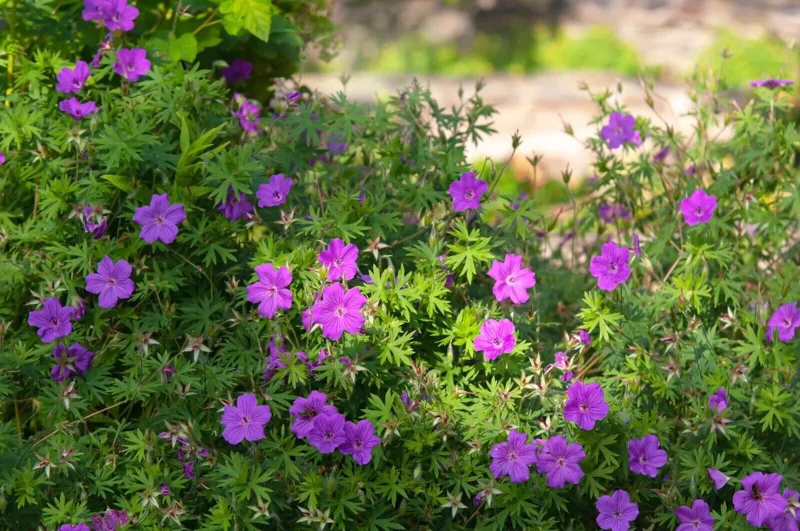
Flower Bulbs
3 Cranesbill Wild Geranium Organic Maculatums Bare Roots | Wildflower for Outdoor Garden
Sold 116 products
Original price was: $21.99.$9.99Current price is: $9.99.
Sold 114 products
Original price was: $28.99.$17.99Current price is: $17.99.
Sold 110 products
Original price was: $63.99.$28.99Current price is: $28.99.
Sold 108 products
Original price was: $28.99.$17.99Current price is: $17.99.RELATED posts
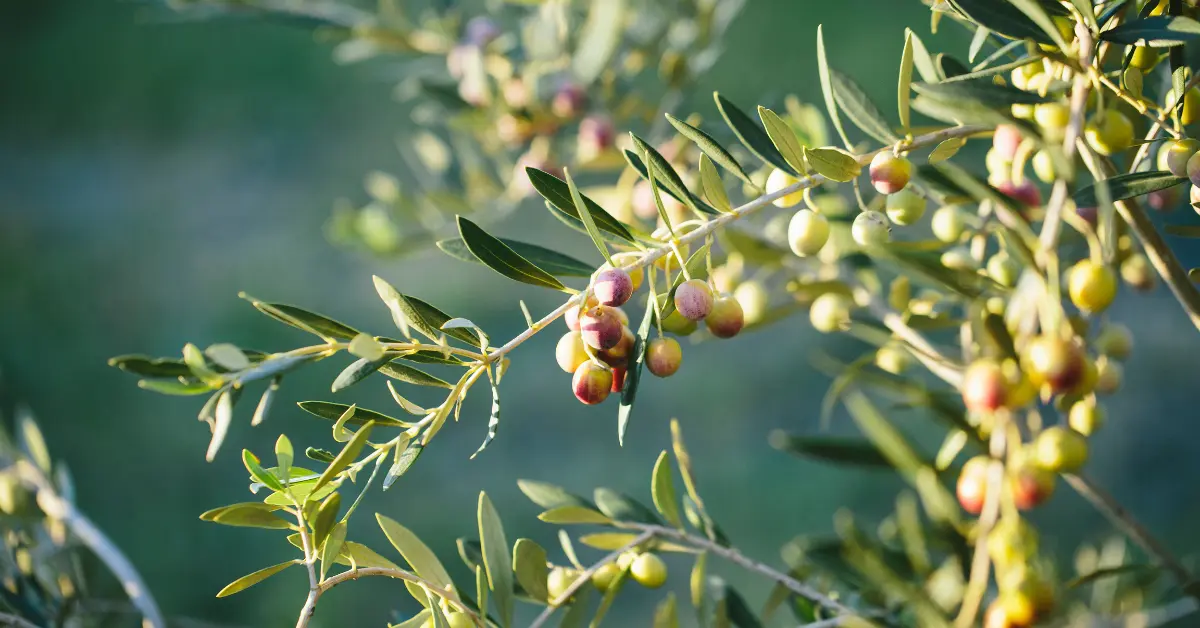
How to Grow Arbequina Olive Trees: The Ultimate Guide to Your Own Olive Grove
Arbequina Olive Tree (Olea europaea ‘Arbequina’) – the ultimate Mediterranean plant that brings a touch [...]
Oct
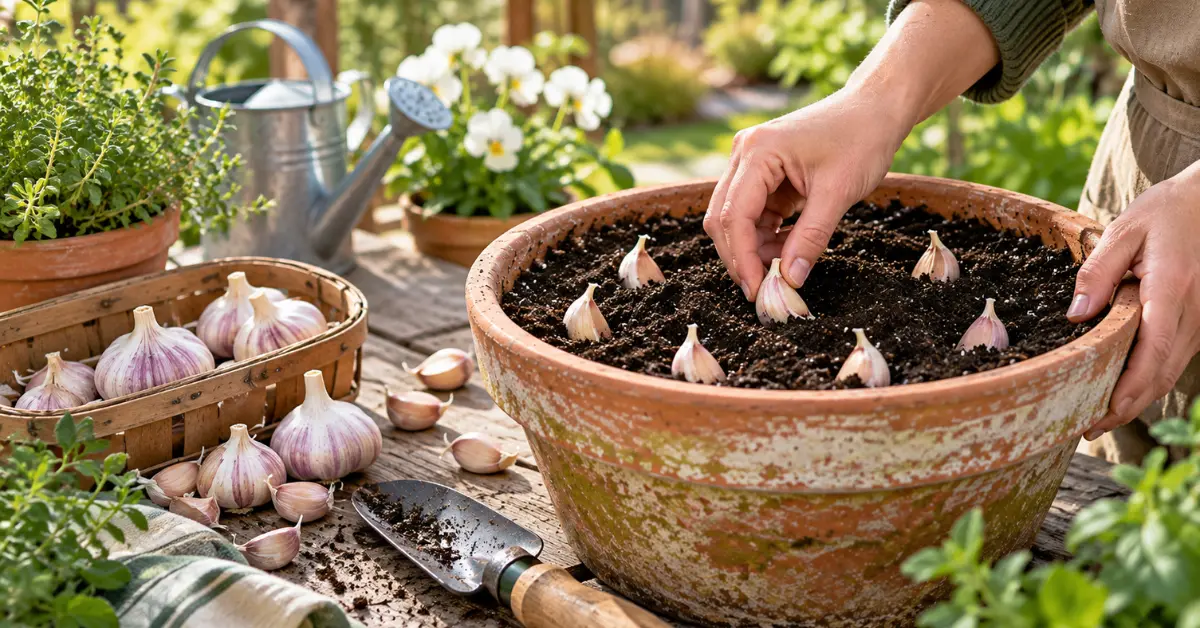
Growing Garlic in Containers This Fall: A Complete Guide for Beginners
If you’ve ever wanted to pop fresh, aromatic garlic cloves straight from your own patio [...]
Sep
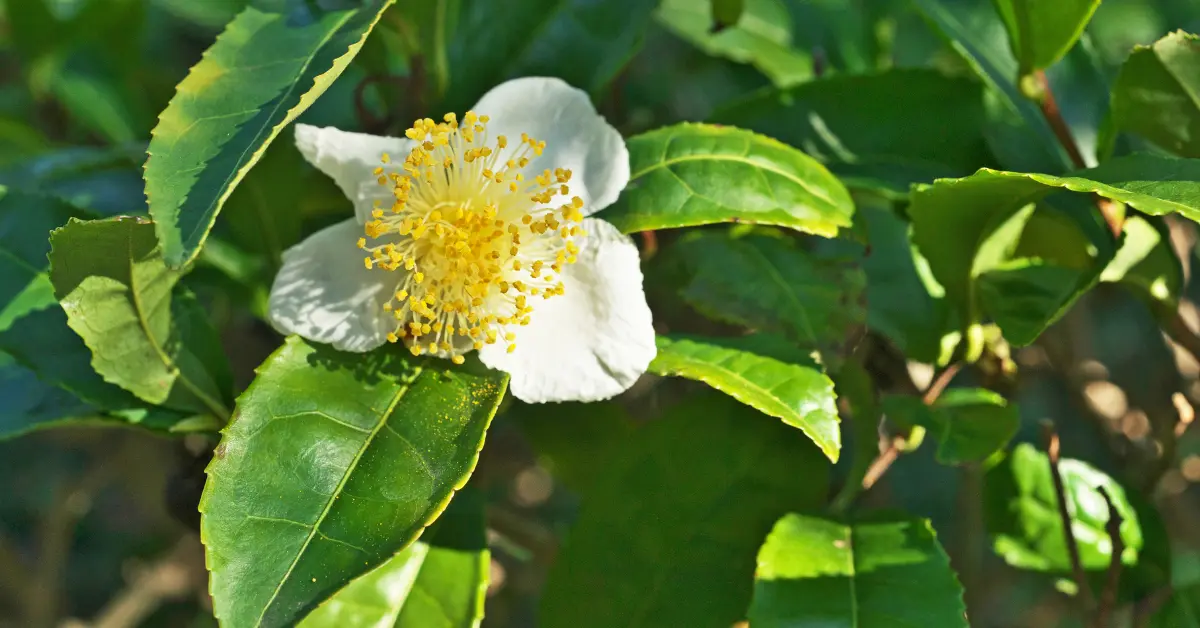
Growing Camellia Sinensis (Tea Plants) in Containers: A Complete Guide for Beginners
If you’ve ever wanted to sip a steaming, homegrown cup of fresh green, black, or [...]
Aug
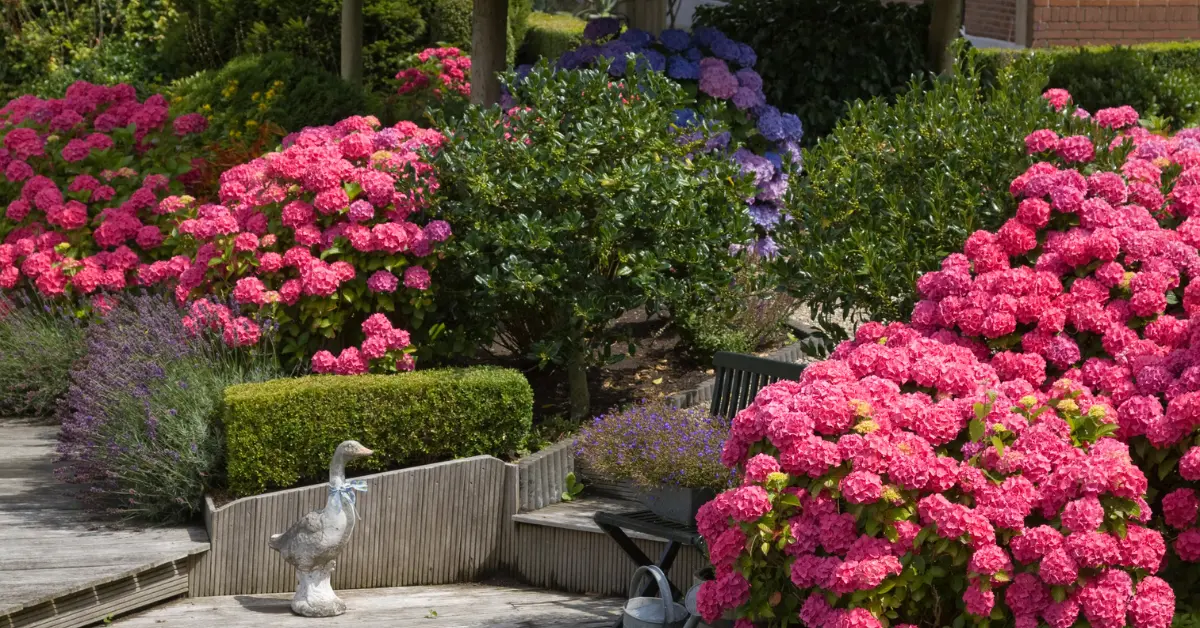
6 Best Shrubs to Plant in August You Must Try
Have you ever walked through a nursery late in the summer, admired the vibrant shrubs [...]
Aug
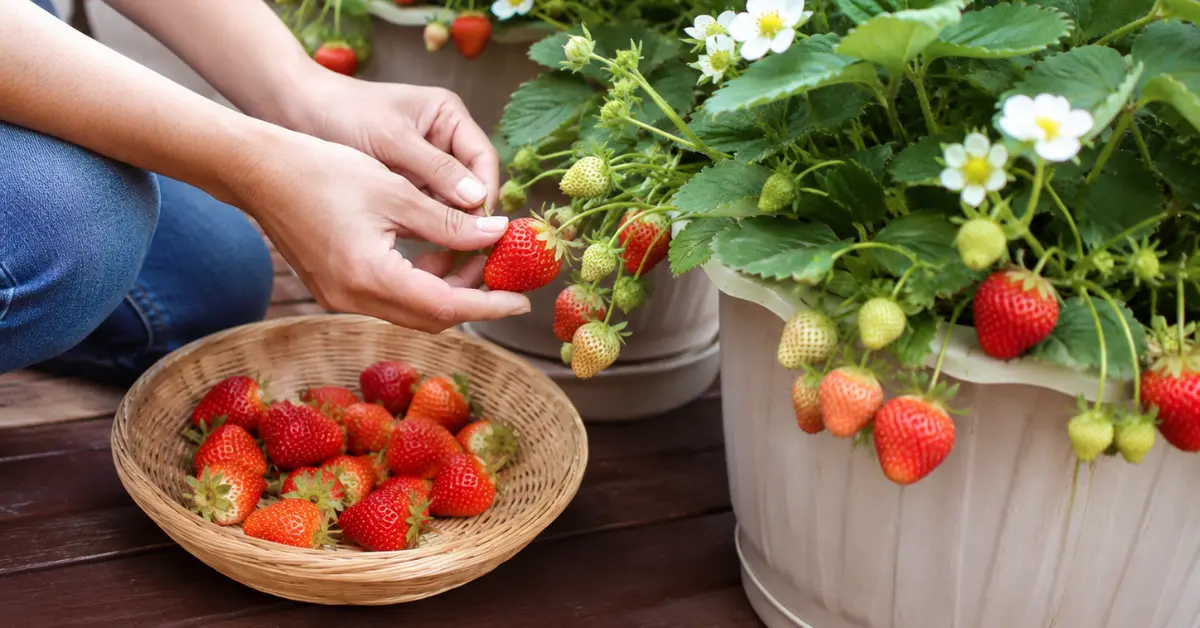
Growing Everbearing Strawberries in Containers: A Complete Guide for Beginners
Want to grow sweet, fresh strawberries but do not have a large garden? Everbearing strawberries [...]
Aug
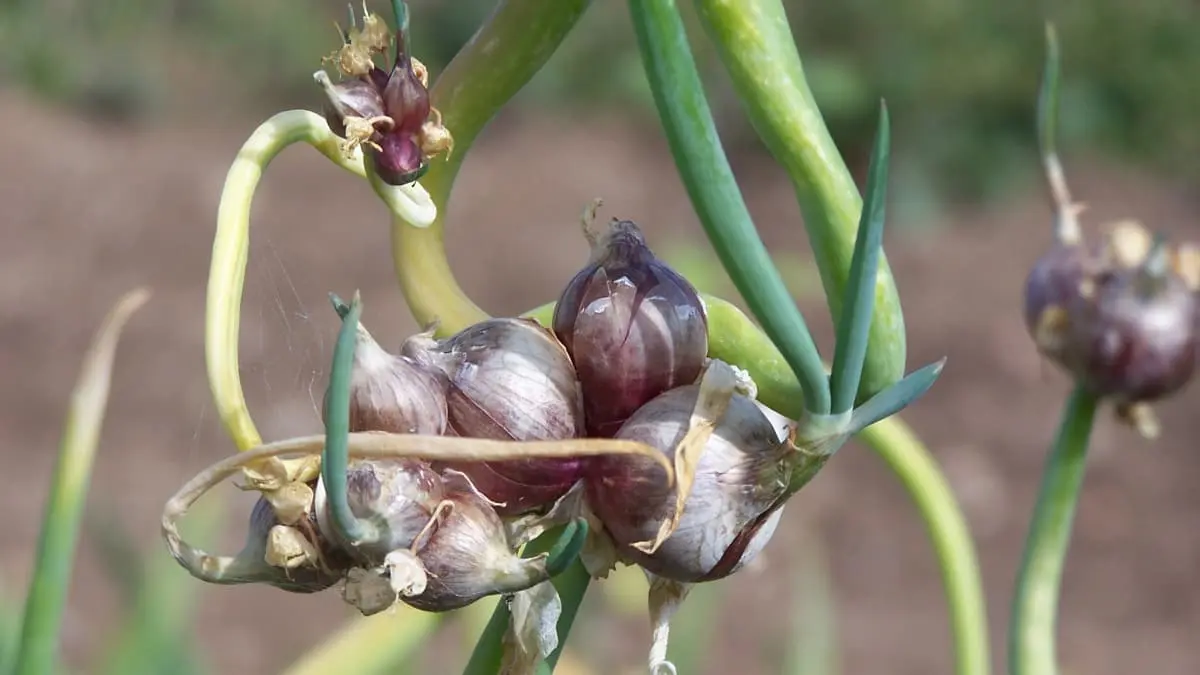
Growing Egyptian Walking Onions in Containers: A Complete Guide for Beginners
If you’re looking for a hardy, no-fuss perennial onion that keeps on giving year after [...]
Jul
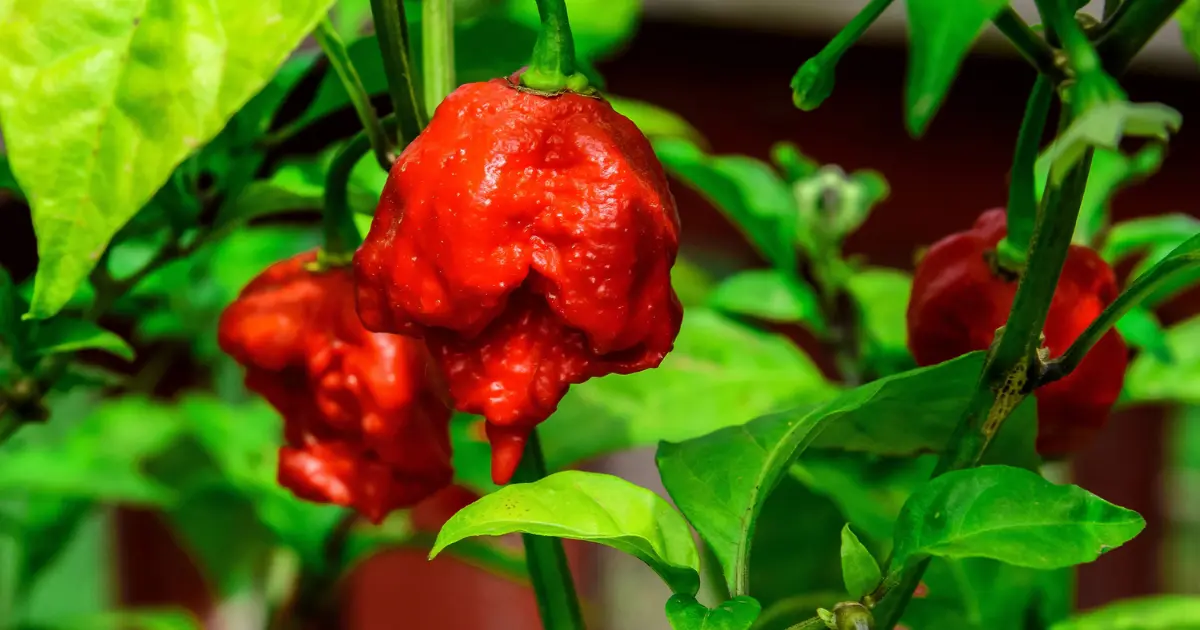
Growing Carolina Reaper Peppers in Pots: A Complete Guide for Beginners
If you’ve ever wanted to add some serious, record-breaking heat to your home cooking, you’ve [...]
May
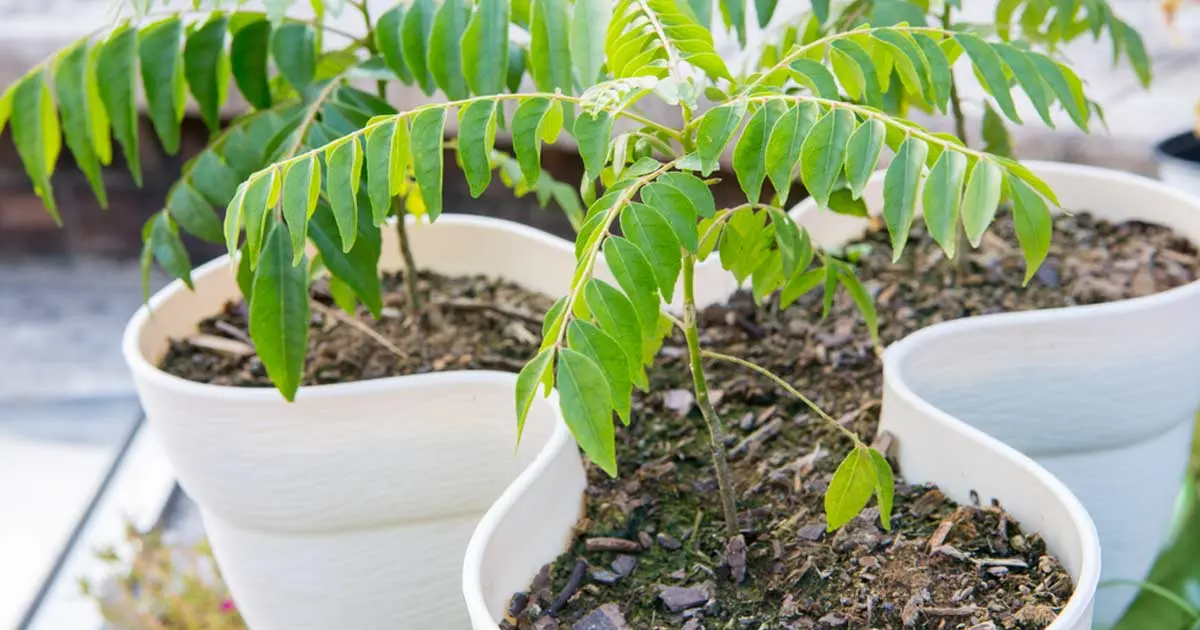
Growing Curry Leaf Plant in Pots: A Complete Guide for Beginners
If you’re a fan of authentic South Asian cuisine, you already know that nothing compares [...]
May
Reviews
There are no reviews yet.