
Pink Moonstone Succulent Live Plant – Pachyveria Oviferum – Potted Houseplant
Original price was: $43.98.$21.99Current price is: $21.99.
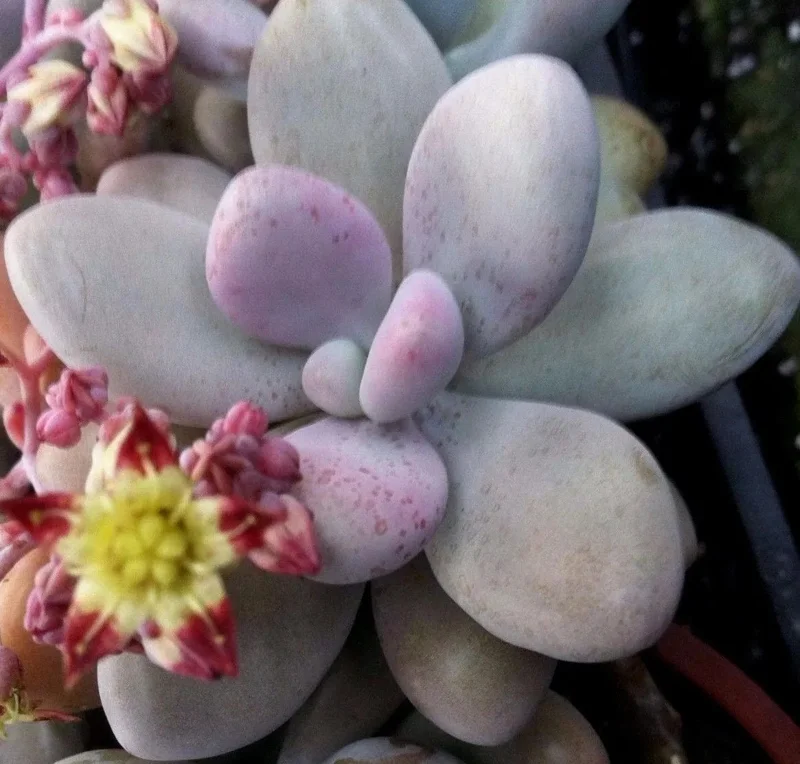
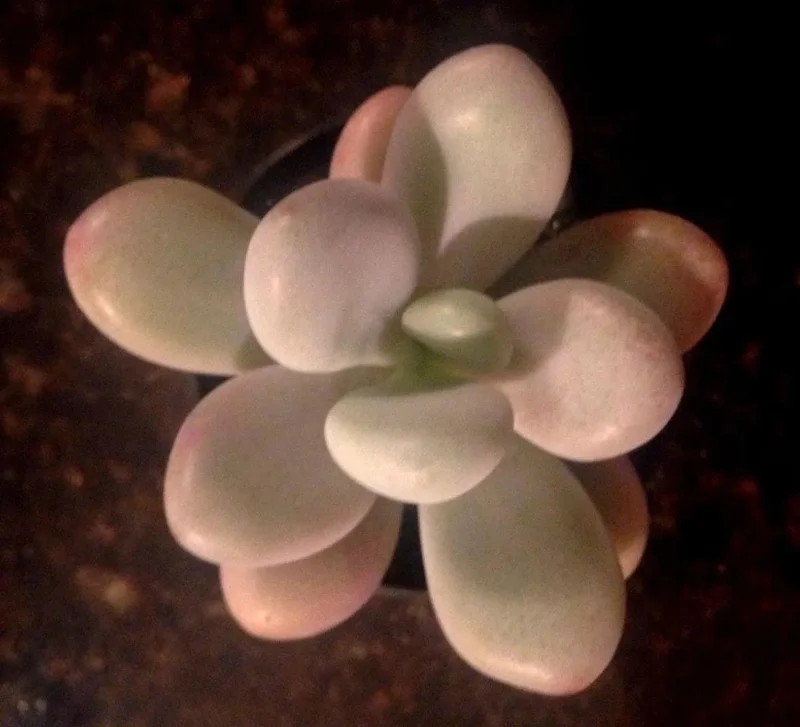
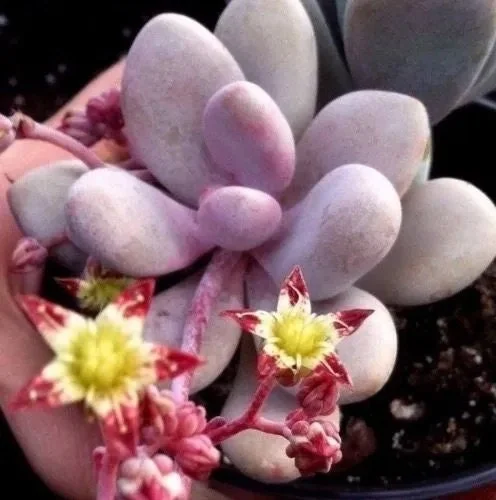
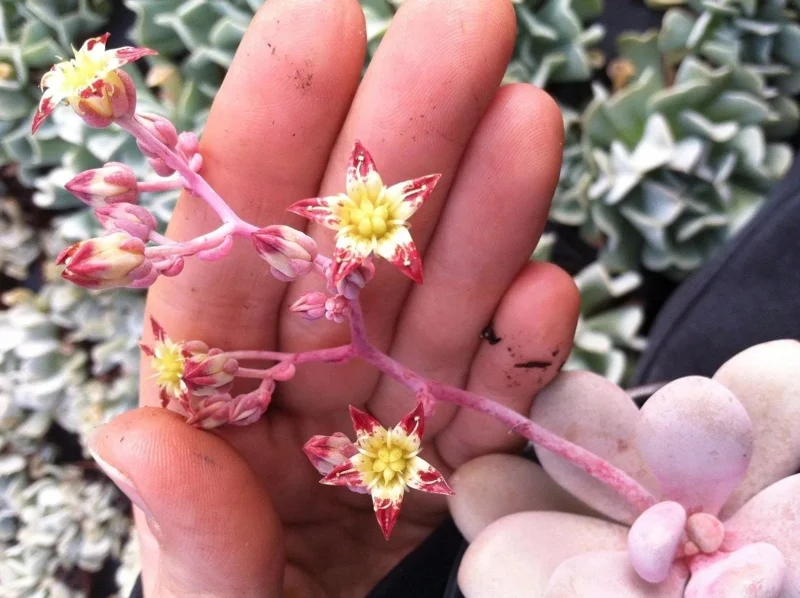
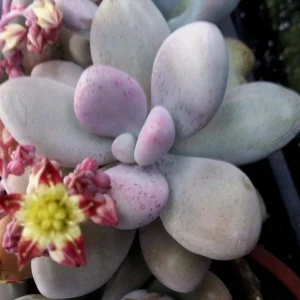
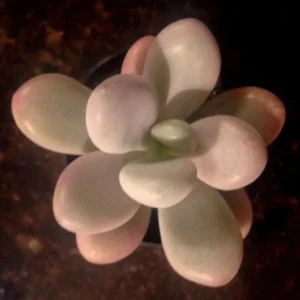
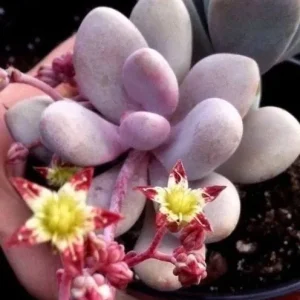
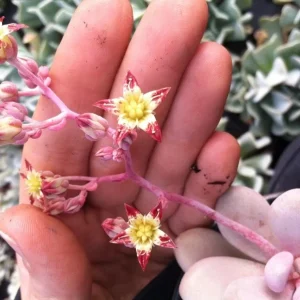
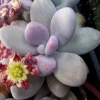
Bring subtle elegance to your home with the pink moonstone succulent, Pachyveria Oviferum. This charming pachyveria oviferum plant is celebrated for its unique, plump, pastel-colored leaves, making it an ideal choice for succulent enthusiasts and beginners alike. Perfect for bright indoor spaces, it adds a touch of serene beauty to any collection.
Estimated arrival
Oct 12
Oct 17 - Oct 19
Oct 22 - Oct 26

Reasonable Price
We offer reasonable price

Support 24/7
Contact us 24 hrs a day

100% Money Back
You've 30 days to Return

Payment Secure
100% secure payment
Overview
Introduce a touch of celestial beauty to your plant collection with the pink moonstone succulent, scientifically known as Pachyveria Oviferum. This captivating hybrid succulent is a cross between Pachyphytum and Echeveria, inheriting the best characteristics from both parents—the plump, egg-shaped leaves of Pachyphytum and the rosette form of Echeveria. The ‘Pink Moonstone’ variety is particularly prized for its stunning, powdery pastel pink to lavender-blue foliage, which intensifies in color with adequate sunlight. Each pachyveria oviferum plant is a living work of art, offering a unique aesthetic appeal that can transform any indoor space. Its compact size and striking appearance make it a favorite for windowsills, desks, and succulent arrangements, providing a serene yet vibrant focal point.
The common name, pink moonstone succulent, perfectly captures its ethereal charm, reminiscent of smooth, polished gemstones. This succulent is an excellent choice for both seasoned collectors and those new to the world of succulents, thanks to its relatively easy care requirements and enduring beauty. Whether you’re looking to enhance your home decor or searching for a delightful gift, the Pachyveria Oviferum ‘Pink Moonstone’ is a superb selection that promises to bring joy and a touch of natural artistry.
Key Benefits
The pink moonstone succulent offers numerous advantages beyond its undeniable beauty, making it a highly desirable addition to any plant enthusiast’s collection. Its unique attributes contribute to a more beautiful and enjoyable living space.
- Exquisite Ornamental Value: The primary appeal of this pachyveria oviferum plant lies in its stunning visual characteristics. Its plump, powdery, and pastel-hued leaves, ranging from soft pink to lavender-blue, create a mesmerizing display that is truly unique among succulents. It’s a perfect conversation starter and a focal point for any room.
- Low Maintenance & Drought Tolerant: Ideal for busy individuals or those new to gardening, the pink moonstone succulent requires minimal attention. Its succulent nature means it stores water in its leaves, making it highly drought-tolerant and forgiving of occasional neglect. This ease of care makes moonstone succulent care straightforward and rewarding.
- Compact Size for Versatile Display: With its naturally compact growth habit, this succulent is perfectly suited for small spaces. It thrives in pots on windowsills, office desks, bookshelves, or as part of a mixed succulent arrangement, adding beauty without taking up too much room.
- Air Purifying Qualities: Like many houseplants, the pachyveria oviferum plant contributes to a healthier indoor environment by helping to filter toxins from the air, albeit on a smaller scale. It’s a small step towards a fresher home.
- Boosts Mood & Reduces Stress: The presence of living plants, especially those as aesthetically pleasing as an ornamental succulent, has been shown to improve mood, reduce stress, and enhance overall well-being. Its gentle colors and unique form can create a calming atmosphere.
- Easy to Propagate: This succulent is relatively easy to propagate from leaf or stem cuttings, allowing you to expand your collection or share its beauty with friends and family. It’s a rewarding process for any gardener.
Plant Care & Growing Tips
Caring for your pink moonstone succulent, Pachyveria Oviferum, is a straightforward and rewarding experience, provided you meet its basic needs. Understanding the essentials of moonstone succulent care will ensure your plant thrives and displays its most vibrant colors. This succulent prefers conditions that mimic its natural arid habitat.
Sunlight Requirements: The most crucial factor for vibrant color in your pink moonstone succulent is ample sunlight. It thrives in bright, direct sunlight for at least 6 hours a day. Indoors, place it in a south-facing window where it can receive the most light. If natural light is insufficient, consider supplementing with a grow light to prevent etiolation (stretching) and encourage intense coloration. Outdoors, it can tolerate full sun, but in extremely hot climates, some afternoon shade might be beneficial to prevent scorching.
Watering Schedule & Soil Moisture: Overwatering is the most common killer of succulents. The ‘Pink Moonstone’ prefers a ‘soak and dry’ method. Water thoroughly until water drains from the bottom of the pot, then allow the soil to dry out completely before watering again. During the active growing season (spring and summer), this might be every 2-4 weeks, while in dormancy (fall and winter), watering should be significantly reduced, perhaps once a month or even less. Always check the soil moisture with your finger before watering. Proper drainage is key to preventing root rot.
Soil Type & Drainage: Use a well-draining succulent or cactus potting mix. A good mix will typically contain perlite, pumice, or coarse sand to enhance drainage and aeration. Avoid heavy, moisture-retentive garden soil, which can lead to root rot. Repotting is generally needed only when the plant outgrows its container, usually every 1-2 years. When repotting, choose a pot with drainage holes.
Temperature Range & USDA Hardiness Zone: Pachyveria Oviferum is not frost-tolerant. It prefers temperatures between 65-80°F (18-27°C). If grown outdoors, bring it inside before temperatures drop below 40°F (4°C). It is generally suitable for outdoor cultivation in USDA Zones 9-11. For indoor growers, maintaining a consistent room temperature is ideal for this beautiful ornamental succulent.
Fertilization: Fertilize sparingly, if at all. A diluted succulent or cactus fertilizer can be applied once or twice during the growing season (spring and summer). Avoid fertilizing in the fall and winter when the plant is dormant. Over-fertilization can lead to leggy growth and chemical burn.
Size & Details
The pink moonstone succulent typically forms a compact rosette, reaching an average size of 4-6 inches in diameter and 3-5 inches in height when fully mature. Its growth rate is moderate, allowing it to maintain its charming form for an extended period. Each plant is shipped as a healthy, established live plant, carefully packaged to ensure its safe arrival. While exact measurements can vary slightly due to natural growth, we ensure you receive a vibrant and well-rooted pachyveria oviferum plant ready to thrive in its new home. It is generally shipped in its nursery pot, allowing for an easy transition upon arrival. Expect this stunning pachyphytum oviferum for sale to grow into a beautiful specimen with proper care.
Frequently Asked Questions
- Q: How big does the pink moonstone succulent get? A: A: The pink moonstone succulent typically grows to about 4-6 inches in diameter and 3-5 inches in height. It maintains a compact, attractive rosette form, making it suitable for various display settings.
- Q: Is this an indoor or outdoor plant? A: While it can thrive outdoors in warm, frost-free climates (USDA Zones 9-11), the pachyveria oviferum plant is primarily grown as an indoor houseplant in most regions. It needs bright light regardless of its location.
- Q: How much sunlight does it need? A: For the best coloration and healthy growth, your pink moonstone succulent requires at least 6 hours of bright, direct sunlight daily. An east or south-facing window is ideal indoors.
- Q: Is this plant easy to care for? A: Yes, moonstone succulent care is considered easy, making it an excellent choice for beginners. Its drought tolerance means it’s forgiving if you occasionally forget to water, as long as it gets enough light.
- Q: What condition will the pachyphytum oviferum for sale arrive in? A: Your succulent will arrive as a healthy, well-rooted live plant, typically in its nursery pot. It is carefully packaged to minimize stress during shipping, ensuring it reaches you in good condition.
- Q: How often should I water my ornamental succulent? A: Water only when the soil is completely dry. This could be every 2-4 weeks during warmer months and much less frequently in winter. Always check the soil moisture before watering.
- Q: Is the pink moonstone succulent pet-safe? A: Pachyveria Oviferum is generally considered non-toxic to pets, but it’s always best to prevent pets from ingesting any plant material to avoid potential mild digestive upset.
- Q: What kind of soil is best for this succulent? A: Use a well-draining potting mix specifically formulated for succulents or cacti. This prevents waterlogging and promotes healthy root growth for your pachyveria oviferum plant.
- Q: Can I propagate this succulent? A: Yes, the pink moonstone succulent is relatively easy to propagate from individual leaves or stem cuttings. Allow cuttings to callus for a few days before placing them on or in well-draining soil.
- Q: Why are my succulent’s leaves losing their pink color? A: The vibrant pink hues of your pink moonstone succulent are often a sign of ‘stress’ from ample sunlight. If the plant isn’t receiving enough direct light, its colors may fade to a more muted green or blue-green. Increase light exposure to bring back the pink.
Be the first to review “Pink Moonstone Succulent Live Plant – Pachyveria Oviferum – Potted Houseplant”
-
USDA Hardiness Zone
USDA zones 9-11 (outdoors) -
Soil Type
Well-draining succulent or cactus mix -
Sunlight Exposure
Bright direct sunlight -
Expected Planting Period
Year-round indoors
People Also Viewd
Sold 134 products
Original price was: $3,536.00.$23.99Current price is: $23.99.
Sold 132 products
Original price was: $89.99.$64.99Current price is: $64.99.
Sold 132 products
Original price was: $27.00.$24.00Current price is: $24.00.

Sold 125 products
Original price was: $86.99.$66.99Current price is: $66.99.
Flower Bulbs
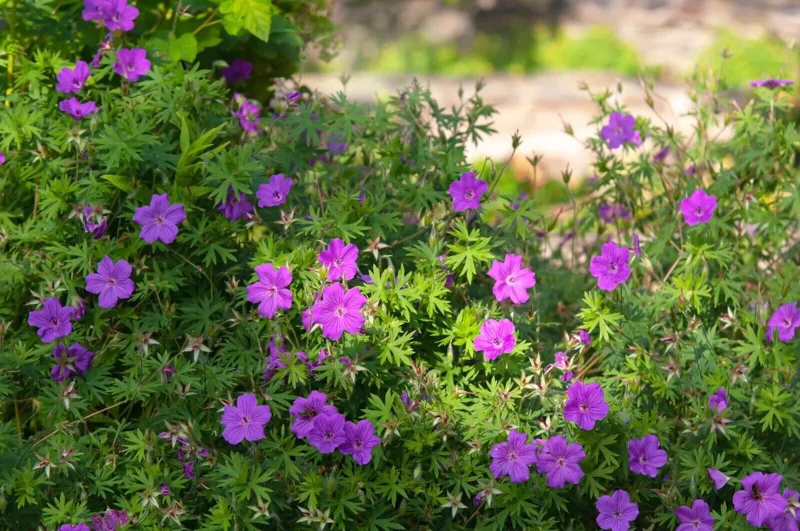
3 Cranesbill Wild Geranium Organic Maculatums Bare Roots | Wildflower for Outdoor Garden
Sold 116 products
Original price was: $21.99.$9.99Current price is: $9.99.
Sold 114 products
Original price was: $28.99.$17.99Current price is: $17.99.
Sold 110 products
Original price was: $63.99.$28.99Current price is: $28.99.
Sold 108 products
Original price was: $28.99.$17.99Current price is: $17.99.RELATED posts
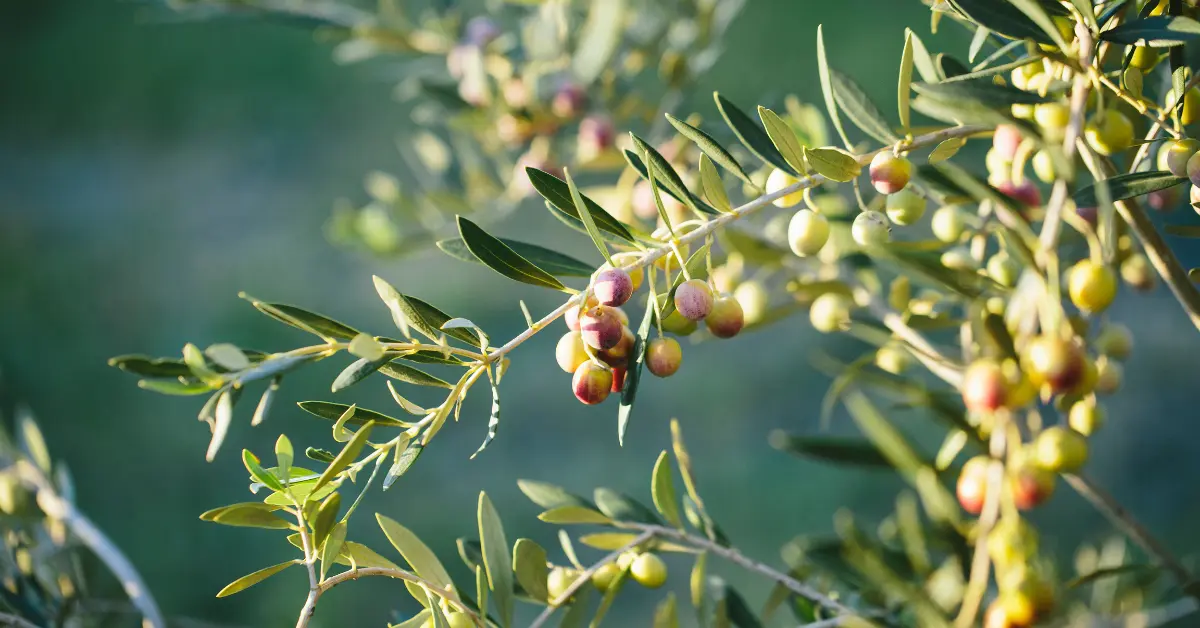
How to Grow Arbequina Olive Trees: The Ultimate Guide to Your Own Olive Grove
Arbequina Olive Tree (Olea europaea ‘Arbequina’) – the ultimate Mediterranean plant that brings a touch [...]
Oct
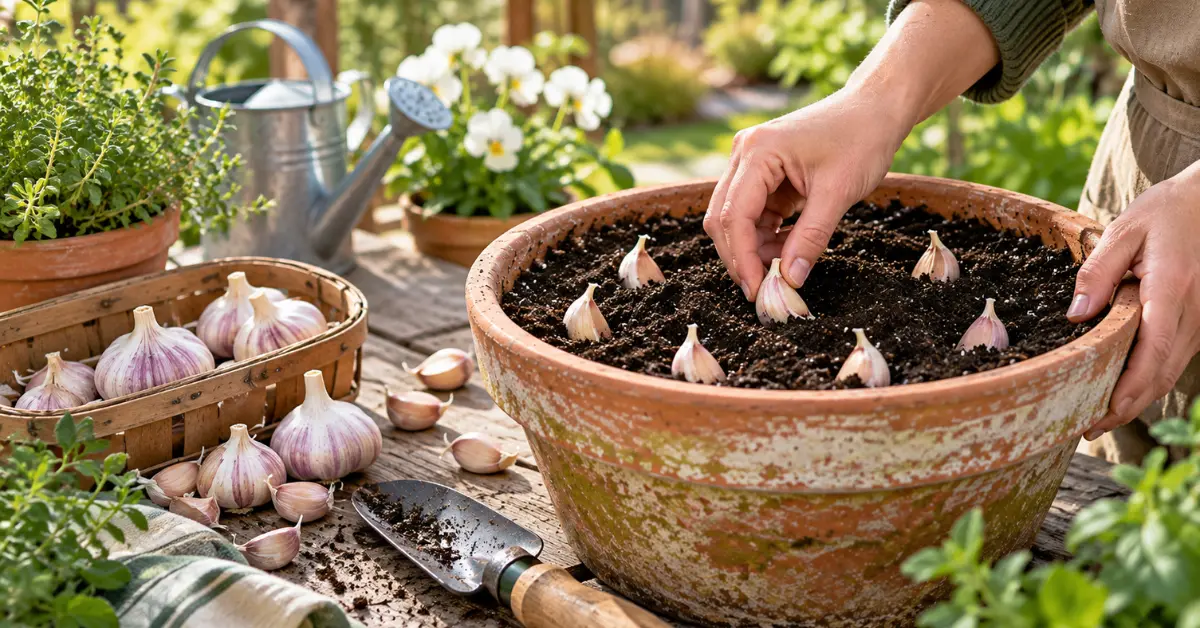
Growing Garlic in Containers This Fall: A Complete Guide for Beginners
If you’ve ever wanted to pop fresh, aromatic garlic cloves straight from your own patio [...]
Sep
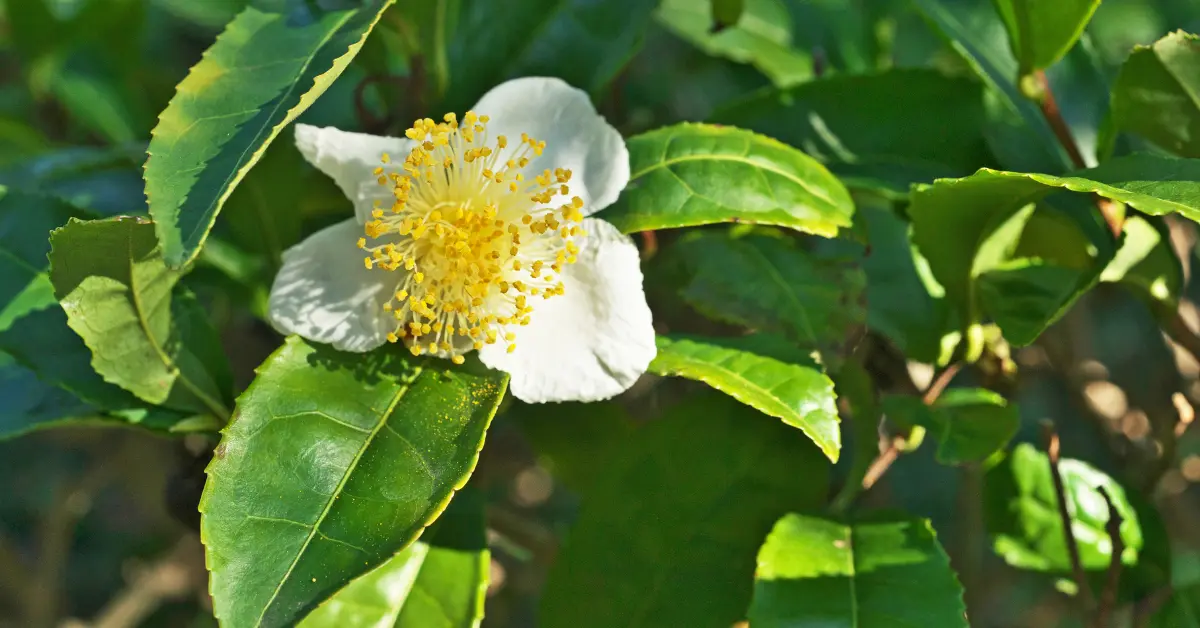
Growing Camellia Sinensis (Tea Plants) in Containers: A Complete Guide for Beginners
If you’ve ever wanted to sip a steaming, homegrown cup of fresh green, black, or [...]
Aug
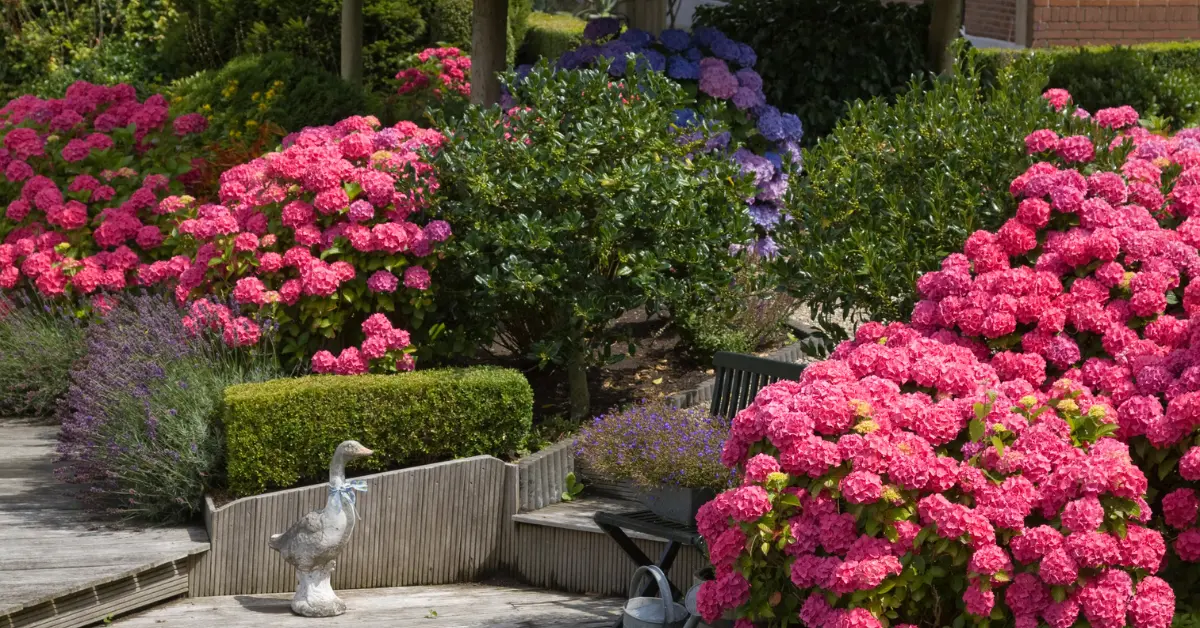
6 Best Shrubs to Plant in August You Must Try
Have you ever walked through a nursery late in the summer, admired the vibrant shrubs [...]
Aug
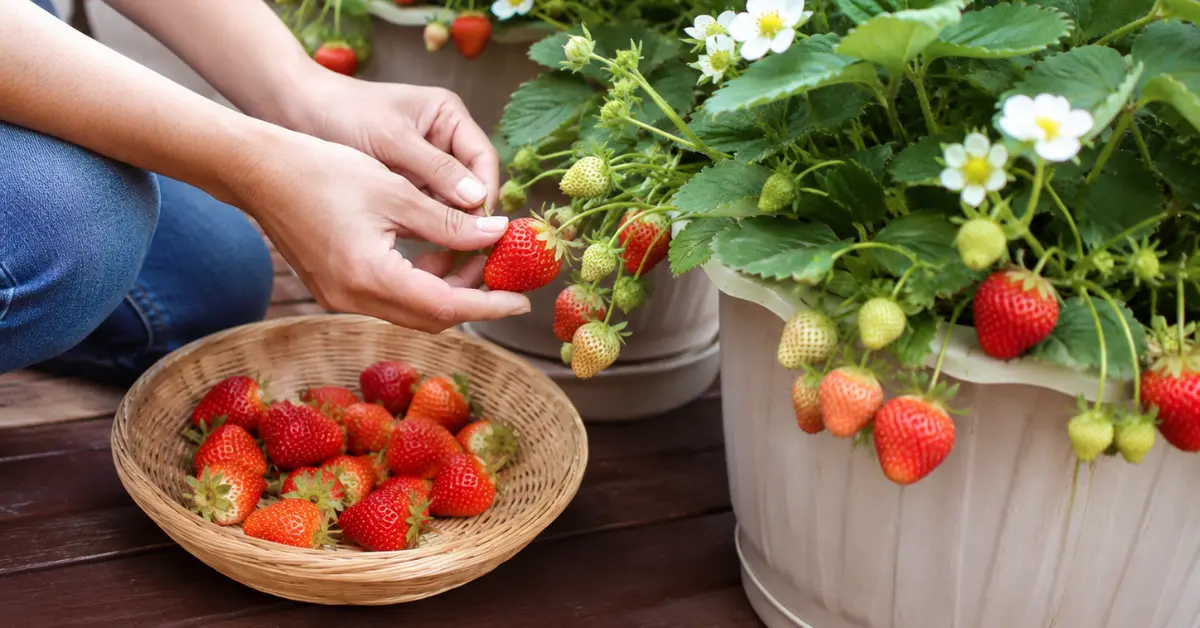
Growing Everbearing Strawberries in Containers: A Complete Guide for Beginners
Want to grow sweet, fresh strawberries but do not have a large garden? Everbearing strawberries [...]
Aug
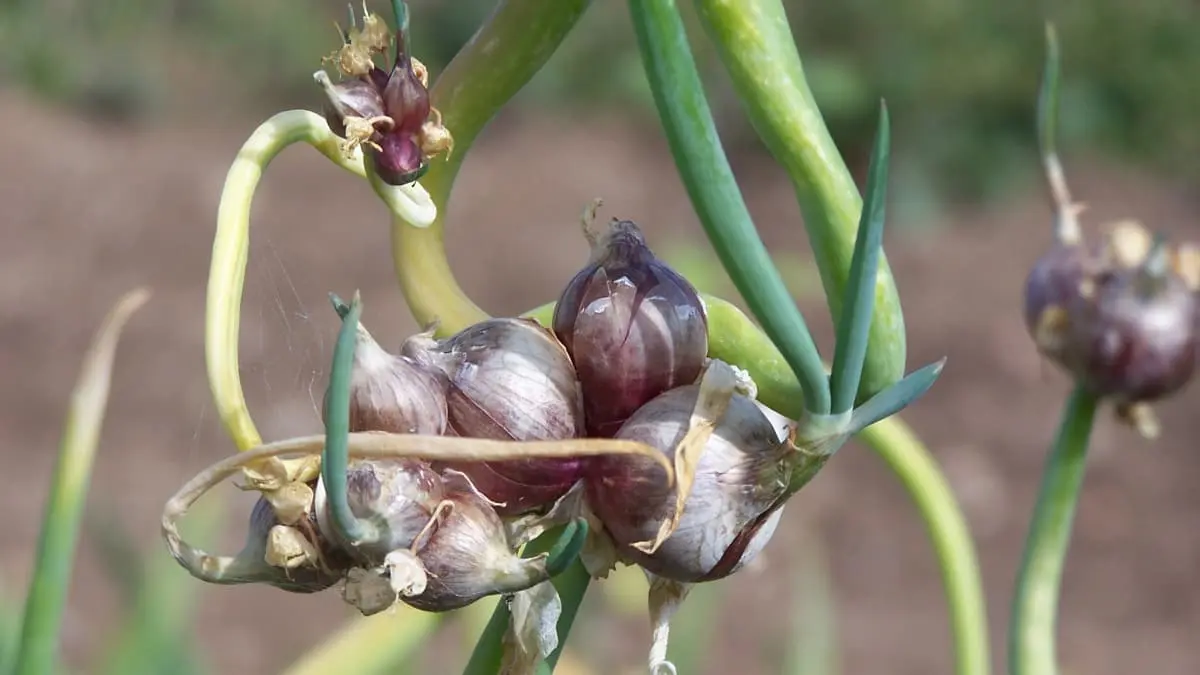
Growing Egyptian Walking Onions in Containers: A Complete Guide for Beginners
If you’re looking for a hardy, no-fuss perennial onion that keeps on giving year after [...]
Jul
Growing Carolina Reaper Peppers in Pots: A Complete Guide for Beginners
If you’ve ever wanted to add some serious, record-breaking heat to your home cooking, you’ve [...]
May
Growing Curry Leaf Plant in Pots: A Complete Guide for Beginners
If you’re a fan of authentic South Asian cuisine, you already know that nothing compares [...]
May
Reviews
There are no reviews yet.