
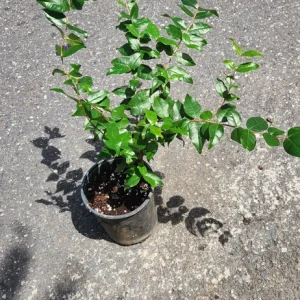
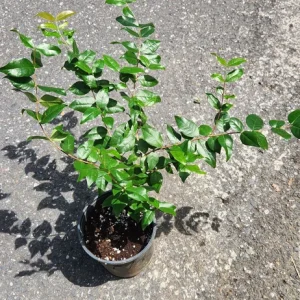
Big Pitanga Live Fruit Tree – Surinam Cherry Plant – 2-3ft Tall – Outdoor
Original price was: $132.80.$82.80Current price is: $82.80.
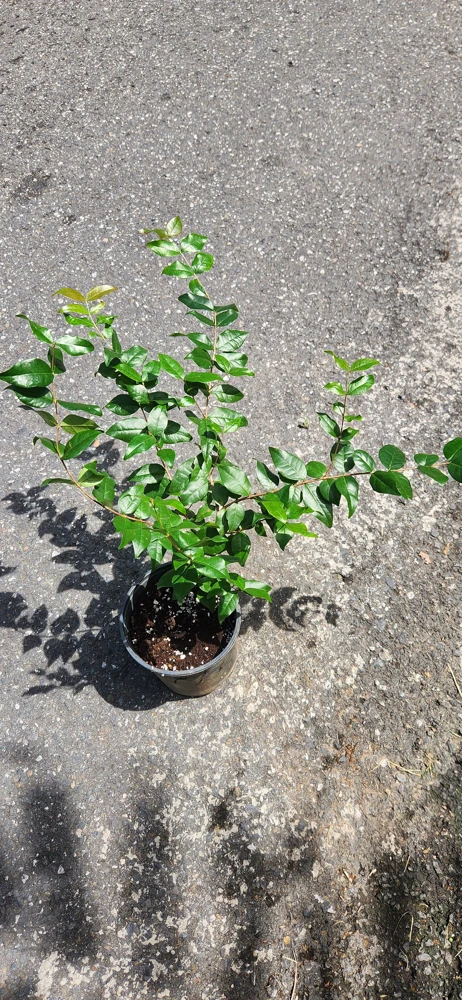
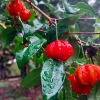
Cultivate your own exotic fruit with this vibrant big pitanga live fruit tree. Also known as Surinam Cherry (Eugenia uniflora), this 2-3ft shrub produces delicious, ribbed red fruits and fragrant white flowers. Ideal for subtropical and Mediterranean climates, adding ornamental beauty and edible bounty to your garden.
Estimated arrival
Sep 15
Sep 20 - Sep 22
Sep 25 - Sep 29

Reasonable Price
We offer reasonable price

Support 24/7
Contact us 24 hrs a day

100% Money Back
You've 30 days to Return

Payment Secure
100% secure payment
Overview
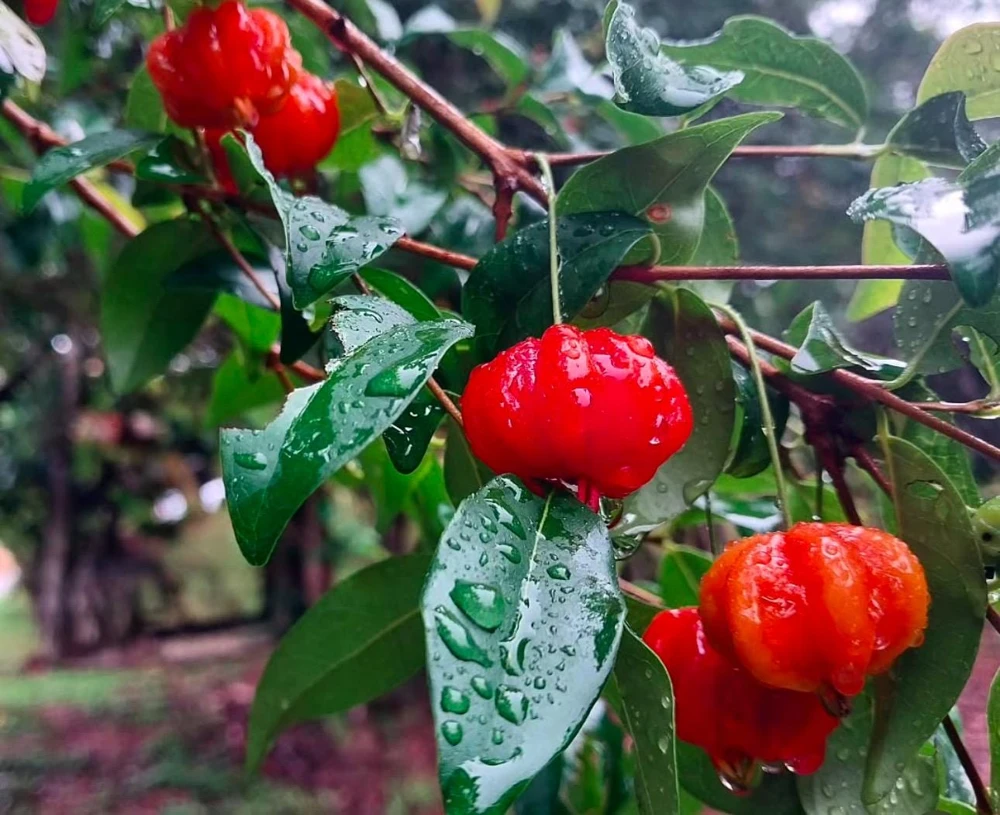
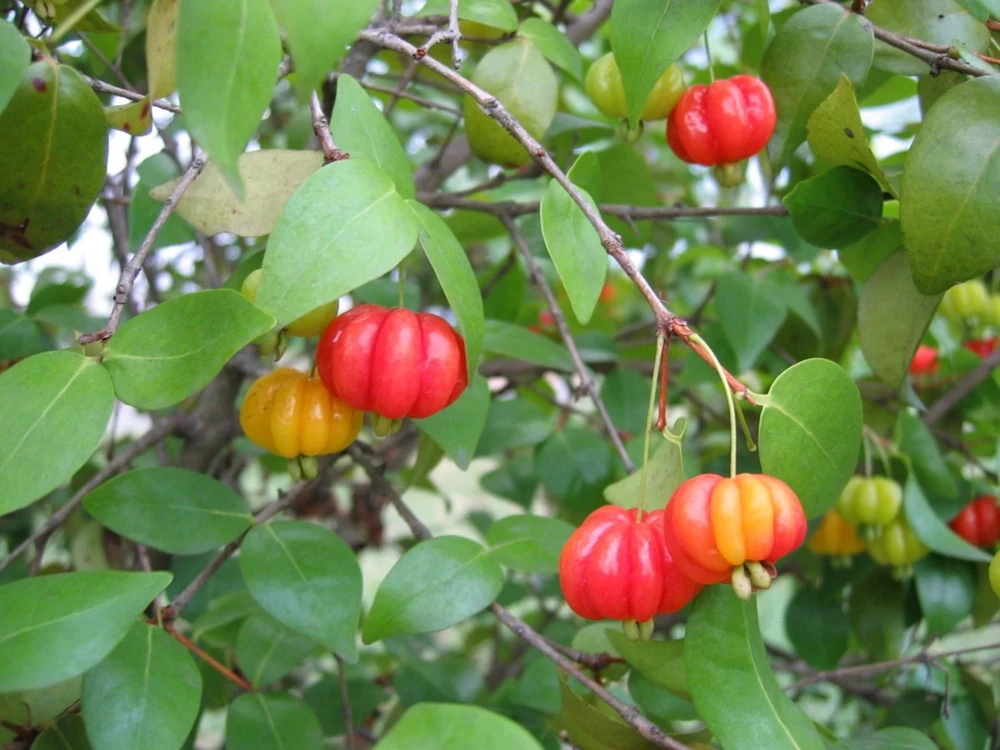
Introduce an exotic touch to your garden with the magnificent big pitanga live fruit tree. This beautiful plant, scientifically known as Eugenia uniflora, is more commonly recognized as the Surinam Cherry. Originating from Brazil, this subtropical and tropical shrub is perfectly suited for Mediterranean climates and other regions offering similar warm, humid conditions. Standing at a robust 2-3 feet tall, this live plant is ready to establish itself and begin its journey of producing delightful, aromatic fruits. Beyond its culinary appeal, the Surinam Cherry is also a highly ornamental plant, known for its attractive foliage, fragrant white flowers, and striking red fruits, making it a focal point in any landscape or garden.
The surinam cherry plant care is relatively straightforward, making it a rewarding choice for both experienced gardeners and those looking to try something new. It offers a continuous display of beauty and bounty throughout the summer and autumn months, with its small, fragrant white flowers giving way to the distinctive, ribbed red fruits. This resilient shrub can reach heights of 3 to 4 meters, providing ample fruit for fresh consumption, juices, pastries, and more. Its adaptability and unique characteristics make it a truly special addition to any outdoor space.
Key Benefits
The big pitanga live fruit tree offers a wealth of benefits, combining ornamental beauty with a generous yield of edible fruits:
-
Delicious Edible Fruit: Enjoy the unique, slightly tart, and aromatic flavor of fresh Surinam Cherries directly from your garden. These versatile fruits are perfect for eating fresh, juicing, or incorporating into various culinary delights like pastries and ice cream.
-
Ornamental Appeal: With its glossy green foliage, young copper-colored leaves, fragrant white flowers, and vibrant deep red fruits, the eugenia uniflora plant is a stunning addition to any landscape. It serves as an excellent choice for hedges, fences, or as a standalone exotic specimen.
-
Continuous Fruiting: Experience a prolonged harvest period, as the plant flowers and fruits continuously during the summer and autumn, ensuring a steady supply of fresh produce.
-
Adaptable & Rustic: This undemanding shrub adapts to a wide range of soil types, making it relatively easy to grow. Its natural robustness contributes to its resilience in various garden settings.
-
Attractive Wildlife Attractor: The fruits are not only appealing to humans but can also attract local wildlife, adding dynamic biodiversity to your garden space.
-
Privacy & Screening: When planted in hedges, the growing pitanga fruit tree can create dense foliage, offering natural privacy and a beautiful green screen for your property.
Plant Care & Growing Tips
Caring for your big pitanga live fruit tree is a rewarding experience that ensures a healthy plant and abundant fruit. This subtropical shrub thrives in specific conditions, so understanding its needs is key. It performs best in a sunny location, requiring ample sunlight to encourage flowering and fruiting. While it enjoys humidity and heat, it also shows some resistance to light frosts, making it suitable for a range of warm climates. For optimal growth, plant your Surinam Cherry in well-draining soil. It is crucial to avoid waterlogged conditions, as well as limestone and very saline soils, which can lead to yellowish leaves and root asphyxiation.
When it comes to watering, allow the soil to dry out slightly between irrigations. This spaced-out watering schedule helps prevent root issues and promotes overall plant health. Fertilization is recommended during the spring and summer months to support its continuous growth and fruit production. While the plant can withstand intense and continuous pruning for dense hedges, be aware that heavy pruning might reduce fruit yield, as flowers appear on new wood. Regular, lighter pruning can help maintain shape and encourage new growth without significantly impacting fruit. Proper surinam cherry plant care ensures a vigorous plant that will beautify your garden for years.
Keep an eye out for common plant issues, though the eugenia uniflora plant is generally rustic. Yellowing leaves can often indicate overwatering or unsuitable soil conditions, specifically poor drainage or high alkalinity. Ensuring correct soil type and watering practices will mitigate most problems. Providing adequate warmth and humidity, especially in drier climates, can also contribute to the plant’s vitality. With these care guidelines, your growing pitanga fruit tree will flourish, providing both ornamental value and delicious produce.
Size & Details
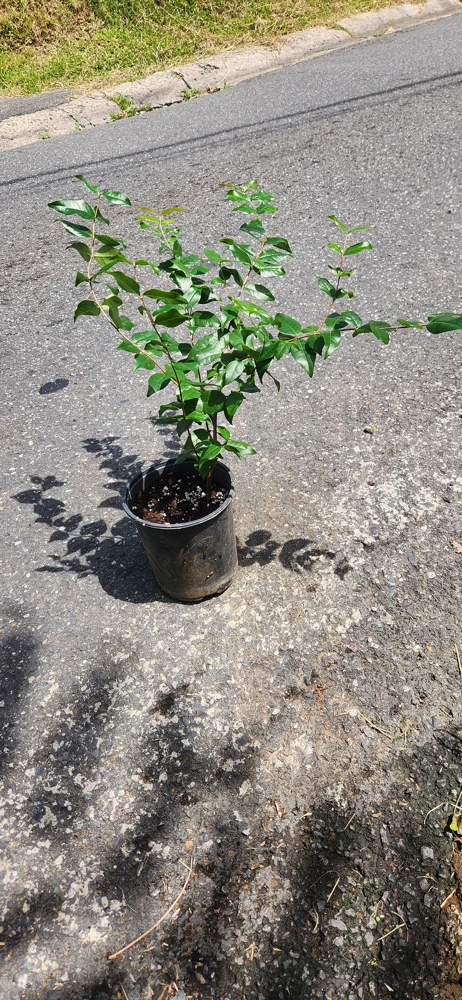
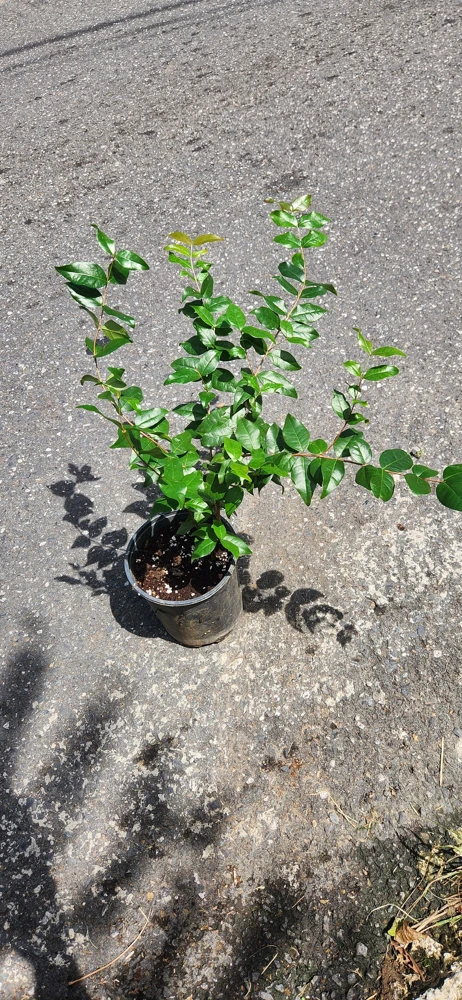
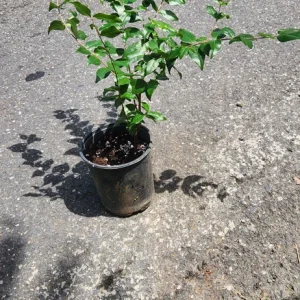
This offering is for a big pitanga live fruit tree, also known as Surinam Cherry (Eugenia uniflora), which measures approximately 2-3 feet in height upon arrival. This size provides a robust starting point for establishing a mature, fruit-bearing shrub in your garden. The plant is typically shipped in a nursery pot, ensuring its root system is protected and ready for transplanting. While young, the tree is already developing its characteristic foliage, which includes glossy green leaves and distinctive copper-colored new growth. The Surinam Cherry is known for its moderate to fast growth rate under ideal conditions, quickly reaching its mature height of 3 to 4 meters.
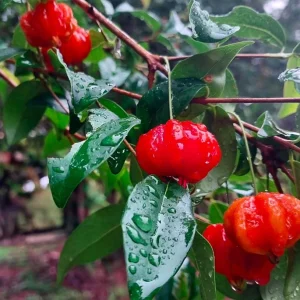
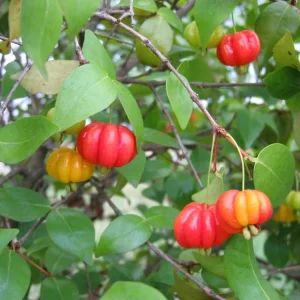
The fruits of this plant are round, deep red, and feature 6 to 8 pronounced ribs, typically measuring between 2 and 2.5 cm in diameter. Each fruit contains one large seed, occasionally two or three. Expect continuous flowering and fruiting throughout the summer and autumn months, providing a prolonged harvest. This plant is a fantastic choice for those seeking an edible fruit shrub that also contributes significant aesthetic value to the landscape, creating dense foliage and vibrant color with its flowers and fruits.
Frequently Asked Questions
-
Q: How big does this Big Pitanga live fruit tree get? A: This big pitanga live fruit tree typically reaches a mature height of 3 to 4 meters (approximately 10-13 feet) when fully grown in suitable conditions. The plant you receive will be 2-3 feet tall.
-
Q: Is this an indoor or outdoor plant? A: The big pitanga live fruit tree is primarily an outdoor plant, thriving in subtropical and tropical climates. It can tolerate light frosts but prefers warmth and humidity. It is not generally suitable as a long-term indoor houseplant.
-
Q: How much sunlight does the Surinam Cherry plant need? A: This plant prefers a sunny location. It requires ample direct sunlight for optimal growth, flowering, and fruit production. Ensure it receives several hours of sun each day.
-
Q: Is this plant easy to care for? Is it good for beginners? A: Yes, the eugenia uniflora plant is considered rustic and undemanding. With proper well-draining soil and attention to watering, it is a relatively easy plant to care for, making it suitable for beginners interested in growing pitanga fruit.
-
Q: Can I use the Pitanga fruit in cooking? A: Absolutely! The pitanga fruit, also known as Surinam Cherry, is highly versatile. It can be consumed fresh, made into juices, or used in pastries, ice creams, and other desserts.
-
Q: What condition will the plant arrive in? A: Your big pitanga live fruit tree will arrive as a healthy, live plant, approximately 2-3 feet tall, typically shipped in a nursery pot with its root ball intact and protected to ensure a smooth transition to your garden.
-
Q: When is the best time to plant a Surinam Cherry? A: The best time to plant is typically in spring or early summer, allowing the plant ample time to establish itself before cooler temperatures arrive. Ensure the risk of hard frost has passed.
-
Q: What kind of soil does this plant need? A: The surinam cherry plant care requires well-draining soil. It adapts to a wide range of soil types but will not tolerate waterlogged, limestone, or very saline soils. Good drainage is crucial.
-
Q: How often should I water my Pitanga tree? A: Water your big pitanga live fruit tree regularly, but allow the soil to dry out slightly between waterings. Avoid overwatering, as it does not tolerate root asphyxiation well.
-
Q: Will it survive winter in my zone? A: The Surinam Cherry is a subtropical and tropical species with some resistance to light frosts. It thrives in USDA zones 9-11. If you are in a colder zone, you may need to provide winter protection or grow it in a container that can be moved indoors.
Be the first to review “Big Pitanga Live Fruit Tree – Surinam Cherry Plant – 2-3ft Tall – Outdoor”
-
USDA Hardiness Zone
USDA zones 9-11 -
Soil Type
Well-draining soil -
Sunlight Exposure
Full sun -
Expected Planting Period
Spring to early summer
People Also Viewd
Sold 134 products
Original price was: $3,536.00.$23.99Current price is: $23.99.
Sold 131 products
Original price was: $27.00.$24.00Current price is: $24.00.
Sold 130 products
Original price was: $89.99.$64.99Current price is: $64.99.

Sold 125 products
Original price was: $86.99.$66.99Current price is: $66.99.
Flower Bulbs
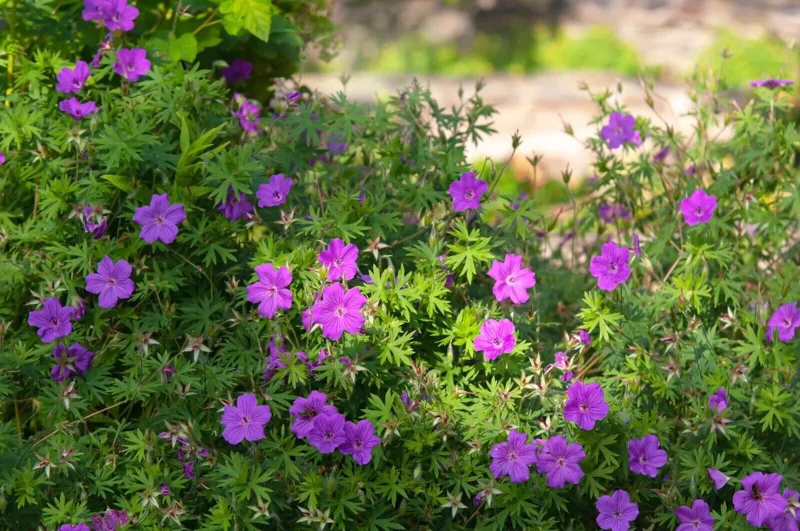
3 Cranesbill Wild Geranium Organic Maculatums Bare Roots | Wildflower for Outdoor Garden
Sold 116 products
Original price was: $21.99.$9.99Current price is: $9.99.
Sold 114 products
Original price was: $28.99.$17.99Current price is: $17.99.

Sold 110 products
Original price was: $63.99.$28.99Current price is: $28.99.
Sold 108 products
Original price was: $28.99.$17.99Current price is: $17.99.RELATED posts
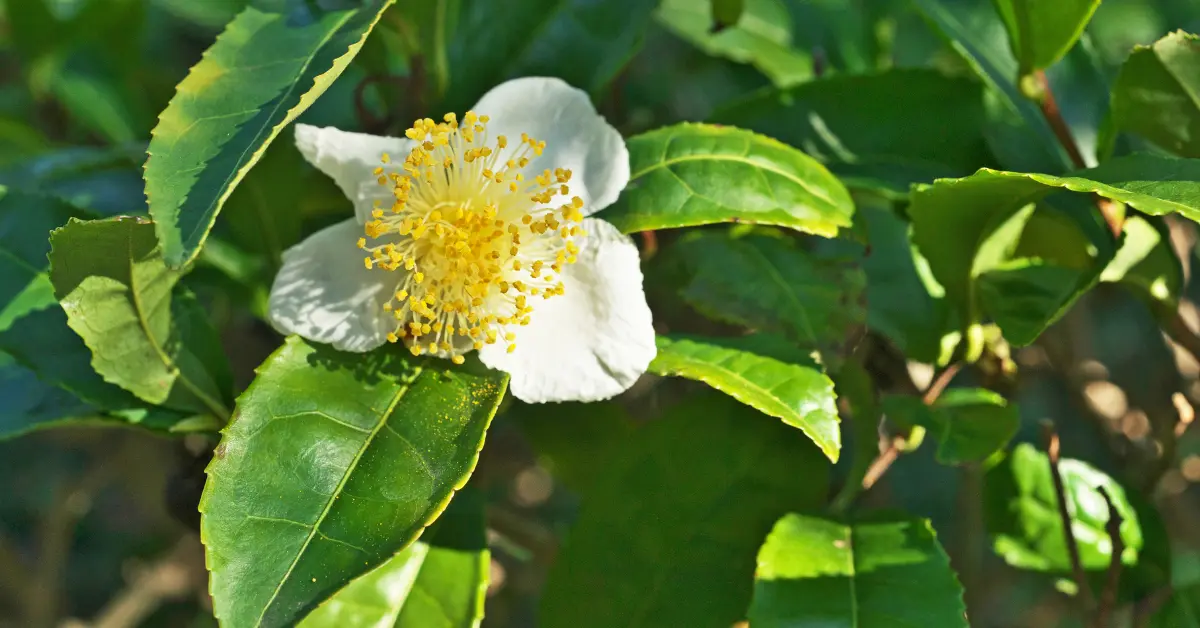
Growing Camellia Sinensis (Tea Plants) in Containers: A Complete Guide for Beginners
If you’ve ever wanted to sip a steaming, homegrown cup of fresh green, black, or [...]
Aug
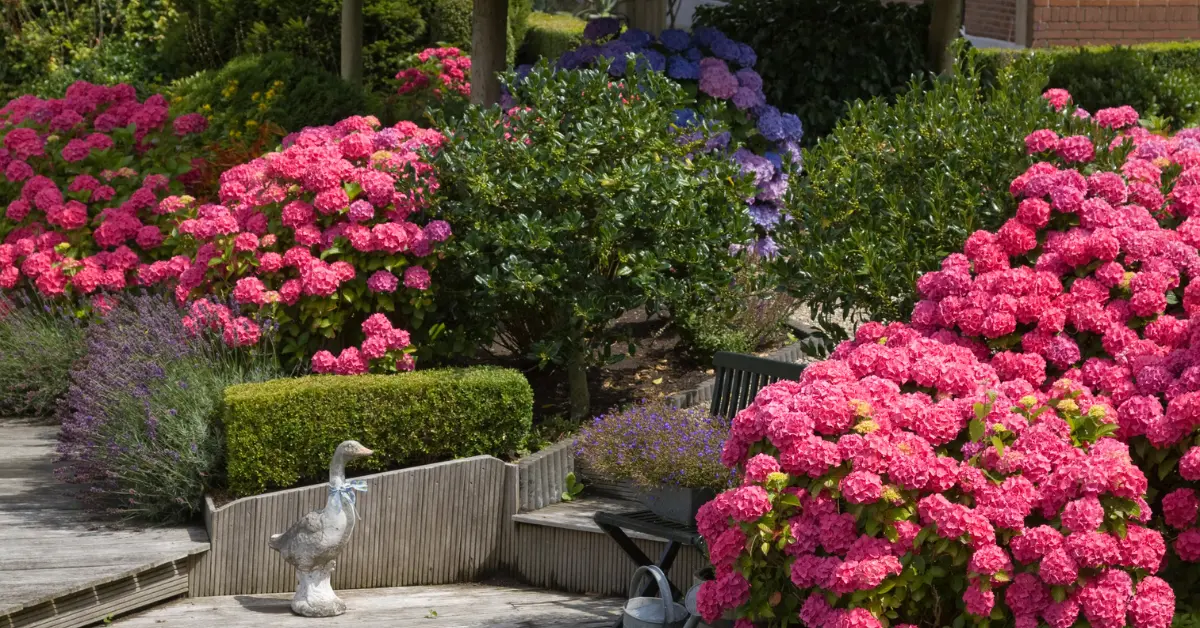
6 Best Shrubs to Plant in August You Must Try
Have you ever walked through a nursery late in the summer, admired the vibrant shrubs [...]
Aug
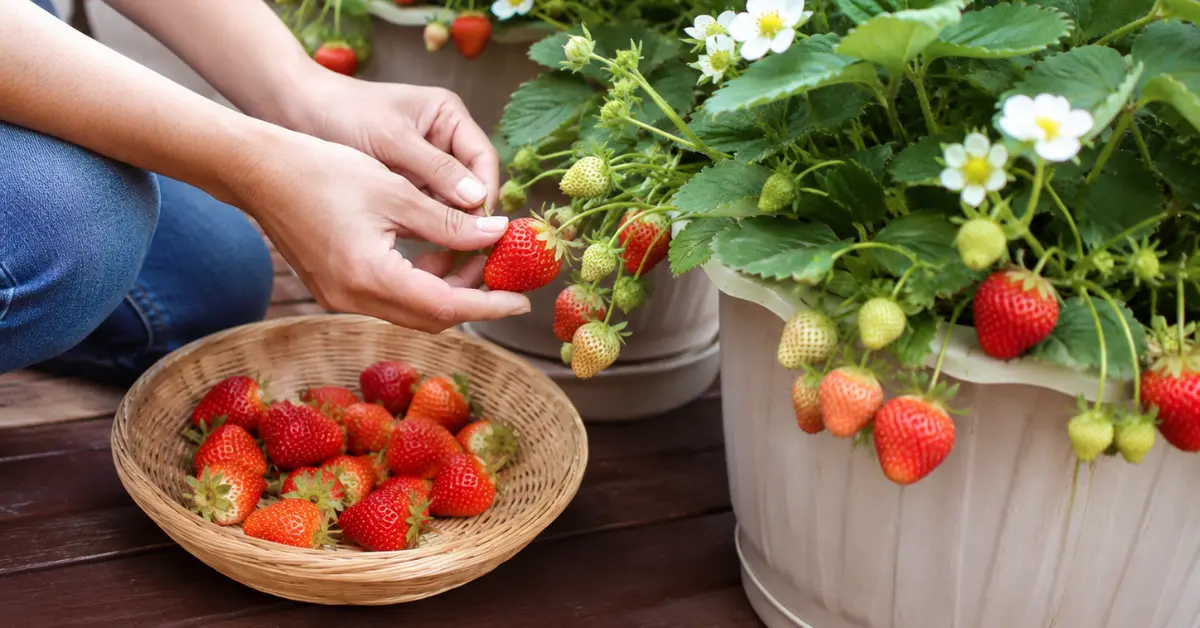
Growing Everbearing Strawberries in Containers: A Complete Guide for Beginners
Want to grow sweet, fresh strawberries but do not have a large garden? Everbearing strawberries [...]
Aug
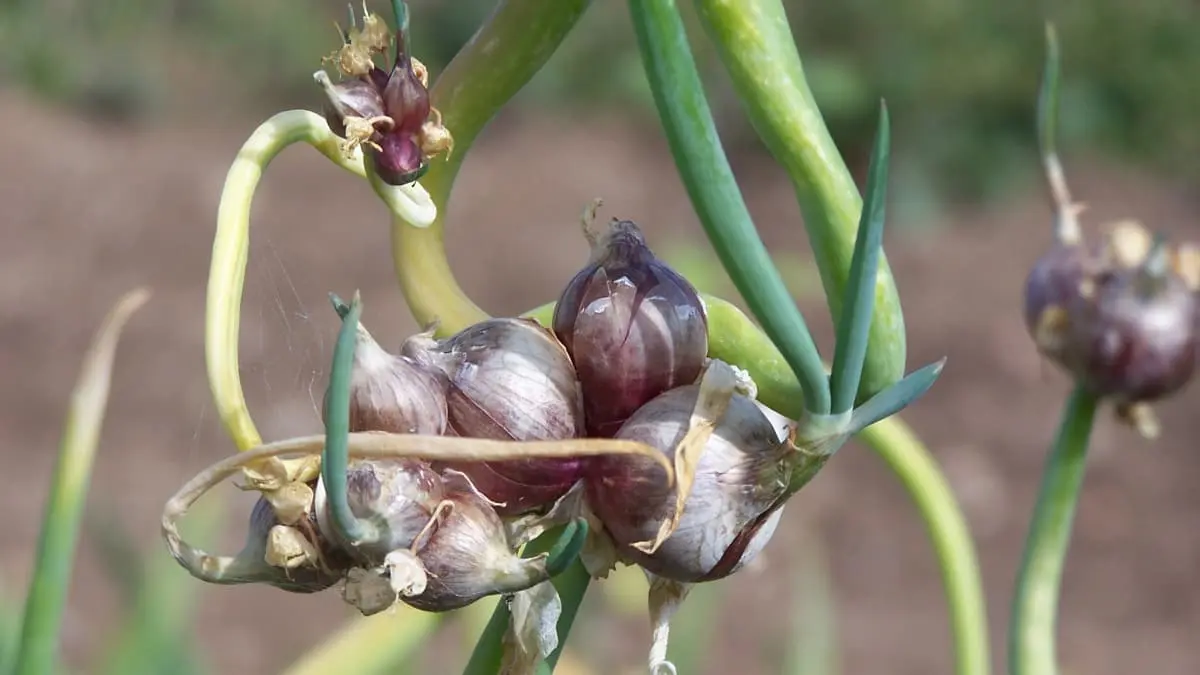
Growing Egyptian Walking Onions in Containers: A Complete Guide for Beginners
If you’re looking for a hardy, no-fuss perennial onion that keeps on giving year after [...]
Jul
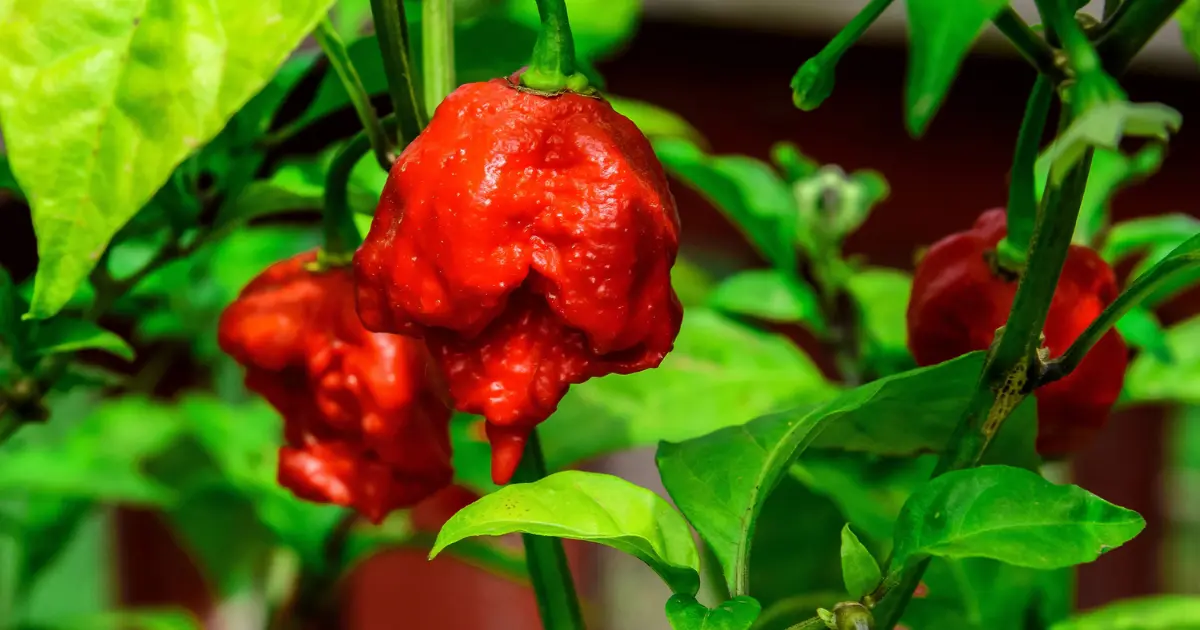
Growing Carolina Reaper Peppers in Pots: A Complete Guide for Beginners
If you’ve ever wanted to add some serious, record-breaking heat to your home cooking, you’ve [...]
May
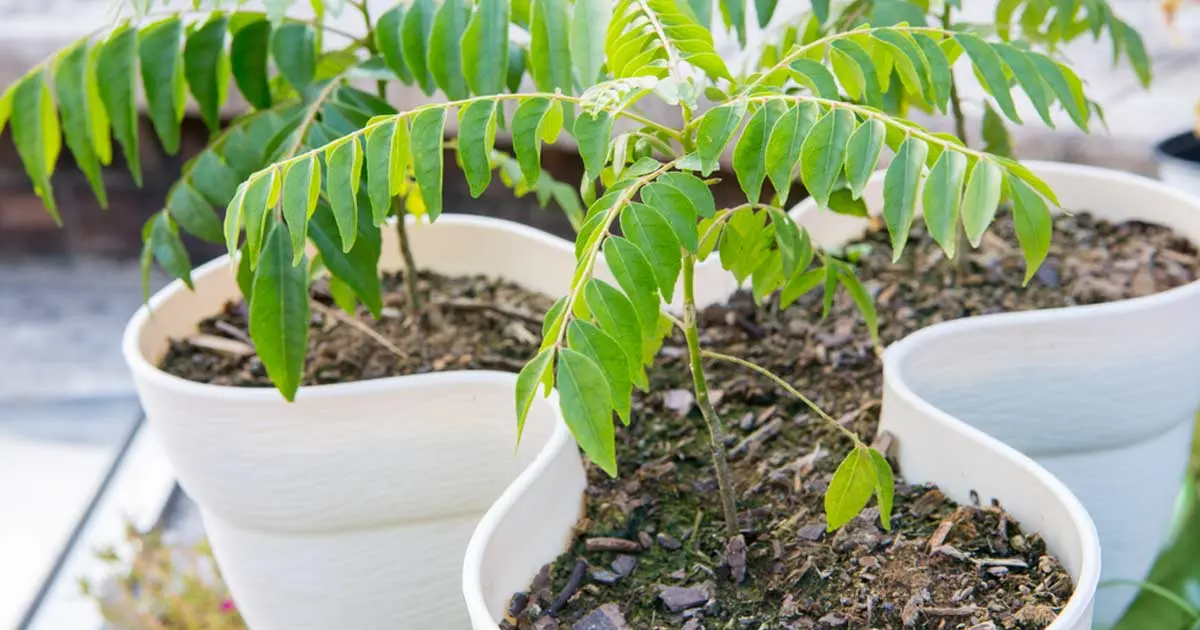
Growing Curry Leaf Plant in Pots: A Complete Guide for Beginners
If you’re a fan of authentic South Asian cuisine, you already know that nothing compares [...]
May
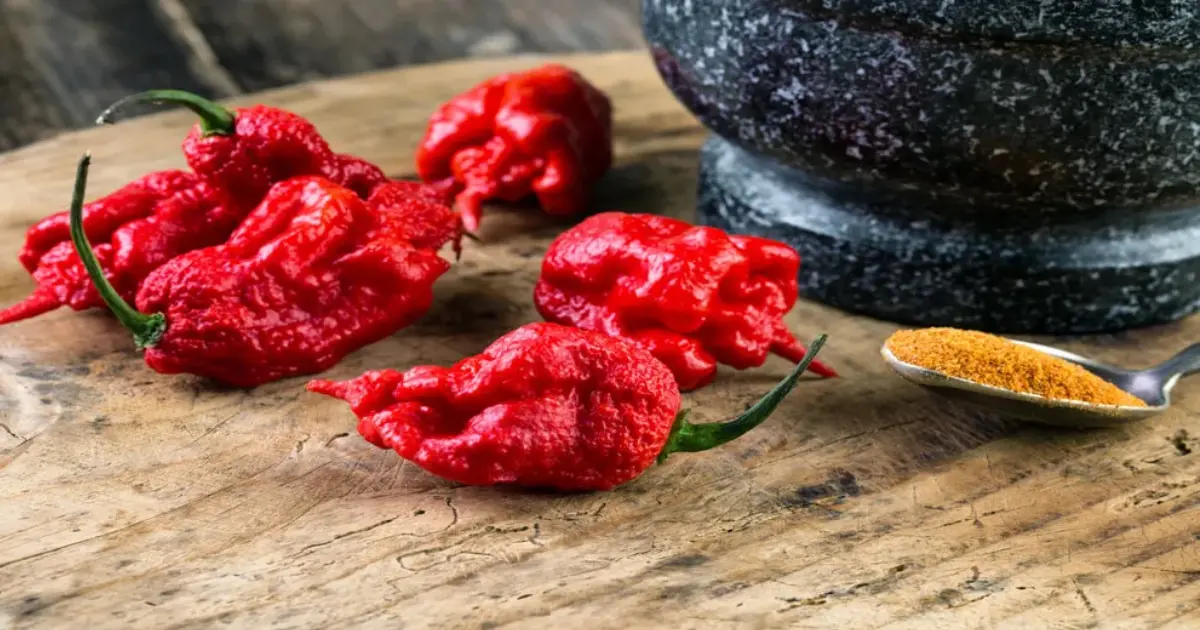
5 Tips for Growing Carolina Reaper Peppers to Get the Spiciest Harvest Ever
Holding the record for one of the world’s hottest peppers, the Reaper isn’t just a [...]
May
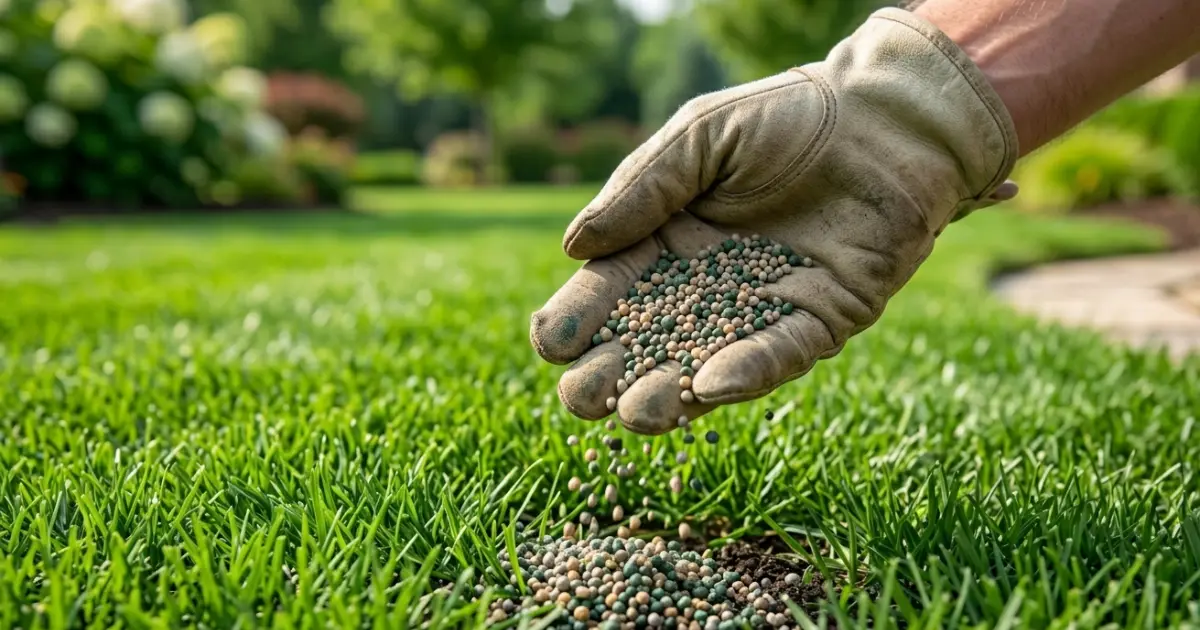
Best Fertilizers for Zoysia Grass in 2026: Get a Lush Lawn
As we enter the new year, the time has come to think about how we [...]
Apr

Reviews
There are no reviews yet.