
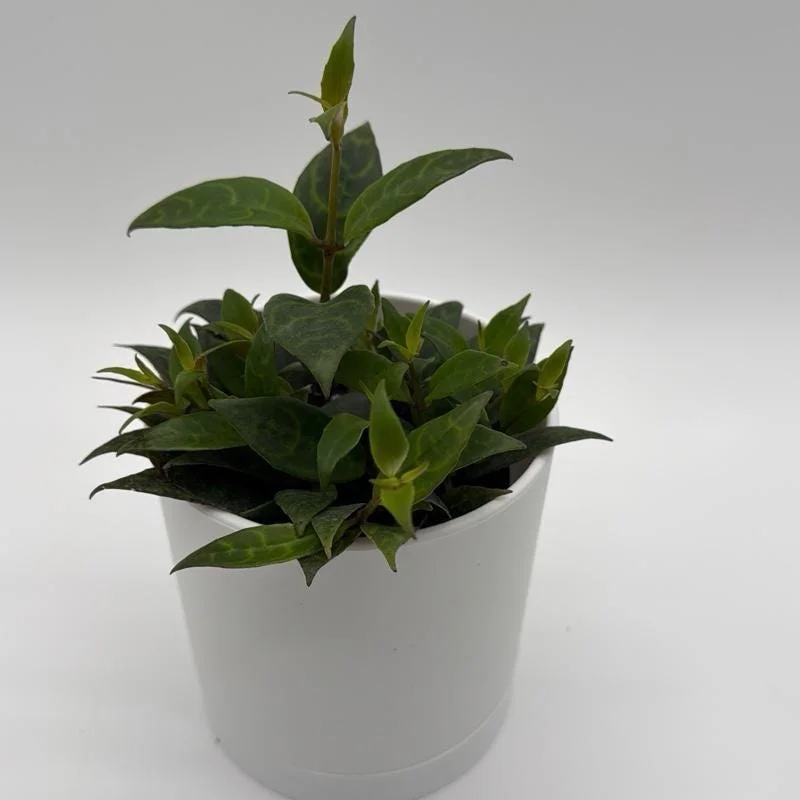
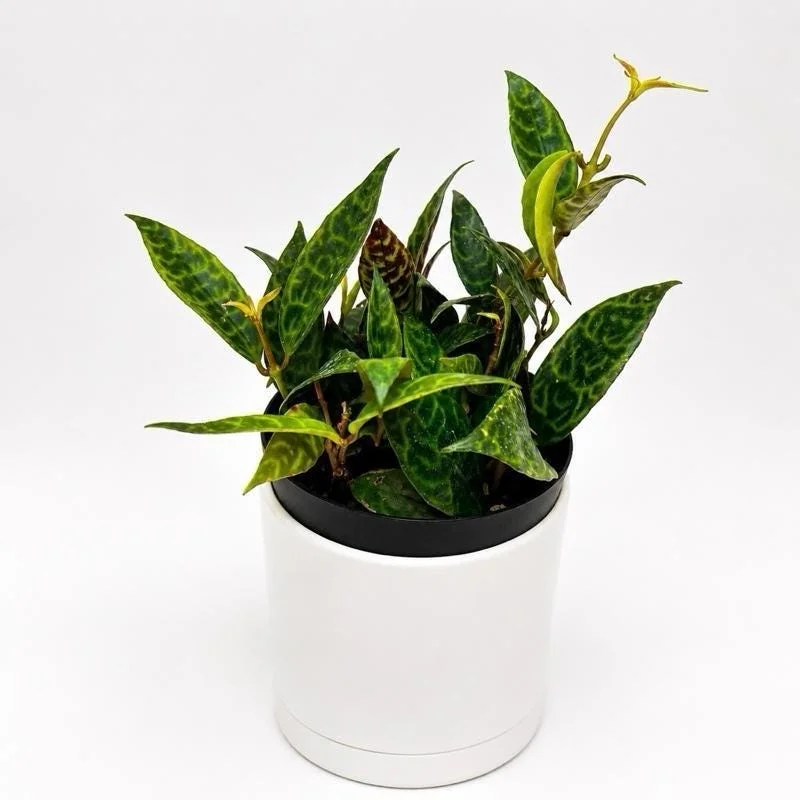
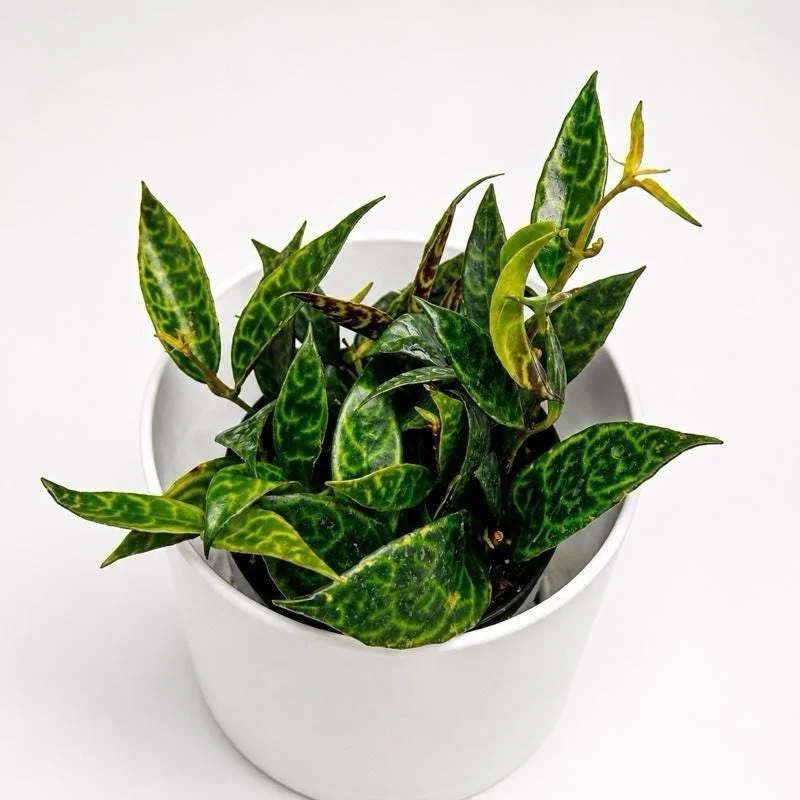
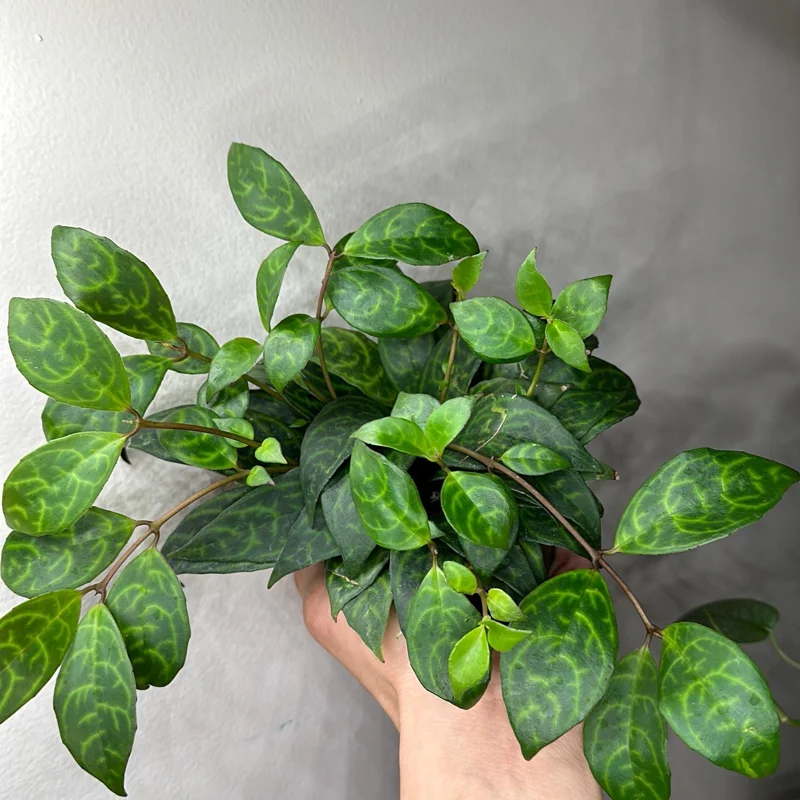
Black Pagoda Lipstick Plant – Trailing Houseplant with Patterned Foliage – 4″ Pot
Original price was: $45.98.$22.99Current price is: $22.99.
Bring exotic beauty indoors with the Black Pagoda Lipstick Plant. This striking trailing houseplant care features unique patterned foliage and vibrant, tubular blooms, perfect for hanging baskets or shelves. Its distinctive appearance makes it a captivating addition to any home.
Estimated arrival
Oct 12
Oct 17 - Oct 19
Oct 22 - Oct 26

Reasonable Price
We offer reasonable price

Support 24/7
Contact us 24 hrs a day

100% Money Back
You've 30 days to Return

Payment Secure
100% secure payment
Overview
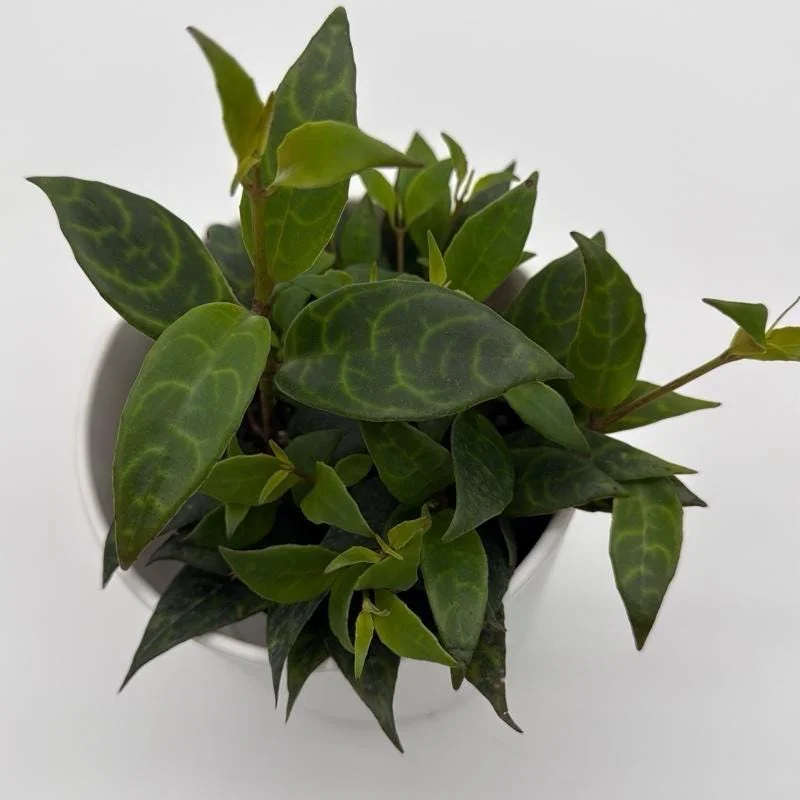
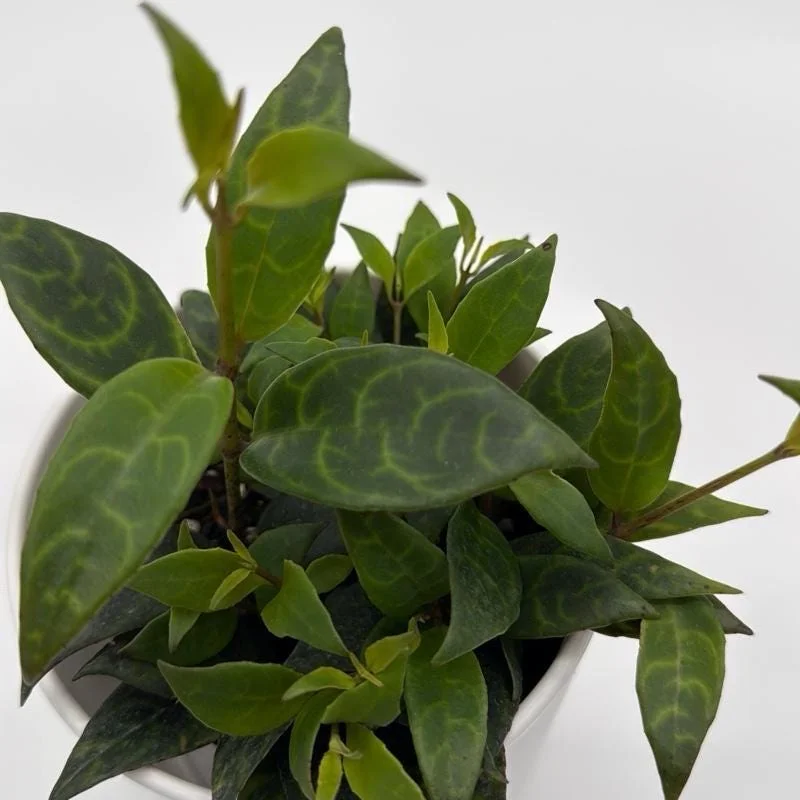
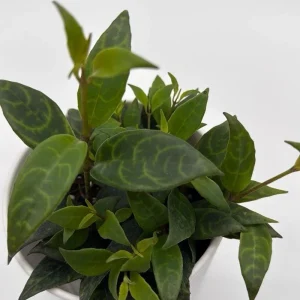
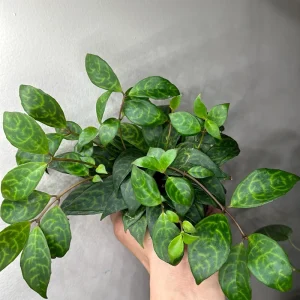
Introduce a touch of the exotic to your indoor space with the captivating Black Pagoda Lipstick Plant. This remarkable trailing houseplant care, scientifically known as Aeschynanthus longicaulis, is celebrated for its truly unique and attractive appearance. Unlike many common houseplants, the ‘Black Pagoda’ variety boasts intricately patterned foliage that instantly draws the eye. Its leaves display a stunning mosaic of deep green, almost black, veins against a lighter green background, creating a visual texture that is both elegant and wild. Beyond its impressive leaves, this plant also produces intriguing, tubular flowers that emerge from dark calyces, resembling tubes of lipstick – hence its common name. Originating from tropical regions, this plant thrives in warm, humid environments and is perfect for adding a lush, vibrant feel to your home or office.
The Black Pagoda Lipstick Plant is an excellent choice for those looking for something beyond the ordinary. Its cascading growth habit makes it ideal for hanging baskets, allowing its beautiful patterned leaves to drape elegantly. It’s a relatively easy-care plant once its basic needs are met, rewarding its owner with consistent growth and occasional bursts of colorful blooms. Whether you’re a seasoned plant enthusiast or a budding green thumb, this plant offers immense visual appeal and a fascinating growth experience. Its unique foliage ensures it stands out, making it a conversation starter and a true centerpiece in your indoor plant collection.
Key Benefits
The Black Pagoda Lipstick Plant offers numerous advantages, making it a highly desirable addition to any indoor garden. Its striking aesthetics and manageable care requirements contribute to a rewarding ownership experience:
- Unique Decorative Appeal: The most prominent benefit is its stunning patterned foliage. The dark, almost black, veins against a lighter green leaf create a dramatic contrast, providing exceptional visual interest that can enhance any room’s decor. This patterned foliage plant adds an exotic touch.
- Vibrant Blooms: While primarily admired for its leaves, the plant also produces eye-catching, reddish-orange tubular flowers. These blooms emerge from dark, almost black, calyces, creating a ‘lipstick’ effect that adds a pop of vibrant color to your indoor space, categorizing it as an appealing indoor blooming plant.
- Trailing Growth Habit: Its natural cascading growth makes it perfect for hanging baskets, high shelves, or plant stands. This allows the beautiful foliage to spill over, creating a lush, living curtain that adds depth and dimension to your decor.
- Air Purification: Like many houseplants, the Black Pagoda Lipstick Plant contributes to improved indoor air quality by absorbing common airborne toxins and releasing oxygen, promoting a healthier living environment.
- Relatively Easy Care: Despite its exotic appearance, this plant is not overly demanding. With consistent care regarding light, water, and humidity, it can thrive and provide long-lasting beauty, making it suitable for a range of plant parents.
- Pet-Friendly: Generally considered non-toxic to pets, making it a safer choice for households with curious cats or dogs compared to some other popular houseplants.
Plant Care & Growing Tips
Caring for your Black Pagoda Lipstick Plant (Aeschynanthus longicaulis) is straightforward once you understand its tropical preferences. Providing the right conditions will ensure a healthy, vibrant plant with abundant patterned foliage and potential blooms. This trailing houseplant care guide covers the essentials.
Sunlight Requirements: This plant thrives in bright, indirect light. Avoid direct, harsh sunlight, especially during the hottest parts of the day, as it can scorch the leaves and fade their vibrant patterns. An east or west-facing window is often ideal, or a few feet away from a south-facing window. Insufficient light can lead to leggy growth and fewer blooms, while too much light can cause leaf discoloration. Rotate your plant every few weeks to ensure even growth and light exposure on all sides.
Watering Schedule and Soil Moisture: Water thoroughly when the top inch or two of soil feels dry to the touch. Do not allow the plant to sit in standing water, as this can lead to root rot. Conversely, avoid letting the soil dry out completely for extended periods, especially during active growing seasons. Reduce watering slightly in winter when the plant’s growth slows. The key is consistent moisture without being waterlogged. High humidity is also beneficial; consider misting regularly, placing the pot on a pebble tray with water, or using a humidifier, particularly in dry indoor environments. This helps mimic its natural tropical habitat and keeps the foliage lush. Proper watering is crucial for healthy Aeschynanthus longicaulis.
Soil Type and Drainage: A well-draining, airy potting mix is essential. A standard houseplant potting mix amended with perlite, orchid bark, or coco coir will provide the ideal balance of moisture retention and drainage. Good drainage prevents waterlogging and promotes healthy root development. Ensure the pot has drainage holes. Temperature Range and USDA Hardiness Zone: As a tropical plant, the Black Pagoda Lipstick Plant prefers warm temperatures, ideally between 65-80°F (18-27°C). Avoid sudden temperature fluctuations or exposure to cold drafts, which can stress the plant. It is not cold-hardy and is typically grown as an indoor plant in all USDA zones. If grown outdoors in tropical climates, it would thrive in USDA zones 10-11. Fertilization Schedule: Feed your plant with a balanced liquid fertilizer diluted to half strength every 2-4 weeks during the active growing season (spring and summer). Reduce or cease fertilization during fall and winter when growth naturally slows down. Over-fertilization can harm the plant. Common Problems and Solutions: Yellowing leaves can indicate overwatering or nutrient deficiency. Drooping leaves might suggest underwatering or low humidity. Pests like spider mites or mealybugs can occasionally be an issue; treat these with neem oil or insecticidal soap. Providing consistent care will help prevent most problems with your patterned foliage plant.
Size & Details
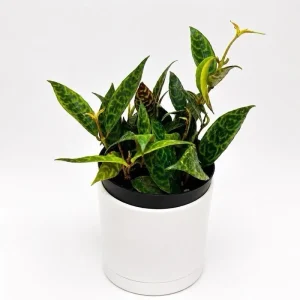
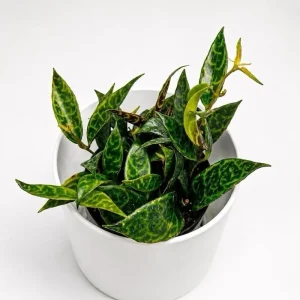
This offering is for a vibrant Black Pagoda Lipstick Plant, presented in a convenient 4″ Pot. At this size, the plant is well-established, featuring several healthy stems and a good display of its distinctive patterned foliage. The trailing stems are already beginning to develop, making it an excellent candidate for immediate placement in a hanging basket or on a shelf where its cascading beauty can be appreciated. While individual plant sizes may vary slightly due to natural growth, you can expect a plant with a compact yet robust root system, ready to thrive in its new home. It will arrive as a live plant, carefully packaged to ensure its safe journey.
The Aeschynanthus longicaulis typically exhibits a moderate growth rate, and with proper care, its trailing stems can reach lengths of 2-3 feet or more, creating a lush, full appearance over time. Expect to see its unique tubular blooms primarily during the warmer months, though with optimal conditions, flowering can occur sporadically throughout the year, adding to its appeal as an indoor blooming plant. Repotting may be needed every 1-2 years as the plant grows, moving up to a pot that is only slightly larger to avoid overwatering issues. This plant offers a relatively long lifespan, bringing years of exotic beauty to your indoor space.
Frequently Asked Questions
- Q: How big does this plant get? A: The Black Pagoda Lipstick Plant typically has trailing stems that can grow 2-3 feet or more in length over time, creating a beautiful cascading effect. The plant itself will remain relatively compact at its base but will spread outwards.
- Q: What size pot does it come in? A: This plant is shipped in a 4″ Pot, which is an ideal size for a young, established plant ready for continued growth in your home.
- Q: Is this an indoor or outdoor plant? A: The Black Pagoda Lipstick Plant is primarily grown as an indoor houseplant in most climates due to its tropical origins. It can be moved outdoors in shaded areas during warm summer months but must be brought inside before temperatures drop below 50°F (10°C).
- Q: How much sunlight does it need? A: It thrives in bright, indirect light. Avoid direct sun exposure, which can scorch its unique patterned leaves. An east or west-facing window is usually ideal for this patterned foliage plant.
- Q: Is this plant easy to care for? A: Yes, once its basic needs for bright, indirect light, consistent moisture, and high humidity are met, the Black Pagoda Lipstick Plant is considered relatively easy to care for, making it suitable for both beginners and experienced plant enthusiasts.
- Q: What condition will it arrive in? A: Your plant will arrive as a healthy, live plant, carefully packaged to minimize stress during transit. It will be rooted in its 4″ nursery pot with soil, ready for you to acclimate it to your home.
- Q: Is it pet-safe? A: The Aeschynanthus longicaulis is generally considered non-toxic to cats and dogs, making it a safer option for households with pets. However, it’s always best to prevent pets from ingesting any plant material.
- Q: When does the Black Pagoda Lipstick Plant bloom? A: This indoor blooming plant typically flowers during the warmer months (spring and summer), producing its unique tubular, reddish-orange blooms. With optimal conditions, it can bloom sporadically throughout the year.
- Q: What type of soil is best for this plant? A: A well-draining, airy potting mix is best. You can use a standard houseplant mix amended with perlite or orchid bark to ensure good drainage and aeration for the roots.
- Q: How often should I fertilize my Black Pagoda Lipstick Plant? A: Fertilize every 2-4 weeks during the spring and summer growing season with a balanced liquid fertilizer diluted to half strength. Reduce or stop fertilizing in fall and winter.
Be the first to review “Black Pagoda Lipstick Plant – Trailing Houseplant with Patterned Foliage – 4″ Pot”
-
USDA Hardiness Zone
USDA zones 10-11 (if grown outdoors), typically indoor plant -
Soil Type
Well-draining, airy potting mix -
Sunlight Exposure
Bright, indirect light -
Expected Planting Period
Year-round indoors
People Also Viewd


Sold 134 products
Original price was: $3,536.00.$23.99Current price is: $23.99.

Sold 132 products
Original price was: $27.00.$24.00Current price is: $24.00.

Sold 132 products
Original price was: $89.99.$64.99Current price is: $64.99.

Sold 125 products
Original price was: $86.99.$66.99Current price is: $66.99.

Flower Bulbs
3 Cranesbill Wild Geranium Organic Maculatums Bare Roots | Wildflower for Outdoor Garden
Sold 116 products
Original price was: $21.99.$9.99Current price is: $9.99.

Sold 114 products
Original price was: $28.99.$17.99Current price is: $17.99.
Sold 110 products
Original price was: $63.99.$28.99Current price is: $28.99.
Sold 108 products
Original price was: $28.99.$17.99Current price is: $17.99.RELATED posts
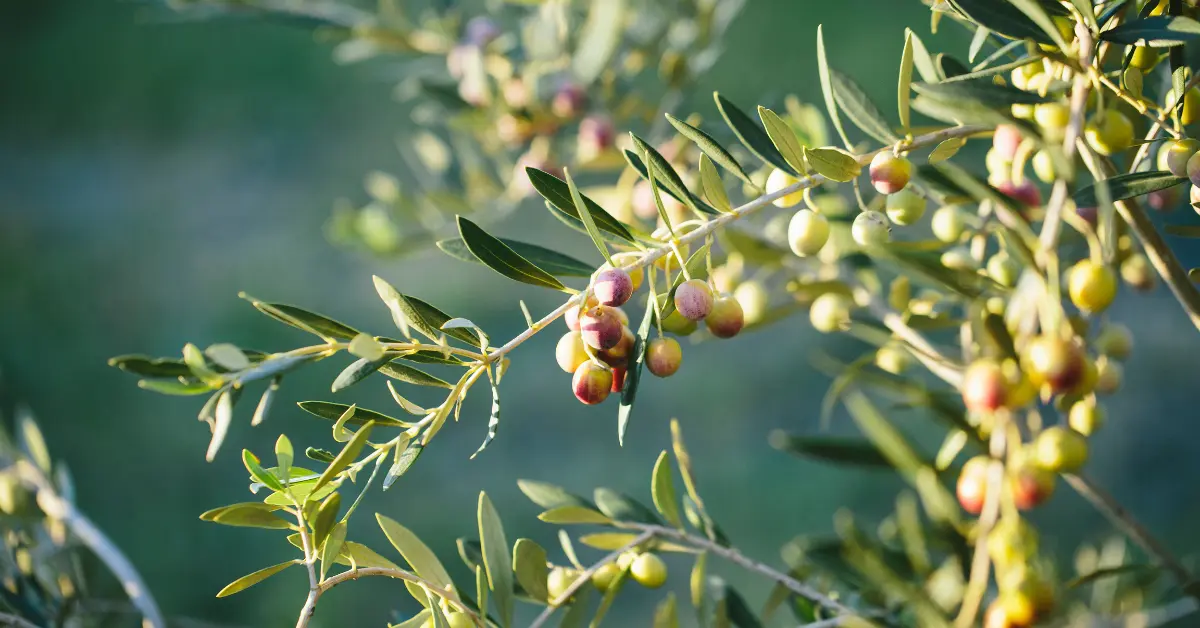
How to Grow Arbequina Olive Trees: The Ultimate Guide to Your Own Olive Grove
Arbequina Olive Tree (Olea europaea ‘Arbequina’) – the ultimate Mediterranean plant that brings a touch [...]
Oct
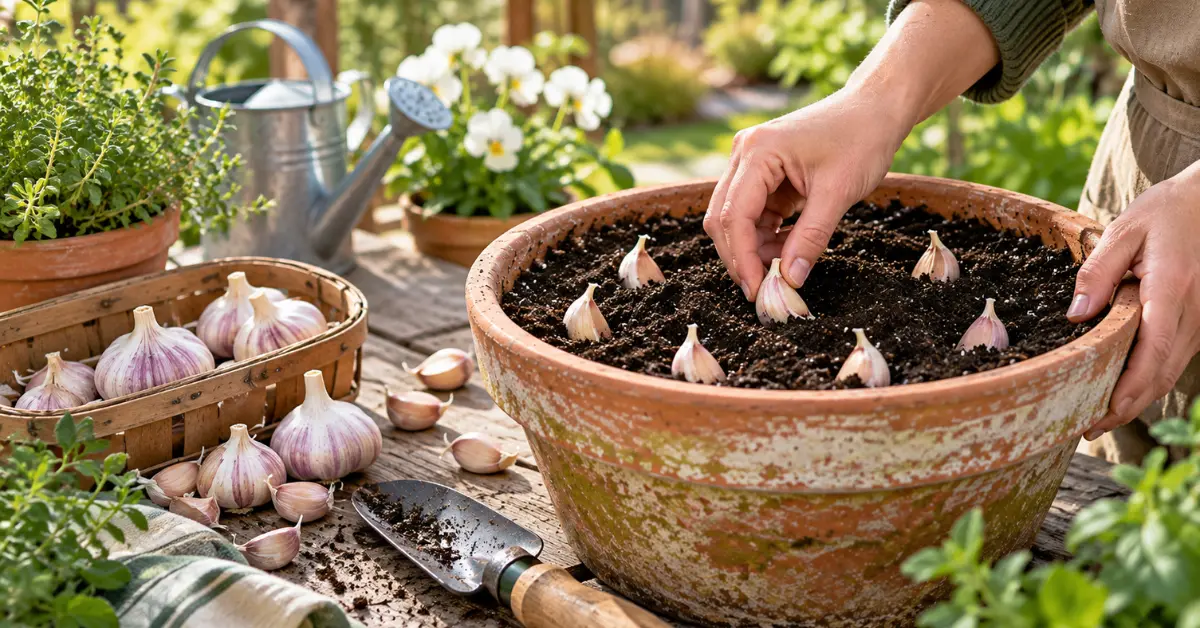
Growing Garlic in Containers This Fall: A Complete Guide for Beginners
If you’ve ever wanted to pop fresh, aromatic garlic cloves straight from your own patio [...]
Sep
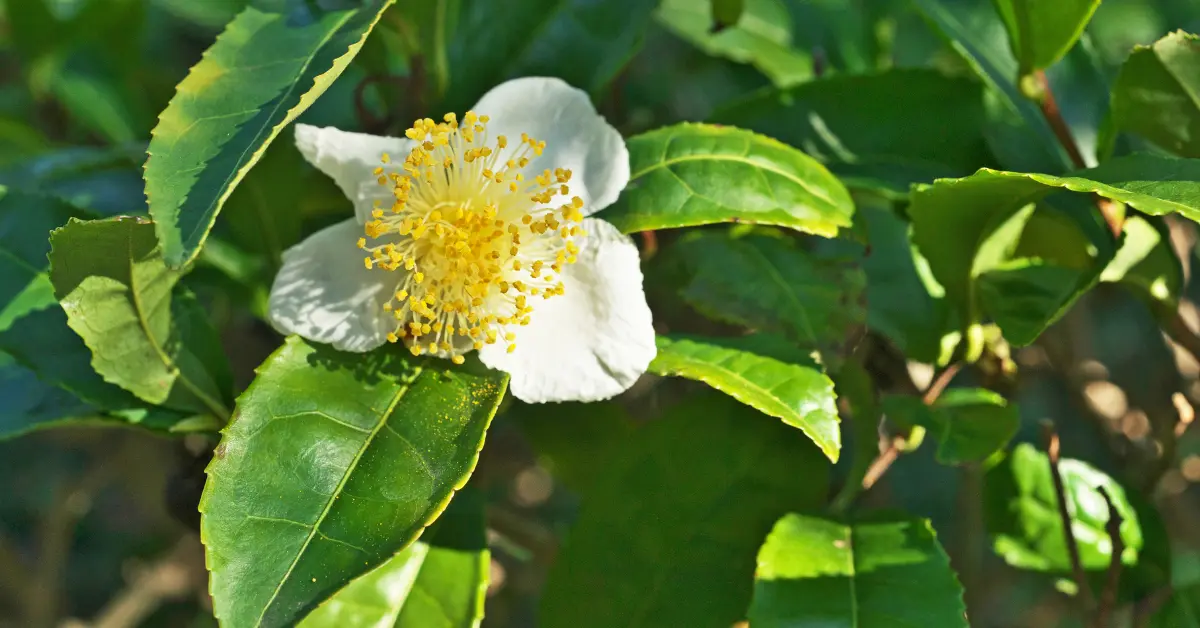
Growing Camellia Sinensis (Tea Plants) in Containers: A Complete Guide for Beginners
If you’ve ever wanted to sip a steaming, homegrown cup of fresh green, black, or [...]
Aug
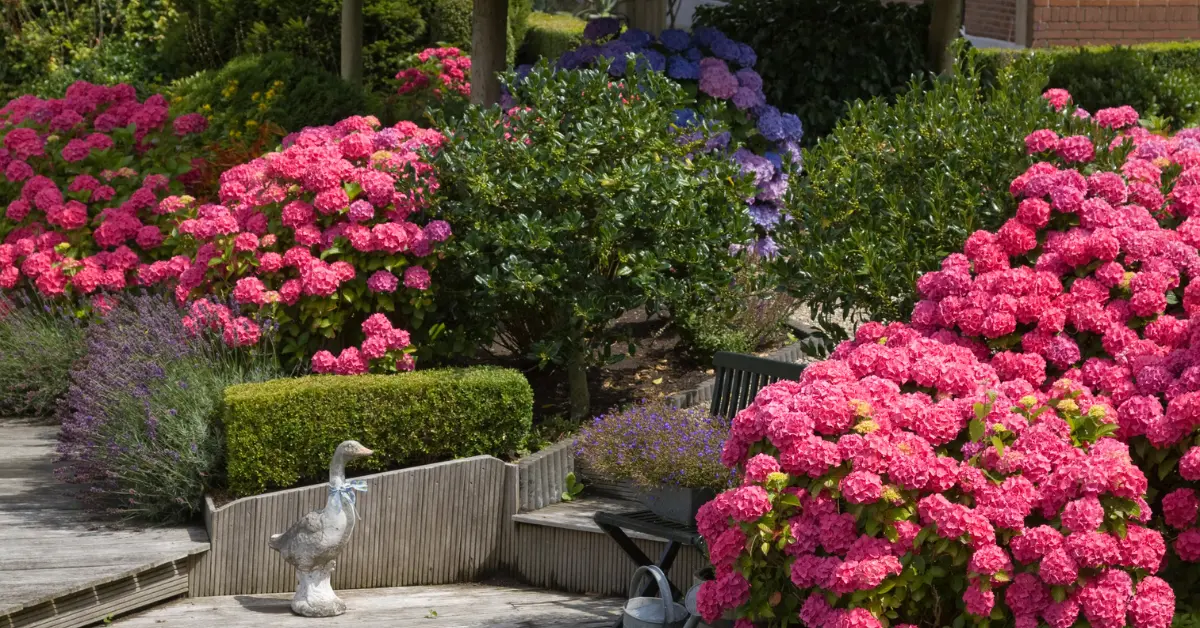
6 Best Shrubs to Plant in August You Must Try
Have you ever walked through a nursery late in the summer, admired the vibrant shrubs [...]
Aug
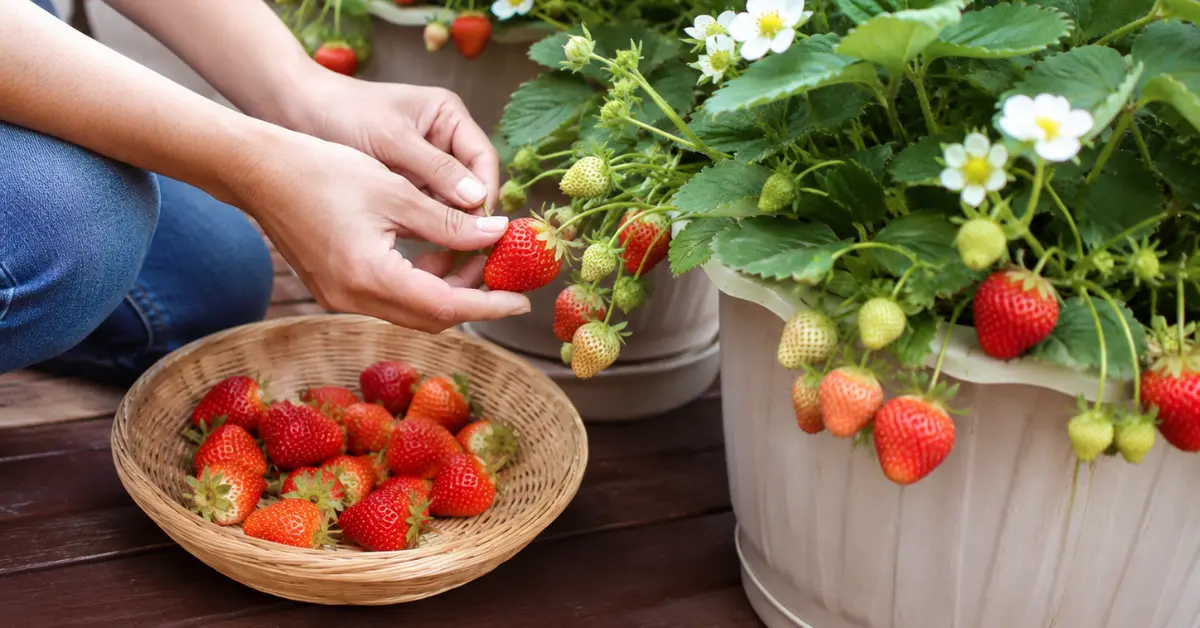
Growing Everbearing Strawberries in Containers: A Complete Guide for Beginners
Want to grow sweet, fresh strawberries but do not have a large garden? Everbearing strawberries [...]
Aug
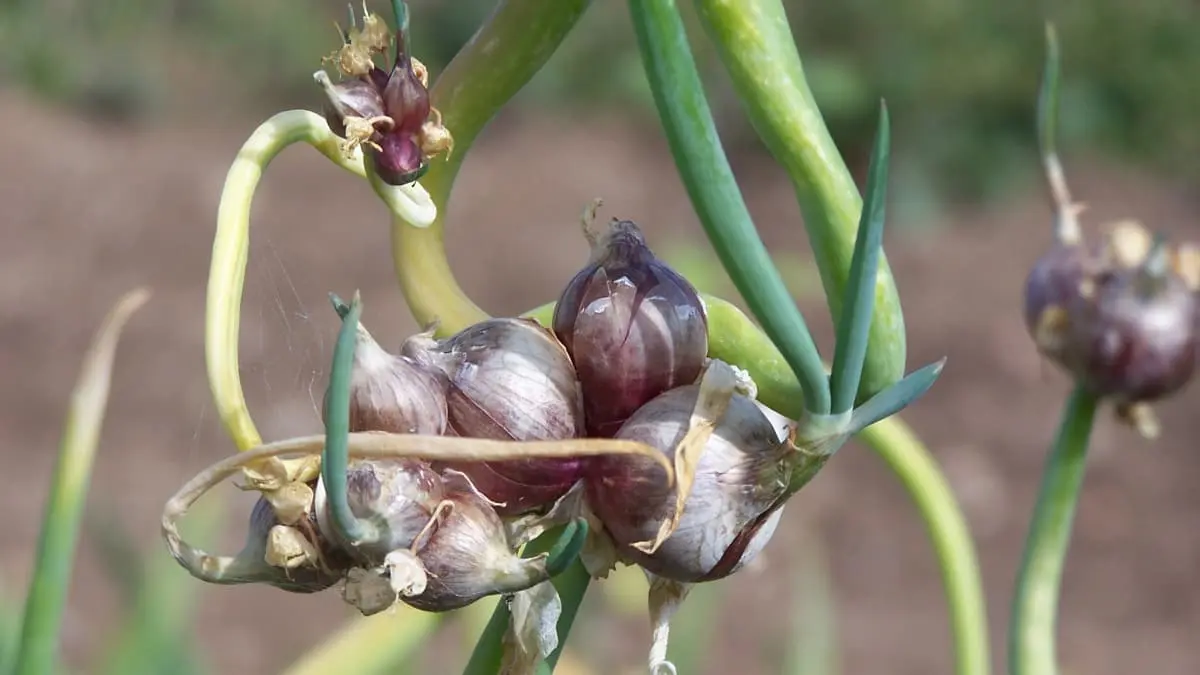
Growing Egyptian Walking Onions in Containers: A Complete Guide for Beginners
If you’re looking for a hardy, no-fuss perennial onion that keeps on giving year after [...]
Jul
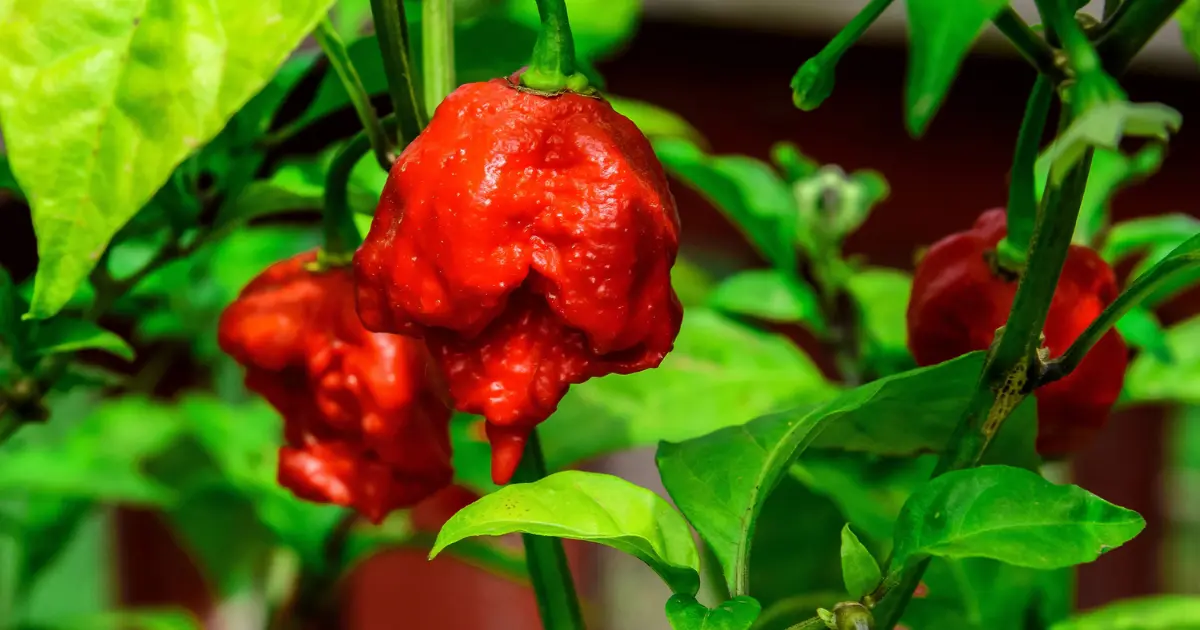
Growing Carolina Reaper Peppers in Pots: A Complete Guide for Beginners
If you’ve ever wanted to add some serious, record-breaking heat to your home cooking, you’ve [...]
May
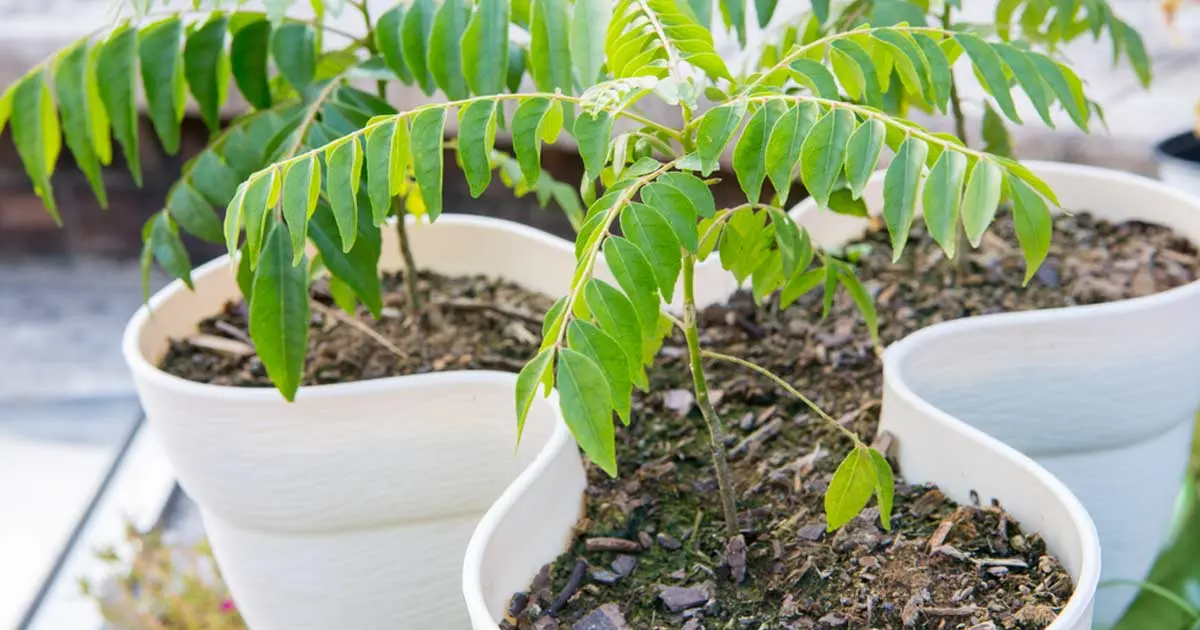
Growing Curry Leaf Plant in Pots: A Complete Guide for Beginners
If you’re a fan of authentic South Asian cuisine, you already know that nothing compares [...]
May
Reviews
There are no reviews yet.