
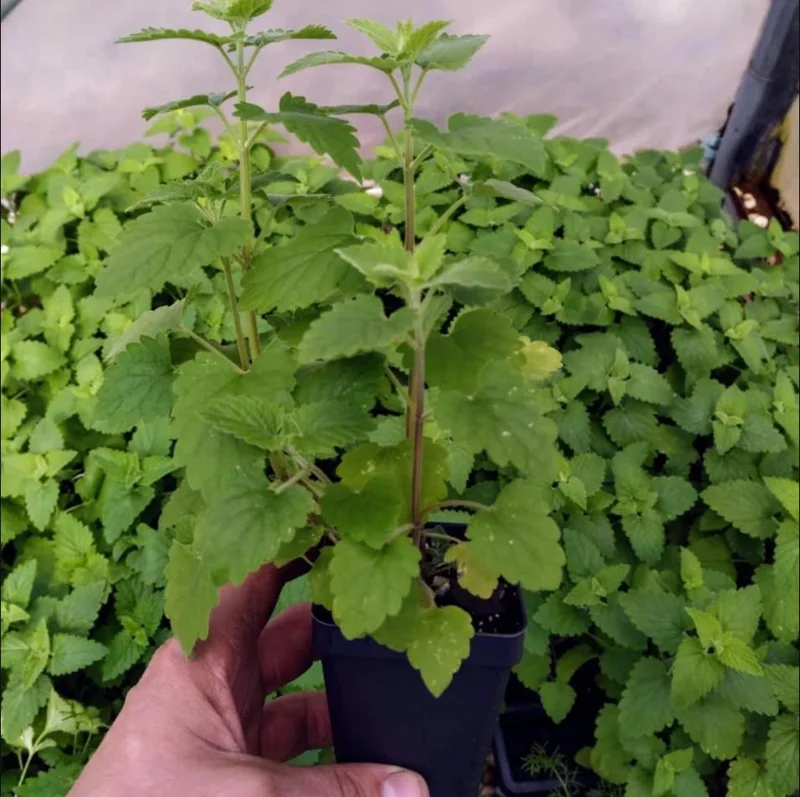
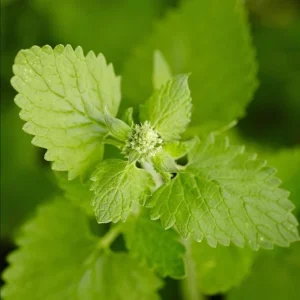
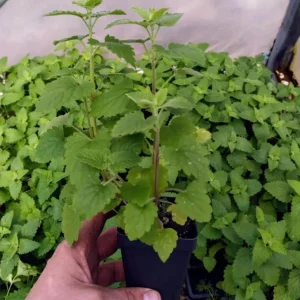
Catnip Live Starter Plant – 4-6 Inch Tall, Well Rooted Mint Herb for Cats
Original price was: $24.39.$14.39Current price is: $14.39.
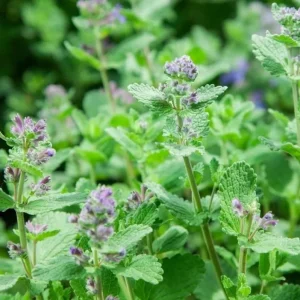
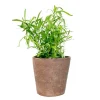
Cultivate your own fresh catnip live starter plant! This well-rooted mint herb comes 4-6 inches tall, ready for planting. Enjoy watching your feline friends delight in its aromatic leaves, or use it for herbal teas and culinary purposes. An easy-to-grow addition to any garden.
Estimated arrival
Sep 14
Sep 19 - Sep 21
Sep 24 - Sep 28

Reasonable Price
We offer reasonable price

Support 24/7
Contact us 24 hrs a day

100% Money Back
You've 30 days to Return

Payment Secure
100% secure payment
Overview
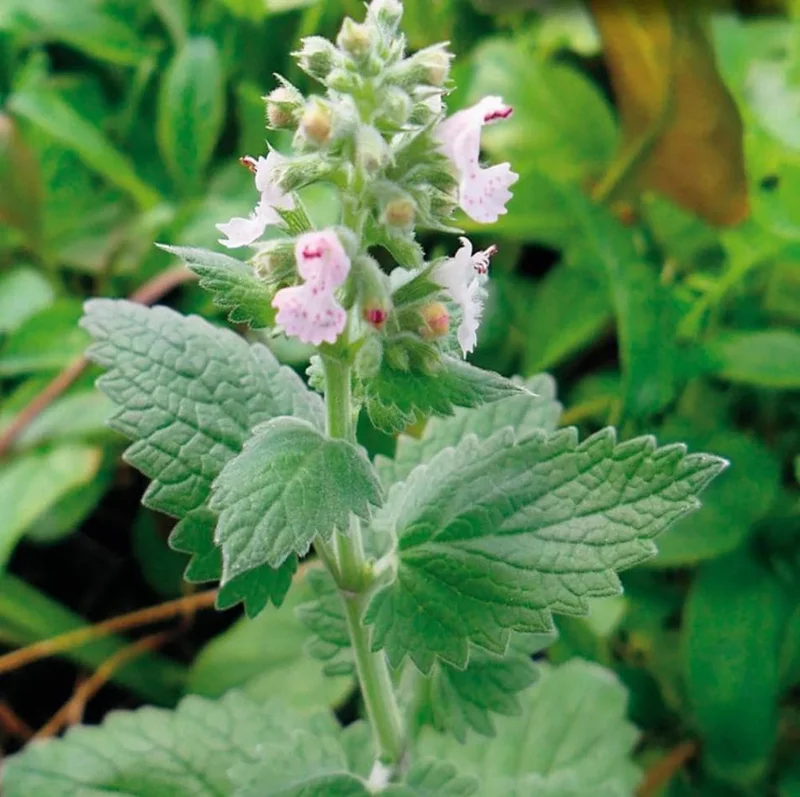
Introduce the delightful and aromatic catnip live starter plant to your garden! This young, healthy plant, typically 4 to 6 inches tall and well-rooted, is ready for transplanting into your outdoor space. Known scientifically as Nepeta cataria, catnip is a perennial herb in the mint family, famous for its stimulating effect on cats and its pleasant, minty fragrance. This starter plant offers an excellent opportunity to cultivate your own supply of fresh catnip, ensuring your feline companions have access to their favorite herb while also providing a charming addition to your herb garden or landscape. Growing your own catnip mint herb from a starter plant is an easy and rewarding experience, perfect for both novice and experienced gardeners.
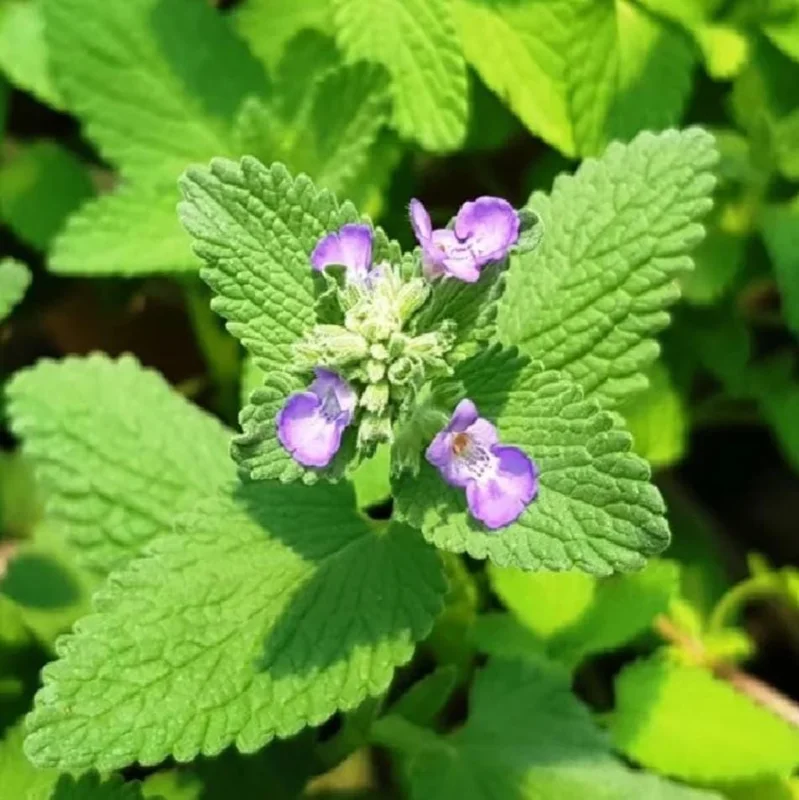
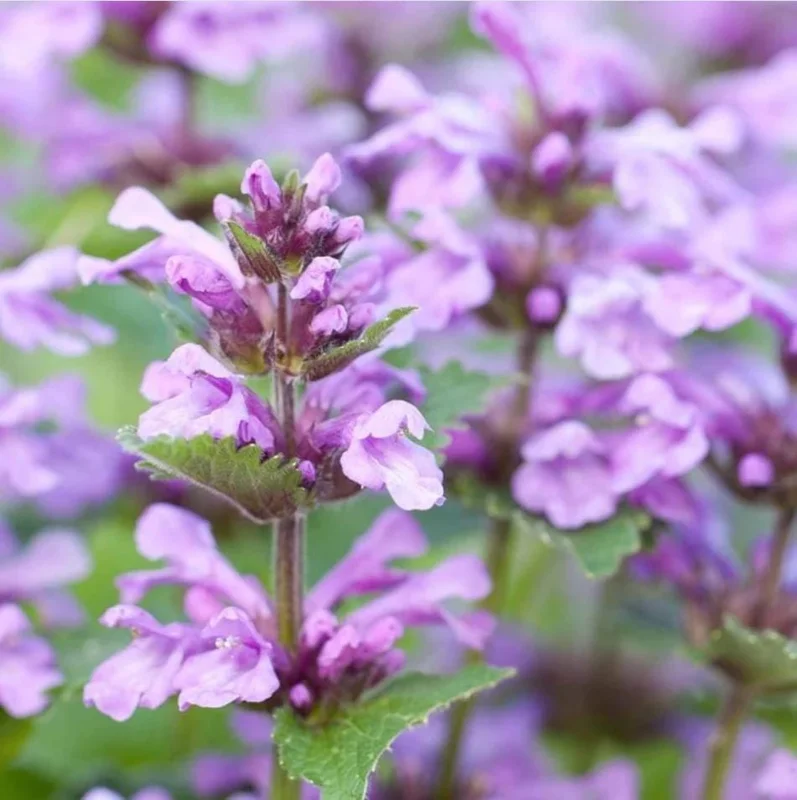
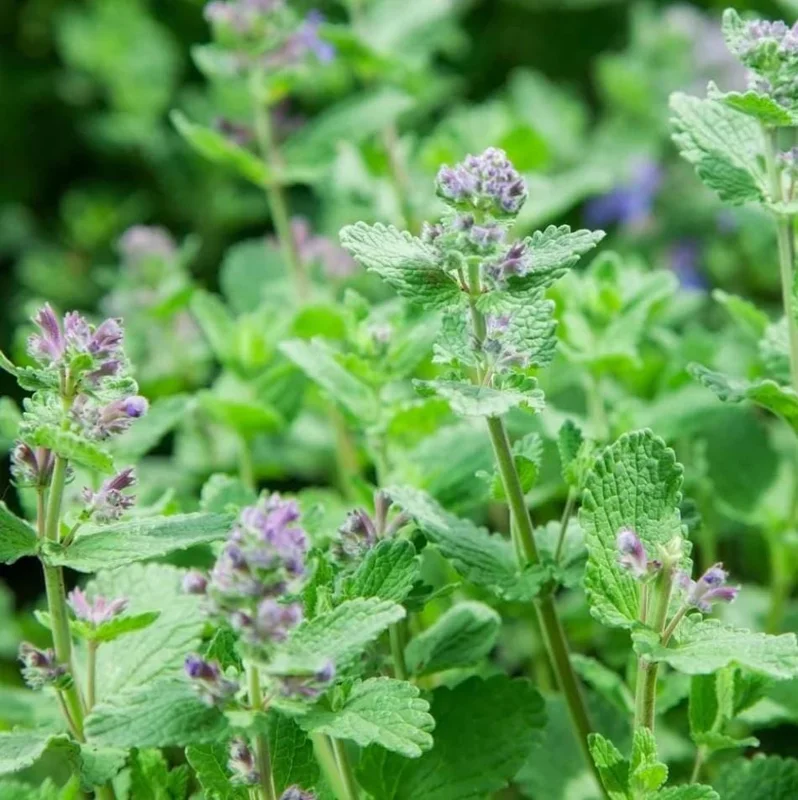
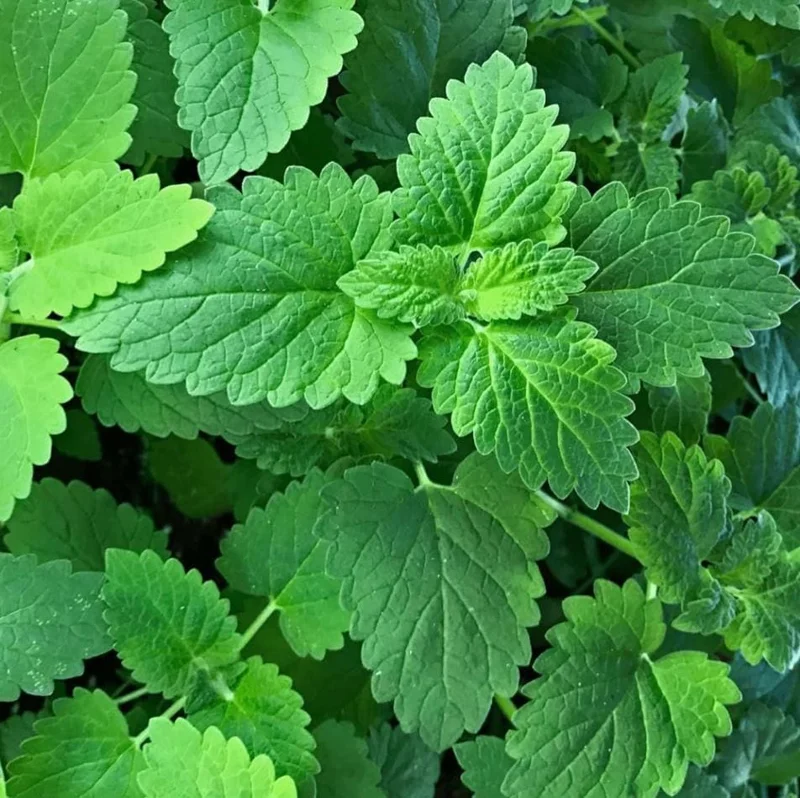
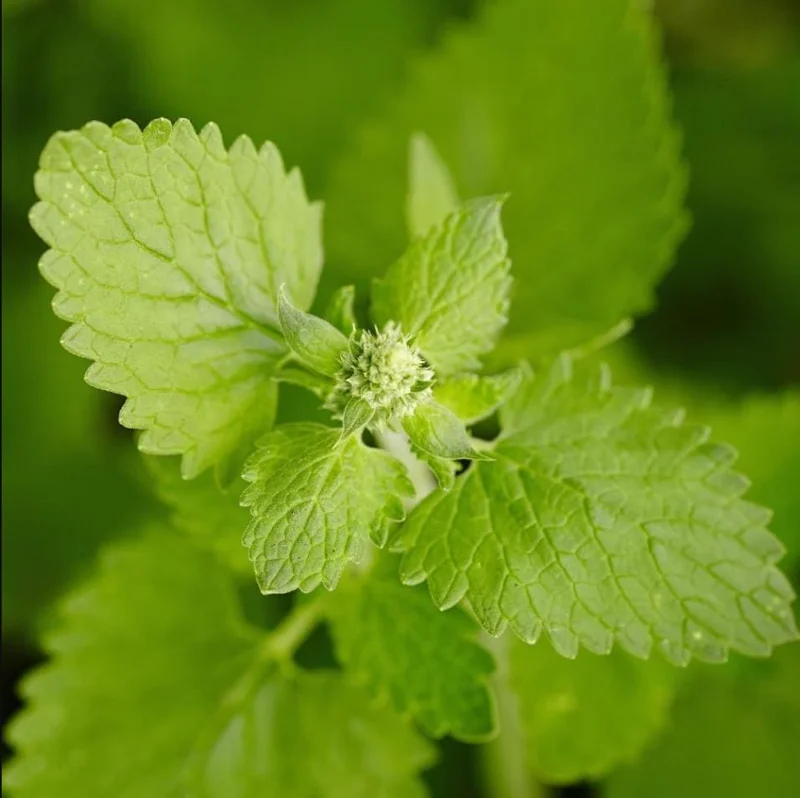
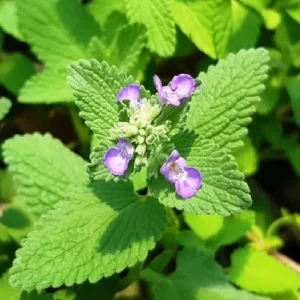
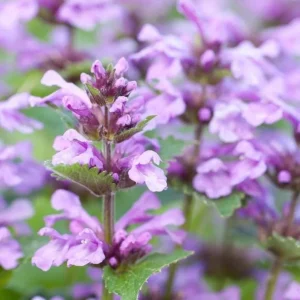
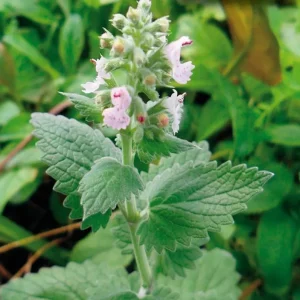
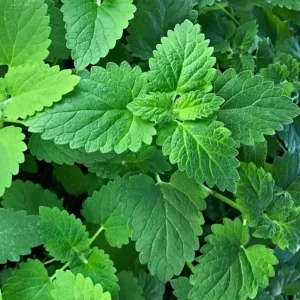
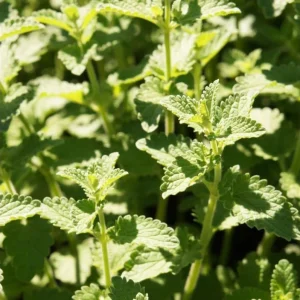
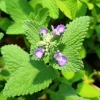
The catnip plant is characterized by its soft, fuzzy, heart-shaped leaves and small, often white or lavender flowers that appear in summer. It’s a vigorous grower, offering lush foliage that can be harvested throughout the season. Beyond its appeal to cats, catnip also serves as a beautiful groundcover or border plant, attracting beneficial pollinators like bees. This catnip live starter plant is a wonderful choice for anyone looking to add a versatile and enjoyable herb to their home.
Key Benefits
Adding a catnip live starter plant to your garden brings a multitude of advantages, enhancing both your outdoor space and the well-being of your pets. Here are some of the key benefits:
- Feline Enrichment: The primary benefit of growing catnip is providing natural entertainment and relaxation for your cats. The plant produces nepetalactone, a compound that creates a euphoric effect in about 70% of felines, encouraging playfulness and reducing stress.
- Aromatic Garden Addition: Even for non-cat owners, the catnip mint herb offers a pleasant, refreshing scent that can invigorate your garden. Its minty aroma is a lovely complement to other herbs and flowers.
- Attracts Beneficial Pollinators: Catnip flowers are a magnet for bees and other beneficial insects, helping to pollinate other plants in your garden and support local ecosystems.
- Low Maintenance and Hardy: Once established, the catnip live starter plant is remarkably resilient and easy to care for. It tolerates various soil conditions and is relatively drought-tolerant, making it an ideal choice for busy gardeners.
- Natural Pest Deterrent: Some gardeners find that catnip can act as a natural deterrent for certain garden pests, helping to protect nearby vegetables and flowers without the use of harsh chemicals.
- Versatile Herbal Uses: Beyond its appeal to cats, catnip has traditional uses in herbal teas, often consumed for its calming properties, and can even be used in some culinary applications.
- Sustainable Supply: By learning how to grow catnip plant at home, you ensure a fresh, organic, and continuous supply of this popular herb, saving trips to the pet store and providing a healthier option for your pets.
Plant Care & Growing Tips
Caring for your catnip live starter plant is straightforward, making it an excellent choice for gardeners of all experience levels. To ensure your catnip thrives and produces abundant, fragrant leaves, follow these essential guidelines for optimal growth. Understanding proper catnip plant care will lead to a robust and healthy herb.
Sunlight: Catnip thrives in full sun, requiring at least 6 hours of direct sunlight daily to reach its full potential. In regions with extremely hot summers, providing partial afternoon shade can help prevent wilting and scorching of the leaves, ensuring your catnip live starter plant remains vibrant. When considering where to plant, choose a location that receives ample morning sun and some protection from intense midday heat if necessary.
Watering: While catnip is relatively drought-tolerant once established, young starter plants require consistent moisture. Water regularly, especially during dry spells, allowing the top inch of soil to dry out slightly between waterings. Avoid overwatering, as this can lead to root rot. Good drainage is crucial for healthy growth.
Soil: This herb is not particularly fussy about soil type but prefers well-draining soil. A loamy or sandy soil with a neutral pH is ideal. If your soil is heavy clay, amend it with compost or sand to improve drainage. The plant is quite adaptable, which contributes to its ease of care.
Temperature & Hardiness: Catnip is a hardy perennial, typically thriving in USDA zones 3-9. It can tolerate a wide range of temperatures, with established plants able to withstand winter frosts and hot summers. Transplant your catnip live starter plant outdoors in spring after the last frost has passed.
Spacing: If planting in the ground, give your catnip plenty of space, about 18–24 inches apart. This allows for its wide root systems and significant spread, preventing overcrowding and promoting air circulation. This ensures each plant has room to flourish.
Fertilization: Catnip generally does not require heavy fertilization. If your soil is poor, a light application of a balanced, all-purpose organic fertilizer in spring can be beneficial. Avoid over-fertilizing, as this can lead to excessive leafy growth at the expense of the aromatic oils.
Pruning: Regular pruning encourages bushier growth and prevents the plant from becoming leggy. Pinch back young plants to encourage branching. After flowering, you can cut back the plant by about one-third to encourage a new flush of growth. This also helps to prevent the plant from self-seeding excessively.
Size & Details
This offering is for one healthy catnip live starter plant, typically measuring 4 to 6 inches in height from the top of the soil. Each plant is well-rooted in soil, ensuring a strong foundation for successful transplanting and growth. These are young, vigorous starter plants, ready to establish quickly in your garden. While they will not have flowers or fruit upon arrival, they are prepared to develop into mature, full-sized catnip plants.
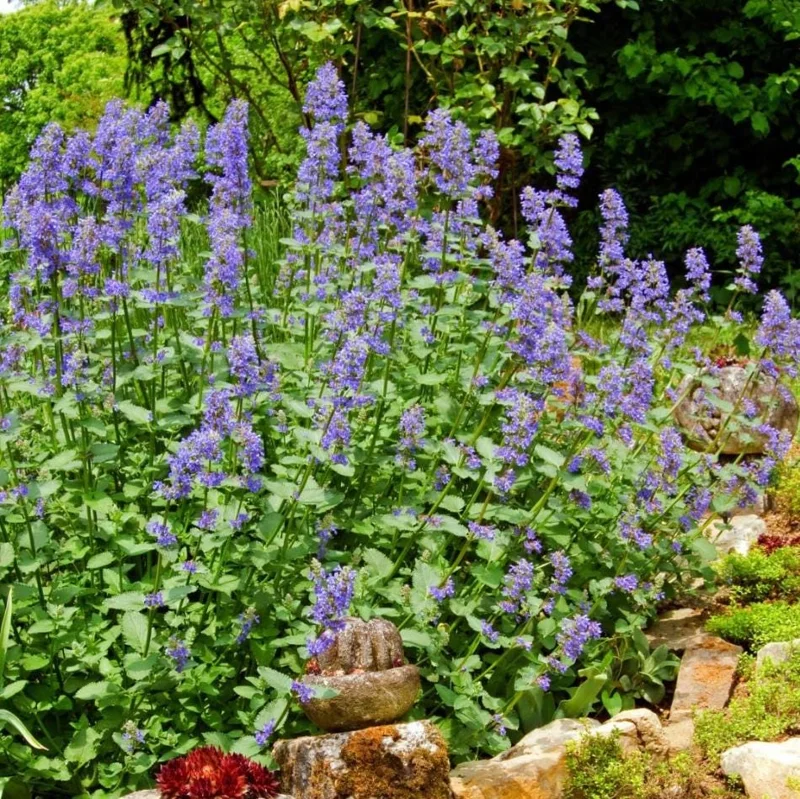
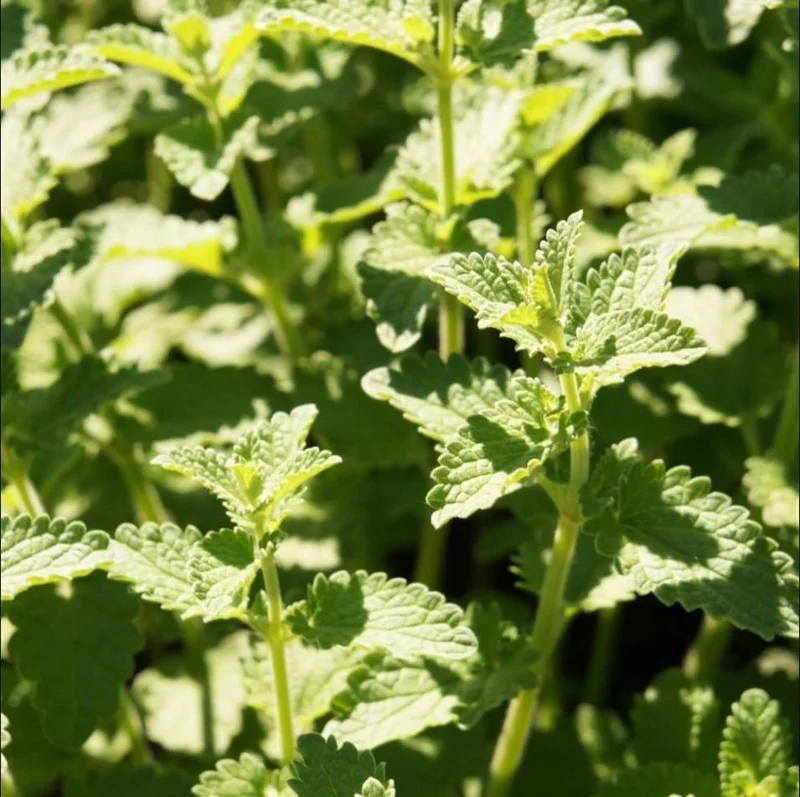
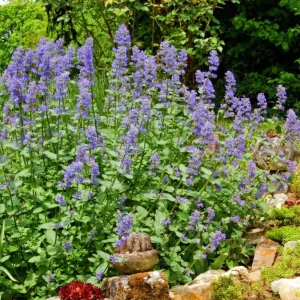
Catnip plants are known for their rapid growth and can reach a mature height of 2 to 3 feet tall and spread equally wide once established. They ship without a pot to minimize waste and ensure safe transit, allowing you to plant them directly into your garden or a larger container upon arrival. With proper care, your catnip live starter plant will quickly grow into a lush, aromatic herb, providing enjoyment for both you and your feline companions.
Frequently Asked Questions
- Q: How big does this plant get? A: Your catnip live starter plant will arrive 4-6 inches tall. Once established in your garden, it can grow to a mature height of 2 to 3 feet tall and spread 2 to 3 feet wide, forming a bushy, aromatic plant.
- Q: Is this an indoor or outdoor plant? A: Catnip is primarily an outdoor plant, thriving in garden beds. However, it can be grown indoors in a sunny window if given a large enough pot and adequate light. For best results, we recommend outdoor planting.
- Q: How much sunlight does it need? A: Catnip requires full sun, meaning at least 6 hours of direct sunlight per day. In very hot climates, it benefits from some partial afternoon shade to prevent wilting and stress.
- Q: Is this plant easy to care for? A: Yes, catnip is considered a very easy-to-care-for plant. It’s hardy, drought-tolerant once established, and adaptable to various soil conditions, making it an excellent choice for beginners learning how to grow catnip plant.
- Q: What condition will it arrive in? A: You will receive one healthy, well-rooted catnip live starter plant. It will be carefully packaged without a pot to ensure safe transit and will be ready for immediate planting upon arrival.
- Q: Can I use catnip in cooking? A: While primarily known for its effect on cats, catnip leaves can be used to make herbal teas, which are traditionally believed to have calming properties. Some people also use it sparingly in culinary dishes, similar to other mints.
- Q: When is the best time to plant this catnip starter? A: The best time to transplant your catnip live starter plant outdoors is in the spring after the last threat of frost has passed in your region. This gives the plant ample time to establish before the heat of summer.
- Q: What’s the minimum temperature this plant can tolerate? A: Catnip is a hardy perennial and can tolerate winter temperatures down to USDA Zone 3, meaning it can withstand temperatures as low as -40°F (-40°C) once it is established. Young plants may need protection in the first year in colder zones.
- Q: Will this plant attract other animals besides cats? A: Yes, catnip flowers are very attractive to beneficial pollinators such as bees and butterflies, making it a great addition for supporting local wildlife and improving garden biodiversity.
- Q: Where to buy catnip plant like this online? A: Many online nurseries and garden centers offer catnip starter plants, providing a convenient way to get this wonderful herb delivered directly to your door.
Be the first to review “Catnip Live Starter Plant – 4-6 Inch Tall, Well Rooted Mint Herb for Cats”
-
USDA Hardiness Zone
USDA zones 3-9 -
Soil Type
Well-draining loamy or sandy soil -
Sunlight Exposure
Full sun (6+ hours daily), partial afternoon shade in hot climates -
Expected Planting Period
Spring after last frost
People Also Viewd
Sold 134 products
Original price was: $3,536.00.$23.99Current price is: $23.99.
Sold 131 products
Original price was: $27.00.$24.00Current price is: $24.00.
Sold 130 products
Original price was: $89.99.$64.99Current price is: $64.99.

Sold 125 products
Original price was: $86.99.$66.99Current price is: $66.99.
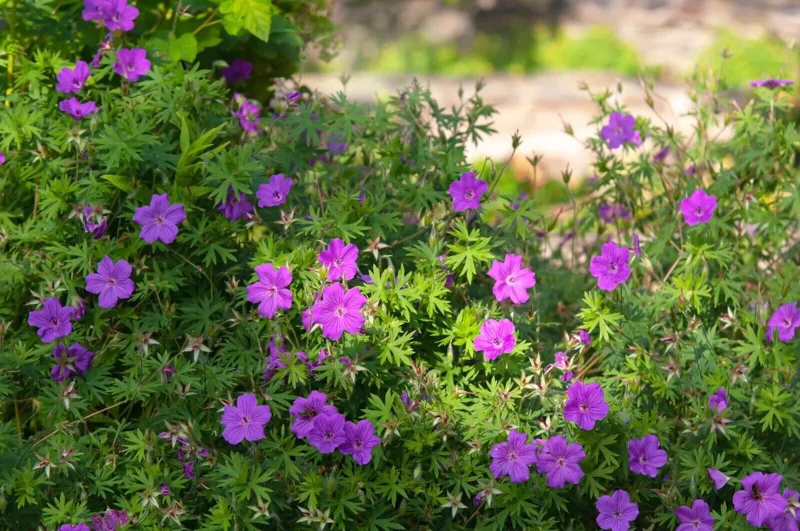
Flower Bulbs
3 Cranesbill Wild Geranium Organic Maculatums Bare Roots | Wildflower for Outdoor Garden
Sold 116 products
Original price was: $21.99.$9.99Current price is: $9.99.
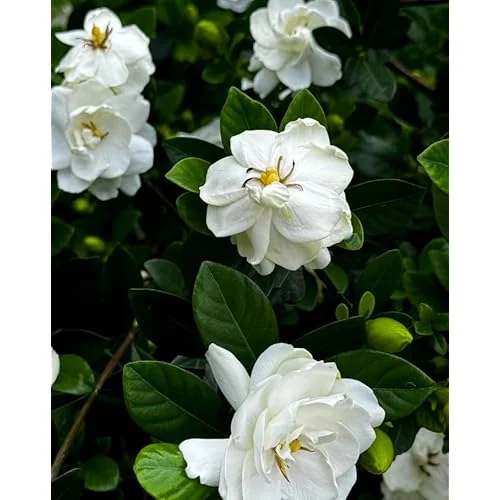
Sold 114 products
Original price was: $28.99.$17.99Current price is: $17.99.
Sold 110 products
Original price was: $63.99.$28.99Current price is: $28.99.
Sold 108 products
Original price was: $28.99.$17.99Current price is: $17.99.RELATED posts
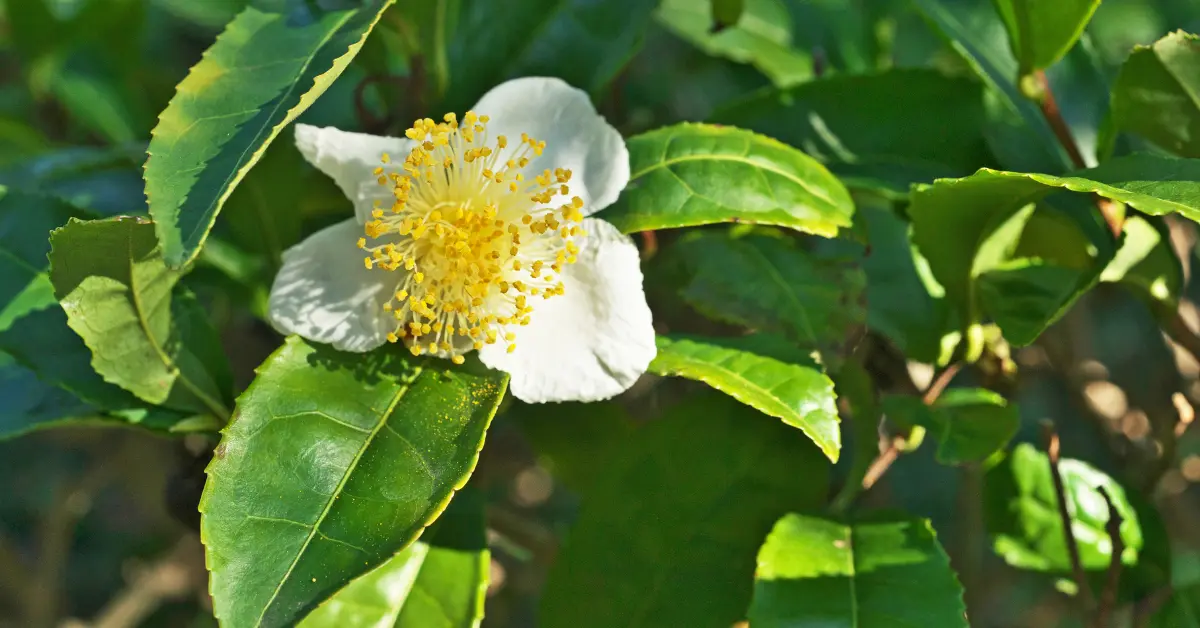
Growing Camellia Sinensis (Tea Plants) in Containers: A Complete Guide for Beginners
If you’ve ever wanted to sip a steaming, homegrown cup of fresh green, black, or [...]
Aug
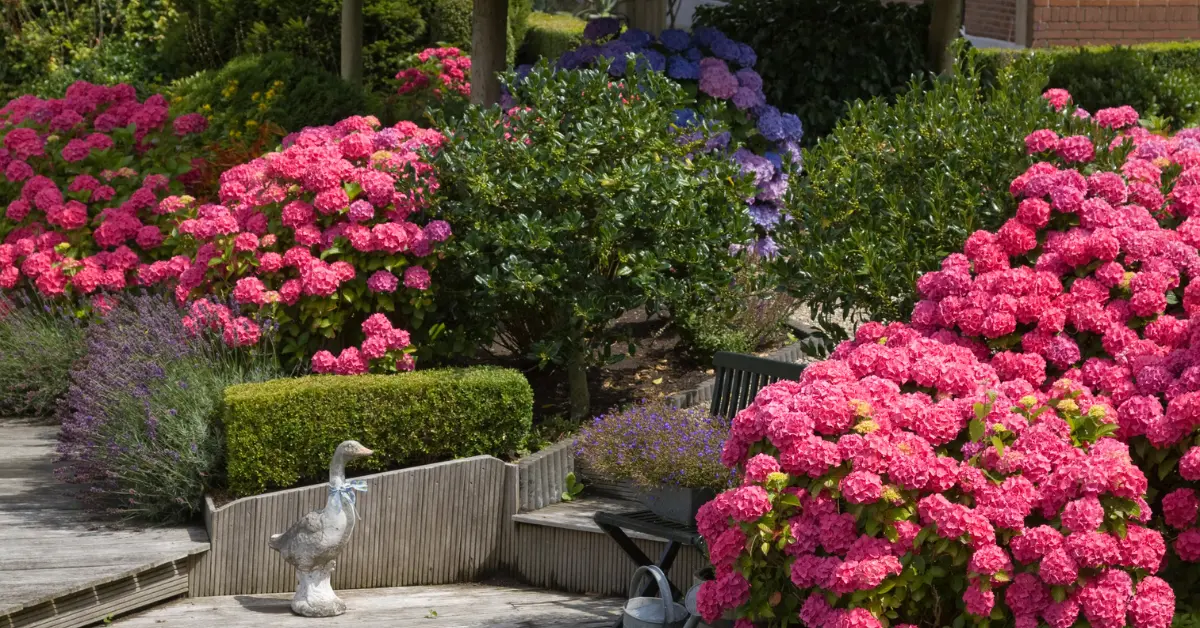
6 Best Shrubs to Plant in August You Must Try
Have you ever walked through a nursery late in the summer, admired the vibrant shrubs [...]
Aug
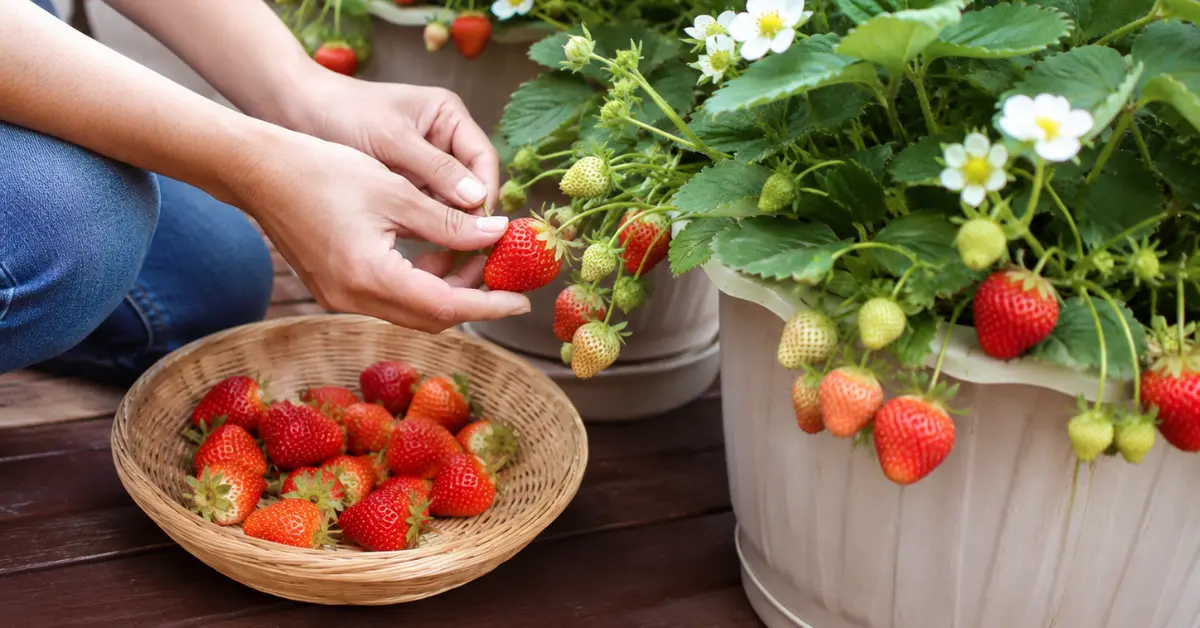
Growing Everbearing Strawberries in Containers: A Complete Guide for Beginners
Want to grow sweet, fresh strawberries but do not have a large garden? Everbearing strawberries [...]
Aug
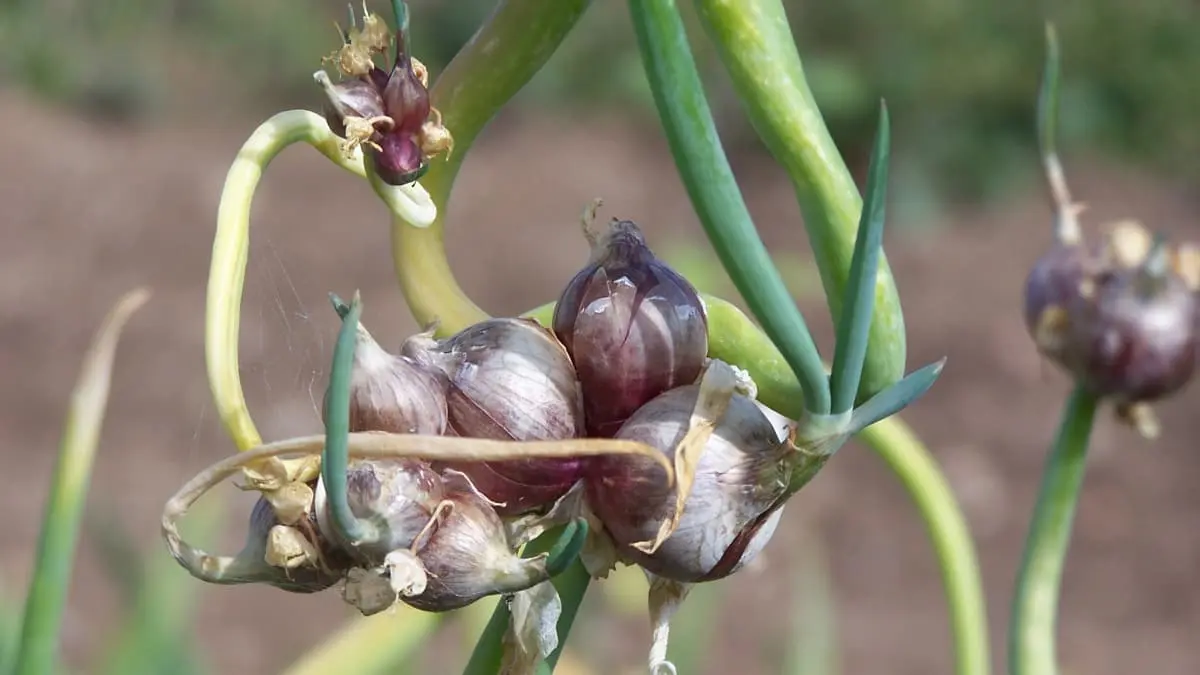
Growing Egyptian Walking Onions in Containers: A Complete Guide for Beginners
If you’re looking for a hardy, no-fuss perennial onion that keeps on giving year after [...]
Jul
Growing Carolina Reaper Peppers in Pots: A Complete Guide for Beginners
If you’ve ever wanted to add some serious, record-breaking heat to your home cooking, you’ve [...]
May
Growing Curry Leaf Plant in Pots: A Complete Guide for Beginners
If you’re a fan of authentic South Asian cuisine, you already know that nothing compares [...]
May
5 Tips for Growing Carolina Reaper Peppers to Get the Spiciest Harvest Ever
Holding the record for one of the world’s hottest peppers, the Reaper isn’t just a [...]
May
Best Fertilizers for Zoysia Grass in 2026: Get a Lush Lawn
As we enter the new year, the time has come to think about how we [...]
Apr

Reviews
There are no reviews yet.