
Curly Spider Plant Bonnie Live Plant – Air Purifying Houseplant – 4 inch Pot
Original price was: $50.98.$30.98Current price is: $30.98.
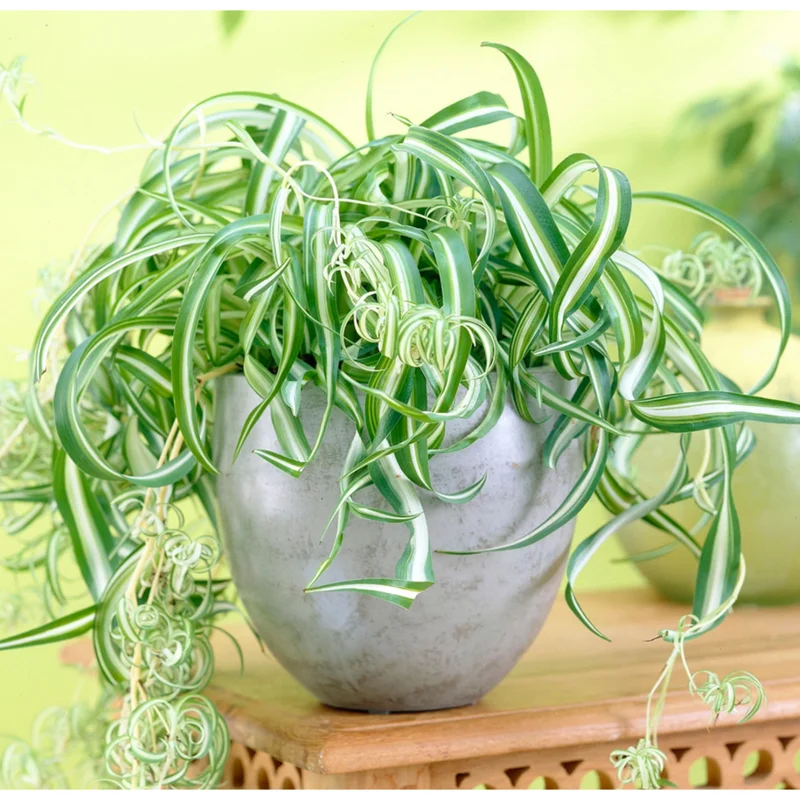
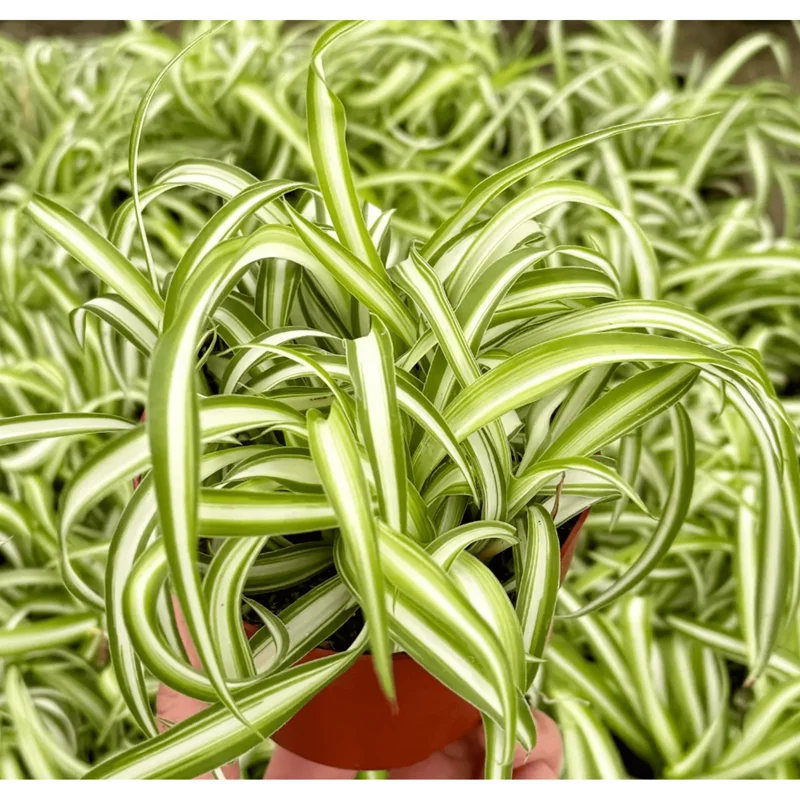
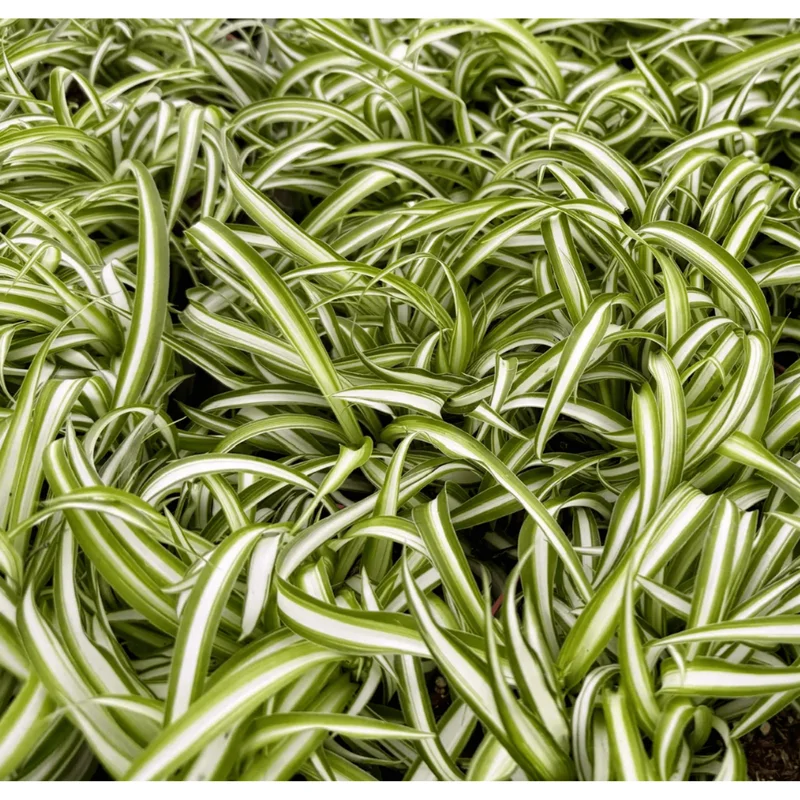
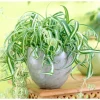
Bring home the unique curly spider plant bonnie, a charming live houseplant known for its distinctive curly foliage and excellent air-purifying qualities. This chlorophytum comosum bonnie is an easy care indoor plant, perfect for beginners and seasoned plant enthusiasts alike, thriving in various indoor conditions.
Estimated arrival
Oct 22
Oct 27 - Oct 29
Nov 01 - Nov 05

Reasonable Price
We offer reasonable price

Support 24/7
Contact us 24 hrs a day

100% Money Back
You've 30 days to Return

Payment Secure
100% secure payment
Overview
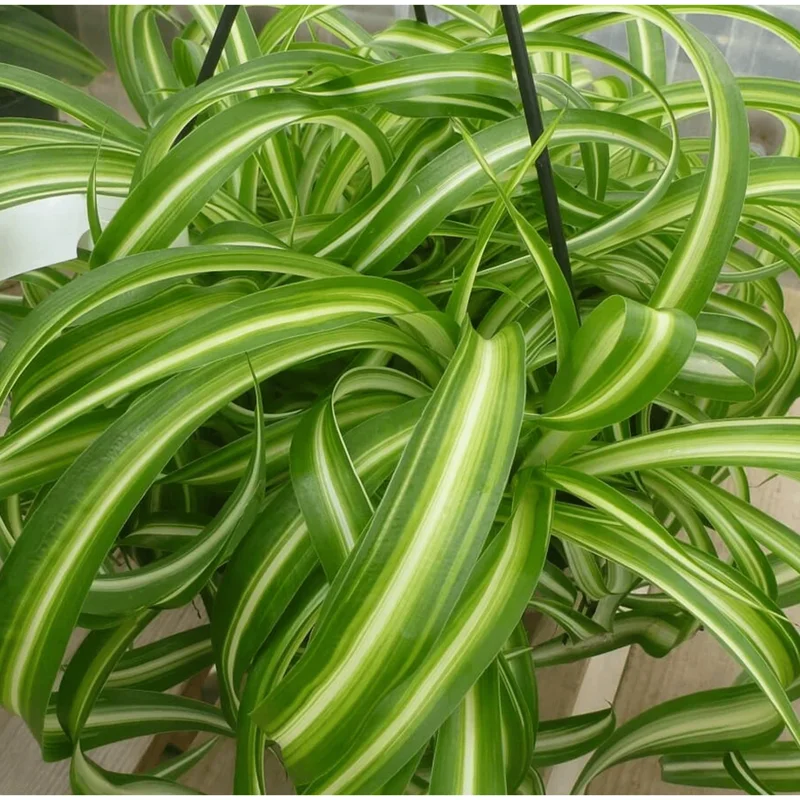
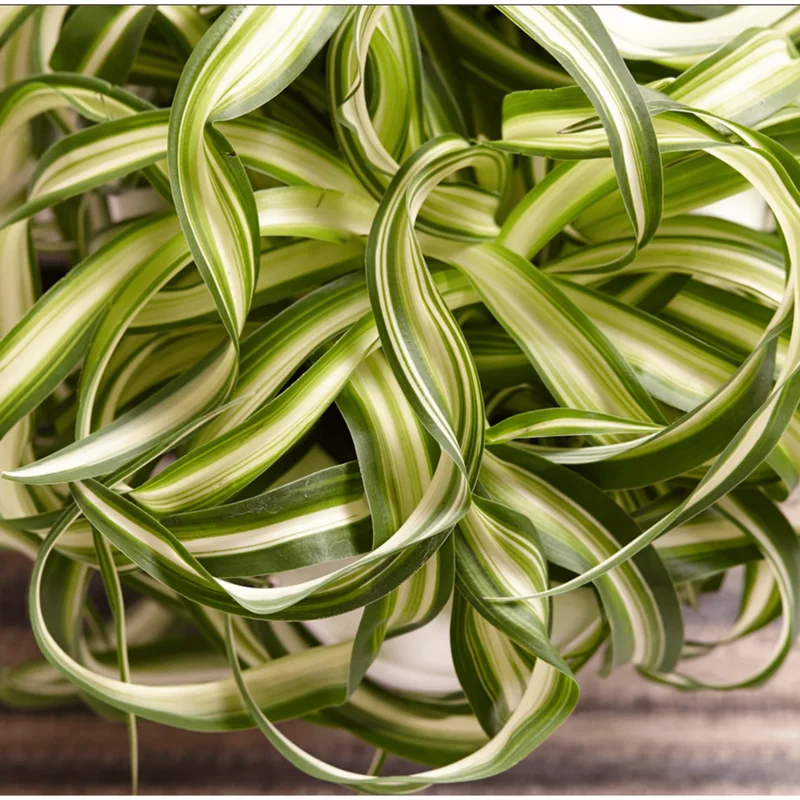
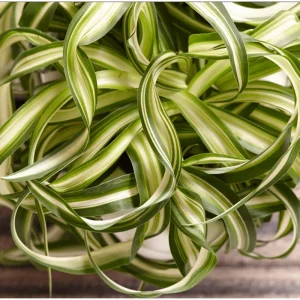
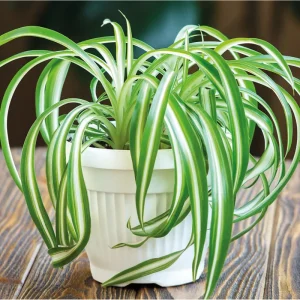
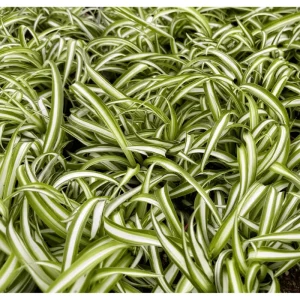
Introduce a touch of whimsical greenery to your home with the curly spider plant bonnie, a delightful live houseplant renowned for its distinctive, arching curly leaves. Unlike its straight-leafed relatives, the ‘Bonnie’ variety offers a playful texture that adds visual interest to any room. This particular cultivar, scientifically known as Chlorophytum comosum ‘Bonnie’, is a popular choice among plant lovers for its resilience and ease of care. Originating from tropical and subtropical regions of Africa, spider plants have long been cherished as indoor companions, and the curly spider plant bonnie stands out with its unique aesthetic. It’s not just beautiful; this plant is celebrated for its air-purifying capabilities, making it a functional and attractive addition to your living space. Shipped as a healthy live plant in a 4-inch pot, it’s ready to thrive in its new home.
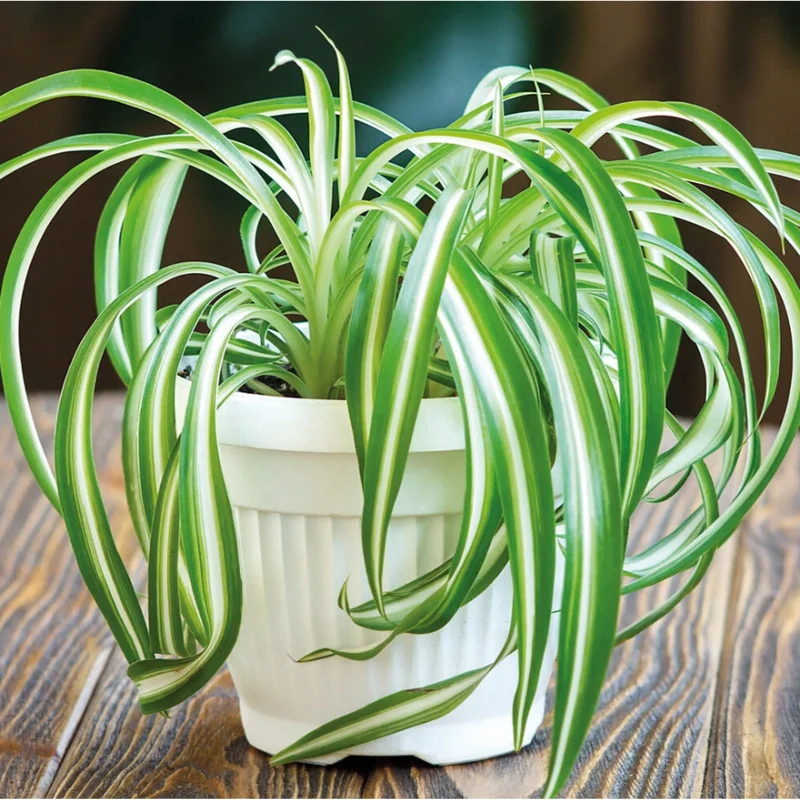
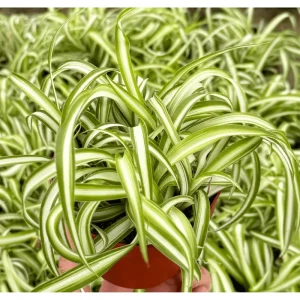
The chlorophytum comosum bonnie is an excellent choice for those new to plant parenthood or anyone seeking a low-maintenance yet striking plant. Its vibrant green foliage, often variegated with a lighter stripe down the center, cascades beautifully from hanging baskets or shelves. Known for producing ‘spiderettes’ or plantlets on long stems, it’s also incredibly easy to propagate, allowing you to share its beauty with friends or expand your own collection. This plant embodies natural elegance and vitality, bringing a sense of calm and freshness to its surroundings. Its adaptability to different light conditions further solidifies its status as a top-tier houseplant, ensuring it can flourish in various indoor environments.
Key Benefits
The curly spider plant bonnie offers a multitude of benefits, making it an ideal choice for enhancing your home environment and well-being. Its charming appearance is just the beginning:
- Exceptional Air Purification: NASA studies have shown that spider plants are highly effective at removing common indoor air toxins such as formaldehyde and xylene, contributing to cleaner, healthier air in your home. This makes the curly spider plant bonnie a natural air filter.
- Unique Aesthetic Appeal: With its distinctive curly leaves, the ‘Bonnie’ variety provides a captivating visual texture that differentiates it from other houseplants. Its compact, arching growth habit makes it perfect for shelves, desks, or hanging baskets.
- Remarkably Easy Care: This plant is incredibly forgiving and low-maintenance, making it an ideal choice for beginners or busy individuals. It tolerates a range of conditions and quickly bounces back from minor neglect, solidifying its reputation as an easy care indoor plant.
- Easy Propagation: The chlorophytum comosum bonnie readily produces ‘spiderettes’ or baby plants on long stems, which can be easily rooted in water or soil to create new plants. This offers a rewarding propagation experience and allows for sharing.
- Pet-Friendly: Unlike many common houseplants, spider plants are generally considered non-toxic to cats and dogs, offering peace of mind for pet owners.
- Versatile Placement: Thrives in various indoor settings, from bright, indirect light to lower light conditions, making it suitable for almost any room in your home or office.
- Stress Reduction: Having plants like the curly spider plant bonnie indoors has been linked to reduced stress levels, improved mood, and increased productivity, creating a more serene living or working environment.
Plant Care & Growing Tips
Caring for your curly spider plant bonnie is straightforward, making it a joy for both novice and experienced plant enthusiasts. This resilient houseplant thrives with minimal fuss, but understanding its basic needs will ensure it remains vibrant and healthy. For sunlight, the chlorophytum comosum bonnie prefers bright, indirect light. Placing it near a north or east-facing window is often ideal. While it can tolerate lower light conditions, too little light may reduce the variegation in its leaves and slow its growth. Conversely, direct, intense sunlight can scorch its delicate foliage, so avoid south or west-facing windows without adequate shielding.
When it comes to watering, consistency is key for this easy care indoor plant. Water thoroughly when the top inch of soil feels dry to the touch, allowing excess water to drain out of the pot’s bottom. Avoid letting the plant sit in standing water, as this can lead to root rot. During the dormant winter months, reduce watering frequency. The ideal soil type is a well-draining potting mix. A standard indoor potting soil amended with perlite or vermiculite will provide the necessary aeration and drainage. Spider plants appreciate average room temperatures, typically between 65-75°F (18-24°C), and can tolerate normal household humidity levels. Fertilize every 2-4 weeks during the active growing season (spring and summer) with a balanced liquid houseplant fertilizer diluted to half strength. In fall and winter, reduce or stop fertilization. Common problems like brown leaf tips can often be attributed to fluoride or chlorine in tap water, low humidity, or inconsistent watering. Using filtered water or leaving tap water out overnight can help, as can misting the plant occasionally.
Size & Details
Your curly spider plant bonnie arrives as a healthy, established live plant, nestled in a 4-inch nursery pot, ready to be placed in your preferred decorative container. At the time of shipment, the plant typically stands approximately 4-6 inches tall from the soil line, with its signature curly leaves beginning to cascade. Spider plants are known for their moderate growth rate, and with proper care, this chlorophytum comosum bonnie can quickly mature into a lush specimen. Expect it to produce numerous ‘spiderettes’ within its first year, especially during warmer months. These plantlets are an exciting feature, allowing for easy propagation and sharing. The mature size of a curly spider plant care can vary, but typically, the foliage spread can reach 12-18 inches wide, with stems of plantlets extending even further. This makes it an ideal size for tabletops, shelves, or hanging baskets.
Frequently Asked Questions
- Q: How big does this plant get? A: A mature curly spider plant bonnie typically reaches a foliage spread of 12-18 inches wide, with its characteristic curly leaves and plantlets extending further. Its size makes it versatile for various indoor spaces.
- Q: Is this an indoor or outdoor plant? A: The curly spider plant bonnie is primarily cultivated as an indoor houseplant in most climates. While it can be grown outdoors in shaded areas in warm, frost-free regions (USDA Zones 9-11), it thrives best indoors as an easy care indoor plant.
- Q: How much sunlight does it need? A: This chlorophytum comosum bonnie prefers bright, indirect light. Avoid direct harsh sunlight which can scorch its leaves. It can tolerate lower light conditions, but its growth and variegation may be reduced.
- Q: Is this plant easy to care for? A: Yes, the curly spider plant bonnie is renowned for its ease of care, making it an excellent choice for beginners. It’s quite forgiving of minor neglect and adapts well to various indoor environments.
- Q: What condition will it arrive in? A: Your curly spider plant bonnie will arrive as a live, healthy plant in a 4-inch nursery pot, carefully packaged to ensure its safe journey. It will be ready to be placed in your home upon arrival.
- Q: Is it pet-safe? A: Yes, spider plants, including the curly spider plant bonnie, are generally considered non-toxic to cats and dogs, offering peace of mind for pet owners.
- Q: How often should I water my curly spider plant? A: Water your curly spider plant care when the top inch of soil feels dry to the touch. Ensure good drainage and avoid overwatering. Less frequent watering is needed during the cooler winter months.
- Q: Can I propagate new plants from the ‘spiderettes’? A: Absolutely! One of the joys of owning a curly spider plant bonnie is its ease of propagation. Simply snip off the small plantlets (spiderettes) that form on long stems and root them in water or directly in soil.
- Q: What type of soil is best for this plant? A: A well-draining potting mix is ideal for the chlorophytum comosum bonnie. You can use a standard indoor potting soil, potentially amended with perlite for extra drainage.
- Q: Do I need to fertilize my curly spider plant? A: Yes, fertilize your curly spider plant bonnie every 2-4 weeks during the spring and summer growing season with a balanced liquid houseplant fertilizer diluted to half strength. Reduce or stop fertilizing in fall and winter.
Be the first to review “Curly Spider Plant Bonnie Live Plant – Air Purifying Houseplant – 4 inch Pot”
-
USDA Hardiness Zone
USDA zones 9-11 (outdoors), typically grown indoors -
Soil Type
Well-draining potting mix -
Sunlight Exposure
Bright indirect light -
Expected Planting Period
Year-round indoors
People Also Viewd
Sold 134 products
Original price was: $3,536.00.$23.99Current price is: $23.99.
Sold 132 products
Original price was: $27.00.$24.00Current price is: $24.00.
Sold 132 products
Original price was: $89.99.$64.99Current price is: $64.99.

Sold 125 products
Original price was: $86.99.$66.99Current price is: $66.99.
Flower Bulbs
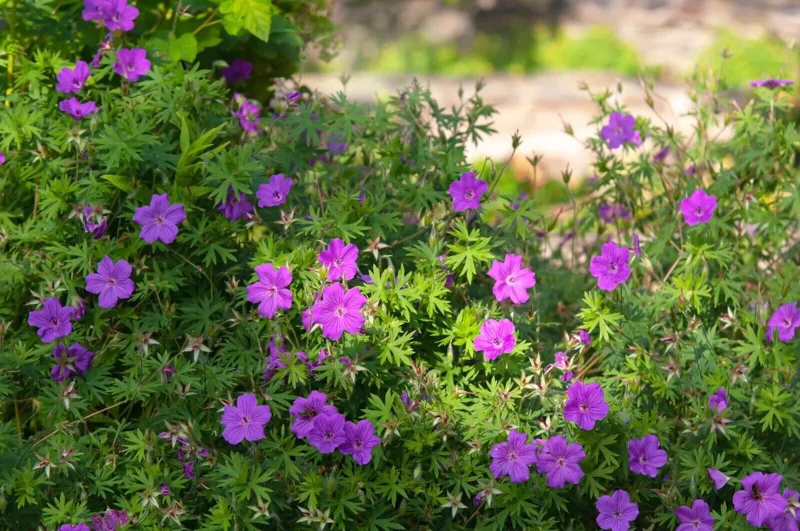
3 Cranesbill Wild Geranium Organic Maculatums Bare Roots | Wildflower for Outdoor Garden
Sold 116 products
Original price was: $21.99.$9.99Current price is: $9.99.
Sold 114 products
Original price was: $28.99.$17.99Current price is: $17.99.
Sold 110 products
Original price was: $63.99.$28.99Current price is: $28.99.
Sold 108 products
Original price was: $28.99.$17.99Current price is: $17.99.RELATED posts
How to Grow Arbequina Olive Trees: The Ultimate Guide to Your Own Olive Grove
Arbequina Olive Tree (Olea europaea ‘Arbequina’) – the ultimate Mediterranean plant that brings a touch [...]
Oct
Growing Garlic in Containers This Fall: A Complete Guide for Beginners
If you’ve ever wanted to pop fresh, aromatic garlic cloves straight from your own patio [...]
Sep
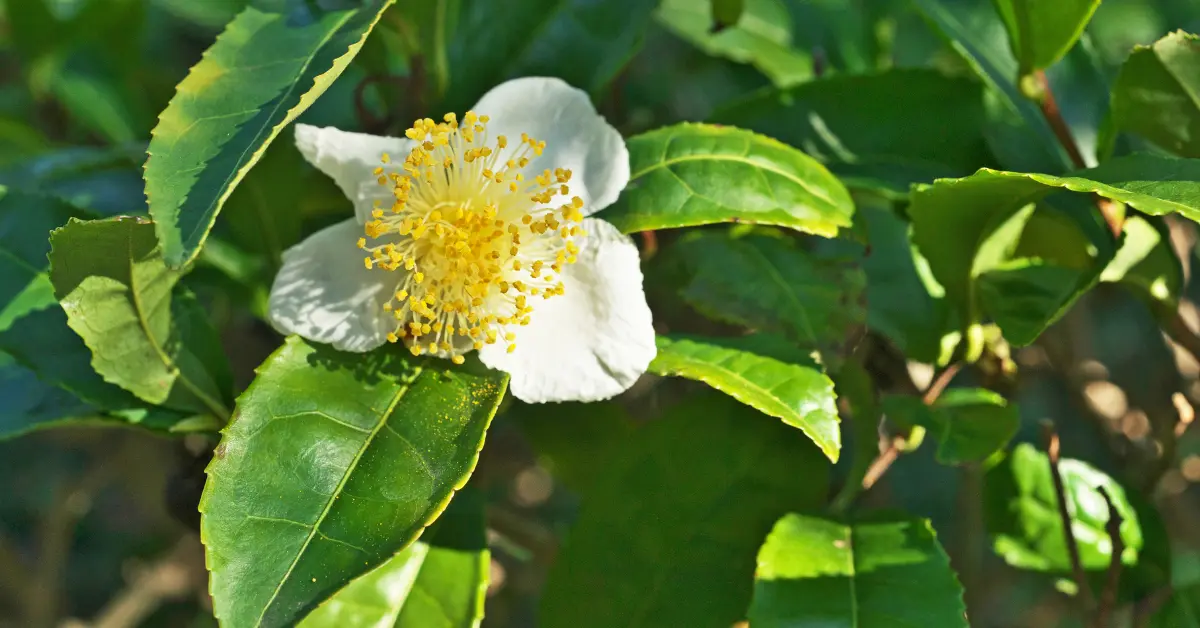
Growing Camellia Sinensis (Tea Plants) in Containers: A Complete Guide for Beginners
If you’ve ever wanted to sip a steaming, homegrown cup of fresh green, black, or [...]
Aug
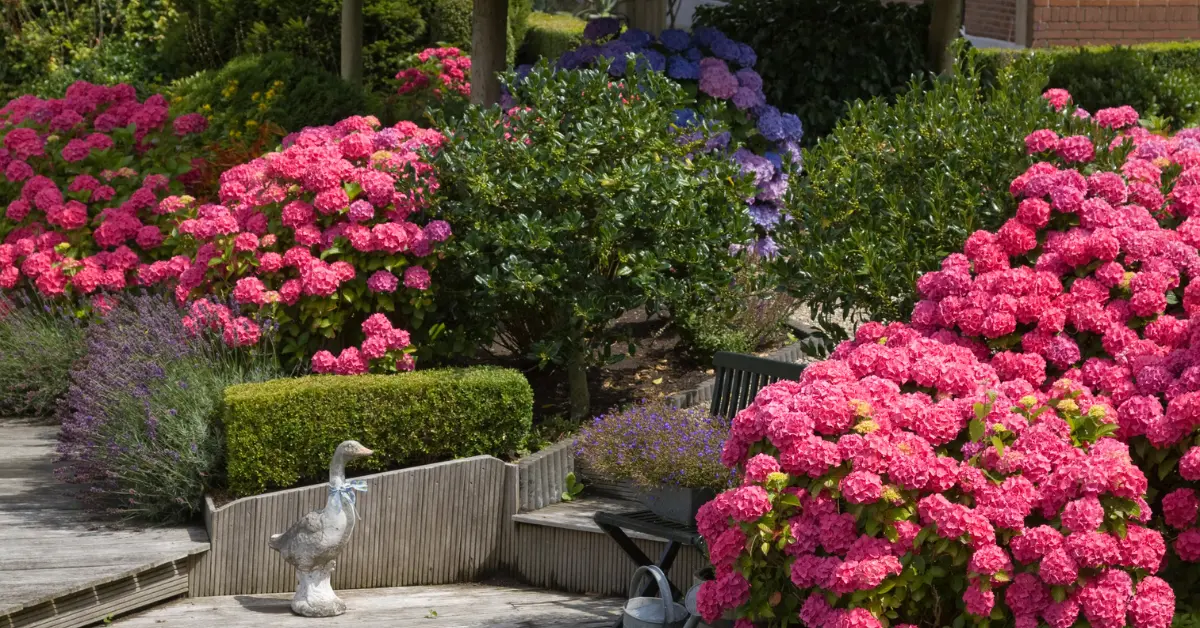
6 Best Shrubs to Plant in August You Must Try
Have you ever walked through a nursery late in the summer, admired the vibrant shrubs [...]
Aug
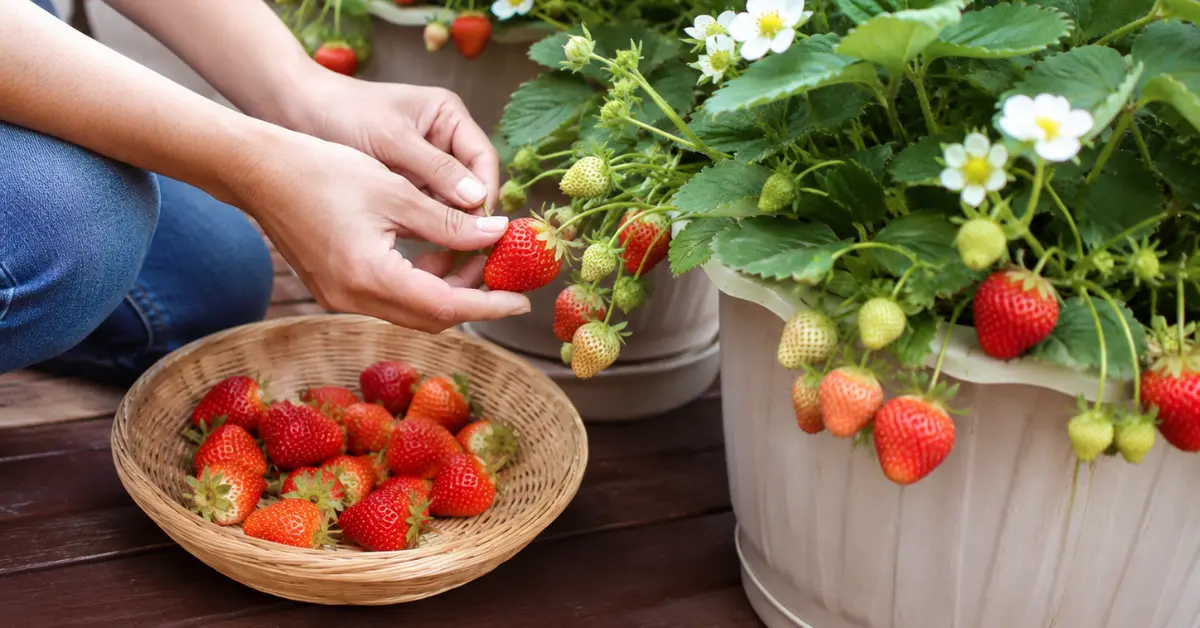
Growing Everbearing Strawberries in Containers: A Complete Guide for Beginners
Want to grow sweet, fresh strawberries but do not have a large garden? Everbearing strawberries [...]
Aug
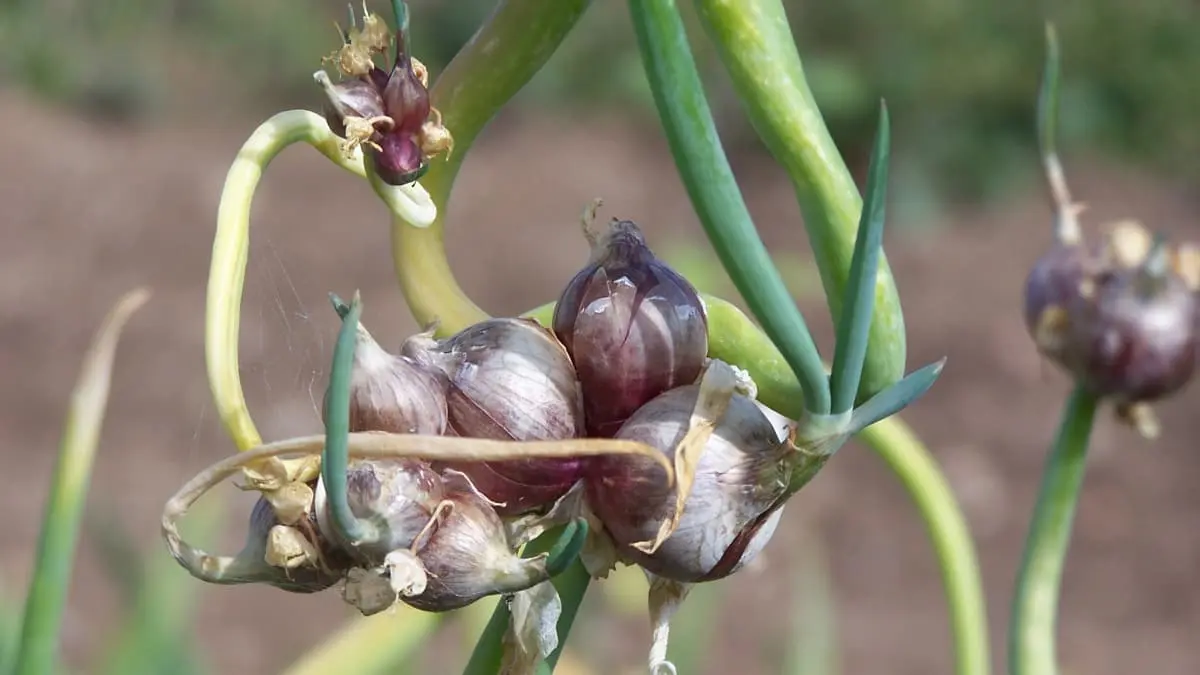
Growing Egyptian Walking Onions in Containers: A Complete Guide for Beginners
If you’re looking for a hardy, no-fuss perennial onion that keeps on giving year after [...]
Jul
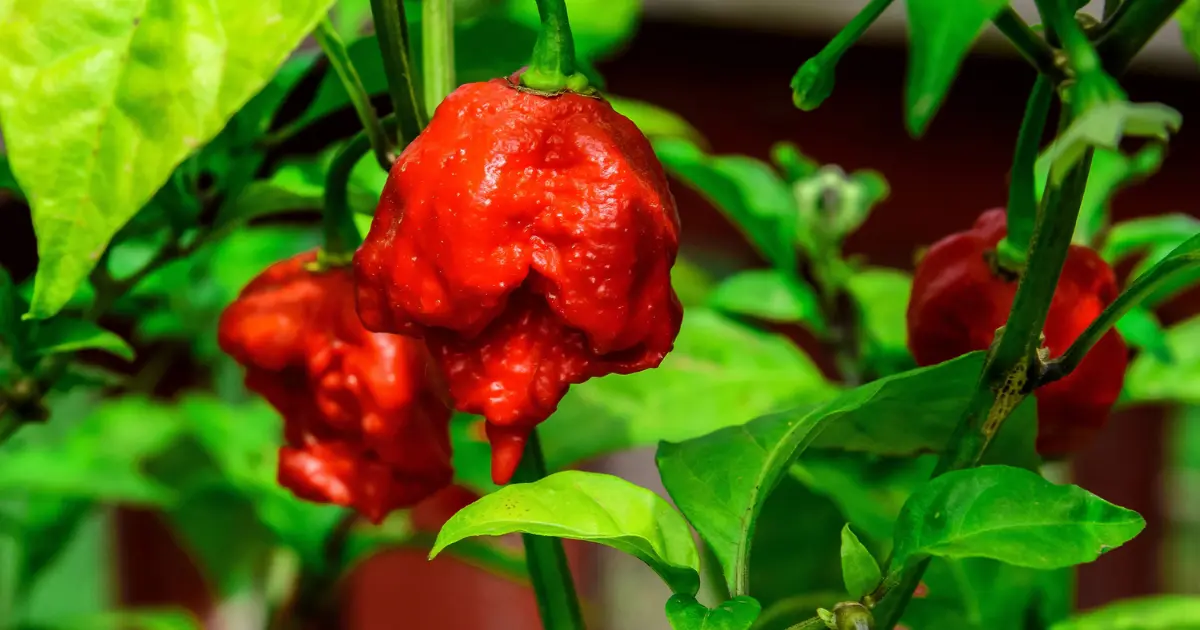
Growing Carolina Reaper Peppers in Pots: A Complete Guide for Beginners
If you’ve ever wanted to add some serious, record-breaking heat to your home cooking, you’ve [...]
May
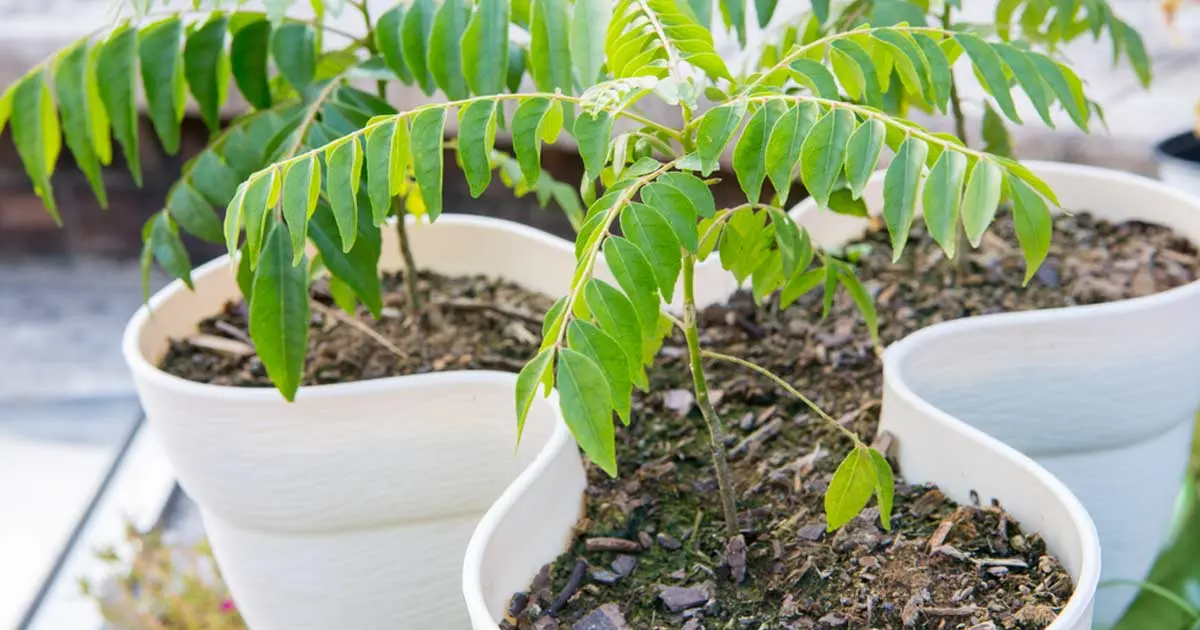
Growing Curry Leaf Plant in Pots: A Complete Guide for Beginners
If you’re a fan of authentic South Asian cuisine, you already know that nothing compares [...]
May
Reviews
There are no reviews yet.