
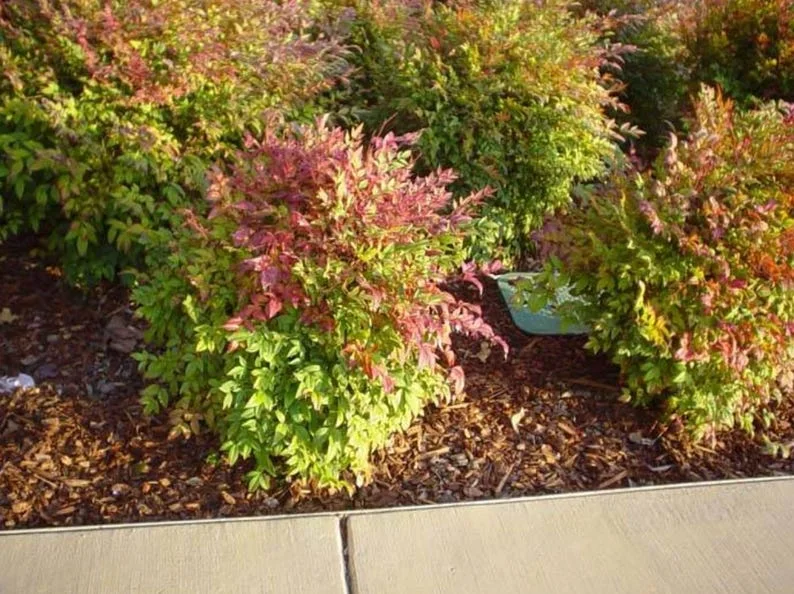
Dwarf Nandina Live Plant – Evergreen Shrub with Red Berries, 6-12″ Tall, Outdoor
Original price was: $37.98.$18.99Current price is: $18.99.
Add year-round beauty to your landscape with this Dwarf Nandina live plant. An evergreen shrub red berries, it offers vibrant color and textural interest, growing 6-12 inches tall. Ideal for borders, containers, or mass planting.
Estimated arrival
Sep 17
Sep 22 - Sep 24
Sep 27 - Oct 01

Reasonable Price
We offer reasonable price

Support 24/7
Contact us 24 hrs a day

100% Money Back
You've 30 days to Return

Payment Secure
100% secure payment
Overview
Introduce enduring charm and vibrant color to your garden with the Dwarf Nandina live plant. This exquisite evergreen shrub red berries, scientifically known as Nandina domestica ‘Compacta’, is celebrated for its compact growth habit and stunning visual appeal throughout the seasons. Unlike its taller relatives, this dwarf variety typically reaches a manageable height of 6-12 inches, making it a versatile choice for a variety of landscape applications. Its delicate, bamboo-like foliage emerges with a reddish tint in spring, matures to a lush green in summer, and then transforms into brilliant shades of red and purple as temperatures cool in autumn and winter. The showstopper, however, are the clusters of bright red berries that persist through the colder months, providing crucial winter interest and a food source for birds. This Dwarf Nandina live plant is an excellent solution for gardeners seeking a low-maintenance, high-impact plant that delivers consistent beauty.
This particular offering is for a healthy, established Dwarf Nandina live plant, ready to be transplanted into your garden or a decorative container. It is a robust and adaptable shrub, perfect for adding structure and color to beds, borders, and even rock gardens. Its ability to thrive in a range of conditions and its relatively slow growth rate make it a favorite among both novice and experienced gardeners. The evergreen nature ensures that your landscape retains vitality even when other plants have gone dormant, providing continuous visual appeal.
Key Benefits
The Dwarf Nandina live plant offers a multitude of benefits that make it a standout choice for any garden:
- Year-Round Visual Interest: Enjoy a dynamic display of color with foliage that changes from reddish new growth to green, then to fiery reds and purples in cooler weather. The persistent bright red berries add a festive touch, especially during winter, ensuring your garden always has something captivating to offer. This makes the Dwarf Nandina live plant a truly valuable asset for seasonal transitions.
- Compact and Manageable Size: With an average height of 6-12 inches, this low growing Nandina is perfect for small gardens, front borders, container planting, or as a groundcover. Its tidy habit means less pruning and easy integration into existing designs, allowing gardeners to enjoy its beauty without extensive maintenance.
- Drought and Heat Tolerant: Once established, the Dwarf Nandina is remarkably resilient, capable of withstanding periods of drought and high temperatures. This makes it an excellent choice for xeriscaping or for areas where water conservation is a priority, reducing the need for constant irrigation.
- Low Maintenance: This shrub is known for its fuss-free nature. It requires minimal pruning to maintain its shape, and it is generally resistant to most pests and diseases, allowing you more time to enjoy your garden rather than working in it. The Nandina care tips are straightforward, making it accessible for all skill levels.
- Attracts Wildlife: The vibrant red berries are not only ornamental but also serve as a valuable food source for various bird species during the winter months, adding life and activity to your garden ecosystem.
- Versatile Landscape Use: Its adaptable nature allows it to be used in various settings, including mass plantings, foundation plantings, mixed borders, or even as a striking specimen plant in a decorative pot on a patio or porch.
- Evergreen Foliage: As an evergreen shrub red berries, it maintains its leaves and color throughout the year, providing continuous greenery and structure even in the coldest seasons, preventing a barren winter landscape.
Plant Care & Growing Tips
Caring for your Dwarf Nandina live plant is relatively easy, making it a rewarding addition to almost any garden. For optimal growth and the most vibrant foliage and berry production, choose a site that receives full sun to partial shade. In hotter climates, some afternoon shade is beneficial to protect the foliage from scorching. While it tolerates a range of soil types, well-draining soil is crucial to prevent root rot. Amend heavy clay soils with organic matter like compost to improve drainage and fertility. This Dwarf Nandina live plant is adaptable to various pH levels, but it generally prefers slightly acidic to neutral soil.
Water newly planted Nandinas regularly to help them establish strong root systems. Once established, they are quite drought-tolerant and will only require supplemental watering during prolonged dry spells. Overwatering should be avoided. Fertilize in early spring with a balanced, slow-release granular fertilizer formulated for evergreen shrubs. Follow the product instructions for application rates. Pruning is generally minimal for this low growing Nandina. You can remove any dead, damaged, or crossing branches as needed. If you desire a denser habit or wish to control its size, light shaping can be done in late winter or early spring before new growth appears. This plant is generally pest and disease resistant, but keep an eye out for common garden issues and address them promptly. Understanding these basic Nandina care tips will ensure your shrub thrives for years.
Size & Details
This offering is for one healthy Dwarf Nandina live plant, typically shipped in a nursery pot. The plants generally measure between 6 and 12 inches tall at the time of shipment, providing a good foundation for immediate garden integration. The mature size of the Dwarf Nandina live plant is usually around 1 to 2 feet in height and spread, forming a dense, rounded mound. Its growth rate is considered slow to moderate, allowing it to maintain its compact form without frequent pruning. It is shipped as a live, actively growing plant, carefully packaged to ensure its safe arrival. Expect this evergreen shrub red berries to establish quickly in its new environment, beginning to display its characteristic seasonal color changes and berry production as it matures. The plant comes ready for immediate planting in the ground or a larger container, allowing you to enjoy its beauty without delay.
Frequently Asked Questions
- Q: How big does this plant get? A: The Dwarf Nandina live plant typically grows to a mature height and spread of 1 to 2 feet. It’s a compact variety, making it excellent for smaller spaces and borders.
- Q: Is this an indoor or outdoor plant? A: This Dwarf Nandina live plant is primarily an outdoor evergreen shrub. It thrives in garden beds, borders, and outdoor containers.
- Q: How much sunlight does it need? A: For best performance and vibrant color, the Dwarf Nandina prefers full sun to partial shade. In very hot climates, it benefits from some afternoon shade.
- Q: Is this plant easy to care for? A: Yes, the Dwarf Nandina is known for being a low-maintenance plant. It’s drought-tolerant once established and generally resistant to pests and diseases, making Nandina care tips quite simple.
- Q: What condition will it arrive in? A: Your Dwarf Nandina live plant will arrive as a healthy, actively growing plant, carefully packaged in its nursery container to ensure optimal condition upon delivery.
- Q: Can I grow this low growing Nandina in a container? A: Absolutely! Its compact size makes it an excellent choice for container gardening, allowing you to enjoy its beauty on patios, decks, or balconies. Ensure the container has good drainage.
- Q: When is the best time to plant a Dwarf Nandina? A: Spring or fall are generally the best times to plant, allowing the plant to establish its root system before extreme summer heat or winter cold.
- Q: Will it survive winter in my zone? A: The Dwarf Nandina is hardy in USDA Zones 6-11. It is an evergreen shrub red berries that provides winter interest in these zones, though foliage color may intensify with colder temperatures.
- Q: Does this evergreen shrub red berries attract birds? A: Yes, the vibrant red berries that persist through fall and winter are a valuable food source for many bird species, adding wildlife activity to your garden.
- Q: What kind of soil does this plant prefer? A: This plant thrives in well-draining soil. It can tolerate various soil types but prefers slightly acidic to neutral soil. Amending heavy clay with organic matter is recommended.
Be the first to review “Dwarf Nandina Live Plant – Evergreen Shrub with Red Berries, 6-12″ Tall, Outdoor”
-
USDA Hardiness Zone
USDA Zones 6-11 -
Soil Type
Well-draining soil (prefers slightly acidic to neutral) -
Sunlight Exposure
Full sun to partial shade -
Expected Planting Period
Spring or Fall
People Also Viewd
Sold 134 products
Original price was: $3,536.00.$23.99Current price is: $23.99.
Sold 131 products
Original price was: $27.00.$24.00Current price is: $24.00.
Sold 131 products
Original price was: $89.99.$64.99Current price is: $64.99.

Sold 125 products
Original price was: $86.99.$66.99Current price is: $66.99.
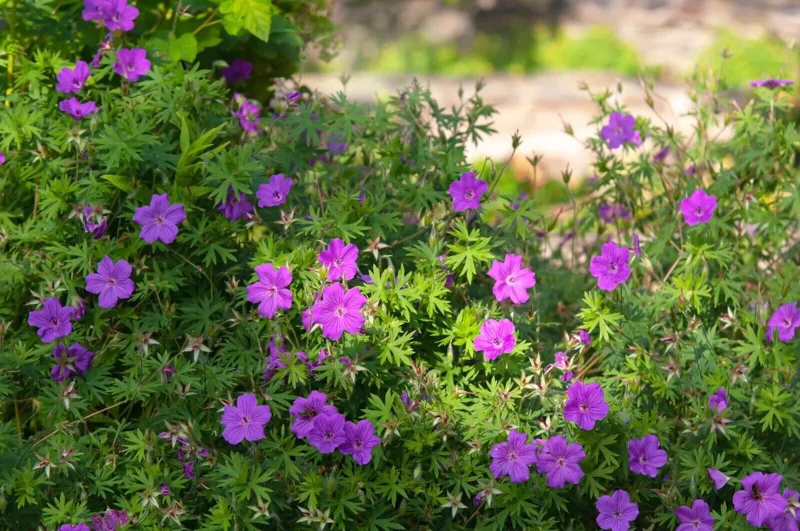
Flower Bulbs
3 Cranesbill Wild Geranium Organic Maculatums Bare Roots | Wildflower for Outdoor Garden
Sold 116 products
Original price was: $21.99.$9.99Current price is: $9.99.
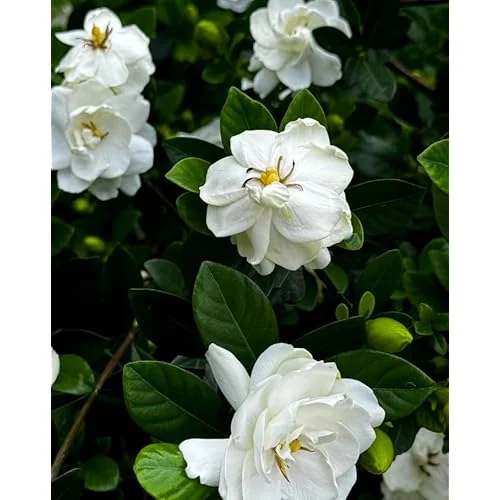
Sold 114 products
Original price was: $28.99.$17.99Current price is: $17.99.
Sold 110 products
Original price was: $63.99.$28.99Current price is: $28.99.
Sold 108 products
Original price was: $28.99.$17.99Current price is: $17.99.RELATED posts
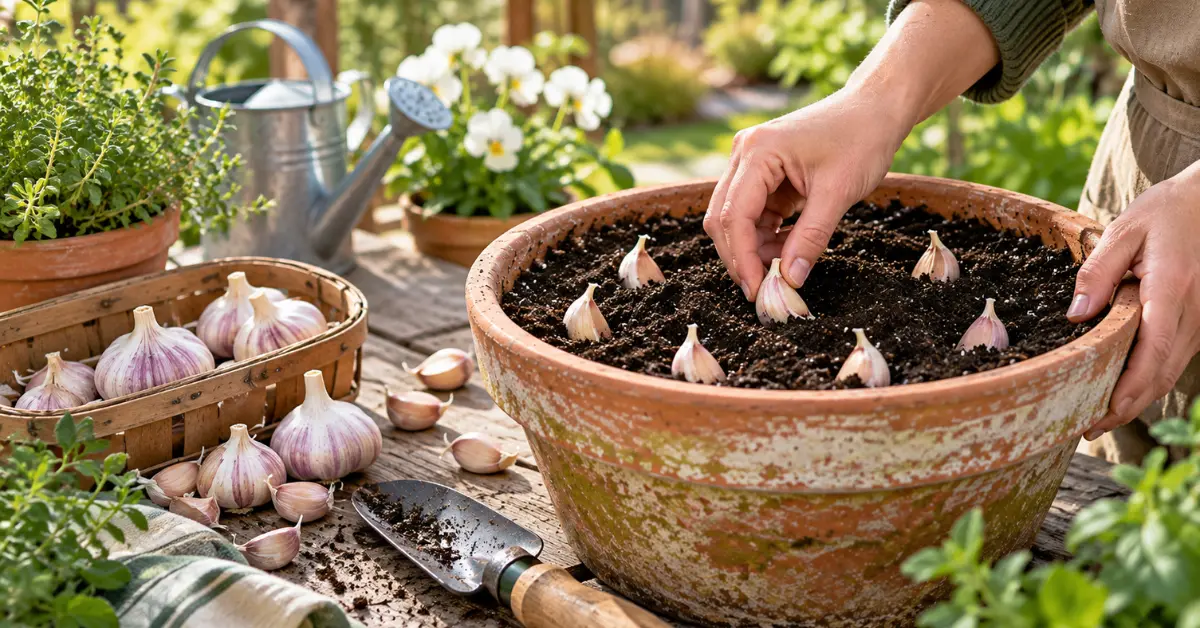
Growing Garlic in Containers This Fall: A Complete Guide for Beginners
If you’ve ever wanted to pop fresh, aromatic garlic cloves straight from your own patio [...]
Sep
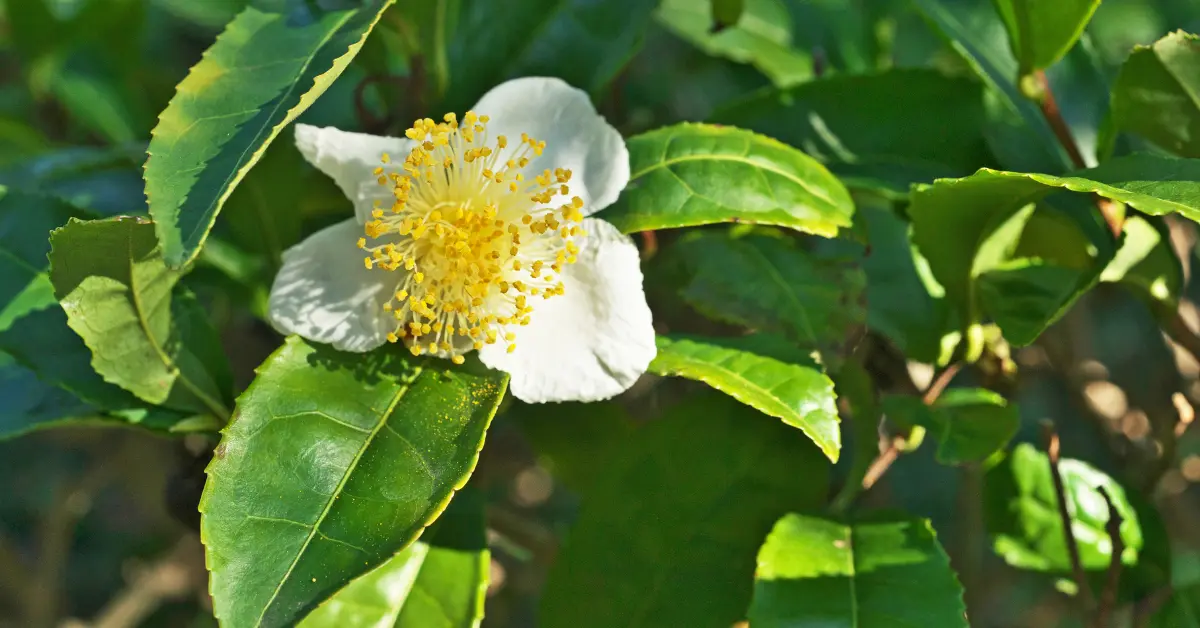
Growing Camellia Sinensis (Tea Plants) in Containers: A Complete Guide for Beginners
If you’ve ever wanted to sip a steaming, homegrown cup of fresh green, black, or [...]
Aug
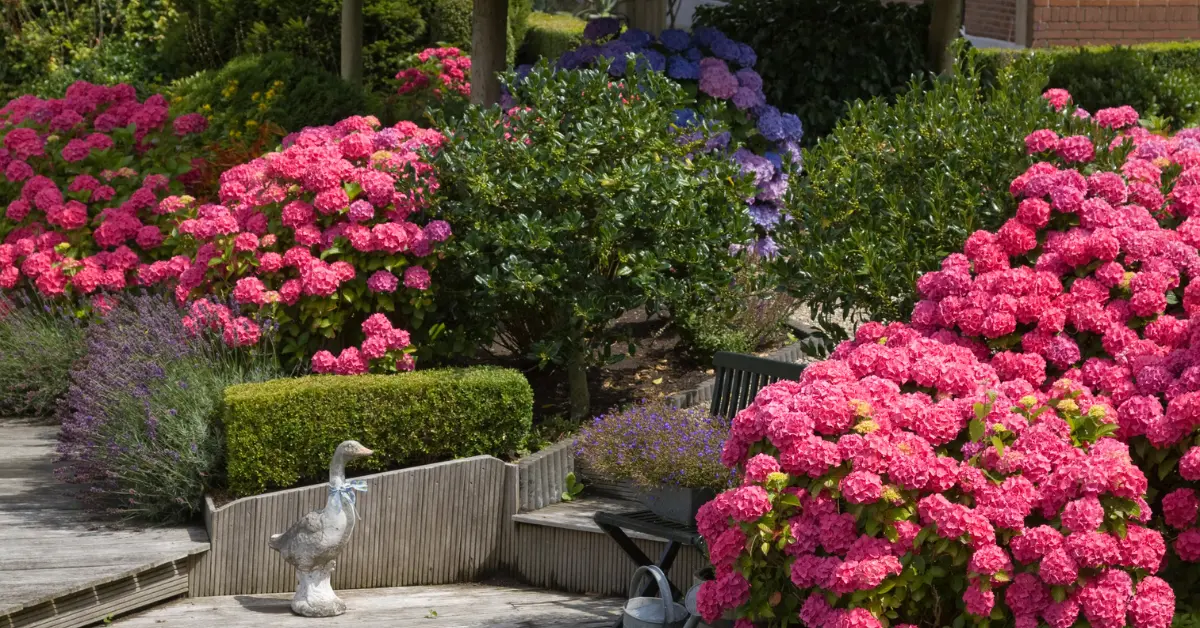
6 Best Shrubs to Plant in August You Must Try
Have you ever walked through a nursery late in the summer, admired the vibrant shrubs [...]
Aug
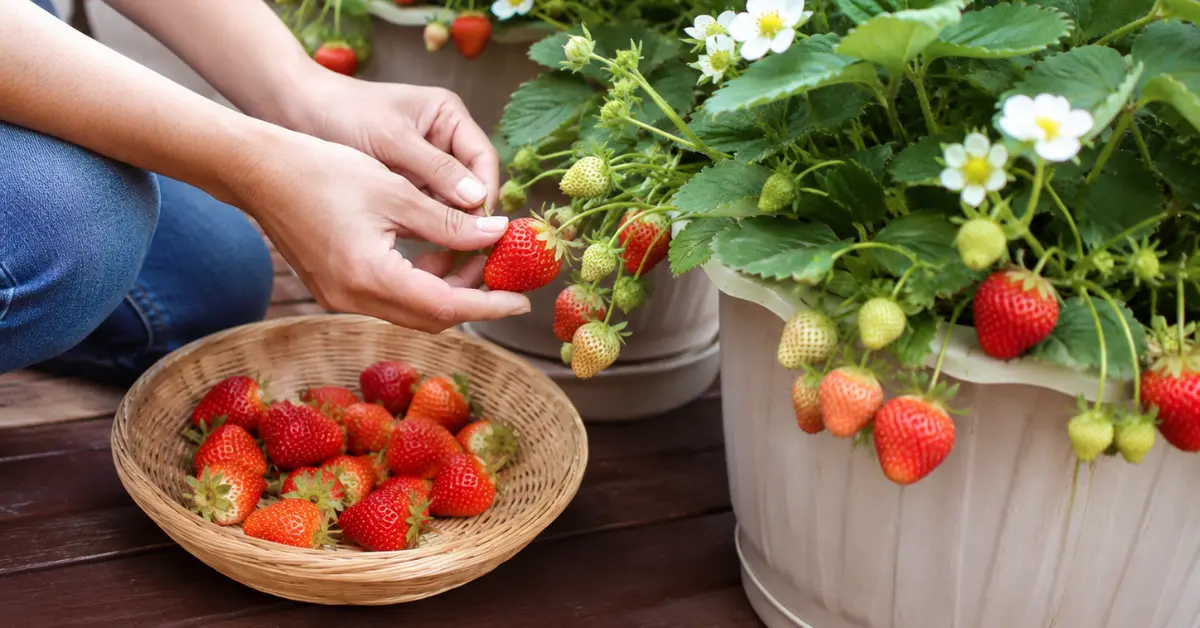
Growing Everbearing Strawberries in Containers: A Complete Guide for Beginners
Want to grow sweet, fresh strawberries but do not have a large garden? Everbearing strawberries [...]
Aug
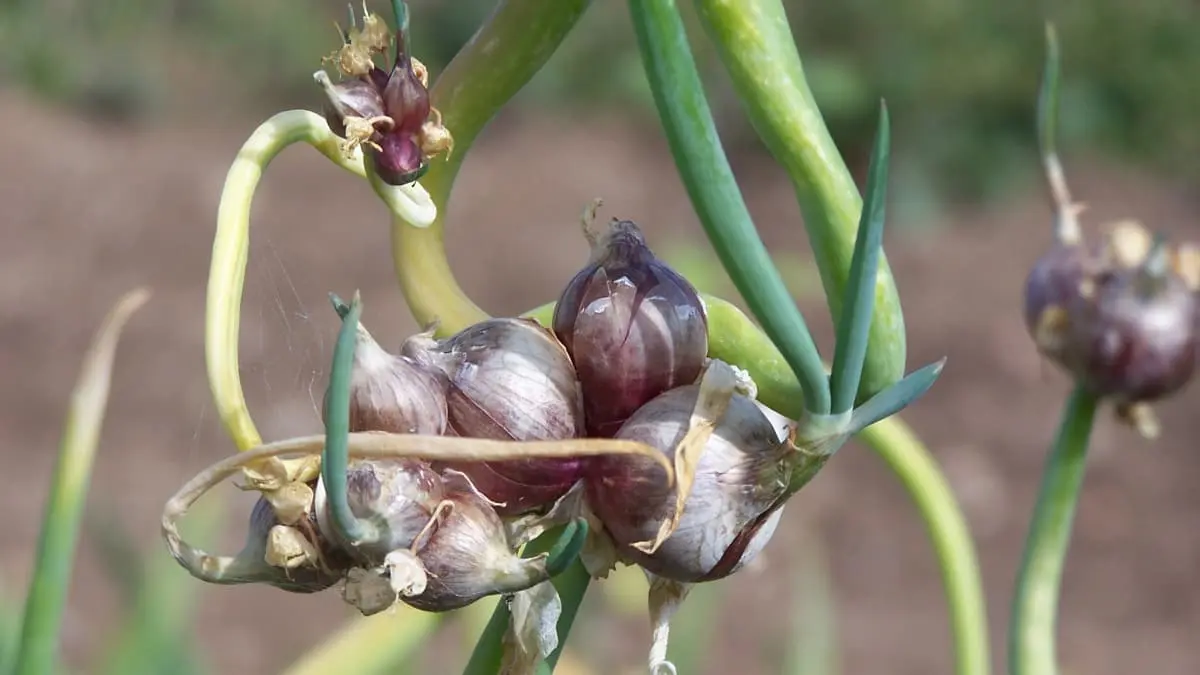
Growing Egyptian Walking Onions in Containers: A Complete Guide for Beginners
If you’re looking for a hardy, no-fuss perennial onion that keeps on giving year after [...]
Jul
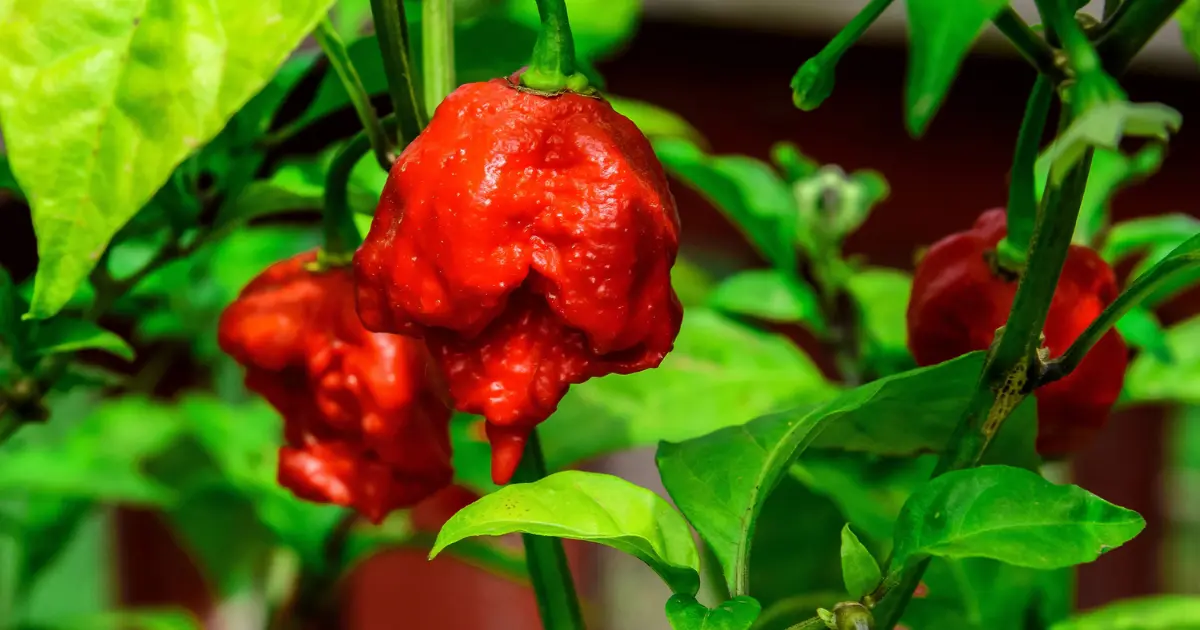
Growing Carolina Reaper Peppers in Pots: A Complete Guide for Beginners
If you’ve ever wanted to add some serious, record-breaking heat to your home cooking, you’ve [...]
May
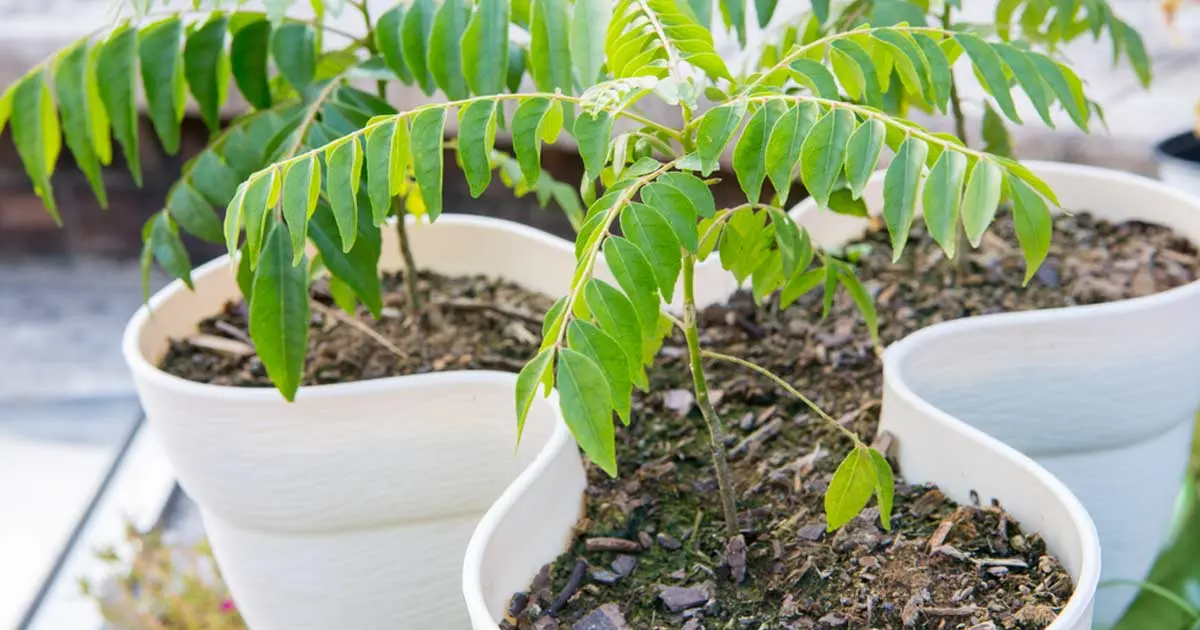
Growing Curry Leaf Plant in Pots: A Complete Guide for Beginners
If you’re a fan of authentic South Asian cuisine, you already know that nothing compares [...]
May
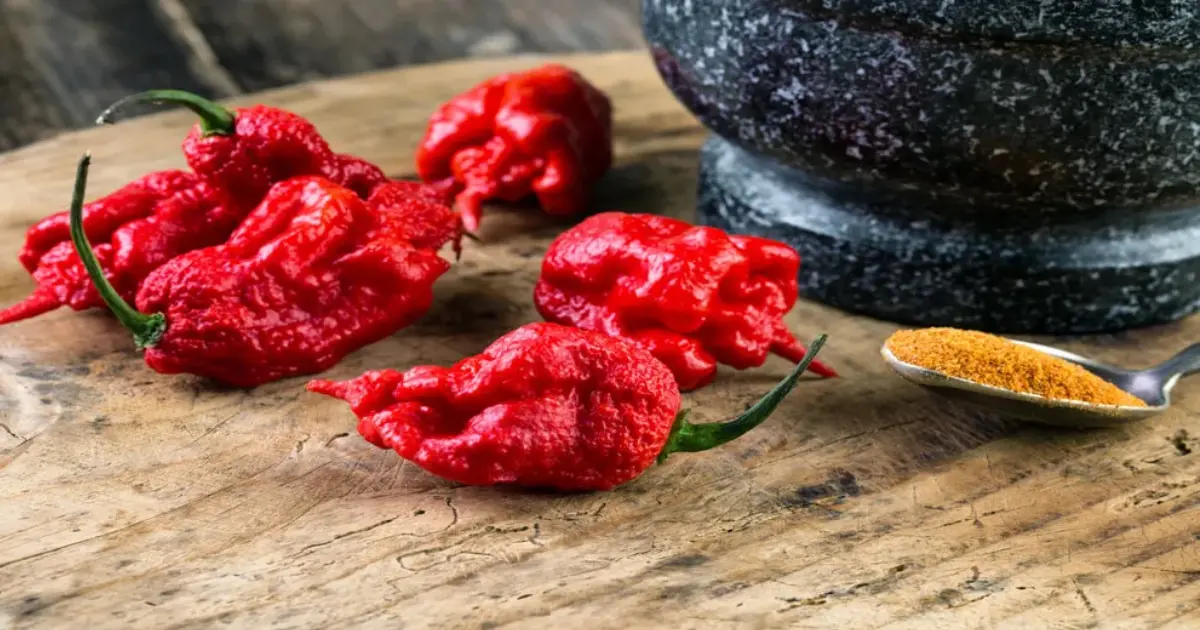
5 Tips for Growing Carolina Reaper Peppers to Get the Spiciest Harvest Ever
Holding the record for one of the world’s hottest peppers, the Reaper isn’t just a [...]
May
Reviews
There are no reviews yet.