
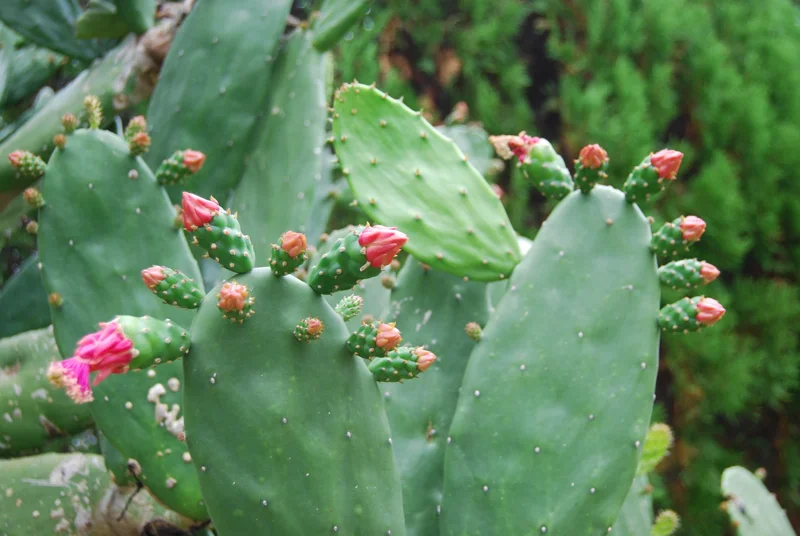
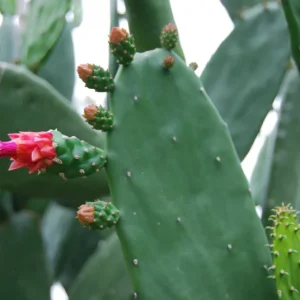
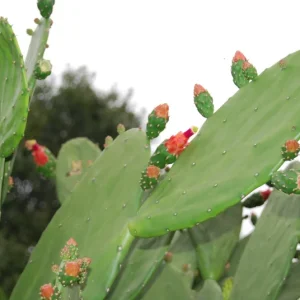
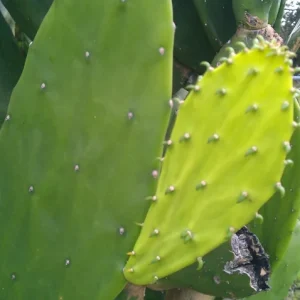
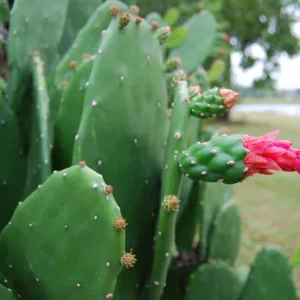
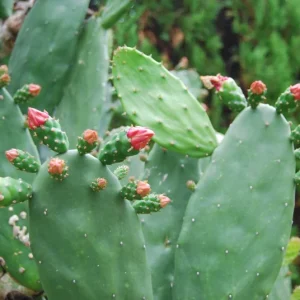
Edible Spineless Prickly Pear Cactus Pads – 3 Pound Bulk
Original price was: $111.98.$55.99Current price is: $55.99.
Get your hands on fresh, edible prickly pear cactus pads, perfect for a variety of culinary uses or for planting. These spineless prickly pear pads are easy to handle and come in a convenient bulk prickly pear 3-pound package, ready for your kitchen or garden.
Estimated arrival
Oct 16
Oct 21 - Oct 23
Oct 26 - Oct 30

Reasonable Price
We offer reasonable price

Support 24/7
Contact us 24 hrs a day

100% Money Back
You've 30 days to Return

Payment Secure
100% secure payment
Overview
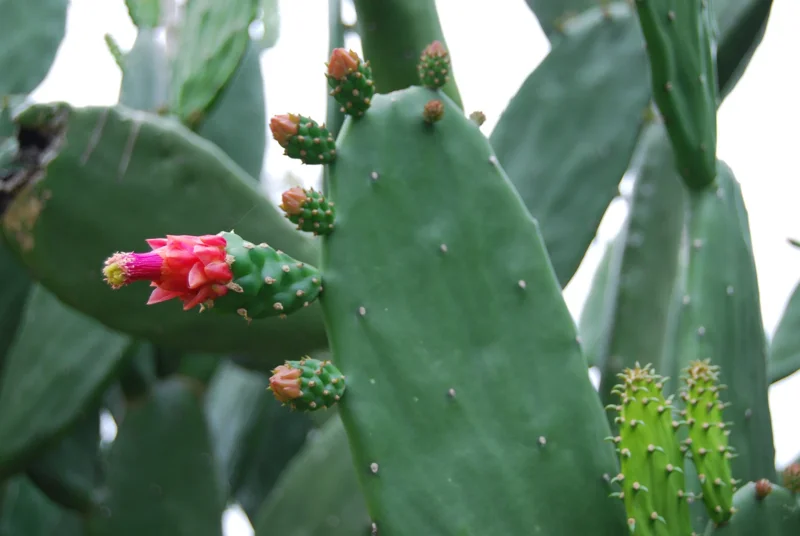
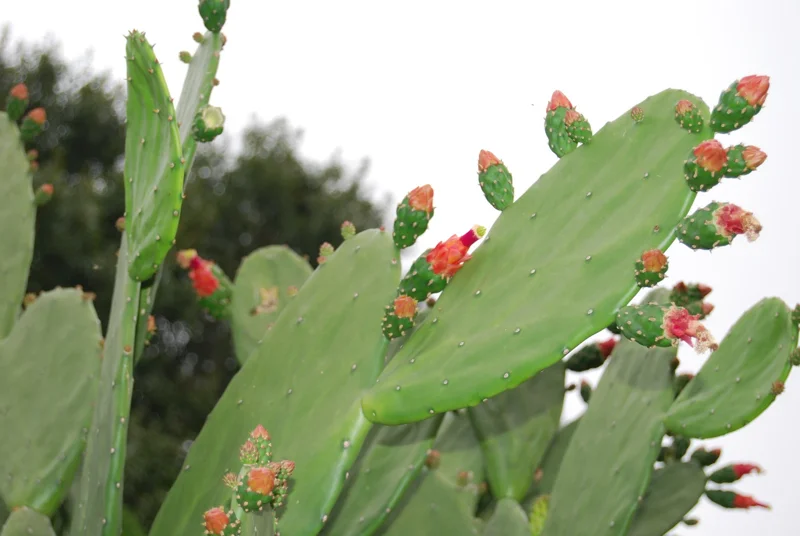
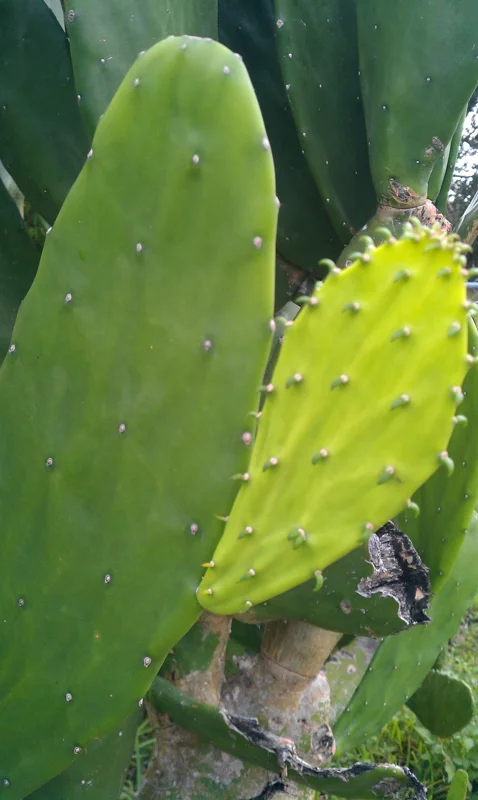
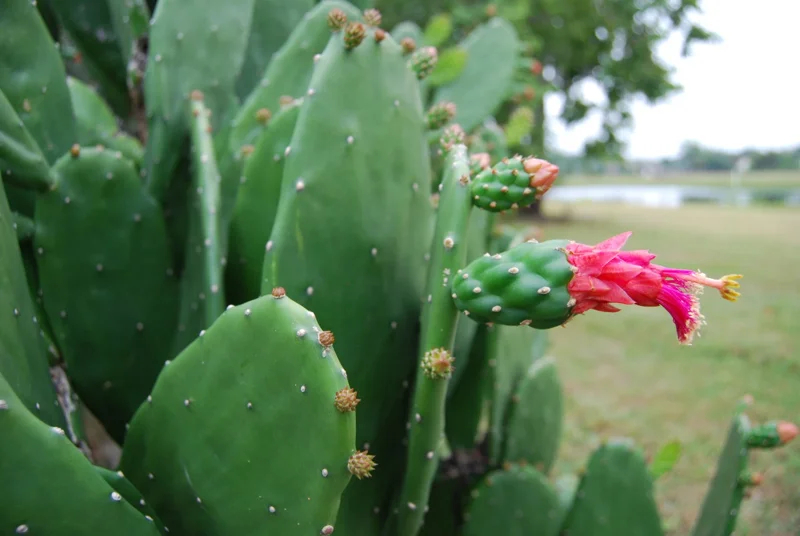
Bring the vibrant flavors and health benefits of the desert into your home with our fresh, edible prickly pear cactus pads. Sourced for their quality and flavor, these spineless prickly pear pads are a versatile addition to any kitchen. Known botanically as Opuntia ficus-indica, this plant is celebrated for its delicious pads, often referred to as nopal, which can be enjoyed in numerous dishes. Our bulk prickly pear offering ensures you have plenty for cooking, juicing, or even propagating your own cactus plants. These pads are carefully selected to be thornless, making preparation simple and enjoyable, whether you’re a seasoned chef or a home cook exploring new ingredients. The rich green color and firm texture signify their freshness, promising a delightful culinary experience.
Prickly pear cactus pads are not only tasty but also packed with nutrients, making them a popular choice for health-conscious individuals. They are naturally low in calories and high in fiber, vitamins, and antioxidants. This makes them an excellent ingredient for a range of recipes, from savory stews and salads to refreshing smoothies and juices. The unique, slightly tart flavor profile of fresh nopal adds an exciting twist to traditional meals. These pads are also suitable for those interested in gardening, as they can be planted to grow new cactus plants, providing a sustainable source for future harvests. Embrace the culinary adventure and nutritional benefits of these exceptional cactus pads.
Key Benefits
Our fresh edible prickly pear cactus pads offer a multitude of benefits, from their culinary versatility to their nutritional value and ease of handling. They are an excellent choice for anyone looking to incorporate unique and healthy ingredients into their diet or garden.
- Culinary Versatility: These spineless prickly pear pads can be grilled, sautéed, boiled, or juiced, adding a unique, slightly tangy flavor and tender texture to salads, tacos, eggs, and more. Their adaptability makes them a favorite among creative cooks.
- Rich in Nutrients: Nopal pads are a powerhouse of nutrition, packed with dietary fiber, vitamins (especially Vitamin C and A), and minerals like calcium and potassium. They are also known for their antioxidant properties.
- Health Benefits: Regular consumption of fresh nopal pads has been linked to various health advantages, including supporting digestive health, managing blood sugar levels, and reducing cholesterol.
- Easy to Handle: Our pads are specifically selected to be spineless and thornless, significantly reducing preparation time and making them safe and easy to clean, cut, and cook.
- Sustainable Source: Not just for eating, these pads can also be planted to grow new prickly pear cactus plants, offering a sustainable and renewable source of fresh nopal right in your backyard.
- Unique Flavor Profile: The mild, slightly tart, and refreshing taste of opuntia ficus-indica adds an exotic touch to any dish, distinguishing it from more common vegetables and fruits.
- Bulk Value: This bulk prickly pear 3-pound pack provides ample quantity for multiple meals, juicing, or for starting several new plants, offering great value for both culinary and gardening enthusiasts.
Plant Care & Growing Tips
While primarily offered for culinary use, these edible prickly pear cactus pads are also suitable for planting. Growing your own opuntia ficus-indica from these pads is a rewarding experience, providing a continuous supply of fresh nopal. To successfully grow your prickly pear cactus, start by allowing the pads to callus for a few days in a dry, shaded area. This helps prevent rot when planted. Once callused, plant the pad about one-third to halfway deep into well-draining soil, ideally a sandy or gravelly mix designed for cacti and succulents. Ensure the soil is not overly rich in organic matter, as this can retain too much moisture.
Prickly pear cacti thrive in full sun, requiring at least 6-8 hours of direct sunlight per day. If growing indoors, place them near a south-facing window or under a grow light. Water sparingly, only when the soil is completely dry to the touch, especially during the cooler months. Overwatering is the most common cause of cactus death. These plants are incredibly drought-tolerant and prefer dry conditions. They are generally hardy in USDA zones 8-11, tolerating mild frosts once established. For colder climates, they can be grown in containers and brought indoors during winter. Fertilization is rarely needed; a light feeding with a low-nitrogen cactus fertilizer once a year in spring is sufficient. With proper care, your planted spineless prickly pear pads will establish roots and begin to produce new pads, offering a continuous harvest.
Size & Details
This offering includes a bulk prickly pear package containing approximately 3 pounds of fresh, edible prickly pear cactus pads. Each pad varies in size, typically ranging from 6 to 10 inches in length and 4 to 6 inches in width, though natural variations occur. The pads are carefully harvested and selected for their freshness, firm texture, and vibrant green color. They are shipped ready for immediate culinary use or for planting. The spineless nature of these pads makes them exceptionally easy to handle and prepare without the need for specialized tools. This 3-pound quantity is ideal for individuals or families who frequently use nopal in their cooking, for large batch juicing, or for those looking to start a small patch of opuntia ficus-indica in their garden. With proper storage, the pads can remain fresh in the refrigerator for several weeks, allowing for flexible usage.
Frequently Asked Questions
- Q: How should I store these edible prickly pear cactus pads? A: For optimal freshness, store your edible prickly pear cactus pads in the refrigerator, ideally in a breathable bag or wrapped in paper towels. They can typically last for several weeks when stored correctly.
- Q: Are these pads truly spineless? A: Yes, these are specifically selected spineless prickly pear pads, meaning they are thornless and easy to handle without the need for extensive de-spining. Minor glochids (tiny hair-like spines) might occasionally be present, but they are minimal and easily removed.
- Q: Can I plant these fresh nopal pads to grow my own cactus? A: Absolutely! These pads can be planted to grow new prickly pear cactus plants. Allow the cut end to callus for a few days before planting them in well-draining soil in a sunny location.
- Q: What are some common uses for bulk prickly pear pads? A: Our bulk prickly pear pads are excellent for grilling, sautéing, adding to stews, salads, and eggs. They are also popular for juicing and making refreshing beverages due to their unique flavor.
- Q: What does prickly pear taste like? A: The flavor of opuntia ficus-indica pads is mild, slightly tart, and subtly citrusy, often compared to green beans or bell peppers with a unique earthy undertone. Its texture becomes tender when cooked.
- Q: How much sun do these plants need if I decide to grow them? A: Prickly pear cacti thrive in full sun, requiring at least 6-8 hours of direct sunlight daily to grow best. They are desert plants and love bright, intense light.
- Q: Are there any specific care tips for cooking with edible prickly pear cactus? A: Before cooking, rinse the pads thoroughly. While they are spineless, a quick brush or light peel can remove any remaining tiny glochids. Then, you can slice, dice, or grill them as desired for your culinary creations.
Be the first to review “Edible Spineless Prickly Pear Cactus Pads – 3 Pound Bulk”
-
USDA Hardiness Zone
USDA zones 8-11 (if planted) -
Soil Type
Well-draining, sandy or gravelly soil (if planted) -
Sunlight Exposure
Full sun (if planted), N/A for culinary use -
Expected Planting Period
Spring to early summer (if planted)
People Also Viewd


Sold 134 products
Original price was: $3,536.00.$23.99Current price is: $23.99.

Sold 132 products
Original price was: $27.00.$24.00Current price is: $24.00.

Sold 132 products
Original price was: $89.99.$64.99Current price is: $64.99.

Sold 125 products
Original price was: $86.99.$66.99Current price is: $66.99.

Flower Bulbs
3 Cranesbill Wild Geranium Organic Maculatums Bare Roots | Wildflower for Outdoor Garden
Sold 116 products
Original price was: $21.99.$9.99Current price is: $9.99.

Sold 114 products
Original price was: $28.99.$17.99Current price is: $17.99.

Sold 110 products
Original price was: $63.99.$28.99Current price is: $28.99.
Sold 108 products
Original price was: $28.99.$17.99Current price is: $17.99.RELATED posts
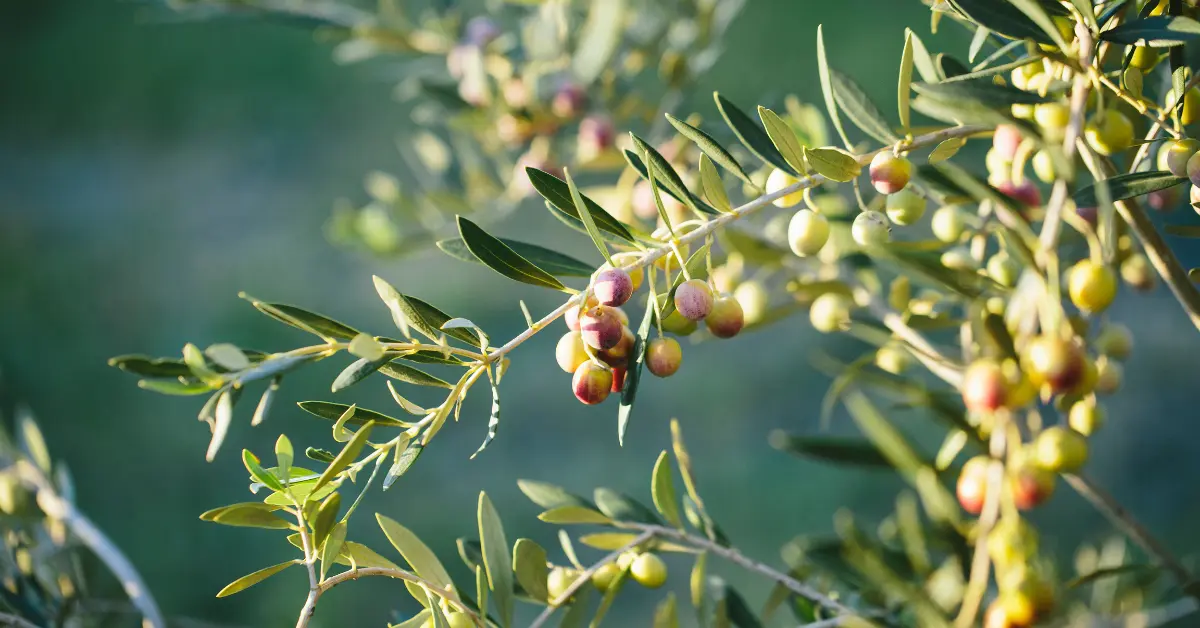
How to Grow Arbequina Olive Trees: The Ultimate Guide to Your Own Olive Grove
Arbequina Olive Tree (Olea europaea ‘Arbequina’) – the ultimate Mediterranean plant that brings a touch [...]
Oct
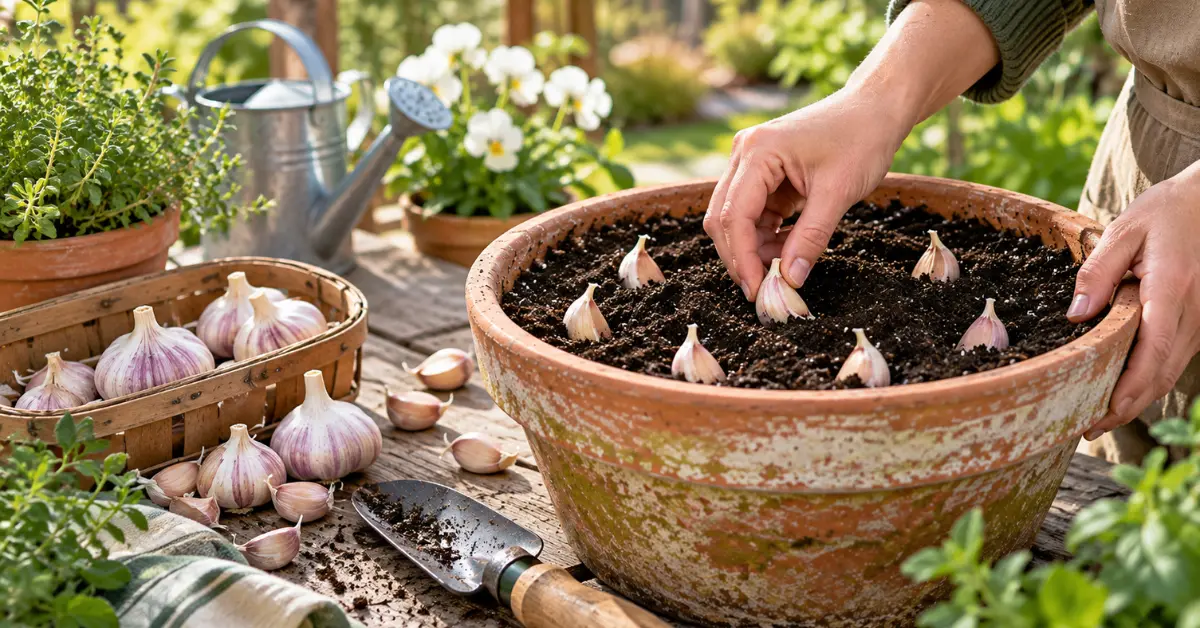
Growing Garlic in Containers This Fall: A Complete Guide for Beginners
If you’ve ever wanted to pop fresh, aromatic garlic cloves straight from your own patio [...]
Sep
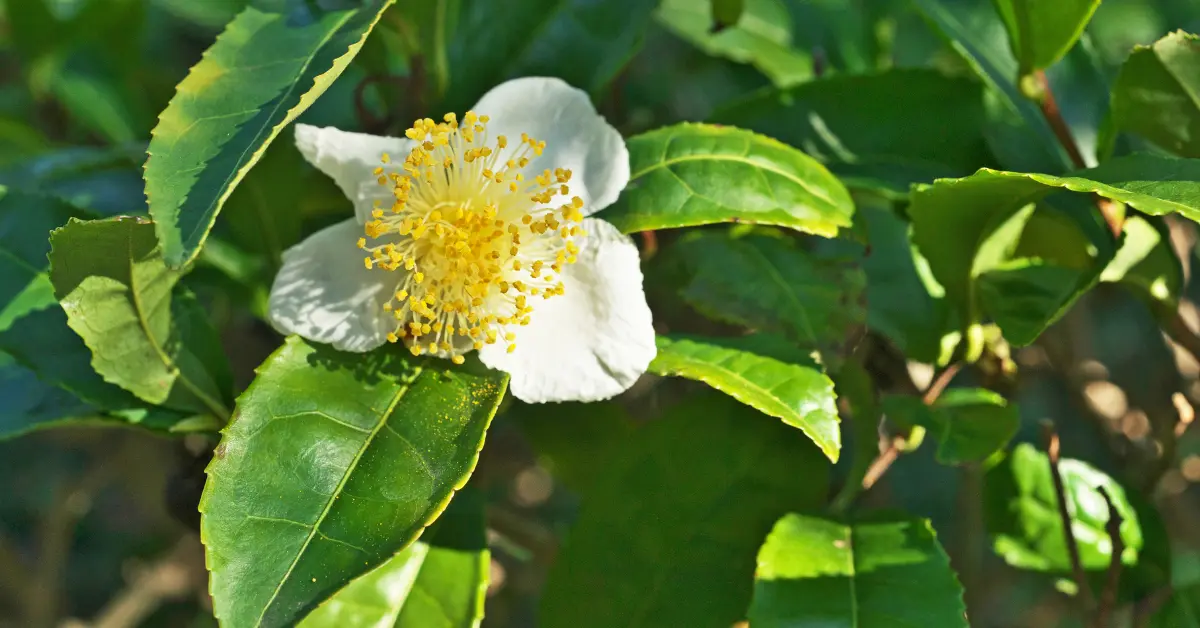
Growing Camellia Sinensis (Tea Plants) in Containers: A Complete Guide for Beginners
If you’ve ever wanted to sip a steaming, homegrown cup of fresh green, black, or [...]
Aug

6 Best Shrubs to Plant in August You Must Try
Have you ever walked through a nursery late in the summer, admired the vibrant shrubs [...]
Aug
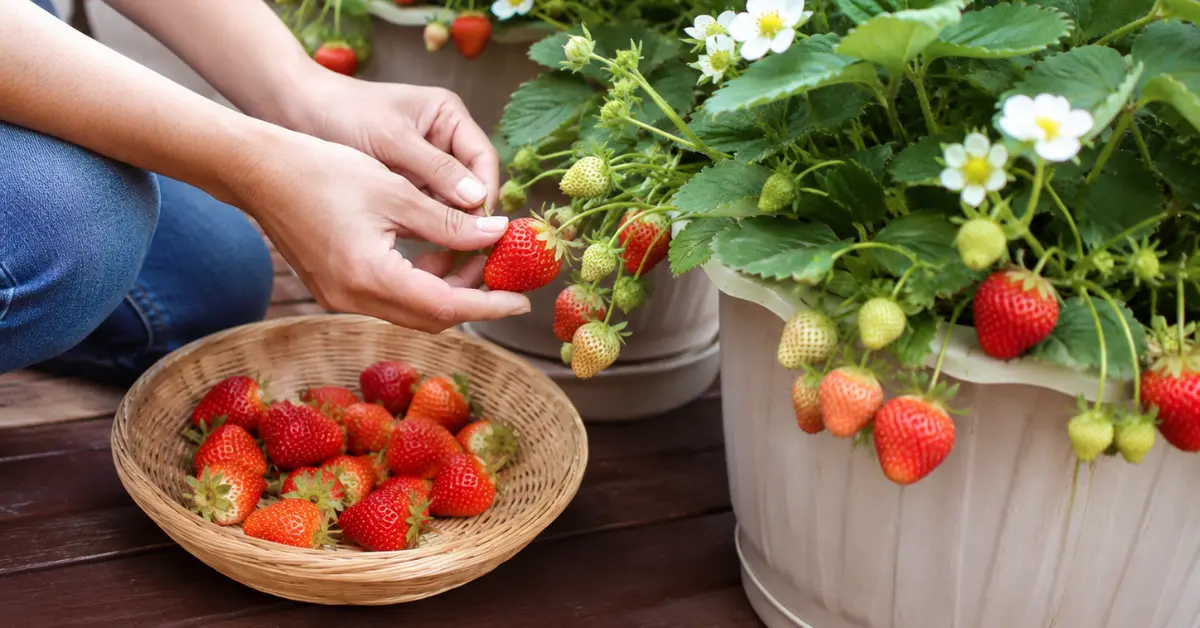
Growing Everbearing Strawberries in Containers: A Complete Guide for Beginners
Want to grow sweet, fresh strawberries but do not have a large garden? Everbearing strawberries [...]
Aug
Growing Egyptian Walking Onions in Containers: A Complete Guide for Beginners
If you’re looking for a hardy, no-fuss perennial onion that keeps on giving year after [...]
Jul
Growing Carolina Reaper Peppers in Pots: A Complete Guide for Beginners
If you’ve ever wanted to add some serious, record-breaking heat to your home cooking, you’ve [...]
May
Growing Curry Leaf Plant in Pots: A Complete Guide for Beginners
If you’re a fan of authentic South Asian cuisine, you already know that nothing compares [...]
May



Reviews
There are no reviews yet.