
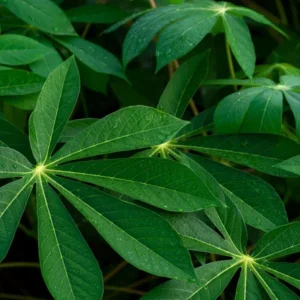
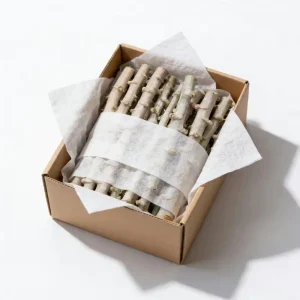
Organic Cassava Cuttings Live Plant – Yuca Root Crop – Pesticide-Free – 5-8 Inch
$43.98
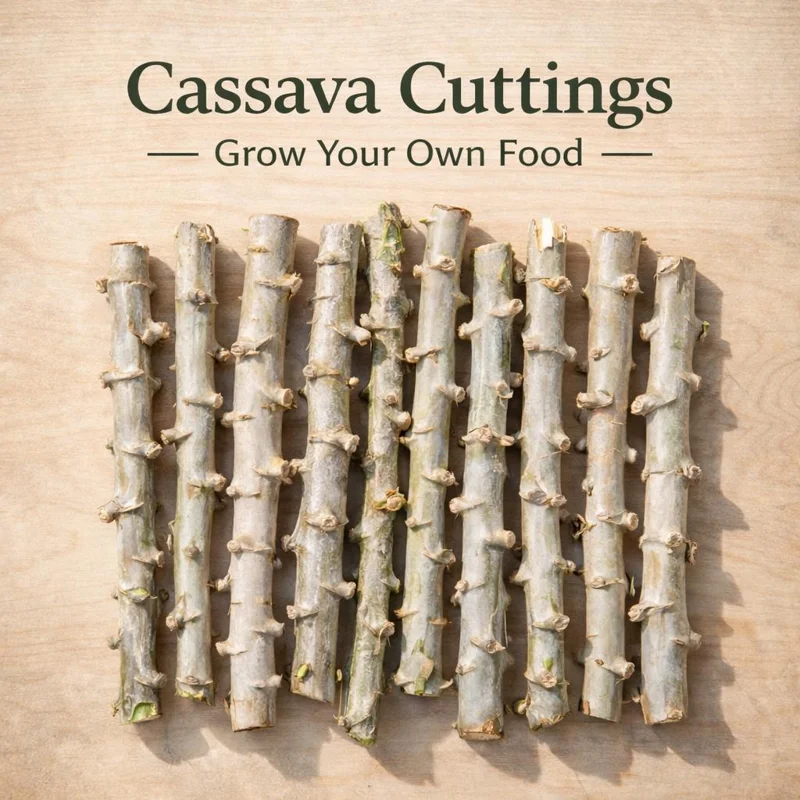
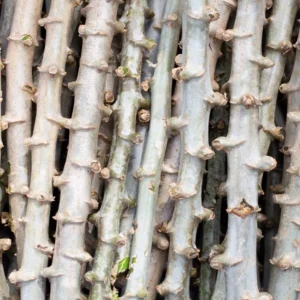
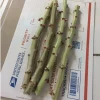
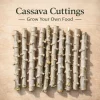
Start your own food forest with organic cassava cuttings (Yuca). These pesticide free cassava cuttings are 5-8 inches long, ready for planting, and ideal for warm climates. Grow your own resilient, calorie-dense tropical root crop and embrace self-sufficiency.
Estimated arrival
Oct 05
Oct 10 - Oct 12
Oct 15 - Oct 19

Reasonable Price
We offer reasonable price

Support 24/7
Contact us 24 hrs a day

100% Money Back
You've 30 days to Return

Payment Secure
100% secure payment
Overview
Embark on a journey of self-sufficiency and sustainable gardening with our premium organic cassava cuttings. Also known as Yuca, this remarkable tropical root crop is a staple in many parts of the world, renowned for its resilience and high-yield potential. Our cuttings are sourced from organically grown plants, ensuring they are completely pesticide free cassava and free from synthetic inputs. When you choose these cuttings, you’re not just planting a crop; you’re cultivating a connection to nature and a reliable food source. These fresh cuttings, typically 5-8 inches long, are ready to be planted directly into your garden, offering a straightforward path to growing your own nutritious food.
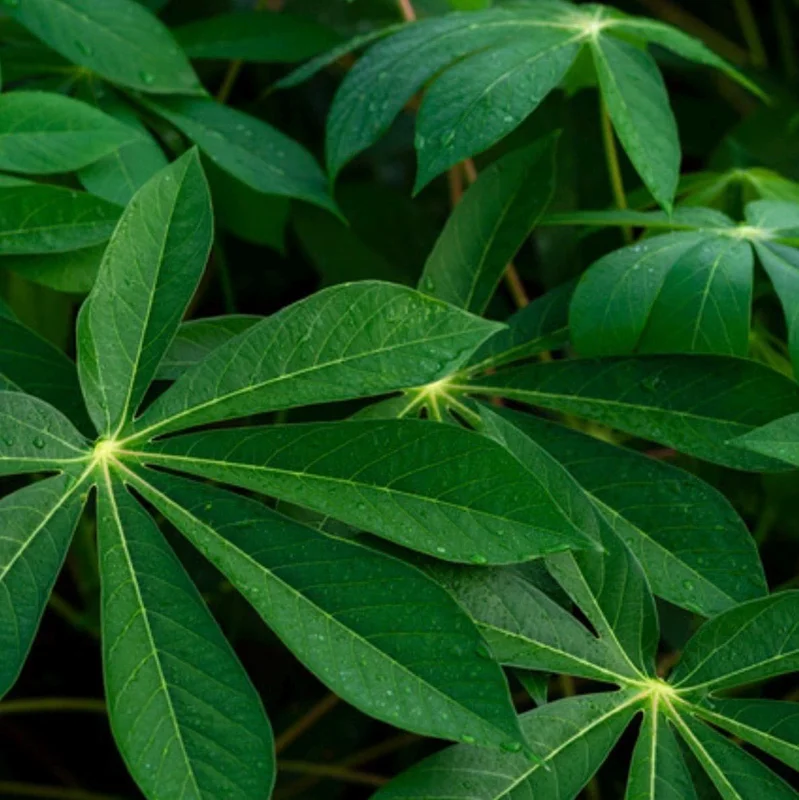
Cassava (Manihot esculenta) is a woody shrub of the spurge family, Euphorbiaceae, extensively cultivated as an annual crop in tropical and subtropical regions for its edible starchy tuberous root. It thrives in warm climates and, once established, requires minimal maintenance, making it an excellent choice for both experienced gardeners and those new to growing food. This resilient plant is a cornerstone of food security and offers a sustainable way to produce calorie-dense food right in your backyard.
Key Benefits
Growing your own organic cassava cuttings offers a multitude of advantages, contributing to both your pantry and your peace of mind. This remarkable tropical root crop is not only productive but also incredibly adaptable, making it a valuable addition to any garden focused on sustainability and self-reliance.
- Produces Calorie-Dense Edible Roots: Cassava is famous for its starchy, nutritious roots, which are a vital source of energy. These roots can be prepared in various culinary ways, offering a versatile ingredient for your kitchen.
- Drought-Tolerant Once Established: After the initial establishment phase, cassava plants are highly resistant to drought. This makes them a reliable crop in regions with unpredictable rainfall or for gardeners seeking low-water-demand plants.
- Can Grow in Lower-Quality Soils: Unlike many crops that demand rich, fertile soil, cassava can thrive even in poorer soil conditions. This adaptability expands the possibilities for where you can successfully cultivate this valuable food source.
- Ideal for Tropical and Subtropical Climates: Perfectly suited for warmer regions (USDA Zones 9-11), cassava flourishes in consistent warmth and humidity. It’s an excellent choice for gardeners in these specific climatic zones looking to grow a robust food crop.
- A Stable Crop for Food Security Worldwide: By growing yuca plant for sale cuttings, you contribute to your own food security. Cassava’s high yield and resilience make it a dependable food source, ensuring you have access to fresh, wholesome food.
- Supports Organic & Sustainable Practices: Our pesticide free cassava cuttings allow you to grow food without harmful chemicals, contributing to a healthier environment and a safer harvest for your family.
- Promotes Self-Sufficiency: Learning to grow cassava at home empowers you to take control of your food supply, reducing reliance on external sources and fostering a sense of independence.
Plant Care & Growing Tips
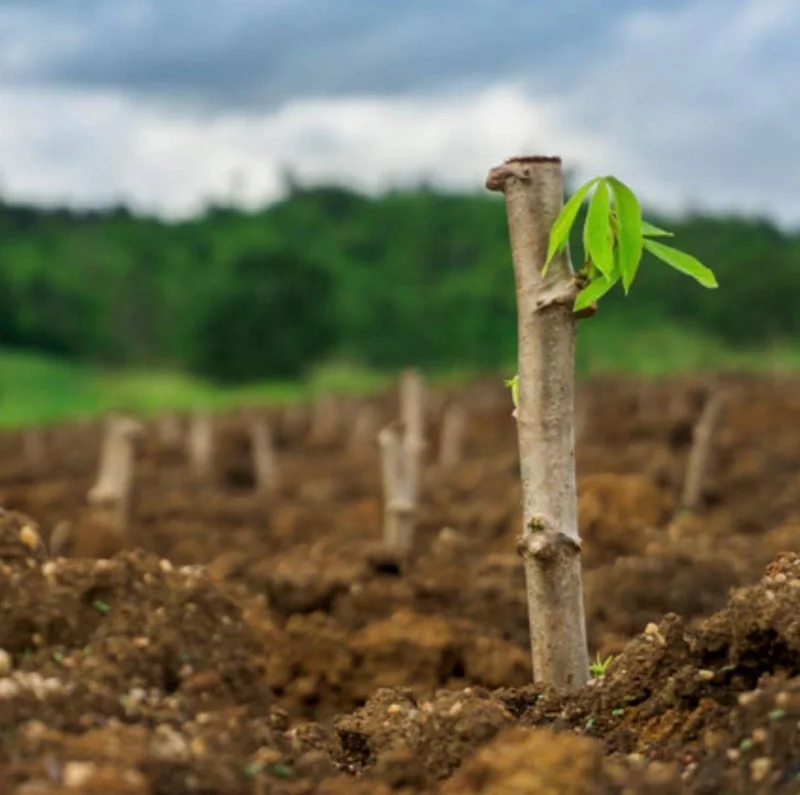
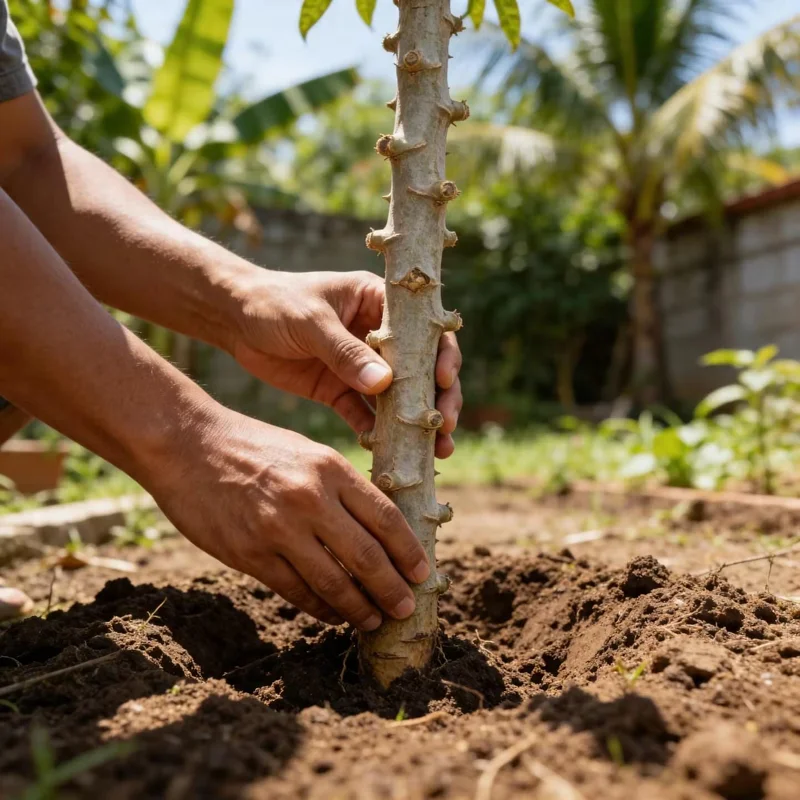
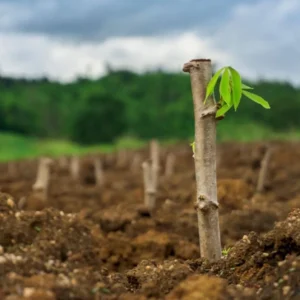
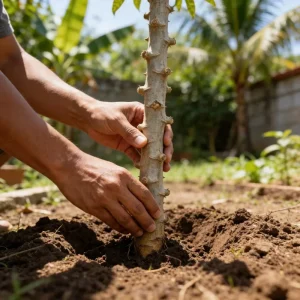
Successfully cultivating your organic cassava cuttings is straightforward, especially if you provide the right conditions from the start. These resilient plants prefer a warm environment and well-draining soil to establish a strong root system. Begin by planting your yuca plant for sale cuttings directly into the soil, ensuring good drainage to prevent waterlogging, which can be detrimental to root development. Full sun exposure is crucial for optimal growth and root production; aim for at least 6-8 hours of direct sunlight daily.
Cassava thrives in USDA Zones 9-11, where temperatures remain consistently warm. While it tolerates various soil types, a slightly acidic to neutral pH (5.5-6.5) is ideal. Once established, cassava is remarkably drought-tolerant, but consistent moisture during the initial growth phase will encourage vigorous development. Fertilization can be minimal; a balanced organic fertilizer applied a few times during the growing season can boost yields, especially in poorer soils. Keep an eye out for common pests, though cassava is generally robust; address any issues with organic pest control methods to maintain your pesticide free cassava crop.
Harvesting typically occurs 8-12 months after planting, when the roots have fully matured. Remember, proper preparation of cassava roots is essential before consumption due to naturally occurring cyanogenic glycosides. Always research and follow safe preparation methods to ensure your harvest is delicious and safe. Learning to grow cassava at home is a rewarding experience that provides a continuous supply of this versatile root.
Size & Details
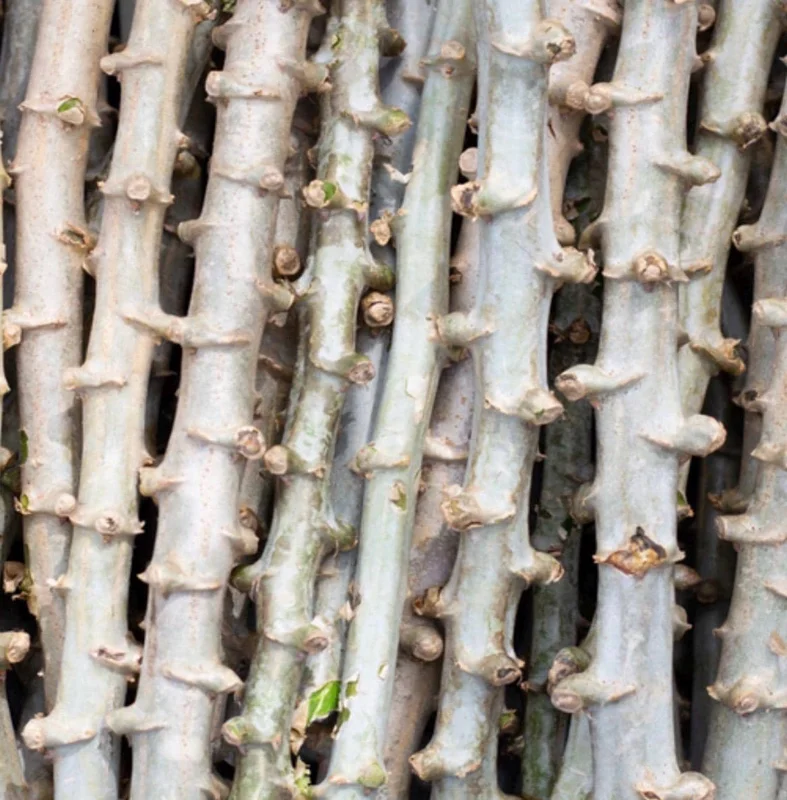
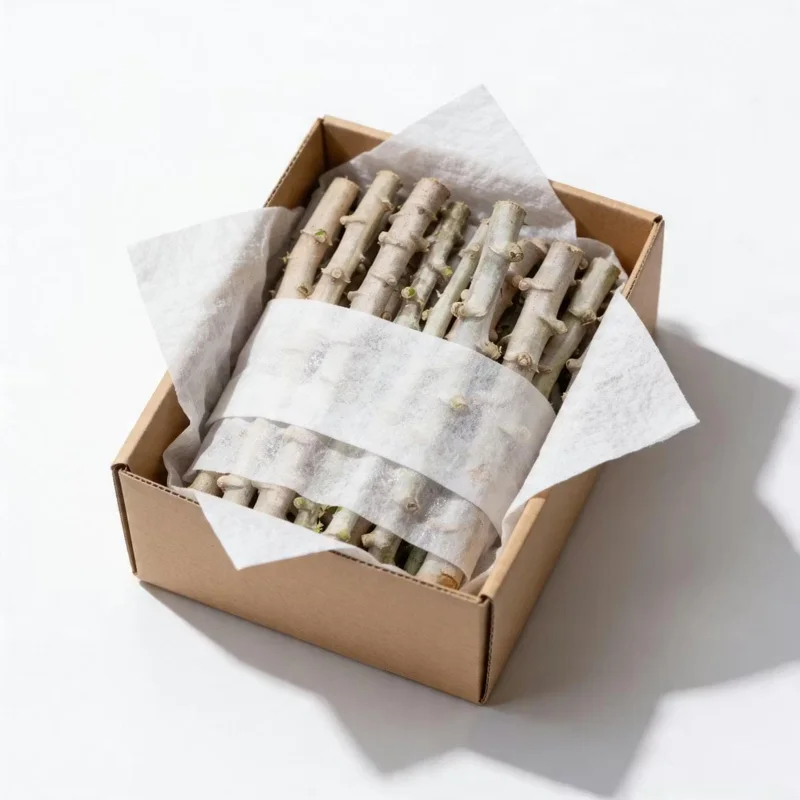
Each order provides fresh organic cassava cuttings, carefully selected for their vitality and potential for strong growth. These cuttings are approximately 5-8 inches in length, an ideal size for direct planting. They are derived from mature, healthy cassava plants, ensuring you receive robust starting material for your garden. The form received is unrooted stem cuttings, ready to be placed in soil. Expect your plants to establish roots and begin vegetative growth within a few weeks of planting, given suitable environmental conditions.
Cassava plants typically grow into a sizable bush, reaching heights of 6-12 feet, with a spread of 3-6 feet, depending on variety and growing conditions. The edible roots, the primary harvest, develop underground over 8-12 months. These cuttings offer a direct and efficient way to start cultivating this valuable tropical root crop, bypassing the seed germination phase and accelerating your path to a bountiful harvest. They are perfect for gardeners looking to expand their edible landscape with a reliable and productive plant.
Frequently Asked Questions
- Q: How big do these cassava cuttings get? A: Each cutting is approximately 5-8 inches long when shipped. Once planted, the mature cassava plant can grow into a bush 6-12 feet tall with a spread of 3-6 feet, producing substantial edible roots underground.
- Q: How much sunlight does a cassava plant need? A: Cassava thrives in full sun, requiring at least 6-8 hours of direct sunlight daily for optimal growth and root development. This ensures your organic cassava cuttings produce healthy, calorie-dense roots.
- Q: Is this plant easy to care for? A: Yes, cassava is known for its resilience and low maintenance once established. It’s an excellent choice for both beginner and experienced gardeners looking to grow cassava at home, especially in warm climates.
- Q: What condition will the cuttings arrive in? A: You will receive fresh, unrooted cassava stem cuttings, selected for strong growth potential and ready for immediate planting. They are carefully packaged to ensure their vitality upon arrival.
- Q: Can I use these cassava roots in cooking? A: Absolutely! Cassava roots are a versatile culinary ingredient. However, it is crucial to properly prepare them before consumption. Please research and follow safe preparation methods for this tropical root crop.
- Q: When is the best time to plant these cuttings? A: The best time to plant organic cassava cuttings is in spring or early summer, once all danger of frost has passed and soil temperatures are consistently warm. This allows ample time for root development before cooler weather.
- Q: Will these cuttings survive in my USDA zone? A: Cassava is best suited for warm climates in USDA Zones 9-11. If you live outside these zones, you may need to grow it in containers that can be moved indoors during colder months.
- Q: Are these cuttings truly pesticide-free? A: Yes, these pesticide free cassava cuttings are sourced from organically grown plants, meaning no pesticides or synthetic inputs were used in their cultivation.
- Q: What type of soil is best for growing yuca? A: While tolerant of various soils, cassava prefers well-draining soil with a slightly acidic to neutral pH. Good drainage is key to preventing root rot for your yuca plant for sale.
- Q: What is the benefit of growing my own cassava? A: Growing your own cassava contributes to self-sufficiency, provides a fresh, organic source of food, and allows you to enjoy a resilient, high-yield crop that supports global food security.
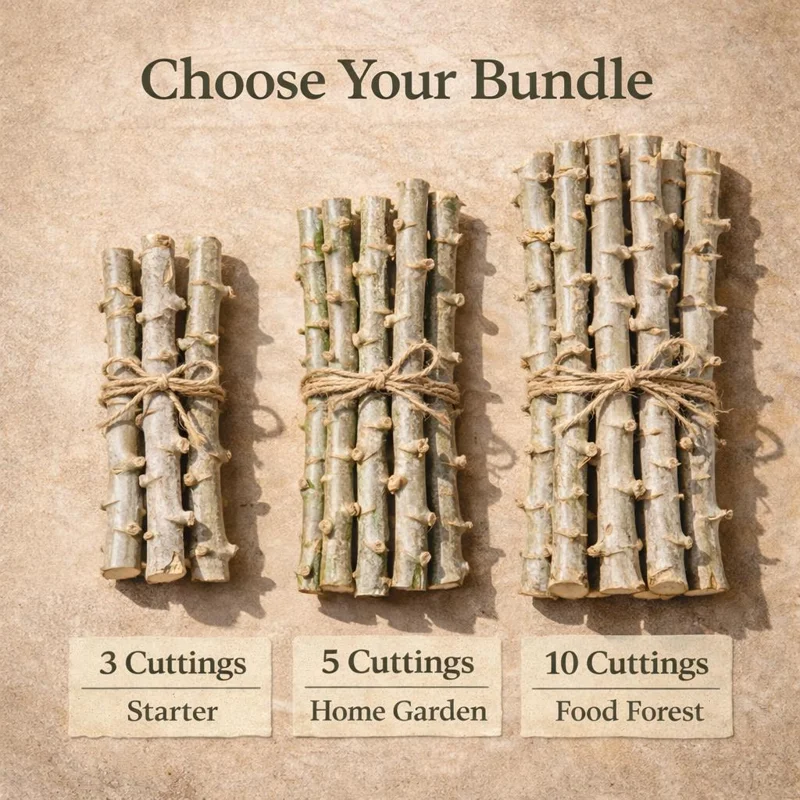
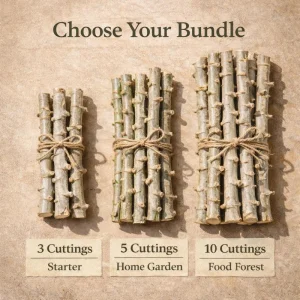
| Cassava Grow Kit | Food Forest Pack, Home Garden Pack, Starter Grow Pack |
|---|
Be the first to review “Organic Cassava Cuttings Live Plant – Yuca Root Crop – Pesticide-Free – 5-8 Inch”
-
USDA Hardiness Zone
USDA zones 9–11 -
Soil Type
Well-draining soil -
Sunlight Exposure
Full sun -
Expected Planting Period
Spring to early summer
People Also Viewd


Sold 134 products
Original price was: $3,536.00.$23.99Current price is: $23.99.

Sold 132 products
Original price was: $27.00.$24.00Current price is: $24.00.

Sold 132 products
Original price was: $89.99.$64.99Current price is: $64.99.

Sold 125 products
Original price was: $86.99.$66.99Current price is: $66.99.

Flower Bulbs
3 Cranesbill Wild Geranium Organic Maculatums Bare Roots | Wildflower for Outdoor Garden
Sold 116 products
Original price was: $21.99.$9.99Current price is: $9.99.

Sold 114 products
Original price was: $28.99.$17.99Current price is: $17.99.

Sold 110 products
Original price was: $63.99.$28.99Current price is: $28.99.
Sold 108 products
Original price was: $28.99.$17.99Current price is: $17.99.RELATED posts
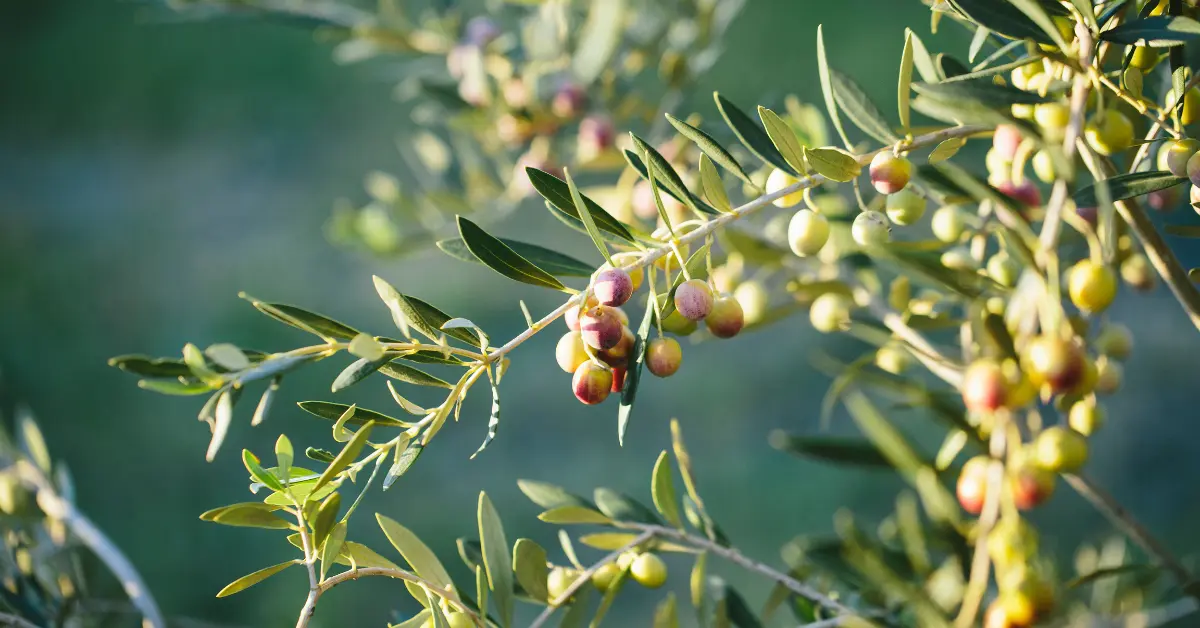
How to Grow Arbequina Olive Trees: The Ultimate Guide to Your Own Olive Grove
Arbequina Olive Tree (Olea europaea ‘Arbequina’) – the ultimate Mediterranean plant that brings a touch [...]
Oct
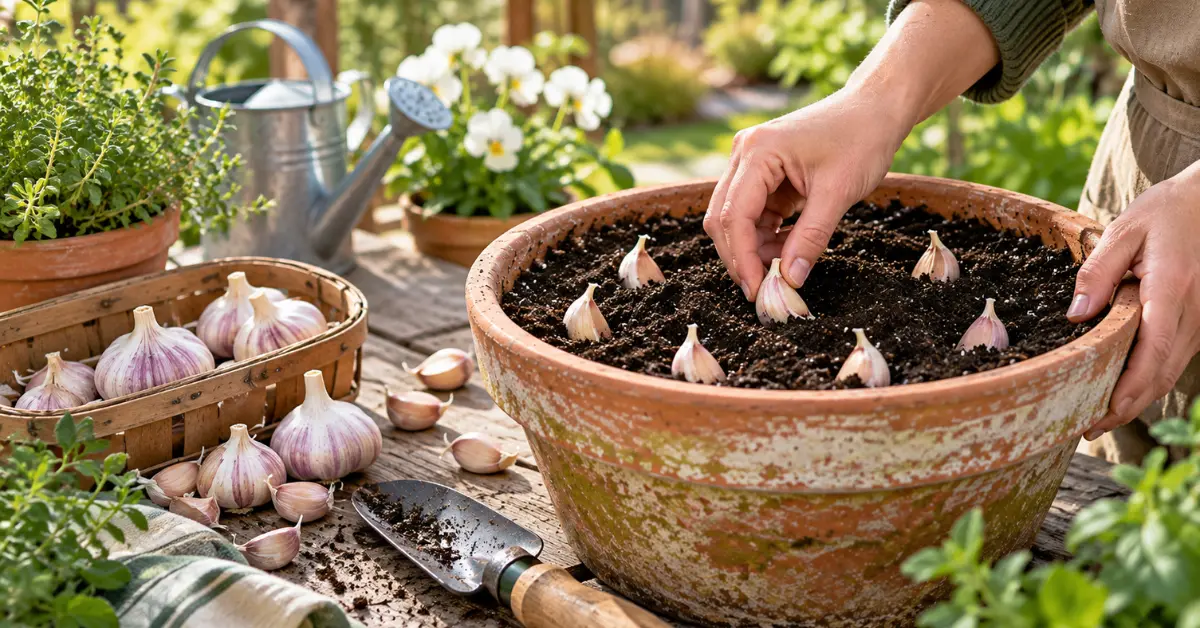
Growing Garlic in Containers This Fall: A Complete Guide for Beginners
If you’ve ever wanted to pop fresh, aromatic garlic cloves straight from your own patio [...]
Sep
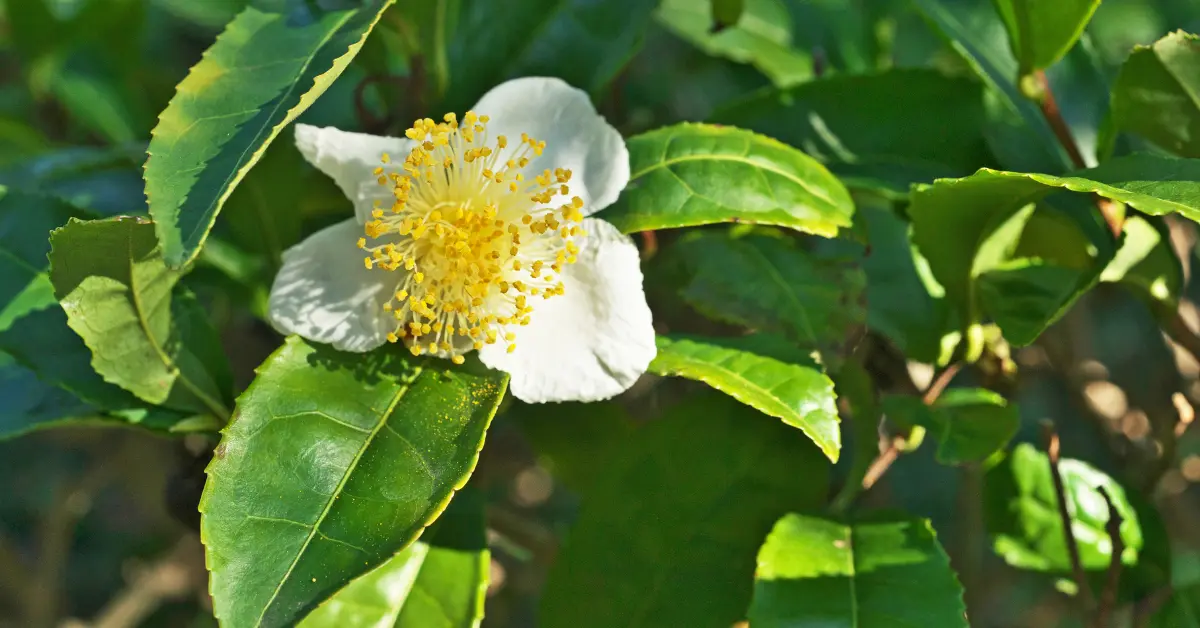
Growing Camellia Sinensis (Tea Plants) in Containers: A Complete Guide for Beginners
If you’ve ever wanted to sip a steaming, homegrown cup of fresh green, black, or [...]
Aug
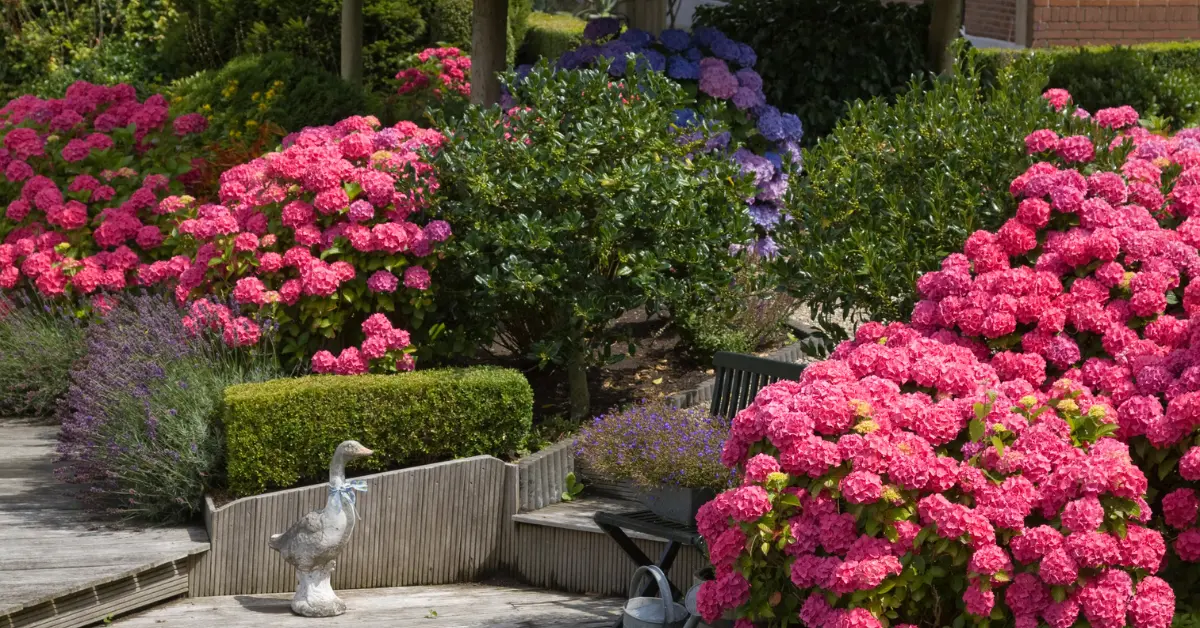
6 Best Shrubs to Plant in August You Must Try
Have you ever walked through a nursery late in the summer, admired the vibrant shrubs [...]
Aug
Growing Everbearing Strawberries in Containers: A Complete Guide for Beginners
Want to grow sweet, fresh strawberries but do not have a large garden? Everbearing strawberries [...]
Aug
Growing Egyptian Walking Onions in Containers: A Complete Guide for Beginners
If you’re looking for a hardy, no-fuss perennial onion that keeps on giving year after [...]
Jul
Growing Carolina Reaper Peppers in Pots: A Complete Guide for Beginners
If you’ve ever wanted to add some serious, record-breaking heat to your home cooking, you’ve [...]
May
Growing Curry Leaf Plant in Pots: A Complete Guide for Beginners
If you’re a fan of authentic South Asian cuisine, you already know that nothing compares [...]
May
Reviews
There are no reviews yet.