
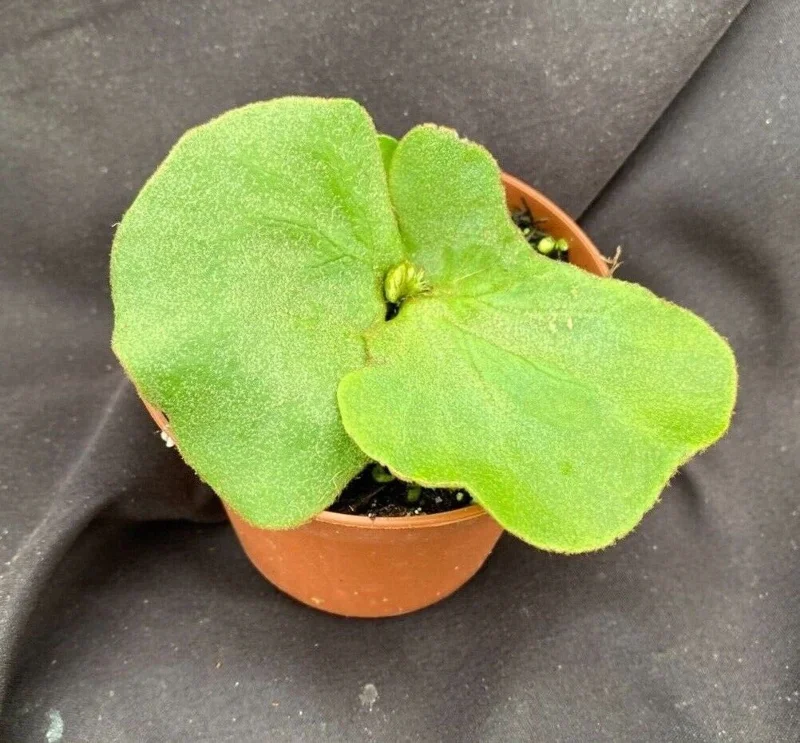
Elephant Ear Staghorn Fern Live Plant – Platycerium elephantotis – 3″ Pot
Original price was: $59.80.$29.99Current price is: $29.99.
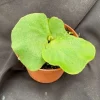
Bring home a distinctive tropical accent with the elephant ear staghorn fern (Platycerium elephantotis). This unique Platycerium elephantotis plant is shipped as a healthy, rooted specimen in a 3-inch pot, perfect for adding exotic flair to your home or patio. Known for its impressive, broad shield fronds, it’s a fascinating addition for plant enthusiasts.
Estimated arrival
Oct 06
Oct 11 - Oct 13
Oct 16 - Oct 20

Reasonable Price
We offer reasonable price

Support 24/7
Contact us 24 hrs a day

100% Money Back
You've 30 days to Return

Payment Secure
100% secure payment
Overview
Introduce a touch of the exotic to your collection with the magnificent elephant ear staghorn fern, scientifically known as Platycerium elephantotis. This unique live plant is celebrated for its distinctive, broad, sterile fronds that resemble an elephant’s ear, giving it its common name. Unlike other staghorn ferns with deeply lobed fronds, the Platycerium elephantotis plant features a more rounded, undivided shield frond, creating a bold and sculptural statement. Each rooted plant is carefully cultivated and shipped in a 3-inch pot, ready to thrive in its new environment. Originating from tropical Africa, this epiphytic fern naturally grows on trees, absorbing nutrients and moisture from the air and decaying matter. It’s a truly captivating specimen for both experienced collectors and those looking to explore the world of unusual houseplants.
The elephant ear staghorn fern is a fascinating species that brings a unique aesthetic to any indoor or outdoor space (in suitable climates). Its robust shield fronds eventually turn brown and form a ‘basket’ that collects debris and water, providing essential nutrients to the plant. The fertile fronds, which produce spores, emerge from the center of this shield, adding another layer of visual interest. This particular variety is known for its relatively compact growth habit compared to some larger staghorn species, making it an excellent choice for a variety of display options. Whether mounted on a board or kept in a hanging basket, this fern promises to be a conversation starter.
Key Benefits
The elephant ear staghorn fern offers numerous advantages, making it a highly desirable addition to any plant enthusiast’s collection. Its unique appearance and relatively straightforward care requirements contribute to its appeal.
- Striking Visual Appeal: The broad, undivided fronds of the Platycerium elephantotis plant create an architectural focal point, adding a dramatic, tropical aesthetic to any room or garden. It stands out from typical foliage plants.
- Air Purification: Like many ferns, this plant naturally helps to purify the air by absorbing toxins and releasing fresh oxygen, contributing to a healthier indoor environment.
- Conversation Starter: Its unusual form and growth habit make it a unique specimen that is sure to draw attention and spark curiosity among guests and visitors.
- Versatile Display Options: Can be grown in pots, hanging baskets, or traditionally mounted on boards, offering flexibility in how you choose to showcase its beauty.
- Relatively Low Maintenance: Once its specific light and watering needs are met, the elephant ear staghorn fern is not overly demanding, making it suitable for those with moderate plant care experience.
- Unique Foliage: Unlike other staghorn ferns, the ‘elephant ear’ variety boasts a distinct, broad shield frond that differentiates it, making it a prized collector’s item.
- Tropical Ambiance: Instantly transforms any space into a lush, tropical oasis, enhancing the overall atmosphere and bringing a sense of calm and nature indoors.
Plant Care & Growing Tips
To ensure your elephant ear staghorn fern thrives, understanding its specific care requirements is crucial. These epiphytic ferns appreciate conditions that mimic their natural tropical habitat. For optimal growth, provide bright, indirect light. Direct sunlight, especially harsh afternoon sun, can scorch the fronds. An east or north-facing window is ideal, or a location a few feet from a south or west-facing window. If growing outdoors, ensure it’s in a shaded area with filtered light. Good air circulation is also beneficial for this fern, helping to prevent fungal issues.
Watering the Platycerium elephantotis plant correctly is key. As an epiphyte, it prefers frequent misting and thorough watering when the shield fronds feel dry. If mounted, you can soak the entire mount in a tub of water for 15-20 minutes until the moss or substrate is saturated. If potted, water thoroughly until it drains from the bottom, then allow the top inch or two of the soil to dry out before watering again. Avoid letting it sit in standing water, as this can lead to root rot. High humidity is also appreciated; consider placing it near a humidifier or on a pebble tray, especially in drier indoor environments.
For soil, if potted, use a very well-draining, airy mix, such as an orchid mix or a blend specifically formulated for epiphytes. This usually consists of bark, perlite, and a small amount of peat moss. Fertilize sparingly during the growing season (spring and summer) with a diluted liquid fertilizer, perhaps once a month. In colder months, reduce watering and cease fertilization. Maintaining temperatures between 60-80°F (15-27°C) is ideal. Protecting it from cold drafts and sudden temperature fluctuations will help your care for staghorn fern effectively. These ferns are generally resistant to pests, but occasional checks for mealybugs or scale can prevent infestations. Proper attention to these details will ensure your tropical foliage plant remains healthy and vibrant.
Size & Details
This offering is for one healthy, rooted elephant ear staghorn fern (Platycerium elephantotis) shipped in a 3-inch nursery pot. At the time of shipment, the plant typically features several developing fronds, with the largest sterile fronds beginning to show their characteristic ‘elephant ear’ shape. The overall height of the plant, including the pot, usually ranges from 6 to 10 inches, depending on individual growth. These ferns have a moderate growth rate, gradually expanding their fronds and establishing a more robust root system over time. When mature, the sterile fronds can reach impressive sizes, often spanning 1-2 feet across, creating a magnificent display.
Your Platycerium elephantotis plant arrives established in its pot, providing a stable environment for its journey and initial growth in your home. While it can be maintained in a pot, many enthusiasts choose to mount these ferns onto a piece of wood or cork bark to emulate their natural growth habit. When mounted, the plant will continue to grow, with new fronds emerging and the shield fronds gradually encompassing the mount as it matures. With proper care for staghorn fern, you can expect this plant to be a long-lived and increasingly impressive addition to your collection.
Frequently Asked Questions
- Q: How big does this plant get? A: The elephant ear staghorn fern you receive will be in a 3-inch pot with developing fronds. Mature sterile fronds can eventually grow to be 1-2 feet across, creating a significant display.
- Q: Is this an indoor or outdoor plant? A: This is primarily an indoor plant in most US climates, especially if you want to ensure proper care for staghorn fern. It can be grown outdoors in USDA zones 10-11 if protected from direct sun and cold temperatures.
- Q: How much sunlight does it need? A: The Platycerium elephantotis plant thrives in bright, indirect light. Avoid direct harsh sunlight, which can scorch its fronds. Filtered light or a north/east-facing window is ideal.
- Q: Is this plant easy to care for? A: While not extremely difficult, it does require specific care regarding humidity and watering. It’s considered moderately easy, making it a rewarding choice for those who enjoy unique plants.
- Q: What condition will it arrive in? A: Your elephant ear staghorn fern will arrive as a healthy, rooted plant, carefully packaged in its 3-inch nursery pot to minimize stress during transit.
- Q: When is the best time to plant or mount this fern? A: As a potted plant, it can be transplanted or mounted at any time of year, though spring and summer are ideal for establishment due to active growth.
- Q: What’s the minimum temperature this tropical foliage plant can tolerate? A: The elephant ear staghorn fern prefers temperatures above 60°F (15°C). It is sensitive to cold and frost, so protect it from temperatures below 50°F (10°C).
- Q: Can I keep this fern in a regular potting mix? A: It’s best to use a specialized, very well-draining, and airy mix such as an orchid bark mix or a blend formulated for epiphytes, rather than a dense standard potting mix.
- Q: How often should I fertilize my Platycerium elephantotis plant? A: Fertilize sparingly during the active growing season (spring and summer) with a diluted liquid fertilizer, about once a month. Reduce or stop fertilizing in fall and winter.
- Q: Is this an unusual houseplants choice for beginners? A: While it has specific needs, a beginner willing to learn about epiphytic fern care can successfully grow it. Its unique appearance makes the effort worthwhile.
Be the first to review “Elephant Ear Staghorn Fern Live Plant – Platycerium elephantotis – 3″ Pot”
-
USDA Hardiness Zone
USDA zones 10-11 (outdoors); suitable for year-round indoor growth in all zones -
Soil Type
Well-draining, airy epiphytic mix (e.g., orchid bark mix) -
Sunlight Exposure
Bright indirect light -
Expected Planting Period
Year-round indoors
People Also Viewd
Sold 134 products
Original price was: $3,536.00.$23.99Current price is: $23.99.
Sold 132 products
Original price was: $27.00.$24.00Current price is: $24.00.
Sold 132 products
Original price was: $89.99.$64.99Current price is: $64.99.

Sold 125 products
Original price was: $86.99.$66.99Current price is: $66.99.
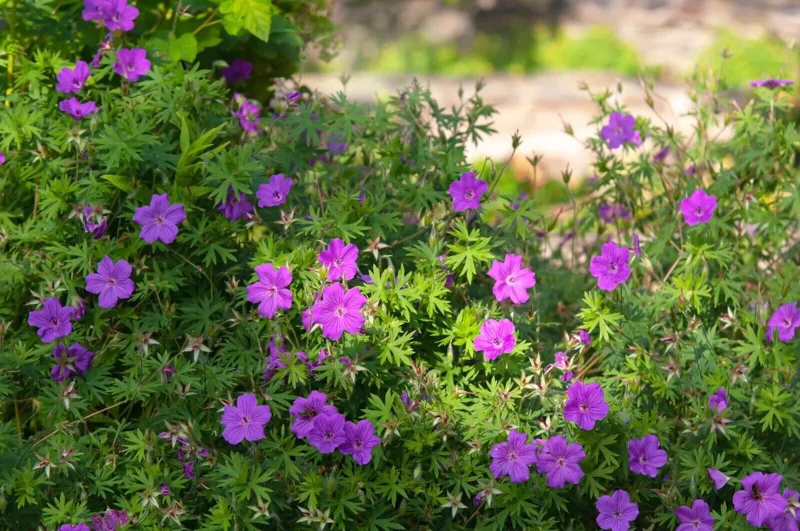
Flower Bulbs
3 Cranesbill Wild Geranium Organic Maculatums Bare Roots | Wildflower for Outdoor Garden
Sold 116 products
Original price was: $21.99.$9.99Current price is: $9.99.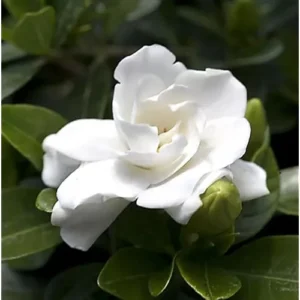
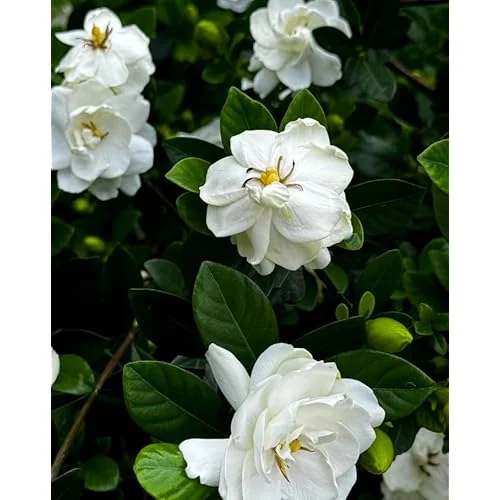
Sold 114 products
Original price was: $28.99.$17.99Current price is: $17.99.
Sold 110 products
Original price was: $63.99.$28.99Current price is: $28.99.
Sold 108 products
Original price was: $28.99.$17.99Current price is: $17.99.RELATED posts
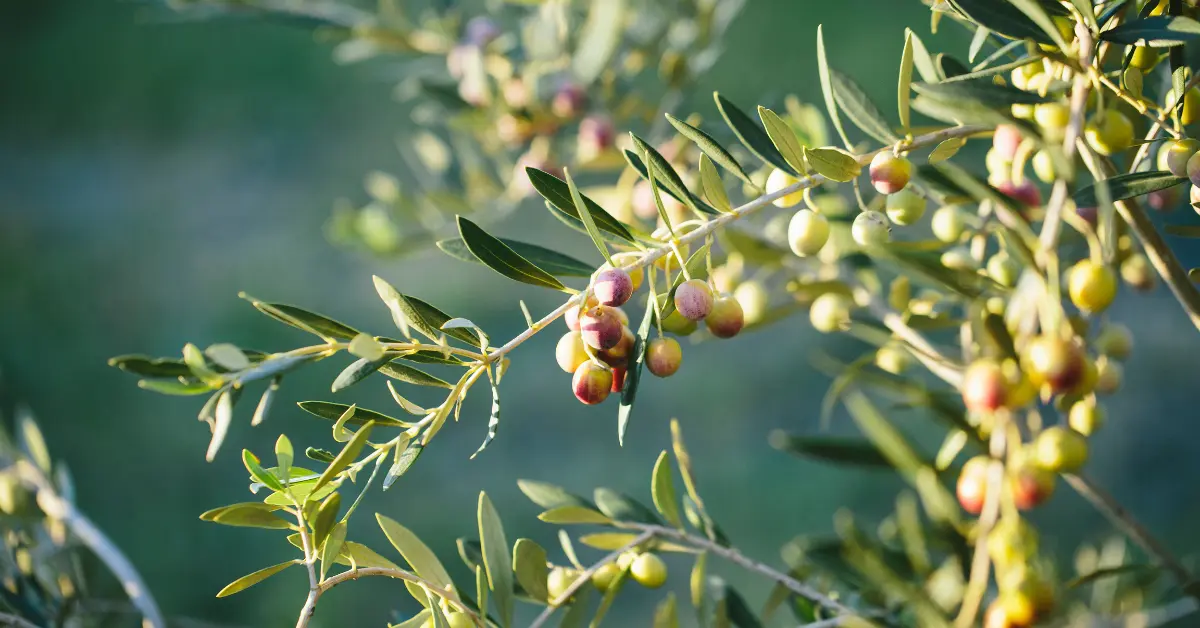
How to Grow Arbequina Olive Trees: The Ultimate Guide to Your Own Olive Grove
Arbequina Olive Tree (Olea europaea ‘Arbequina’) – the ultimate Mediterranean plant that brings a touch [...]
Oct
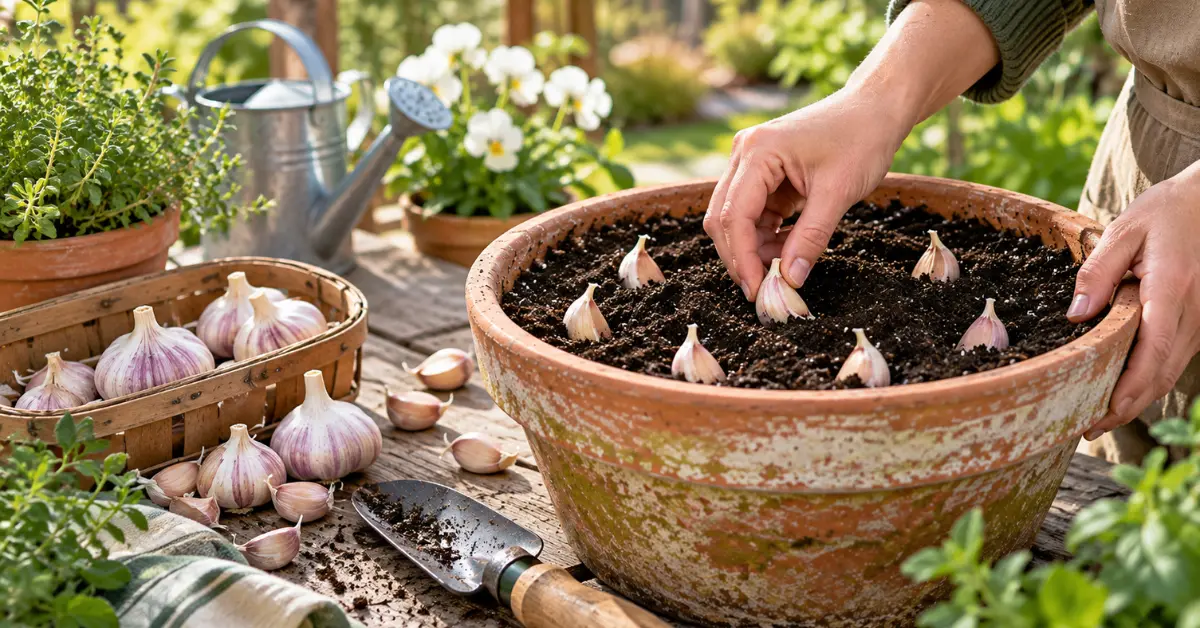
Growing Garlic in Containers This Fall: A Complete Guide for Beginners
If you’ve ever wanted to pop fresh, aromatic garlic cloves straight from your own patio [...]
Sep
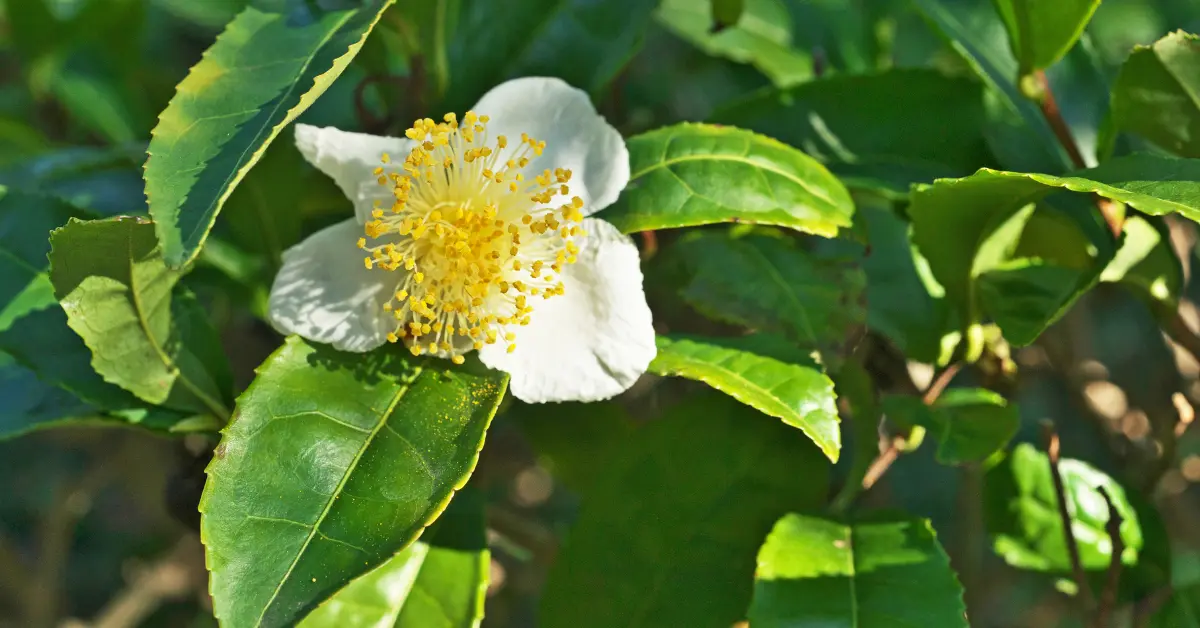
Growing Camellia Sinensis (Tea Plants) in Containers: A Complete Guide for Beginners
If you’ve ever wanted to sip a steaming, homegrown cup of fresh green, black, or [...]
Aug
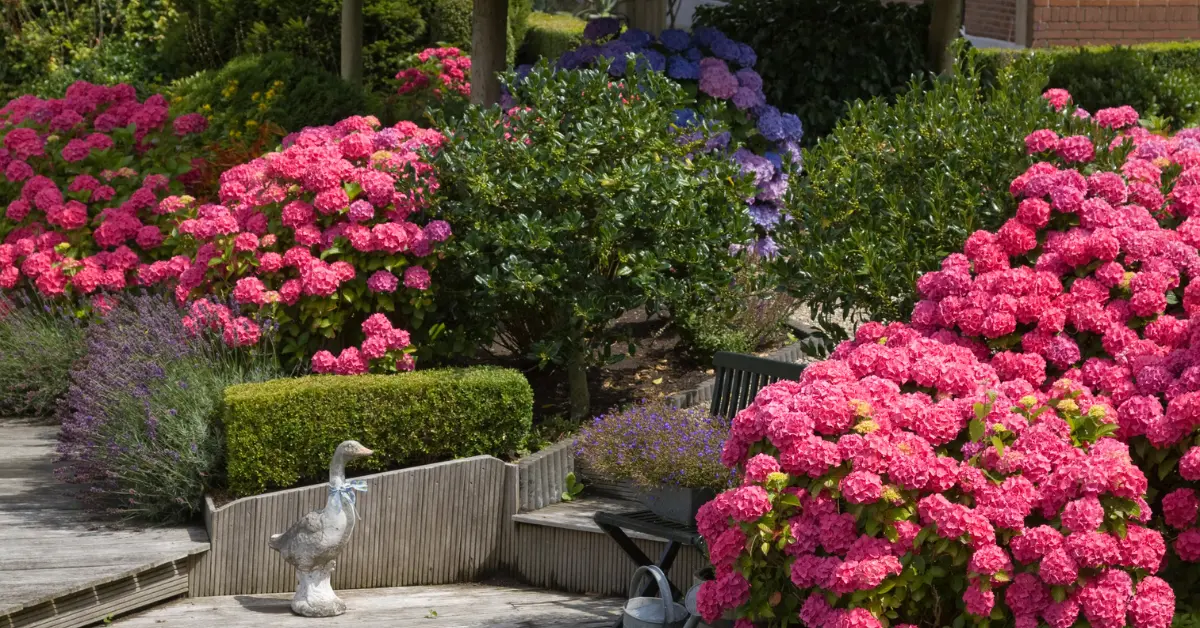
6 Best Shrubs to Plant in August You Must Try
Have you ever walked through a nursery late in the summer, admired the vibrant shrubs [...]
Aug
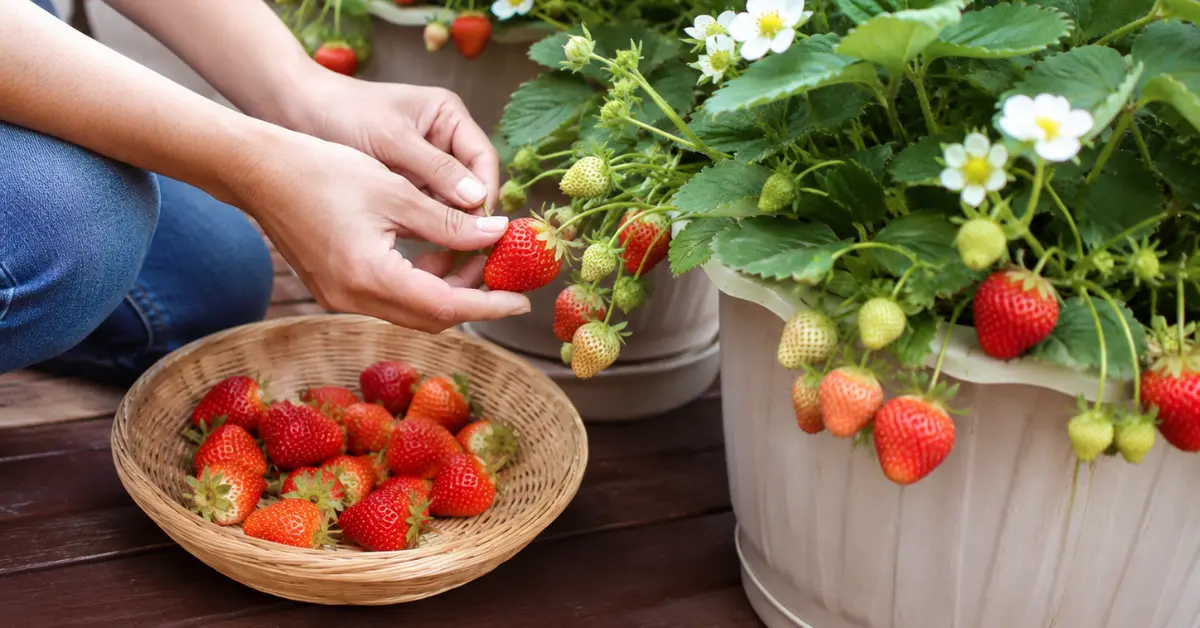
Growing Everbearing Strawberries in Containers: A Complete Guide for Beginners
Want to grow sweet, fresh strawberries but do not have a large garden? Everbearing strawberries [...]
Aug
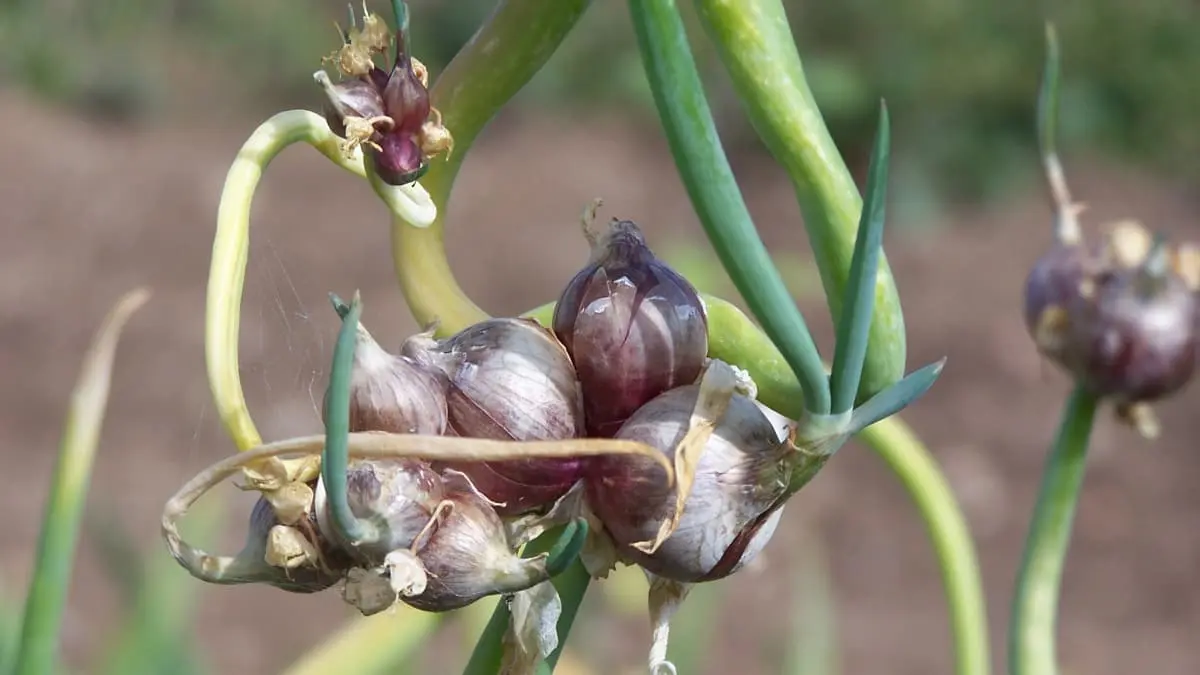
Growing Egyptian Walking Onions in Containers: A Complete Guide for Beginners
If you’re looking for a hardy, no-fuss perennial onion that keeps on giving year after [...]
Jul
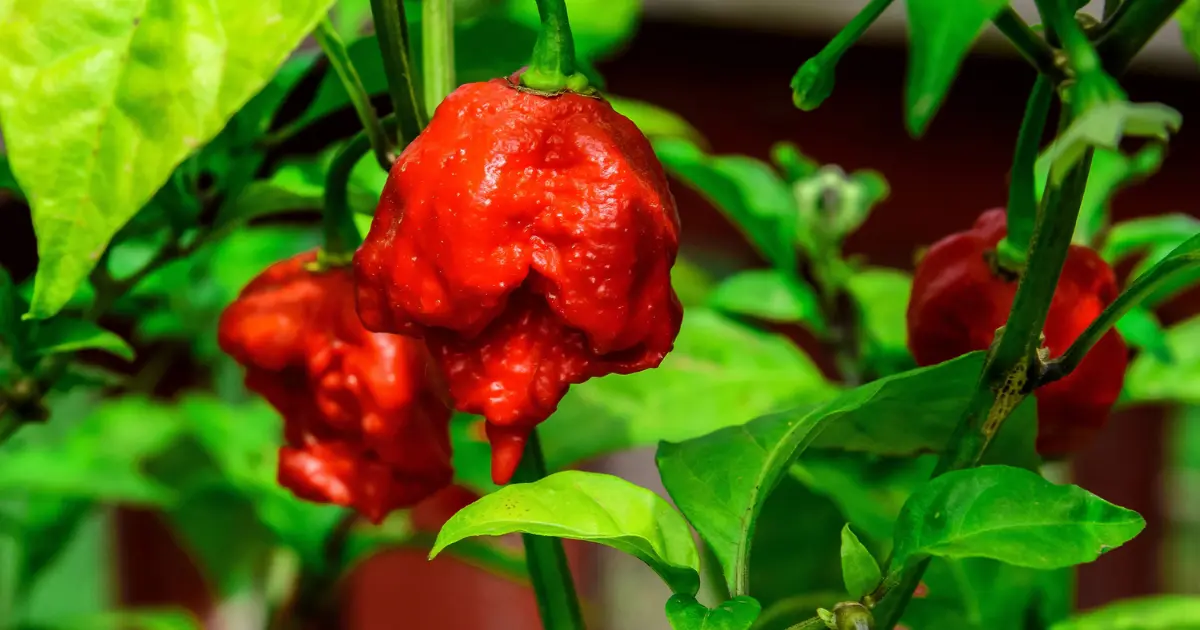
Growing Carolina Reaper Peppers in Pots: A Complete Guide for Beginners
If you’ve ever wanted to add some serious, record-breaking heat to your home cooking, you’ve [...]
May
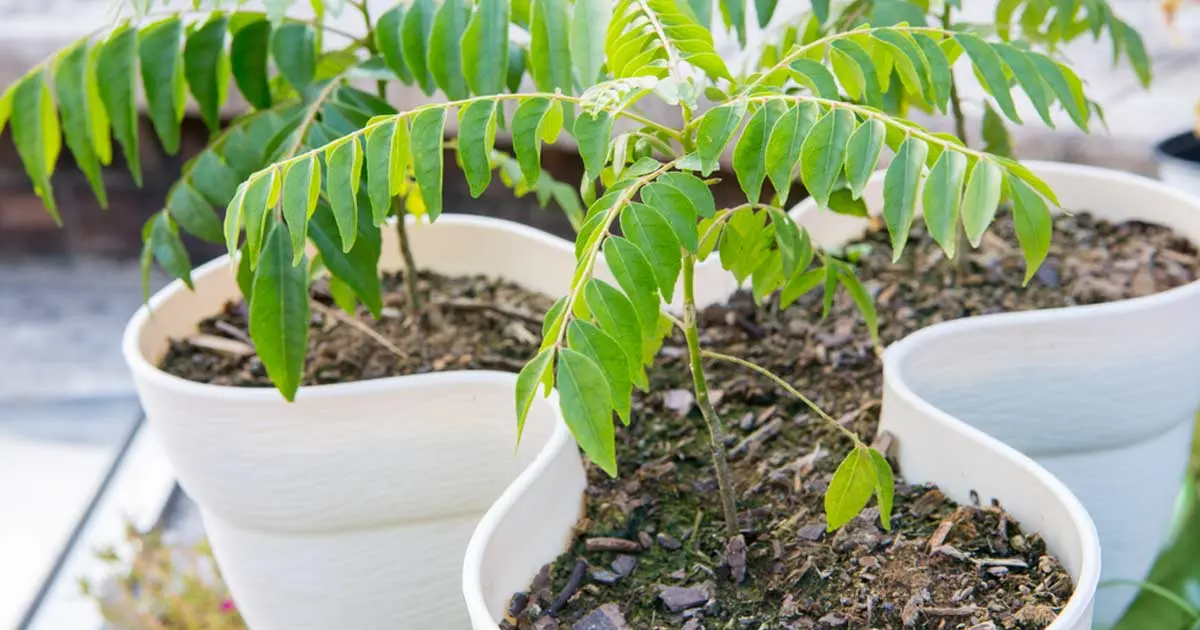
Growing Curry Leaf Plant in Pots: A Complete Guide for Beginners
If you’re a fan of authentic South Asian cuisine, you already know that nothing compares [...]
May

Reviews
There are no reviews yet.