
Black Coral Elephant Ear Live Plant – Rooted Calocasia Esculenta in 3″ Pot
Original price was: $59.80.$29.99Current price is: $29.99.
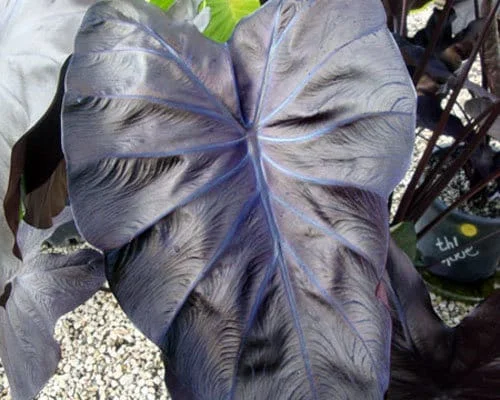
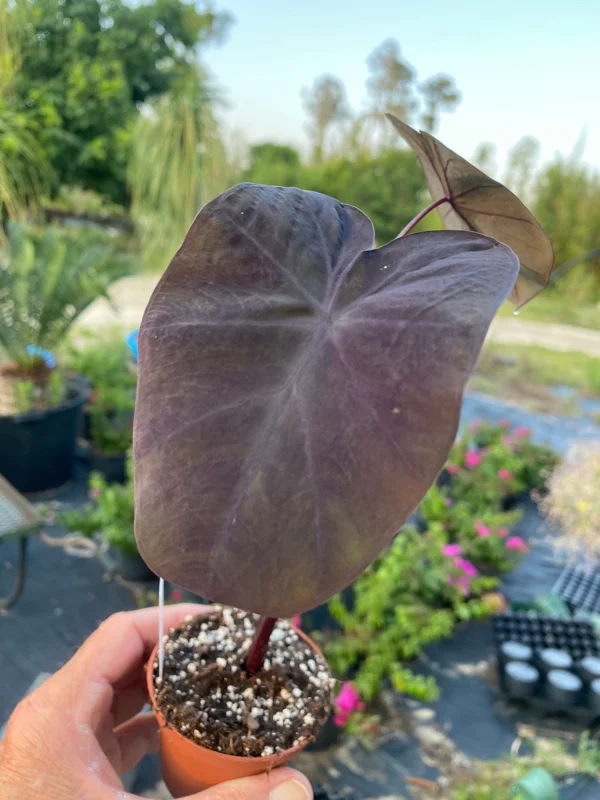
Add a touch of dramatic beauty to your home or garden with the Black Coral Elephant Ear live plant. This stunning variety of Calocasia Esculenta features deep, dark, almost black foliage that creates a striking contrast. Shipped as a rooted plant in a 3″ pot, it’s ready to thrive and transform your space.
Estimated arrival
Oct 05
Oct 10 - Oct 12
Oct 15 - Oct 19

Reasonable Price
We offer reasonable price

Support 24/7
Contact us 24 hrs a day

100% Money Back
You've 30 days to Return

Payment Secure
100% secure payment
Overview
Introduce an exotic flair to your plant collection with the magnificent Black Coral Elephant Ear live plant. Also known by its botanical name, Calocasia esculenta ‘Black Coral’, this variety is celebrated for its huge, heart-shaped leaves that boast a rich, dark purple-black hue, creating a dramatic visual impact. Originating from tropical and subtropical regions, the Elephant Ear or Taro plant is a fast-growing perennial that can be grown both indoors as a stunning houseplant or outdoors in warmer climates. Its deep coloration is particularly striking when contrasted with lighter green foliage or vibrant flowers, making it a focal point in any setting. This rooted plant, shipped in a 3″ pot, is an excellent choice for gardeners and plant enthusiasts looking to cultivate a plant with unique aesthetic appeal and a strong presence. The Black Coral Elephant Ear live plant will quickly establish itself, bringing a lush, tropical ambiance to your environment.
The allure of the ‘Black Coral’ lies not just in its color but also in its texture and size. The leaves have a slightly corrugated, velvety appearance, and can grow quite large, especially when given ample space and proper care. While often associated with outdoor tropical gardens, its adaptability makes it a popular choice for indoor cultivation, where it can reach impressive sizes with the right conditions. This particular offering provides a healthy, rooted specimen, ensuring a robust start for your new plant. Whether you’re aiming to create a jungle-like sanctuary or a sophisticated indoor display, the Calocasia Esculenta Black Coral is a versatile and rewarding plant to grow.
Key Benefits
The Black Coral Elephant Ear live plant offers numerous benefits, making it a highly desirable addition to any garden or indoor space. Its striking appearance and relatively straightforward care make it a favorite among plant lovers.
- Dramatic Visual Impact: The deep, almost black, heart-shaped leaves provide a unique and bold aesthetic, creating a captivating focal point in any landscape or room. The dark leaf elephant ear stands out against other greenery.
- Tropical Ambiance: Instantly transforms any area into a lush, tropical paradise, perfect for patios, garden beds, or as an exotic indoor houseplant. This tropical elephant ear adds warmth and vibrancy.
- Fast Growing: With proper care, this plant grows quickly, allowing you to enjoy its full beauty sooner rather than later. You’ll see significant development in a single growing season.
- Versatile Placement: Suitable for both indoor and outdoor cultivation, offering flexibility in how you choose to display its magnificent foliage. It thrives in various settings, given the right conditions.
- Air Purifying Qualities: Like many large-leafed plants, the Elephant Ear can contribute to improving indoor air quality by filtering toxins, creating a healthier living environment.
- Low Maintenance Requirements: Once established, it is relatively easy to care for, requiring consistent watering and feeding to thrive. This makes elephant ear plant care manageable for most.
- Unique Foliage Texture: The slightly corrugated and velvety texture of the leaves adds another layer of sensory appeal to its striking dark coloration.
Plant Care & Growing Tips
Caring for your Black Coral Elephant Ear live plant is relatively simple, but understanding its specific needs will ensure vigorous growth and vibrant foliage. These plants are native to tropical environments, so mimicking those conditions will lead to the best results. They thrive in consistently moist, well-draining soil and appreciate high humidity.
For sunlight, ‘Black Coral’ prefers bright, indirect light. While it can tolerate some morning sun, direct afternoon sun can scorch its dark leaves, causing them to fade or burn. If grown indoors, place it near a window that receives bright, filtered light. Outdoors, a spot with dappled shade or morning sun and afternoon shade is ideal. Water thoroughly when the top inch of soil feels dry, but do not allow the plant to sit in standing water, as this can lead to root rot. During the growing season (spring and summer), keep the soil consistently moist. Reduce watering in the dormant season (fall and winter). Fertilize every 2-4 weeks during the active growing season with a balanced liquid fertilizer to support its rapid growth. Always follow the fertilizer’s instructions for dilution. The dark leaf elephant ear also benefits from regular misting or placement near a humidifier, especially in dry indoor environments.
The ideal temperature range for the tropical elephant ear is between 65-85°F (18-29°C). It is not frost-tolerant, so if you live in a region with cold winters (below USDA Zone 8), you’ll need to bring outdoor plants indoors or treat them as annuals. When growing indoors, ensure it’s away from cold drafts. Repotting may be necessary annually or biannually as the plant grows, moving it to a pot one size larger to accommodate its expanding root system. Use a rich, well-draining potting mix. Keep an eye out for common pests like spider mites and aphids; early detection and treatment with insecticidal soap can prevent infestations. Proper elephant ear plant care will ensure your ‘Black Coral’ remains a stunning feature in your home or garden.
Size & Details
This offering is for one Black Coral Elephant Ear live plant, which ships as a healthy, rooted specimen in a 3″ nursery pot. Upon arrival, the plant will typically have several leaves and a well-established root system, ready for transplanting or continued growth in its current container. While exact height varies upon shipping, you can expect a young plant that will rapidly mature.
When mature, the Calocasia Esculenta Black Coral can reach impressive sizes, often growing 3-5 feet tall and wide outdoors in ideal conditions. Indoors, growth may be slightly more constrained but still substantial, typically reaching 2-4 feet tall. The individual leaves can grow up to 2 feet long, creating a bold, architectural statement. This plant is a vigorous grower, especially during warm, humid months, and will quickly fill out its space. It’s important to provide adequate space for its mature size, whether planting in the ground or a large container. Expect continuous growth throughout the spring and summer, with potential dormancy in cooler months if grown outdoors in non-tropical zones.
Frequently Asked Questions
- Q: How big does this plant get? A: The Black Coral Elephant Ear live plant can grow 3-5 feet tall and wide outdoors in optimal conditions. Indoors, it typically reaches 2-4 feet, depending on pot size and care.
- Q: Is this an indoor or outdoor plant? A: This versatile plant can thrive both indoors as a houseplant and outdoors in warmer climates (USDA Zones 8-11). In colder zones, it should be brought indoors during winter or treated as an annual.
- Q: How much sunlight does it need? A: It prefers bright, indirect light. Outdoors, a location with morning sun and afternoon shade is ideal. Indoors, place it near a window with filtered light to prevent leaf scorching.
- Q: What condition will it arrive in? A: Your Calocasia Esculenta Black Coral will arrive as a healthy, rooted plant in a 3″ nursery pot, carefully packaged to ensure its safe journey.
- Q: Is this plant easy to care for? A: Yes, with consistent watering and proper light, the dark leaf elephant ear is relatively easy to care for. It’s a rewarding plant for both beginners and experienced gardeners.
- Q: How often should I water my elephant ear? A: Keep the soil consistently moist, especially during the growing season. Water when the top inch of soil feels dry to the touch, ensuring good drainage to prevent root rot.
- Q: Can I grow this tropical elephant ear in a pot? A: Absolutely! It thrives in containers, making it an excellent choice for patios, balconies, or as a portable houseplant that can be moved indoors during colder months.
- Q: Is the ‘Black Coral’ variety pet-safe? A: Like all Elephant Ears (Colocasia), this plant contains calcium oxalate crystals which can be irritating if ingested. It’s best to keep it away from pets and curious children.
- Q: Does the color of the leaves change? A: The deep dark purple-black coloration is most intense with adequate light. Too much direct sun can cause fading, while too little light might result in slightly greener tones.
- Q: When is the best time to plant? A: For outdoor planting, spring after the last frost is ideal. Potted indoor plants can be planted or repotted any time of year, provided they have suitable conditions.
Be the first to review “Black Coral Elephant Ear Live Plant – Rooted Calocasia Esculenta in 3″ Pot”
-
USDA Hardiness Zone
USDA zones 8-11 (outdoors) or year-round indoors -
Soil Type
Rich, well-draining potting mix -
Sunlight Exposure
Bright, indirect light to partial shade -
Expected Planting Period
Year-round indoors, spring to early summer outdoors
People Also Viewd


Sold 134 products
Original price was: $3,536.00.$23.99Current price is: $23.99.

Sold 132 products
Original price was: $27.00.$24.00Current price is: $24.00.

Sold 132 products
Original price was: $89.99.$64.99Current price is: $64.99.

Sold 125 products
Original price was: $86.99.$66.99Current price is: $66.99.

Flower Bulbs
3 Cranesbill Wild Geranium Organic Maculatums Bare Roots | Wildflower for Outdoor Garden
Sold 116 products
Original price was: $21.99.$9.99Current price is: $9.99.

Sold 114 products
Original price was: $28.99.$17.99Current price is: $17.99.
Sold 110 products
Original price was: $63.99.$28.99Current price is: $28.99.
Sold 108 products
Original price was: $28.99.$17.99Current price is: $17.99.RELATED posts
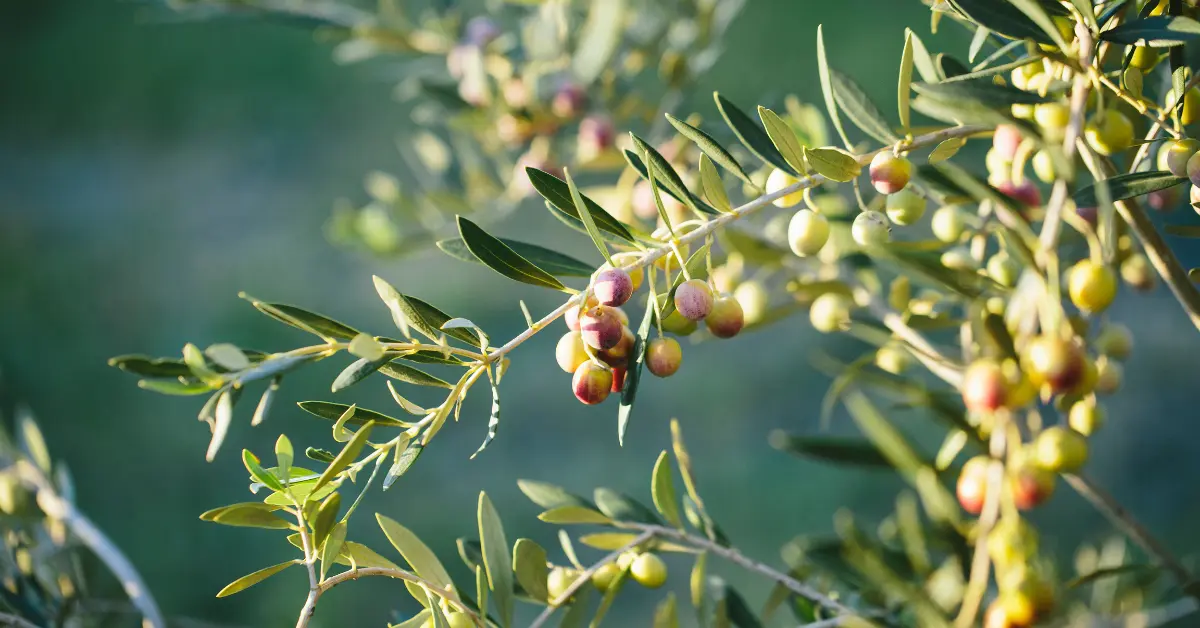
How to Grow Arbequina Olive Trees: The Ultimate Guide to Your Own Olive Grove
Arbequina Olive Tree (Olea europaea ‘Arbequina’) – the ultimate Mediterranean plant that brings a touch [...]
Oct
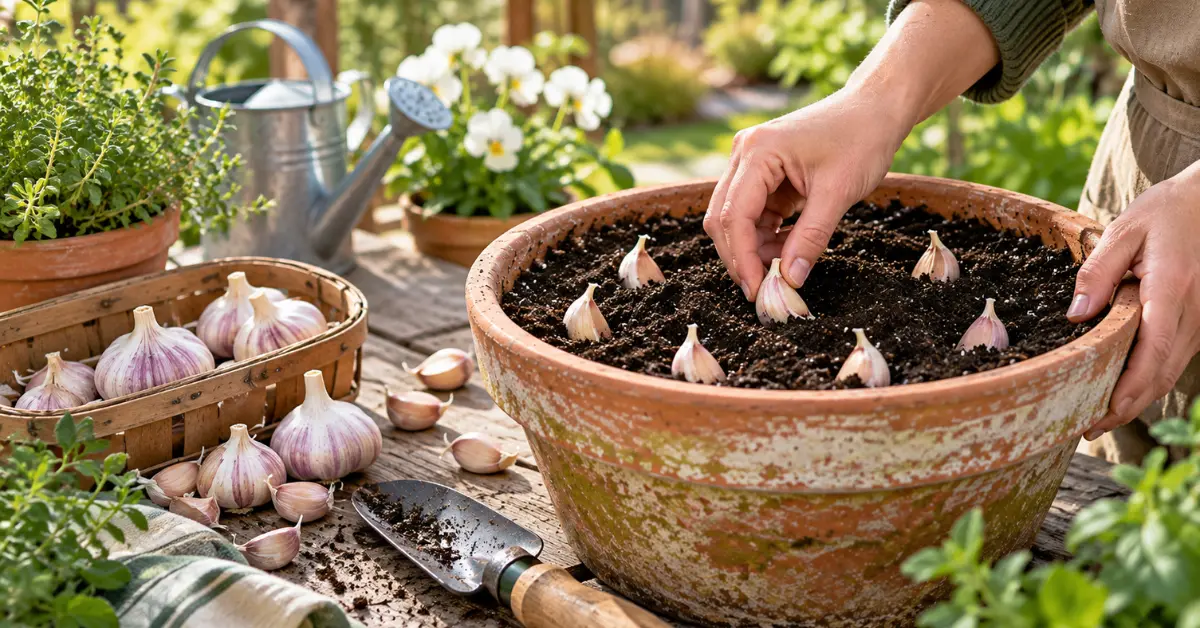
Growing Garlic in Containers This Fall: A Complete Guide for Beginners
If you’ve ever wanted to pop fresh, aromatic garlic cloves straight from your own patio [...]
Sep
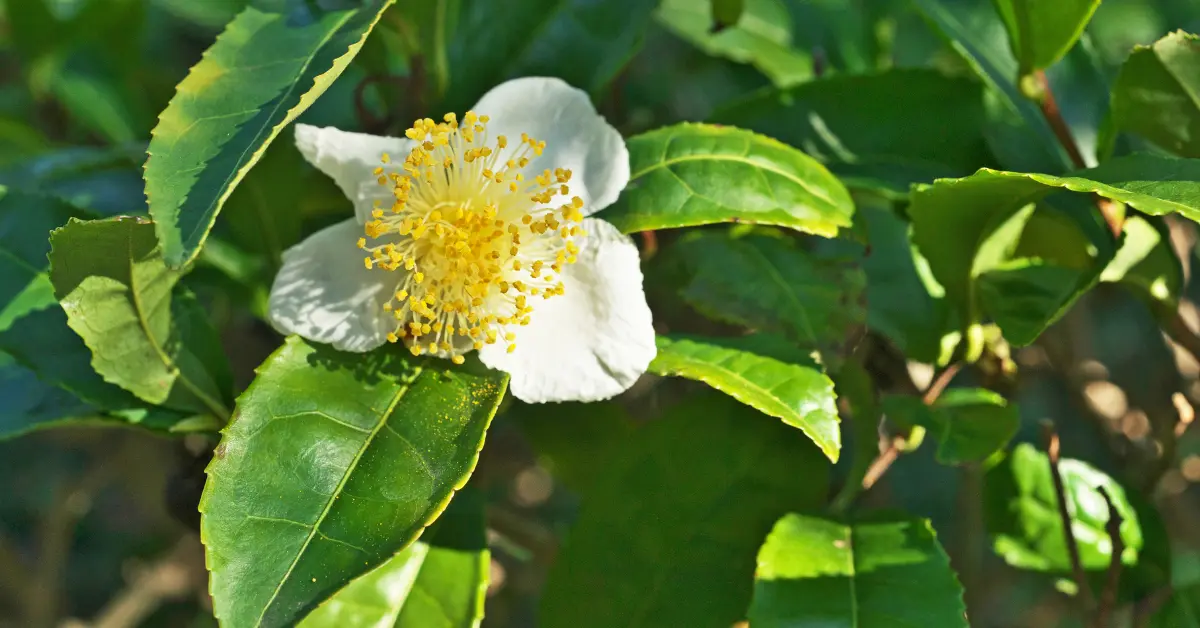
Growing Camellia Sinensis (Tea Plants) in Containers: A Complete Guide for Beginners
If you’ve ever wanted to sip a steaming, homegrown cup of fresh green, black, or [...]
Aug
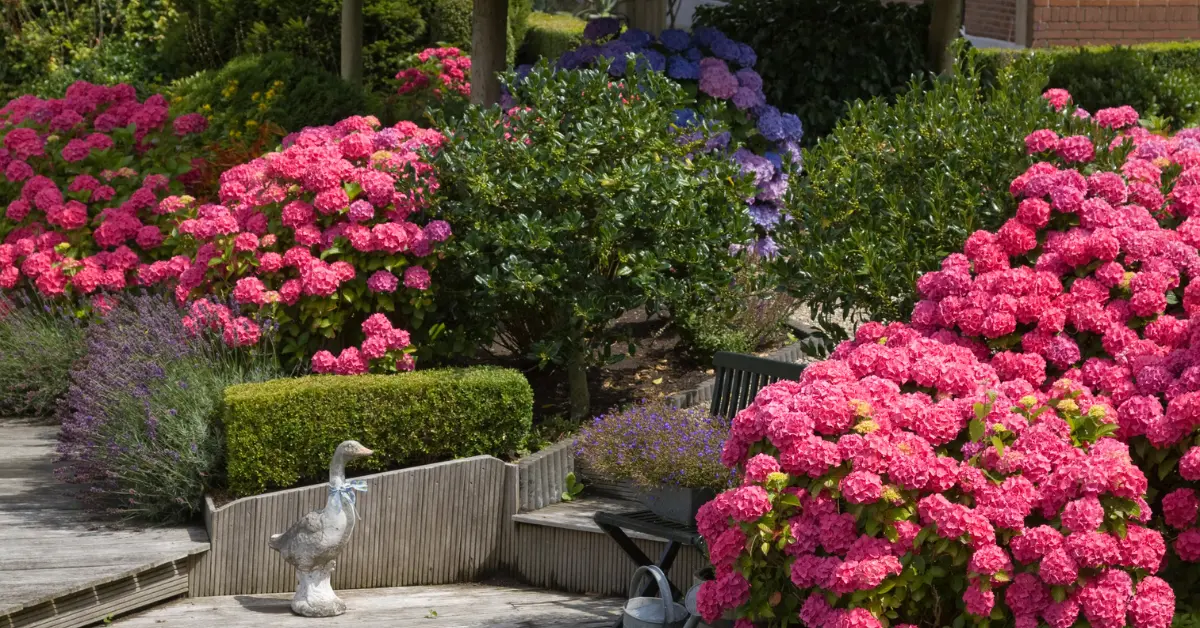
6 Best Shrubs to Plant in August You Must Try
Have you ever walked through a nursery late in the summer, admired the vibrant shrubs [...]
Aug
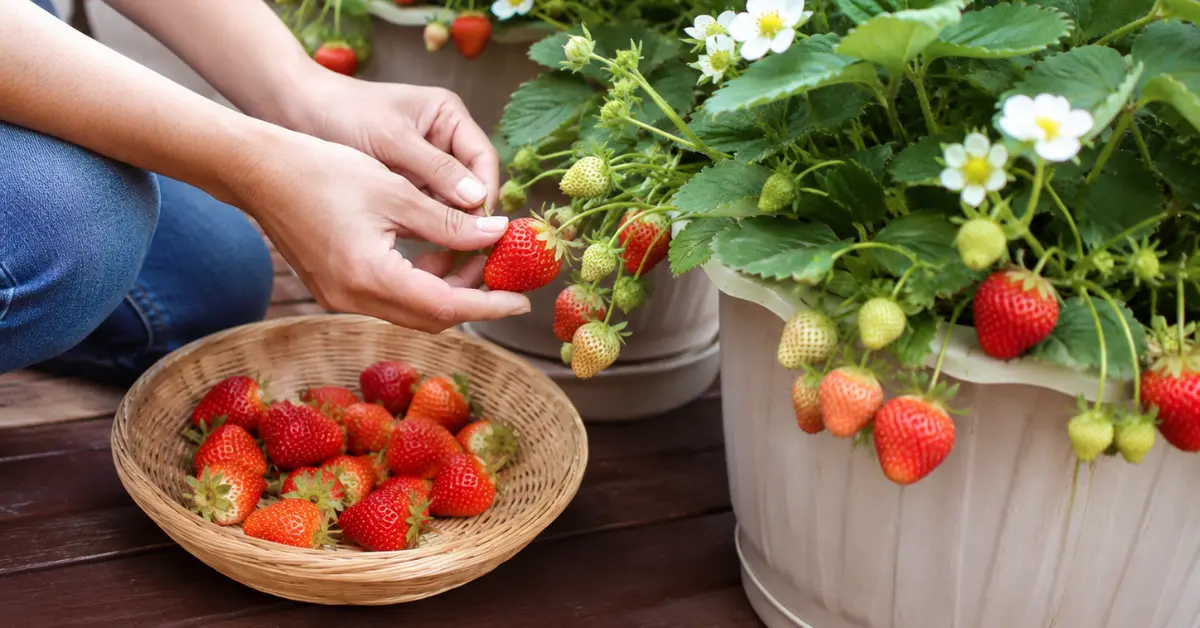
Growing Everbearing Strawberries in Containers: A Complete Guide for Beginners
Want to grow sweet, fresh strawberries but do not have a large garden? Everbearing strawberries [...]
Aug
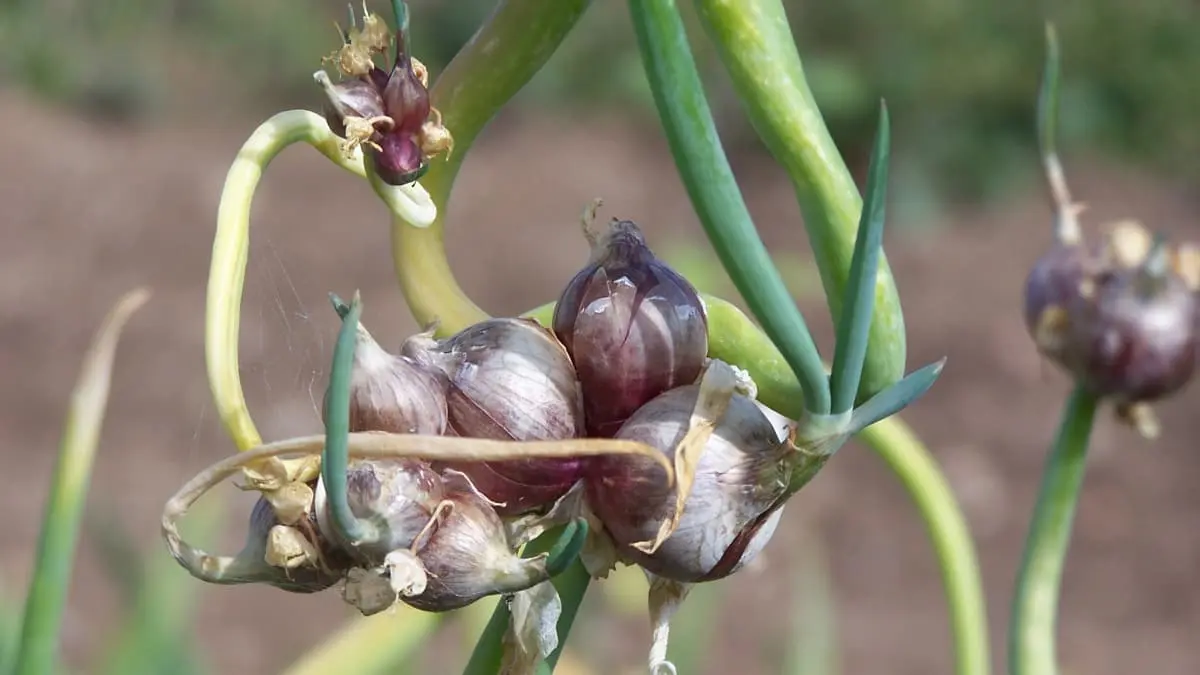
Growing Egyptian Walking Onions in Containers: A Complete Guide for Beginners
If you’re looking for a hardy, no-fuss perennial onion that keeps on giving year after [...]
Jul
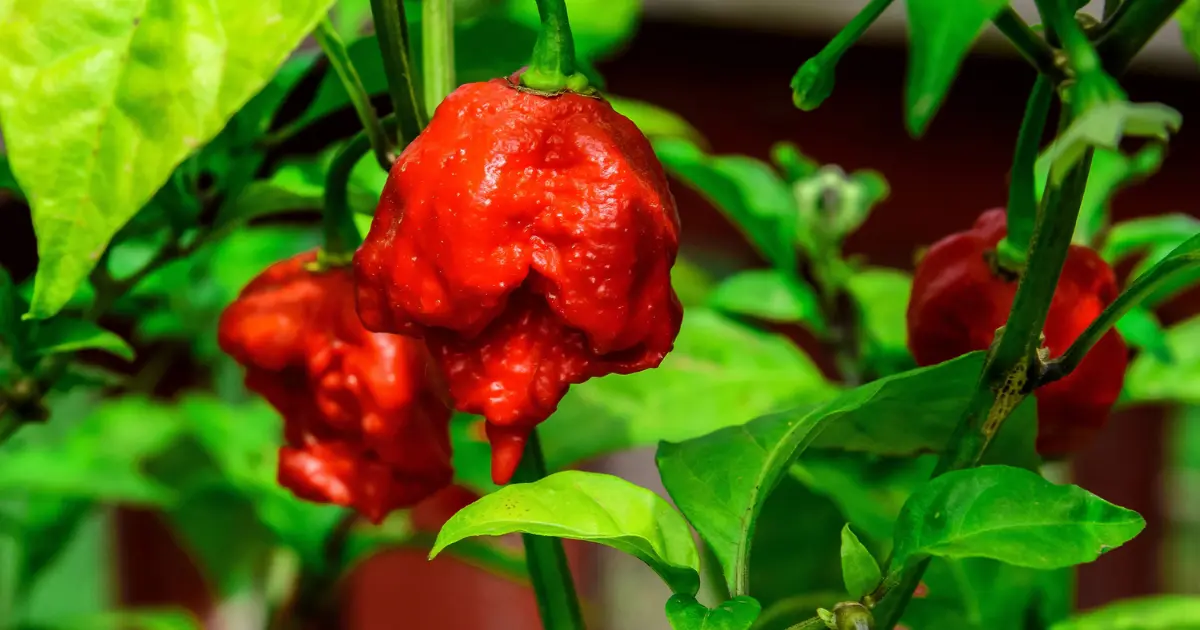
Growing Carolina Reaper Peppers in Pots: A Complete Guide for Beginners
If you’ve ever wanted to add some serious, record-breaking heat to your home cooking, you’ve [...]
May
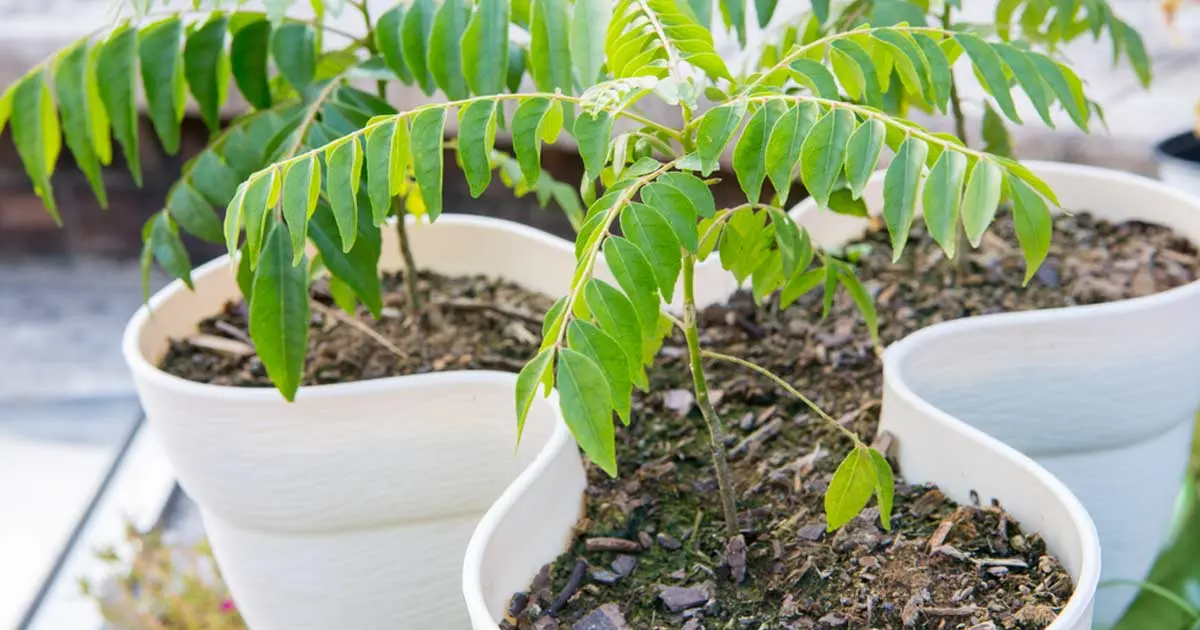
Growing Curry Leaf Plant in Pots: A Complete Guide for Beginners
If you’re a fan of authentic South Asian cuisine, you already know that nothing compares [...]
May

Reviews
There are no reviews yet.