
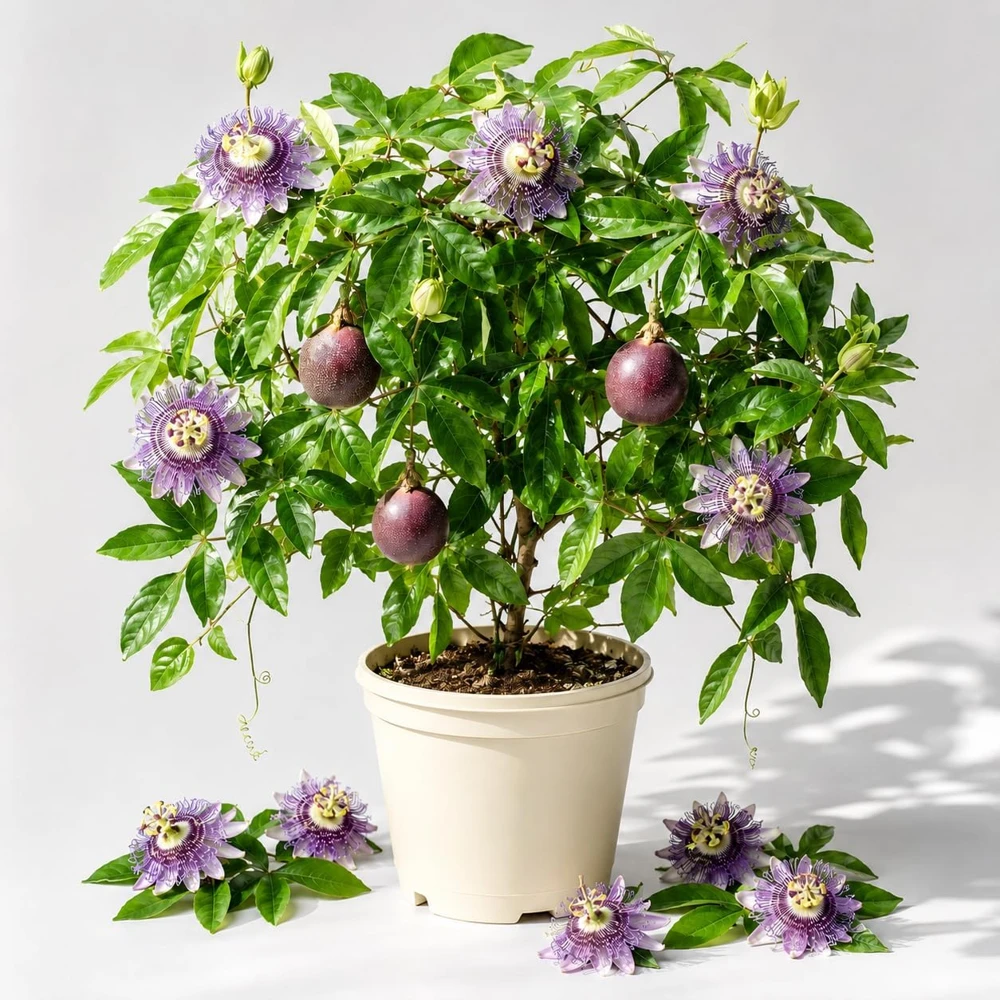

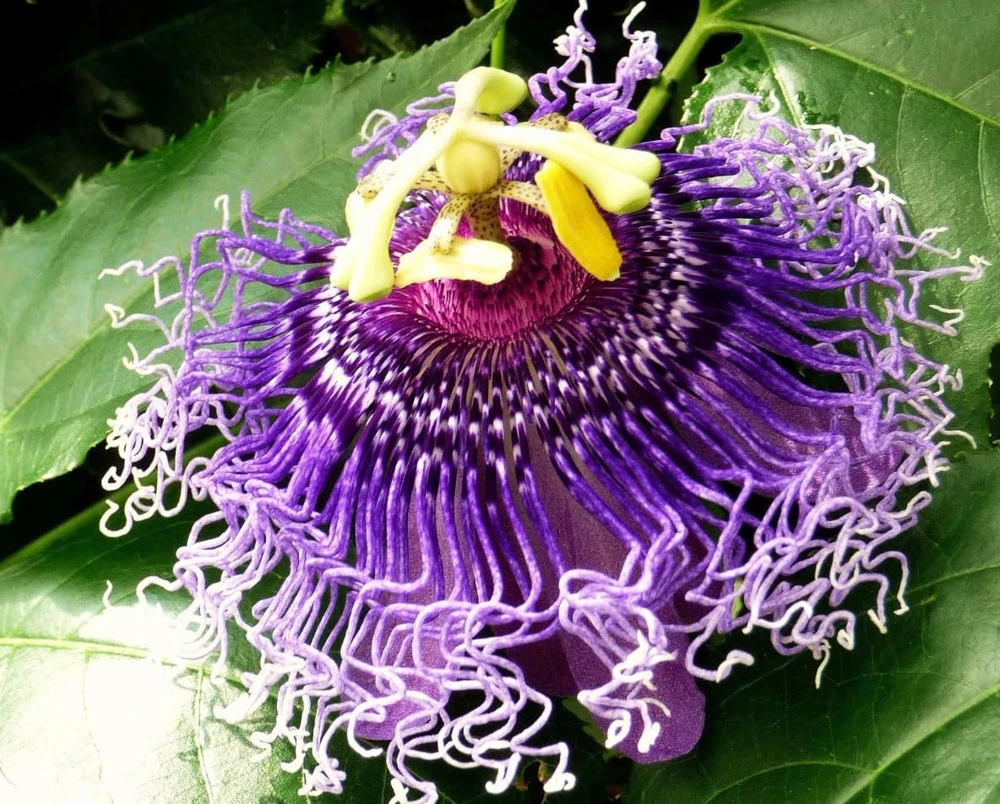
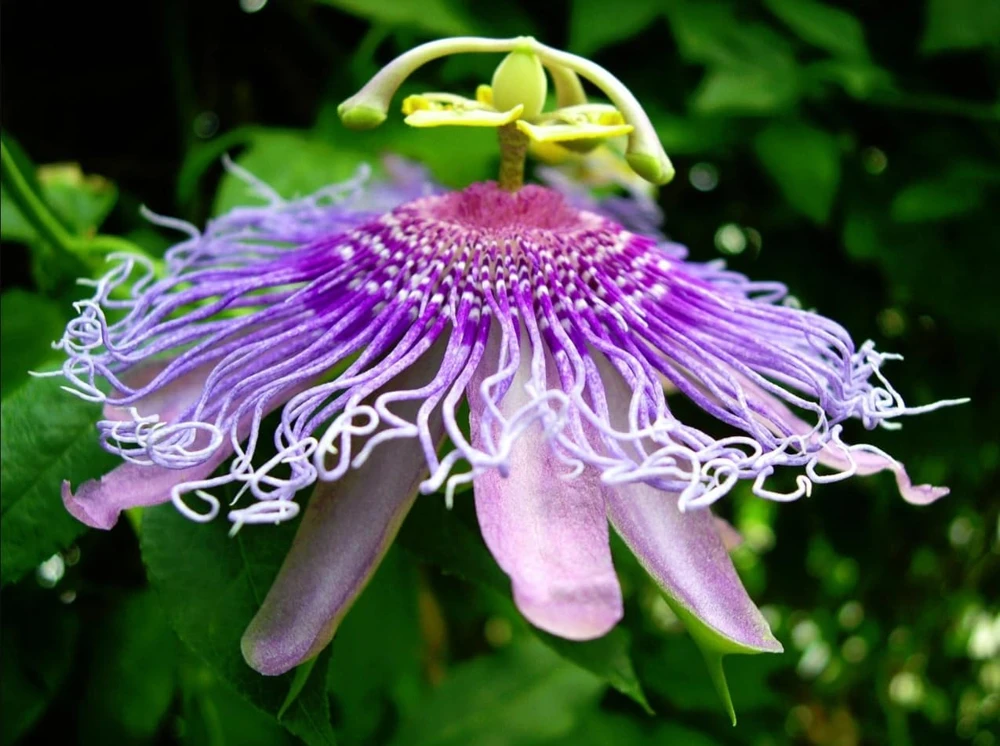
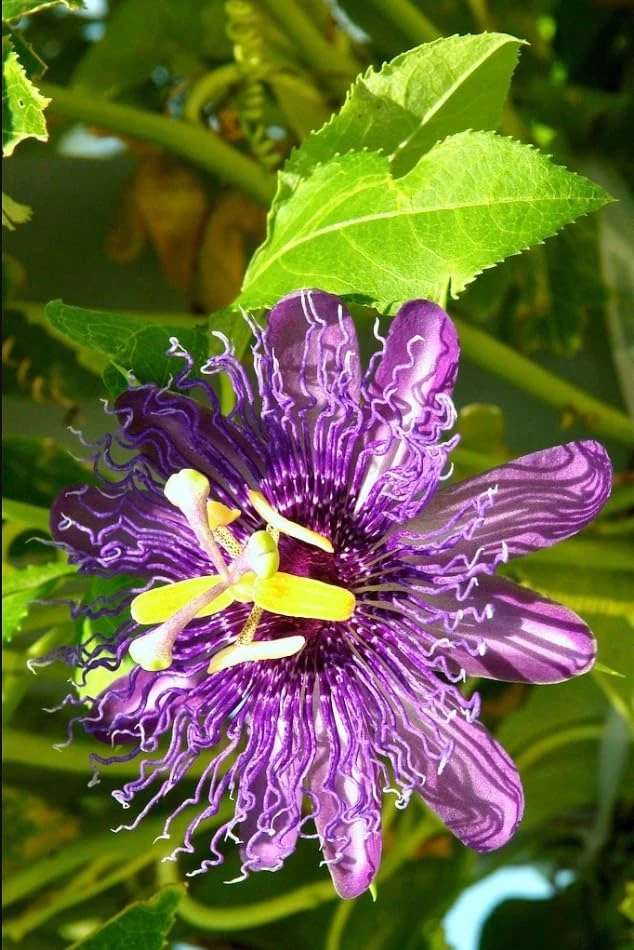

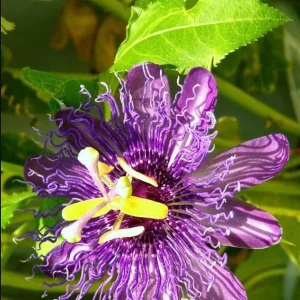
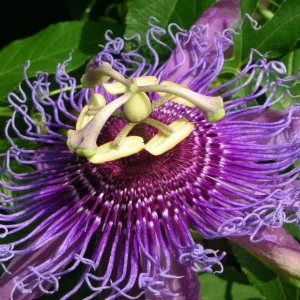
Maypop Passion Flower Vine Live Plant – Passiflora Incarnata, 4-6 Inch Tall, Bare Root
Original price was: $42.99.$17.99Current price is: $17.99.
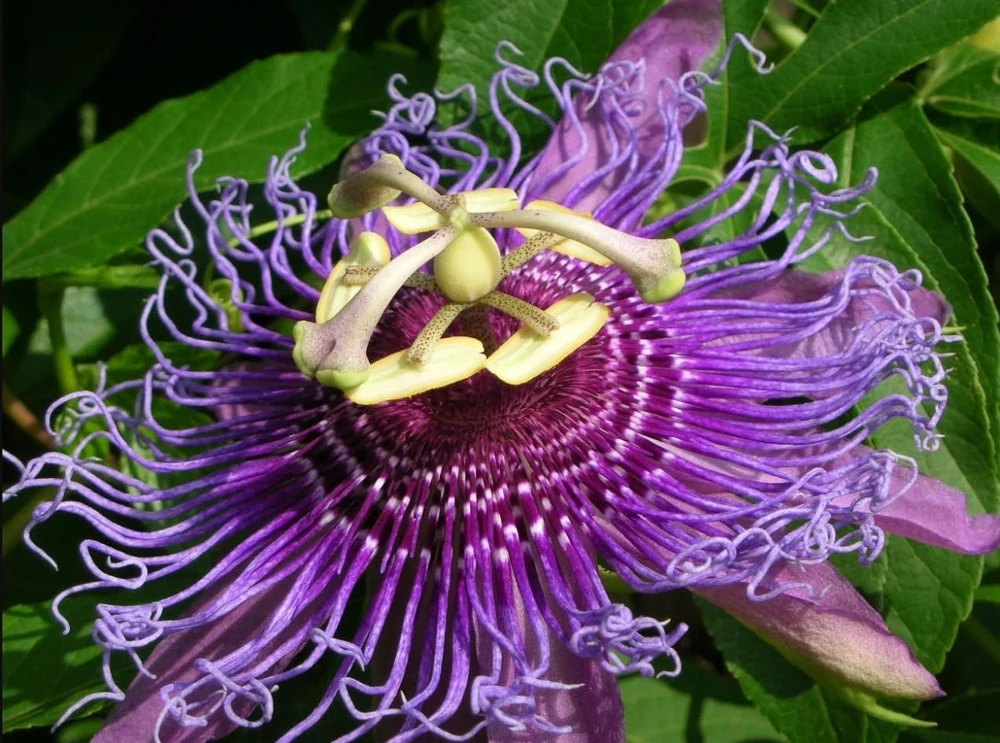
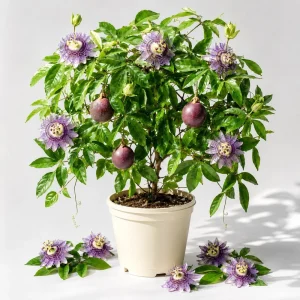
Bring vibrant beauty to your garden with a maypop passion flower vine. This stunning passiflora incarnata live plant features unique purple flowers and produces edible fruit. Perfect for trellises and fences, it’s a hardy perennial that thrives in full sun.
Estimated arrival
Sep 17
Sep 22 - Sep 24
Sep 27 - Oct 01

Reasonable Price
We offer reasonable price

Support 24/7
Contact us 24 hrs a day

100% Money Back
You've 30 days to Return

Payment Secure
100% secure payment
Overview
Introduce a touch of exotic beauty to your garden with the maypop passion flower vine (Passiflora incarnata). This captivating perennial is a true native American gem, known for its intricate, fragrant purple flowers and delicious, edible fruit. Often referred to as the purple passionflower vine, it’s a vigorous grower that quickly establishes itself, transforming ordinary fences, trellises, and arbors into lush, flowering showcases. Our passiflora incarnata live plant arrives ready to grow, offering a unique blend of ornamental appeal and practical benefits for any gardener. Its striking blooms attract pollinators, while the maypop fruits add a delightful treat to your late summer harvest.
Key Benefits
The maypop passion flower vine offers numerous advantages for both the avid gardener and the casual enthusiast. Its beauty and resilience make it a fantastic addition to many landscapes.
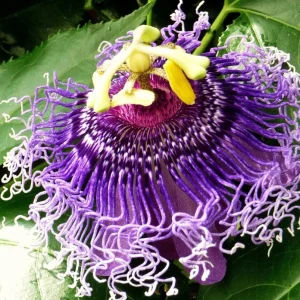
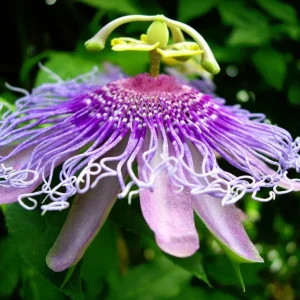
- Stunning Ornamental Value: Features unique, intricate purple flowers with a captivating design, adding an exotic and visually appealing element to any garden space. The vibrant blooms are truly a conversation starter.
- Edible Fruit Production: Produces delicious, golf-ball-sized passion fruit (maypops) that can be enjoyed fresh, in jellies, or desserts. This makes it a dual-purpose plant, offering both beauty and a tasty harvest.
- Attracts Pollinators: The fragrant flowers are a magnet for bees, butterflies, and other beneficial pollinators, contributing to the health and biodiversity of your garden ecosystem. It’s an excellent choice for a pollinator garden.
- Vigorous Growth Habit: As a perennial passion fruit vine, it grows rapidly, quickly covering structures like arbors, pergolas, and fences, providing natural shade and privacy. Its fast growth makes it ideal for quickly filling a space.
- Low Maintenance & Hardy: Once established, this vine is remarkably resilient and relatively easy to care for, tolerant of various soil conditions and moderately drought-tolerant. This makes it suitable for gardeners of all experience levels.
- Native Plant Benefits: Being a native species, the passiflora incarnata live plant is well-adapted to local climates and supports native wildlife, requiring less intervention than many non-native alternatives.
- Medicinal Properties: Traditionally used for its calming properties, the leaves and flowers can be harvested for herbal teas, adding another layer of utility to this versatile plant.
Plant Care & Growing Tips
Caring for your maypop passion flower vine is straightforward, especially once it’s established. This hardy plant thrives with minimal fuss, rewarding you with beautiful blooms and fruit. For optimal growth, plant your passiflora incarnata live plant in a location that receives full sun, meaning at least 6-8 hours of direct sunlight per day. Adequate light is crucial for abundant flowering and fruit production. Ensure the soil is well-draining; while it can tolerate various soil types, it prefers a slightly acidic to neutral pH. During its establishment phase, water regularly to keep the soil consistently moist but not waterlogged. Once mature, the vine becomes moderately drought-tolerant, though consistent watering during dry spells will encourage better fruiting.
The perennial passion fruit vine is cold-hardy in USDA Zones 6-10, meaning it can withstand winter temperatures in these regions and return year after year. In colder zones, the top growth may die back, but the roots will survive and resprout in spring. Fertilize lightly in spring with a balanced, slow-release fertilizer to support its vigorous growth. Pruning can be done in late winter or early spring to manage its size and encourage bushier growth. Watch out for common pests like aphids or spider mites, which can usually be controlled with organic insecticidal soaps. Providing a sturdy trellis or support structure is essential as the vine grows, allowing it to climb and display its beautiful flowers and developing maypops.
Size & Details
Your maypop passion flower vine will arrive as a healthy, bare-root plant, typically measuring 4-6 inches tall. This size is ideal for easy planting and quick establishment in your garden. As a fast-growing perennial, you can expect significant growth in its first season, with the vine rapidly extending its tendrils to climb available supports. Under ideal conditions, this purple passionflower vine can reach lengths of 15-25 feet in a single growing season. It typically begins blooming in late spring through summer, with fruit development following shortly after. While it ships without a pot to ensure healthy root development and reduce shipping stress, it will quickly root into your garden soil. Expect the first fruits to appear in late summer to early fall.
Frequently Asked Questions
- Q: How big does this maypop passion flower vine get? A: This vigorous vine can grow quite large, typically reaching lengths of 15 to 25 feet in a single growing season. It’s an excellent choice for covering arbors, pergolas, or fences.
- Q: What condition will the passiflora incarnata live plant arrive in? A: Your plant will arrive as a healthy, bare-root specimen, approximately 4-6 inches tall. This method ensures the plant is well-protected during transit and ready for successful planting.
- Q: Is this an indoor or outdoor plant? A: The maypop passion flower vine is primarily an outdoor plant, thriving in garden settings within USDA Zones 6-10. While it can be overwintered indoors in colder climates, it performs best when planted directly in the ground.
- Q: How much sunlight does it need? A: This vine requires full sun, meaning at least 6-8 hours of direct sunlight per day, to produce the most abundant flowers and fruit. Less sun may result in fewer blooms and a reduced fruit yield.
- Q: Is this plant easy to care for? A: Yes, once established, the perennial passion fruit vine is considered low-maintenance. It’s relatively drought-tolerant and adaptable to various soil conditions, making the maypop plant care quite manageable for most gardeners.
- Q: What is the best time to plant a purple passionflower vine? A: The best time to plant is in spring after the last frost, allowing the plant ample time to establish itself before the heat of summer or the cold of winter.
- Q: Will it survive winter in my zone? A: If you are in USDA Zones 6-10, the roots of the maypop vine will typically survive the winter and resprout in spring, even if the top growth dies back. In colder zones, it may need winter protection or be treated as an annual.
- Q: What kind of soil does it prefer? A: It prefers well-draining soil, but is quite adaptable. A slightly acidic to neutral pH is ideal for optimal growth and fruiting.
- Q: How long until it blooms and fruits? A: You can expect your maypop passion flower vine to begin blooming in its first or second year, typically from late spring through summer. Fruits usually follow in late summer to early fall.
- Q: Is the fruit edible? A: Yes, the fruit, often called ‘maypops’, is edible and delicious. It has a unique sweet-tart flavor and can be eaten fresh or used in various culinary applications.
Be the first to review “Maypop Passion Flower Vine Live Plant – Passiflora Incarnata, 4-6 Inch Tall, Bare Root”
-
USDA Hardiness Zone
6–10 -
Soil Type
Well-draining soil -
Sunlight Exposure
Full sun -
Expected Planting Period
Late spring through summer
People Also Viewd


Sold 134 products
Original price was: $3,536.00.$23.99Current price is: $23.99.

Sold 131 products
Original price was: $89.99.$64.99Current price is: $64.99.

Sold 131 products
Original price was: $27.00.$24.00Current price is: $24.00.

Sold 125 products
Original price was: $86.99.$66.99Current price is: $66.99.

Flower Bulbs
3 Cranesbill Wild Geranium Organic Maculatums Bare Roots | Wildflower for Outdoor Garden
Sold 116 products
Original price was: $21.99.$9.99Current price is: $9.99.

Sold 114 products
Original price was: $28.99.$17.99Current price is: $17.99.

Sold 110 products
Original price was: $63.99.$28.99Current price is: $28.99.
Sold 108 products
Original price was: $28.99.$17.99Current price is: $17.99.RELATED posts
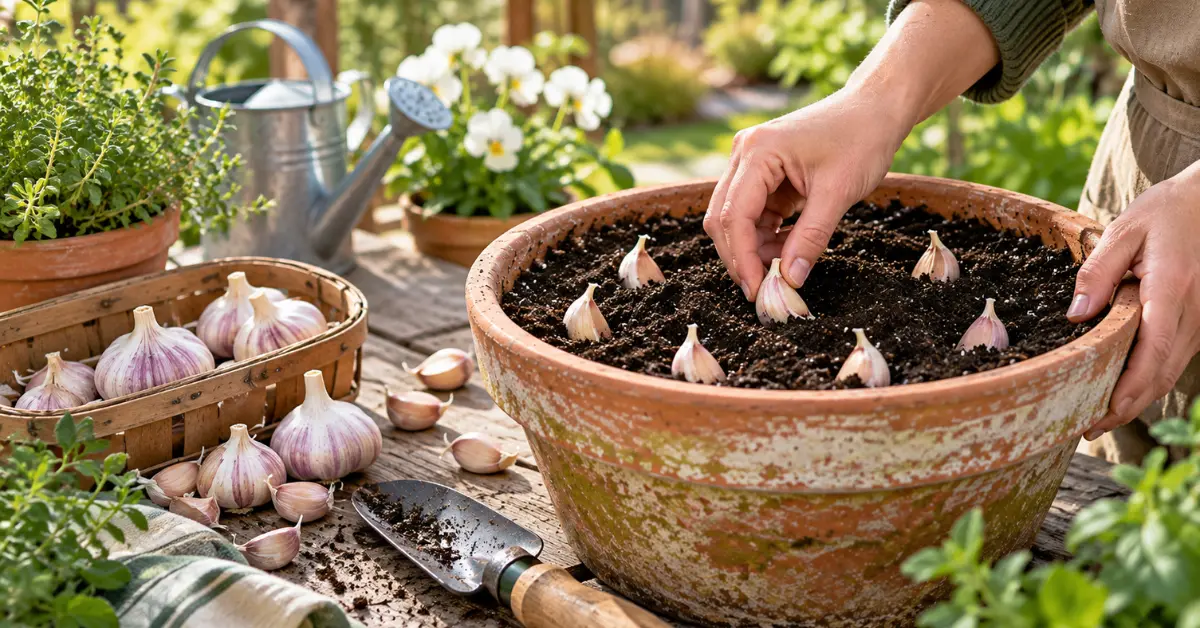
Growing Garlic in Containers This Fall: A Complete Guide for Beginners
If you’ve ever wanted to pop fresh, aromatic garlic cloves straight from your own patio [...]
Sep
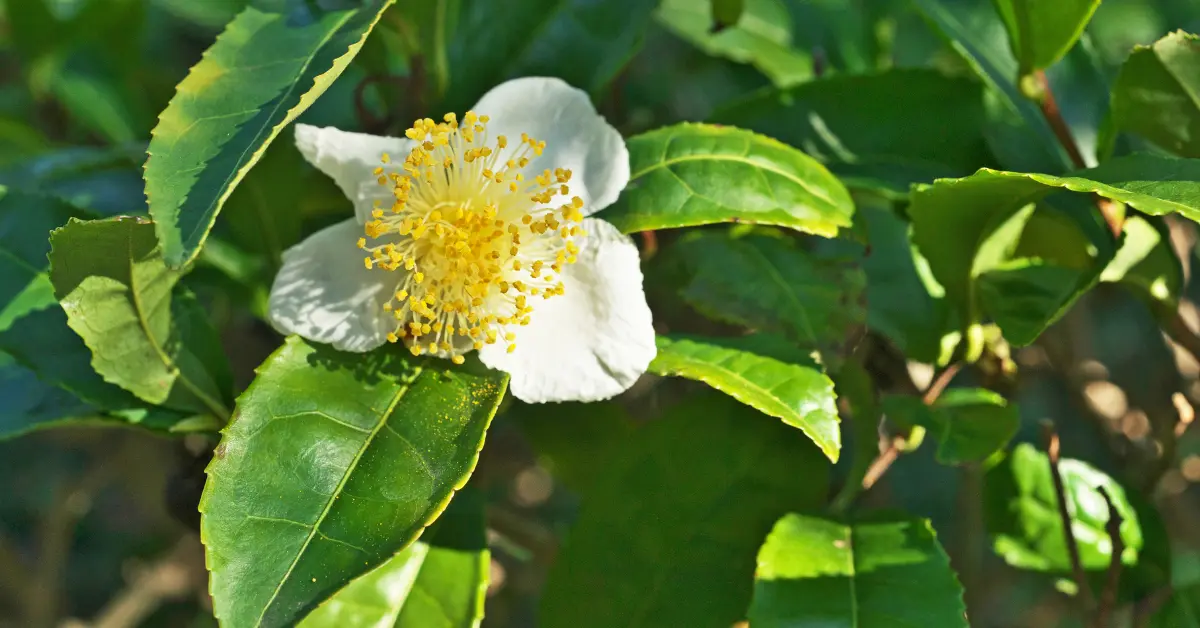
Growing Camellia Sinensis (Tea Plants) in Containers: A Complete Guide for Beginners
If you’ve ever wanted to sip a steaming, homegrown cup of fresh green, black, or [...]
Aug
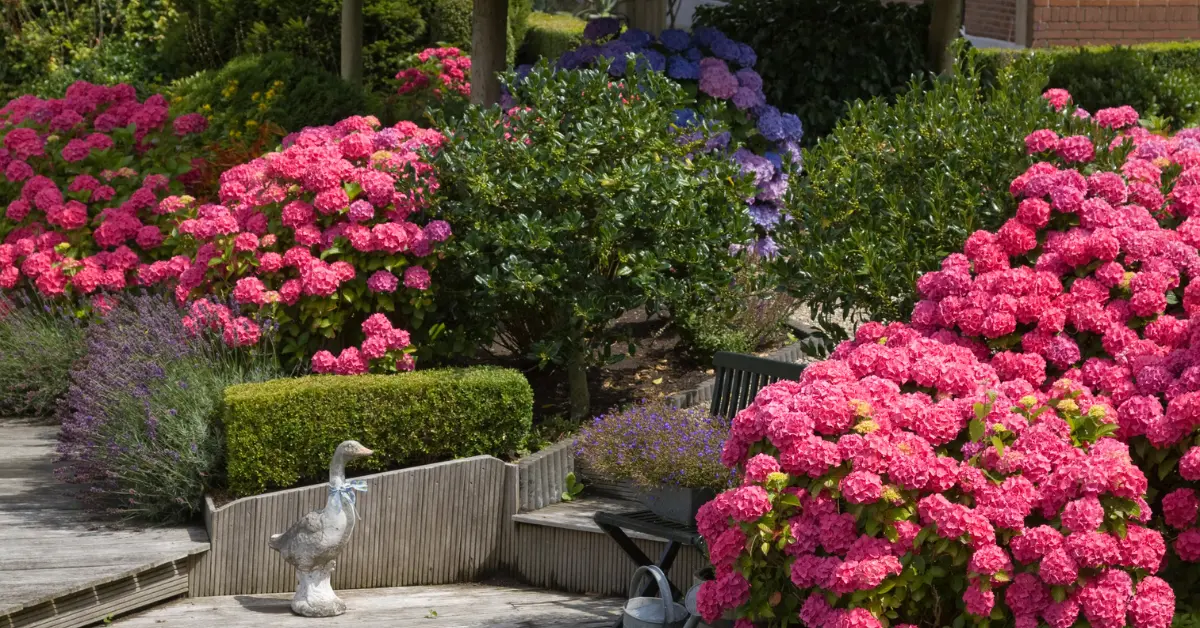
6 Best Shrubs to Plant in August You Must Try
Have you ever walked through a nursery late in the summer, admired the vibrant shrubs [...]
Aug
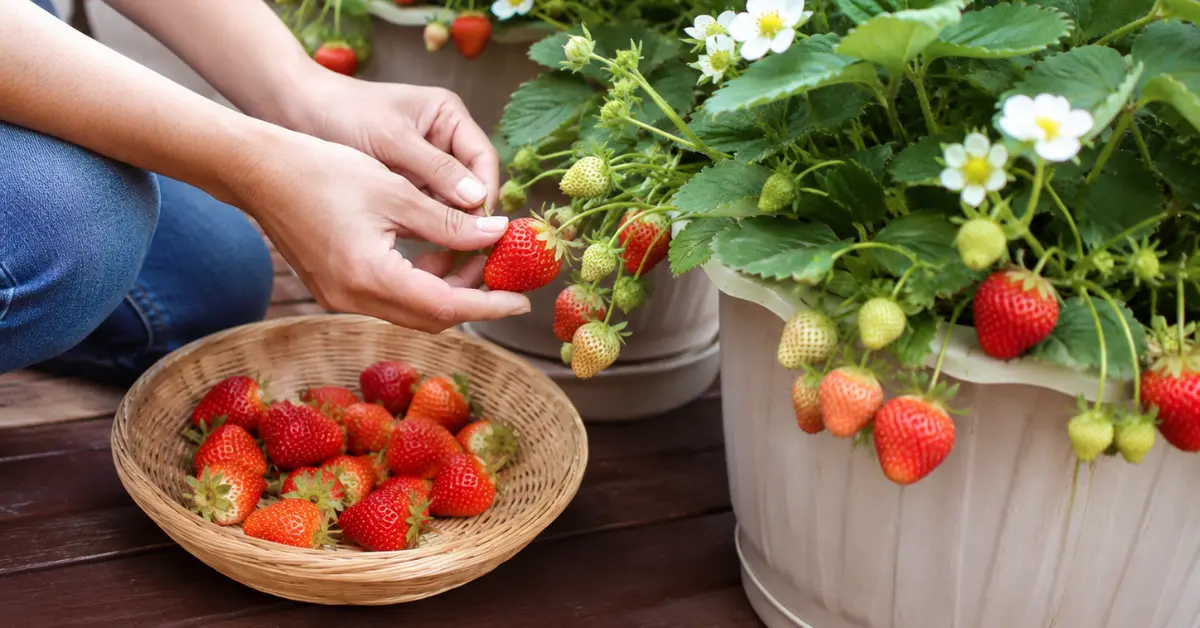
Growing Everbearing Strawberries in Containers: A Complete Guide for Beginners
Want to grow sweet, fresh strawberries but do not have a large garden? Everbearing strawberries [...]
Aug
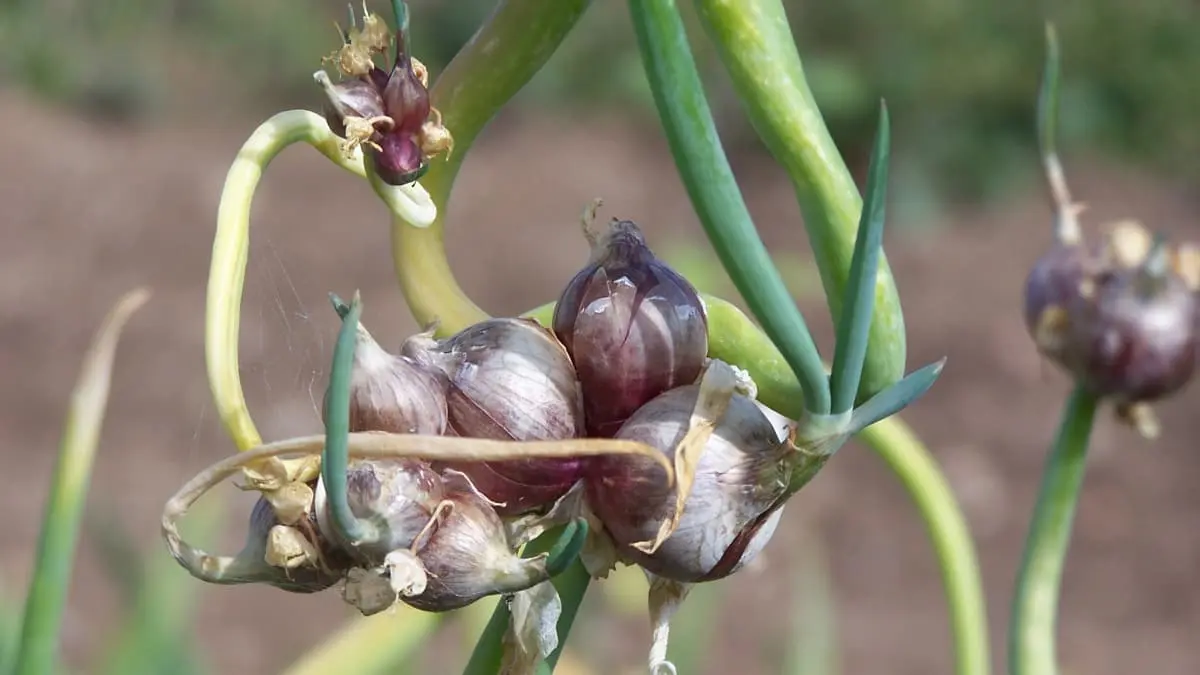
Growing Egyptian Walking Onions in Containers: A Complete Guide for Beginners
If you’re looking for a hardy, no-fuss perennial onion that keeps on giving year after [...]
Jul
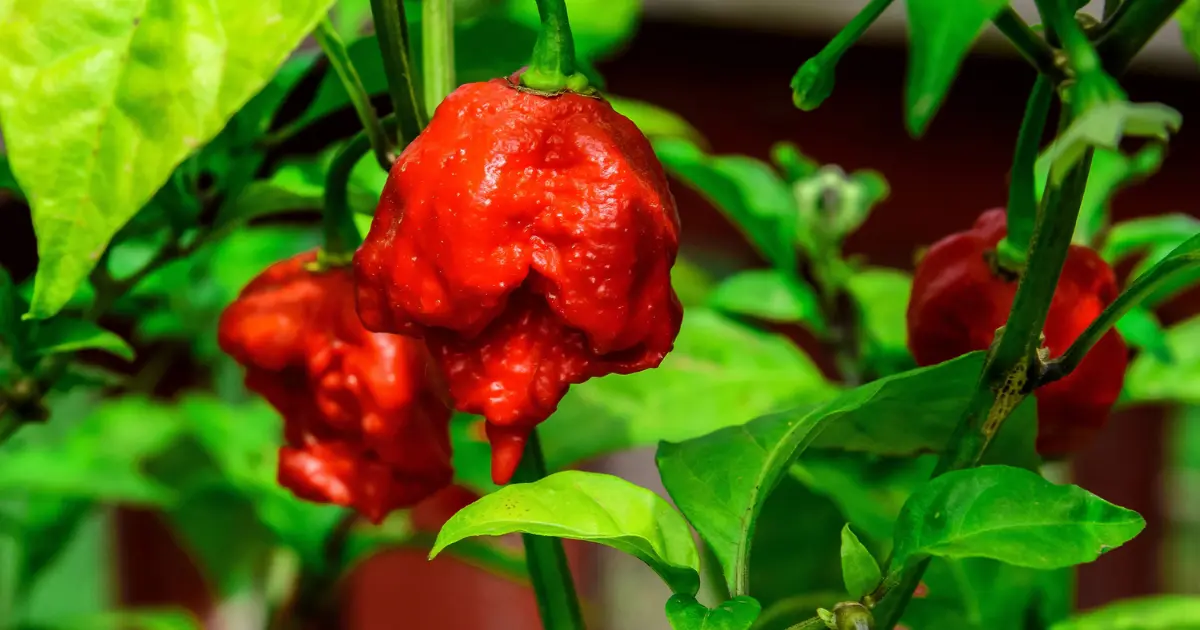
Growing Carolina Reaper Peppers in Pots: A Complete Guide for Beginners
If you’ve ever wanted to add some serious, record-breaking heat to your home cooking, you’ve [...]
May
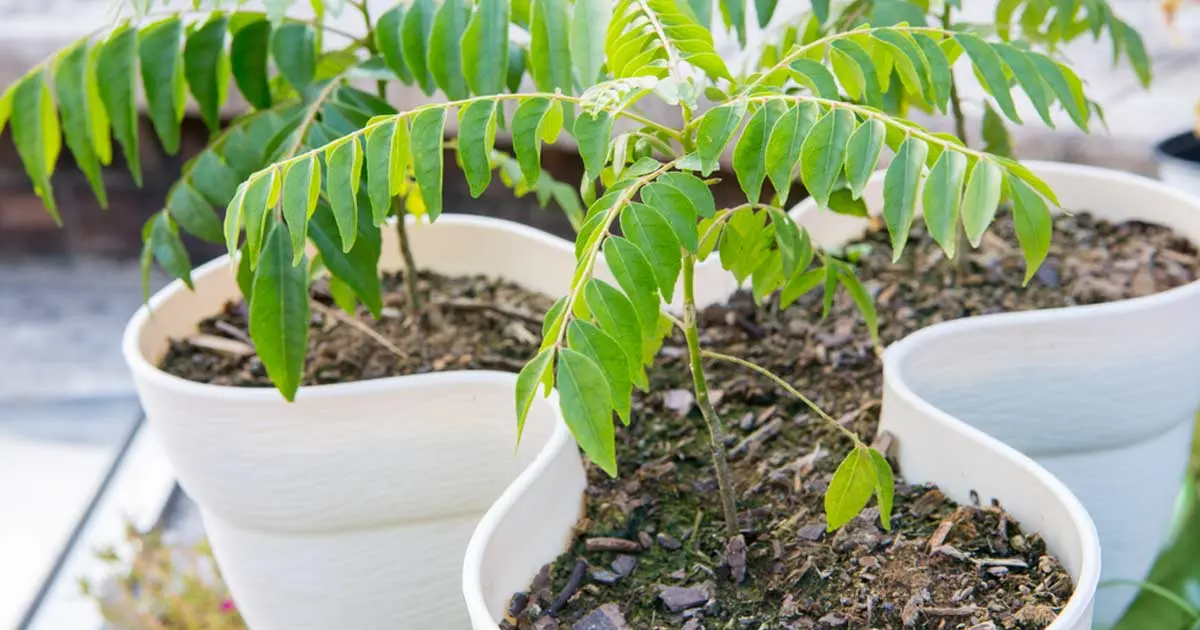
Growing Curry Leaf Plant in Pots: A Complete Guide for Beginners
If you’re a fan of authentic South Asian cuisine, you already know that nothing compares [...]
May

5 Tips for Growing Carolina Reaper Peppers to Get the Spiciest Harvest Ever
Holding the record for one of the world’s hottest peppers, the Reaper isn’t just a [...]
May


Reviews
There are no reviews yet.