
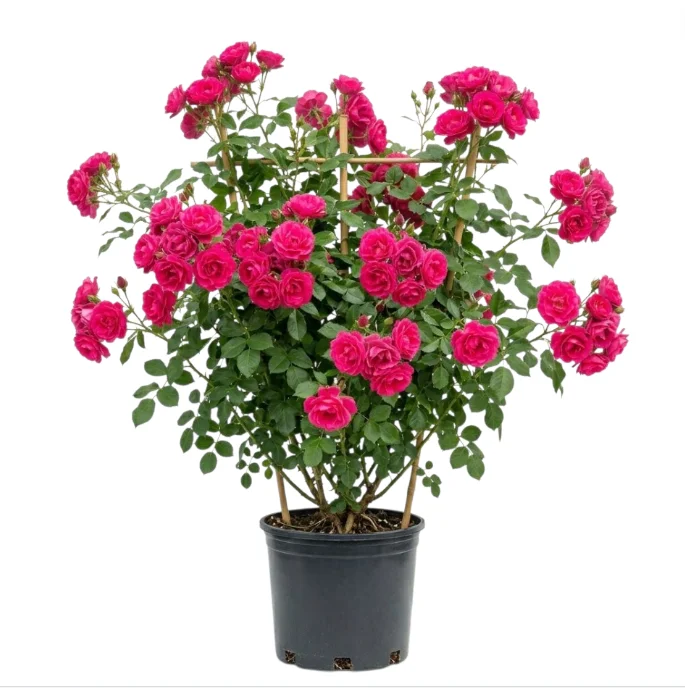
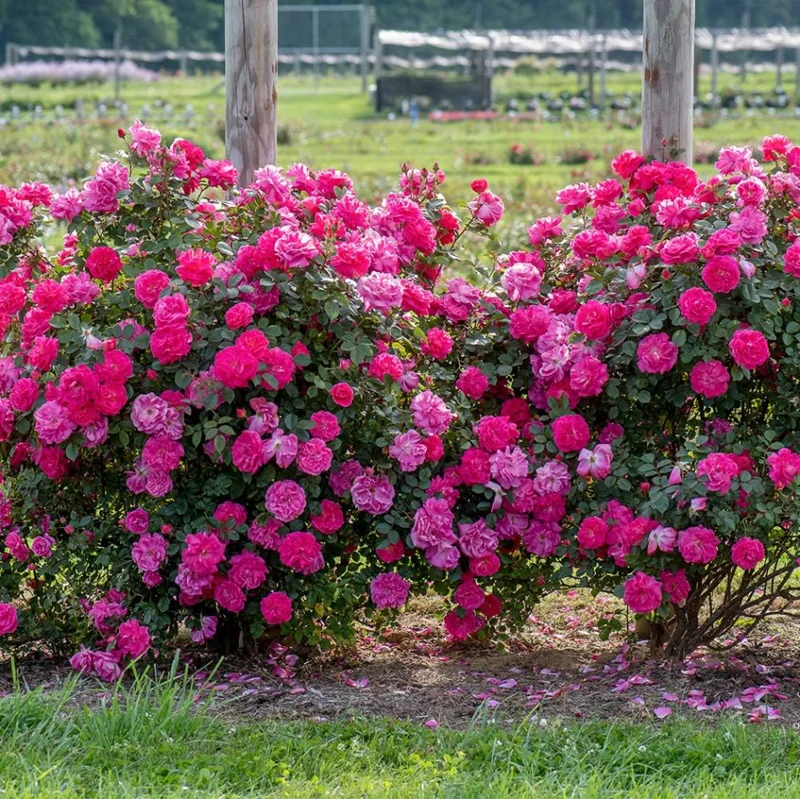
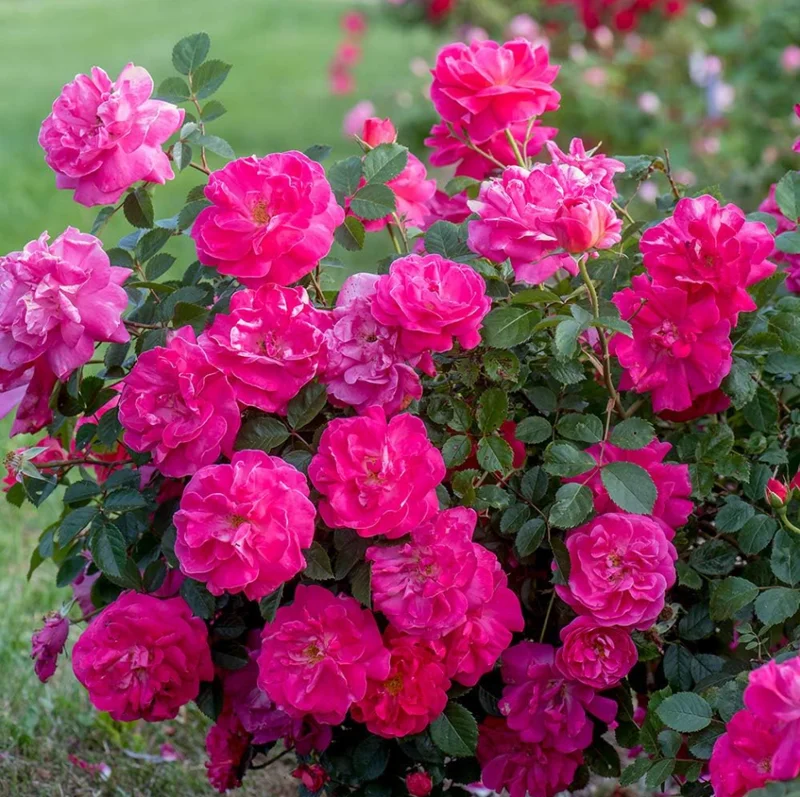
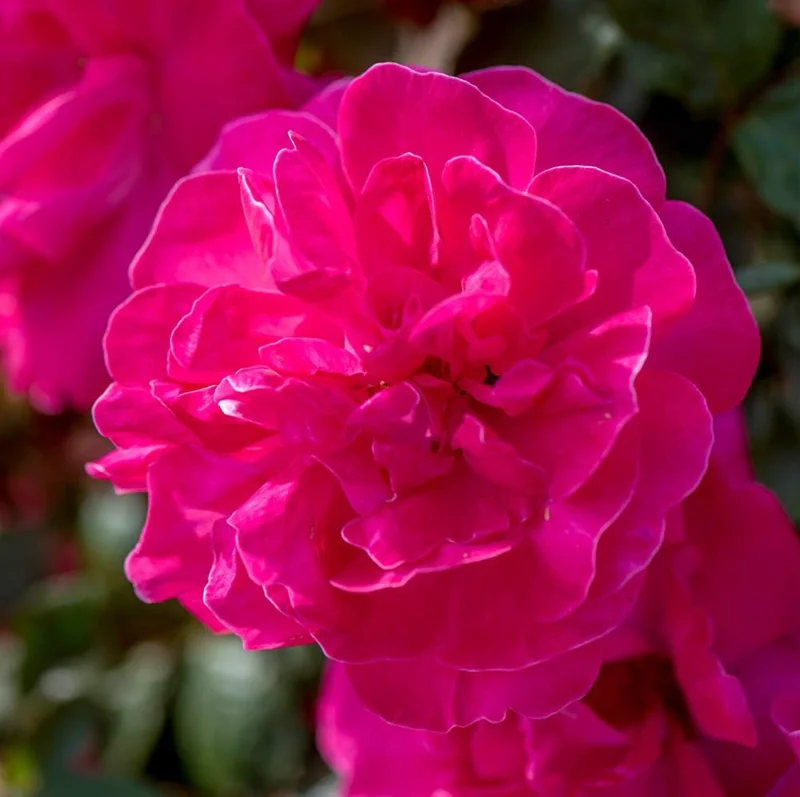
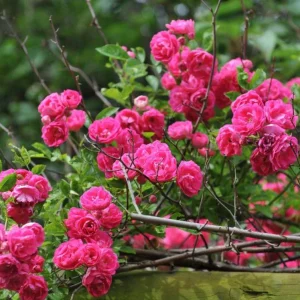
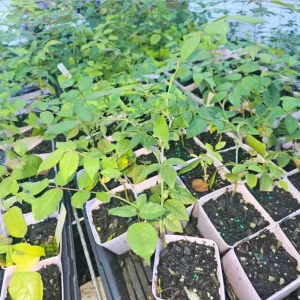
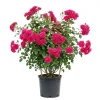
Hot Pink Climbing Rose Live Plant – Fragrant Perennial Flower Shrub, 4-8 Inch Tall
Original price was: $47.99.$27.99Current price is: $27.99.
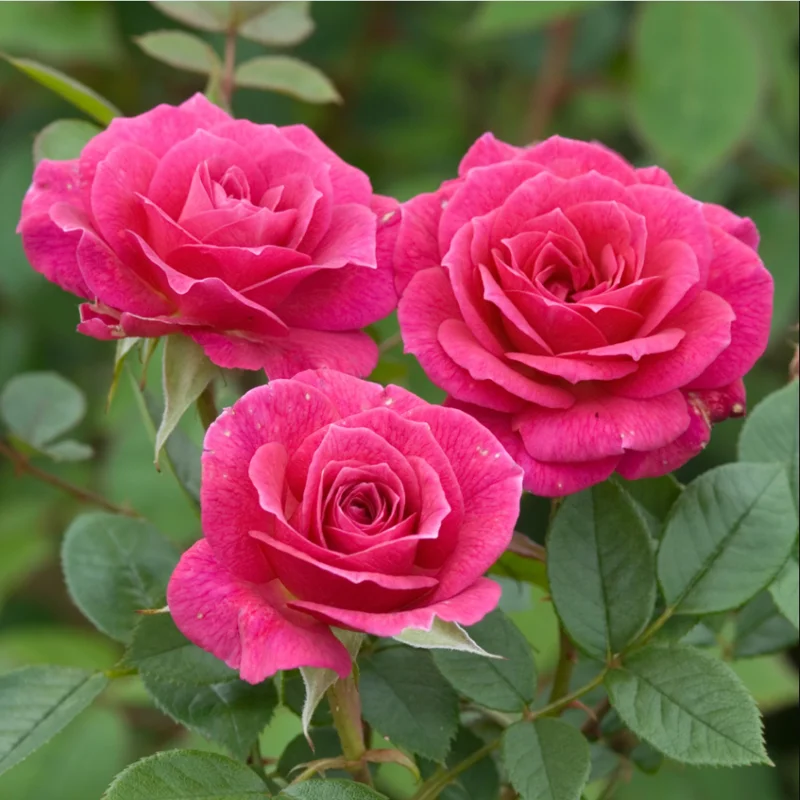
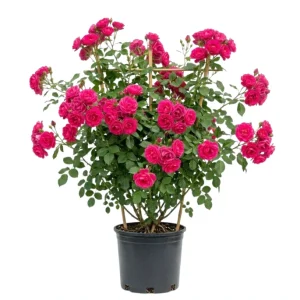
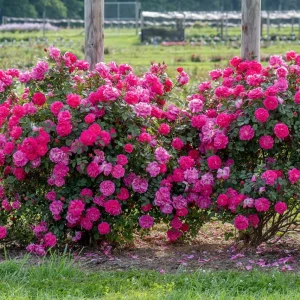
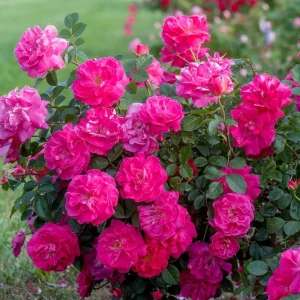
Add elegance and fragrance to your garden with a hot pink climbing rose plant. This beautiful perennial offers vibrant blooms and a sweet scent, perfect for trellises, arbors, or walls. Arrives as a 4-8 inch tall live plant, ready for planting.
Estimated arrival
Sep 15
Sep 20 - Sep 22
Sep 25 - Sep 29

Reasonable Price
We offer reasonable price

Support 24/7
Contact us 24 hrs a day

100% Money Back
You've 30 days to Return

Payment Secure
100% secure payment
Overview
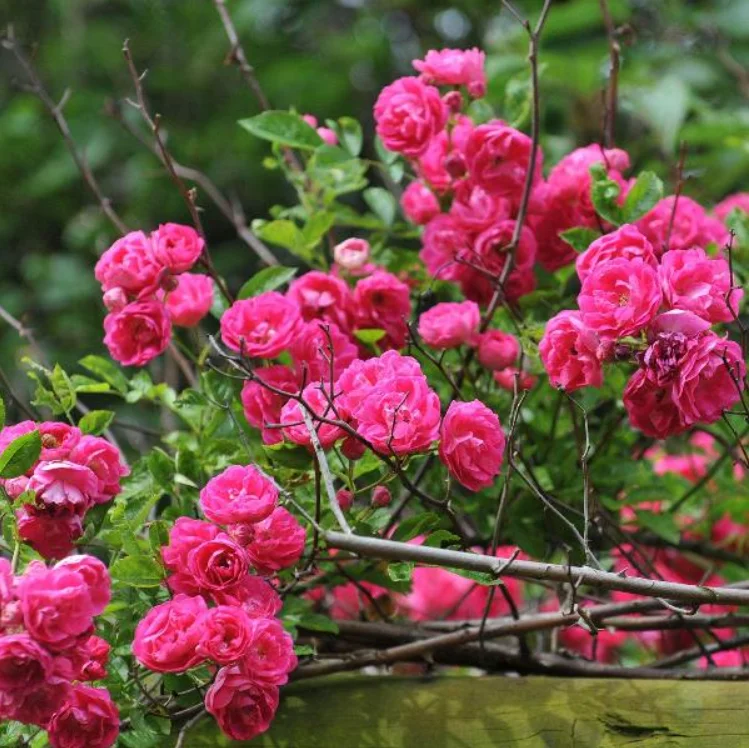
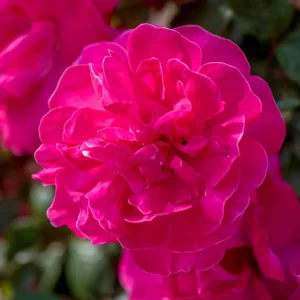
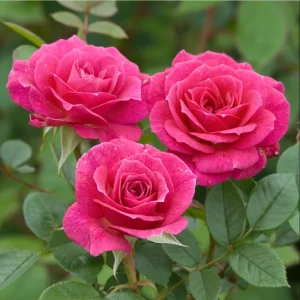
Transform your outdoor space with the breathtaking beauty of a hot pink climbing rose plant. This exquisite perennial flower is renowned for its vigorous growth, abundant vibrant blooms, and intoxicating fragrance, making it a spectacular addition to any garden. Imagine cascading clusters of rich, hot pink petals creating a stunning vertical display against a wall, fence, or trellis. These roses are not just about visual appeal; their sweet, classic rose scent will perfume your garden air, inviting pollinators and delighting visitors. As a live plant, it arrives ready for planting, offering the promise of a flourishing display for years to come. Climbing roses are a classic choice for gardeners looking to add height, drama, and continuous blooms throughout the growing season.
Our hot pink climbing rose is a robust and healthy specimen, carefully cultivated to ensure a successful start in your landscape. Unlike traditional bush roses, climbers offer a unique advantage by utilizing vertical space, making them perfect for smaller gardens or for creating living privacy screens. With proper care, this rose will establish quickly, rewarding you with a profusion of cheerful pink flowers that stand out against its lush green foliage. It’s an investment in enduring garden beauty and a truly rewarding plant to nurture.
Key Benefits
Choosing a hot pink climbing rose brings a multitude of benefits to your garden, enhancing both its aesthetic and sensory appeal. These roses are celebrated for their ability to create stunning visual impact and fill the air with delightful perfume.
- Spectacular Vertical Display: Provides an impressive vertical accent, ideal for covering walls, fences, arbors, and pergolas. Its climbing habit allows you to maximize garden space and create dramatic focal points.
- Abundant, Vibrant Blooms: Enjoy a continuous show of dazzling hot pink flowers throughout the growing season, drawing the eye and uplifting the garden’s atmosphere. The rich color adds a pop of cheer.
- Exquisite Fragrance: Fills your garden with a classic, sweet rose scent, creating a serene and inviting ambiance. The fragrance is most potent on warm, sunny days.
- Long-Lived Perennial: As a perennial rose, it returns year after year, growing more established and producing even more blooms with age, offering lasting beauty and value. Our perennial rose bush is a garden staple.
- Attracts Pollinators: The vibrant flowers and sweet scent are irresistible to bees, butterflies, and other beneficial pollinators, contributing to a healthy garden ecosystem.
- Versatile Landscaping: Perfect for creating romantic garden settings, cottage garden themes, or adding a touch of classic elegance to modern landscapes. Its adaptability makes it a favorite among diverse garden styles.
- Relatively Low Maintenance: Once established, fragrant climbing rose plants are surprisingly resilient and require less intensive care than some other rose varieties, making them suitable for both novice and experienced gardeners.
Plant Care & Growing Tips
To ensure your hot pink climbing rose thrives, providing it with the right conditions and consistent care is essential. These plants generally prefer a sunny location and well-draining soil to perform their best. For optimal growth and abundant blooms, aim for at least 6-8 hours of direct sunlight per day. In hotter climates, some afternoon shade can be beneficial to prevent scorching of the petals. Ensure the planting site has good air circulation to minimize disease.
Watering should be deep and consistent, especially during dry spells and the plant’s establishment period. Water at the base of the plant to avoid wetting the foliage, which can encourage fungal diseases. The soil should be kept consistently moist but never waterlogged. A good indicator is to water when the top inch or two of soil feels dry to the touch. Fertilize your hot pink climbing rose in early spring with a balanced rose fertilizer, and again after the first flush of blooms to encourage reblooming. Pruning is key for climbing roses; focus on removing dead or diseased wood and training new canes along your support structure to encourage lateral growth and more flowers. This climbing rose plant care is straightforward.
These roses are generally hardy in USDA zones 5-9. In colder zones, provide winter protection by mulching heavily around the base of the plant. In all zones, a layer of organic mulch will help retain soil moisture, suppress weeds, and regulate soil temperature. Watch out for common rose pests like aphids and spider mites, treating them with organic insecticidal soaps if necessary. Regular inspection of your hot pink climbing rose will help you catch and address any issues early, ensuring a healthy and spectacular display.
Size & Details
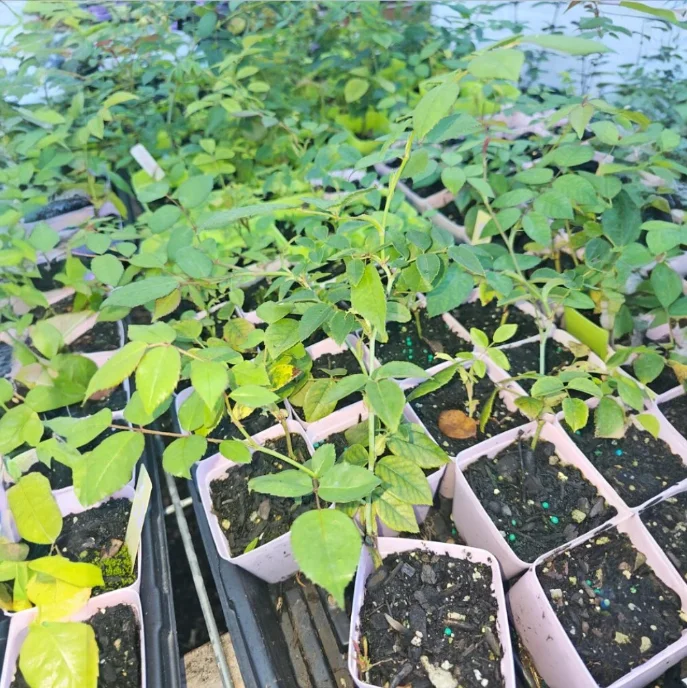
This hot pink climbing rose is shipped as a live plant, typically measuring between 4-8 inches tall from the base of the rootball to the tip of the foliage. It arrives in a nursery pot, ready for transplanting into your garden or a larger container. These plants are chosen for their robust root systems and healthy growth, ensuring a strong start in your landscape. With proper care and support, this climbing rose can reach impressive heights, often growing 8-15 feet tall or more, depending on the variety and growing conditions, with a spread of 3-6 feet.
The vigorous growth habit means it will quickly begin to climb and establish itself, producing its first flush of fragrant hot pink flowers typically in late spring to early summer, with repeat blooms throughout the season until the first frost. The specific growth rate can vary based on climate, soil fertility, and sunlight exposure. Expect a moderate to fast growth rate once established, allowing you to enjoy a mature, blooming vine within a few growing seasons. This plant is a fantastic long-term investment for adding an elegant and fragrant touch to your garden.
Frequently Asked Questions
- Q: How big does this hot pink climbing rose get? A: With proper support and care, this climbing rose can reach heights of 8-15 feet or more, with a spread of 3-6 feet. Its ultimate size depends on growing conditions and pruning.
- Q: What size pot does it come in? A: The hot pink climbing rose arrives as a live plant, 4-8 inches tall, typically in a small nursery pot, ready for immediate transplanting into a larger pot or directly into your garden.
- Q: Is this an indoor or outdoor plant? A: This is primarily an outdoor plant, best suited for gardens, patios, and landscapes where it can climb. It requires ample sunlight and space to thrive.
- Q: How much sunlight does it need? A: For the best blooms and strongest growth, your fragrant climbing rose needs at least 6-8 hours of direct sunlight per day. Full sun is ideal, though some afternoon shade can be beneficial in very hot climates.
- Q: Is this plant easy to care for? A: Climbing roses are considered moderately easy to care for. Once established, they require regular watering, feeding, and guiding to a support structure. Pruning is essential for good bloom production.
- Q: What condition will it arrive in? A: Your perennial rose bush will arrive as a healthy, live plant, 4-8 inches tall, with its roots carefully protected to ensure it’s ready for planting. We take great care in packaging to minimize stress during transit.
- Q: How long until it blooms? A: Depending on the time of year you plant and its establishment, you can expect the first flush of hot pink blooms in late spring to early summer of the first or second year. Established plants will bloom repeatedly throughout the season.
- Q: When is the best time to plant a climbing rose? A: The best time to plant a climbing rose is in early spring or fall when temperatures are mild. This allows the plant to establish its root system before extreme heat or cold.
- Q: Will it survive winter in my zone? A: This hot pink climbing rose is typically hardy in USDA Zones 5-9. In colder zones (5-6), winter protection like heavy mulching around the base is recommended.
- Q: Is this a true climbing rose or a rambler? A: This is a true climbing rose, characterized by its stiff, arching canes that need to be trained and tied to a support structure. Ramblers typically have more flexible, sprawling canes.
Be the first to review “Hot Pink Climbing Rose Live Plant – Fragrant Perennial Flower Shrub, 4-8 Inch Tall”
-
USDA Hardiness Zone
USDA Zones 5-9 -
Soil Type
Well-draining, fertile loamy soil -
Sunlight Exposure
Full sun (6-8+ hours daily) -
Expected Planting Period
Early spring or fall
People Also Viewd
Sold 134 products
Original price was: $3,536.00.$23.99Current price is: $23.99.
Sold 131 products
Original price was: $27.00.$24.00Current price is: $24.00.
Sold 130 products
Original price was: $89.99.$64.99Current price is: $64.99.

Sold 125 products
Original price was: $86.99.$66.99Current price is: $66.99.
Flower Bulbs
3 Cranesbill Wild Geranium Organic Maculatums Bare Roots | Wildflower for Outdoor Garden
Sold 116 products
Original price was: $21.99.$9.99Current price is: $9.99.
Sold 114 products
Original price was: $28.99.$17.99Current price is: $17.99.
Sold 110 products
Original price was: $63.99.$28.99Current price is: $28.99.
Sold 108 products
Original price was: $28.99.$17.99Current price is: $17.99.RELATED posts
Growing Camellia Sinensis (Tea Plants) in Containers: A Complete Guide for Beginners
If you’ve ever wanted to sip a steaming, homegrown cup of fresh green, black, or [...]
Aug
6 Best Shrubs to Plant in August You Must Try
Have you ever walked through a nursery late in the summer, admired the vibrant shrubs [...]
Aug
Growing Everbearing Strawberries in Containers: A Complete Guide for Beginners
Want to grow sweet, fresh strawberries but do not have a large garden? Everbearing strawberries [...]
Aug
Growing Egyptian Walking Onions in Containers: A Complete Guide for Beginners
If you’re looking for a hardy, no-fuss perennial onion that keeps on giving year after [...]
Jul
Growing Carolina Reaper Peppers in Pots: A Complete Guide for Beginners
If you’ve ever wanted to add some serious, record-breaking heat to your home cooking, you’ve [...]
May
Growing Curry Leaf Plant in Pots: A Complete Guide for Beginners
If you’re a fan of authentic South Asian cuisine, you already know that nothing compares [...]
May
5 Tips for Growing Carolina Reaper Peppers to Get the Spiciest Harvest Ever
Holding the record for one of the world’s hottest peppers, the Reaper isn’t just a [...]
May
Best Fertilizers for Zoysia Grass in 2026: Get a Lush Lawn
As we enter the new year, the time has come to think about how we [...]
Apr
Reviews
There are no reviews yet.