
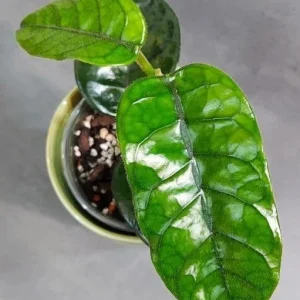
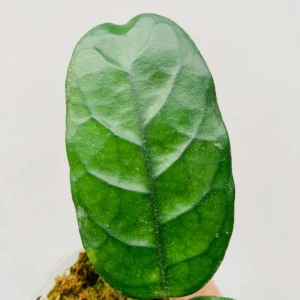
Hoya Villosa Wax Plant Live Tropical Houseplant in 4″ Pot
Original price was: $63.99.$31.99Current price is: $31.99.
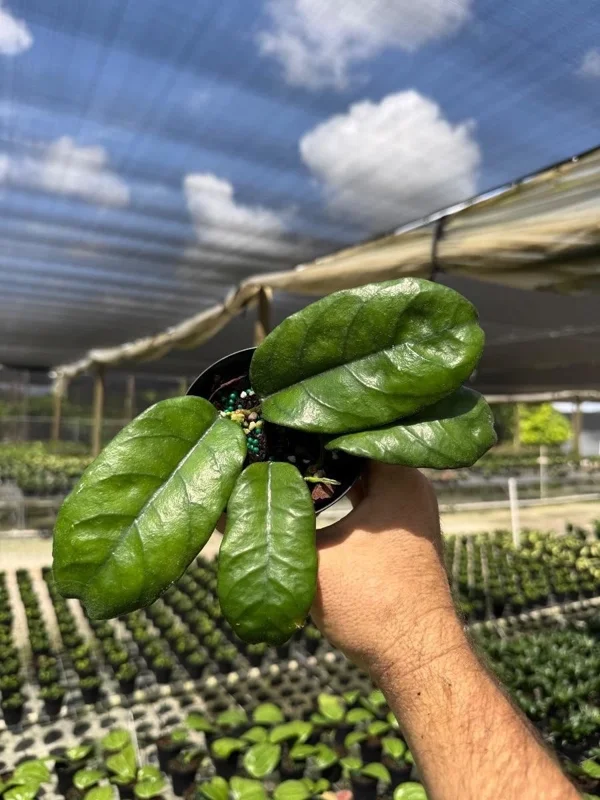
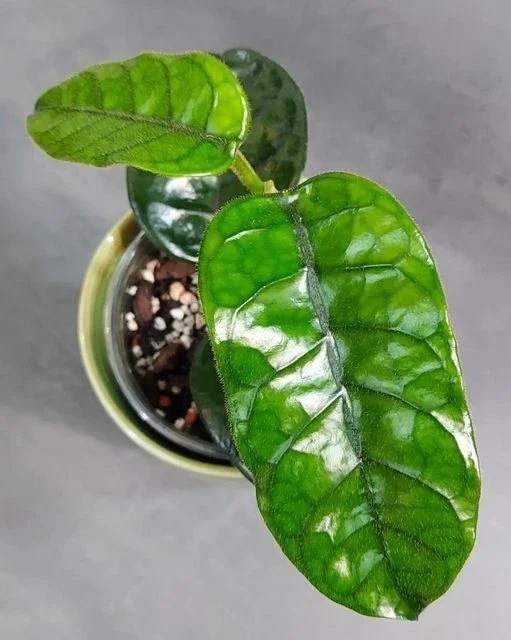
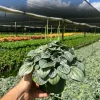
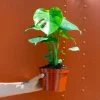
Bring home the captivating hoya villosa live plant, a unique tropical houseplant known for its velvety leaves and charming blooms. This easy-care wax plant is perfect for adding a touch of exotic beauty to any indoor space, arriving healthy in a 4-inch nursery pot.
Estimated arrival
Oct 12
Oct 17 - Oct 19
Oct 22 - Oct 26

Reasonable Price
We offer reasonable price

Support 24/7
Contact us 24 hrs a day

100% Money Back
You've 30 days to Return

Payment Secure
100% secure payment
Overview
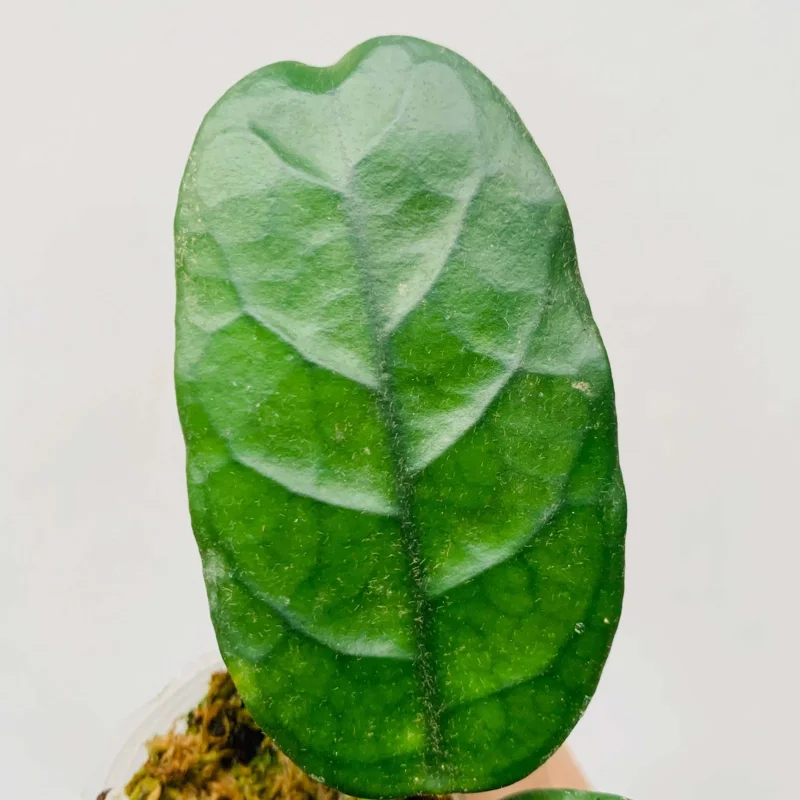
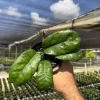
Introduce an exotic touch to your indoor garden with the beautiful hoya villosa live plant. This captivating tropical houseplant, often referred to as a wax plant, is cherished by enthusiasts for its distinctively fuzzy, heart-shaped leaves and potential for delicate, fragrant flowers. Originating from the tropical regions, the Hoya Villosa is a vining epiphyte that thrives in warm, humid environments, making it an excellent choice for a bright indoor setting. Each plant is carefully cultivated and shipped in a 4-inch nursery pot, ready to adorn your home or office. Its unique texture and growth habit make it a fascinating specimen for both seasoned collectors and those new to the world of Hoya plants. The hoya villosa care requirements are relatively straightforward, allowing you to enjoy its beauty with minimal fuss.
The Hoya Villosa stands out among other Hoya varieties due to its deeply textured foliage, which feels soft to the touch. When mature, it produces clusters of star-shaped, often fragrant, flowers that add an extra layer of allure. This particular Hoya variety is celebrated for its manageable size and attractive appearance, making it a popular choice for hanging baskets or trellises where its vining nature can be fully appreciated. Embrace the joy of nurturing a truly special plant that brings a piece of the tropics right into your living space, enhancing your home’s aesthetic with its natural charm and elegance.
Key Benefits
The hoya villosa live plant offers numerous benefits beyond its undeniable beauty, making it a rewarding addition to any indoor plant collection. Its unique characteristics contribute to a more vibrant and engaging home environment. This tropical gem is not just a plant; it’s a living piece of art.
- Aesthetic Appeal: The most striking feature of the Hoya Villosa is its velvety, heart-shaped leaves, which provide a unique tactile and visual experience. Its vining habit makes it ideal for hanging planters or training on small trellises, adding dynamic interest to your decor.
- Air Purification: Like many houseplants, the Hoya Villosa contributes to better indoor air quality by absorbing common pollutants, creating a fresher and healthier living environment.
- Low Maintenance: Despite its exotic appearance, this wax plant indoor variety is surprisingly easy to care for. It tolerates infrequent watering and is generally resilient, making it suitable for busy plant parents.
- Unique Blooms: While primarily grown for its foliage, mature Hoya Villosa plants can produce clusters of delicate, star-shaped flowers that often emit a sweet fragrance, adding an unexpected delight to your home.
- Collector’s Item: For those who enjoy collecting rare or unusual plants, the Hoya Villosa is a highly sought-after specimen among hoya plant varieties, offering a unique addition to any collection.
- Versatile Decor: Its compact size and trailing nature allow it to fit into various decorative schemes, from minimalist modern to bohemian, enhancing any room with its natural elegance.
- Stress Reduction: Tending to houseplants like the Hoya Villosa can be a calming and meditative activity, contributing to overall well-being and stress reduction.
Plant Care & Growing Tips
Proper hoya villosa care is essential to ensure your plant thrives and potentially rewards you with its beautiful blooms. This tropical beauty enjoys conditions that mimic its natural habitat. Provide bright, indirect light for optimal growth; a spot near an east or west-facing window is often ideal. Avoid direct, harsh sunlight, which can scorch its delicate leaves. If your plant isn’t getting enough light, its growth may slow, and it might not flower. Rotating the pot every few weeks can help ensure even growth and light exposure.
Watering should be done thoroughly but infrequently. Allow the top few inches of soil to dry out completely between waterings to prevent root rot, which Hoyas are susceptible to. When you do water, allow excess water to drain out of the pot. Overwatering is the most common cause of problems for this wax plant indoor. Humidity is appreciated, so consider placing the pot on a pebble tray with water or using a humidifier, especially in drier climates or during winter months. The ideal temperature range for your hoya villosa live plant is between 65-80°F (18-27°C). Protect it from cold drafts and temperatures below 50°F (10°C).
Use a well-draining potting mix, preferably one formulated for epiphytes or succulents, as this will prevent waterlogged roots. A mix containing perlite, orchid bark, and peat moss works well. Fertilize sparingly during the growing season (spring and summer) with a balanced liquid fertilizer diluted to half strength. Reduce or stop fertilizing during the dormant winter months. Pruning is generally not necessary but can be done to maintain shape or encourage bushier growth. Remember that Hoya flowers emerge from peduncles, so avoid removing these old flower stems, as they will rebloom from the same spot. Keep an eye out for common pests like mealybugs or spider mites, and treat them promptly with an insecticidal soap if detected.
Size & Details
This exquisite hoya villosa live plant is shipped in a standard 4-inch nursery pot, providing a healthy and established root system ready for its new home. At the time of shipping, the plant typically features several vibrant, velvety leaves and has started its characteristic vining growth. While specific height and spread can vary slightly depending on individual plant development, you can expect a compact yet robust specimen. As an indoor vining plant, its growth rate is moderate, and it can eventually trail several feet long if given the appropriate support or allowed to hang freely.
The plant is carefully packaged to ensure it arrives in excellent condition, minimizing stress during transit. It’s an ideal size for placement on a desk, shelf, or as the beginning of a magnificent hanging display. With proper hoya villosa care, this plant will continue to grow and mature, potentially developing its unique waxy flowers over time. It is a fantastic choice for anyone looking for a distinctive and relatively easy-to-care-for tropical houseplant to enhance their living space.
Frequently Asked Questions
- Q: How big does this Hoya Villosa get? A: The hoya villosa live plant is a vining species. While it ships in a 4-inch pot, its vines can grow several feet long over time. Its size depends on growing conditions and whether it’s allowed to trail or is supported.
- Q: Is this an indoor or outdoor plant? A: The Hoya Villosa is primarily an indoor plant, especially in temperate climates. It thrives in warm, humid conditions typical of a tropical environment, making it an ideal tropical houseplant. It can be moved outdoors in shaded areas during warm summer months in suitable climates.
- Q: How much sunlight does it need? A: This wax plant indoor variety prefers bright, indirect light. Direct, harsh sunlight can burn its leaves. An east or west-facing window is often ideal, providing ample light without intense direct exposure.
- Q: Is this plant easy to care for? A: Yes, the Hoya Villosa is considered relatively easy to care for, making it suitable for both beginners and experienced plant enthusiasts. Its main requirements are bright indirect light and infrequent watering, allowing the soil to dry out between sessions.
- Q: What condition will it arrive in? A: Your hoya villosa live plant will arrive carefully packaged in its 4-inch nursery pot, with its root ball intact and protected, ensuring it reaches you in healthy, vibrant condition.
- Q: When is the best time to repot my Hoya Villosa? A: Repotting should be done when the plant becomes root-bound, typically every 2-3 years. The best time is during the spring or early summer when the plant is actively growing.
- Q: Are Hoya Villosa plants pet-safe? A: Generally, Hoya plants are considered non-toxic to pets, making the hoya villosa live plant a safer choice for homes with curious animals. However, it’s always best to prevent pets from ingesting any plant material.
- Q: How often does the Hoya Villosa flower? A: Flowering depends on maturity, light, and care. With optimal conditions, including sufficient bright indirect light and consistent hoya villosa care, mature plants can bloom annually, usually in spring or summer, producing fragrant, star-shaped flowers.
- Q: What kind of soil is best for this plant? A: A well-draining, airy potting mix is crucial. A blend designed for orchids, succulents, or a custom mix with perlite, bark, and peat moss works well to ensure proper drainage and aeration for the roots of your tropical houseplant.
- Q: How do I encourage my Hoya Villosa to vine? A: To encourage vining, ensure your plant receives adequate bright, indirect light and maintain consistent watering and feeding during the growing season. Providing a small trellis or allowing it to hang from a basket will encourage its natural trailing habit.
Be the first to review “Hoya Villosa Wax Plant Live Tropical Houseplant in 4″ Pot”
-
USDA Hardiness Zone
USDA zones 10-12 (indoors in most regions) -
Soil Type
Well-draining potting mix, airy, epiphyte-friendly -
Sunlight Exposure
Bright indirect light -
Expected Planting Period
Year-round indoors
People Also Viewd
Sold 134 products
Original price was: $3,536.00.$23.99Current price is: $23.99.
Sold 132 products
Original price was: $27.00.$24.00Current price is: $24.00.
Sold 132 products
Original price was: $89.99.$64.99Current price is: $64.99.

Sold 125 products
Original price was: $86.99.$66.99Current price is: $66.99.
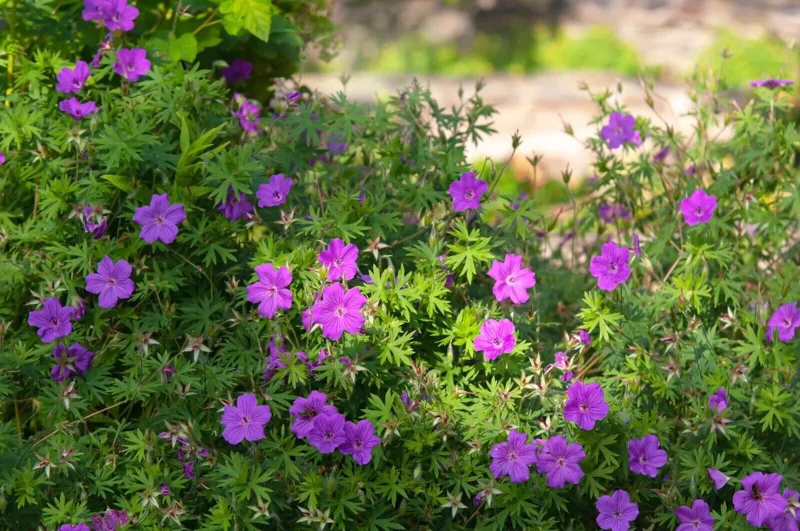
Flower Bulbs
3 Cranesbill Wild Geranium Organic Maculatums Bare Roots | Wildflower for Outdoor Garden
Sold 116 products
Original price was: $21.99.$9.99Current price is: $9.99.
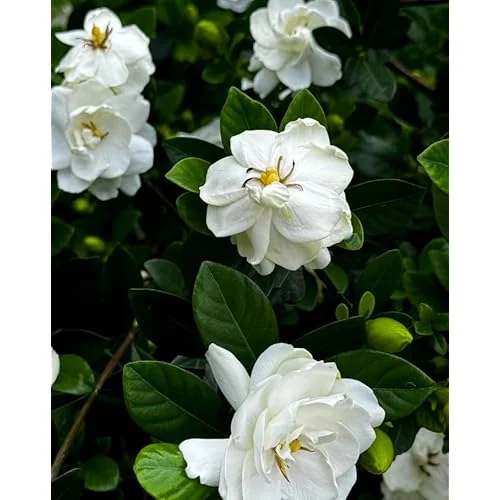
Sold 114 products
Original price was: $28.99.$17.99Current price is: $17.99.
Sold 110 products
Original price was: $63.99.$28.99Current price is: $28.99.
Sold 108 products
Original price was: $28.99.$17.99Current price is: $17.99.RELATED posts
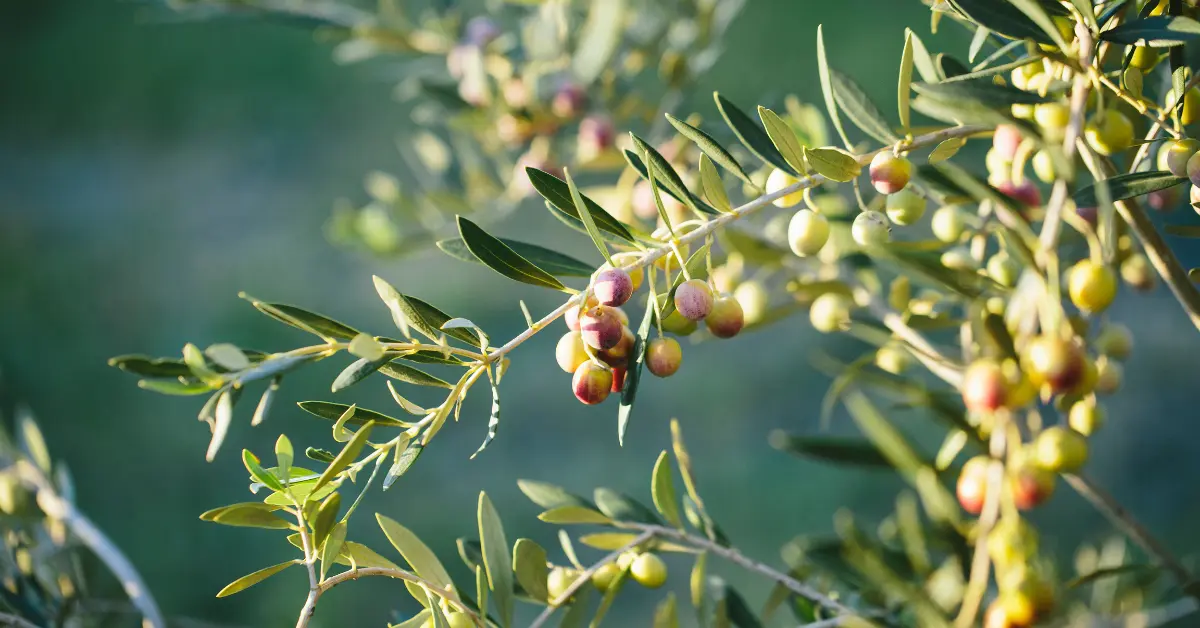
How to Grow Arbequina Olive Trees: The Ultimate Guide to Your Own Olive Grove
Arbequina Olive Tree (Olea europaea ‘Arbequina’) – the ultimate Mediterranean plant that brings a touch [...]
Oct
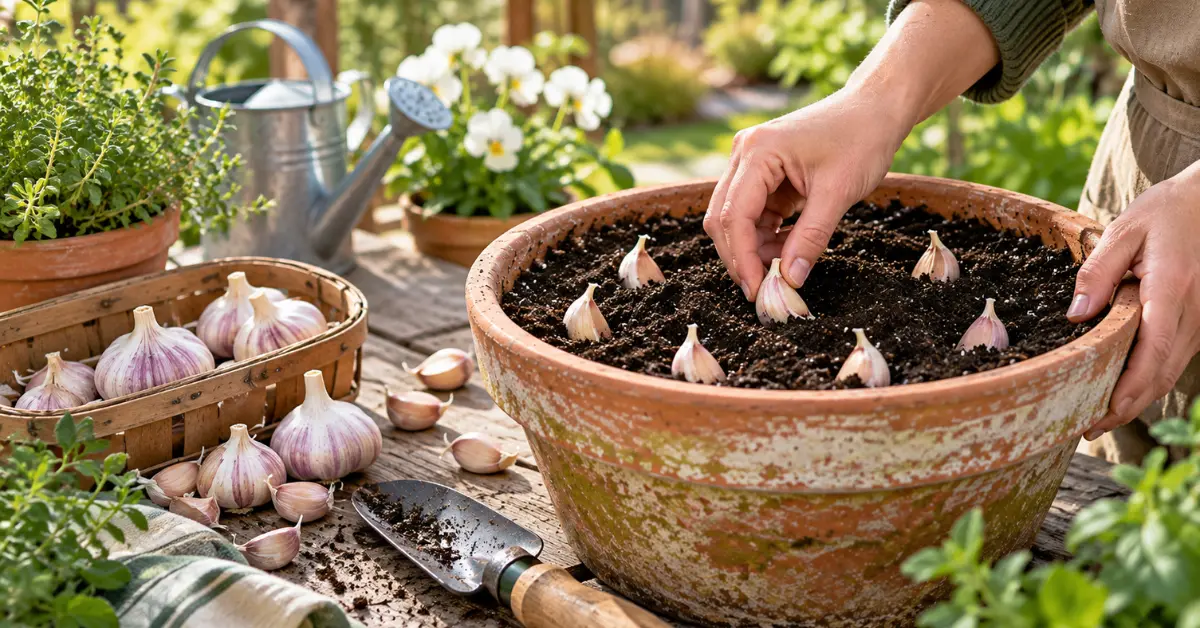
Growing Garlic in Containers This Fall: A Complete Guide for Beginners
If you’ve ever wanted to pop fresh, aromatic garlic cloves straight from your own patio [...]
Sep
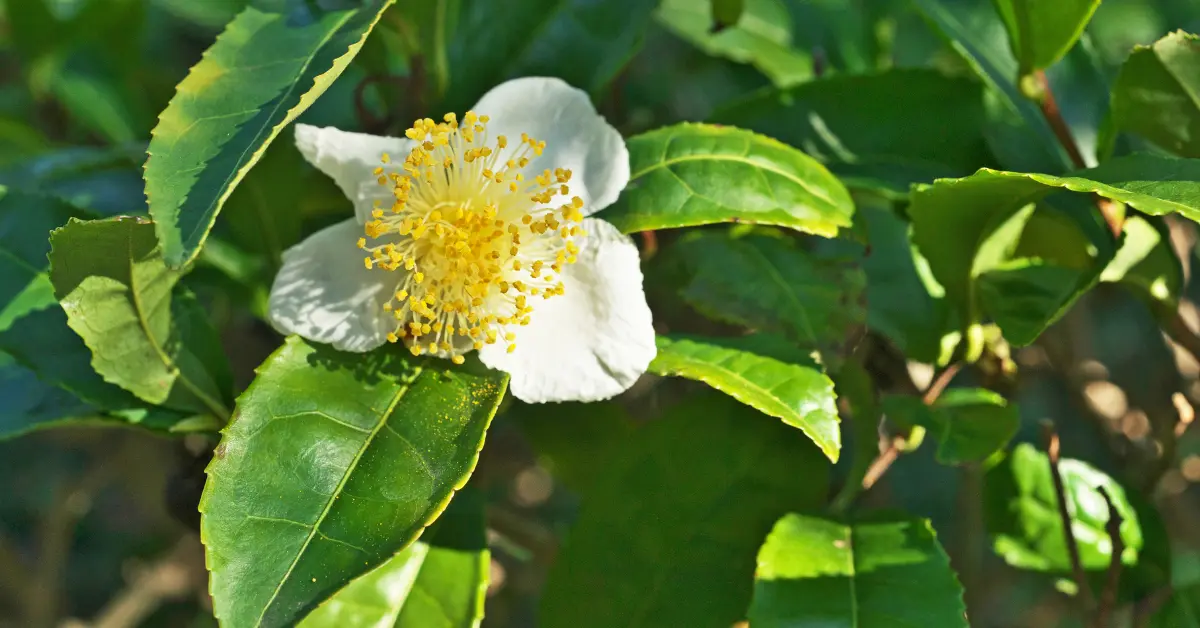
Growing Camellia Sinensis (Tea Plants) in Containers: A Complete Guide for Beginners
If you’ve ever wanted to sip a steaming, homegrown cup of fresh green, black, or [...]
Aug
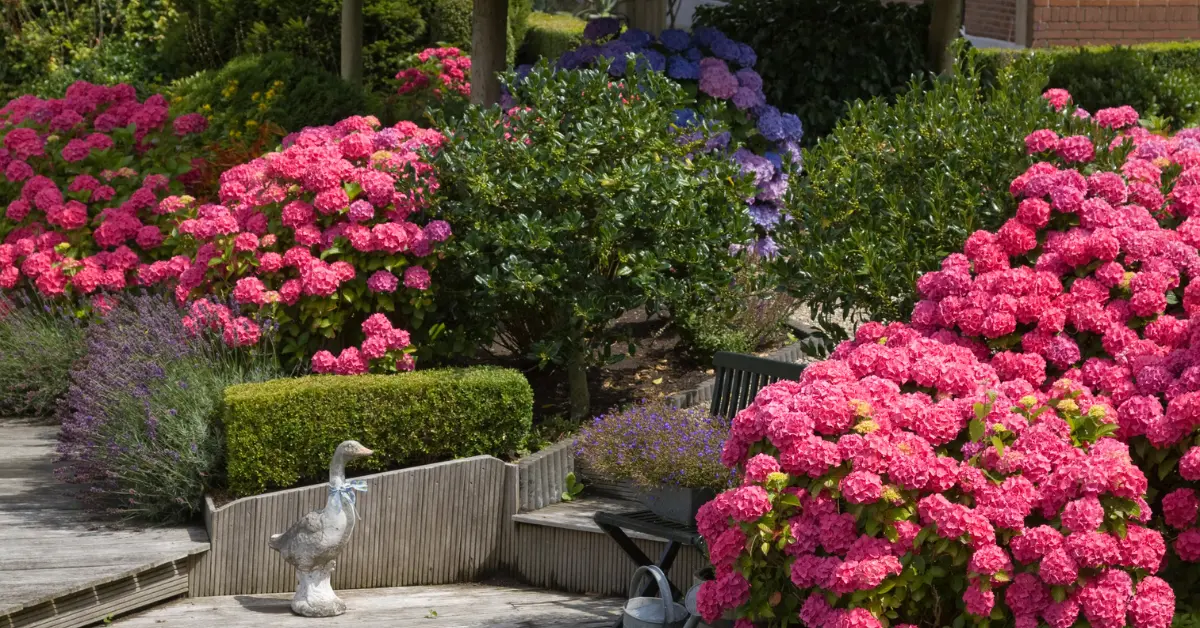
6 Best Shrubs to Plant in August You Must Try
Have you ever walked through a nursery late in the summer, admired the vibrant shrubs [...]
Aug
Growing Everbearing Strawberries in Containers: A Complete Guide for Beginners
Want to grow sweet, fresh strawberries but do not have a large garden? Everbearing strawberries [...]
Aug
Growing Egyptian Walking Onions in Containers: A Complete Guide for Beginners
If you’re looking for a hardy, no-fuss perennial onion that keeps on giving year after [...]
Jul
Growing Carolina Reaper Peppers in Pots: A Complete Guide for Beginners
If you’ve ever wanted to add some serious, record-breaking heat to your home cooking, you’ve [...]
May
Growing Curry Leaf Plant in Pots: A Complete Guide for Beginners
If you’re a fan of authentic South Asian cuisine, you already know that nothing compares [...]
May
Reviews
There are no reviews yet.