
Jaboticaba Live Plant 1ft Tall – Brazilian Tree Grape Starter Indoor/Outdoor
Original price was: $74.99.$39.99Current price is: $39.99.
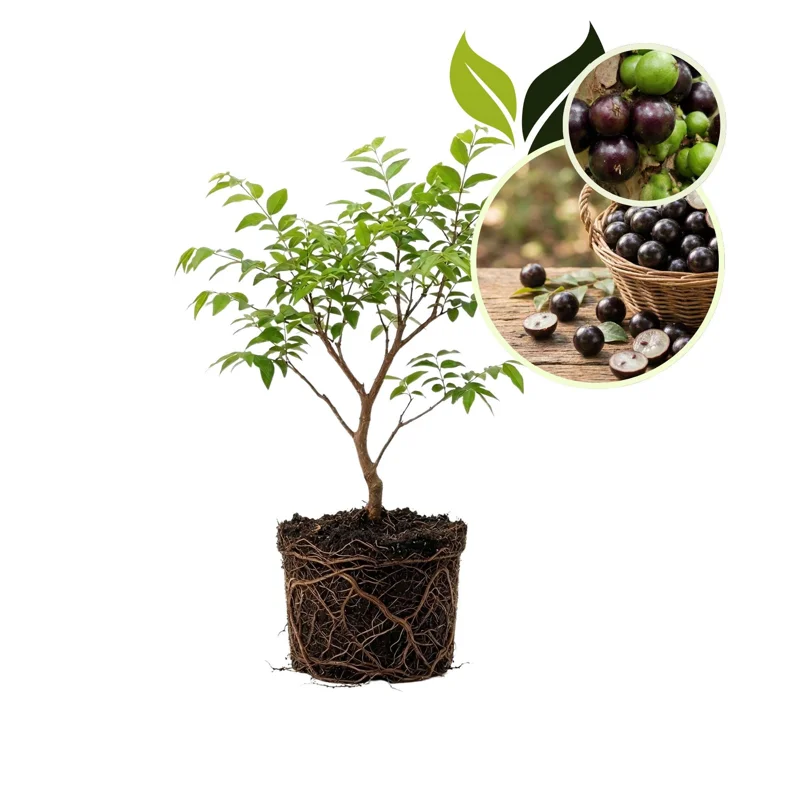
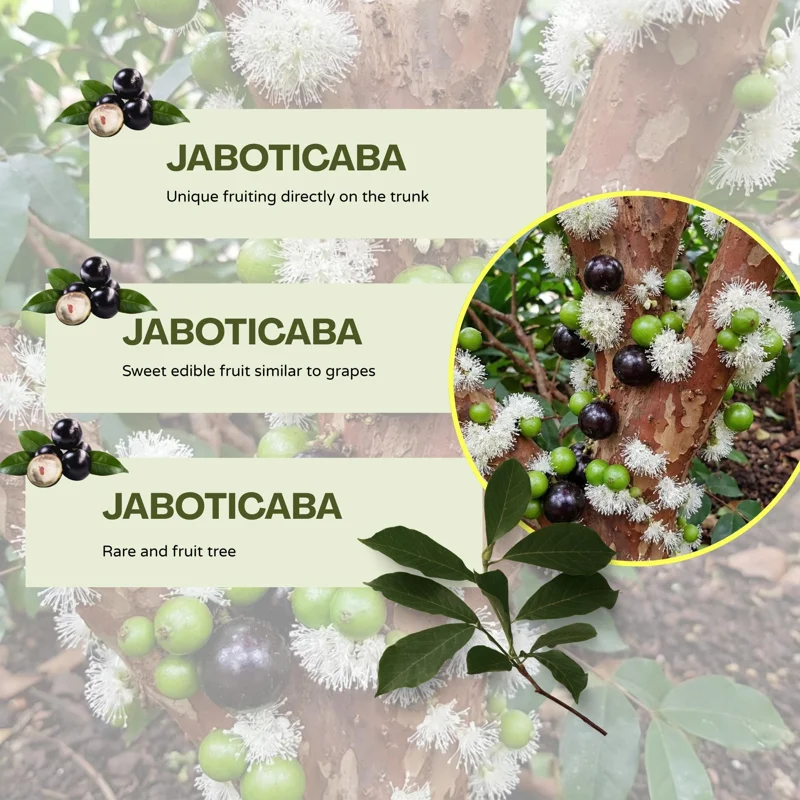
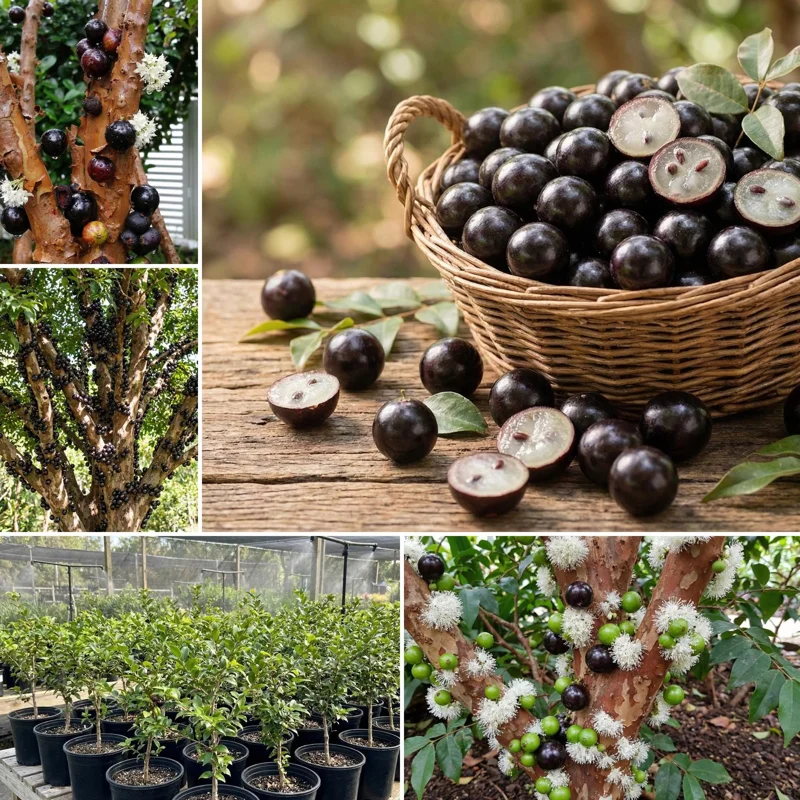
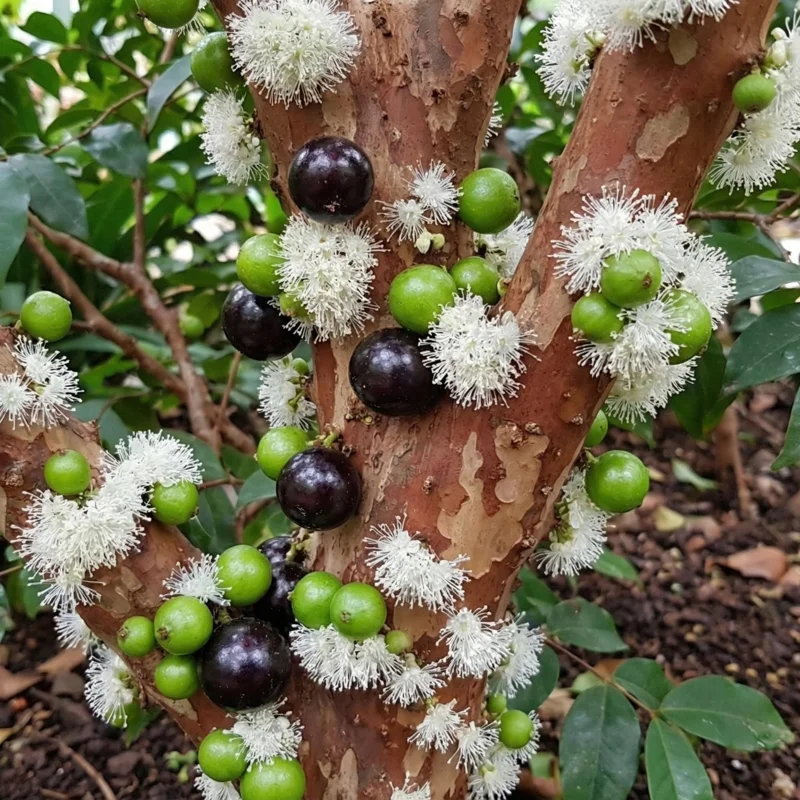
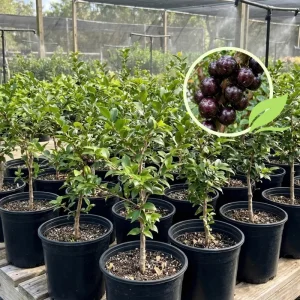
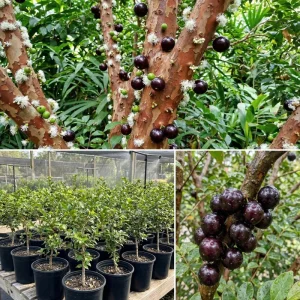
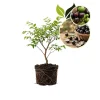
Cultivate a rare and exotic fruit with this jaboticaba live plant. This 1ft tall jaboticaba starter plant, also known as the brazilian tree grape (Plinia cauliflora), is suitable for both indoor and outdoor growing, offering unique fruits directly on its trunk.
Estimated arrival
Sep 17
Sep 22 - Sep 24
Sep 27 - Oct 01

Reasonable Price
We offer reasonable price

Support 24/7
Contact us 24 hrs a day

100% Money Back
You've 30 days to Return

Payment Secure
100% secure payment
Overview
Introduce an extraordinary botanical specimen to your collection with this jaboticaba live plant. Known botanically as Plinia cauliflora, this fascinating fruit tree, often called the brazilian tree grape, is celebrated for its unique growth habit where dark, grape-like fruits emerge directly from its trunk and branches. This 1ft tall jaboticaba starter plant offers a rare opportunity to cultivate a conversation-starting, edible landscape feature or a captivating indoor plant. Originating from Brazil, the jaboticaba is a slow-growing, long-lived tree that can thrive in various settings, from a patio container to a garden centerpiece, bringing a touch of the tropics to your home. Its distinctive appearance and delicious fruit make it a truly special addition for any plant enthusiast.
Our well-rooted jaboticaba starter plant is ready to begin its journey in your care. Despite its slow growth, the reward of harvesting your own fresh, sweet fruits directly from the tree is immeasurable. This plant is not just a source of fruit; it’s a living piece of art that transforms with each fruiting cycle. Whether you’re an experienced gardener or just starting, the charm and novelty of the plinia cauliflora will undoubtedly enrich your green space, making it a focal point of admiration and delight. It’s a fantastic choice for those seeking an unusual fruit tree with aesthetic appeal.
Key Benefits
Beyond its unique appearance, the jaboticaba live plant offers several advantages for the discerning gardener and fruit lover alike. Its adaptability allows it to thrive in diverse environments, making it a versatile choice. Here are some of the key benefits:
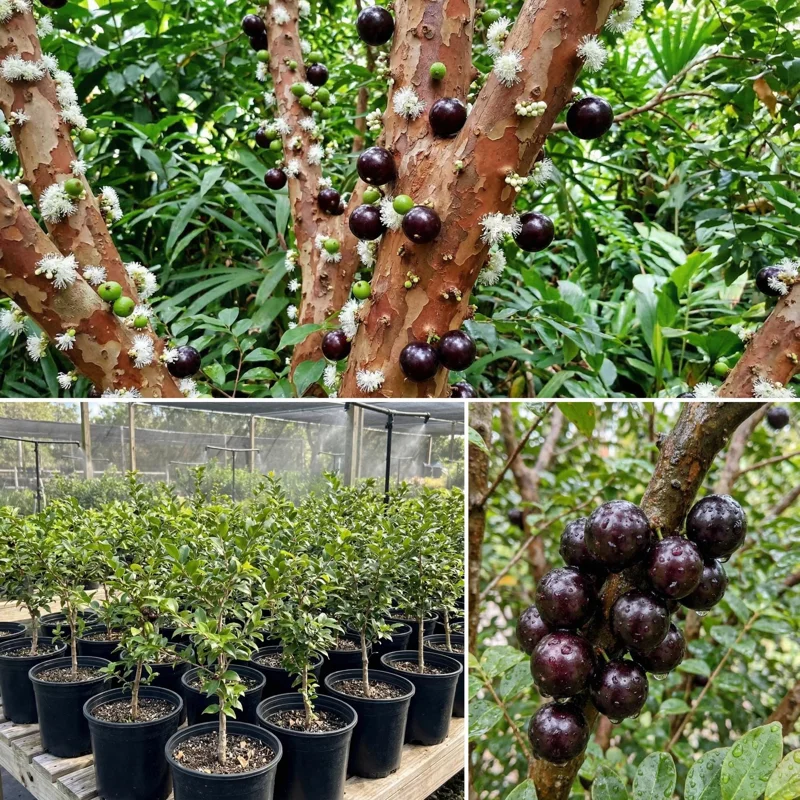
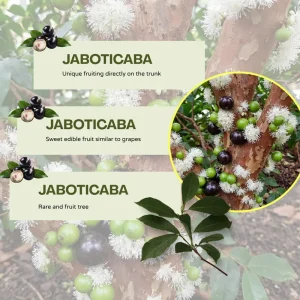
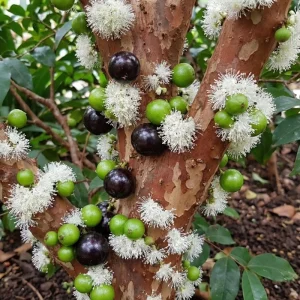
- Unique Fruiting Habit: Experience the wonder of cauliflory, where sweet, juicy fruits grow directly on the trunk and main branches, providing an eye-catching display and easy harvesting. This distinctive feature makes the brazilian tree grape a true garden novelty.
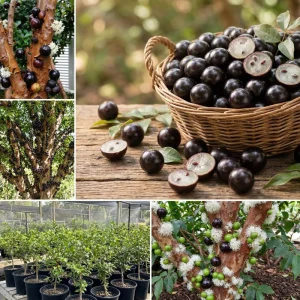
- Delicious Edible Fruit: Enjoy fresh, grape-like berries with a sweet, slightly acidic flavor. Perfect for eating fresh, making jams, jellies, juices, or even wine, offering a delightful culinary experience.
- Aesthetic Appeal: The deep green foliage and the striking contrast of the dark fruits against the bark create a stunning visual impact, enhancing the beauty of any indoor or outdoor setting. It’s a living sculpture for your home or garden.
- Long-Lived Specimen: With proper care, a jaboticaba live plant can live for many decades, becoming a cherished, enduring part of your landscape or indoor collection that can be passed down through generations.
- Container Friendly: Despite being a tree, its slow growth rate and manageable size make it an excellent candidate for growing in large containers, allowing it to be moved indoors during colder months, especially for those interested in a fruit tree indoor option.
- Conversation Starter: Its unusual growth and fruiting pattern are sure to capture attention and spark conversations among guests and fellow plant enthusiasts.
- Adaptable Growth: While preferring warmer climates, the jaboticaba can tolerate a range of conditions, making it a resilient and rewarding plant to grow.
Plant Care & Growing Tips
Caring for your jaboticaba live plant involves understanding its specific needs to ensure healthy growth and abundant fruiting. This brazilian tree grape thrives in conditions that mimic its native tropical environment. For sunlight, it prefers bright light to full sun. If growing indoors, place it near a south or west-facing window where it can receive at least 6-8 hours of direct or bright indirect light daily. Outdoors, ensure it gets morning sun and some protection from intense afternoon sun in very hot climates to prevent leaf scorch. Young plants may benefit from partial shade initially.
Watering is crucial for the plinia cauliflora. Keep the soil consistently moist but never waterlogged. Jaboticabas do not tolerate drought well, especially young plants, so regular watering is essential. Check the soil moisture daily or every other day, and water when the top inch of soil begins to feel dry. Ensure good drainage to prevent root rot. For soil, a rich, slightly acidic, and well-draining mix is ideal. Incorporating organic matter like compost or peat moss can improve soil structure and acidity. A pH range of 5.5 to 6.5 is generally preferred for this jaboticaba starter plant.
While slow-growing, regular fertilization will encourage healthier growth and fruit production. Use a balanced, slow-release fertilizer formulated for acid-loving plants, applied during the growing season (spring and summer). Reduce fertilization in fall and winter. This plant is generally hardy in USDA zones 9-11 outdoors, but can be grown as a fruit tree indoor in colder regions, moved outdoors during warm months. Protect from frost, as young plants are particularly sensitive to cold temperatures. Pruning is usually minimal, focused on shaping the tree and removing any dead or diseased branches. With consistent care, your jaboticaba live plant will flourish and reward you with its unique fruits.
Size & Details
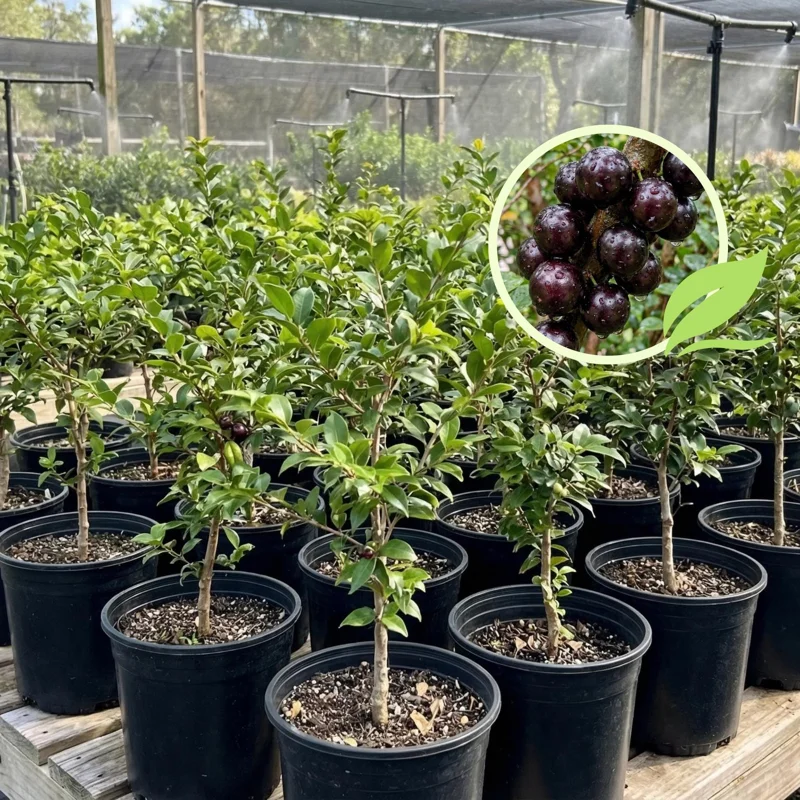
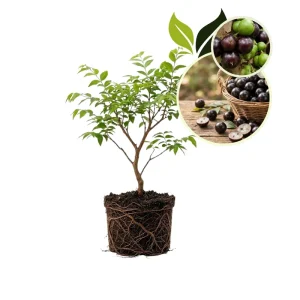
This offering is for a jaboticaba starter plant, approximately 1 foot tall when shipped. These are well-rooted young plants, providing a strong foundation for future growth. While the jaboticaba is known for its slow growth rate, it is incredibly long-lived and can eventually reach heights of 10-20 feet in ideal outdoor conditions, though it often remains smaller when grown in containers. When cultivated as a fruit tree indoor, its size can be easily managed through pruning and container size. The plant will arrive without a pot to facilitate easier shipping and allows you to choose the perfect container or planting location upon arrival. Expect the first fruits to appear within a few years, depending on growing conditions and care, making the journey of nurturing this unique plant a truly rewarding experience.
Frequently Asked Questions
- Q: How big does this plant get? A: This jaboticaba live plant is approximately 1 foot tall upon arrival. While it can reach 10-20 feet outdoors, its slow growth makes it suitable for containers, where its size can be managed to suit your space, especially as a fruit tree indoor.
- Q: Is this an indoor or outdoor plant? A: The jaboticaba can thrive both indoors and outdoors. In USDA Zones 9-11, it can be grown outdoors year-round. In colder climates, it is best grown in a container and moved indoors during winter.
- Q: How much sunlight does it need? A: Your brazilian tree grape prefers bright light to full sun, ideally receiving 6-8 hours of direct or very bright indirect light daily. Protect from intense afternoon sun in hot climates.
- Q: Is this plant easy to care for? A: While not difficult, the plinia cauliflora requires consistent moisture and protection from frost. Its slow growth means less frequent pruning, making it a manageable plant for those willing to provide consistent care.
- Q: What condition will it arrive in? A: Your jaboticaba starter plant will arrive as a well-rooted live plant, approximately 1 foot tall, carefully packaged without a pot to ensure safe transit.
- Q: How long until it fruits? A: Jaboticaba plants can take several years to begin fruiting, typically 3-5 years from a starter plant, depending on growing conditions and care. Patience is key for this rewarding fruit tree.
- Q: What type of soil is best for a jaboticaba live plant? A: It thrives in rich, slightly acidic, and well-draining soil. A good quality potting mix amended with organic matter like compost or peat moss is ideal.
- Q: Can I grow this jaboticaba starter plant in a small pot? A: While it can start in a smaller pot, it will eventually need a larger container (e.g., 5-15 gallons) to accommodate its root system and support healthy growth and fruiting.
- Q: Is the fruit from the brazilian tree grape edible? A: Yes, the fruits are delicious and edible, with a sweet, grape-like flavor. They can be eaten fresh or used in various culinary preparations.
- Q: What is the ideal temperature range for this plant? A: The jaboticaba prefers warm temperatures, ideally between 60-85°F (15-30°C). It is sensitive to frost, especially when young, so protect it from temperatures below 30°F (-1°C).
Be the first to review “Jaboticaba Live Plant 1ft Tall – Brazilian Tree Grape Starter Indoor/Outdoor”
-
USDA Hardiness Zone
USDA zones 9–11 (or year-round indoors) -
Soil Type
Rich, slightly acidic, well-draining soil -
Sunlight Exposure
Bright light to full sun -
Expected Planting Period
Year-round indoors; spring to summer outdoors
People Also Viewd
Sold 134 products
Original price was: $3,536.00.$23.99Current price is: $23.99.
Sold 131 products
Original price was: $89.99.$64.99Current price is: $64.99.
Sold 131 products
Original price was: $27.00.$24.00Current price is: $24.00.

Sold 125 products
Original price was: $86.99.$66.99Current price is: $66.99.
Flower Bulbs
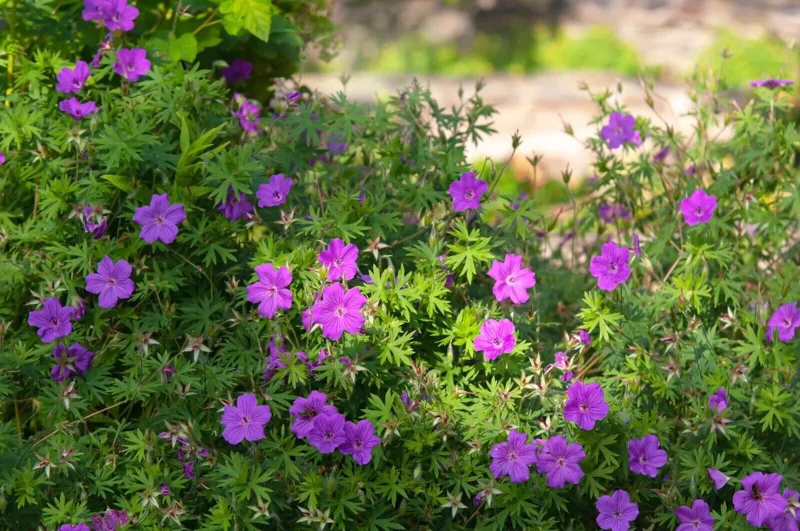
3 Cranesbill Wild Geranium Organic Maculatums Bare Roots | Wildflower for Outdoor Garden
Sold 116 products
Original price was: $21.99.$9.99Current price is: $9.99.
Sold 114 products
Original price was: $28.99.$17.99Current price is: $17.99.
Sold 110 products
Original price was: $63.99.$28.99Current price is: $28.99.
Sold 108 products
Original price was: $28.99.$17.99Current price is: $17.99.RELATED posts
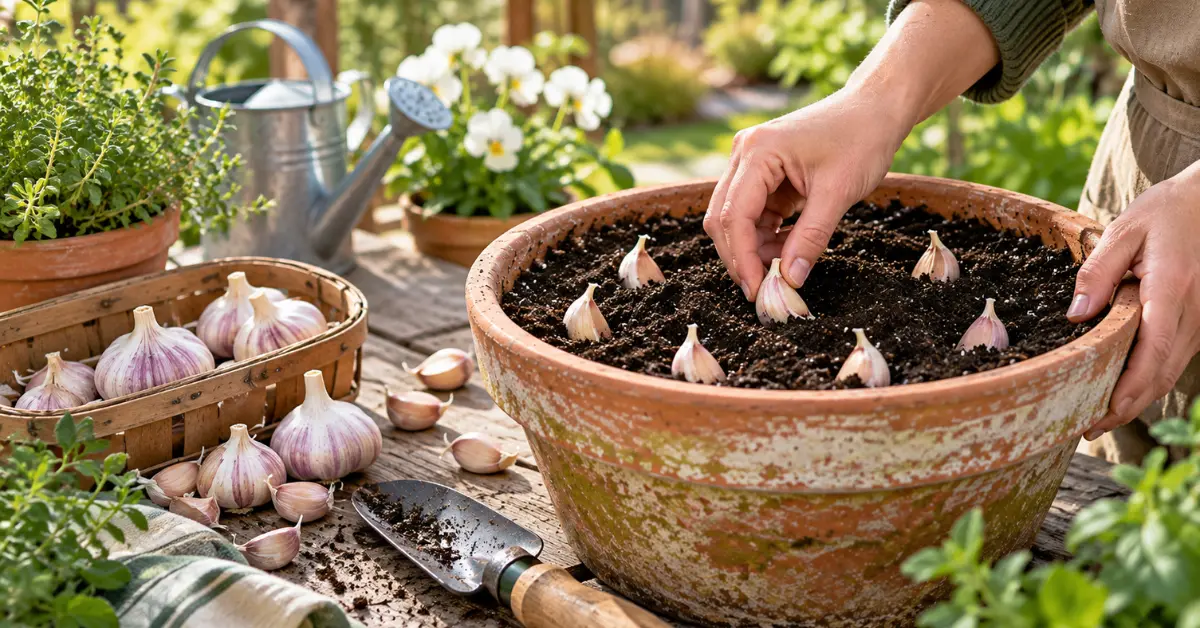
Growing Garlic in Containers This Fall: A Complete Guide for Beginners
If you’ve ever wanted to pop fresh, aromatic garlic cloves straight from your own patio [...]
Sep
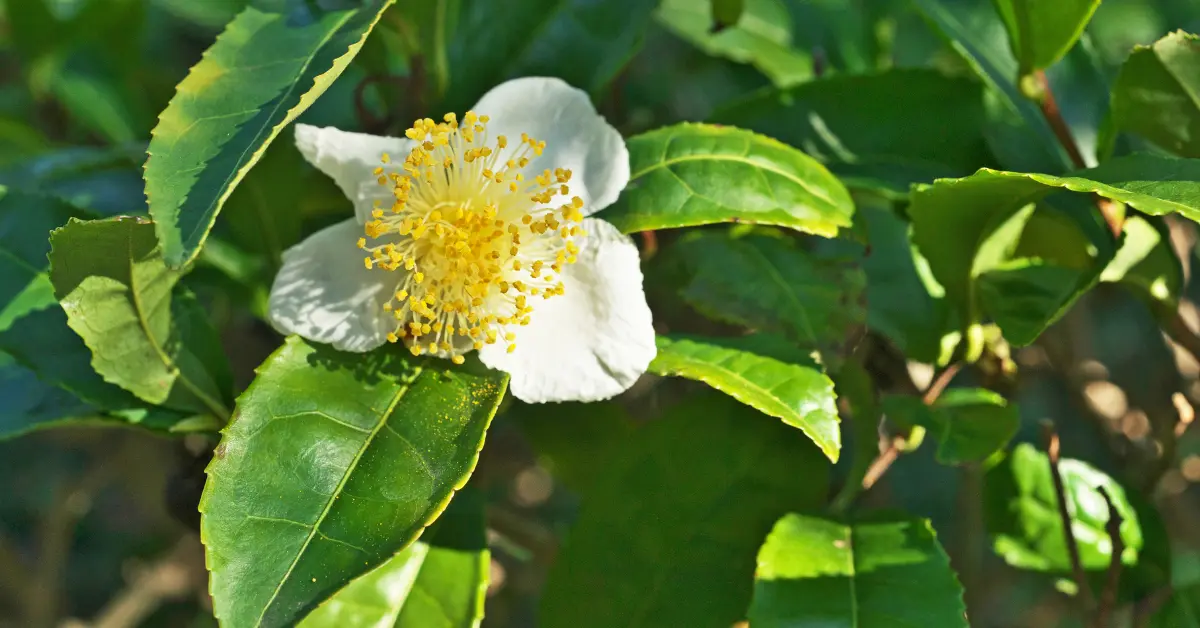
Growing Camellia Sinensis (Tea Plants) in Containers: A Complete Guide for Beginners
If you’ve ever wanted to sip a steaming, homegrown cup of fresh green, black, or [...]
Aug
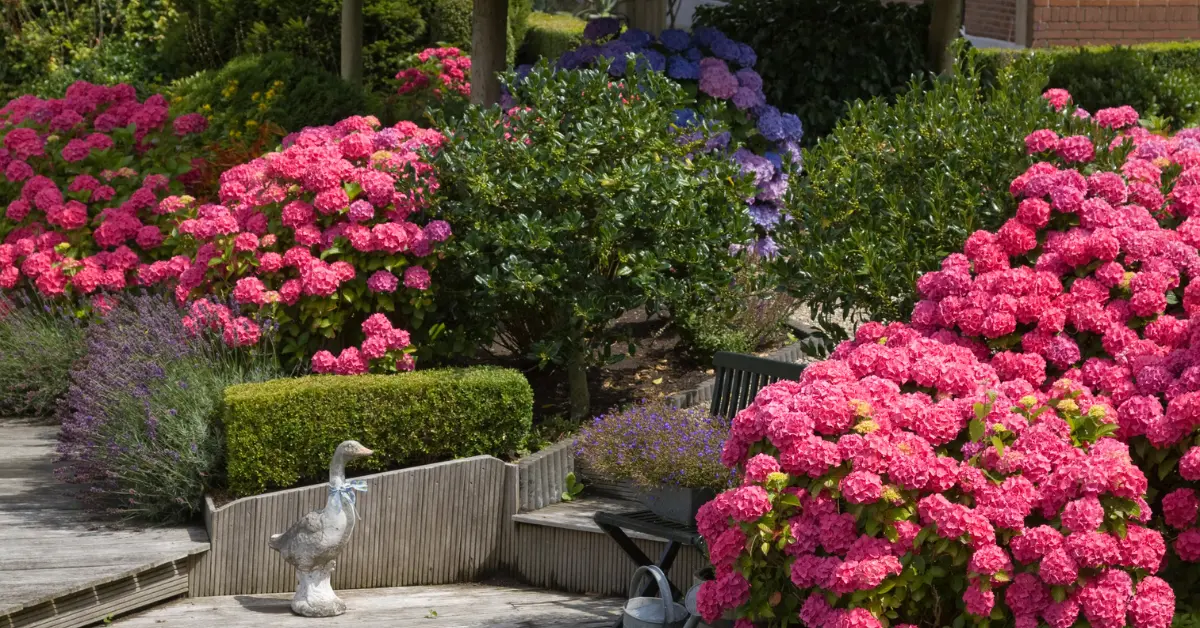
6 Best Shrubs to Plant in August You Must Try
Have you ever walked through a nursery late in the summer, admired the vibrant shrubs [...]
Aug
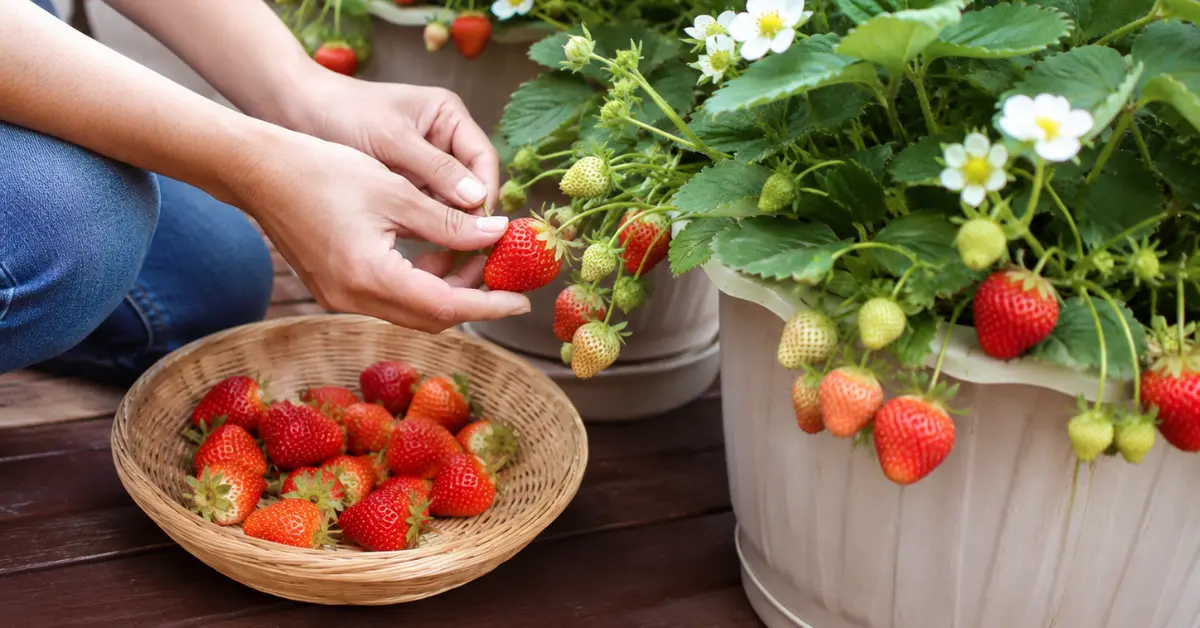
Growing Everbearing Strawberries in Containers: A Complete Guide for Beginners
Want to grow sweet, fresh strawberries but do not have a large garden? Everbearing strawberries [...]
Aug
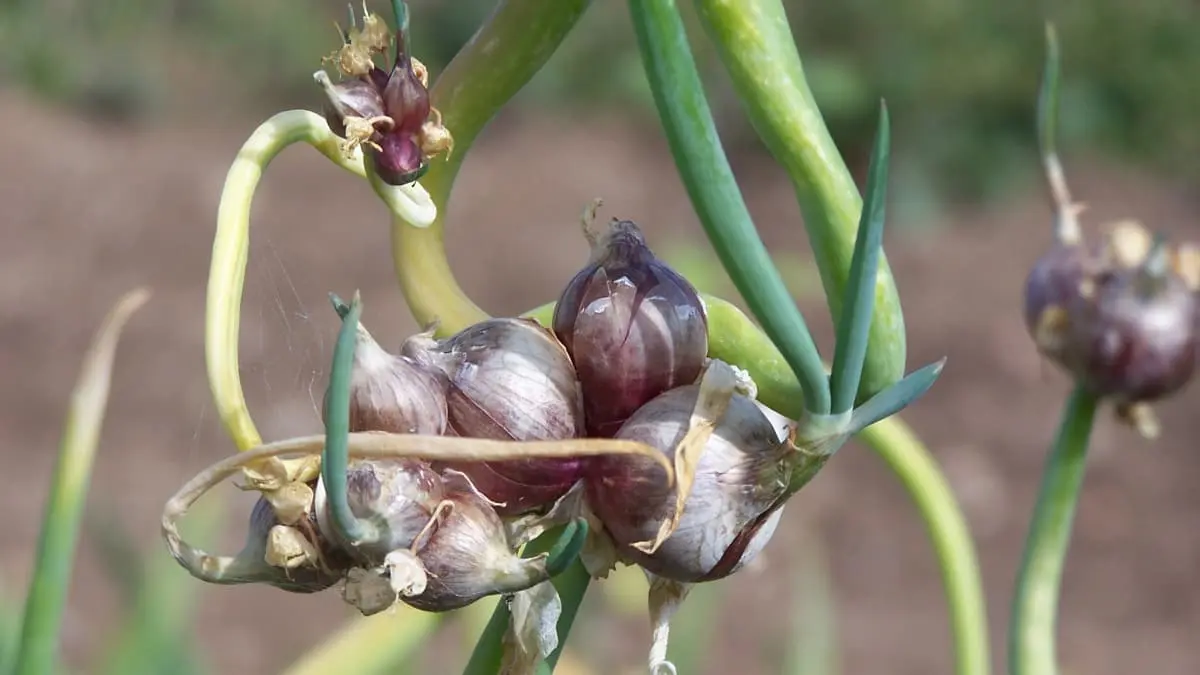
Growing Egyptian Walking Onions in Containers: A Complete Guide for Beginners
If you’re looking for a hardy, no-fuss perennial onion that keeps on giving year after [...]
Jul
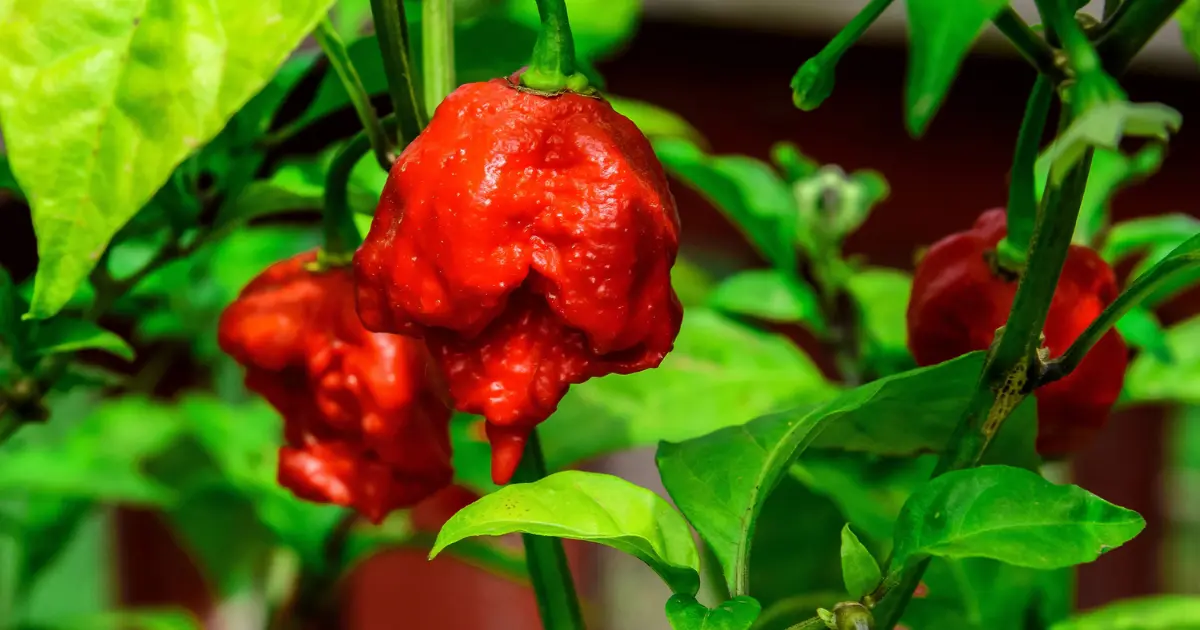
Growing Carolina Reaper Peppers in Pots: A Complete Guide for Beginners
If you’ve ever wanted to add some serious, record-breaking heat to your home cooking, you’ve [...]
May
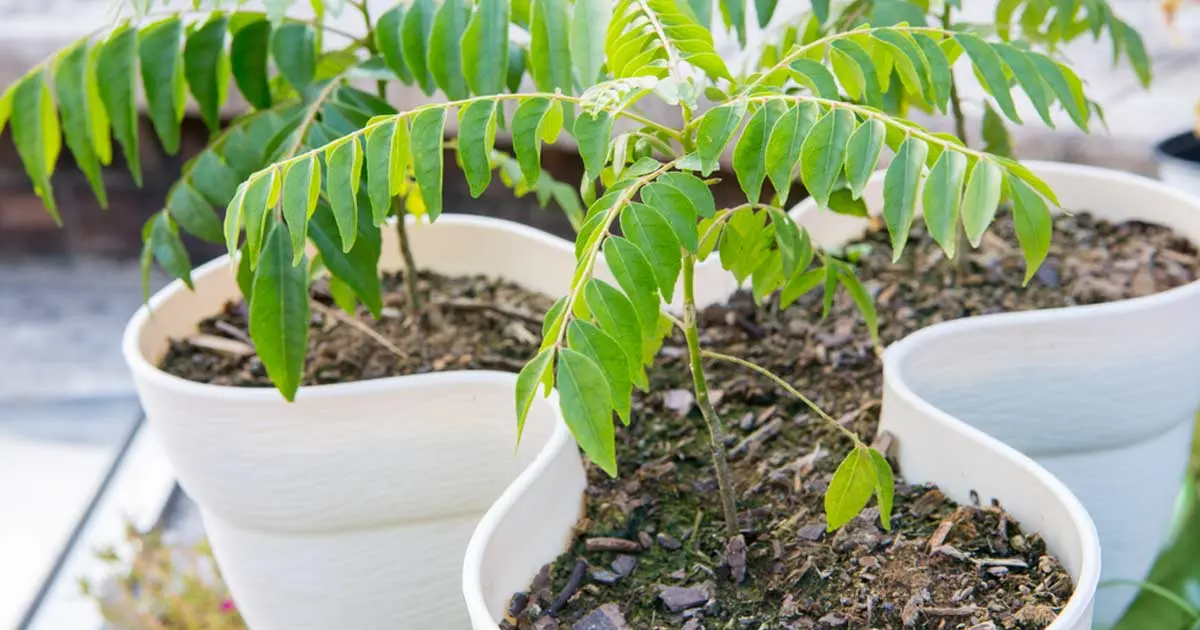
Growing Curry Leaf Plant in Pots: A Complete Guide for Beginners
If you’re a fan of authentic South Asian cuisine, you already know that nothing compares [...]
May
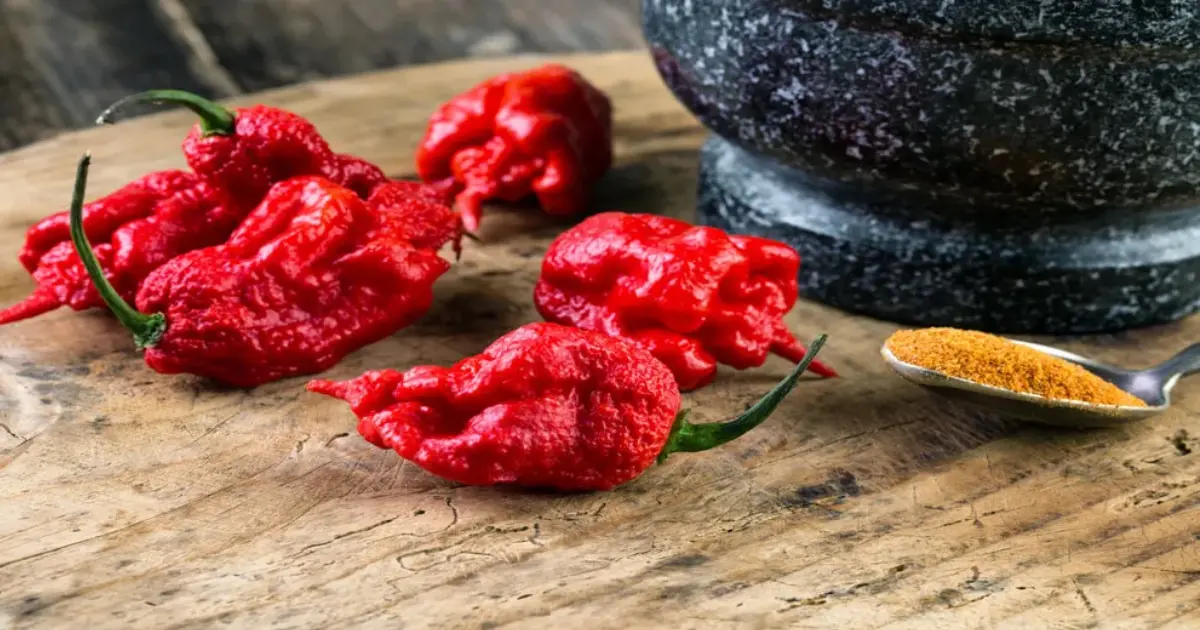
5 Tips for Growing Carolina Reaper Peppers to Get the Spiciest Harvest Ever
Holding the record for one of the world’s hottest peppers, the Reaper isn’t just a [...]
May
Reviews
There are no reviews yet.