
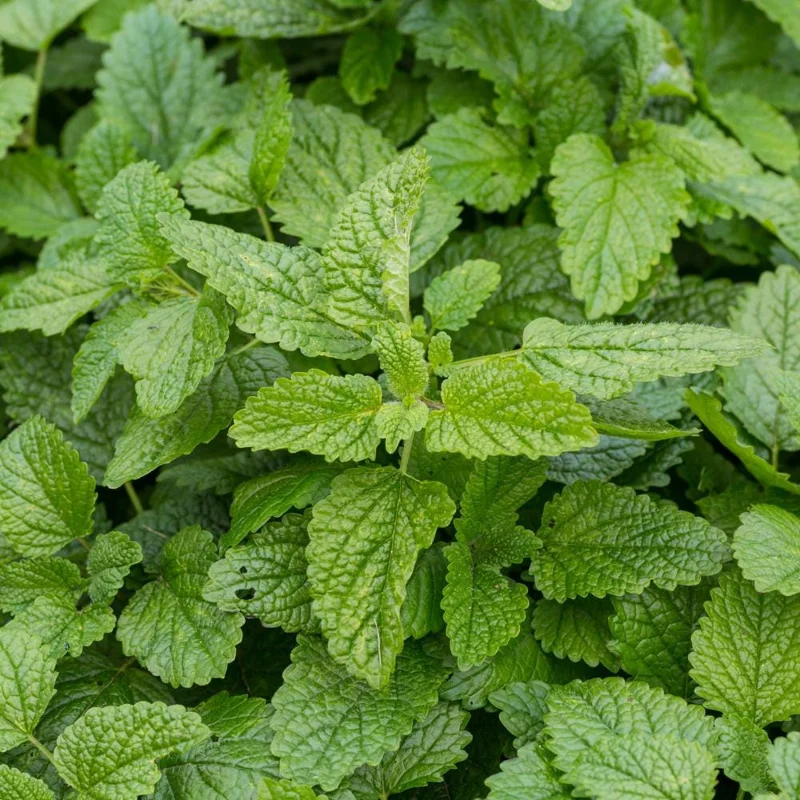
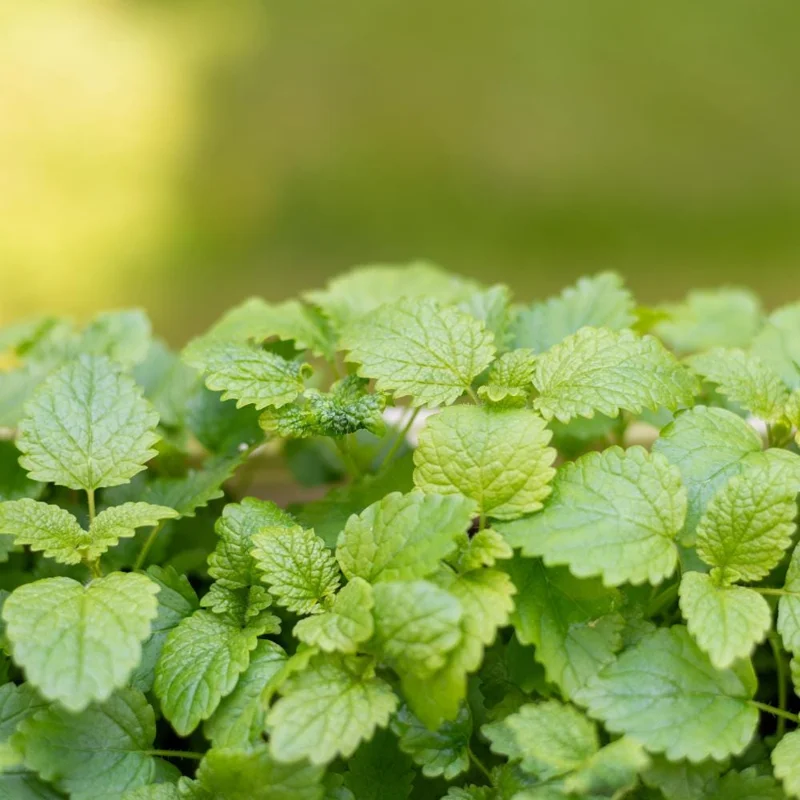
Lemon Balm Live Plant – Fresh Culinary Herb Shrub 6-7 Inch Tall – Fragrant Edible Leaves
Original price was: $75.25.$40.25Current price is: $40.25.
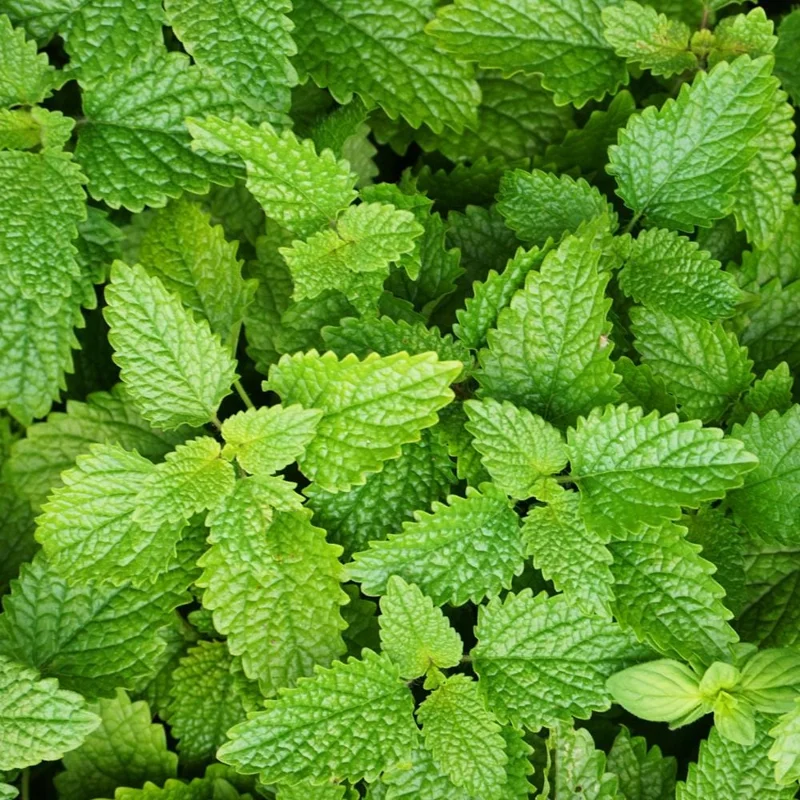
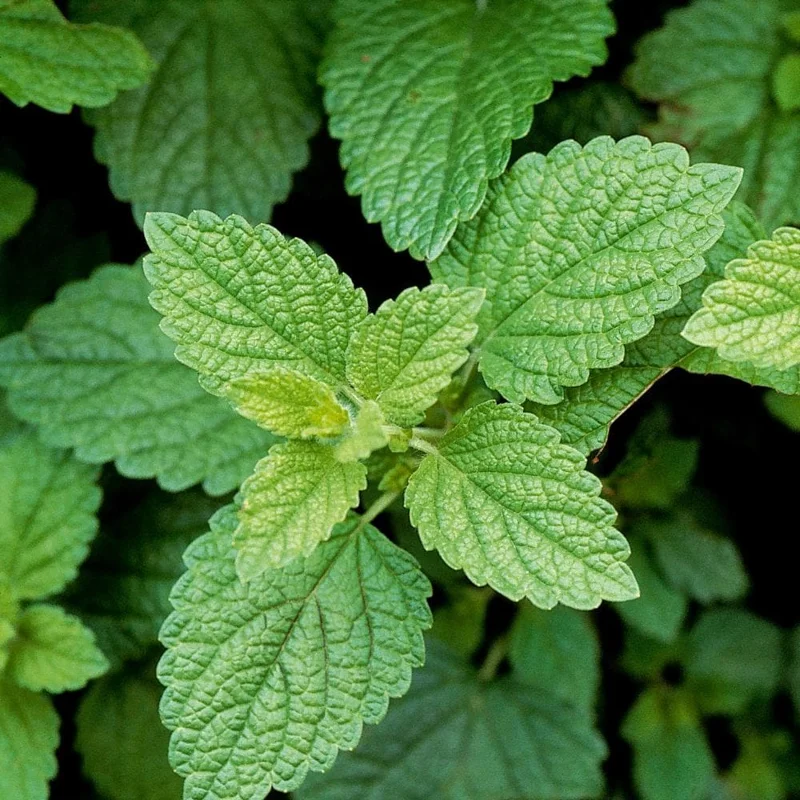
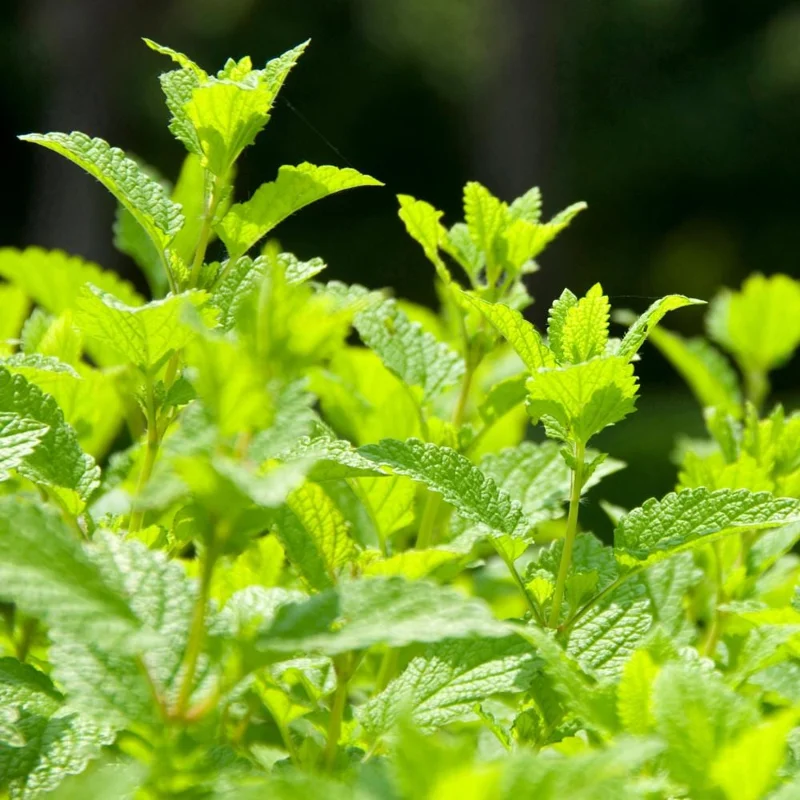
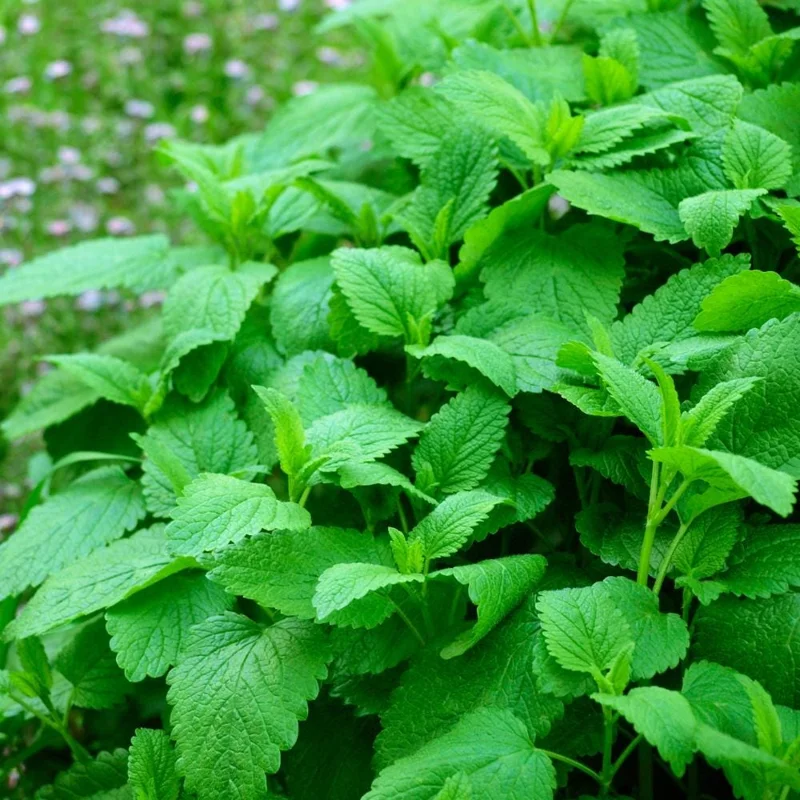
Bring home a vibrant lemon balm live plant, perfect for culinary and medicinal uses. This 6-7 inch tall herb shrub features fragrant, edible leaves and thrives in various garden settings. Enjoy its fresh scent and versatile applications.
Estimated arrival
Sep 17
Sep 22 - Sep 24
Sep 27 - Oct 01

Reasonable Price
We offer reasonable price

Support 24/7
Contact us 24 hrs a day

100% Money Back
You've 30 days to Return

Payment Secure
100% secure payment
Overview
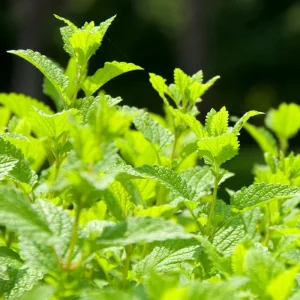
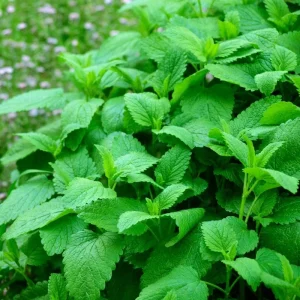
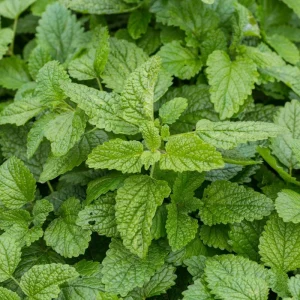
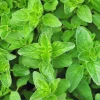
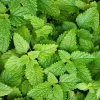
Discover the joy of growing your own lemon balm live plant, a delightful and versatile herb known for its fresh, lemony scent and numerous benefits. This particular offering provides a well-rooted plant, approximately 6-7 inches tall, ready to thrive in your garden or container. Lemon balm (Melissa officinalis) is a member of the mint family and has been cherished for centuries for its culinary, medicinal, and aromatic properties. Its bright green, soft leaves release a clean, citrusy fragrance when brushed, making it a wonderful addition to any sensory garden. Whether you’re a seasoned gardener or just starting out, this resilient herb is an excellent choice for adding natural goodness to your home.
The lemon balm live plant is an easy-to-grow perennial, offering continuous harvests of its aromatic foliage. Often used in teas, desserts, and savory dishes, its gentle flavor is highly prized. Beyond the kitchen, lemon balm is frequently sought after for its calming effects, often incorporated into herbal remedies and aromatherapy. This robust herb is adaptable, making it suitable for a wide range of climates and growing conditions across the US. Enjoy the satisfaction of cultivating your own fresh herbs, knowing you have a continuous supply of this beneficial plant at your fingertips.
Key Benefits
Adding a lemon balm live plant to your home or garden offers a multitude of advantages, enriching both your culinary endeavors and overall well-being. This fragrant herb is not only beautiful but also incredibly functional.
- Culinary Versatility: The leaves of your lemon balm live plant are perfect for flavoring teas, infusing vinegars, adding a citrusy note to salads, or garnishing desserts. Its mild, lemony taste is a refreshing complement to many dishes.
- Aromatic Delight: Known for its pleasant, uplifting lemon scent, this plant can naturally freshen your living space or garden area. Just a gentle brush of the leaves releases its delightful fragrance.
- Attracts Pollinators: When in bloom, lemon balm flowers are a magnet for bees and other beneficial pollinators, contributing to the health and biodiversity of your garden ecosystem.
- Medicinal Properties: Traditionally used for its calming and soothing effects, lemon balm is a popular choice for herbal teas aimed at promoting relaxation and aiding sleep.
- Low Maintenance: This hardy perennial is relatively easy to care for, making it an ideal choice for both novice and experienced gardeners looking for a hassle-free addition to their plant collection.
- Hardy Perennial: Suited for a broad range of climates, it reliably returns year after year, providing a continuous supply of fresh leaves without the need for annual replanting.
- Pest Repellent: The strong citrus scent of lemon balm can help deter certain common garden pests, acting as a natural protector for nearby plants.
Plant Care & Growing Tips
Caring for your lemon balm live plant is straightforward, ensuring a bountiful harvest of its aromatic leaves. This resilient herb thrives with proper attention to its environmental needs. For best growth, plant your lemon balm in a location that receives full sun to partial shade. Full sun (6+ hours of direct sunlight) will encourage more vigorous growth and a stronger scent, while partial shade (4-6 hours of direct sunlight, especially afternoon shade in hot climates) can help prevent the leaves from scorching. It’s a very hardy perennial, well-suited for USDA Zones 3-9, meaning it can withstand cold winters and hot summers within this range.
When it comes to watering, the lemon balm live plant prefers consistently moist, but not waterlogged, soil. Water the plant thoroughly when the top inch or two of soil feels dry to the touch. Ensure good drainage to prevent root rot. This plant is not overly particular about soil type, thriving best in well-drained soil, and it can even tolerate sandy or rocky conditions. A balanced, organic fertilizer can be applied sparingly in spring to encourage new growth. Pruning regularly, especially after flowering, will help maintain a bushy shape and encourage the production of fresh, tender leaves. Watch out for common garden pests like aphids, though lemon balm’s strong scent often keeps them at bay. Regular harvesting also acts as a form of pruning, promoting a healthy and productive plant.
To ensure robust growth and a continuous supply of fresh leaves, consider the mature size of your plant. The lemon balm live plant typically grows to a height of 10-22 inches, spreading outwards as it matures. Providing adequate space will prevent overcrowding and allow for better air circulation, reducing the risk of fungal issues. Dividing the plant every few years in spring can also rejuvenate older plants and provide you with new plants to share or expand your garden. This easy-to-manage herb is an excellent choice for anyone interested in growing lemon balm successfully.
Size & Details
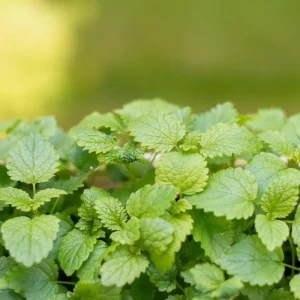
This offering includes a healthy lemon balm live plant, well-rooted and ready for planting, measuring approximately 6-7 inches tall from the base of the plant to the top of its foliage. It arrives in a nursery pot, ensuring its root system is intact and established, ready for transplanting into your garden or a larger container. The plant is expected to grow to a mature height of 10-22 inches, with a similar spread, forming a lush, bushy mound of fragrant leaves. Its growth rate is moderate to fast, allowing you to enjoy fresh harvests relatively quickly after planting.
As a perennial herb, the lemon balm live plant will return year after year, providing a continuous supply of its edible and aromatic leaves. It typically flowers in summer, producing small, inconspicuous white or pale yellow blooms that are attractive to pollinators. The plant’s hardy nature makes it a reliable addition to many landscapes, flourishing with minimal fuss. For optimal development, ensure it has enough space to reach its full potential, whether planted in the ground or in a spacious pot on your patio. Understanding lemon balm care will ensure this plant thrives.
Frequently Asked Questions
- Q: How big does this plant get? A: This lemon balm live plant typically grows to a mature height of 10-22 inches, with a similar spread, forming a bushy, rounded shape. Its ultimate size can depend on growing conditions and pruning.
- Q: What size pot does it come in? A: The plant arrives well-rooted in a standard nursery pot, ensuring its health and stability during transit and readiness for transplanting.
- Q: Is this an indoor or outdoor plant? A: Lemon balm can be grown both indoors and outdoors. It thrives outdoors in USDA Zones 3-9 but can also be grown as a container plant indoors in a bright location.
- Q: How much sunlight does it need? A: For best results, your lemon balm live plant prefers full sun to partial shade, meaning at least 4-6 hours of direct sunlight per day. It tolerates more shade in hotter climates.
- Q: Is this plant easy to care for? A: Yes, lemon balm is considered a very easy-to-care-for herb, making it suitable for beginner gardeners. It’s quite resilient and forgiving.
- Q: What condition will it arrive in? A: Your plant will arrive as a healthy, well-rooted live plant, carefully packaged to ensure minimal stress during shipping and ready for immediate planting.
- Q: Can I use lemon balm in cooking? A: Absolutely! The leaves of this edible herb plant are excellent for culinary uses, adding a fresh, citrusy flavor to teas, desserts, salads, and savory dishes.
- Q: How long until it blooms? A: Lemon balm typically blooms in the summer months, producing small, subtle flowers that are attractive to pollinators.
- Q: Will it survive winter in my zone? A: Being a hardy perennial in USDA Zones 3-9, it will survive winter and return in spring within these zones. In colder zones, it can be overwintered indoors.
- Q: What’s the best way to get fresh lemon balm herb? A: The best way to get fresh lemon balm herb is to grow your own! Simply harvest the leaves as needed from your thriving plant.
Be the first to review “Lemon Balm Live Plant – Fresh Culinary Herb Shrub 6-7 Inch Tall – Fragrant Edible Leaves”
-
USDA Hardiness Zone
USDA Zones 3-9 -
Soil Type
Well-drained soil -
Sunlight Exposure
Full sun to partial shade -
Expected Planting Period
Spring to early summer (year-round indoors)
People Also Viewd
Sold 134 products
Original price was: $3,536.00.$23.99Current price is: $23.99.
Sold 131 products
Original price was: $27.00.$24.00Current price is: $24.00.
Sold 131 products
Original price was: $89.99.$64.99Current price is: $64.99.
Sold 125 products
Original price was: $86.99.$66.99Current price is: $66.99.
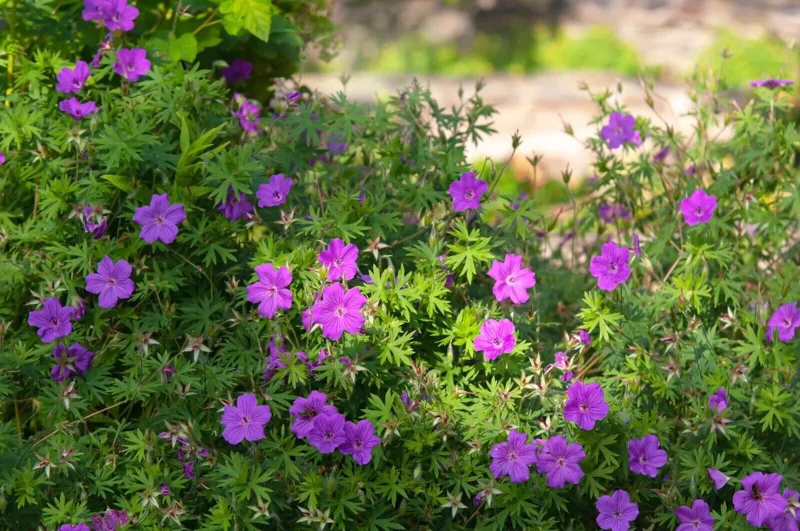
Flower Bulbs
3 Cranesbill Wild Geranium Organic Maculatums Bare Roots | Wildflower for Outdoor Garden
Sold 116 products
Original price was: $21.99.$9.99Current price is: $9.99.
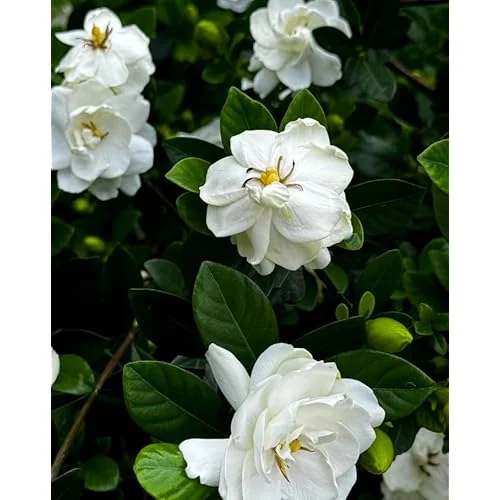
Sold 114 products
Original price was: $28.99.$17.99Current price is: $17.99.
Sold 110 products
Original price was: $63.99.$28.99Current price is: $28.99.
Sold 108 products
Original price was: $28.99.$17.99Current price is: $17.99.RELATED posts
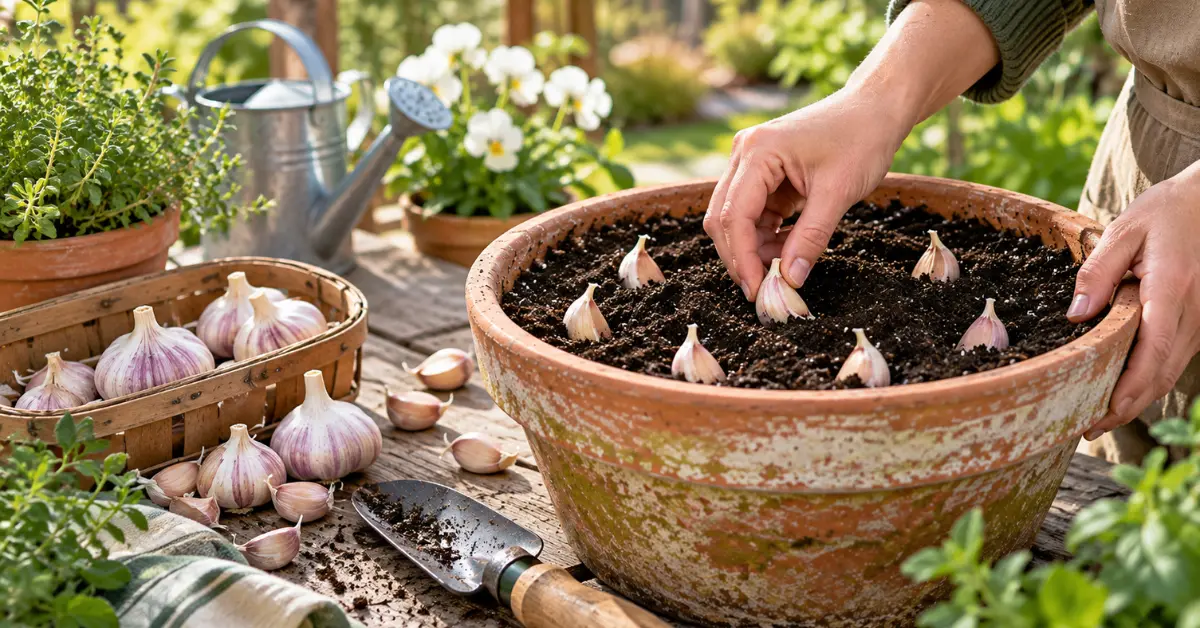
Growing Garlic in Containers This Fall: A Complete Guide for Beginners
If you’ve ever wanted to pop fresh, aromatic garlic cloves straight from your own patio [...]
Sep
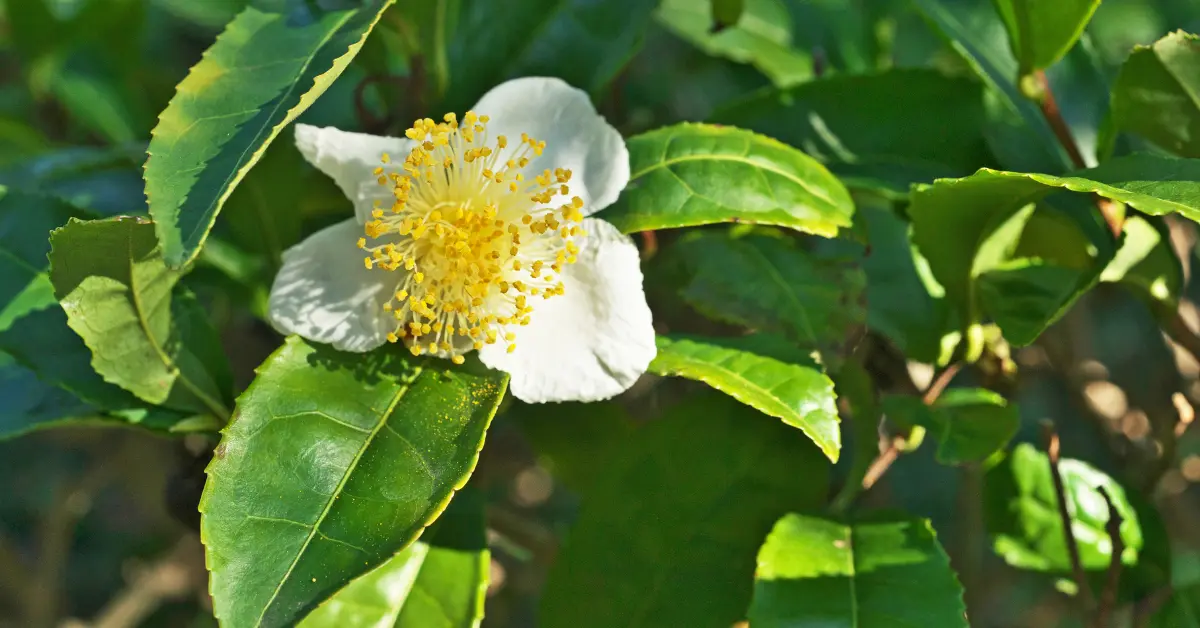
Growing Camellia Sinensis (Tea Plants) in Containers: A Complete Guide for Beginners
If you’ve ever wanted to sip a steaming, homegrown cup of fresh green, black, or [...]
Aug
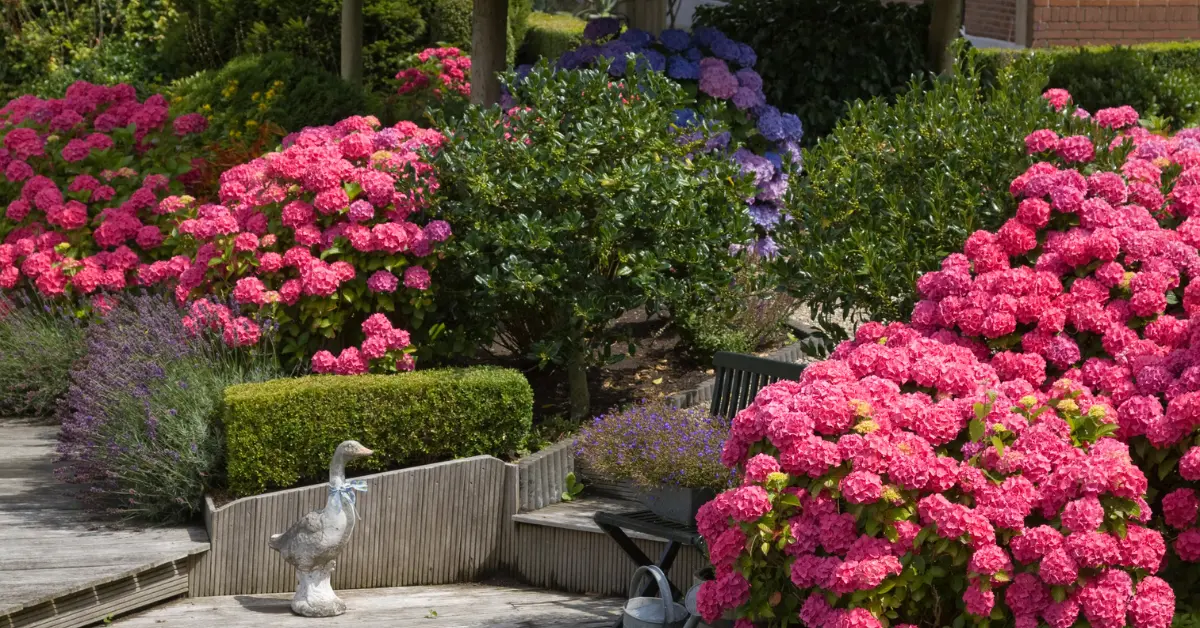
6 Best Shrubs to Plant in August You Must Try
Have you ever walked through a nursery late in the summer, admired the vibrant shrubs [...]
Aug
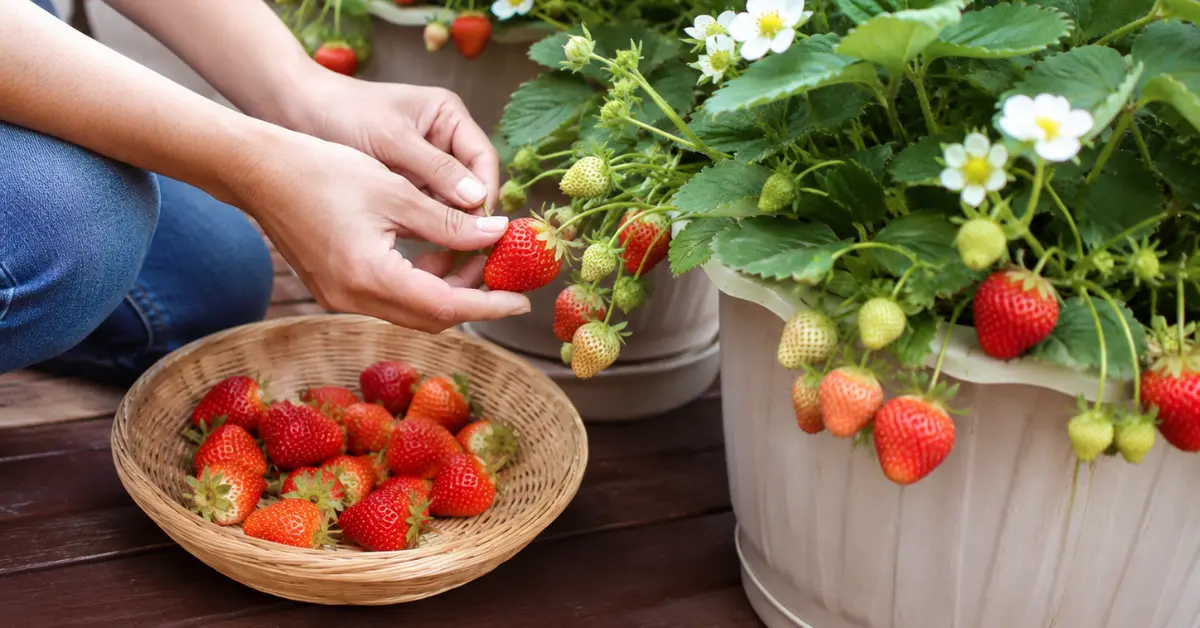
Growing Everbearing Strawberries in Containers: A Complete Guide for Beginners
Want to grow sweet, fresh strawberries but do not have a large garden? Everbearing strawberries [...]
Aug
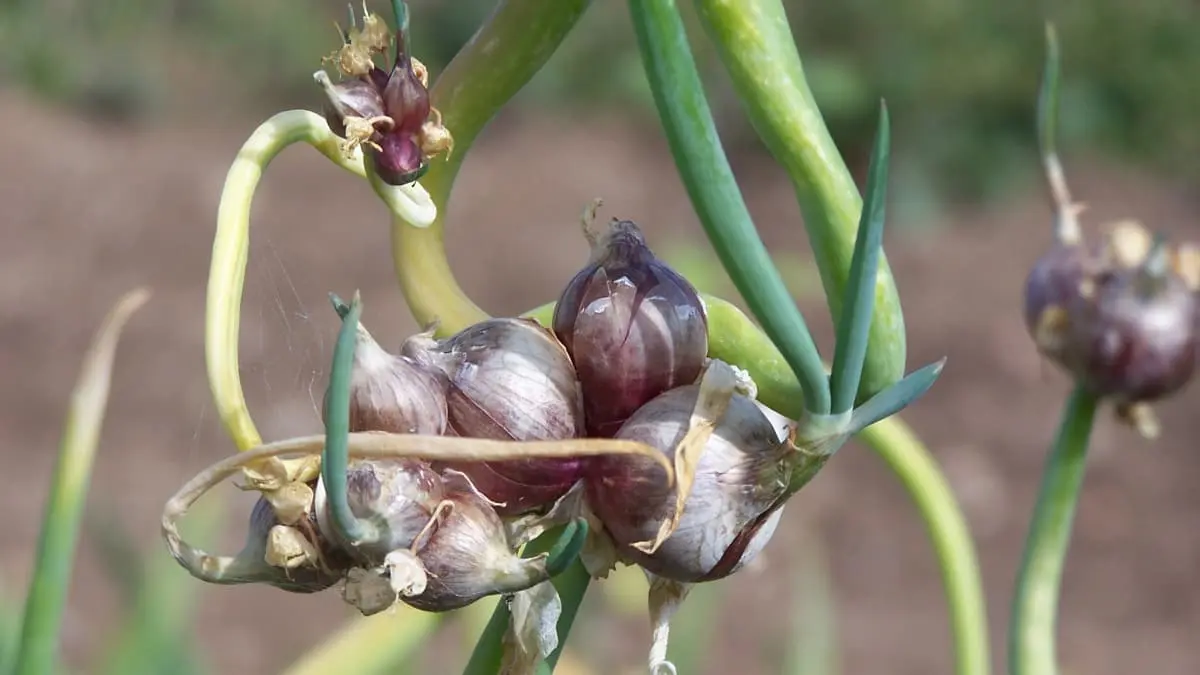
Growing Egyptian Walking Onions in Containers: A Complete Guide for Beginners
If you’re looking for a hardy, no-fuss perennial onion that keeps on giving year after [...]
Jul
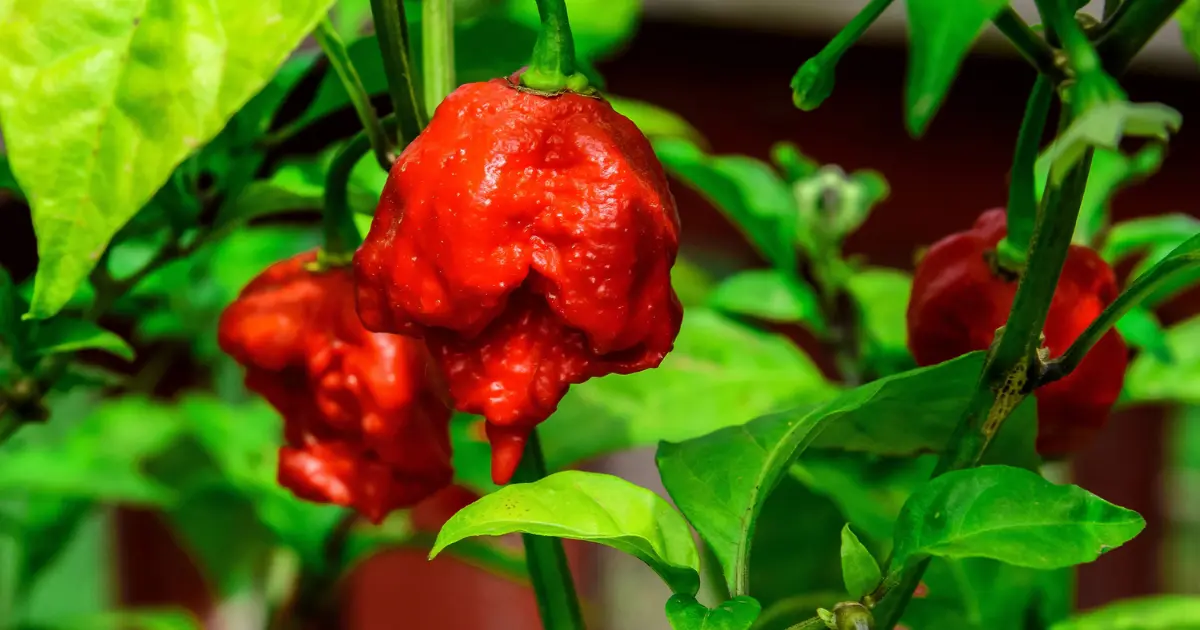
Growing Carolina Reaper Peppers in Pots: A Complete Guide for Beginners
If you’ve ever wanted to add some serious, record-breaking heat to your home cooking, you’ve [...]
May
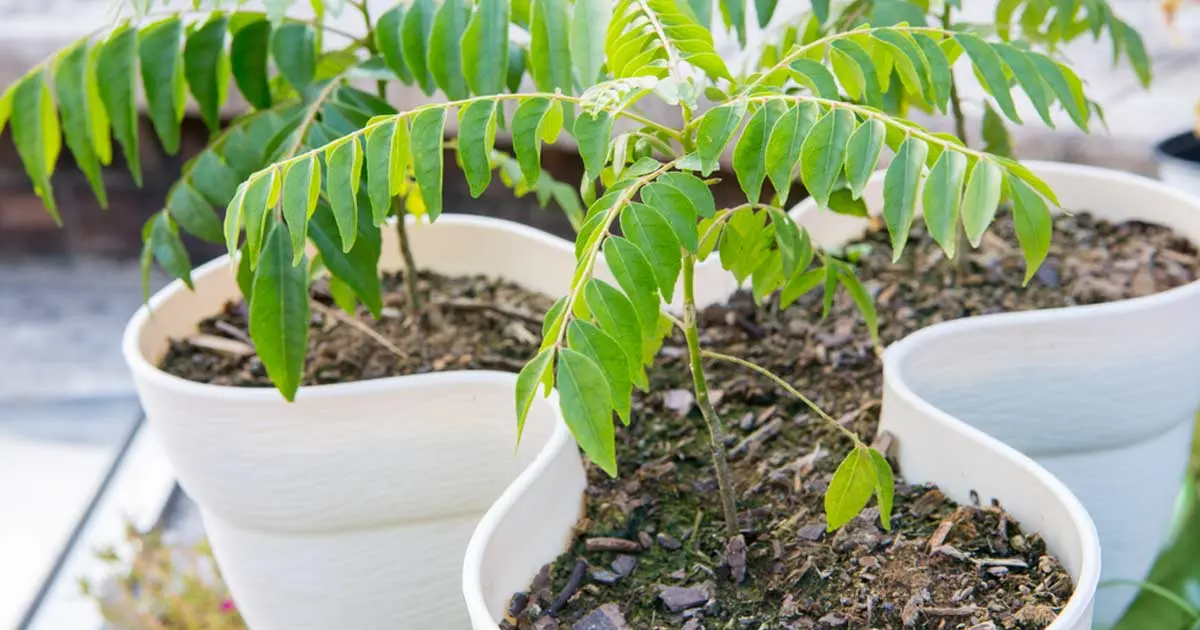
Growing Curry Leaf Plant in Pots: A Complete Guide for Beginners
If you’re a fan of authentic South Asian cuisine, you already know that nothing compares [...]
May
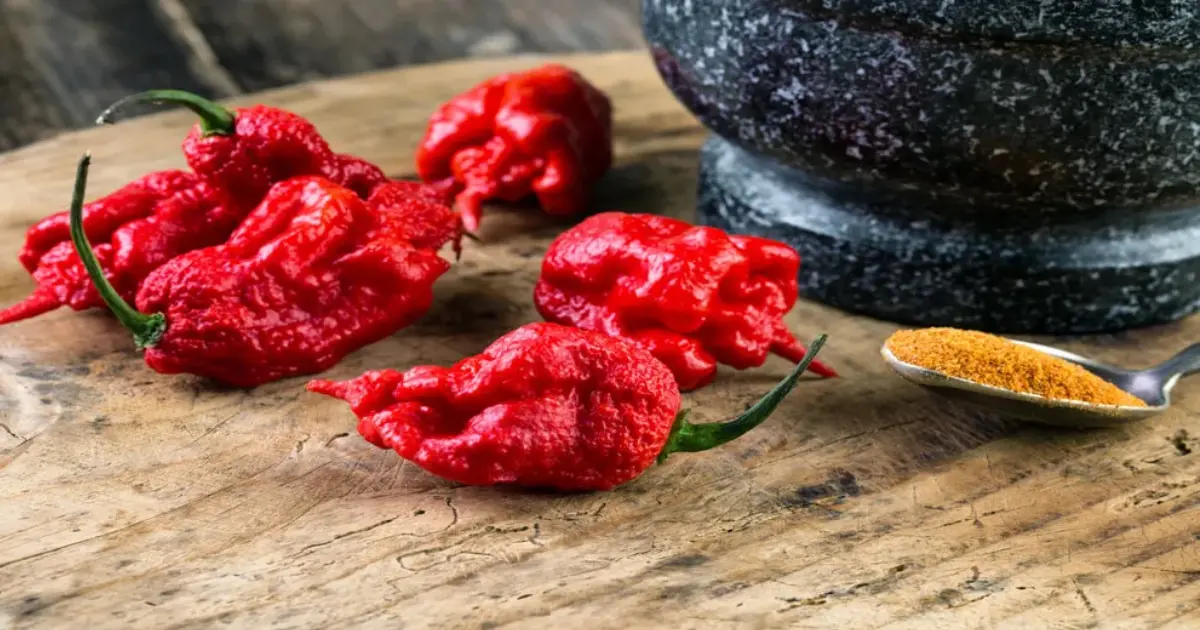
5 Tips for Growing Carolina Reaper Peppers to Get the Spiciest Harvest Ever
Holding the record for one of the world’s hottest peppers, the Reaper isn’t just a [...]
May
Reviews
There are no reviews yet.